
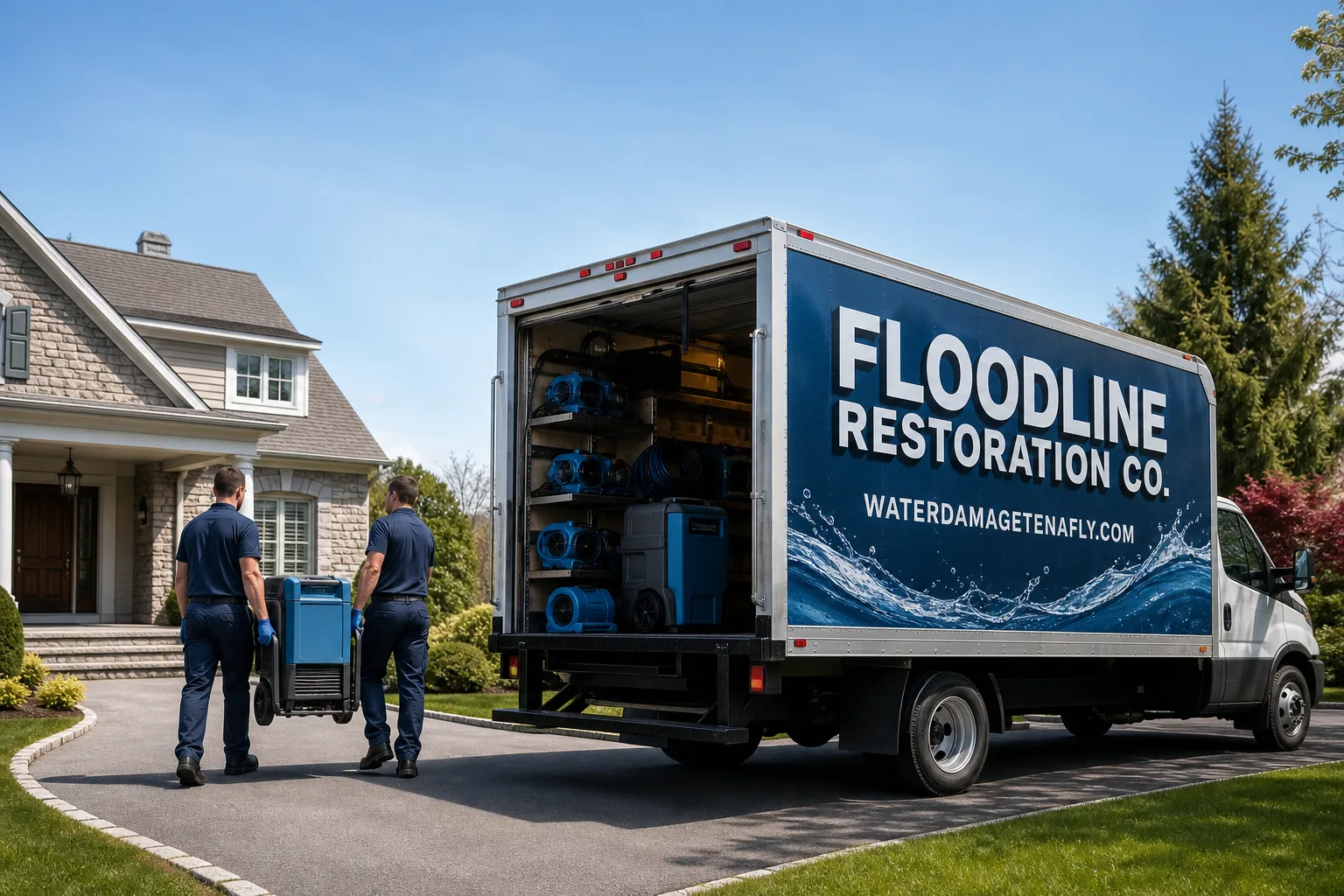
Free visual inspection and a written scope of work before any mitigation begins - photos, moisture readings, and drying logs go in your claim file
The scope we write is the scope we bill. Anything new gets shown to you, in writing, before we touch it.
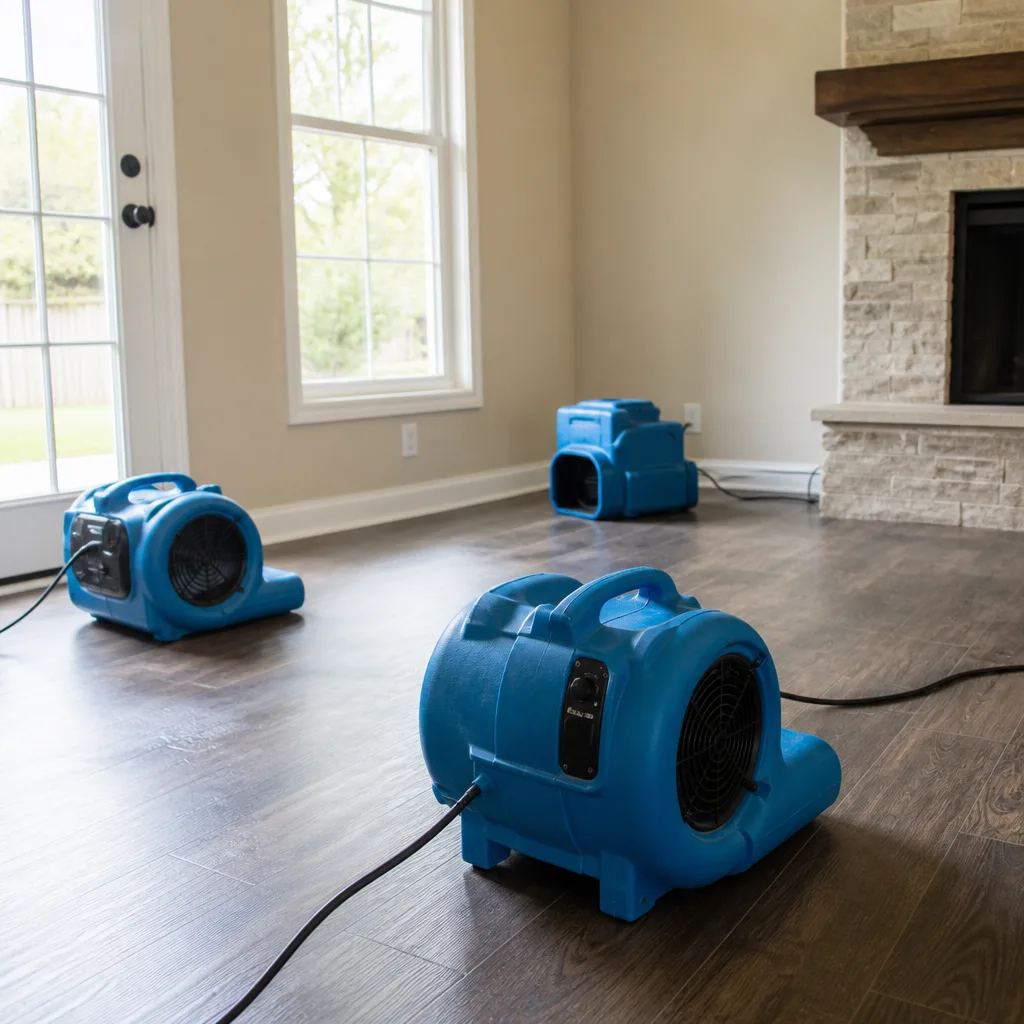
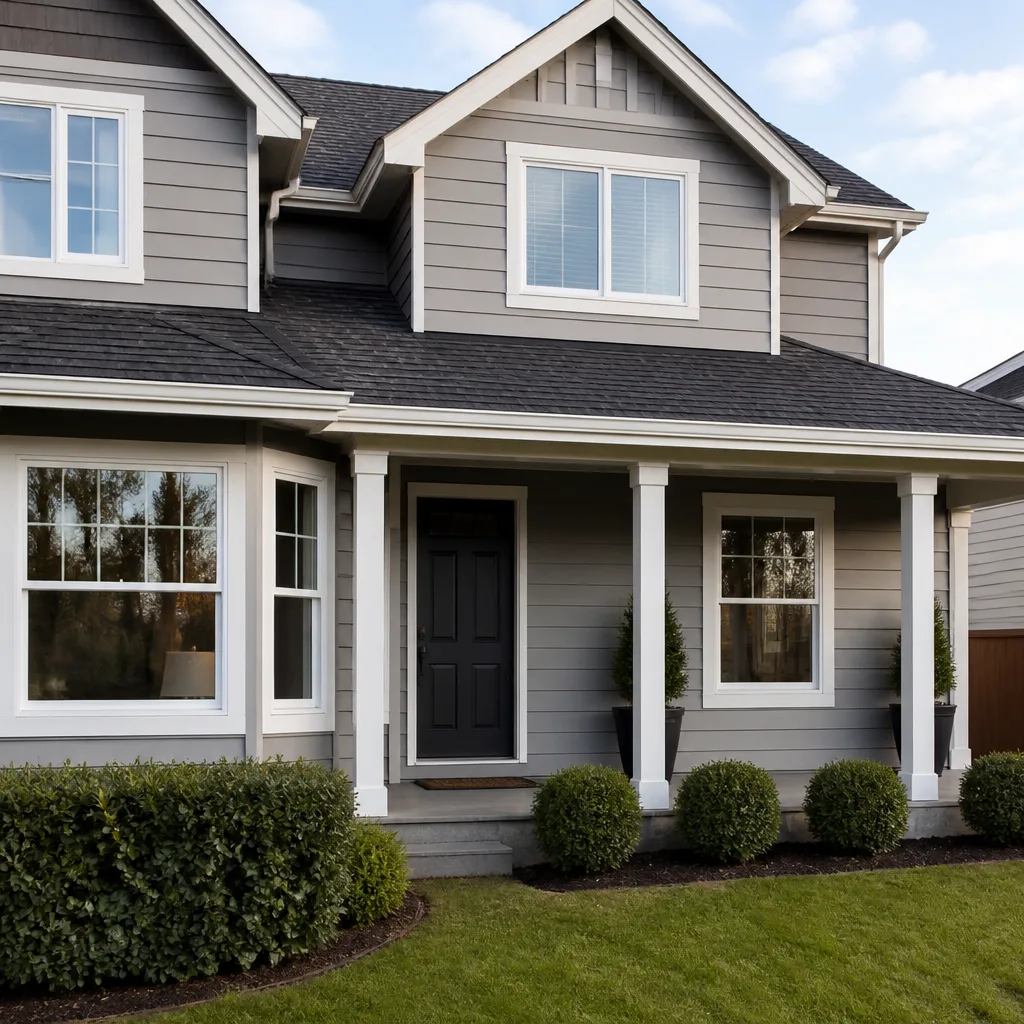
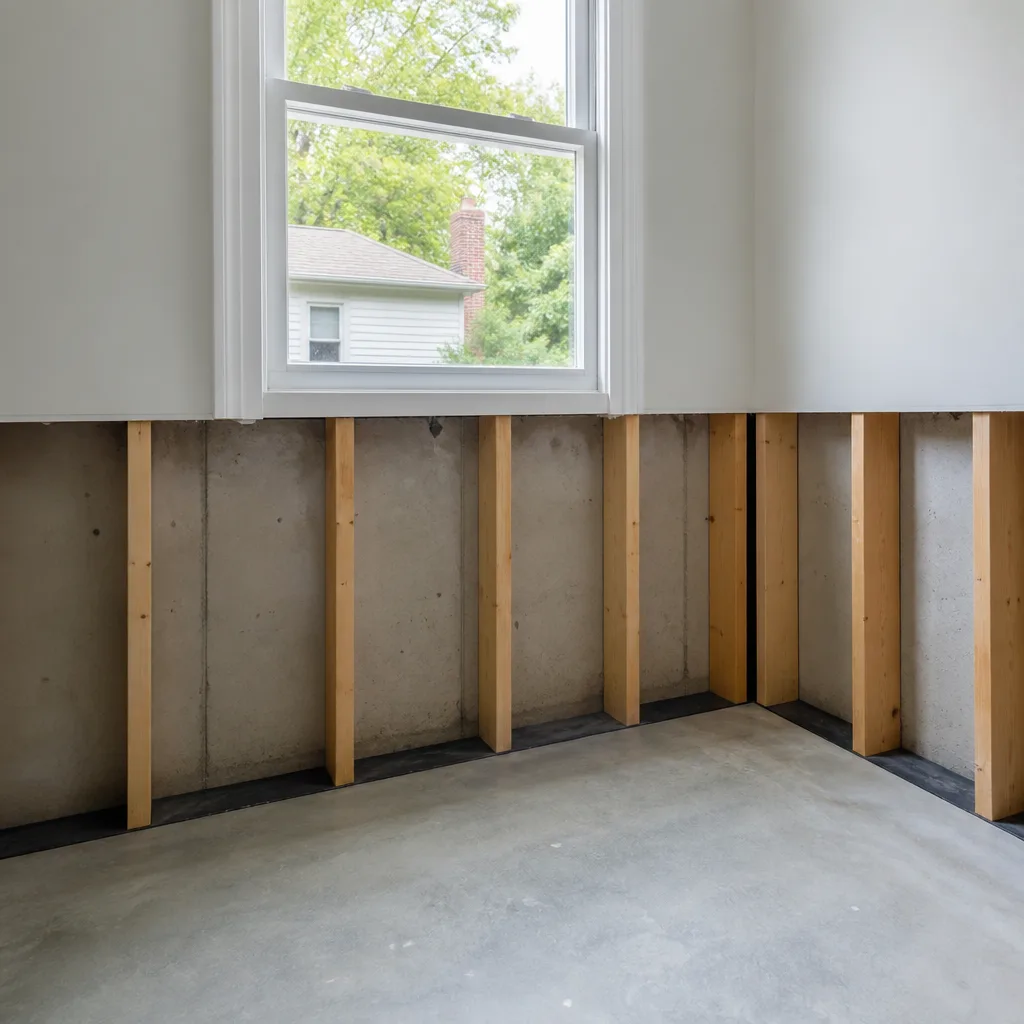
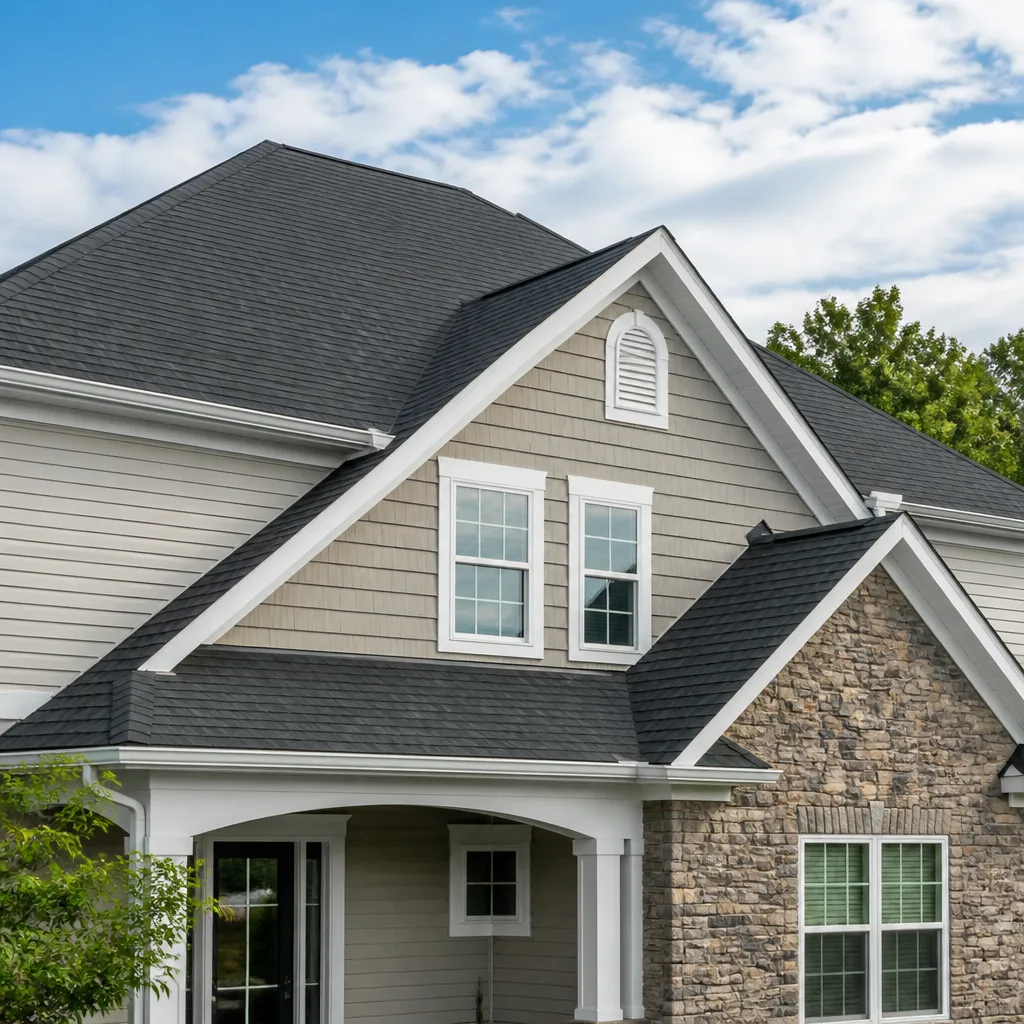
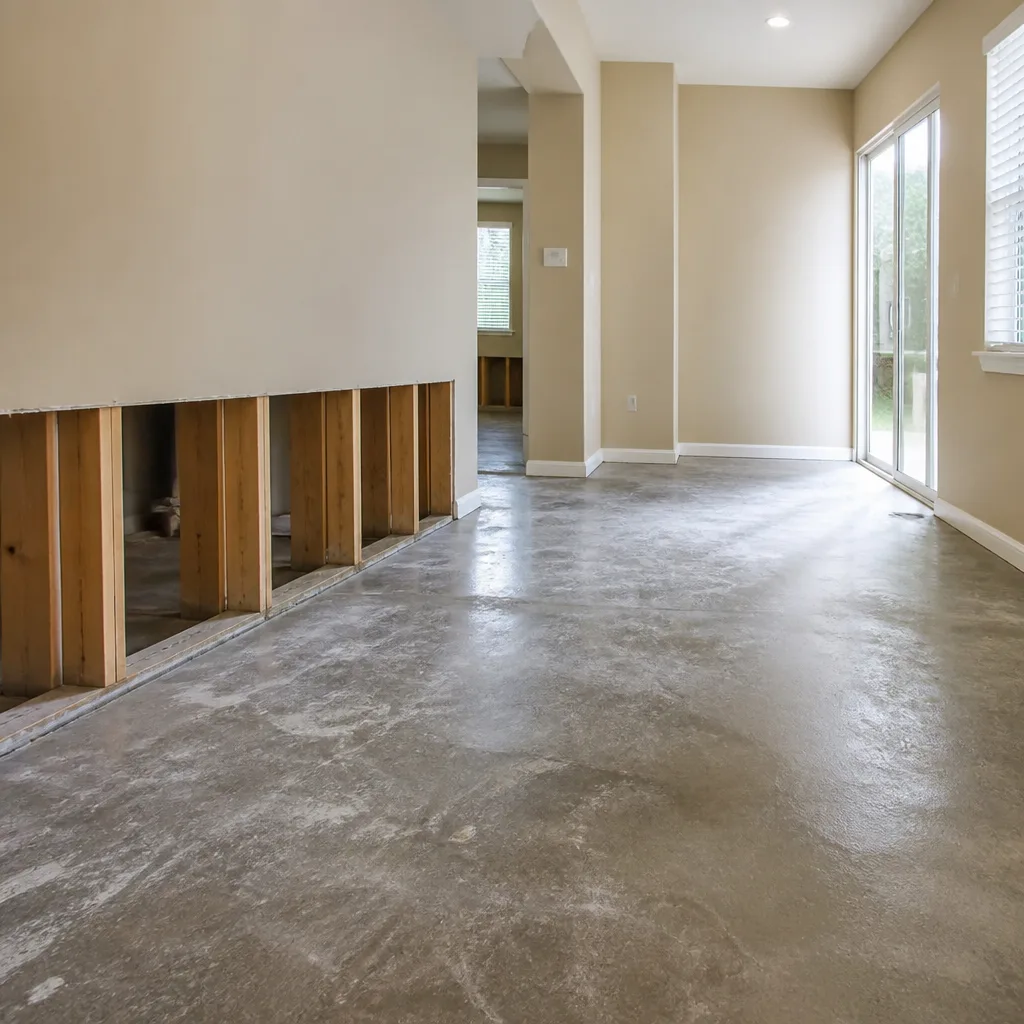
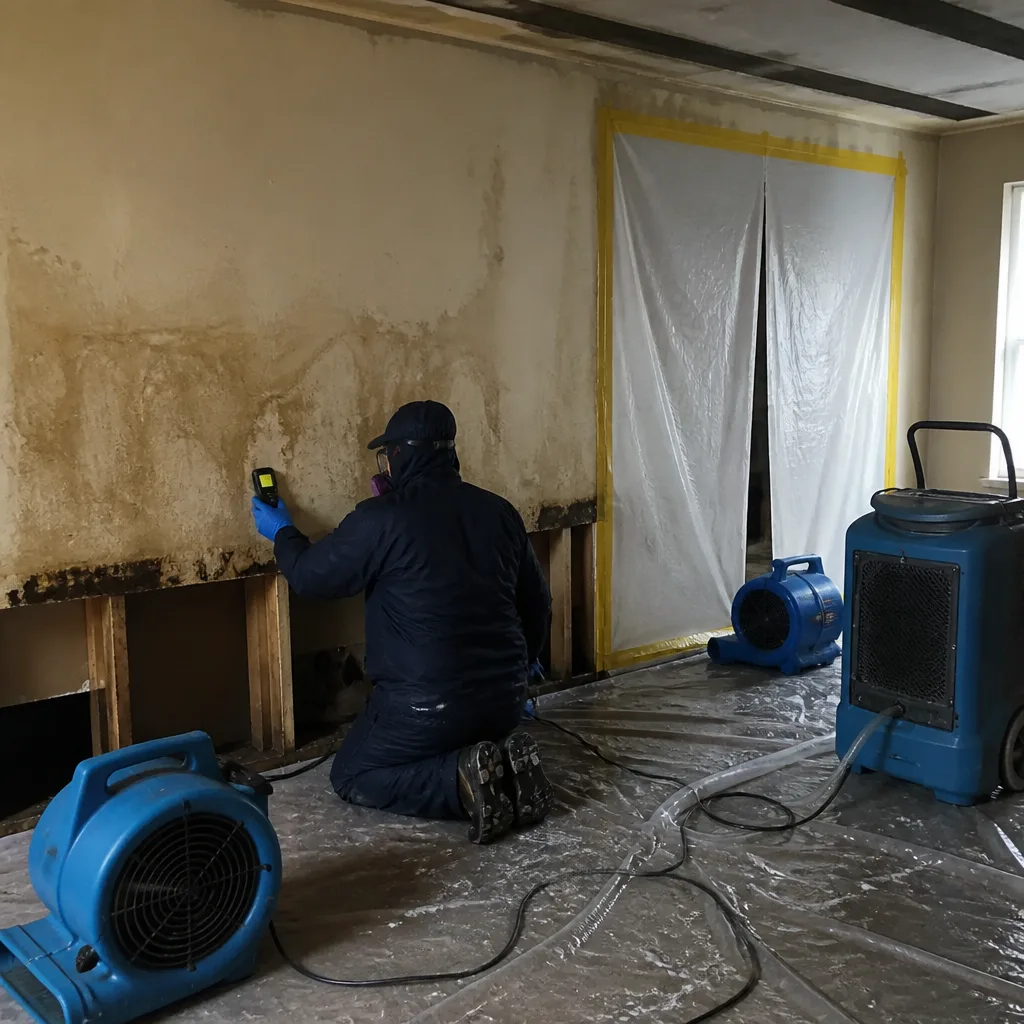 Before
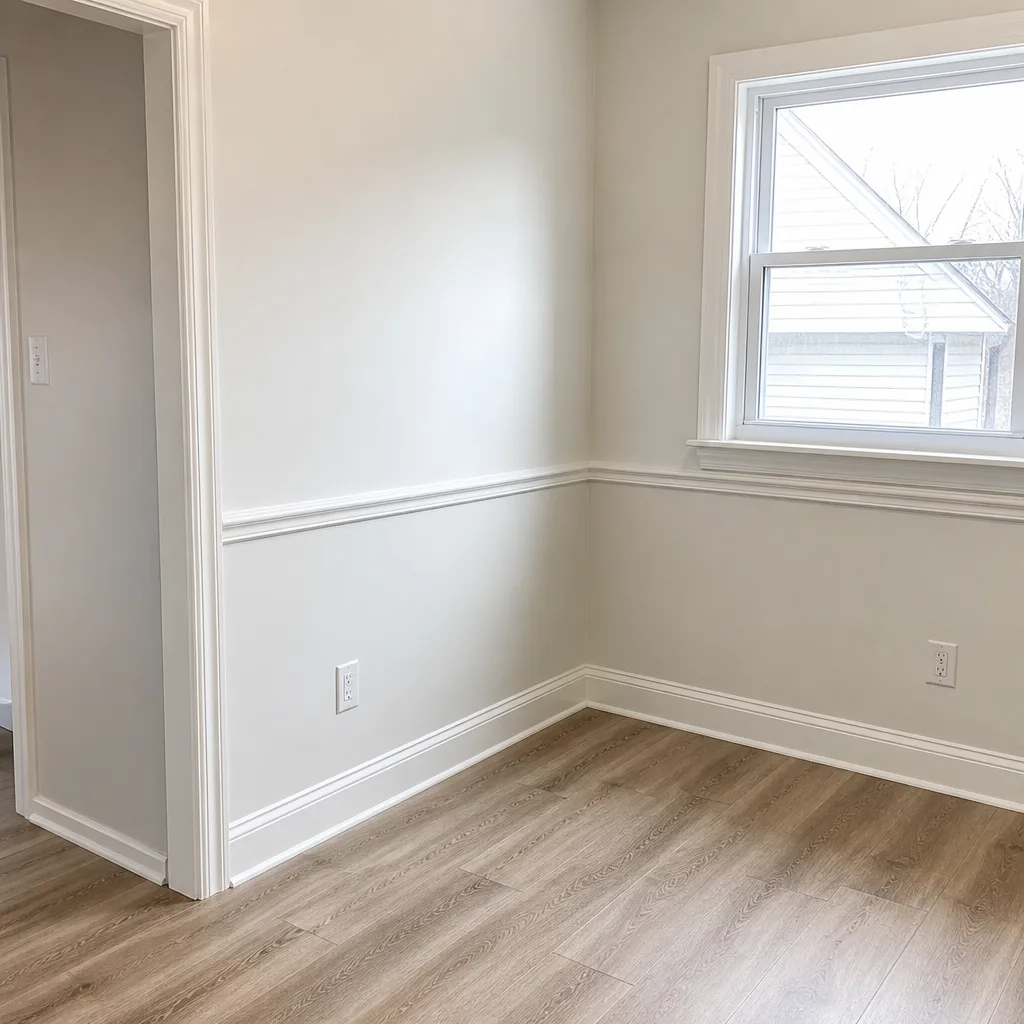 After
After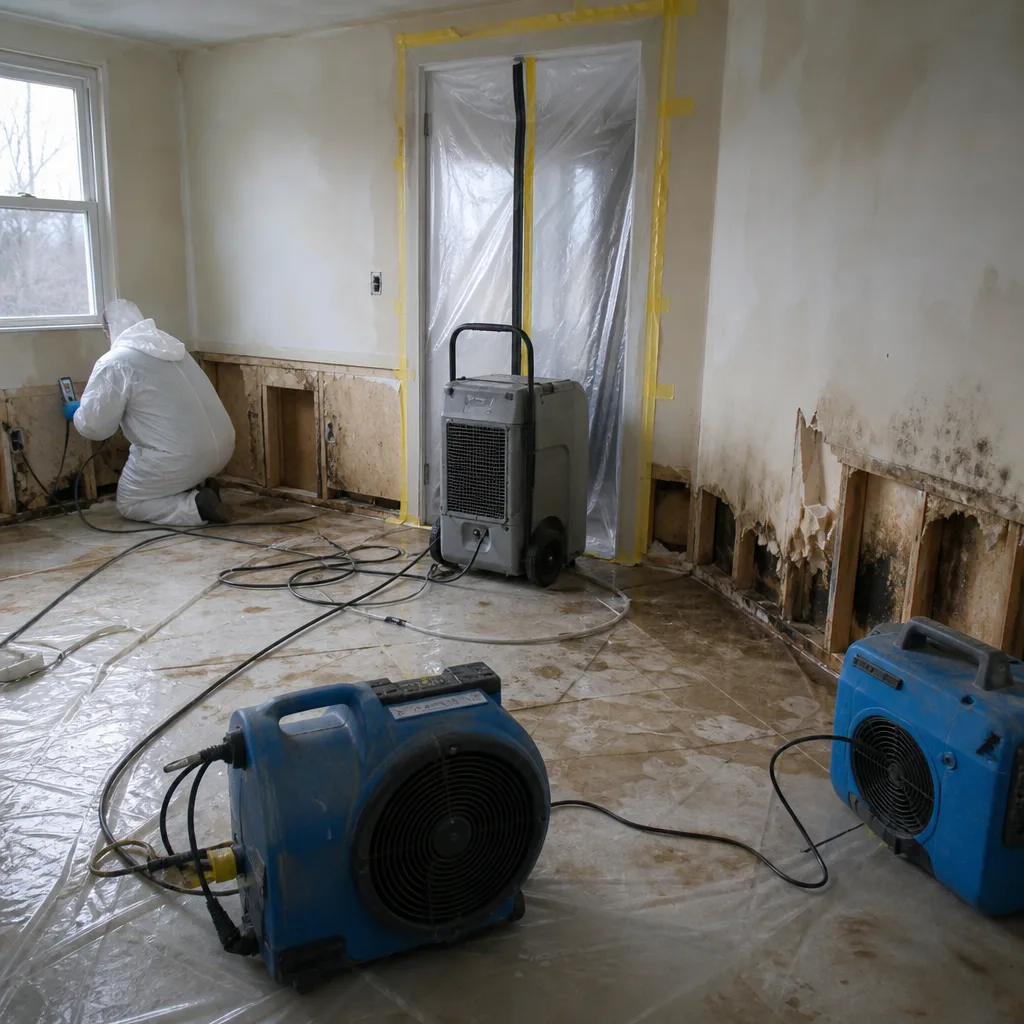 Before
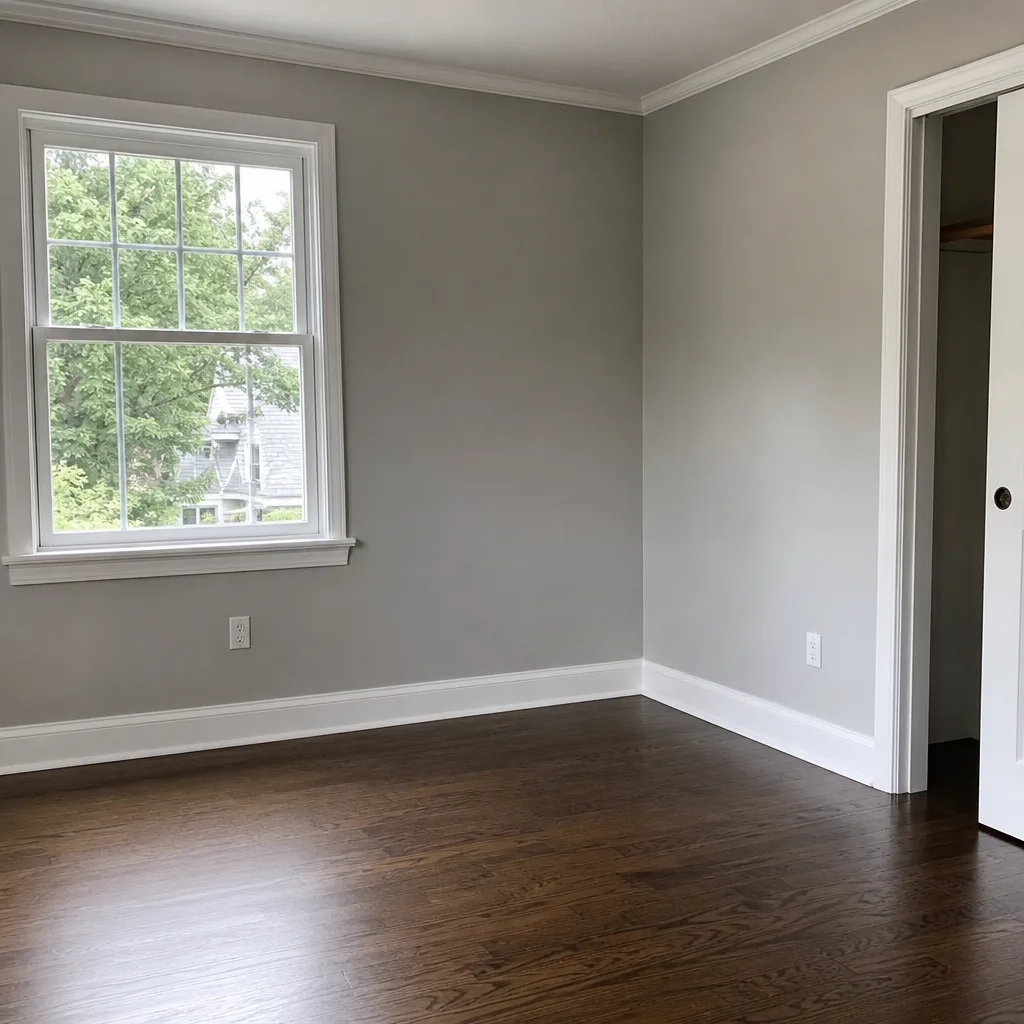 After
After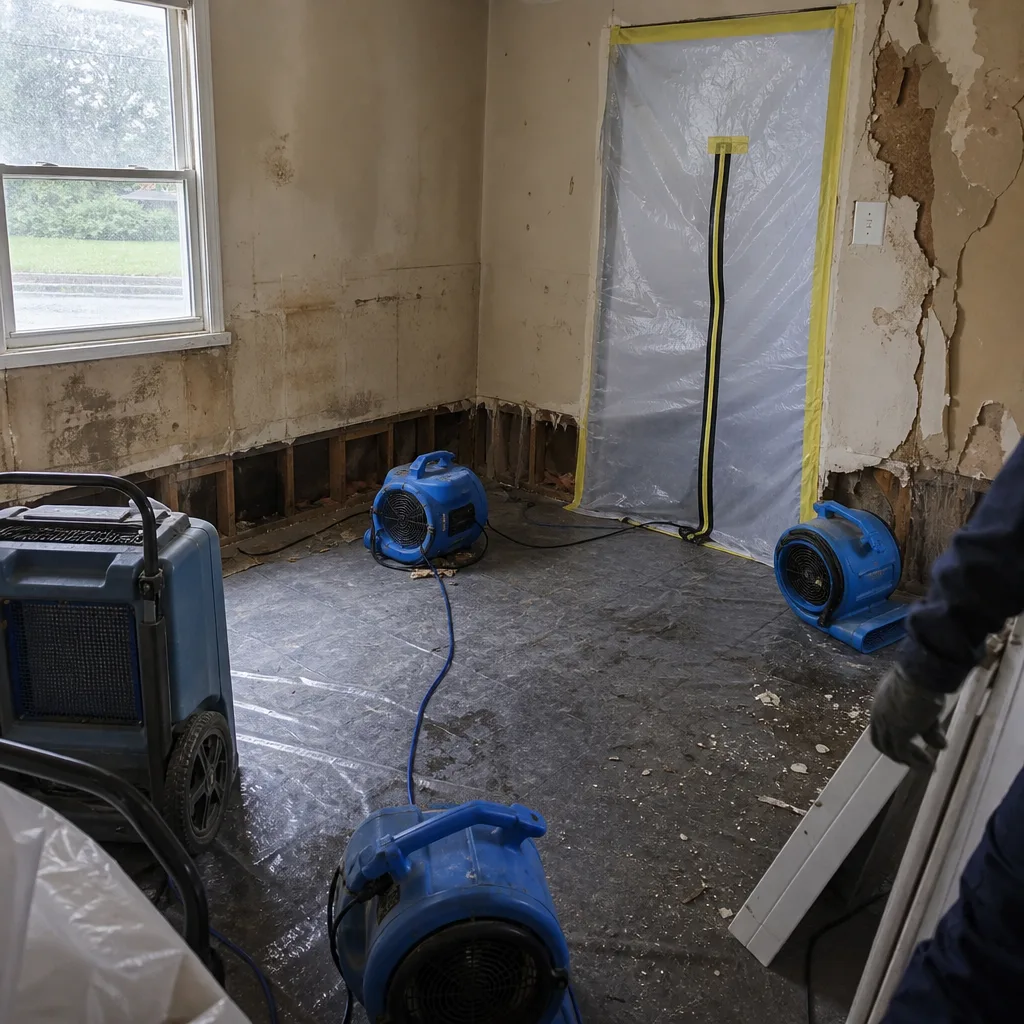 Before
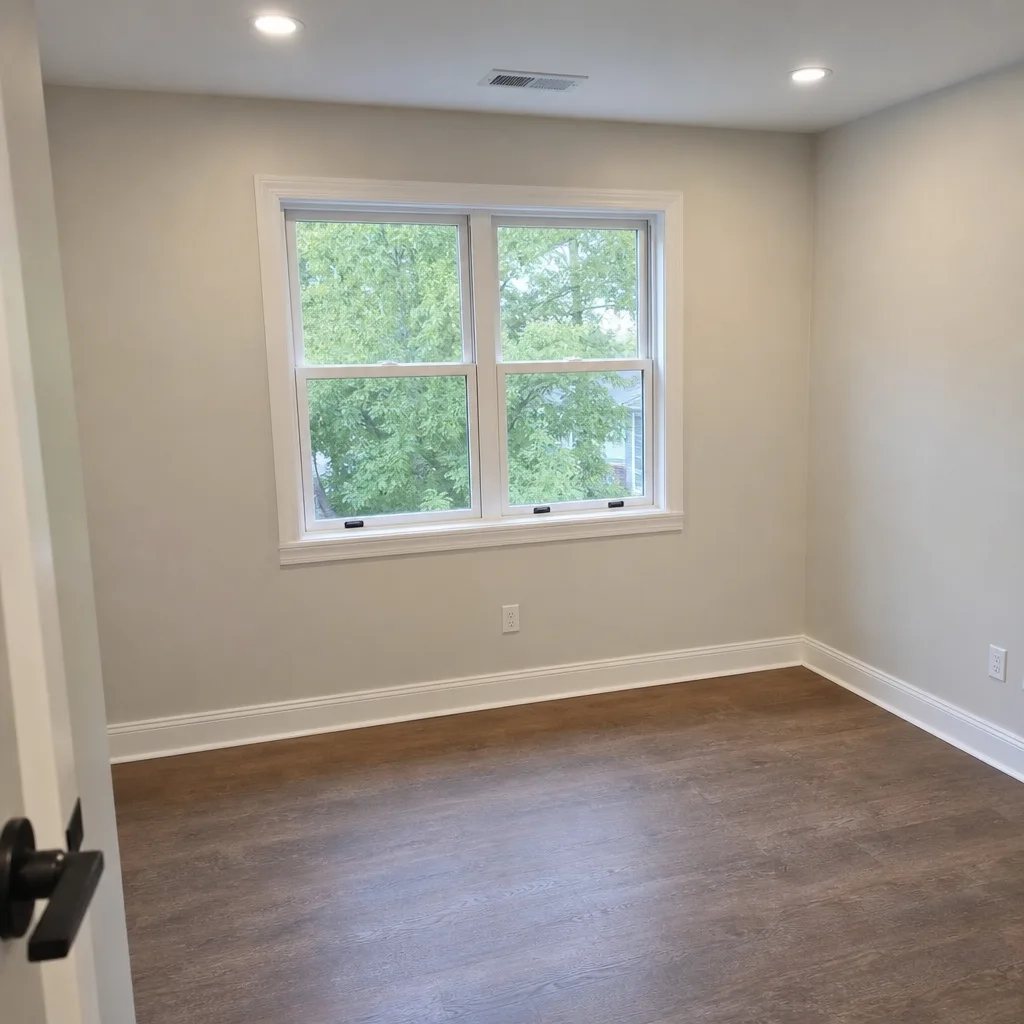 After
After24/7 Emergency Water Damage Restoration in Englewood
Water damage restoration in Englewood costs between $1,600 and $4,800 for a typical basement flood, with emergency extraction alone running $550 to $1,200. The faster we start, the more of your home we save. That’s why our dispatch answers live around the clock and crews reach most Englewood streets within 45 minutes. If water is rising in a finished basement east of Engle Street right now, call (551) 348-3742. A real person picks up, asks the right questions, and gets a certified team moving toward your door. The first hour matters. In a 1920s Englewood Colonial with plaster-and-lath walls, water wicks deep into wall cavities before you ever see a stain on the surface. By the time visible damage appears, the real problem has already spread. We know this because we’ve dried hundreds of Englewood homes and mapped the moisture with the same equipment we’ll bring to yours.
Understanding Water Damage Restoration Severity in Englewood Properties
Not all water is equal. We classify damage by water category, and that classification drives everything that follows. Category 1 water comes from a clean source, like a burst supply line or an overflowing tub. Category 2 carries contaminants, common in washing machine overflows and sump pump failures. Category 3, the dangerous one, includes storm runoff, sewage, and Hackensack River floodwater. In Englewood, we regularly reclassify a “clean” basement flood to Category 2 or 3 once we trace the source. The Palisades watershed carries surface debris, lawn chemicals, and mixed sewage into the eastern flatlands during nor’easters and heavy summer downpours. That’s a Category 3 situation in a finished basement, even if the water looks clear.
Englewood’s housing stock makes accurate moisture mapping non-negotiable. Most homes here are pre-WWII with plaster-and-lath walls, balloon framing, and original hardwood floors. Plaster wicks moisture vertically and horizontally far faster than modern drywall. Balloon framing means wall cavities run open from foundation to attic, so water in a basement can migrate into first-floor walls within hours. We use thermal imaging and penetrating moisture meters to find what the eye can’t see, then we log readings daily until the dry standard is met. Skip that step on a Tudor off Palisade Avenue and you’ll be dealing with mold inside walls six months from now.
Why Englewood Property Owners Choose Floodline Restoration Co.
- 45-minute response commitment. We dispatch from rosters covering Englewood daily, not from a regional hub two counties away. A crew reaches most Englewood blocks within 45 minutes of your call.
- A live person answers, 24/7. Real dispatchers at two in the morning. No recordings, no callbacks. You describe the water, we tell you what to do in the next thirty minutes while the crew drives.
- IICRC-certified crews with the right codes. Our technicians hold WRT (Water Restoration Technician), FSRT (Fire & Smoke Restoration Technician), and AMRT (Applied Microbial Remediation Technician) certifications. They know what’s behind a 1920s plaster wall in Englewood.
- Free visual inspection, then a written scope. We look before we quote. You get a line-item scope of work before anything is torn out. No surprises on the bill.
- Direct insurance billing. We document everything, bill your carrier directly, and talk to the adjuster so you don’t have to play messenger.
- One team from extraction to reconstruction. The crew that reads the moisture map on day one handles the drying log on day four, and the same company rebuilds what needed to come out. No handoffs.
Our Water Damage Restoration Process
Inspection & Assessment
We arrive with thermal imaging cameras, penetrating and non-penetrating moisture meters, and hygrometers. In an Englewood Colonial, that means checking wall cavities in the basement, the floor assembly, and any adjacent first-floor walls. We classify the water category, map the affected area, and hand you a written scope before we pull a single baseboard.
Extraction & Stabilization
Submersible pumps and truck-mounted extractors pull standing water fast. We prioritize the source: shutting off supply lines, containing active leaks, and stabilizing the structure so damage stops spreading while we work. Every salvageable item gets moved or elevated.
Drying & Dehumidification
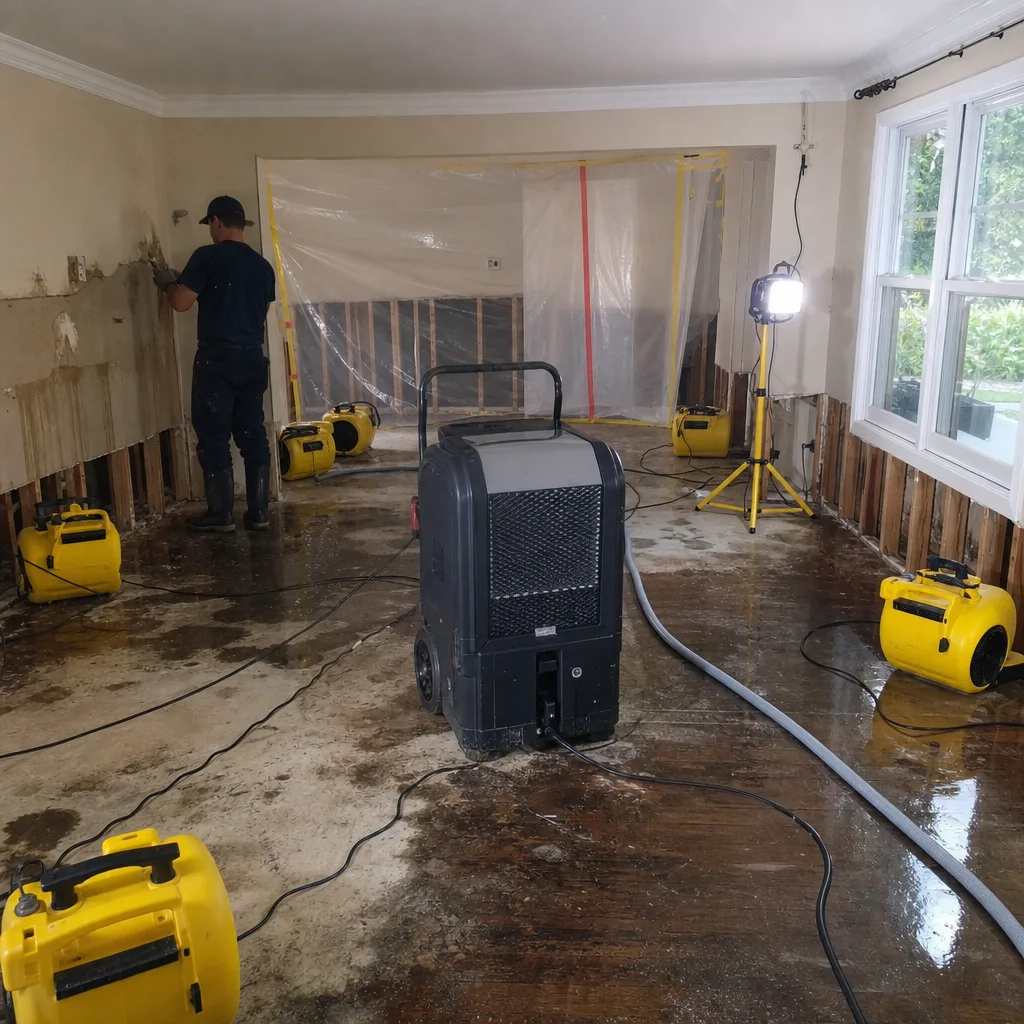
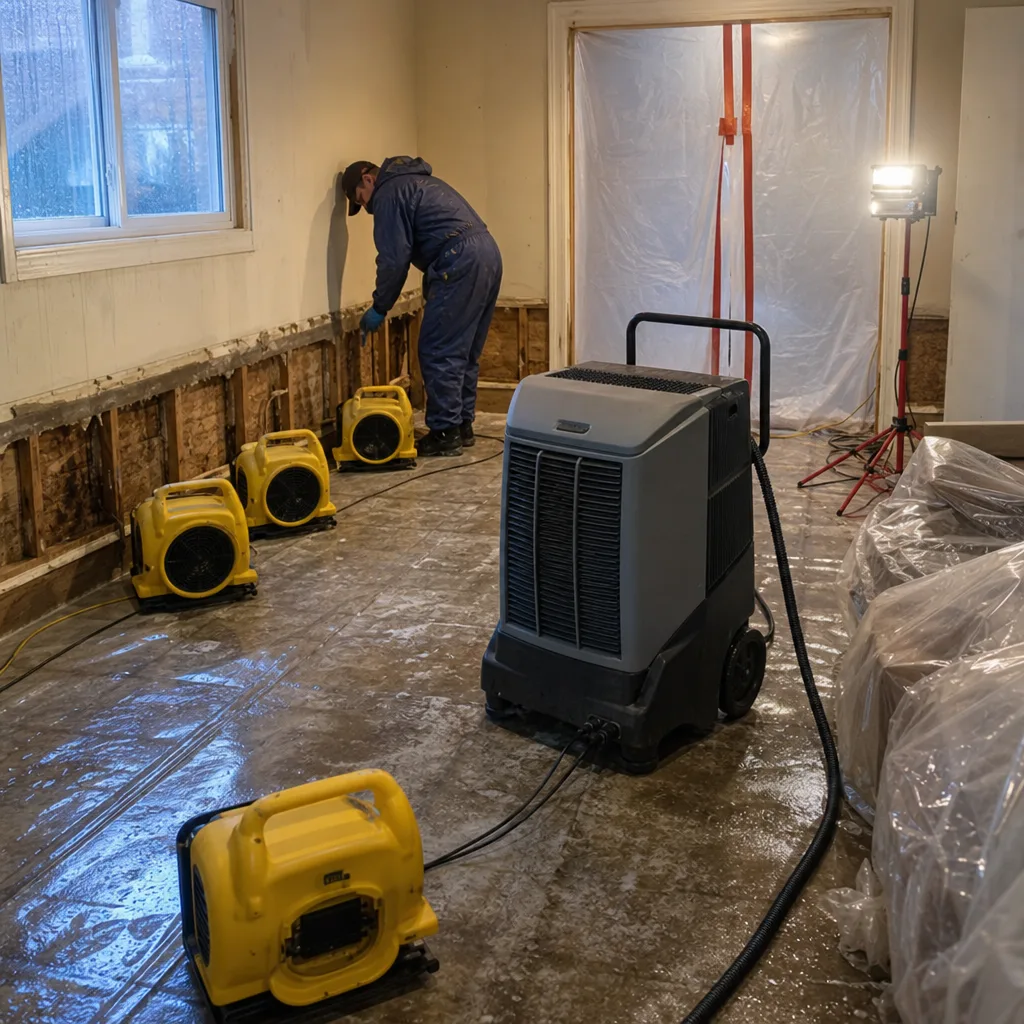
Dri-Eaz dehumidifiers, XPOWER air movers, and Injectidry drying mats go in. In plaster-and-lath construction, we set drying chambers and monitor daily with moisture readings. The dry standard is the only finish line, and we log readings until the entire affected area meets it.
Cleaning & Sanitization
Antimicrobial treatments, HEPA air scrubbing, and surface cleaning. For Category 2 or 3 water in Englewood, this includes treating hidden cavities before they’re sealed back up. We don’t sanitize the surface and call it done.
Mold Prevention & Selective Demolition
Englewood’s recurring-flood homes often hide mold behind re-finished walls. We open only what needs opening, treat what we find, and document everything for your carrier. Selective demolition protects the parts of your home that are still sound.
Repairs & Restoration
The same Floodline Restoration Co. team that extracted the water rebuilds the walls, floors, and finishes. We don’t hand you to a third-party contractor. When the job is done, you get the 90-Day Done Right Promise in writing, along with your complete moisture log.
Need Emergency Water Damage Restoration in Englewood Now?
Crews minutes away, answering live 24 hours a day. The sooner we start, the less it costs.
Working With Your Insurance Company
Floodline Restoration Co. has billed carriers directly for Englewood claims for years. We know what adjusters need, and we give it to them the first time. From the first hour on site, we photograph every affected area, log moisture readings with dates and times, and document every step of the mitigation. That documentation becomes your claim file. We write industry-standard estimates using the same software your carrier’s adjuster uses, which means fewer disputes and faster approvals. When your adjuster calls, we answer. We explain the Category 3 classification on an eastern Englewood basement flood, we justify the selective demolition with moisture readings, and we keep you out of the middle.
What We Provide Your Insurer
- Thorough documentation of the loss
- Photos of all damage, room by room
- Moisture readings and drying logs
- A detailed, line-item scope of work
- Direct coordination with your carrier
Built for Englewood’s Loss Calendar
Englewood’s water damage losses follow a predictable rhythm, and we staff for it. January and February bring the deep freezes that crack aging cast-iron and galvanized supply lines in pre-war homes. A burst pipe in a balloon-framed Colonial while you’re away for the weekend means water has been running through wall cavities for 48 hours by the time it pools in the basement. March and April bring thaw cycles that push groundwater through the aging masonry foundations common east of Engle Street, surfacing as slow seepage that never quite dries. Summer thunderstorms hit fast and hard, and the Palisades becomes a funnel. Water that falls on the western ridge tears downhill into the eastern flatlands, overwhelming storm drains and backing into finished basements across 07631. Come fall, nor’easters repeat the cycle. In the lower-lying streets east of Engle Street, we regularly discover that a home has flooded two or three times before, with prior dry-out work hidden behind re-finished drywall. The mold is already there. The subfloor is already compromised. What looked routine on the phone is a full remediation project once we open the walls. That’s not a rare exception in Englewood. It’s a pattern, and we scope for it from the first inspection.
Water Damage Restoration Across Englewood’s Neighborhoods
East Englewood, the flat grid between Engle Street and the Hackensack River, sees the highest flood frequency. These streets sit at the bottom of the Palisades drainage funnel, and the housing mixes older Colonials with post-war ranches and multi-family rentals. We respond to basement floods here more than anywhere else in 07631. The neighborhoods off Palisade Avenue and along Engle Street’s western edge face a different problem: rapid stormwater runoff that sheets down driveways and finds every crack in a foundation. Homes built into the slope of the Palisades often have walk-out basements that flood from the uphill side, which means we’re extracting water from finished living space, not just a utility room. Up in the North Central and Sheffield Road corridors, the pre-WWII Tudors and Colonials are more exposed to window and roof leak damage, where water travels down through balloon framing and shows up far from the source. And in the post-war sections near Route 4, slab foundations and shallow basements mean a half-inch of runoff becomes a standing water problem across the entire ground floor. Each neighborhood presents a different loss pattern, and the crew we send to East Englewood already knows what they’re walking into.
Specialized Water Damage Restoration Services We Offer in Englewood
Emergency Water Extraction
Standing water in an Englewood basement needs to come out now. Our truck-mounted extractors and submersible pumps handle thousands of gallons per hour. For finished basements with hardwood or engineered flooring, we deploy Injectidry mats to pull water out of the floor assembly without ripping it up prematurely. The faster extraction starts, the more of your floors and walls survive.
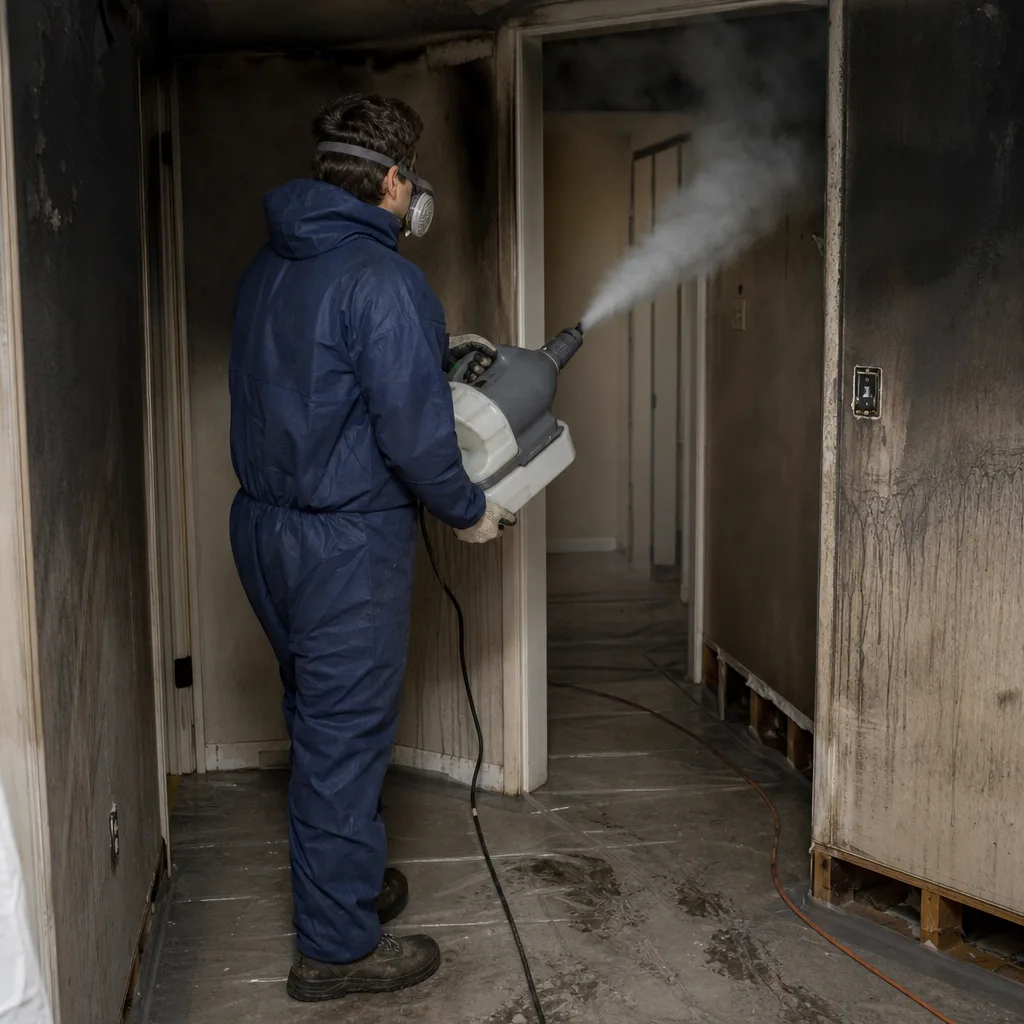
Structural Drying & Dehumidification
This is where we separate from a cleanup crew with a fan. In Englewood’s plaster-and-lath homes, structural drying means opening wall cavities, checking floor assemblies, and monitoring moisture content daily. Dri-Eaz dehumidifiers run until the dry standard is met, not until the surface feels dry. We hand you the log.
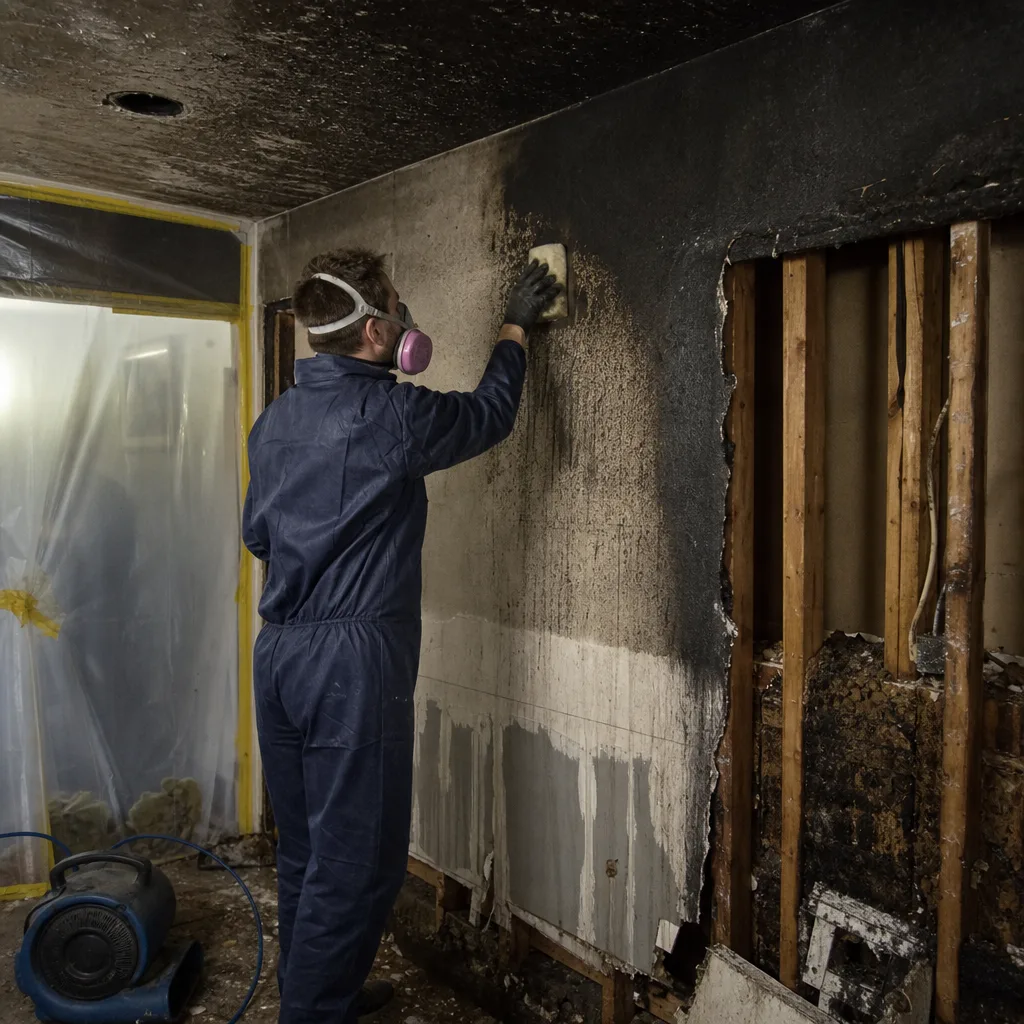
Basement Water Removal
Finished basements off Palisade Avenue and east of Engle Street flood from two directions: rising groundwater and downhill runoff. We handle both. After extraction, we map the moisture in the walls and floor, determine what can be dried in place, and what needs selective demolition. We also identify the entry point so the next storm doesn’t repeat the damage.
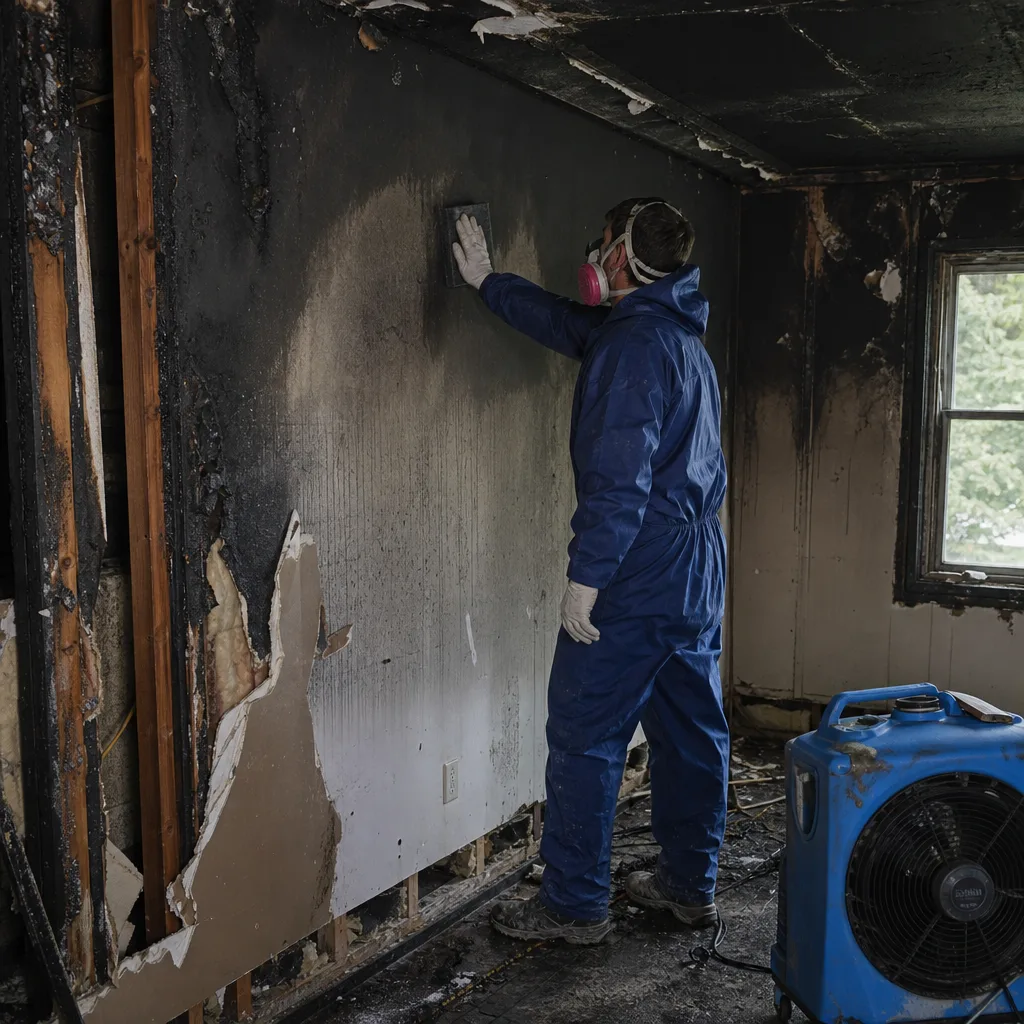
Flood Cleanup
Storm floodwater in Englewood is rarely Category 1. Runoff from the Palisades carries contaminants, and when drains back up, sewage mixes in. We treat every storm flood as potentially Category 3, which means containment, antimicrobial treatment, and HEPA air scrubbing before any restoration work proceeds. Your family’s health comes before the finish work.
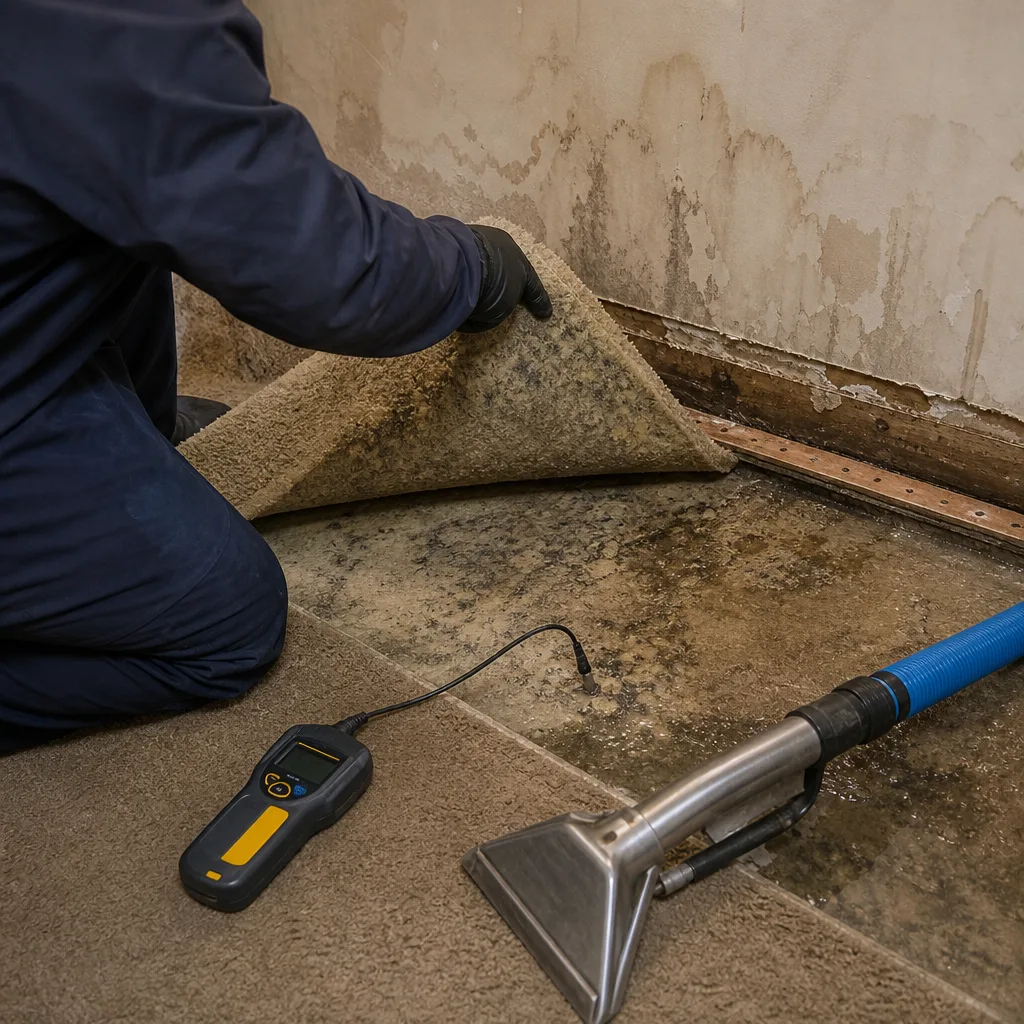
Burst Pipe Restoration
A burst supply line in a 1920s Colonial can run for hours before you find it. We shut off the source, extract the standing water, and then trace the moisture through the balloon framing. Often the water traveled up two stories before pooling in the basement. We dry the entire path, not just the puddle.
Ceiling & Roof Leak Water Damage
Ice dams and wind-driven rain find their way through Englewood’s older roof systems. Water enters at the roofline and drips down through wall cavities, staining plaster ceilings and ruining insulation. We dry the cavity, treat the surface, and document everything so your claim covers the full extent of the damage, not just the visible stain.
What happens when you call
- 1
A real person answersNo phone trees - you reach a local pro.
- 2
You get an upfront price rangeHonest numbers before anyone is dispatched.
- 3
A background-checked tech heads outLicensed & insured, dispatched right away.
- 4
You approve before work beginsNothing starts until you say go.
Water Damage Restoration Costs in Englewood, NJ
A typical finished-basement flood in Englewood runs $1,600 to $4,800 from extraction through dried-in, depending on the water category and the size of the affected area. Emergency extraction alone is $550 to $1,200. Category 3 storm floods with selective demolition and antimicrobial treatment typically land between $3,200 and $7,500. A burst pipe in a smaller post-war ranch may be as little as $1,400. A full basement rebuild after a repeated Palisades runoff flood can exceed $12,000 when flooring, drywall, and electrical work are included. What moves the price: the water category, how long the water sat before we arrived, whether plaster walls need cavity drying, and what hidden prior damage we uncover. Most homeowner policies cover sudden and accidental discharges, and we bill your carrier directly. The free visual inspection is the honest way to a firm number, and you’ll have it in writing before any work begins.
We Also Serve Cities Near Englewood
Our Englewood crews also respond to water damage calls in Englewood Cliffs, Teaneck, Tenafly, and Bergenfield. Same live dispatch, same 45-minute response commitment, same direct insurance billing.
Englewood Water Damage Restoration Questions, Answered
How does the Palisades runoff pattern affect water damage restoration in eastern Englewood basements?
Storm runoff from the Palisades ridge funnels downhill into eastern Englewood’s flatlands, overwhelming storm drains and backing contaminated water into basements. This means water that looks clear often carries Category 2 or 3 contaminants from surface debris and mixed sewage. We treat every storm flood east of Engle Street as potentially contaminated, with antimicrobial treatment and HEPA air scrubbing as standard.
Why do mold colonies get discovered behind re-finished walls in Englewood’s pre-WWII homes?
Balloon framing in pre-war Colonials leaves wall cavities open from foundation to attic. When a basement floods, water wicks upward through plaster-and-lath and sits in those cavities for weeks. Homeowners dry the visible surfaces, re-finish the walls, and the hidden moisture blooms into mold. We open cavities and check before we restore, because prior flood damage in Englewood is more common than clean, first-time water damage.
What should I do if my Englewood Colonial’s finished basement floods during a nor’easter?
First, shut off power to the basement if you can do so safely. Don’t walk through standing water if there’s any chance it has contacted electrical outlets or appliances. Then call (551) 348-3742. Our live dispatcher will walk you through the next thirty minutes while a crew is en route. Don’t try to extract storm runoff yourself; it’s likely contaminated and needs professional handling.
Are original hardwood floors in Englewood’s older homes usually salvageable after a basement flood?
Often yes, if extraction starts quickly and drying begins immediately. We use Injectidry floor mats to pull moisture from hardwood and engineered flooring in place. In many Englewood homes we’ve saved original oak floors that other companies would have ripped out. The deciding factors are how long the water sat, the water category, and whether the subfloor is still sound.
Do I need a permit for water damage restoration in Englewood, NJ?
Mitigation and drying work does not require a permit. If the job involves removing and replacing structural materials, walls, or electrical systems, Englewood’s building department may require permits. We handle the permit process for any work we perform, and we’ll tell you up front what needs a permit and what doesn’t.
How fast can a crew actually reach my Englewood home?
Most Englewood calls see a crew on site within 45 minutes. We staff dispatch around the clock and our teams are stationed to serve Englewood and nearby Bergen County towns directly. No regional hub, no waiting for a crew to drive from two counties away.
Will my insurance cover water damage from a burst pipe or storm flood?
Sudden and accidental discharges like a burst pipe are typically covered by standard homeowner policies. Storm flood coverage depends on your policy and the source of the water. We document everything from the first hour, bill your carrier directly, and talk to your adjuster to keep the claim moving. Call (551) 348-3742 and we’ll help you sort out coverage before we start work.
What certifications do your Englewood technicians hold?
Our technicians are certified to IICRC, RIA, and IFA standards, with WRT, FSRT, and AMRT certifications for water, fire, and microbial remediation. They’re background-checked, uniformed, and trained on the Dri-Eaz, Phoenix, XPOWER, and Injectidry equipment we use every day in Englewood.
Serving Englewood, NJ - Our Local Coverage Area
We’re based in the Englewood area and know this community well. Use the map below to see our service coverage - if you’re nearby, we can almost certainly help.
Start With a Free Inspection
If water is in your Englewood basement right now, call (551) 348-3742. We’ll answer live and dispatch a certified crew. If you’re dealing with the aftermath and need an honest scope of work, we’ll come out and inspect for free, then hand you a written plan before anything gets torn out. Floodline Restoration Co. has served Bergen County for over 42 years, and we stand behind every job with the 90-Day Done Right Promise, in writing. Curt Bowman started this company around a dispatch board, not a sales desk, and that hasn’t changed. Senior and veteran homeowners receive a 5% discount, and we honor $50 off any repair over $250. Done right, and backed in writing.
Written by Curt Bowman, Owner at Floodline Restoration Co., serving Englewood and Bergen County since 2010.