
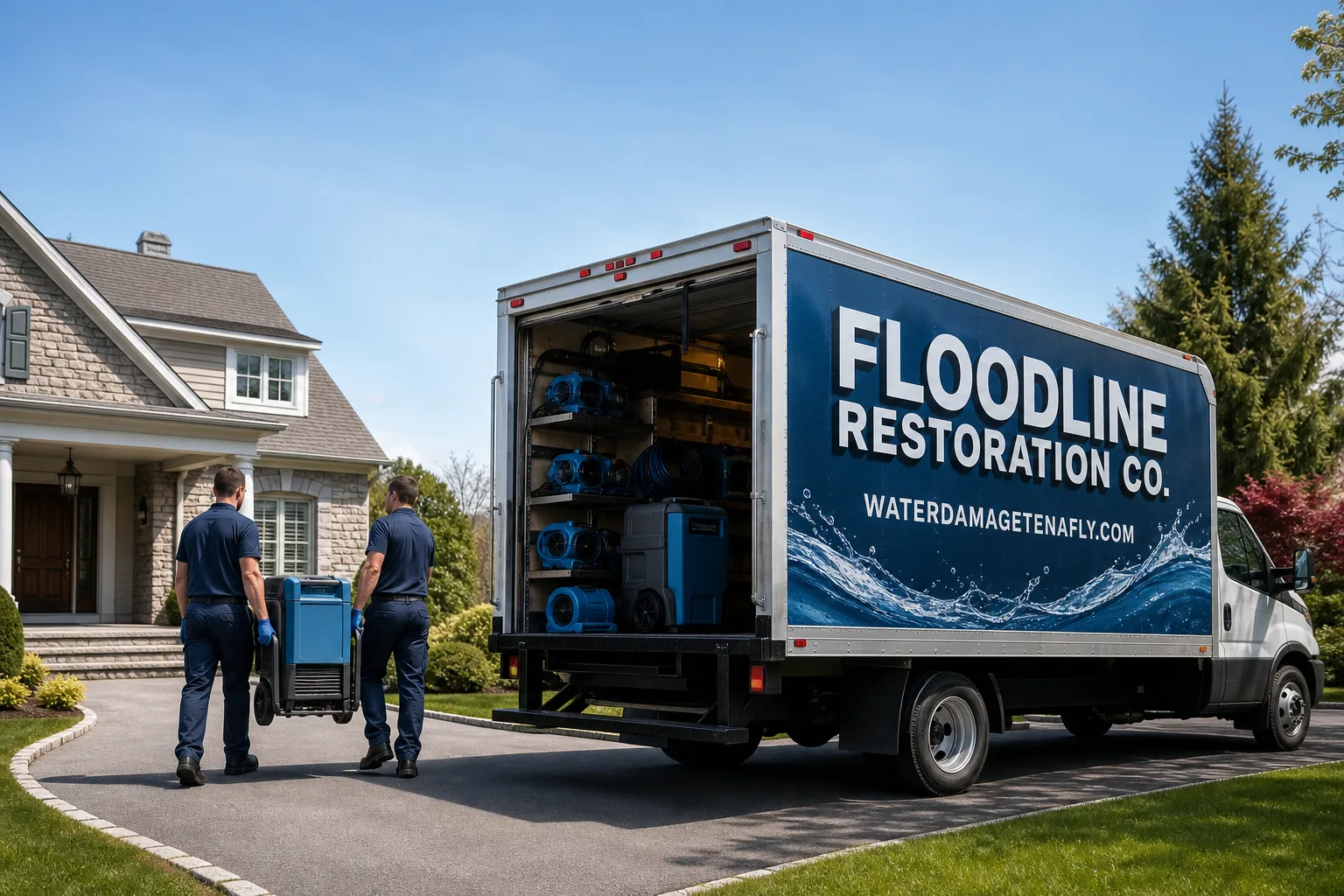
Free visual inspection and a written scope of work before any mitigation begins - photos, moisture readings, and drying logs go in your claim file
The scope we write is the scope we bill. Anything new gets shown to you, in writing, before we touch it.

 Before
 After
After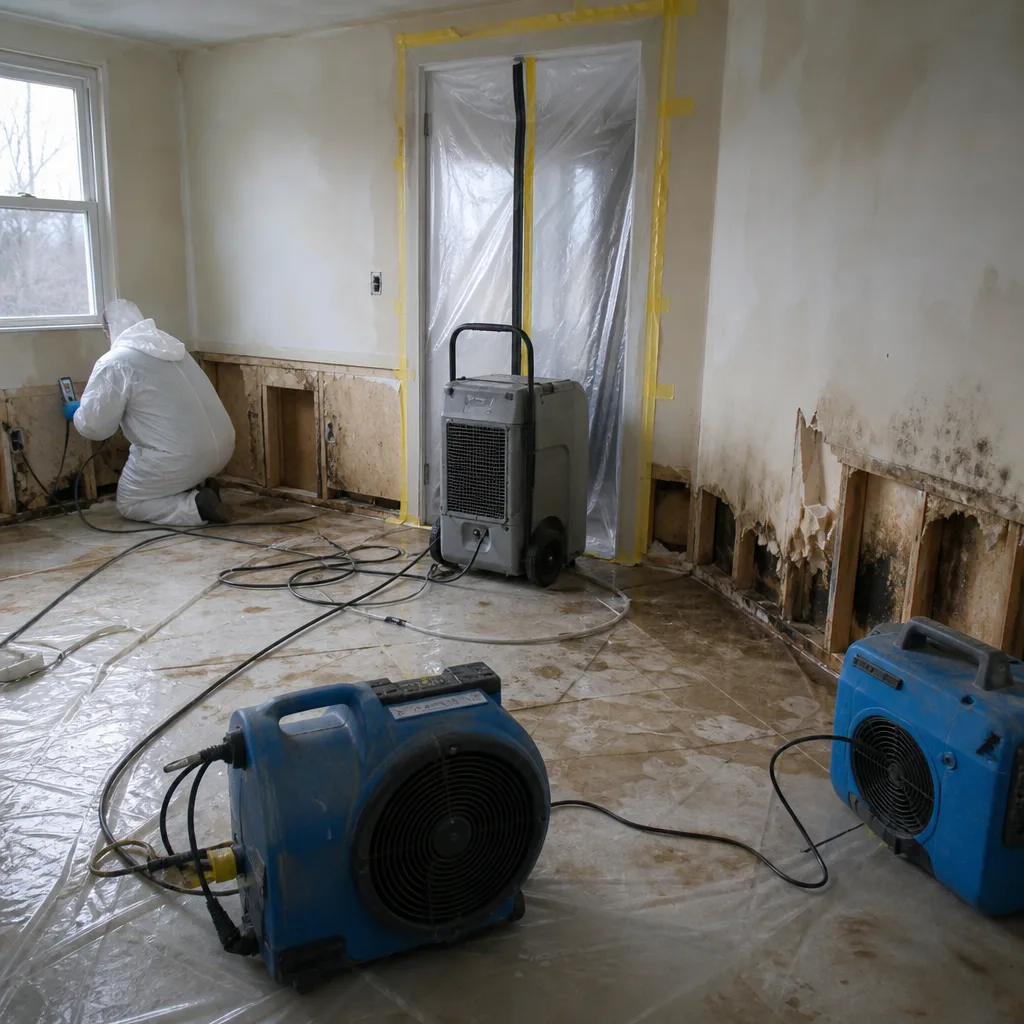 Before
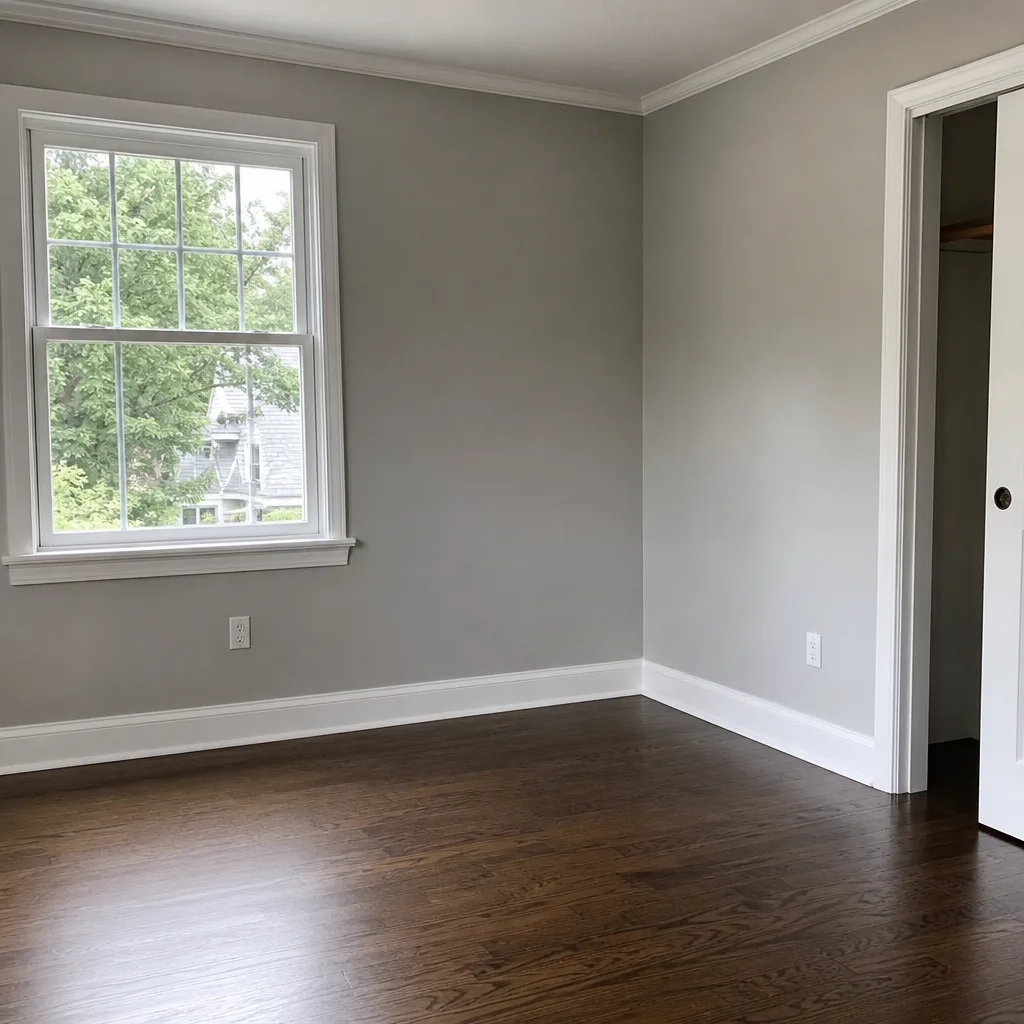 After
After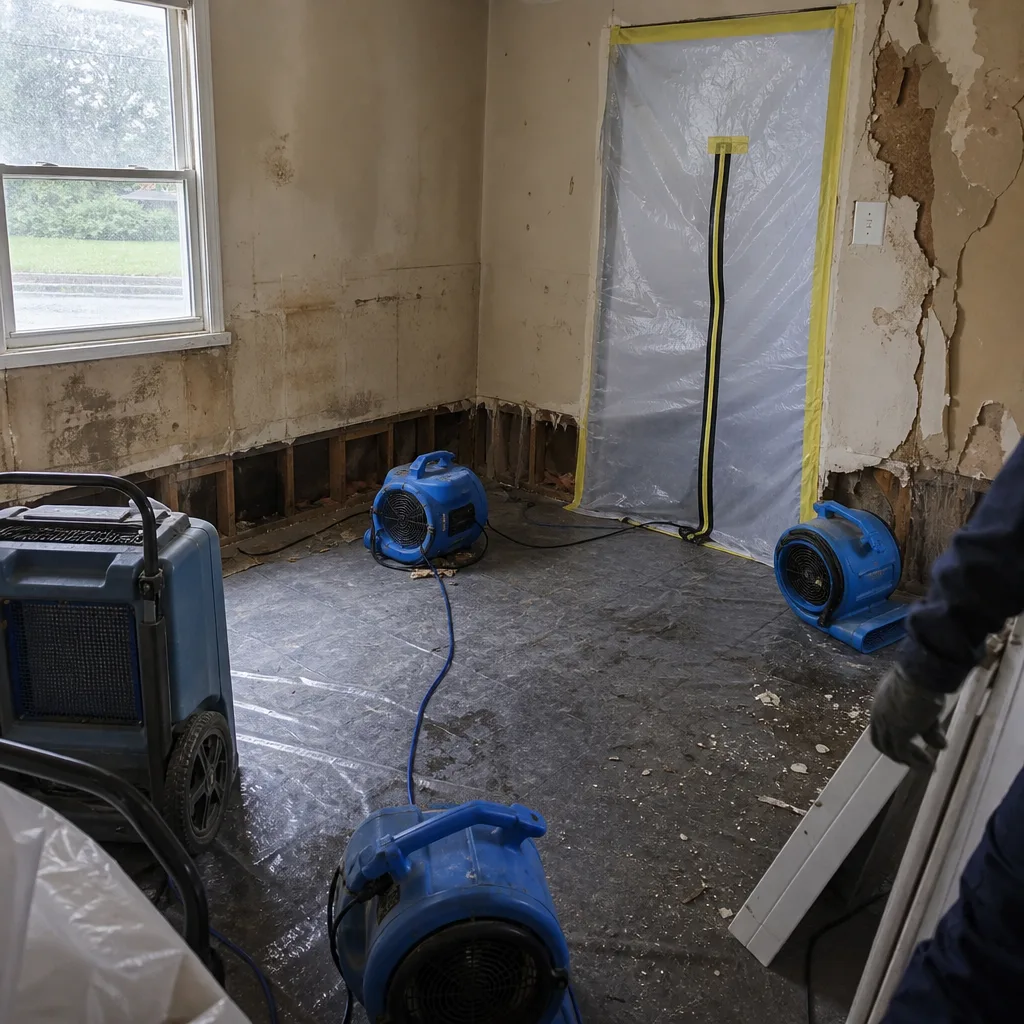 Before
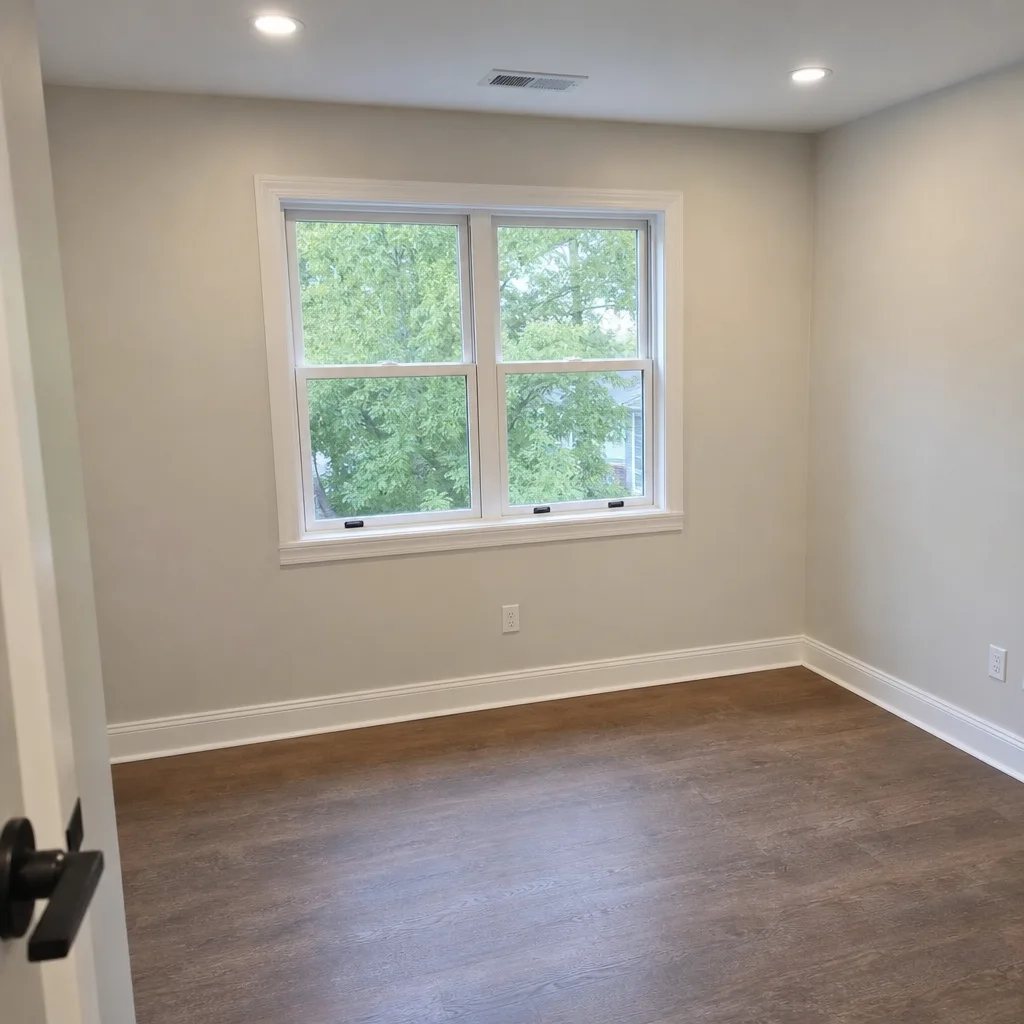 After
After24/7 Emergency Water Damage Restoration in Tenafly
When a supply line lets go at 2 a.m. or Tenakill Brook jumps its banks during a nor’easter, you need a crew on the floor fast, not a voicemail. Floodline Restoration Co. answers the phone with a live dispatcher around the clock, every day of the year, and we dispatch certified technicians to Tenafly homes immediately. Call (551) 348-3742 the moment you see standing water. The first hour matters more than most homeowners realize: water moves through plaster, hardwood, and subfloor fast, and what starts as a Category 1 clean-water leak can degrade into a structural drying problem that costs three times as much to correct. We arrive with moisture meters and thermal imaging, not just mops, and we start extraction the same visit.
Understanding Water Damage Restoration Severity in Tenafly Properties
Water restoration in Tenafly is different from most of Bergen County because the housing stock is older, denser, and built with materials that hold water in ways modern drywall never will. We classify incoming water by category: Category 1 is clean supply water from a burst pipe or overflowed tub. Category 2 carries contaminants from appliances or sump failures. Category 3, the one we see most after Tenakill Brook overflows, is grossly contaminated with sewage, silt, and storm runoff. What matters equally is where that water goes. Behind a 1920s colonial’s plaster and lath wall, moisture doesn’t just evaporate. It saturates the wood lath, wicks up through the horsehair plaster, and settles into the old-growth framing. Without moisture mapping and proper structural drying, the wall may look dry on the surface while the framing inside sits at 35 to 40 percent moisture content. That’s how hidden mold colonies start, and that’s why our technicians use Dri-Eaz and Phoenix equipment to track moisture by the numbers, not by feel.
Why Tenafly Property Owners Choose Floodline Restoration Co.
- 45-minute response commitment – When you call from a flooding basement in Tenafly, our local crew is dispatched immediately and on the road. A live person confirms your address, the water source, and the crew’s ETA before you hang up.
- 24/7 live answer, always a person – No automated menus, no “leave a message.” A Floodline dispatcher answers at 2 a.m., on holidays, during nor’easters, and when the power is out everywhere else.
- IICRC-certified technicians – Our crews hold WRT (Water Restoration Technician) and ASD (Applied Structural Drying) certifications. The person running your moisture map knows how to read it.
- Free visual inspection – We walk your basement, attic, or damaged room at no charge and tell you honestly what needs to happen. No obligation, no pressure.
- Direct insurance billing – We document everything from the first hour, prepare industry-standard estimates, and communicate with your adjuster directly so you’re never playing messenger between us and the carrier.
- One team from extraction to reconstruction – The same crew that pulls the water out also dries, sanitizes, and rebuilds. No mid-job handoff to a different contractor who never saw the wet framing.
Our Water Damage Restoration Process
Inspection & Assessment
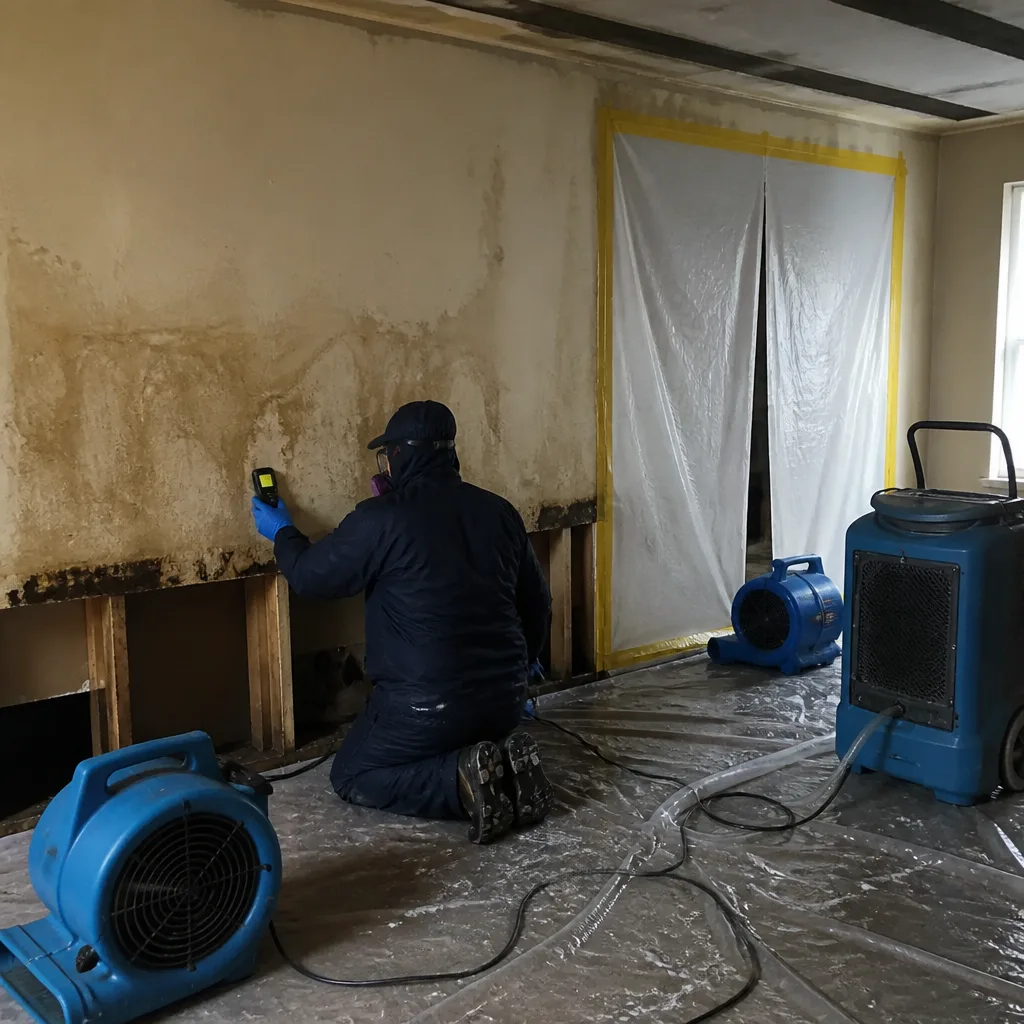
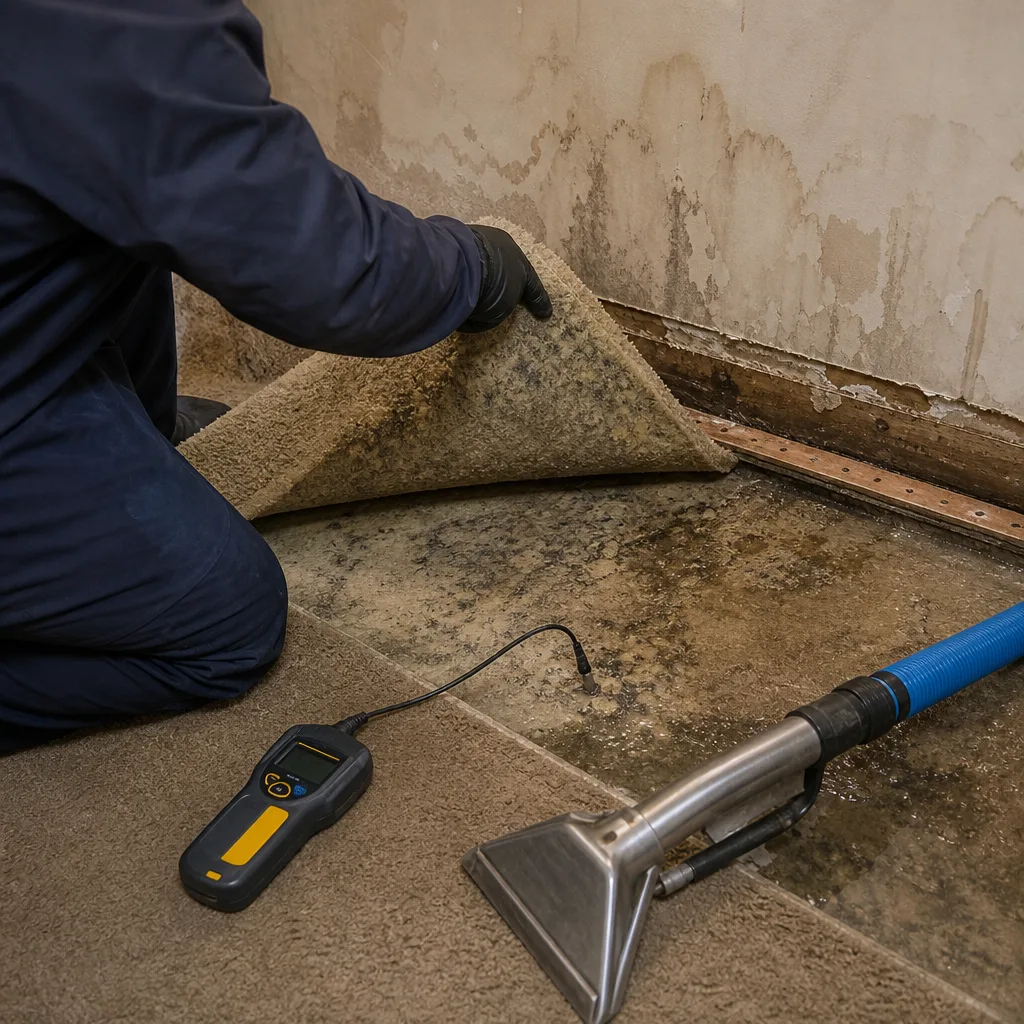
We locate the water source, classify the water category, and map moisture throughout the affected area using thermal imaging and penetrating meters. In Tenafly homes with plaster walls, this step is where most prior restoration jobs fell short: moisture hides behind lath and wainscoting.
Extraction / Stabilization
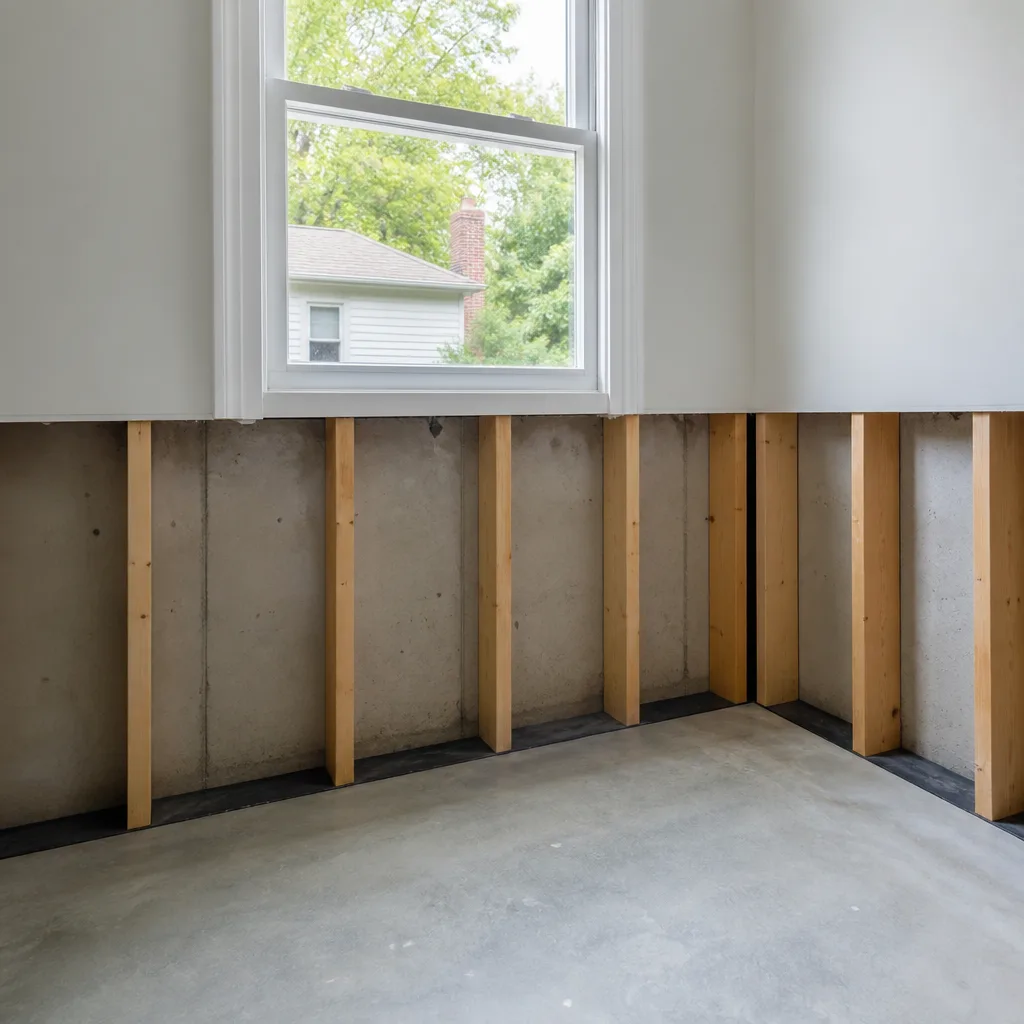
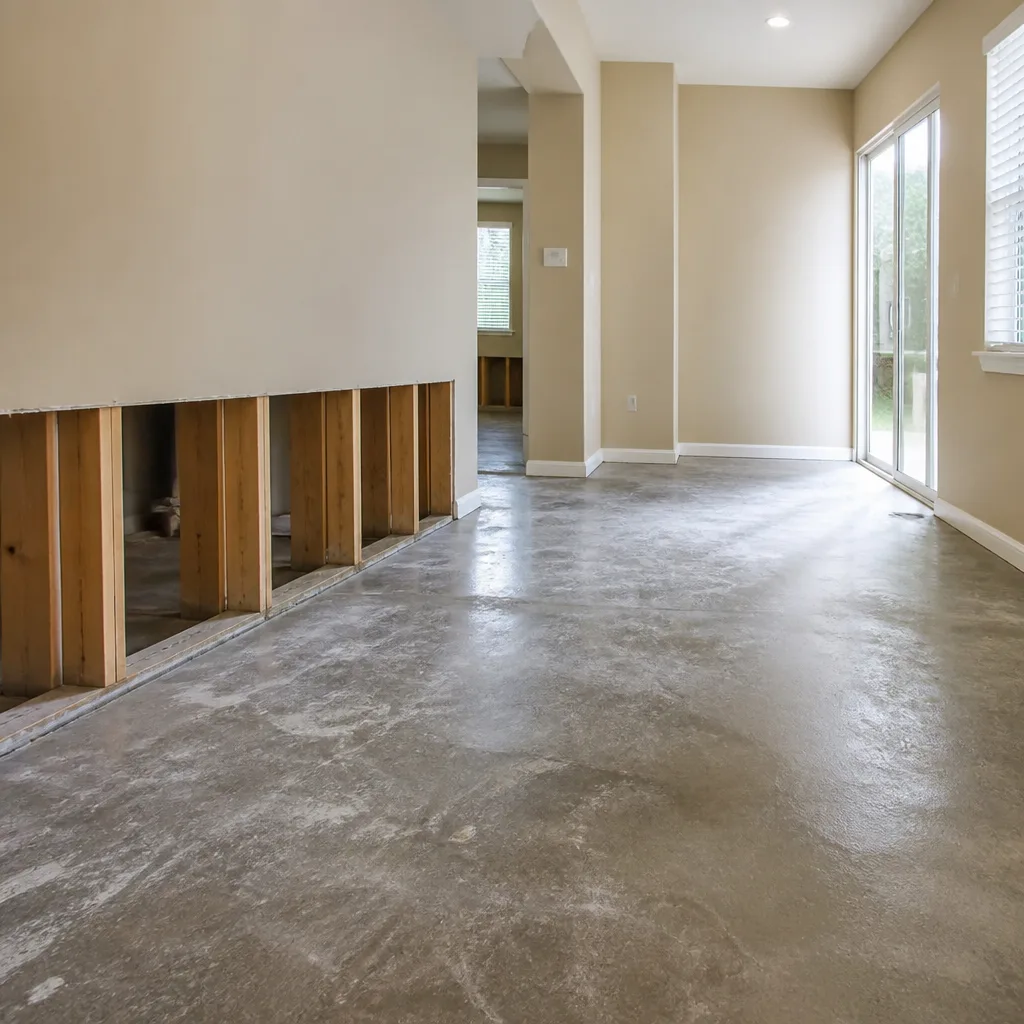
We remove standing water with truck-mounted extraction units and contain the affected zone. If the water is Category 3, we cut away saturated drywall and insulation to expose the framing for proper treatment.
Drying & Dehumidification
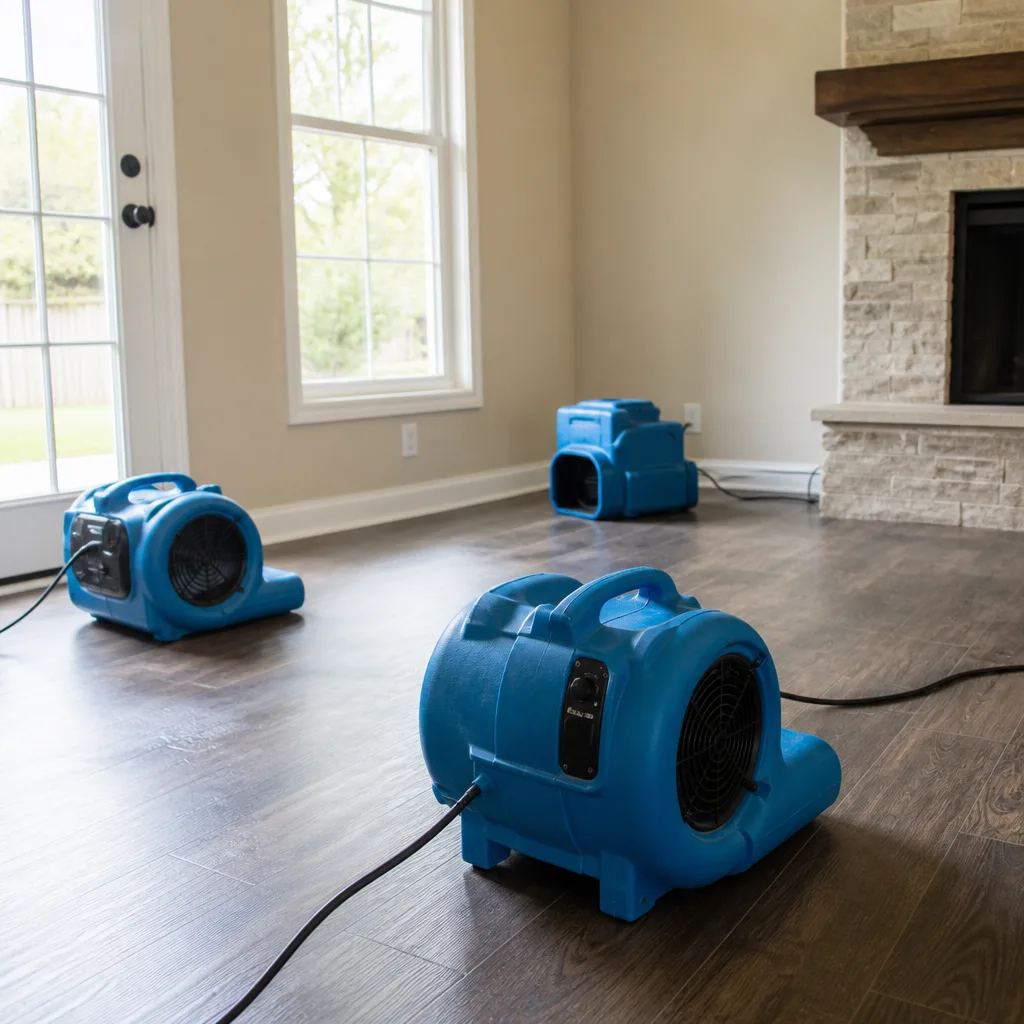
Dri-Eaz and Phoenix air movers go in, paired with low-grain refrigerant or desiccant dehumidifiers. We take daily moisture readings on every affected stud bay and log them until the dry standard is met. You get the log.
Cleaning & Sanitization
All salvageable surfaces are cleaned and treated with antimicrobial agents appropriate for the contamination level. HEPA air scrubbers run where mold release or Sewage Cleanup - Tenafly contamination occurred.
Structural Drying Verification
Before we close a single wall, every stud bay, sill plate, and subfloor section must read below 15 percent moisture content. We do not hang drywall over wet framing in Tenafly.
Repairs & Restoration
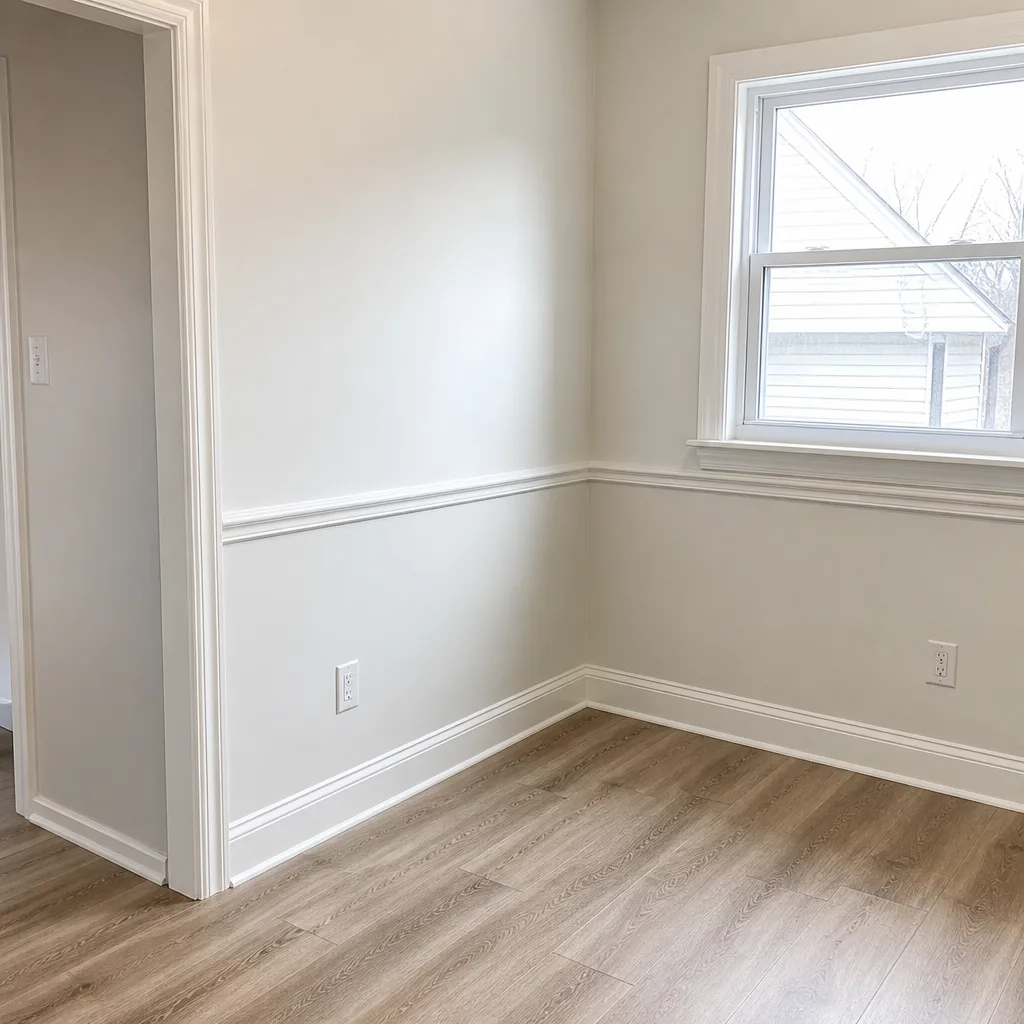
We rebuild what was removed, matching original plaster profiles, trim dimensions, and hardwood species where the home’s architecture requires it. No generic stock materials in a 1920s Tudor unless you specifically want them.
Need Emergency Water Damage Restoration in Tenafly Now?
Crews minutes away, answering live 24 hours a day. The sooner we start, the less it costs.
Working With Your Insurance Company
Water damage claims on older Tenafly homes get complicated fast. Most homeowner policies cover sudden and accidental discharge, like a burst supply line behind the kitchen sink. Flooding from Tenakill Brook overflow, though, usually requires a separate flood policy unless the water entered through a covered peril like roof damage. That’s a conversation you want accurate documentation for. From the first hour, we photograph every affected room, log moisture readings daily, and prepare a line-item scope of work that your adjuster can actually read. Curt Bowman and our project managers speak with adjusters directly, so you’re not relaying technical details between parties. And if the estimate comes back low because it doesn’t account for matching century-old plaster profiles, we’ll push back with evidence.
What We Provide Your Insurer
- Thorough documentation of the loss
- Photos of all damage, room by room
- Moisture readings and drying logs
- A detailed, line-item scope of work
- Direct coordination with your carrier
Built for Tenafly’s Loss Calendar
Tenafly sees two distinct water damage seasons, and neither one respects a calendar. From November through March, deep freezes push supply lines and heating hydronic systems in older hillside homes past their breaking point. When a pipe freezes and bursts inside an uninsulated basement wall along Hillside Avenue or Knickerbocker Road, the damage often isn’t discovered for hours. Then comes the thaw. Snowmelt from the Palisades saturates already-swollen ground, and that water finds foundation cracks, floor drains, and window wells. From June through October, nor’easters and tropical remnants dump inches of rain in hours. Tenakill Brook rises fast, and the lower streets near the brook take the water first. The neighborhoods we serve along the brook corridor run on a different clock than the ridge properties, and a restoration company that treats every Tenafly water loss the same way will miss something expensive.
Water Damage Restoration Across Tenafly’s Neighborhoods
Our crews know the routes and the buildings. On the streets west of Tenakill Brook and near the borough center, homes sit lowest and typically see the worst overbank flooding. These are often the 1910s and 1920s colonials along West Clinton Avenue and adjacent side streets. Loss patterns there involve Category 3 water, sewage backflow through floor drains, and saturated foundation walls. We approach those basements assuming prior restoration work may have been incomplete. East of the brook and up toward the Palisades, the homes on Englewood Cliffs border and along East Clinton Avenue sit higher, but the drain systems are older and the roofs carry more weather. Winter burst pipes inside walls are common in these hillside homes, as are ice-dam leaks from the steep slate and gabled rooflines. In the Knickerbocker Road corridor and the residential streets near the Tenafly Nature Center, basement sump pump failures during heavy rain are the dominant cause, not overland flooding. Every one of these loss patterns needs a different drying plan and a different scope of work.
Specialized Water Damage Restoration Services We Offer in Tenafly
Emergency Water Extraction
Standing water in a finished basement on Knickerbocker Road gets worse by the hour. We arrive with truck-mounted extraction units, remove the water, and start drying equipment the same visit. Extraction is the first step but never the whole job.
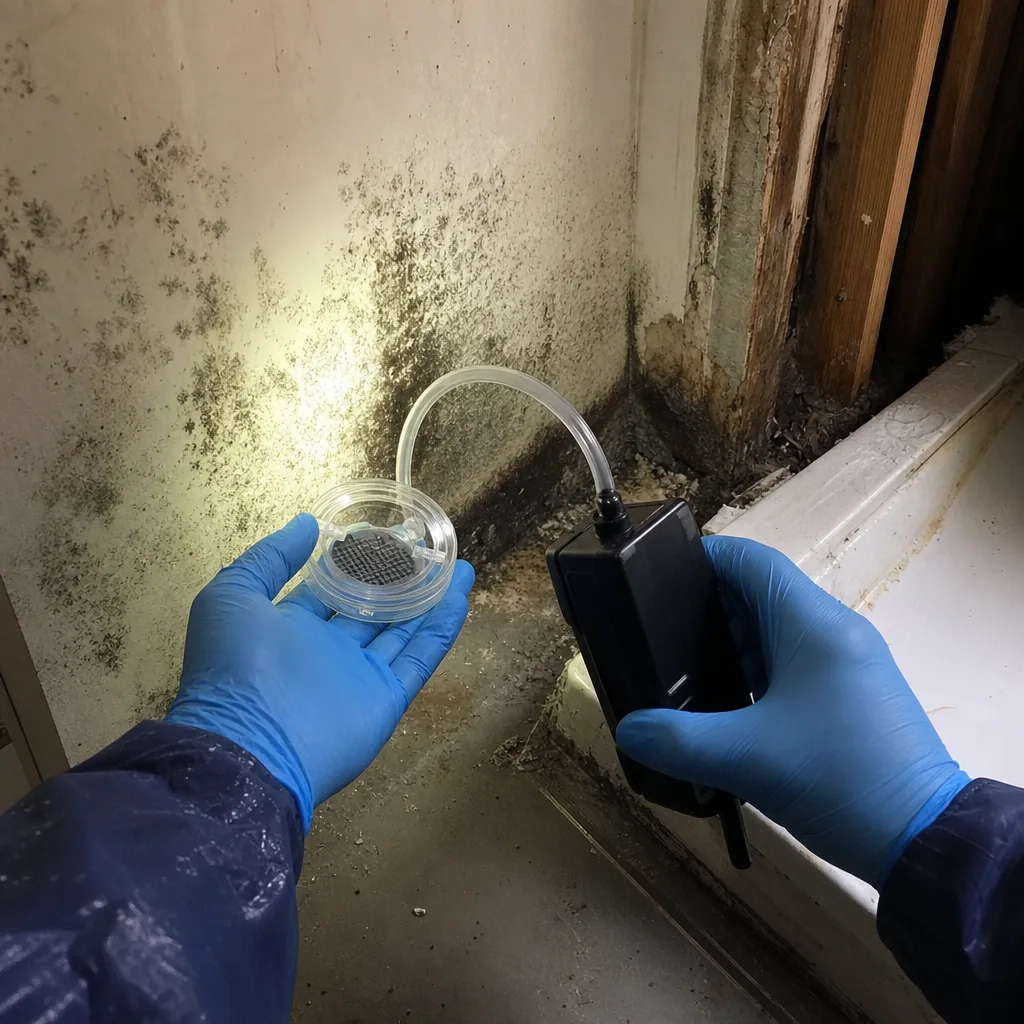
Structural Drying & Dehumidification
The real restoration work in Tenafly’s older homes is structural drying. Plaster walls and old-growth framing hold moisture for weeks if underdried. We use Dri-Eaz and Phoenix air movers matched with low-grain refrigerant dehumidifiers, and we track progress daily with moisture meters on every affected surface. The structure is dry when the numbers say it’s dry.
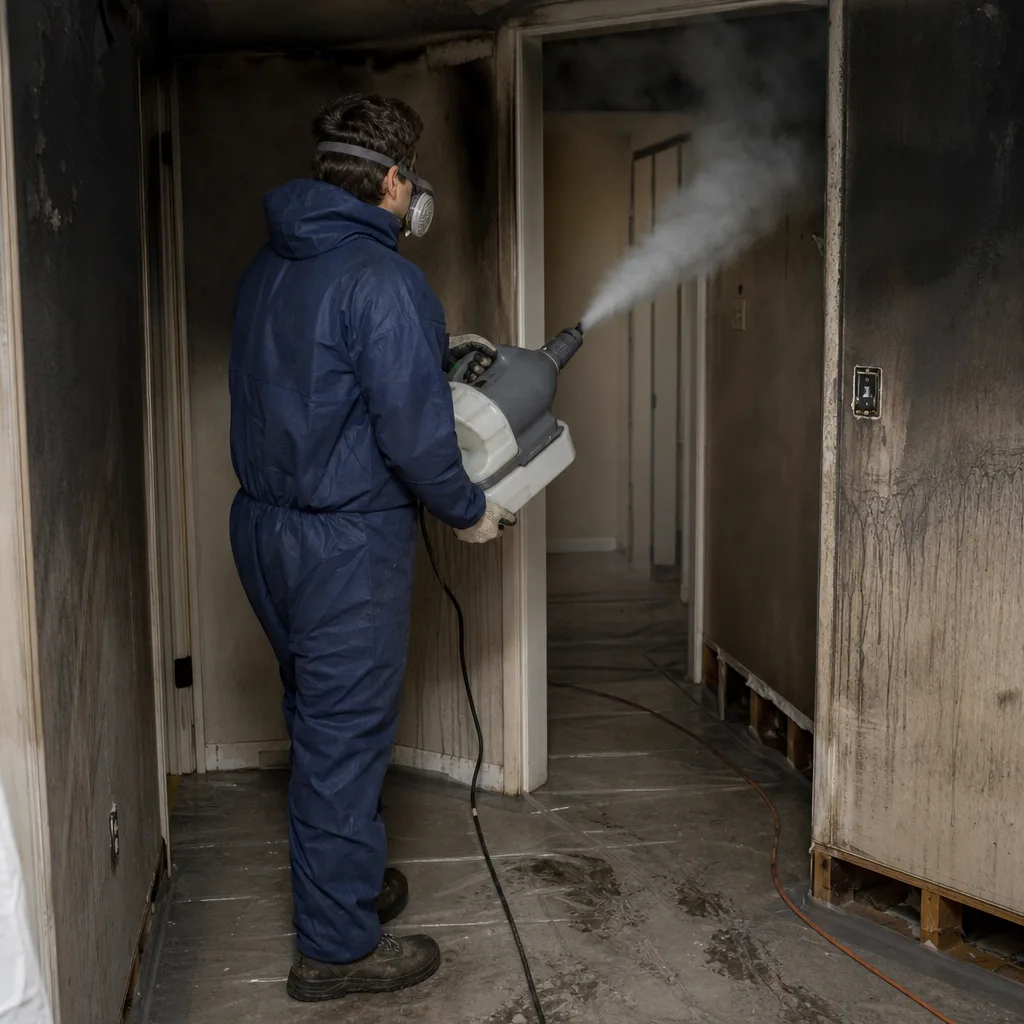
Flood Cleanup
When Tenakill Brook overflows, the water brings silt, sewage, and debris. We remove contaminated materials, pressure-clean salvageable surfaces, and disinfect everything that stays. Flood cleanup on these homes almost always involves removing drywall and insulation to assess what’s behind it.
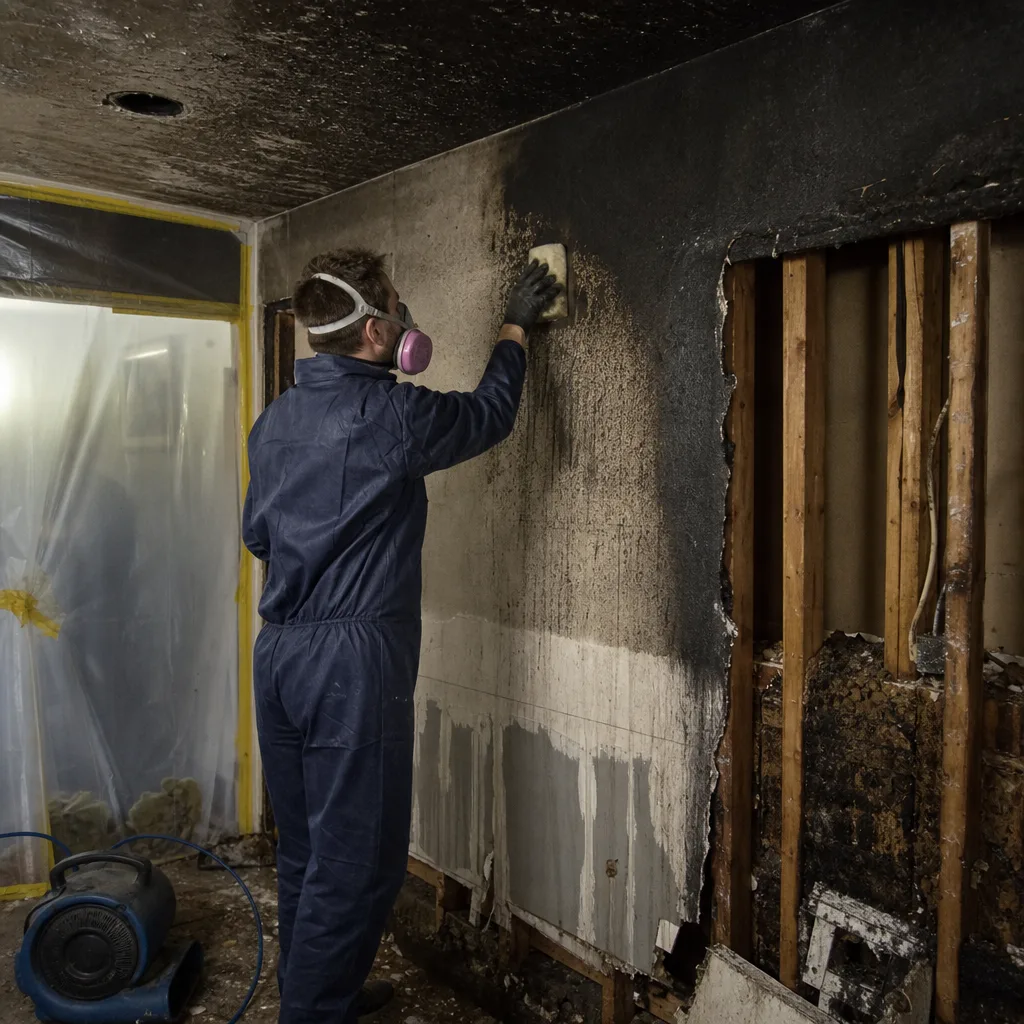
Burst Pipe Restoration
A burst pipe above a dining room in a 1920s colonial brings water through ceilings and walls in minutes. We extract, contain the spread, and dry the wall cavities. Then we restore the plaster and trim to match what was there, not whatever is cheapest at the supply house.
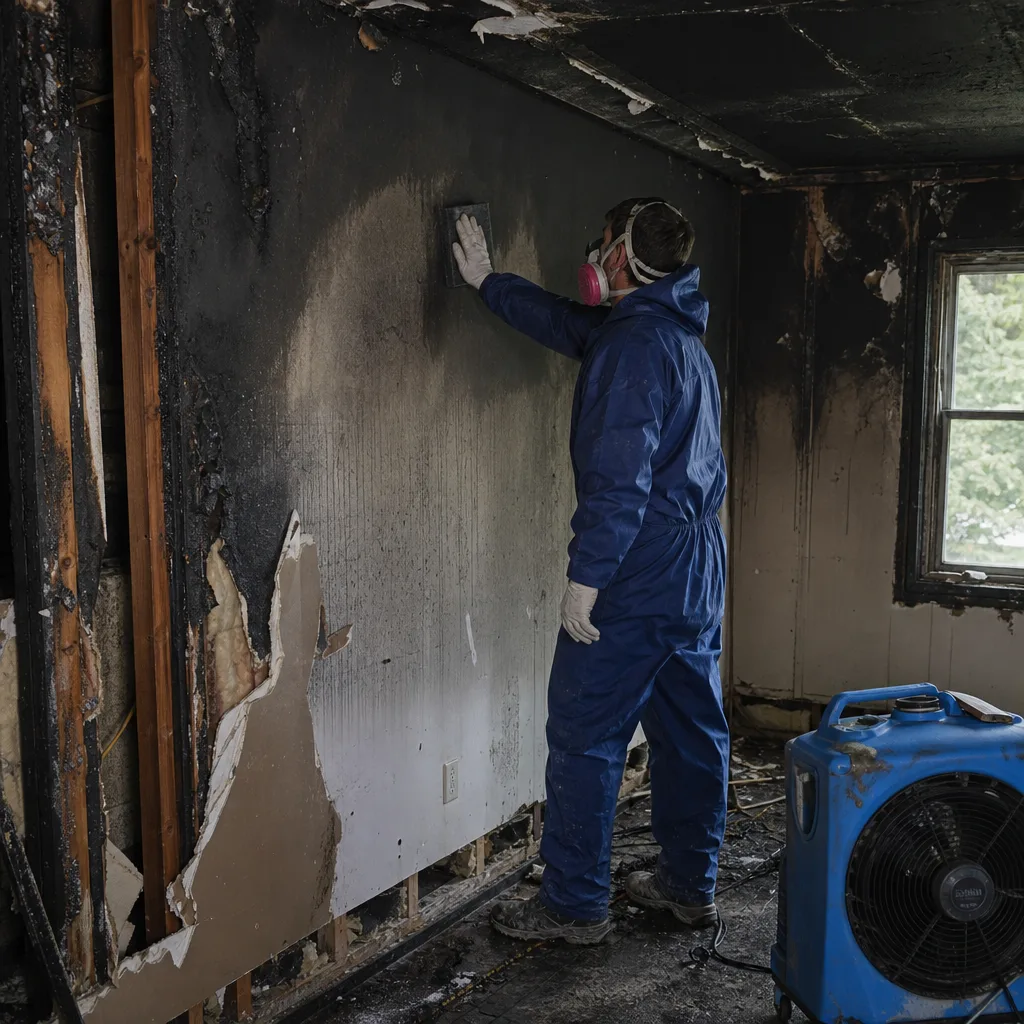
Basement Water Removal
Finished or unfinished, a wet basement in Tenafly holds water in ways slab basements in newer houses don’t. We remove water from the floor, but the bigger issue is what wicked up into the walls and floated under the flooring. We address the structure, not just the puddle.
What happens when you call
- 1
A real person answersNo phone trees - you reach a local pro.
- 2
You get an upfront price rangeHonest numbers before anyone is dispatched.
- 3
A background-checked tech heads outLicensed & insured, dispatched right away.
- 4
You approve before work beginsNothing starts until you say go.
Water Damage Restoration Costs in Tenafly, NJ
A typical emergency water extraction in Tenafly runs $400 to $900 for the initial visit, depending on the volume of standing water and accessibility. Full basement drying with structural drying equipment typically lands between $1,800 and $4,500 for a moderate loss, but homes along the Tenakill Brook corridor with Category 3 water and full drywall removal often reach $8,000 to $15,000 when rebuild materials are included. Matching original plaster and oak flooring adds real cost over generic replacements. Minor leaks isolated to one room may stay under $1,500. The variables that move the price: the water category, how long the water sat before we arrived, whether wall cavities are open or closed, and the finish level required for the rebuild. The free inspection gives you a firm written scope with line-item numbers before any work begins. Most Tenafly homeowners go through insurance, and we handle that billing directly.
We Also Serve Cities Near Tenafly
Floodline Restoration Co. serves the surrounding Bergen County communities with the same 24/7 live dispatch and certified crews. If you’re in Cresskill, Bergenfield, Englewood, or Dumont, we can reach your home quickly and start the same rigorous drying process we run in Tenafly.
Tenafly Water Damage Restoration Questions, Answered
How do I know if water from the Tenakill Brook overflow is Category 1, 2, or 3, and does it change what you can save?
Tenakill Brook overflow is Category 3 water, period. It carries surface runoff, possible sewage, and silt from the watershed. That means porous materials like drywall, insulation, carpet pad, and upholstered furniture that absorbed the water generally cannot be salvaged and should be removed. Hard non-porous surfaces like concrete, tile, and some metal can be cleaned and disinfected. Call (551) 348-3742 and we’ll assess what’s salvageable before we start cutting.
Our basement has flooded three times since Irene - can you just re-dry what’s there, or does the drywall need to come out every time?
In most cases we recommend removing drywall that absorbed Category 3 water. The reason is what we’ve found inside Tenafly homes after prior floods: drywall patched over framing that never fully dried, with mold colonies already established behind the patch. Re-drying closed walls is guesswork. Opening them up, drying the framing to below 15 percent moisture content, and rebuilding once is the only way to guarantee you’re not paying for another remediation in two years. Call us for a free inspection and an honest recommendation.
Why does my 1920s Tudor’s basement smell musty every time Tenakill Brook rises, even though the water never gets more than an inch deep?
That musty smell is often coming from inside the walls, not from the floor. In older Tudors with plaster and lath construction, groundwater and humidity wick up through the foundation and into the sill plates and wall cavities. A one-inch flood on the floor may correspond to 40 percent moisture content at the base of the walls. If the wall bases were never opened and dried after a previous storm, Fire & Smoke Damage Restoration in Tenafly may also be needed, as the mold is already there and just needs moisture to become active again. We find this constantly in homes along the brook corridor. The fix is opening the lower wall sections, treating the framing, and installing proper drying and ventilation before closing back up.
Your tech mentioned ‘drying logs’ - what exactly do you record during a structural drying job in Tenafly?
Drying logs record the moisture content of every affected structural component, day by day, until the entire structure reaches the dry standard. We log readings from stud bays, sill plates, subfloor sections, wall bases, and ceiling cavities. Each reading is tied to a specific location in your home. The log shows the starting moisture content, the equipment placed, the ambient conditions, and the daily progression until every reading is below 15 percent. You get a copy, and so does your insurance carrier. It’s proof the structure was actually dried, not just left to air out.
Can you match the original plaster and oak flooring in my 1920s colonial after a burst pipe sopped the dining room?
Yes. This is one of the main reasons Tenafly homeowners call us instead of a franchise restoration crew. We match plaster ceiling profiles, crown molding dimensions, baseboard profiles, and hardwood species and width to what was originally in the home. In some cases we source reclaimed old-growth oak to match the grain and color of existing flooring. The rebuilt room should look like it belongs in a 1920s colonial, not like a patch job. We include this in the scope before any work starts.
How fast can someone actually get to my Tenafly home?
Our crews are dispatched from the metro area and typically reach most Tenafly addresses within 45 minutes of your call. If the situation is an active flood from Tenakill Brook or a burst pipe, we prioritize your call and move crews from nearby boroughs if necessary. The phone is answered live around the clock at (551) 348-3742, and the dispatcher will give you an ETA before you hang up.
Will my insurance cover water damage restoration in Tenafly?
Most homeowner policies cover sudden and accidental water damage, like a burst kitchen supply line or an overflowing washing machine. Flooding from Tenakill Brook is typically covered only under a separate flood insurance policy. What matters for your claim either way is documentation: photos from the first hour, moisture logs during drying, and a line-item scope of work. We provide all of that and communicate with your adjuster directly. Call (551) 348-3742 and we’ll help you determine what your policy covers before work begins.
What should I do in the first 30 minutes after I discover water in my house?
Call us first: (551) 348-3742. Then, if it’s safe to do so, shut off the water source if you can identify it. Do not walk through standing water if electrical outlets or appliances are submerged. Move valuables and furniture out of the water’s path if you can do so safely. Don’t attempt to use a shop vac on Category 2 or 3 water, and don’t wait to see if it dries on its own. The sooner extraction starts, the less material gets removed and the lower the final cost.
Serving Tenafly, NJ - Our Local Coverage Area
We’re based in the Tenafly area and know this community well. Use the map below to see our service coverage - if you’re nearby, we can almost certainly help.
Water Damage Restoration and Our Team
Our technicians are background-checked, uniformed, and trained to IICRC, RIA, and IFA standards. We use Dri-Eaz and Phoenix drying equipment because it holds up to the steady volume of structural drying work that older Tenafly homes require. Every job is backed by the 90-Day Done Right Promise, our written guarantee known internally as the Keystone Standard. If it’s not done right, we make it right, no paperwork battles and no arguing. We stand behind it.
Our crew recently stripped a basement on West Clinton Avenue near the Tenakill Brook after a nor’easter backwatered the floor drain with Category 3 water. Using thermal imaging and moisture mapping, we found framing still at 40 percent moisture content behind drywall that had been closed up after Ida in 2021, with visible mold colonies on the sill plate. We removed all non-salvageable materials, treated the framing with antimicrobial, and ran Xer-Dry desiccant dehumidifiers plus radial air movers until structural drying logs showed sub-15 percent across every stud bay before rebuilding to match the original plaster and oak flooring. That’s what a complete Water Damage Restoration looks like in a pre-war Tenafly house.
If you’re dealing with water in your home anywhere in Water Damage Restoration in Tenafly and you want a square deal with a written guarantee, call Floodline Restoration Co. at (551) 348-3742. We answer live, day or night, and the estimate is free. Current offers: $50 off any repair over $250, $89 seasonal tune-up, and a 5 percent senior and veteran discount, always.
Written by Curt Bowman, Owner at Floodline Restoration Co., serving Tenafly’s homes with full-cycle water damage, mold, and reconstruction services.