
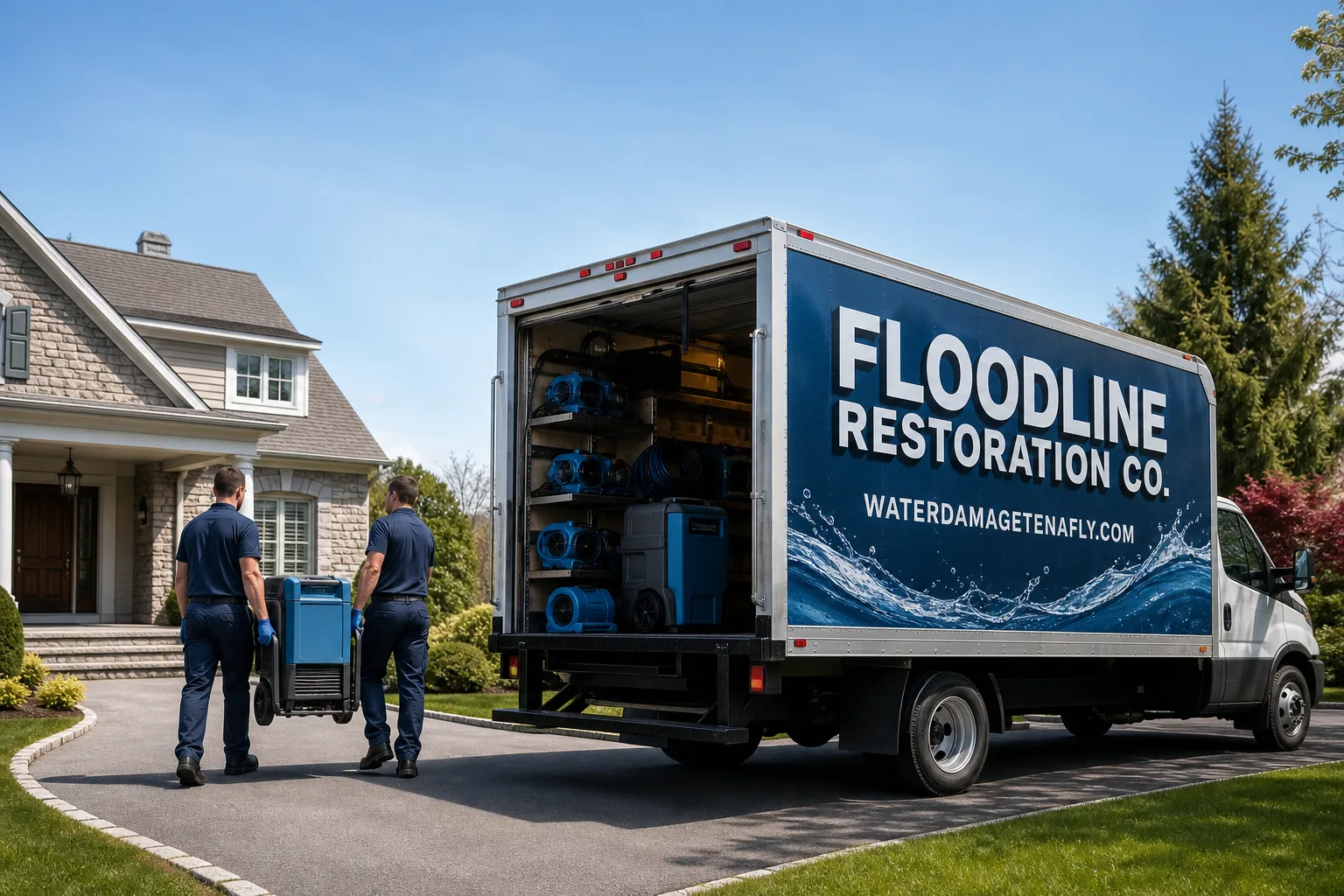
Free visual inspection and a written scope of work before any mitigation begins - photos, moisture readings, and drying logs go in your claim file
The scope we write is the scope we bill. Anything new gets shown to you, in writing, before we touch it.
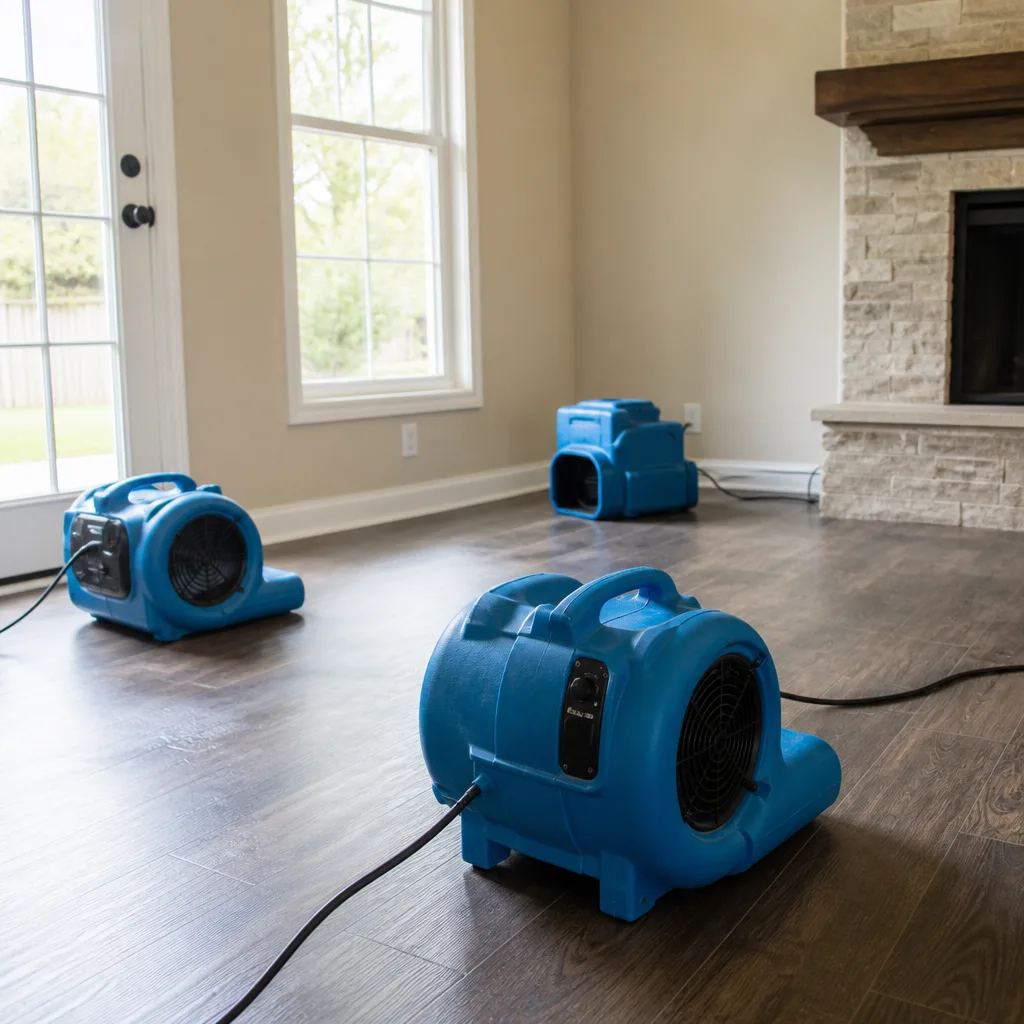
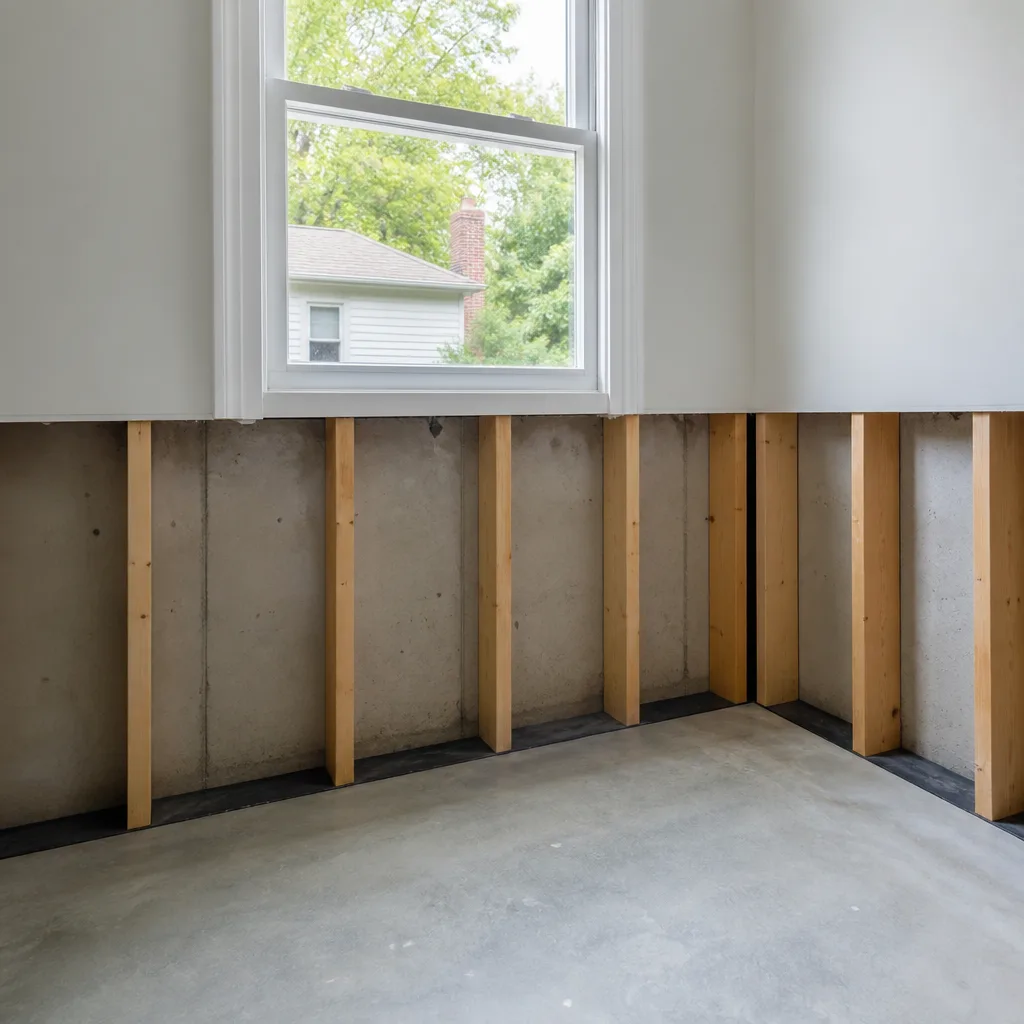
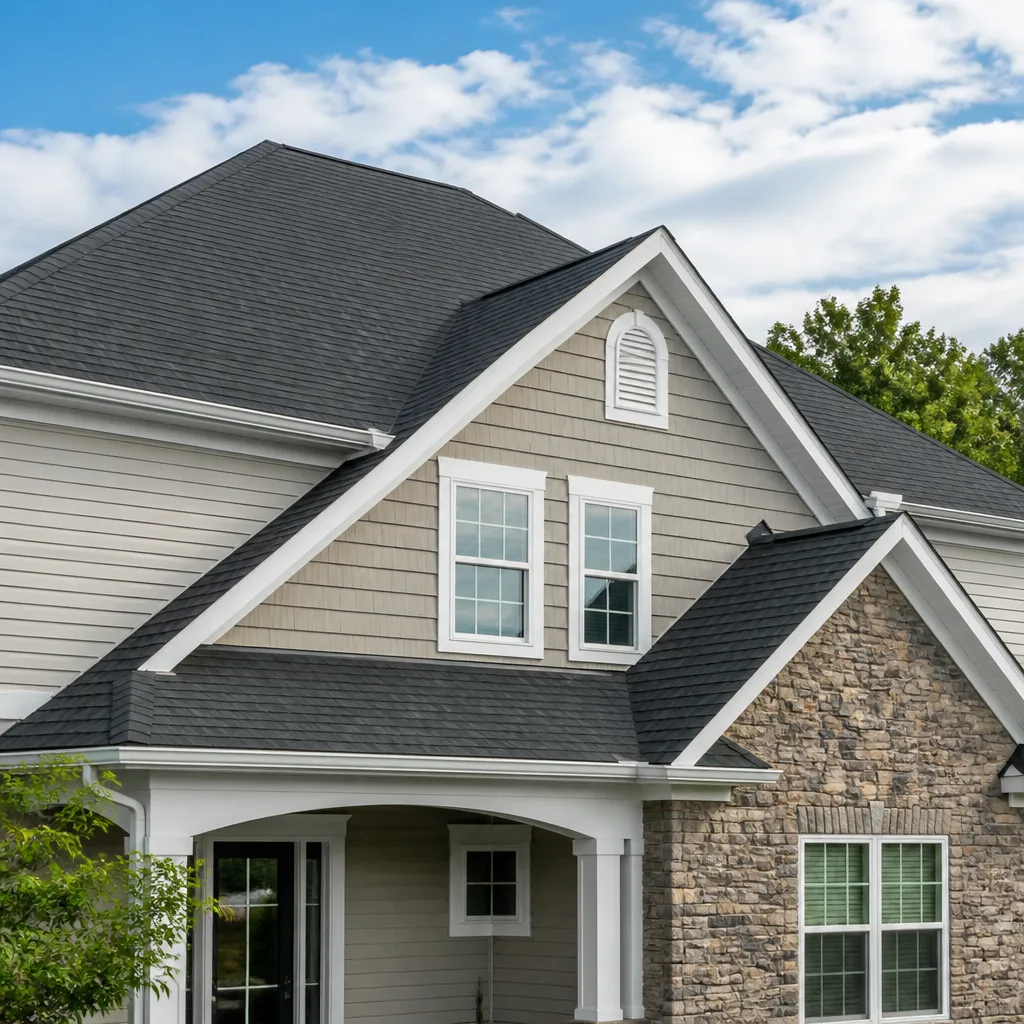
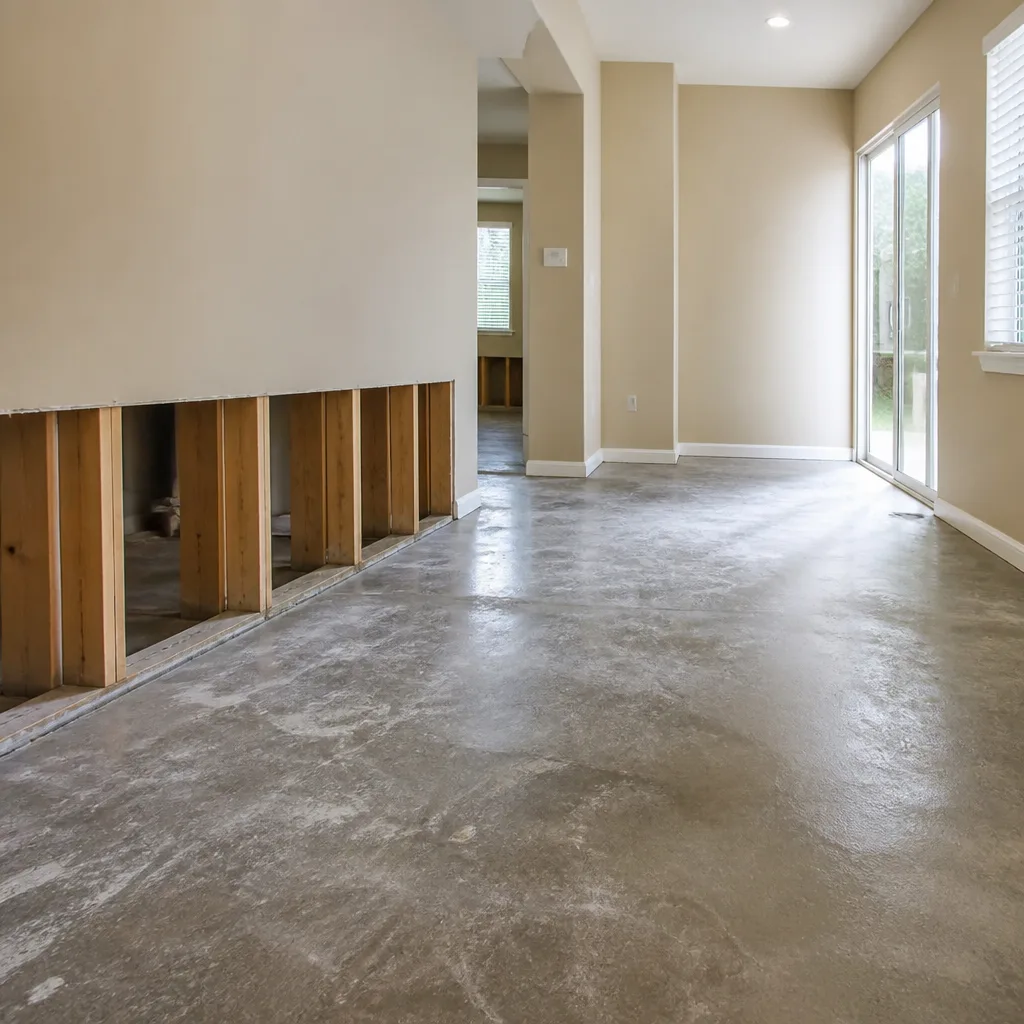
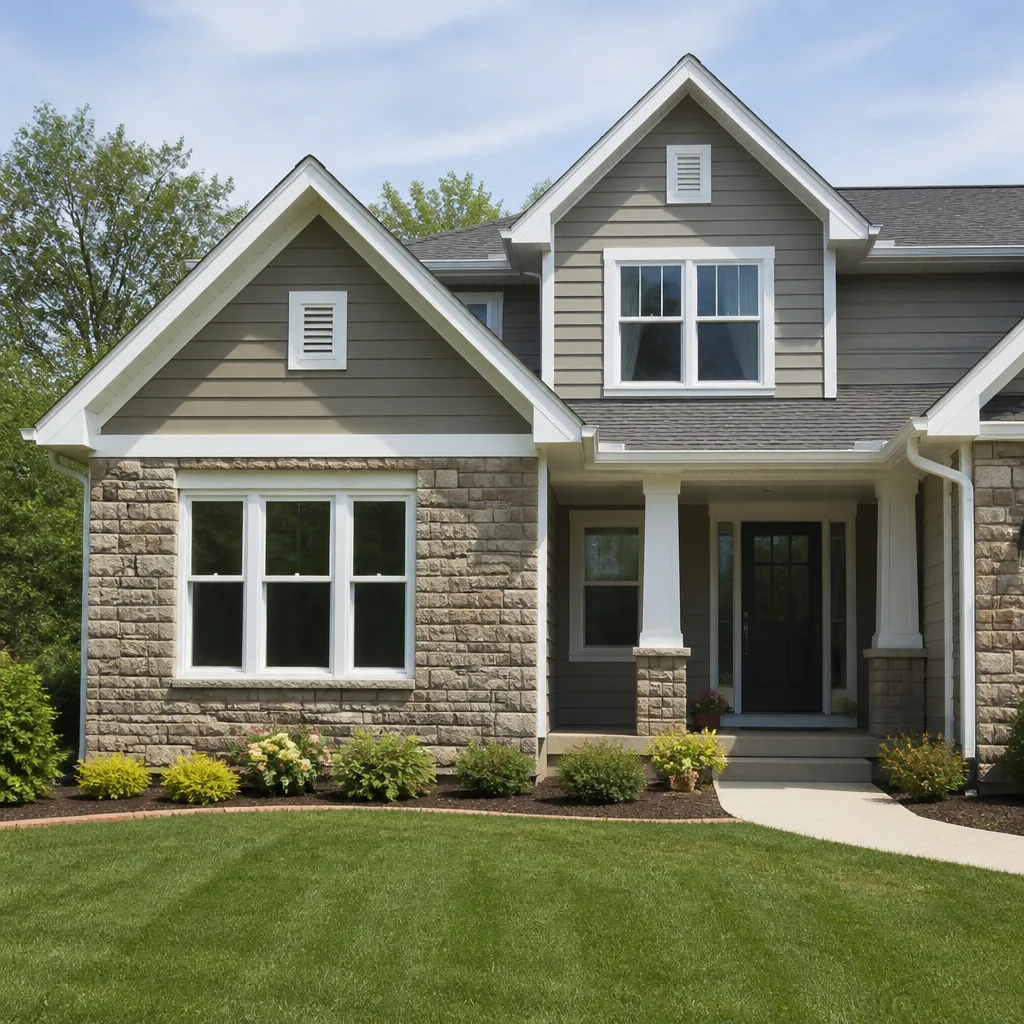
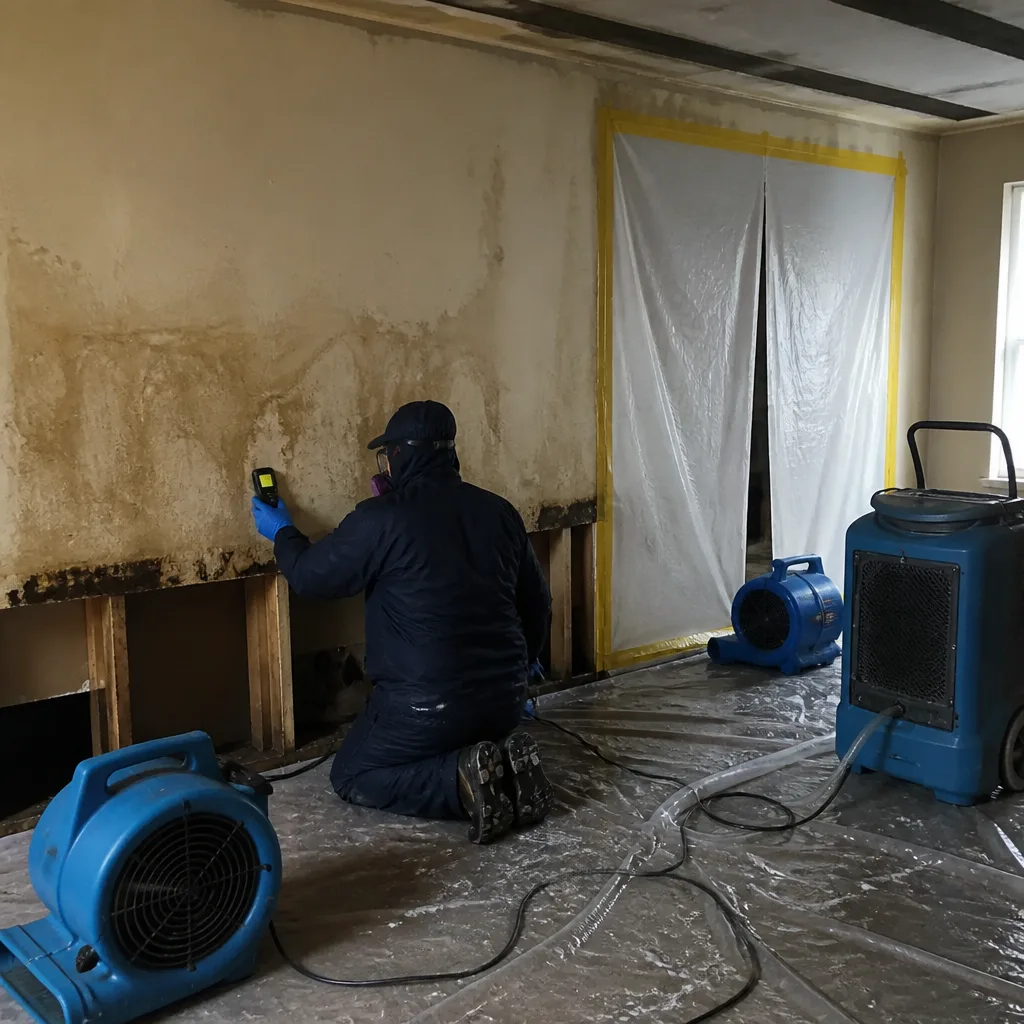 Before
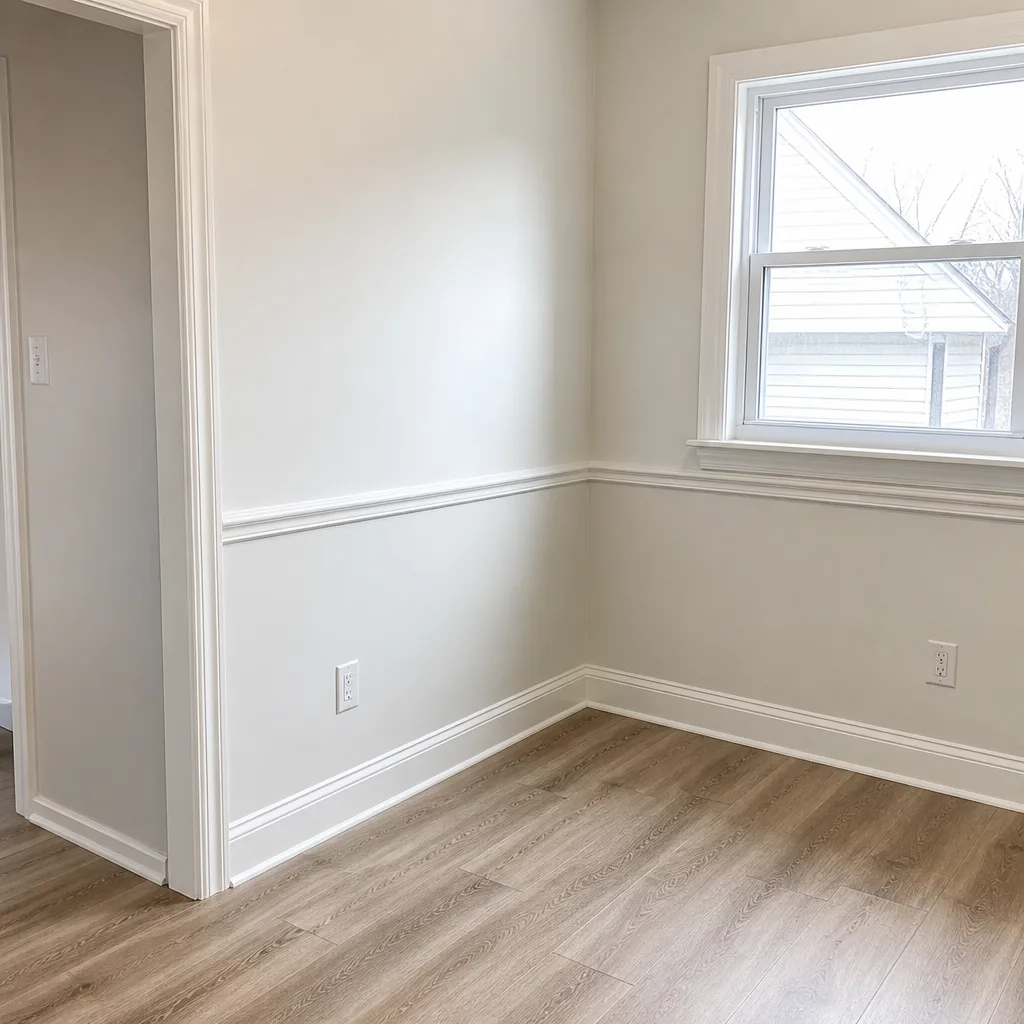 After
After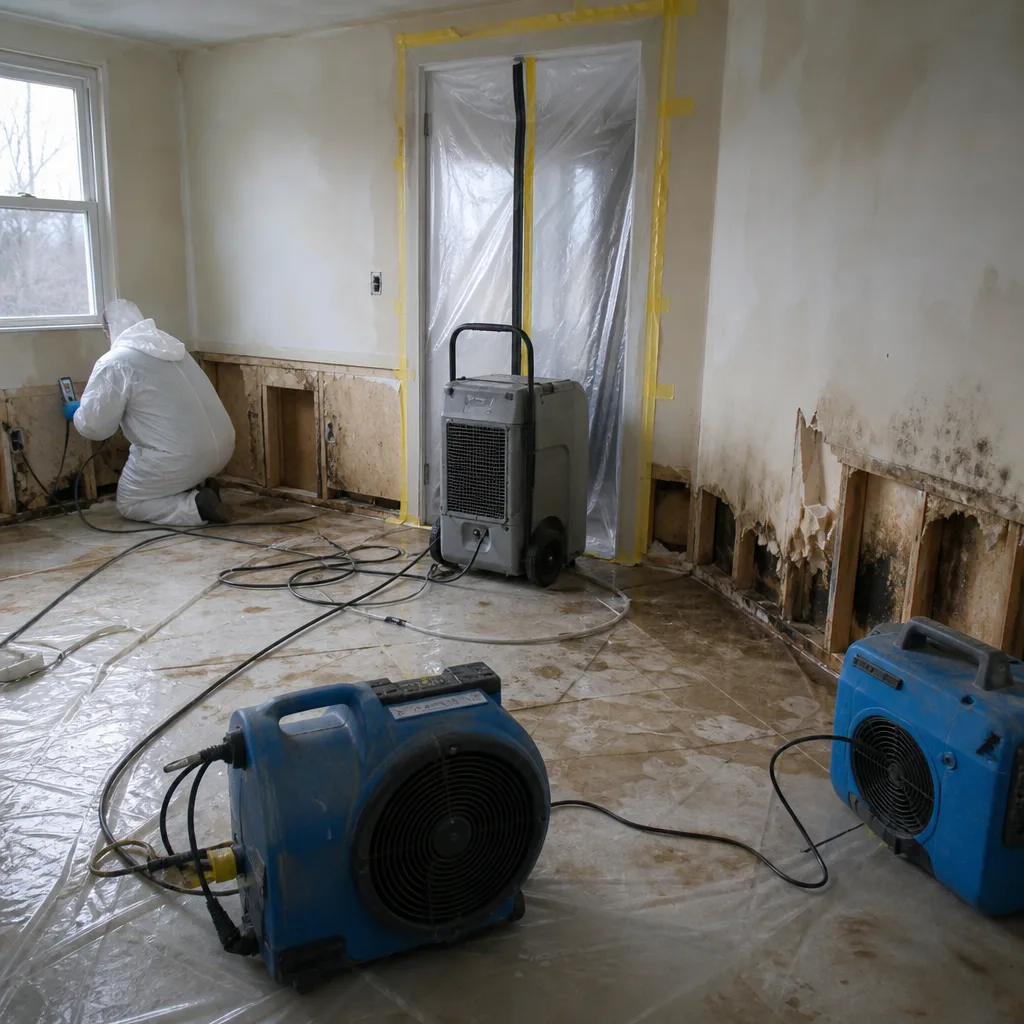 Before
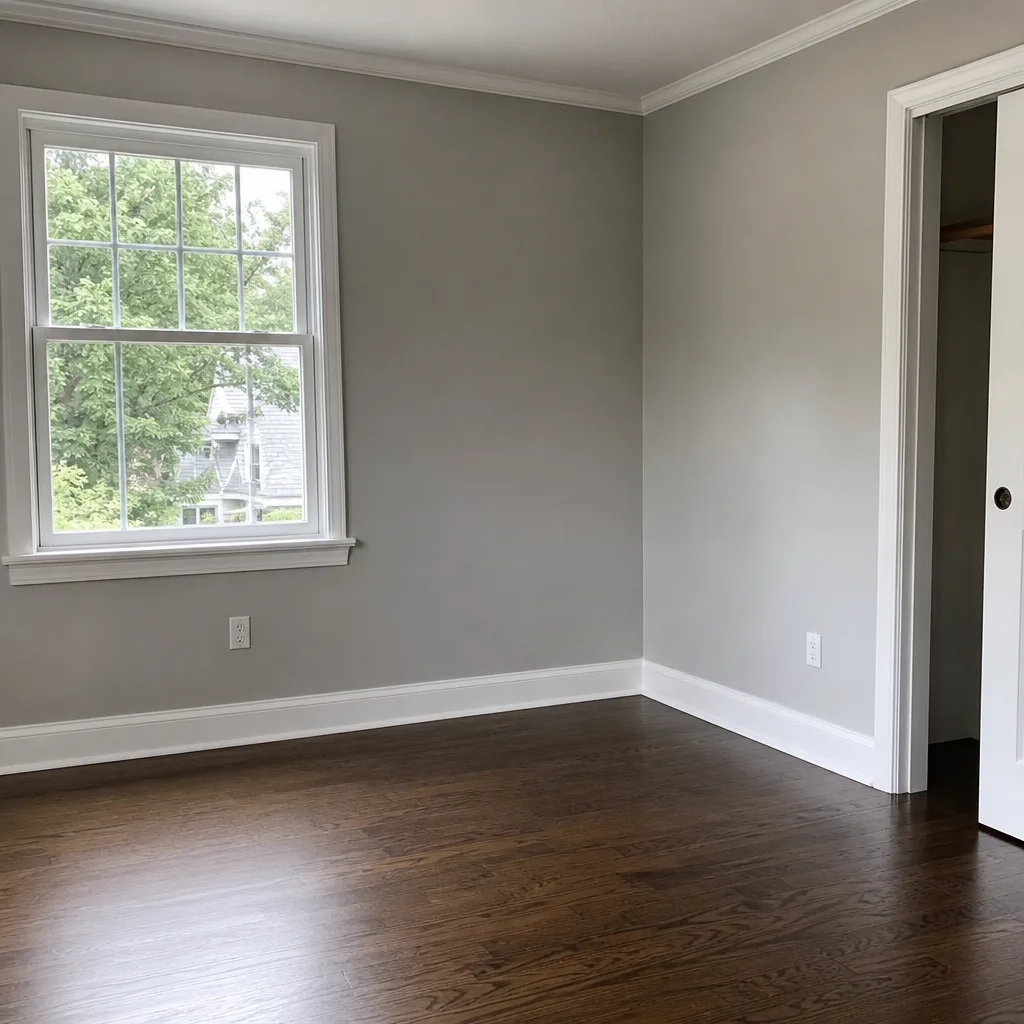 After
After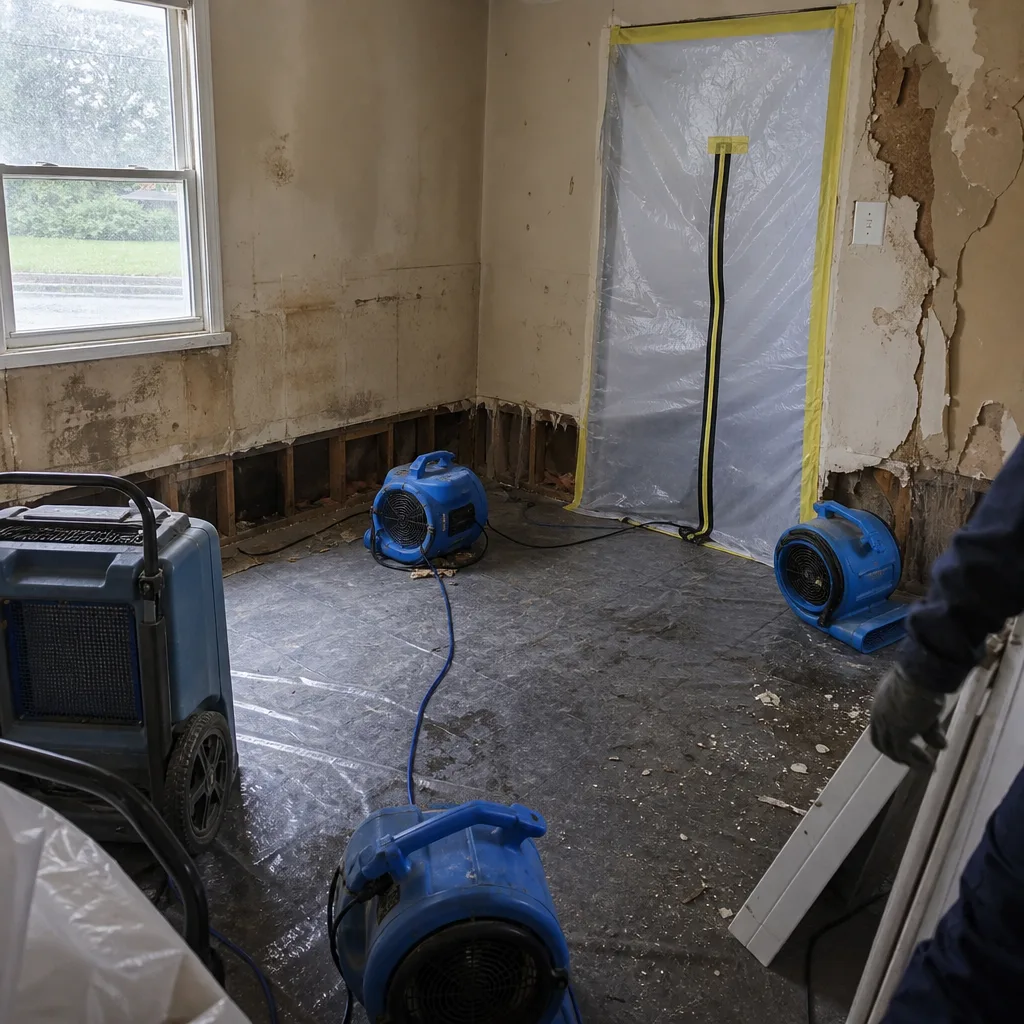 Before
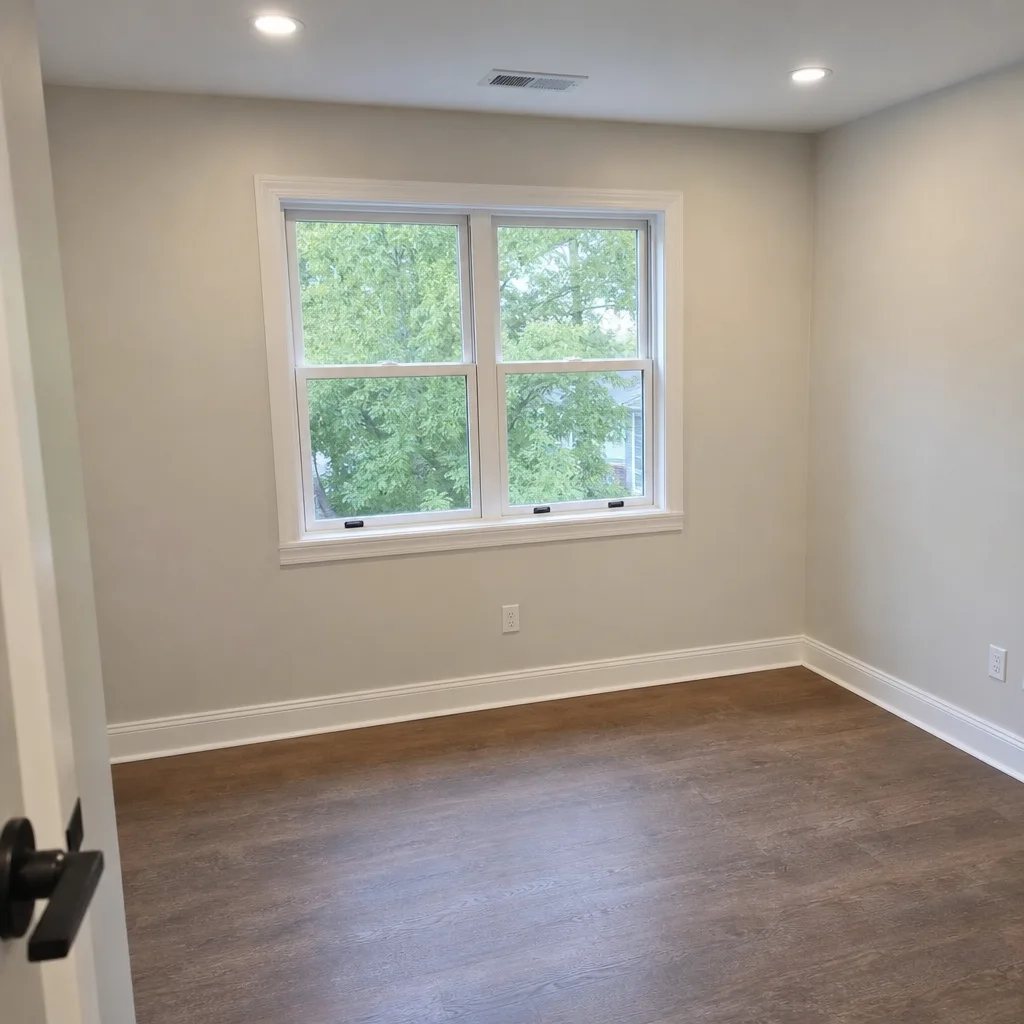 After
After24/7 Emergency Storm & Disaster Restoration in Englewood
Storm damage in Englewood doesn’t wait for business hours. When a nor’easter tears through or a summer thunderstorm drops three inches of rain in an hour, the water moving off the Palisades ridge reaches eastern basements fast. Our crews answer live at 2 a.m., dispatch from right here in the metro area, and typically reach Englewood doorsteps inside 45 minutes. Call (551) 348-3742 and you’ll speak with a real person, not a phone tree. We do a free visual inspection, start extraction in the same visit, and document everything for your insurer from the first hour. The sooner water stops moving, the less wall cavity, flooring, and framing you lose. That’s not sales language. That’s the math of plaster-and-lath construction.
Understanding Storm & Disaster Restoration Severity in Englewood Properties
Englewood’s housing stock shapes every restoration we do. Most of the storm damage calls we answer are for pre-WWII Colonials, Tudors, and Victorians built with balloon framing and plaster over wood lath. These homes have open wall cavities that run from foundation to attic with no fire blocking. Water entering at a ridge-line roof leak travels down through those cavities, saturating stud bays anywhere along the way. By the time you see a stain on the first-floor ceiling, moisture has often been present at the basement sill plate for days. That’s why our techs map moisture through the full wall assembly, not just at visible wet spots. Category 2 water, which carries contamination but not sewage, becomes Category 3 water when it sits in a warm, closed cavity for 48-72 hours. In an Englewood east-side home near the Hackensack floodplain, we’ve seen clean rainwater contaminated by what was already under the old slab, turning a moderate flood into a full biohazard response. And then there are the prior floods hidden behind re-finished walls, which we’ll get into below.
Why Englewood Property Owners Choose Floodline Restoration Co.
- 45-minute response commitment: When you call with storm water rising, we commit to a crew arriving in Englewood within 45 minutes of your call. Flood corners get tighter every hour and we don’t waste your first one.
- 24/7 live answer, always a person: Our dispatch board is staffed around the clock, every single day, including holidays. You’ll talk to someone who knows what storm damage is and starts logging your loss immediately.
- IICRC-certified crews, named codes: Our water and structural drying techs hold WRT and FSRT certifications. For storm losses with possible bacterial contamination, the AMRT-certified path changes how drying chambers are built and sealed.
- Free visual inspection and scope: Before any work is authorized, we walk the damage with you and write down what we see, what we suspect, and what it’ll cost. You see the same numbers we quote your carrier.
- Direct insurance billing, no adjuster games: We photograph everything room by room, log daily moisture readings, and send those to your adjuster directly. You never have to translate what happened into insurance-speak.
- One team, extraction through reconstruction: The same crew that reads the moisture map on day one handles the dry-down and rebuilds what needs rebuilding. Nobody inherits a half-finished job from a stranger.
Our Storm & Disaster Restoration Process
Inspection & Assessment
We arrive, walk the damage, and run thermal imaging to see what the eye misses behind plaster walls. You get a clear scope: what’s wet, what’s compromised, and what the next 72 hours need to look like.
Extraction & Stabilization
Submersible pumps and high-volume extractors draw out standing water. We set containment barriers and, where needed, board up or tarp openings to keep wind and rain from adding to the loss.
Drying & Dehumidification
Dri-Eaz and Phoenix air movers push into cavities, while Injectidry mats pull water from original hardwood floors. Hygrometers are placed throughout and logged daily, so there’s a paper trail of every reading.
Cleaning & Sanitization
Exposed surfaces are treated with targeted cleaners based on the water category. HEPA air scrubbers run while we work, pulling airborne mold spores and spores released from disturbed materials out of the air.
Wind-Rating & Structural Treatment
For wind damage along the Palisades corridor, we check door frames, lintels, and connection points. Then we repair or reinforce to wind-rated standards, because a board-up that doesn’t address a failed frame will fail again in the next nor’easter.
Repairs & Restoration
One crew from start to finish. We reframe what’s rotted, re-insulate where cavities were opened, patch plaster with like materials, and rebuild to code. The job ends with a moisture log and our 90-Day Done Right Promise in your hands.
Need Emergency Storm & Disaster Restoration in Englewood Now?
Crews minutes away, answering live 24 hours a day. The sooner we start, the less it costs.
Working With Your Insurance Company
Storm damage claims in Englewood move faster when the adjuster receives clean documentation from the first day. We handle that for you. Our crews photograph every room showing damage, log moisture readings daily until your wood and plaster hit the dry standard, and write a line-item scope with current Englewood material and labor costs. Then we talk directly with your carrier’s adjuster, send them the daily logs, and bill the carrier directly so you’re not floating a five-figure restoration on a credit card. You get the full paper trail. When the claim is disputed, our documentation has held up because it’s generated by IICRC-trained techs, not a clipboard and a guess. If your policy covers storm damage, you should never have to play messenger between us and the carrier. You won’t.
What We Provide Your Insurer
- Thorough documentation of the loss
- Photos of all damage, room by room
- Moisture readings and drying logs
- A detailed, line-item scope of work
- Direct coordination with your carrier
Built for Englewood’s Loss Calendar
Englewood storms have a rhythm. January and February bring the deep freezes that crack cast-iron and galvanized supply lines in pre-war basements. When the thaw comes, water finds the path the ice opened in October. March and April bring nor’easter rains, and the Palisades ridge turns from a scenic western edge into a drainage funnel that overwhelms the storm drains on Engle Street and Palisade Avenue, backing water into east-side basements. July and August thunderstorms dump intense rain in twenty minutes, sometimes too fast for gutters sized for a 1920s roofline to carry. And in September, the remnants of tropical systems like Ida push the Hackensack back into low neighborhoods, flooding homes that have been re-finished over old water damage. Each season produces different damage patterns, and each requires a different drying approach. The kind of water that enters a basement in February through a cracked supply line is different from the water that rises out of a storm drain in August. We treat them differently because they behave differently.
Storm & Disaster Restoration Across Englewood’s Neighborhoods
East of Engle Street and down toward Jones Road, the ground flattens toward the Hackensack floodplain. Those are the streets where storm drain backups happen first, and they’re often the same homes that flooded during Sandy and Ida. Working there, our crews regularly open walls to find earlier dry-out work hidden behind fresh paint, because a previous owner didn’t disclose a prior flood. That matters: when you put new paint over a wall that once held moisture, the mold behind the lath never left. It went dormant and is now re-activated. Over near Dwight Morrow High School and the blocks around Flat Rock Brook, homes sit closer to the ridge, and wind damage is the bigger problem. Old pre-WWII wood doors don’t hold their frames in sustained nor’easter gusts, which means emergency board-up has to be followed by frame reinforcement or the same door fails again next storm. Up toward the Tenafly line and the East Hill streets, we see more roof and window flashing failures from wind-driven rain, because the grade rises and exposure increases. And in the multi-family flats east of Palisade Avenue, a single storm can flood three units at once, which means a coordinated dry-down rather than a single-family response.
Specialized Storm & Disaster Restoration Services We Offer in Englewood
Storm Damage Cleanup
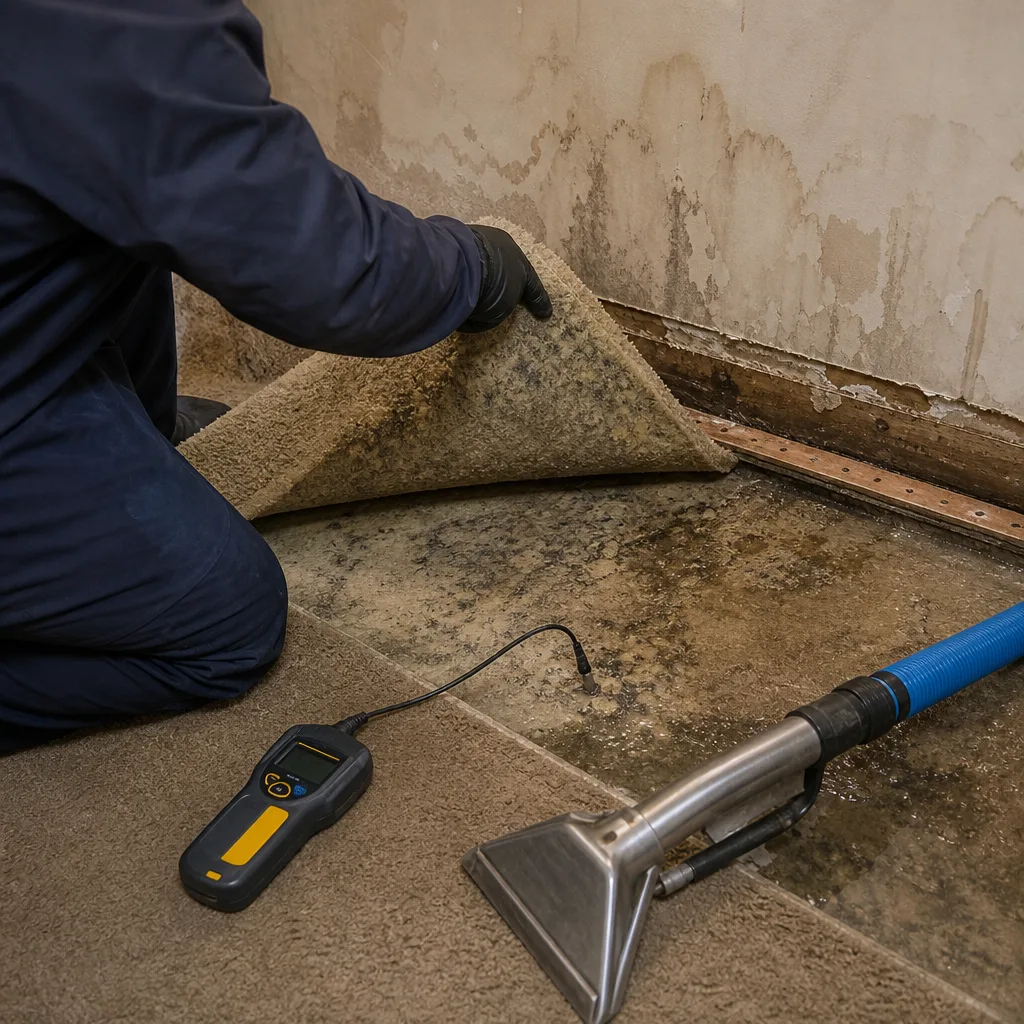
When water is moving, we’re extracting. When it’s stopped, we’re cutting out soaked baseboards, pulling wet insulation, and setting up containment to keep mold spores from moving through the house. In an Englewood plaster home, selective cuts are slower and more precise than in a drywall suburb, because you don’t want to replace more original material than necessary.
Flood Damage Restoration
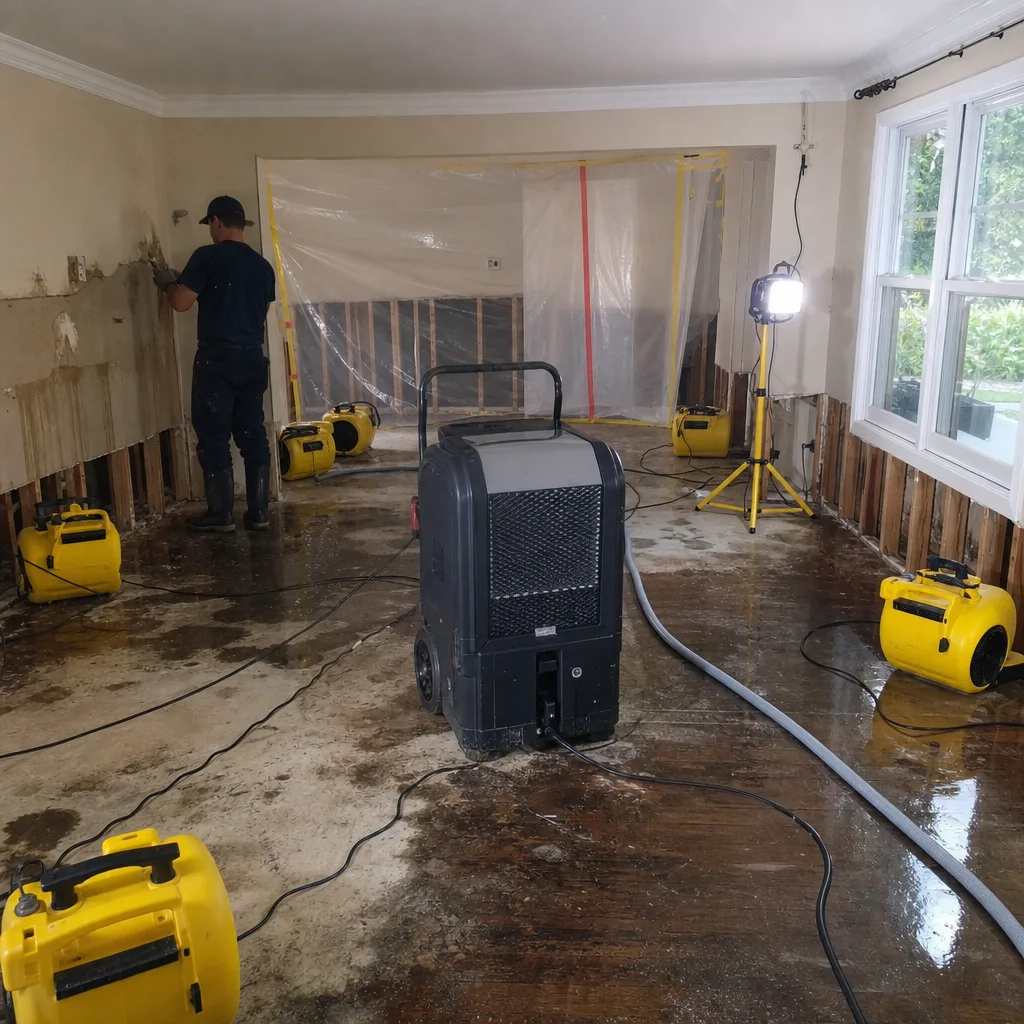
Floodwater is almost never Category 1. Whether it’s a storm drain backup east of Engle Street or the Hackensack crossing its bank, we treat floodwater as contaminated until proven otherwise. That means full containment, air scrubbers, and a dry-down schedule that accounts for the fact that plaster-and-lath holds moisture far longer than gypsum board.
Emergency Board-Up
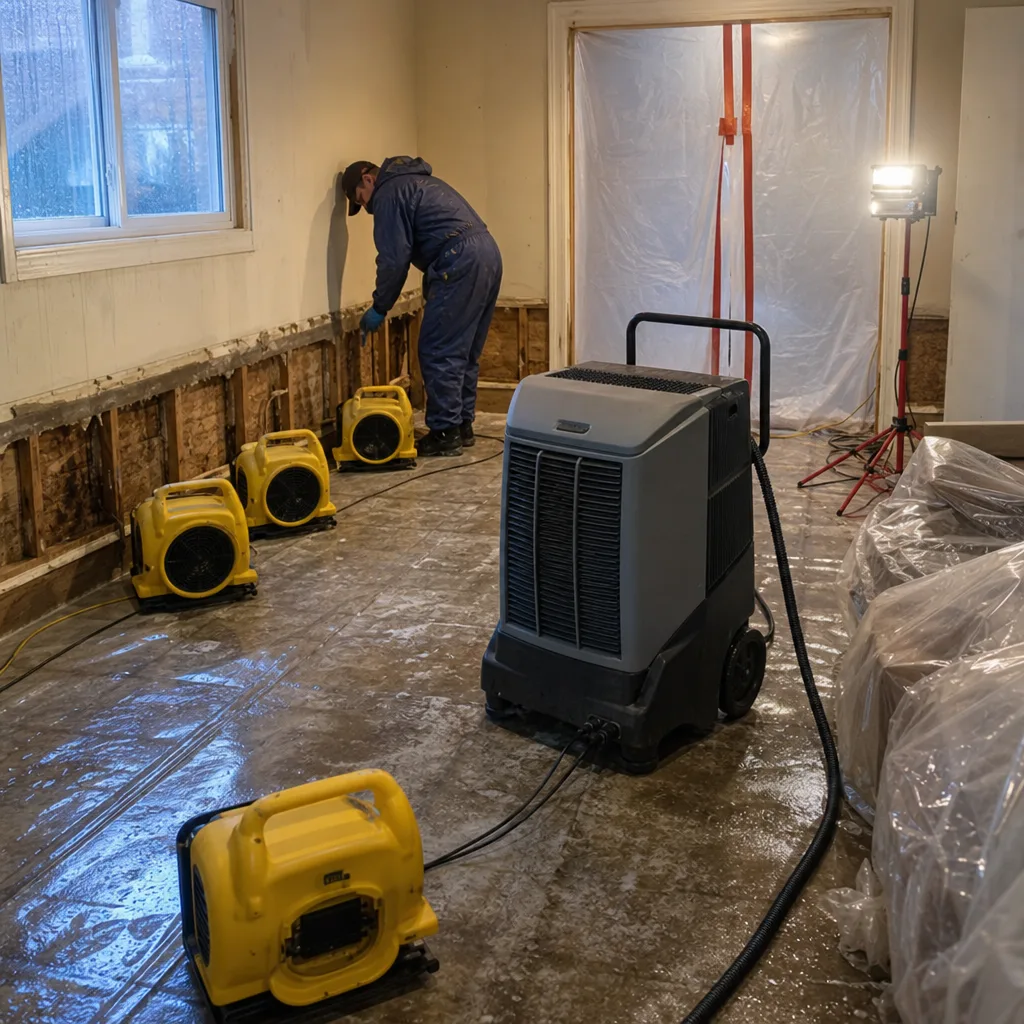
A shattered window or blown-in door is an open invitation for more weather, animals, and theft. We board up with measured cuts that fit the opening, so the board doesn’t become another damage source. And on old Englewood frames, we check whether the frame itself held: if it didn’t, board-up is only step one. The frame gets reinforced before we leave.
Roof Tarping
A tarp has to hold against Palisades gusts, not just against a light rain. We stretch and fasten tarps to the roof framing itself when possible, because a tarp that flaps in a nor’easter becomes a sail that peels more shingles and tears more flashing in two hours than the original storm did.
Debris Removal
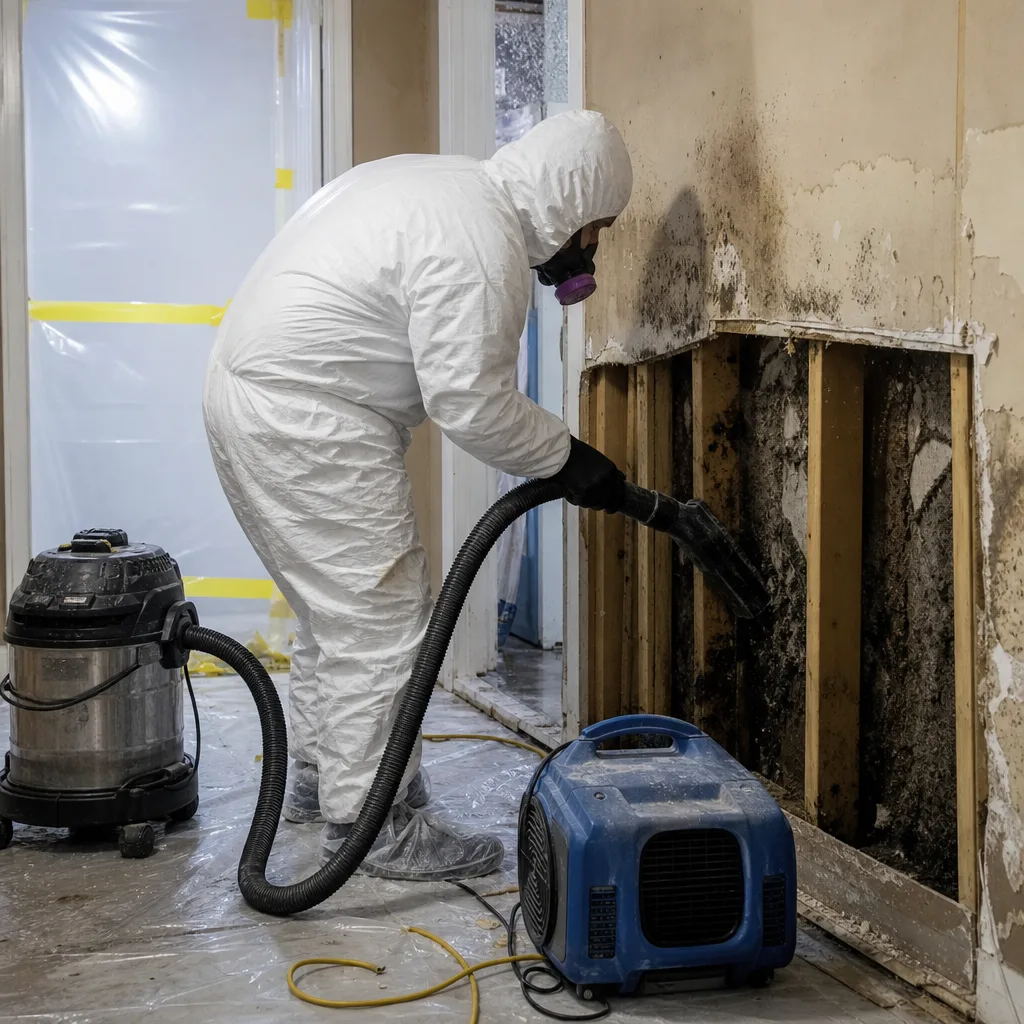
Fallen limbs, shingle granules in window wells, torn plaster, and wet cellulose all carry molder out of the structure and leave the site accessible for drying. We separate the waste properly, because some storm debris in Englewood can’t go in a single truckload, particularly if it’s contaminated by floodwater.
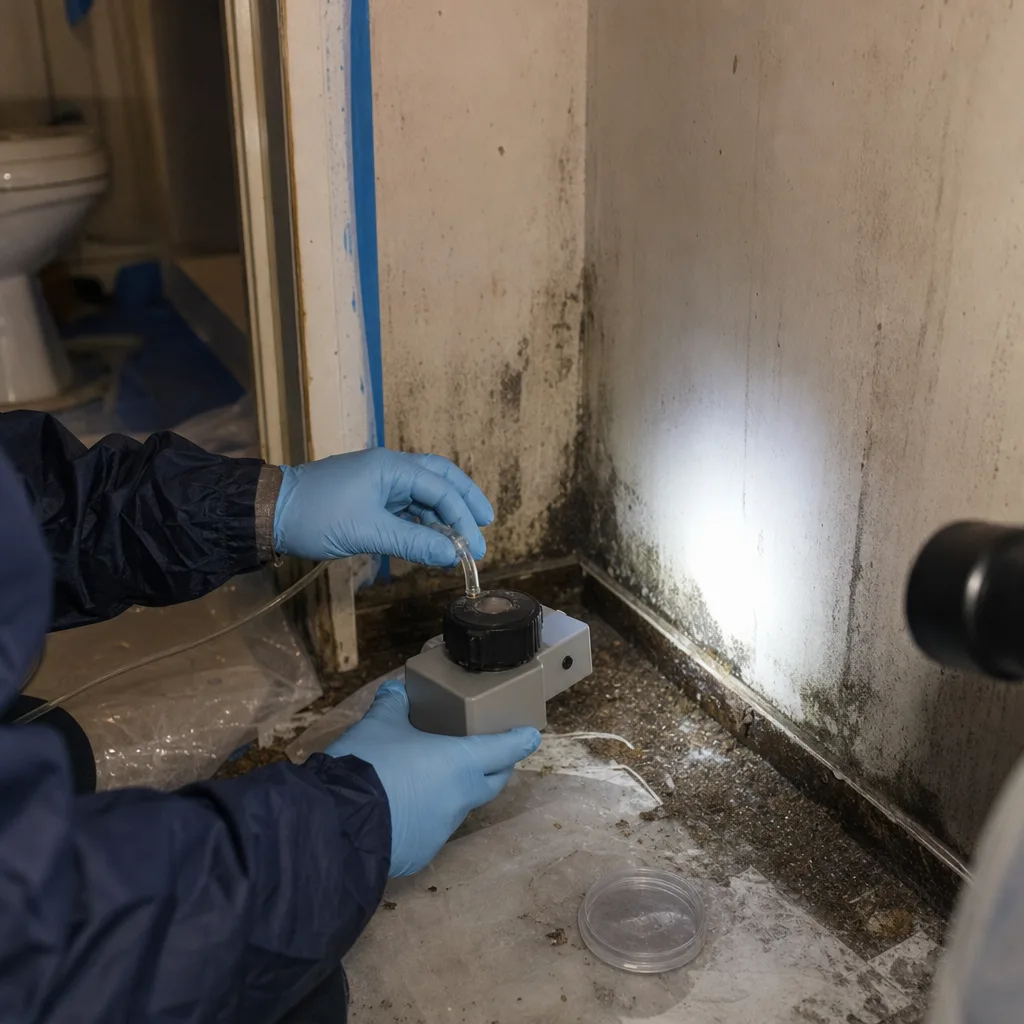
What happens when you call
- 1
A real person answersNo phone trees - you reach a local pro.
- 2
You get an upfront price rangeHonest numbers before anyone is dispatched.
- 3
A background-checked tech heads outLicensed & insured, dispatched right away.
- 4
You approve before work beginsNothing starts until you say go.
Storm & Disaster Restoration Costs in Englewood, NJ
Storm water extraction in an Englewood basement runs roughly $3.50 to $7.50 per square foot of affected area, depending on water category and how much demolition is needed. A typical Category 2 flood in a 900-square-foot east-side basement lands between $3,100 and $6,800 for extraction, containment, and structural drying. If the water is Category 3, floodwater full of sewage or street runoff, costs rise to $7.00 to $12.00 per square foot and often include wall-bottom removal and subfloor access. Roof tarping runs $350 to $900 per opening, depending on roof pitch and whether we’re tying into framing. Emergency board-up for a single window or door is $150 to $500. Wind damage repair on a pre-war exterior door frame runs $600 to $1,300 for frame reinforcement, new weather stripping, and a wind-rated threshold. Most Englewood storm losses the insurer covers are handled entirely through direct billing, so your out-of-pocket is your deductible. We’ll tell you the reading before we write it, and nothing starts without your signature.
We Also Serve Cities Near Englewood
Our storm restoration crews work Englewood and the surrounding Bergen County communities regularly: Englewood Cliffs, Teaneck, Tenafly, and Bergenfield. Same 45-minute response commitment, same IICRC-certified teams, and the same 90-Day Done Right Promise.
Englewood Storm & Disaster Restoration Questions, Answered
How fast does stormwater move from the Palisades to an Englewood basement, and why does that affect drying?
Stormwater can move from the Palisades ridge to an east-side Englewood basement in under 45 minutes during intense rain. That speed matters enormously for drying, because water that reaches a finished basement in 45 minutes hasn’t been filtered by soil or carried off by drains. It arrives carrying whatever it picked up from the roadway, and it saturates plaster and lath walls fast enough that visible wetness appears only after the damage signature has already spread. Our techs dry for what invisible moisture is present in the cavity, not just what you can see on the surface. Call (551) 348-3742 for a free inspection and moisture reading.
Our Englewood Tudor has a finished basement that flooded twice before - what should we expect in a storm restoration scope?
Expect us to open more than you planned. A pre-WWII Englewood Tudor with a finished basement that has flooded before almost certainly has dormant mold behind re-finished walls. Lath strips and plaster keyed over existing moisture hold mold spores for years, and when the third flood arrives, those spores bloom. A responsible storm restoration scope in that house includes containment before demolition, an air scrubber running full-time, and cutting into walls and possibly pulling up the subfloor to expose what was hidden. The difference between a repair quote and a full remediation quote is often what the walls don’t show. Call (551) 348-3742 and we’ll walk the basement with a thermal camera and moisture meter.
What wind rating should a replacement exterior door have for an Englewood home near the Palisades?
For an Englewood home near the Palisades ridge or on any east-facing elevation, we specify a door rated for at least 120 mph wind load with an impact-rated frame. Standard residential doors from the big-box stores are typically rated to 90 mph, and that’s not enough on a street where nor’easter gusts funnel down the ridge face. The frame matters as much as the slab. An impact-rated door in a spindle-rotted 1920s frame still fails, because the frame is what transfers wind load to the studs. We reinforce the frame, reset the jamb, and use wind-rated thresholds so the door holds as a unit. Call (551) 348-3742 for a wind load assessment on your existing door.
Does Englewood require a permit for storm restoration work like roof tarping or structural repairs?
Roof tarping and emergency board-up are temporary stabilization measures and don’t require a permit anywhere in Bergen County. Structural repairs, including re-framing a wall opened by storm damage, replacing roof decking, or reframing a door, do require a permit from the City of Englewood Building Department. We handle the permit for any structural work we perform. For emergency repairs, the permit can be opened after the stabilization work is done, but it has to be filed. We’ve been through the Englewood permit desk enough times to know exactly what the inspector needs to see on a wind-rated frame or a structural drying scope. Call (551) 348-3742 and we’ll tell you what your specific repair triggers before we start.
After Ida, our Englewood basement had black water. What’s the difference between Category 2 and Category 3 water in an older home here?
Category 2 water is significantly contaminated. Think storm drain backup, sump pump failure, or surface water that picked up debris but not sewage. Category 3 water is grossly contaminated: it contains sewage, animal waste, or long-standing stagnant Category 2 water. After Ida, most Englewood basements that flooded had Category 3 water, because the Hackensack floodplain had been saturated for days and anything that came into the house was mixed with sewage overflow. In an older Englewood home, Category 3 water is particularly destructive because it penetrates plaster and lath deeply and carries pathogens into the wall cavities. The dry-down requires full containment, disposal of saturated porous materials, and air scrubbing throughout, not just in the flood zone. Call (551) 348-3742 for an assessment if you think you sat in Category 3 water and weren’t fully treated the first time.
How long does storm damage drying take in an Englewood plaster-and-lath home?
Three to seven days is typical for a Category 2 flood in an Englewood plaster-and-lath home, but the timeline stretches when cavity saturation is deep, the original hardwood floors are involved, or the outside air is humid. Plaster holds water far longer than drywall, and original hardwood floors are slow to release moisture even under Injectidry mats. We don’t remove drying equipment until the moisture logs show the wood has hit the target moisture content for three consecutive daily readings. Rushing that process in a pre-war home is how you end up with hidden mold behind fresh paint a year later. Call (551) 348-3742 for a drying timeline on your specific home.
Can we stay in our Englewood home during storm restoration work?
It depends on how much of the home is affected and whether the air is safe. If the damage is isolated to one basement or a single room and we’ve set up containment with negative air pressure, you can often stay. If the storm opened the roof and removed a large section of ceiling, or if Category 3 water has contaminated multiple rooms, we’ll tell you directly that the home isn’t safe for occupancy during the first phase. We’d rather deliver an honest “you need to be out for five days” than risk your health. Call (551) 348-3742 and we’ll give you a straight answer based on the actual conditions, not a generic policy.
What should I do in the first 30 minutes after a storm floods my Englewood basement?
Call a restoration company before you start moving things. If you call (551) 348-3742, a live dispatcher answers and a crew starts toward you. While you wait, if it’s safe, turn off power to the basement at the breaker, and don’t touch any standing water that could be energized or contaminated. Don’t use a shop vac on floodwater, and don’t pull up carpet that’s saturated with Category 3 water without gloves, boots, and eye protection. Your priority is keeping yourself safe and stopping more water from coming in. We’ll handle the extraction, the dry-down, and the claim documentation when we arrive.
Serving Englewood, NJ - Our Local Coverage Area
We’re based in the Englewood area and know this community well. Use the map below to see our service coverage - if you’re nearby, we can almost certainly help.
The Floodline Restoration Co. Standard in Englewood
Floodline Restoration Co. was founded in 2010 by Curt Bowman, built around a dispatch board, not a sales desk. We’ve been answering the phone live for over 42 years across local communities, and for Englewood specifically, that means a caller who reaches us during a nor’easter reaches a company that knows the Palisades drainage pattern, knows the pre-war housing stock, and knows the difference between a routine heat-dry and a wind-rated door replacement. Every job gets the 90-Day Done Right Promise in writing. If it’s not done right, we make it right. No arguing, no paperwork battles. Our techs are background-checked, uniformed, and trained to IICRC, RIA, and IFA standards. Our equipment is Dri-Eaz, Phoenix, XPOWER, B-Air, and Injectidry, chosen because it’s the equipment that can actually dry a 1920s plaster wall cavity. Current standing offers for Englewood: $50 off any repair over $250, an $89 seasonal tune-up, and a senior and veteran 5% discount that’s always available. Call (551) 348-3742 today for a free estimate. The line the water left is where we start.
Written by Curt Bowman, Owner at Floodline Restoration Co., serving Englewood with storm and disaster restoration since 2010.