
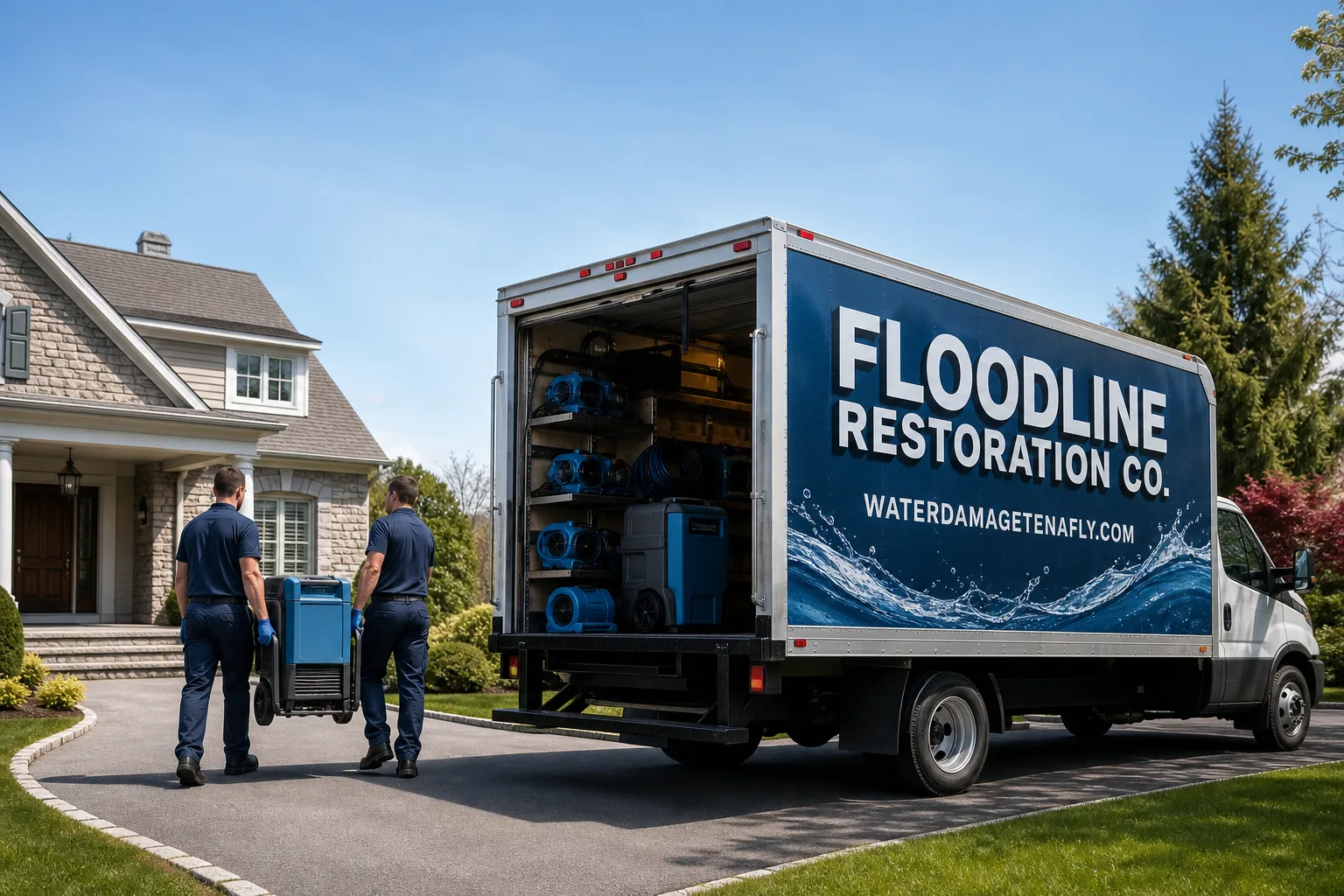
Free visual inspection and a written scope of work before any mitigation begins - photos, moisture readings, and drying logs go in your claim file
The scope we write is the scope we bill. Anything new gets shown to you, in writing, before we touch it.
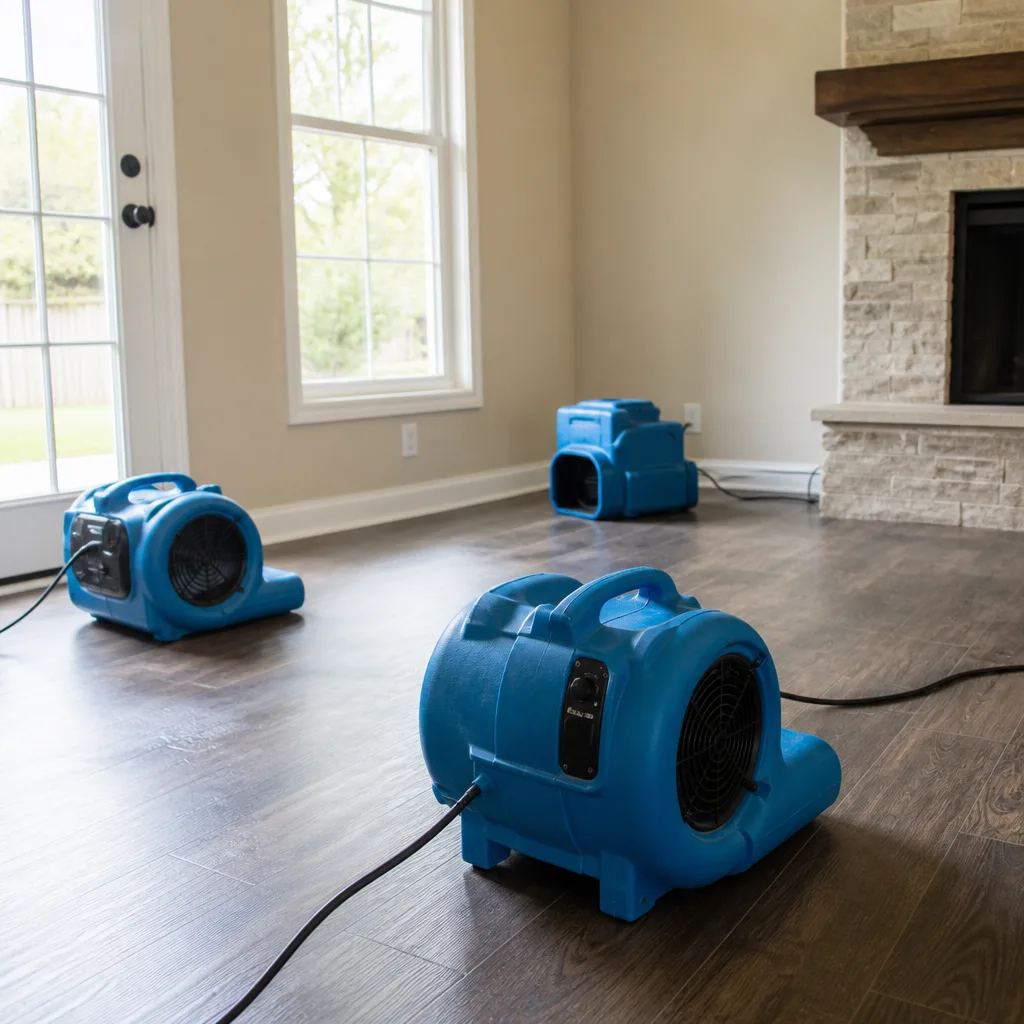

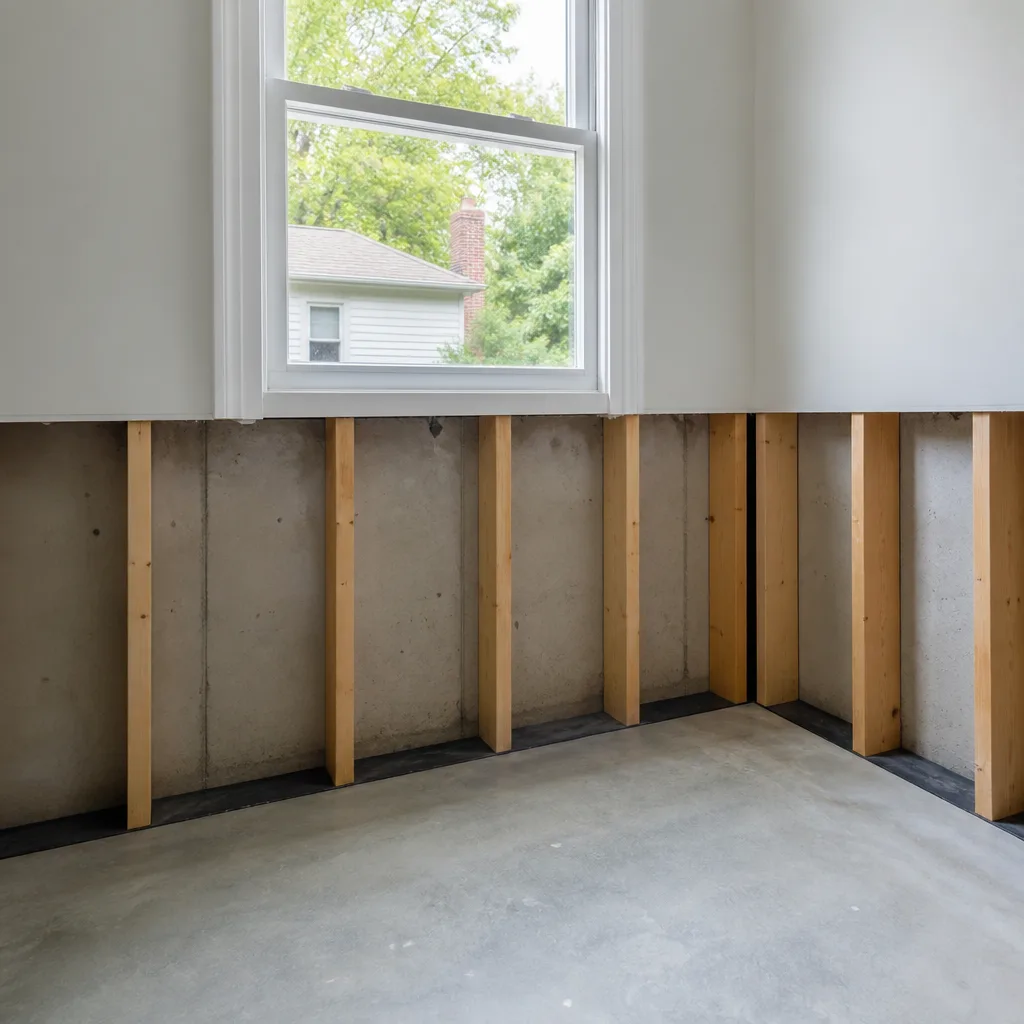

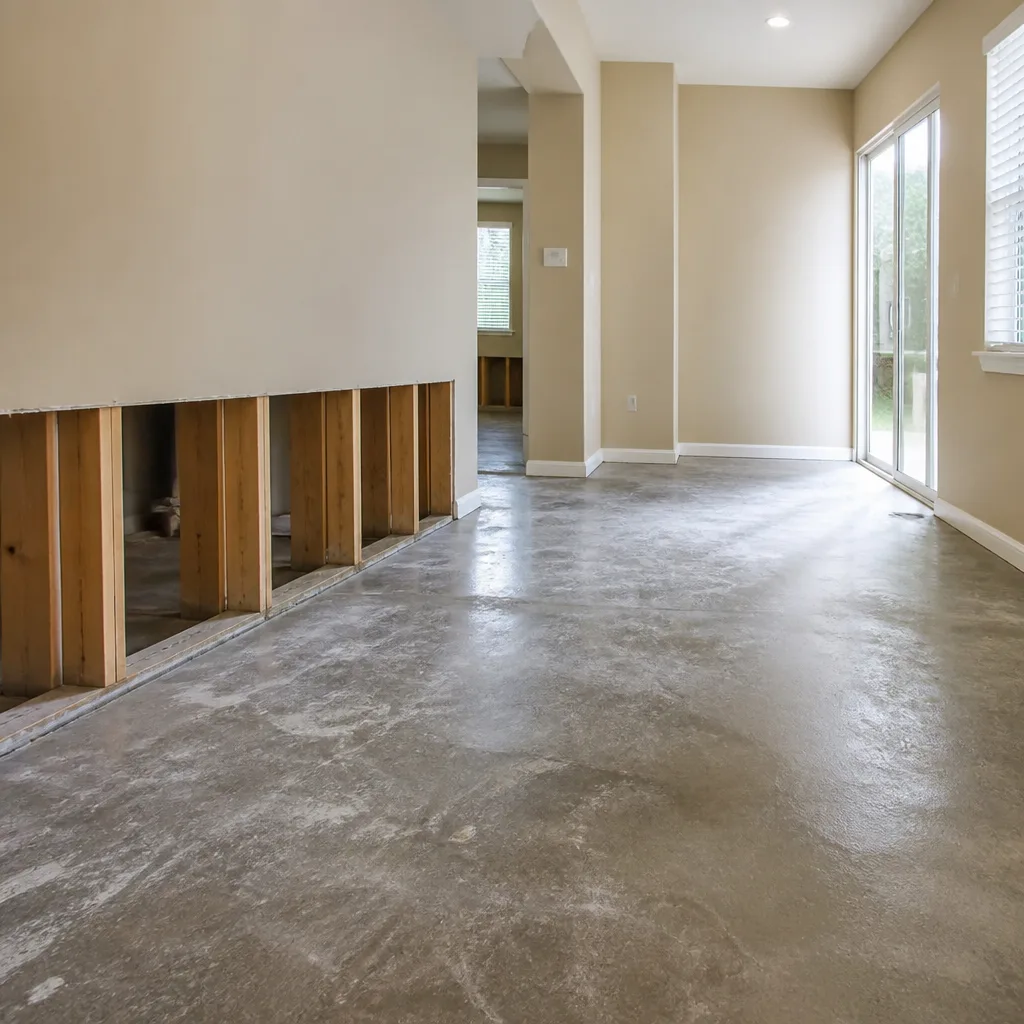

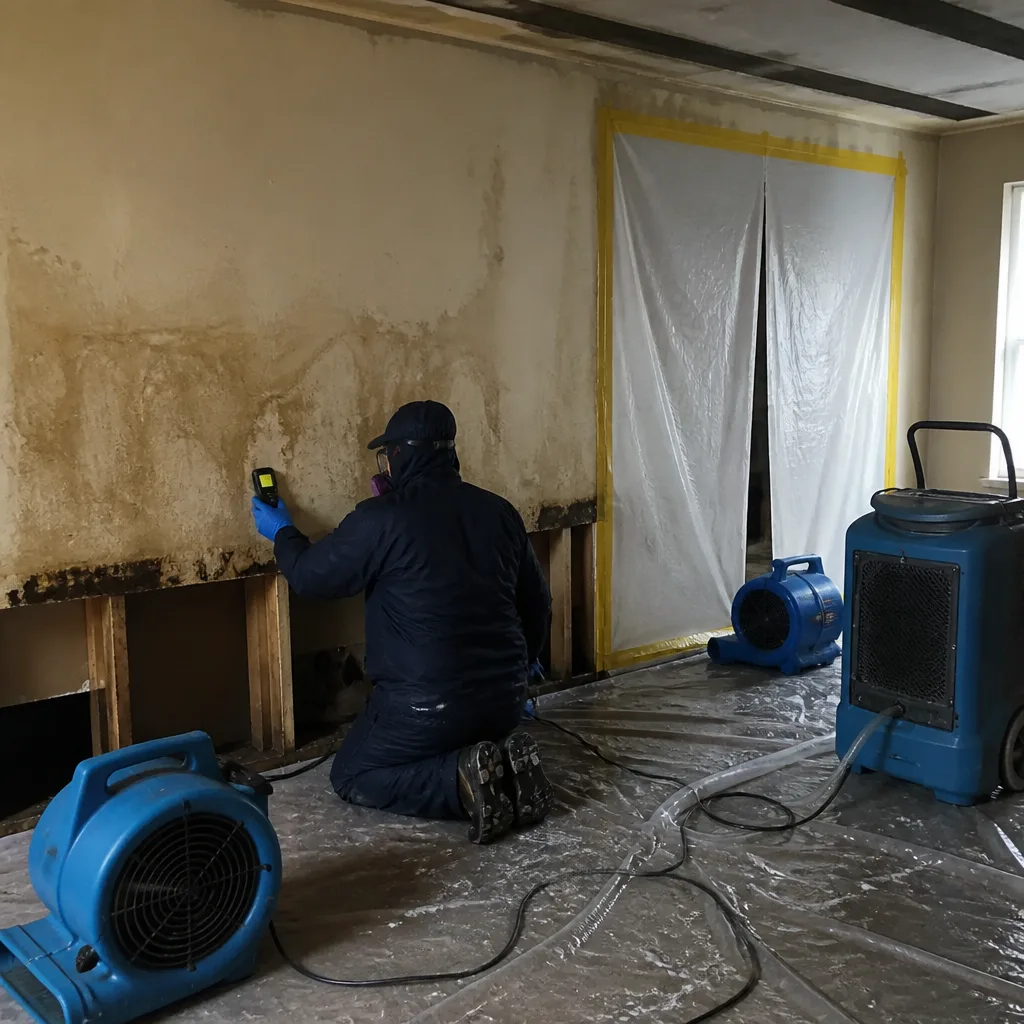 Before
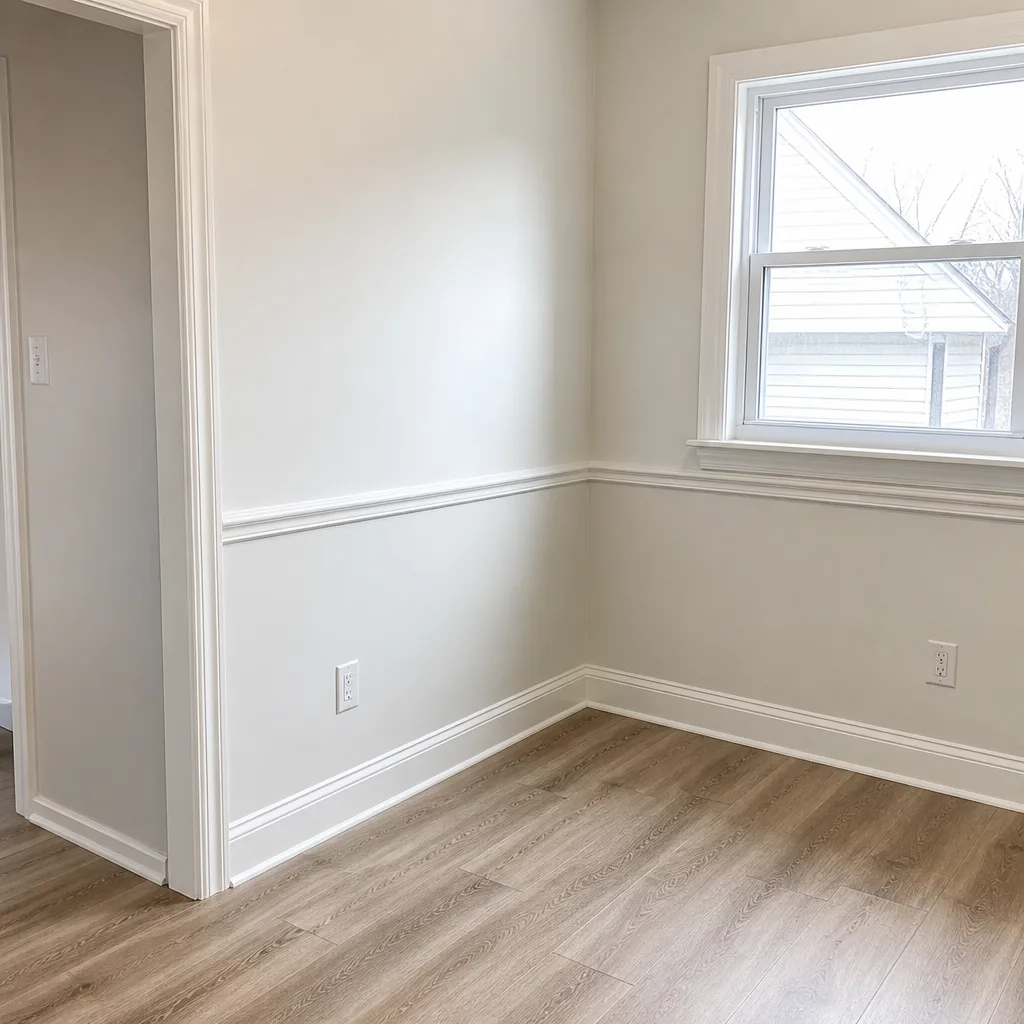 After
After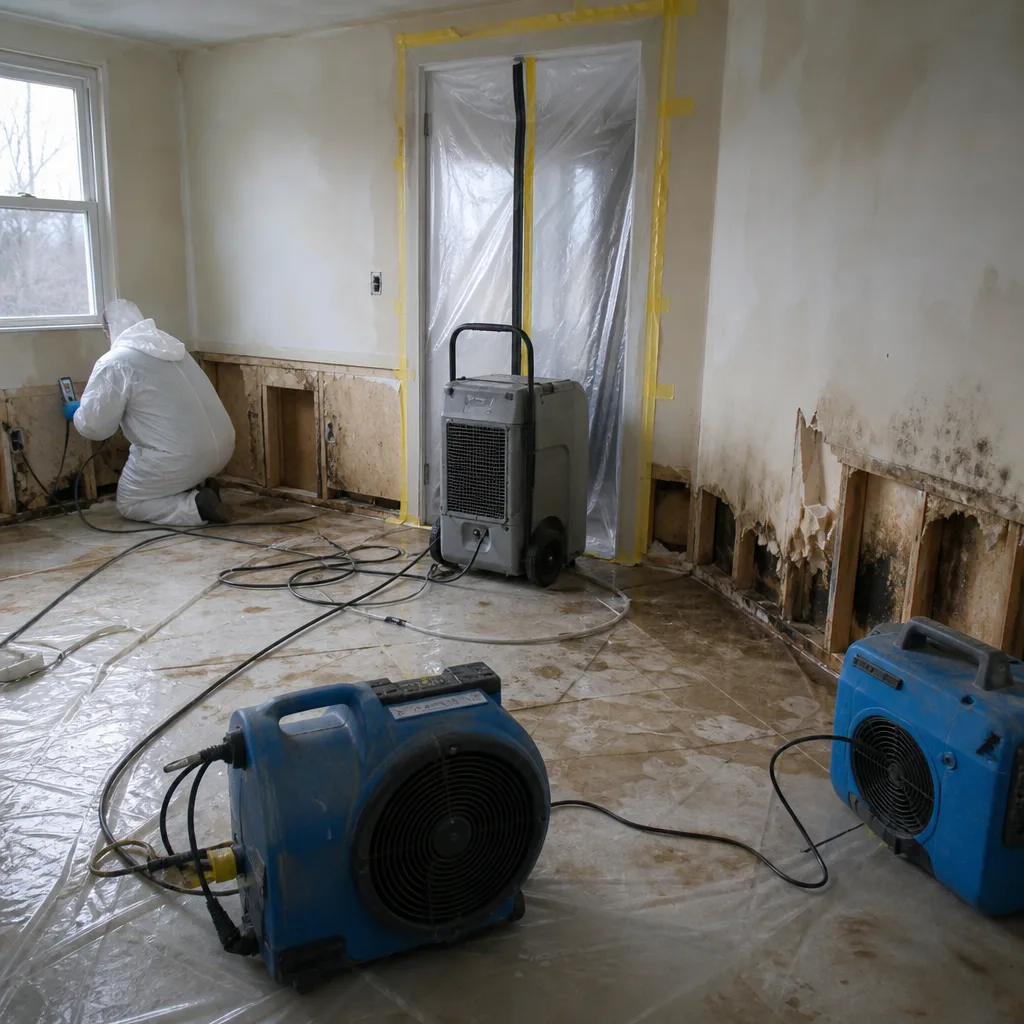 Before
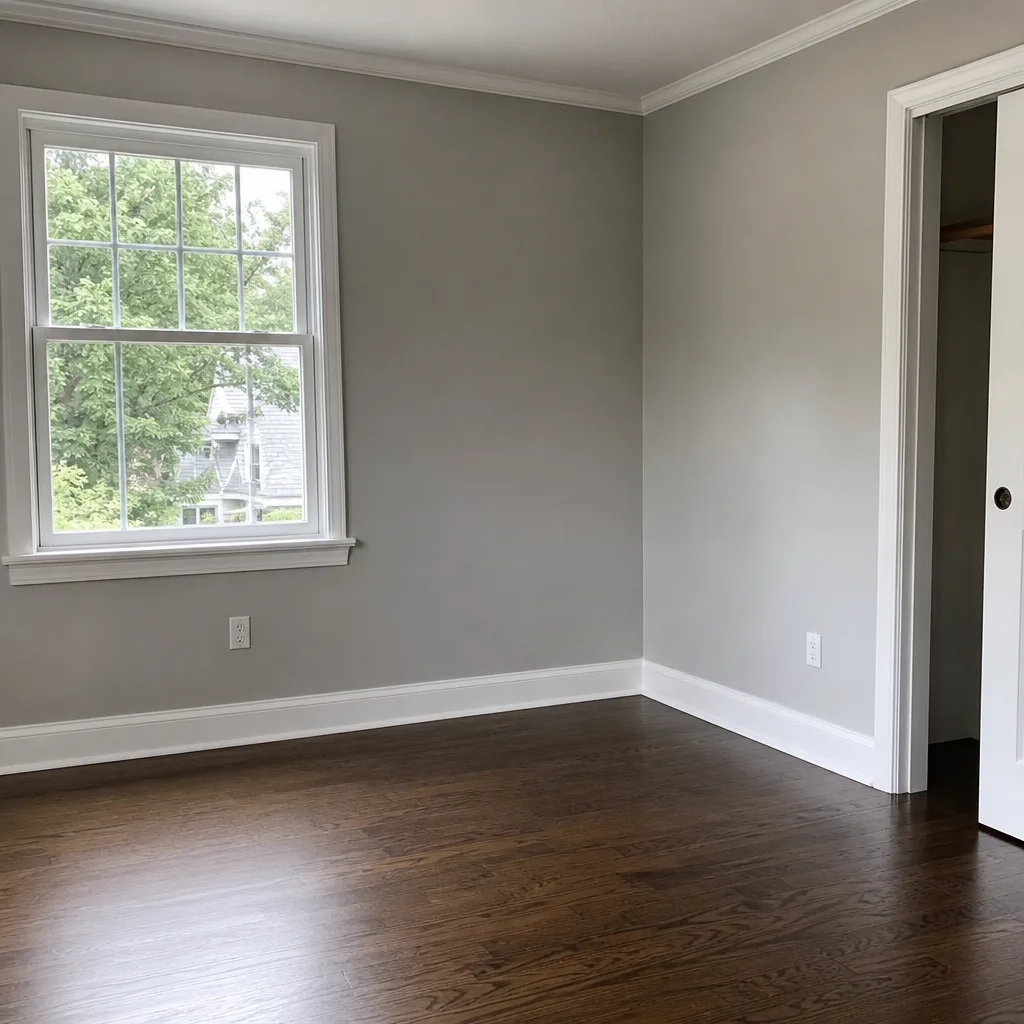 After
After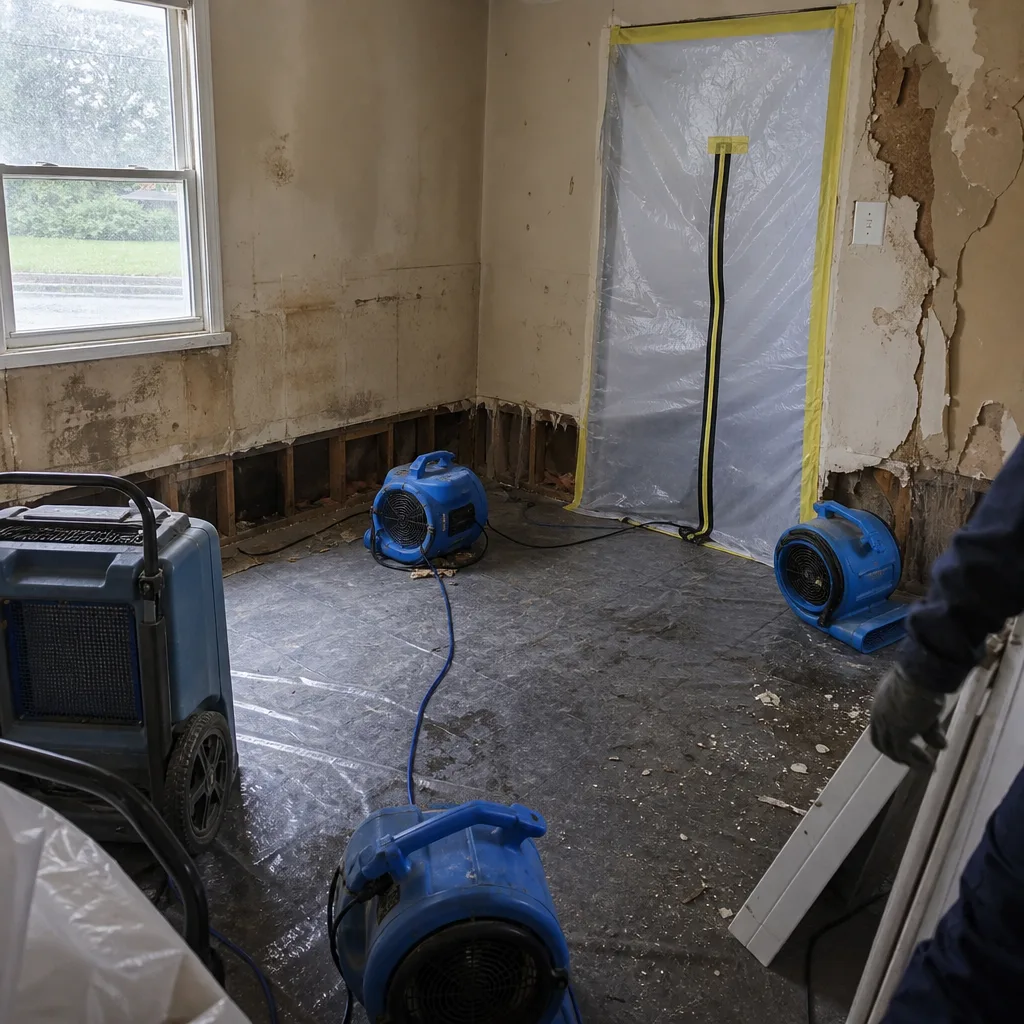 Before
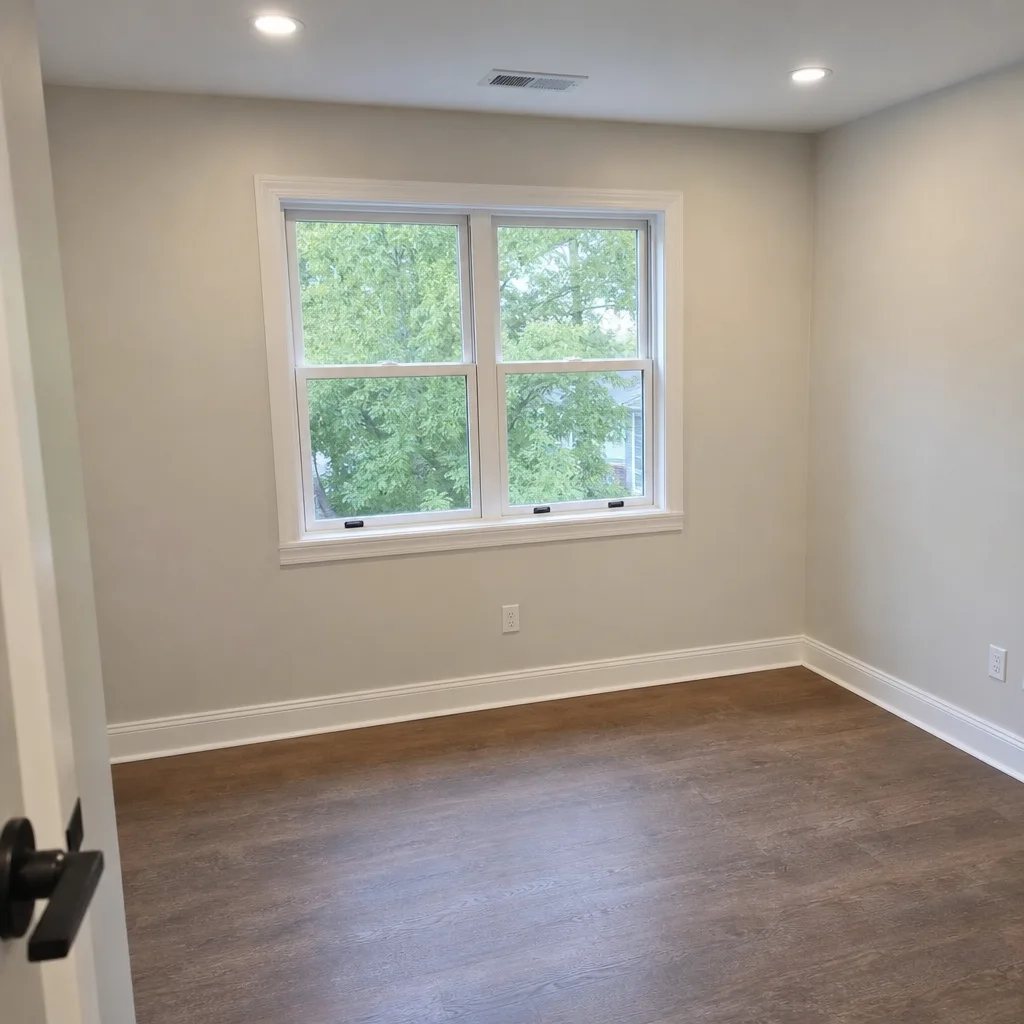 After
After24/7 Emergency Water Damage Restoration in Teaneck
A burst pipe at 2 a.m. or stormwater rising through a basement floor in Teaneck doesn’t wait for business hours. Our live dispatch answers at (551) 348-3742 around the clock, every day, and the same crew that takes your call is the one that arrives. For water damage, the first hour determines whether you’re looking at a manageable dry-out or a full gut-and-rebuild. Standing water moves through drywall, wicks up plaster, and finds its way under baseboards faster than most homeowners expect. We start with a free visual inspection, map the moisture with thermal imaging and hygrometers, and get extraction running immediately. No recording, no call center. A person picks up, a crew heads out.
Understanding Water Damage Restoration Severity in Teaneck Properties
Water damage in Teaneck rarely stays simple, and the borough’s housing stock is a big reason why. Most of the homes we service are full-basement Colonials, Cape Cods, and split-levels built between 1925 and 1965. Those houses have plaster-and-lath walls, cast-iron drain lines, and original flooring materials that hold water differently than drywall and OSB do. Three categories of water matter here. Category 1 starts clean, from a supply line or tub overflow. Category 2 carries contaminants, like washing machine discharge or a sump pump failure. Category 3, what we see often on the east side near the Hackensack River, is floodwater or sewage with bacteria, silt, and whatever the river carried in. Severity also depends on saturation time. A plaster wall that’s been wet for 24 hours can often be saved with aggressive structural drying. The same wall wet for five days usually needs to come out. Because Teaneck basements are frequently finished, the real damage hides behind drywall that looks fine from the outside. Moisture mapping, not eyeballing, tells us what’s actually wet, and a Dri-Eaz or Phoenix desiccant or low-grain refrigerant dehumidifier running to the proper dry standard is what actually fixes it.
Why Teaneck Property Owners Choose Floodline Restoration Co.
- 45-minute response commitment for Teaneck emergencies. When water is actively entering a home, we dispatch the nearest certified crew immediately, not after a sales call.
- 24/7 live answer, every single time. A dispatcher picks up at 2 a.m. You talk to a person. That person sends a crew. This has been the Floodline way since Curt Bowman started the company in 2010.
- IICRC-certified technicians on every job. Our crews carry the WRT, FSRT, and AMRT designations, trained to RIA and IFA standards as well, so the person running your drying equipment has been tested on it.
- Free visual inspection with no obligation. We’ll tell you what you’re actually dealing with, not what generates the biggest invoice. If you don’t need full remediation, we’ll say so.
- Direct insurance billing. You sign the work authorization. We handle the claim, photos, moisture logs, and adjuster communication. No messenger work for you.
- One team from first extraction to finished rebuild. No mid-job handoff to a subcontractor you’ve never met. The same background-checked, uniformed technicians handle daily readings and any reconstruction.
Our Water Damage Restoration Process
Inspection & Assessment
We start with thermal imaging and hygrometers to find water that isn’t visible. For older Teaneck homes, this includes checking baseboards, behind finished walls, and under flooring where cast-iron drains may have leaked for weeks before you noticed.
Extraction & Stabilization
Submersible pumps and truck-mounted or portable extraction units remove standing water fast. Category 3 water from Hackensack River flooding gets treated as contaminated from the first minute, with proper PPE and containment.
Drying & Dehumidification
Professional-grade Dri-Eaz and Phoenix air movers and dehumidifiers are placed based on the moisture map, not guesswork. We drill small holes behind baseboards in plaster-and-lath walls to pull trapped moisture into the air stream. Daily readings are logged until the dry standard is met.
Cleaning & Sanitization
After drying, we clean surfaces with EPA-registered antimicrobials and sanitize any affected contents. For category 2 and 3 water, this step is not optional. It protects against mold activation once the humidity stabilizes.
Mold Assessment & Remediation
In Teaneck’s older basements, we check behind drywall and inside wall cavities for mold that predates the current event. Our IICRC-certified AMRT technicians set containment with negative air pressure, run HEPA scrubbers, and remove affected material properly under Bergen County permit requirements.
Repairs & Restoration
Once everything is dry and clean, we rebuild what was removed. Drywall, flooring, trim, paint, and any structural repair, done by the same crew that handled the extraction. One team, one written scope, one warranty.
Need Emergency Water Damage Restoration in Teaneck Now?
Crews minutes away, answering live 24 hours a day. The sooner we start, the less it costs.
Working With Your Insurance Company
Most Teaneck water damage claims involve a carrier adjuster who never visits the property in person. That means the documentation you submit is the entire basis for your settlement. We photograph everything from the first hour, including what the water touched before we moved anything. Moisture readings from every affected room go into a drying log your adjuster can review. We write a line-item scope of work using industry-standard estimating software, then communicate directly with your carrier about what’s covered and what isn’t. You don’t negotiate. You don’t relay messages. You get a written copy of everything. The 90-Day Done Right Promise applies to the physical work, but it also extends to our documentation. If the adjuster questions a line item, we explain it. If the carrier needs more photos, we go back and take them.
What We Provide Your Insurer
- Thorough documentation of the loss
- Photos of all damage, room by room
- Moisture readings and drying logs
- A detailed, line-item scope of work
- Direct coordination with your carrier
Built for Teaneck’s Loss Calendar
Teaneck water damage follows a predictable rhythm, and we’ve built our Teaneck response around it. January through March brings the freeze-thaw cycle. Galvanized supply lines and original copper from the 1940s and 1950s crack under repeated expansion, and when a line lets go in an unheated basement or crawl space, it usually runs for hours before anyone notices. Most January calls in Teaneck are burst pipes in full-basement Colonials. April and May bring spring thaw and elevated groundwater. Homes on the east side near the Hackensack River see basement seepage through floor cracks and cove joints. Summer thunderstorms deliver flash flooding that overwhelms overwhelmed perimeter drains and aging sump pumps. Nor’easters in fall and early winter push river water where it doesn’t belong. Every season has its failure mode here, and each one demands a slightly different drying strategy. A January pipe burst is usually category 1 water and a fast dry-out, if caught early. A spring seepage event is slower, chronic, and frequently more damaging because it’s been happening subtly for months before the walls get opened.
Water Damage Restoration Across Teaneck’s Neighborhoods
The east side of Teaneck, between Teaneck Road and the Hackensack River, sees the heaviest flood-related calls. Homes along DeGraw Avenue, Votee Street, and the blocks near Milton A. Votee Park are close enough to the floodplain that standing water in basements after a strong storm is common. Those houses are mostly 1920s through 1950s build, with finished basements that have been renovated multiple times over the decades, so each flood event layers new water on top of old moisture history. The west side of town, closer to the Cedar Lane corridor and Queen Anne Road, tends to produce burst-pipe and appliance-failure claims. Those properties sit on slightly higher ground, but many still have original cast-iron drain lines and galvanized supply plumbing from the 1950s. The area around Benjamin Franklin Middle School and Teaneck High School includes a mix of older single-family homes and attached two-families, where a water loss in one unit becomes a damage issue for the shared wall and basement. Response routes matter here. We stage crews so one can reach the east side fast during a storm, because the Hackensack River floodplain doesn’t give much warning.
Specialized Water Damage Restoration Services We Offer in Teaneck
Emergency Water Extraction
The first step on any standing-water call in Teaneck is removing the water fast, before it soaks deeper into concrete, plaster, and framing. We run truck-mounted and portable extraction units rated for high-volume removal, then set air movers to start evaporation immediately. On the east side, where water can be category 2 or 3, extraction includes controlled disposal and initial antimicrobial application.
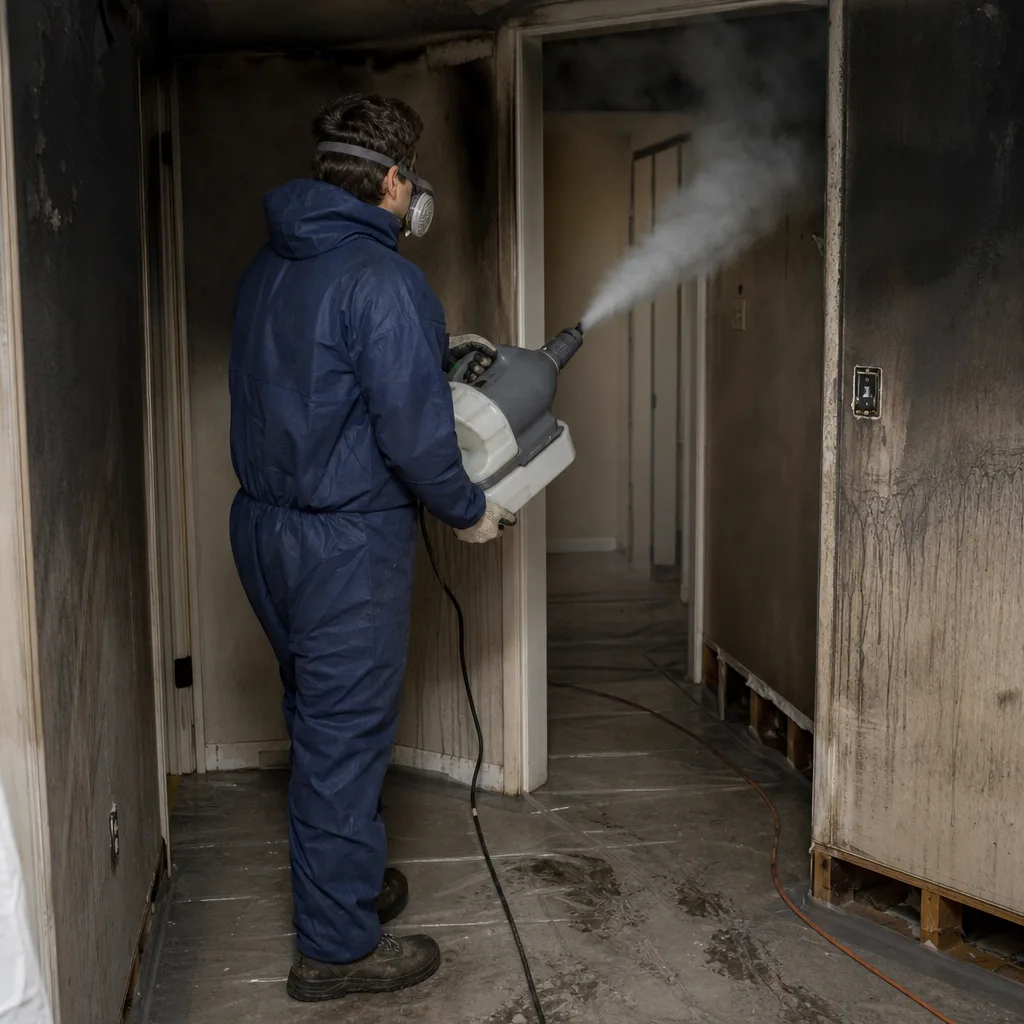
Structural Drying & Dehumidification
Drying a Teaneck basement isn’t the same as drying a newer home in Bergen County’s recent subdivisions. Plaster-and-lath walls hold moisture behind the surface. Cast-iron floor drains and original joists dry slowly. We use Dri-Eaz and Phoenix dehumidifiers sized to the cubic footage and the water load, with daily moisture readings until the dry standard is met. The drying log goes to you and your carrier.
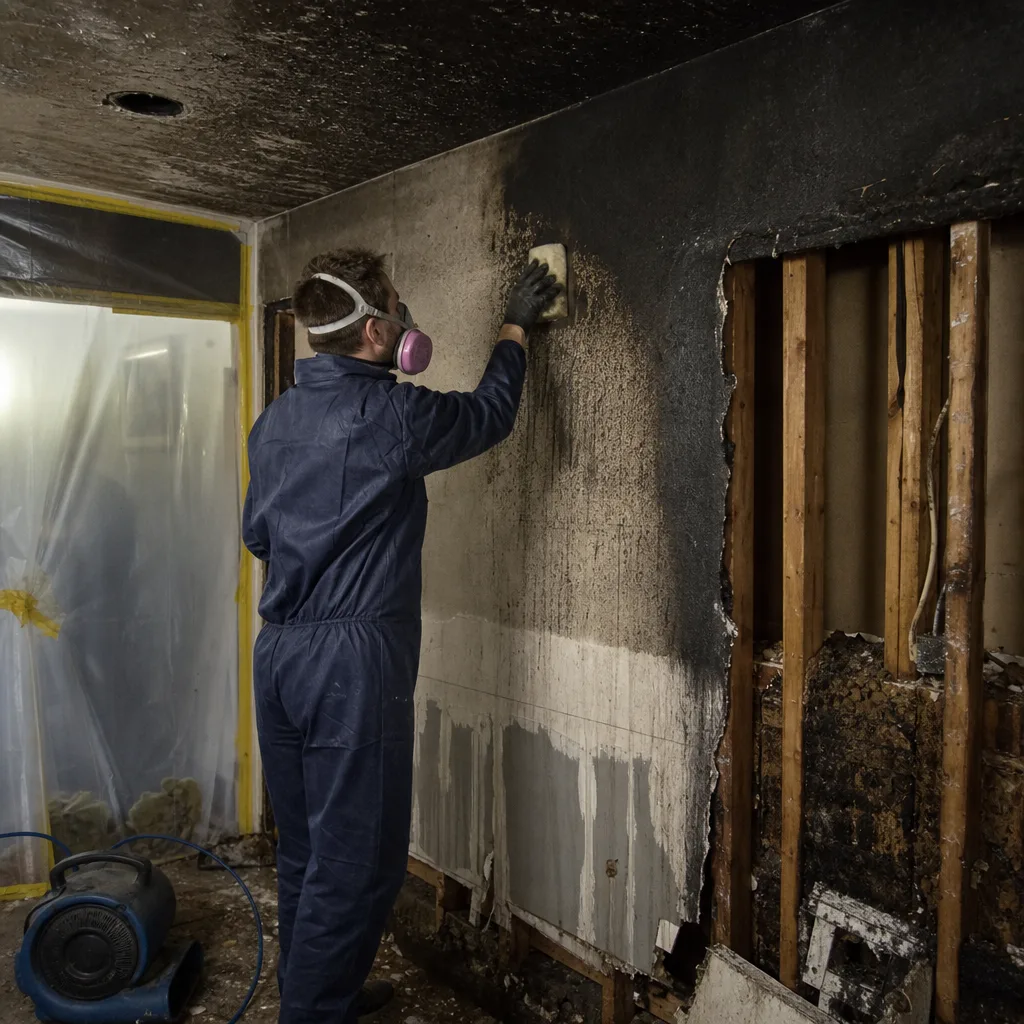
Flood Cleanup
Hackensack River flooding brings silt, mud, and whatever the river picked up. Flood cleanup in Teaneck means removing contaminated materials properly, sanitizing what stays, and confirming with moisture mapping that no hidden pockets remain. Homes near the river often need this service repeatedly, which is why we write our scopes to address drainage and grading issues, not just the current water.
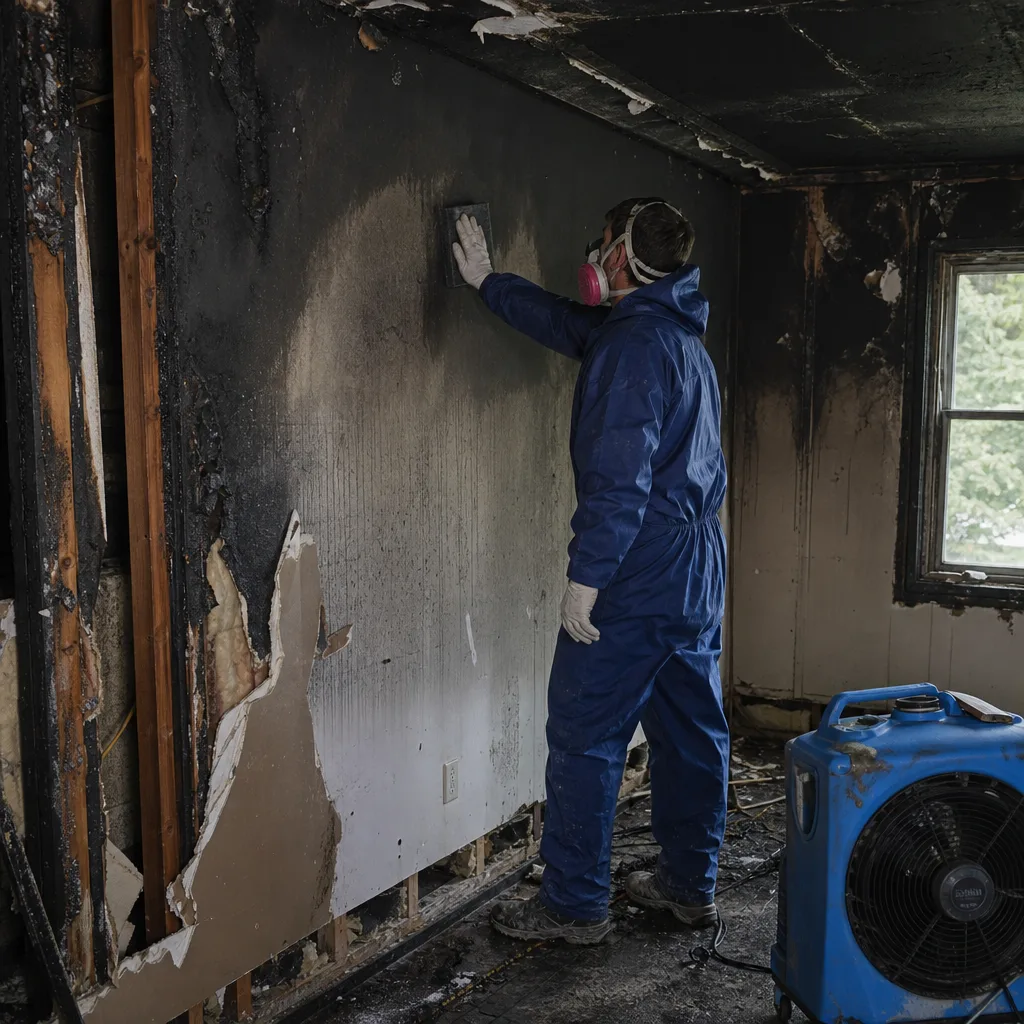
Burst Pipe Restoration
A burst galvanized or copper supply line in a Teaneck Colonial can dump hundreds of gallons before anyone notices. We get the water out, dry the structure, and then repair the pipe properly so the same line doesn’t let go again next winter. Freeze-thaw damage in January through March is the single most common call we run in Teaneck’s older housing stock.
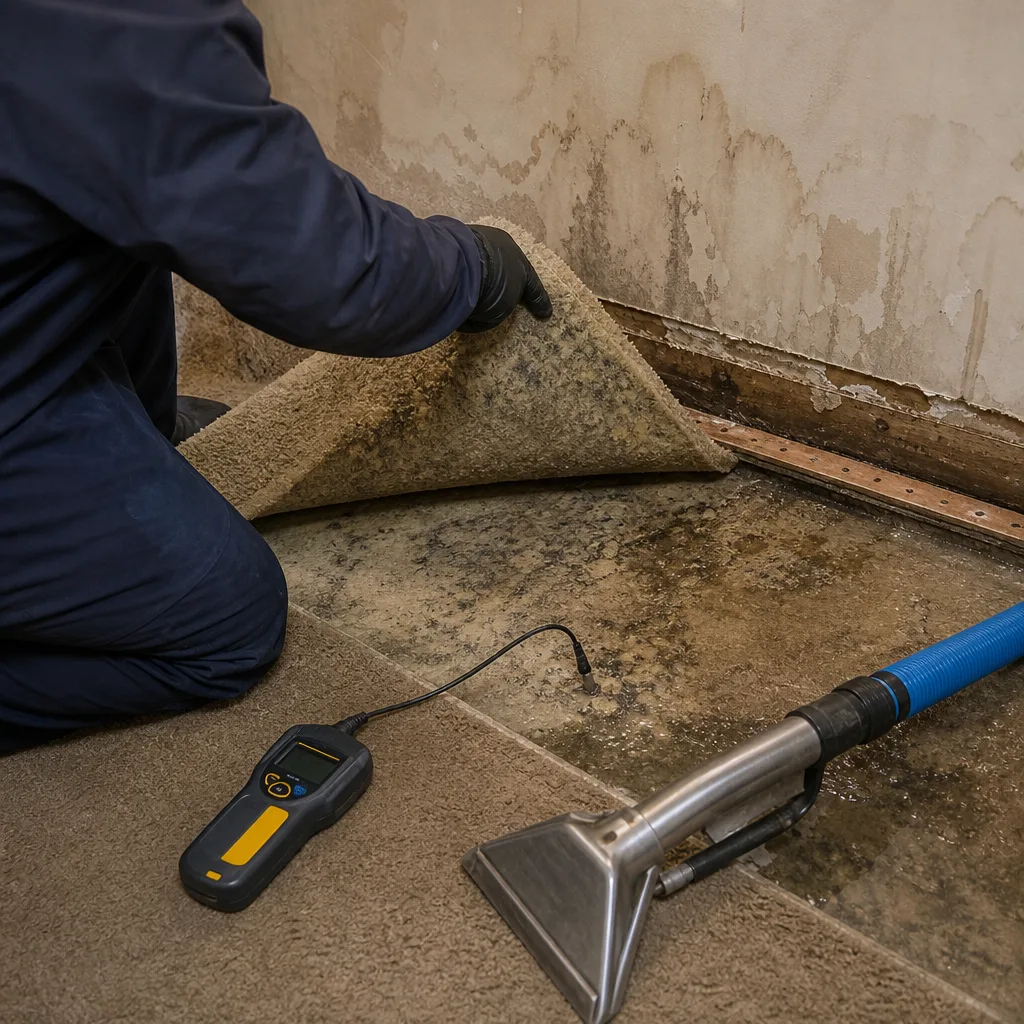
Basement Water Removal
Basement water removal in Teaneck means more than pumping out what you can see. It means checking that the water hasn’t wicked into finished walls, under flooring, or behind baseboards. It means confirming the sump pump actually works and the perimeter drain isn’t clogged with 60 years of silt. We handle standing water and the hidden moisture behind it.
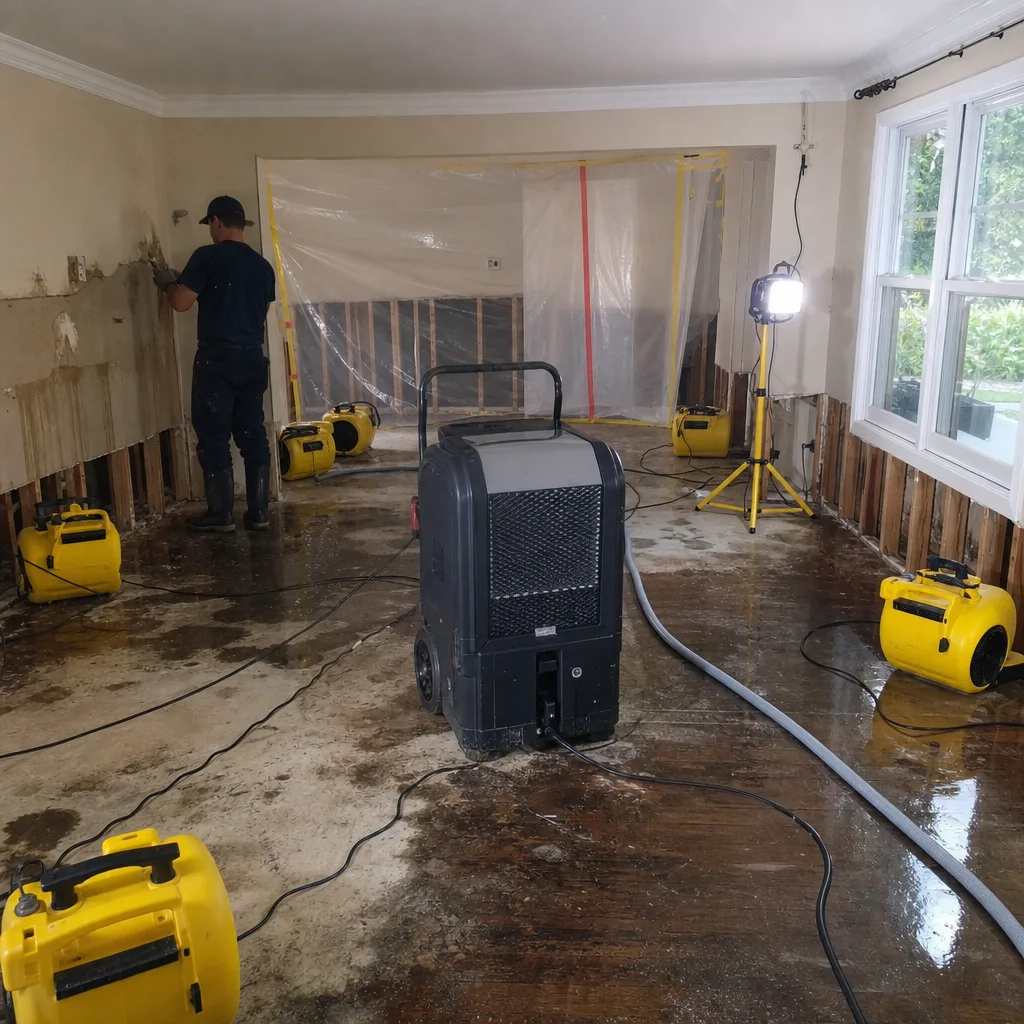
What happens when you call
- 1
A real person answersNo phone trees - you reach a local pro.
- 2
You get an upfront price rangeHonest numbers before anyone is dispatched.
- 3
A background-checked tech heads outLicensed & insured, dispatched right away.
- 4
You approve before work beginsNothing starts until you say go.
Water Damage Restoration Costs in Teaneck, NJ
Water damage restoration in Teaneck costs differently than in newer Bergen County towns, because the houses are older and the water sources are often chronic. A straightforward category 1 pipe break in an unfinished basement with quick extraction typically runs $1,200 to $3,500. A category 2 or 3 flood event on the east side, involving finished basement materials and contaminated water, usually lands between $5,000 and $18,000 depending on how much drywall, insulation, and flooring comes out. Mold remediation triggered by water damage, which is common in Teaneck’s plaster-and-lath older homes, adds $2,000 to $8,000 or more depending on the affected square footage. There are variables: how long the water sat, whether asbestos floor tiles or pipe insulation are involved, what category the water is, and whether the damage is behind finished walls. We don’t guess. The free visual inspection gives you a written scope with firm line items, not an open-ended hourly estimate. Most water damage is covered by standard homeowners insurance, and we bill your carrier directly. You’ll know what’s covered, what isn’t, and what the actual work will cost before anything starts. We offer a $50 discount on any repair over $250, a $89 seasonal tune-up, and a 5% senior and veteran discount every day.
We Also Serve Cities Near Teaneck
Our crews regularly cross into Englewood, Bergenfield, Englewood Cliffs, and Tenafly for water damage restoration. The housing stock shifts a little in each town, but the failure modes are similar, and the response time from our Teaneck dispatches stays fast. If you’re in any of these Bergen County boroughs, the same live 24-hour answer applies.
Serving Teaneck, NJ - Our Local Coverage Area
We’re based in the Teaneck area and know this community well. Use the map below to see our service coverage - if you’re nearby, we can almost certainly help.
Teaneck Water Damage Restoration Questions, Answered
Why does basement flooding in Teaneck’s east side often lead to mold remediation, not just water extraction?
Because the homes on Teaneck’s east side near the Hackensack River flood frequently enough that moisture gets behind finished walls and stays there. A single extraction removes the standing water but not the moisture that’s been trapped in wall cavities for months. That hidden dampness grows mold, and by the time we open a wall, what looked like a simple flood dry-out is now a mold remediation project with containment, air scrubbing, and disposal of contaminated drywall.
How do you handle legacy materials like asbestos floor tiles during a water damage job in a 1950s Teaneck Cape Cod?
Asbestos-containing floor tiles and pipe insulation are common in Teaneck homes built before 1980, and if they’re intact, they may not need to be disturbed. If the affected area includes damaged asbestos material, we stop and follow Bergen County abatement requirements, which means a licensed asbestos contractor handles removal before our crew continues. We don’t disturb asbestos ourselves, and we check for it before we start demolition on any 1950s-era house.
What’s the difference between category 1, 2, and 3 water in a Teaneck basement flood?
Category 1 water comes from a clean supply line or a tub overflow and is generally safe to dry out with standard procedures. Category 2 water carries contaminants, from something like a washing machine or a sump pump. Category 3 water is grossly contaminated, from sewage or Hackensack River floodwater, and requires full PPE, containment, and disposal of porous materials. The category affects everything from what we can salvage to what your insurance covers.
Is it common for a water damage claim in Teaneck to expand after the walls are opened?
Very common, especially in older Colonials and Cape Cods with plaster-and-lath construction. Water travels through wall cavities in ways that don’t show on a moisture meter reading the surface. Once we open a wall and the moisture readings from inside the cavity come back, the scope often expands to include additional drying or material removal. We document everything with photos and moisture logs so the expanded scope is clear to your adjuster.
How quickly should I call for water extraction after a burst pipe in a Teaneck colonial?
Call immediately, even if it’s the middle of the night. A burst pipe in a Teaneck Colonial can dump water into finished basement walls, flooring, and framing within the first hour. The sooner extraction starts, the more of your drywall and plaster can be saved. Our 24/7 live dispatch answers at (551) 348-3742 and a crew can be on site in about 45 minutes.
How long does drying and remediation take in a Teaneck home?
Most category 1 jobs in Teaneck dry out in three to five days with professional-grade Phoenix or Dri-Eaz equipment running continuously. Category 2 or 3 jobs with mold remediation can take one to two weeks, depending on how much material needs removal and how long the water sat. We provide daily moisture readings so you can see the progress, and the drying log goes to your insurer.
Can I stay in my Teaneck home during water damage restoration?
For most category 1 jobs, yes. You may need to stay off wet floors and keep clear of drying equipment. For category 3 water or mold remediation with containment and HEPA scrubbers running, we may recommend staying elsewhere for part of the job, especially if you have respiratory sensitivities. We’ll tell you honestly based on the specific situation, and we coordinate with your insurance carrier on any loss-of-use coverage.
What certifications do your Teaneck water damage crews hold?
Our technicians carry IICRC certifications in Water Damage Restoration (WRT), Fire and Smoke Restoration (FSRT), and Applied Microbial Remediation (AMRT). They’re also trained to RIA and IFA standards, background-checked, and uniformed. The person doing the work has been tested on the work, and we’ll show you the credentials if you ask.
What should I do in the first 30 minutes after discovering water damage in Teaneck?
If it’s a burst pipe, shut off the main water supply to the house first. If it’s floodwater or sewage, don’t enter the standing water, and shut off power to affected areas if you can reach the breaker safely. Then call (551) 348-3742. Take photos of everything before you move anything, because those become part of your claim file. But call us first, because the extraction clock is running from the moment the water stops rising.
When the Hackensack River floods a Teaneck basement for the third time in two years, or a galvanized pipe from 1952 finally gives out at midnight, you need one call, one crew, one written scope, and one guarantee that stands. That’s how we work. Floodline Restoration Co. has its roots in a dispatch board, not a sales desk, and we’ve answered the phone with a live person since Curt Bowman started the company. Our technicians are background-checked, certified to IICRC, RIA, and IFA standards, and they run Dri-Eaz and Phoenix equipment sized for the job. The 90-Day Done Right Promise, our Keystone Standard, is in writing with every job. If it’s not done right, we make it right. No argument, no paperwork battle.
Call (551) 348-3742 for a free visual inspection and a firm written scope. Urgent calls answered by a live dispatcher at any hour.
Written by Curt Bowman, Owner at Floodline Restoration Co., serving Teaneck and Bergen County, NJ.