
Free visual inspection and a written scope of work before any mitigation begins - photos, moisture readings, and drying logs go in your claim file
The scope we write is the scope we bill. Anything new gets shown to you, in writing, before we touch it.
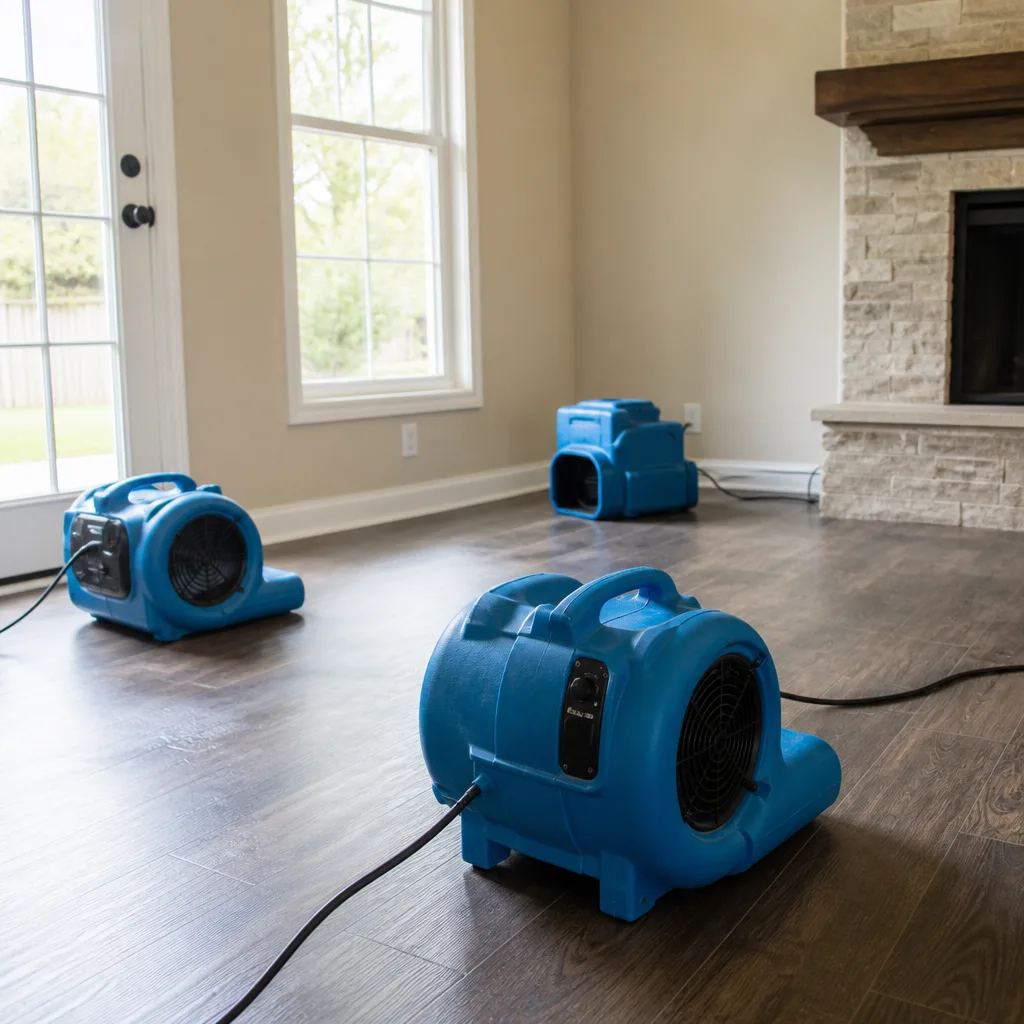

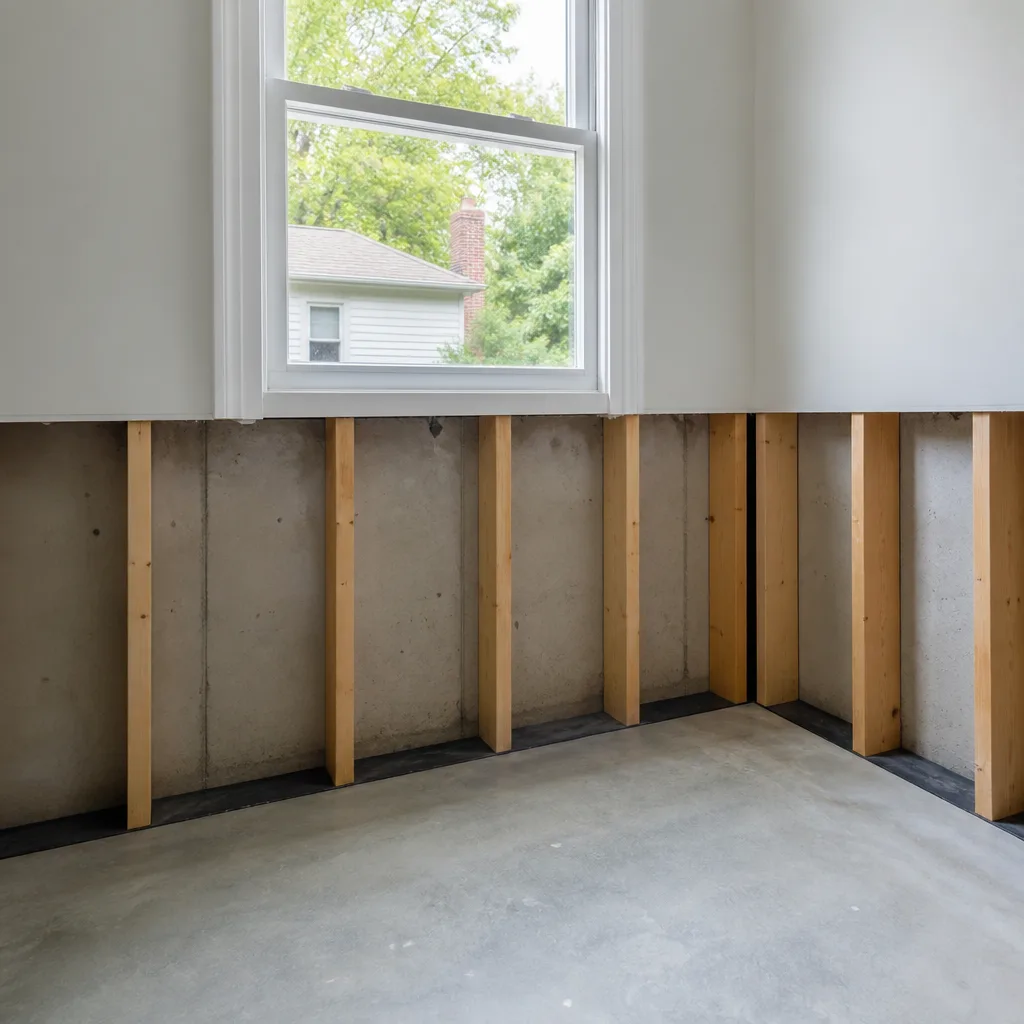

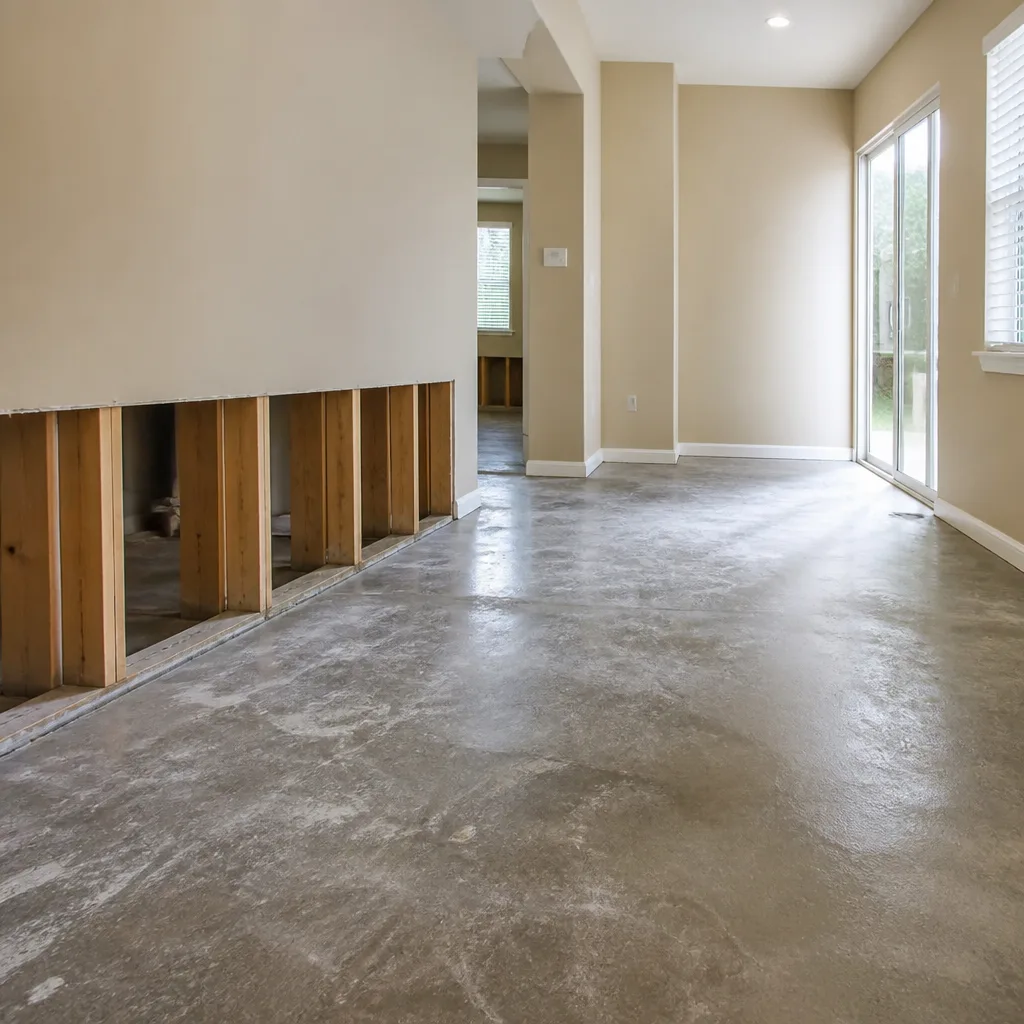

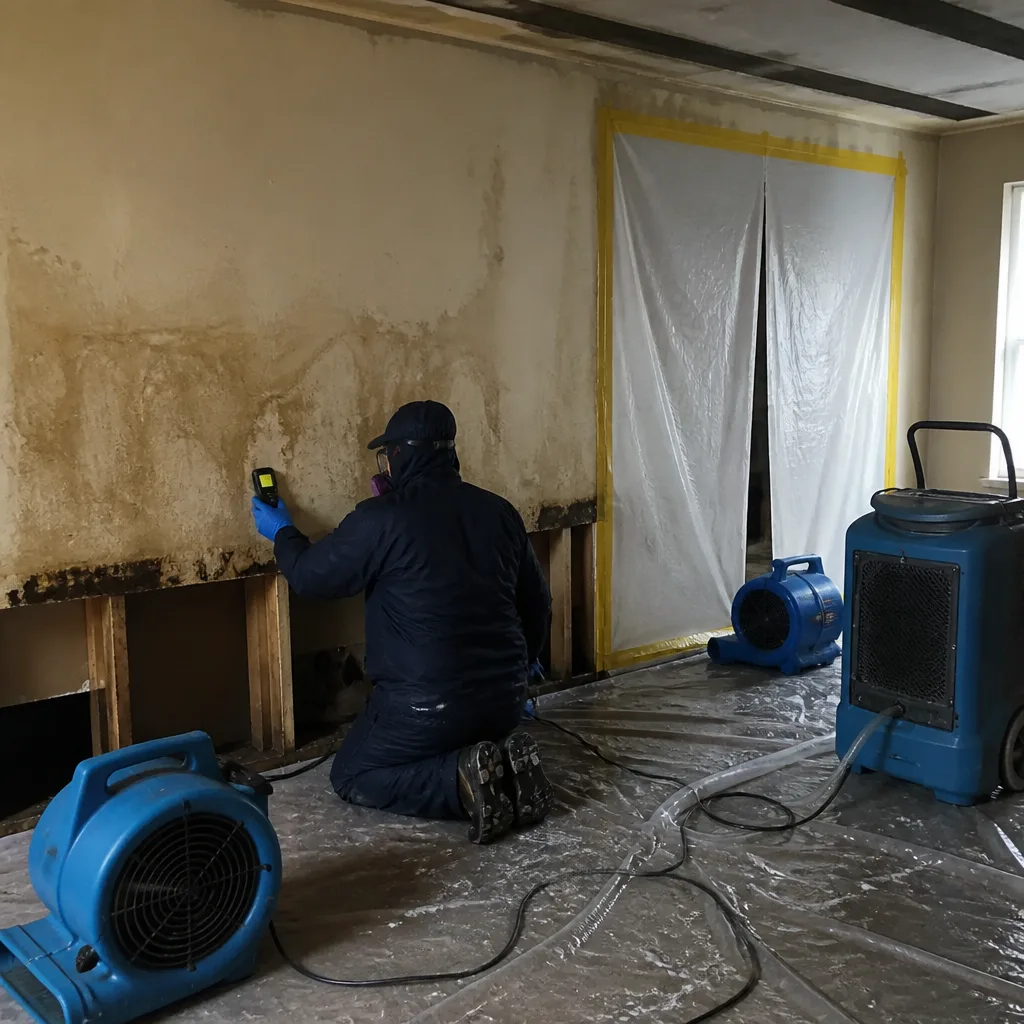 Before
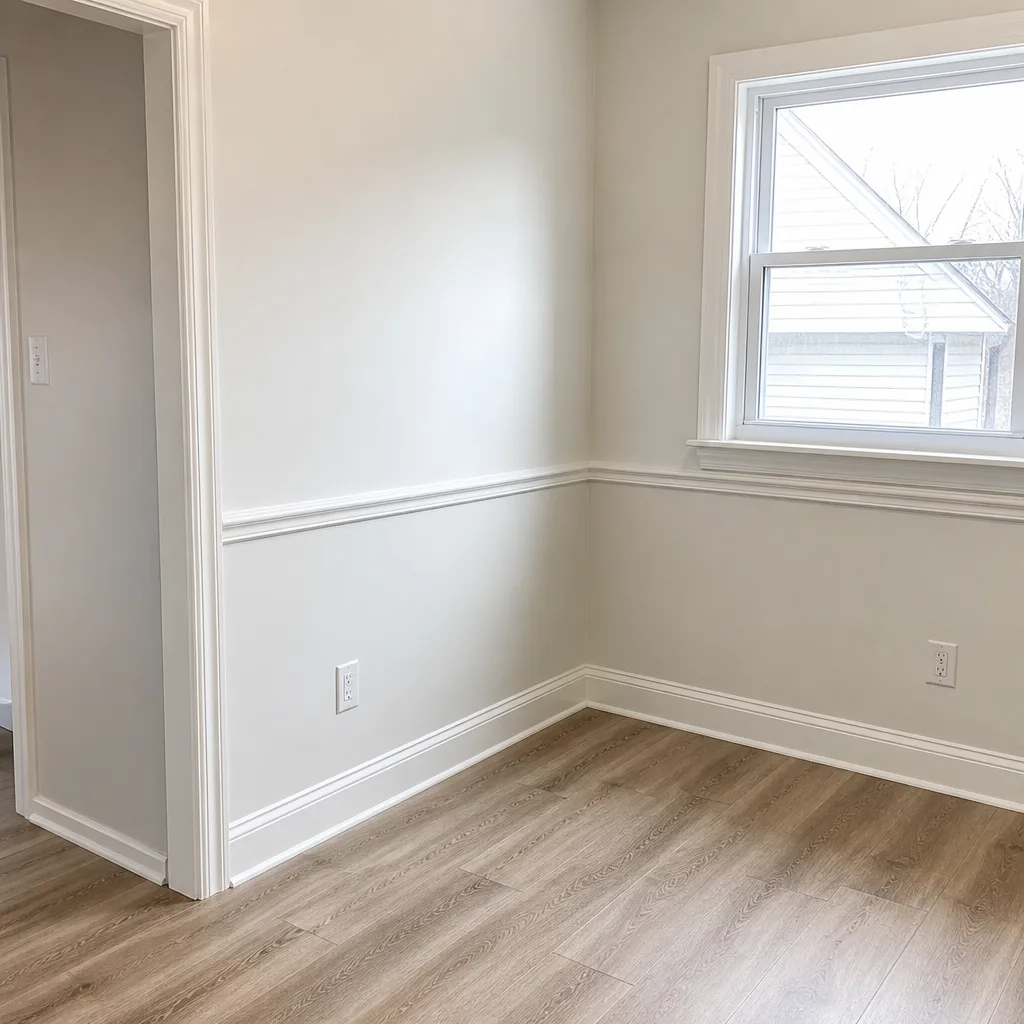 After
After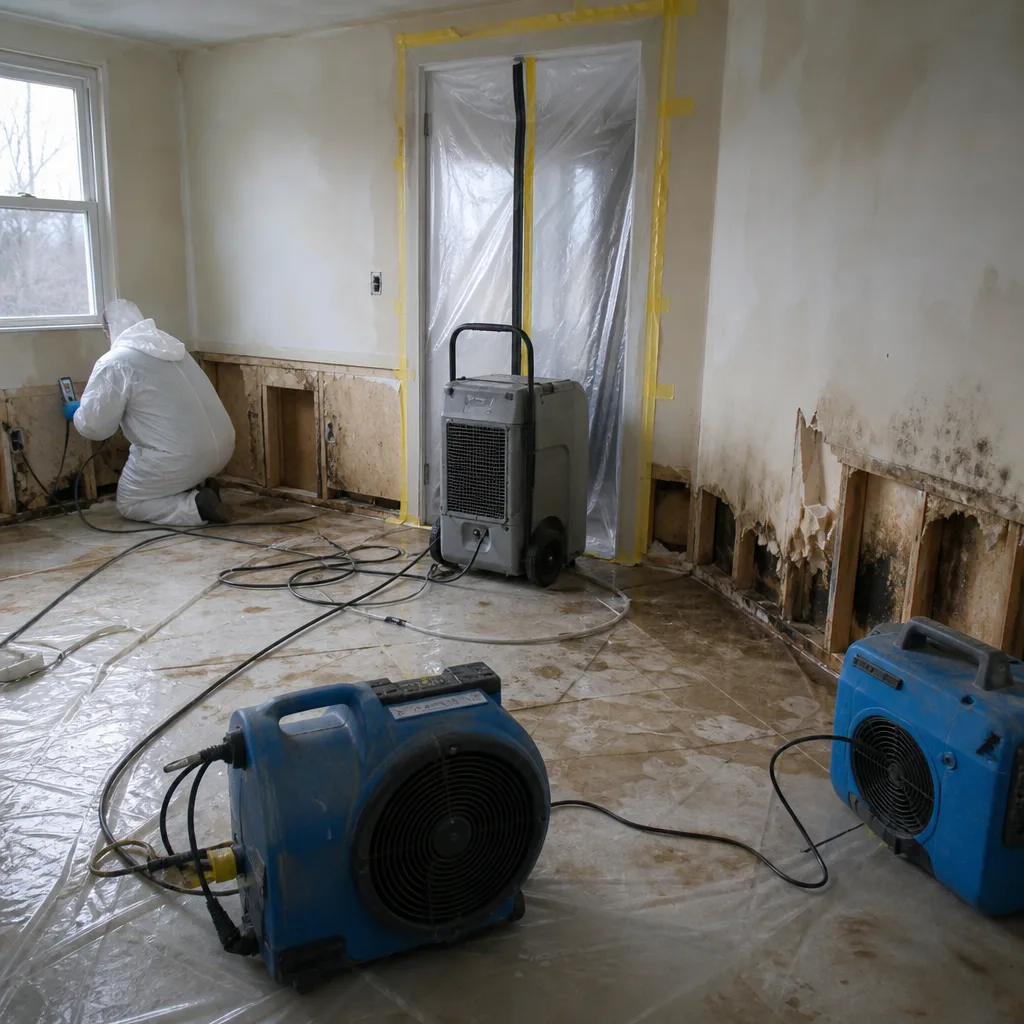 Before
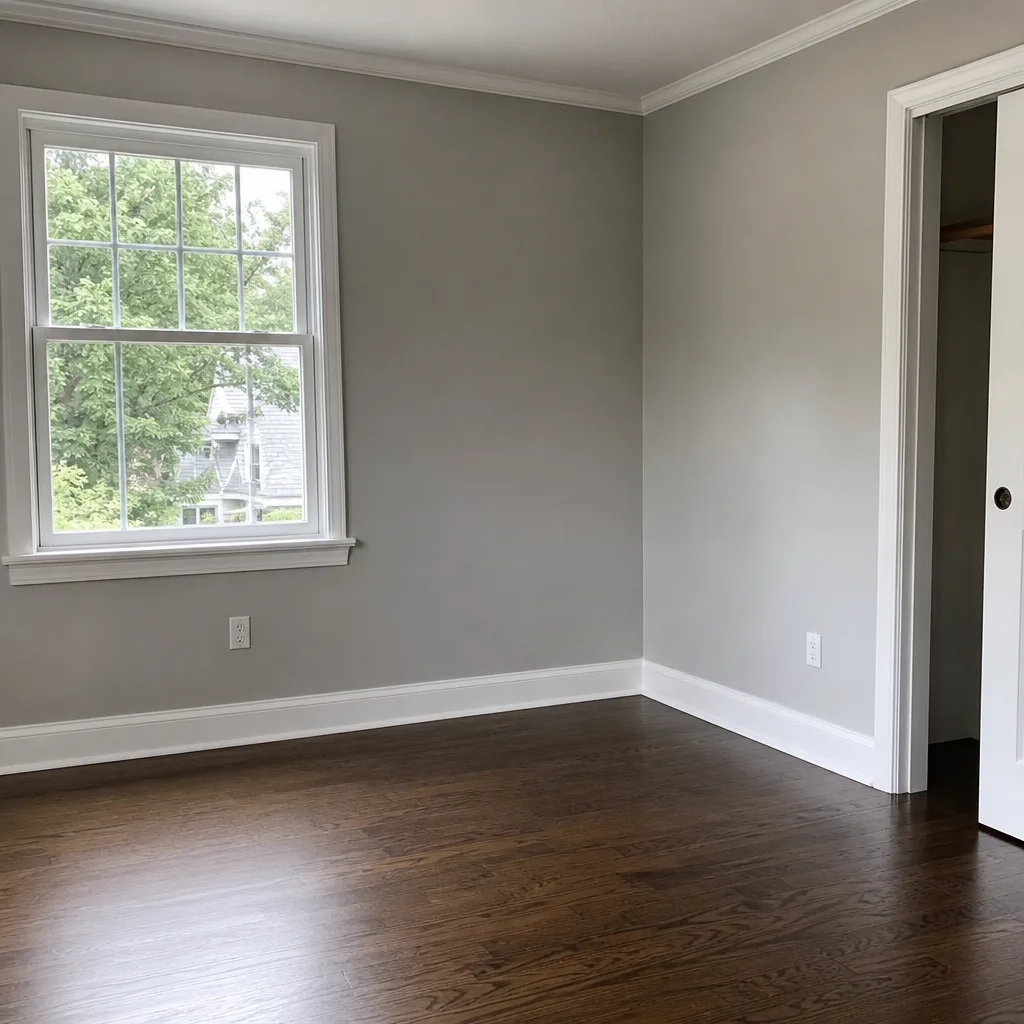 After
After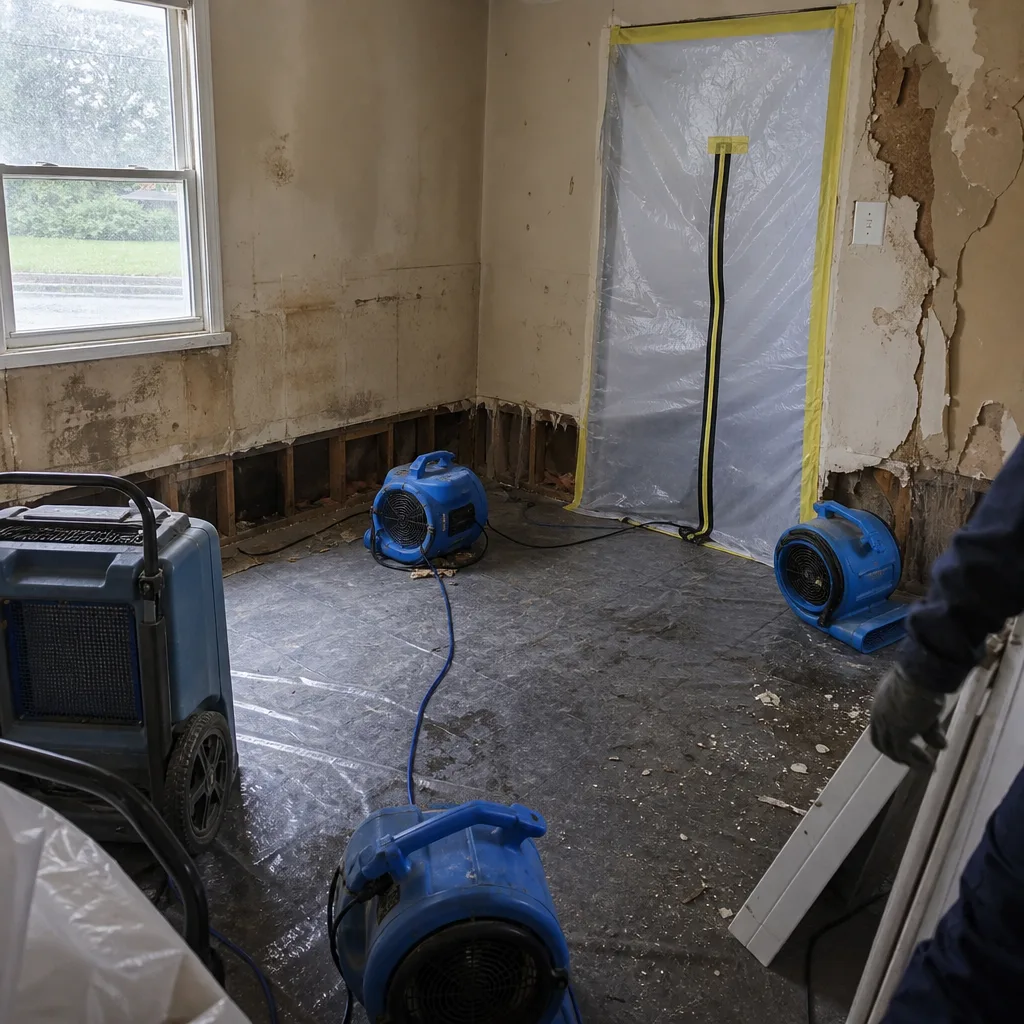 Before
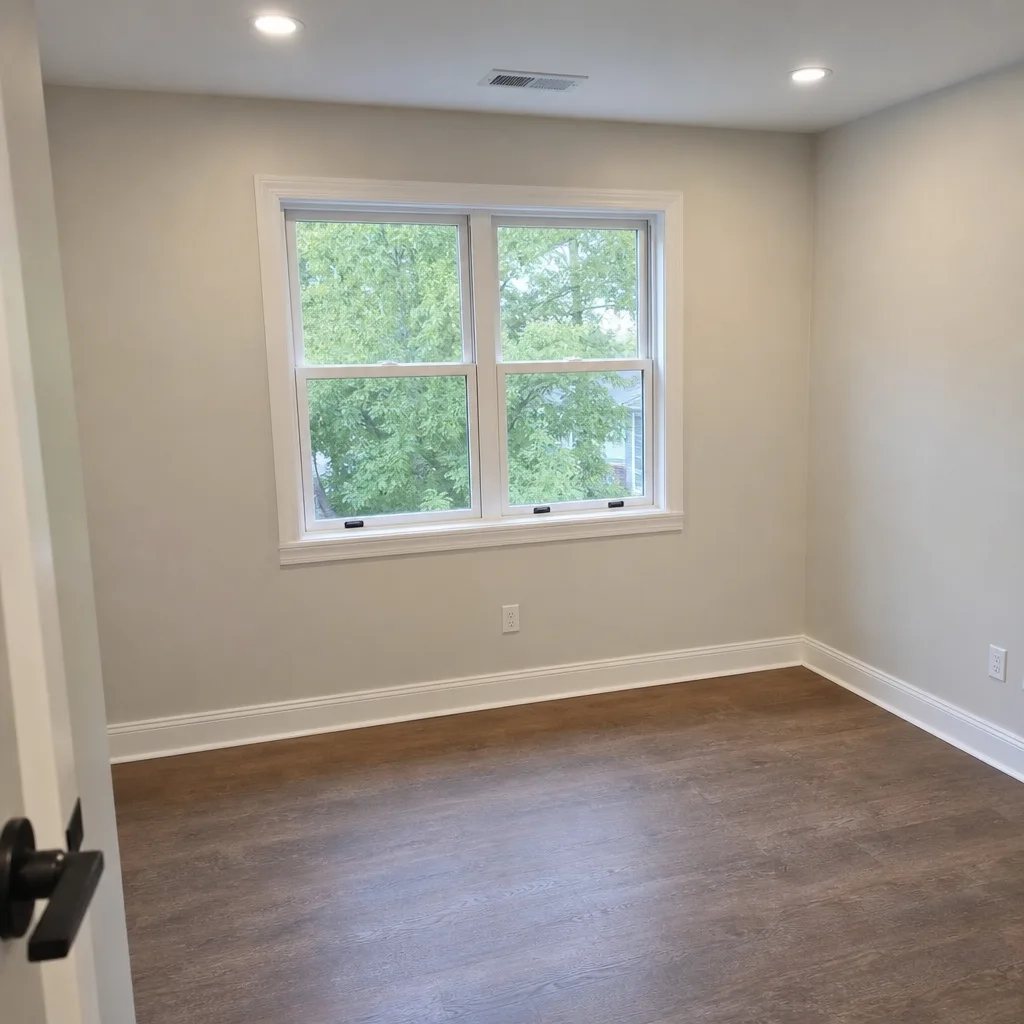 After
After24/7 Emergency Water Damage Restoration in Getty Square
Water damage restoration in Getty Square typically costs $1,800-$7,200 depending on how far the water traveled through a pre-war building. Our crews reach Getty Square within 45 minutes of your call, day or night. Extraction starts on the first visit, not the day after. Call (551) 348-3742 the moment you see standing water, a ceiling stain spreading, or a pipe that let go. The first hour determines whether you dry out a room or rebuild it. Every minute the water sits in a 1920s brick tenement on South Broadway or a converted loft off Palisade Avenue, it’s wicking up plaster, swelling subfloor, and feeding mold that in this neighborhood moves faster than anywhere else in Yonkers.
Understanding Water Damage Restoration Severity in Getty Square Properties
Water damage comes in three categories, and Getty Square sees all of them. Category 1 is clean water from a burst supply line or an overflowing tub. Category 2 carries soap, detergent, or other contaminants, what you get from a washing machine discharge or a sink backup. Category 3 is grossly contaminated, sewage, river water, or storm surge. The Hudson’s tidal water is Category 3 every time. What makes Getty Square unusual is that Category 3 events here frequently arrive as dual-source flooding: exterior surge through doors and window wells combined with groundwater pushing up through the slab and foundation walls. Moisture mapping with thermal imaging and hygrometers tells us how far water traveled inside wall cavities and under flooring, which is rarely where the homeowner thinks it stopped. In these buildings, original horsehair plaster and cast iron drain stacks mean the water path is slower, but the absorption is deeper. A Category 1 pipe break on the third floor of a mixed-use building on Getty Square can saturate the joist bays above two ground-floor commercial units within two hours. Severity is not just how much water, it’s where the water went, and in pre-WWII construction, it went further than you’d guess.
Why Getty Square Property Owners Choose Floodline Restoration Co.
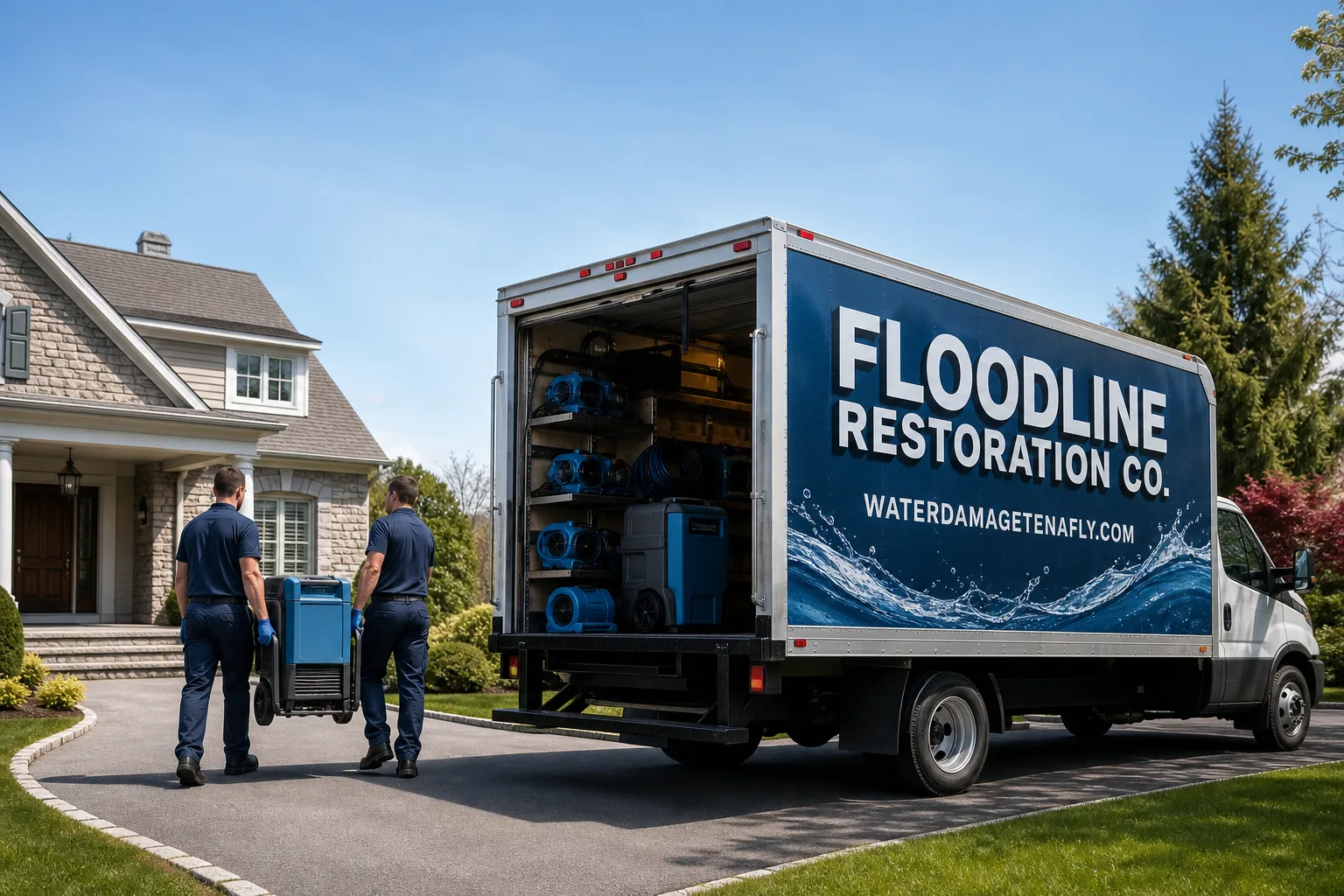
- 45-minute response commitment: We dispatch from our New York City office the moment you call, and a Getty Square crew is on-site within 45 minutes with extraction equipment on the truck, not just a clipboard.
- A live person answers, 24/7: No recording, no answering service, no call-back queue. At 2 a.m. you talk to a dispatcher who knows the difference between a burst pipe and a tidal backup.
- IICRC-certified crews: Our technicians hold WRT (Water Damage Restoration Technician) and ASD (Applied Structural Drying) certifications, and we train to RIA and IFA standards, which matters when you’re drying a 1915 brick rowhouse, not a drywall box.
- Free visual inspection: We walk the loss with you before any work begins, tell you what we see, what we’ll do about it, and what it costs. No charge for that first visit.
- Direct insurance billing: We bill your carrier directly. You never carry the claim, chase an adjuster, or play messenger between two parties who should be talking to each other.
- One team from extraction to reconstruction: The same certified crew that extracts the water handles the drying, the antimicrobial treatment, and the rebuild. Nobody inherits a half-finished job.
Our Water Damage Restoration Process
Inspection & Assessment
We locate every wet surface with thermal imaging and pin-type moisture meters. In Getty Square’s brick buildings, that means checking foundation walls, sill plates, and the underside of hardwood, not just carpet and drywall. You get a written scope and a firm price before tools come off the truck.
Extraction & Stabilization
Truck-mounted and portable extraction units pull standing water from floors, wall cavities, and the muck line the street left behind. If the source is a live burst pipe, we shut the supply and stabilize the area before extraction starts. We photograph everything for your carrier.
Drying & Dehumidification
Dri-Eaz dehumidifiers, Phoenix axial air movers, and XPOWER injection systems run on a printed drying plan, with daily moisture readings logged until the structure reaches the dry standard. In the tidal zone below Getty Square, we map for hidden pockets other crews miss.
Cleaning & Sanitization
For clean-water jobs, we clean and deodorize affected surfaces. For Category 2 and 3 water, we apply antimicrobial treatment to every affected surface, dispose of contaminated materials correctly, and HEPA-vacuum the workspace before anyone rebuilds.
Corrosion & Specialty Treatment
Salt air and high humidity near the Hudson mean we inspect every metal surface in the loss path, including fasteners, brackets, and any mechanical systems. Where corrosion has started, we specify coated or stainless replacements. Where efflorescence signals ongoing hydrostatic pressure, we flag it for waterproofing remediation before any interior work proceeds.
Repairs & Restoration
We rebuild what water took out, plaster, flooring, trim, baseboard, and paint. The same crew that extracted the water handles the finish work, and the job isn’t closed until it meets the 90-Day Done Right Promise. You get the moisture log, the photos, and the guarantee in writing.
Need Emergency Water Damage Restoration in Getty Square Now?
Crews minutes away, answering live 24 hours a day. The sooner we start, the less it costs.
Working With Your Insurance Company
Most Getty Square water damage claims are covered, but what the carrier pays depends on what gets documented in the first 48 hours. We photograph every wet surface before we touch it, including the wall cavities you can’t see. We log moisture readings daily and hand that log to your adjuster. We write the scope in the carrier’s estimating language, line by line, so there is no translation gap between what we found and what they owe. Floodline has handled dual-source flood claims in Getty Square, the kind where the surge came through the front and the groundwater came up through the slab, and we know how to document the difference so the adjuster sees it too. You don’t argue with your carrier on our behalf. We talk to them directly.
What We Provide Your Insurer
- Thorough documentation of the loss
- Photos of all damage, room by room
- Moisture readings and drying logs
- A detailed, line-item scope of work
- Direct coordination with your carrier
Built for Getty Square’s Loss Calendar
Getty Square floods on a schedule, and the schedule runs on two clocks. In January and February, deep freezes burst supply lines in unheated spaces, the back stairwells of the tenements off North Broadway, the exposed runs in converted loft buildings where the original plumbing predates modern insulation. February thaws send that water down interior walls and into stairwells, a slow Category 1 loss that becomes a fast Category 2 problem by the time you smell it. March through May is basement seepage season, when the water table rises and every unreinforced brick foundation in the neighborhood wicks ground moisture through the mortar. Owners call us for “a little dampness” in April that turns out to be a year-round hydrostatic pressure problem in September. Summer brings thunderstorm flash flooding, when the culverted Saw Mill River’s stormwater system backs up into the downtown blocks, and ground-floor commercial spaces catch it first. Fall and early winter are nor’easter season, when the Hudson’s tidal surge meets the storm runoff and Getty Square’s dual-source flooding returns. That’s the one to plan for before the forecast turns, because by the time the water’s at the curb, you’ve already lost the first hour.
Water Damage Restoration Across Getty Square’s Neighborhoods
Getty Square is small but its blocks are not all the same, and they don’t flood the same either. The waterfront blocks along Warburton Avenue are the most exposed, ground-floor units where the Hudson’s tidal push and the stormwater backup meet, and where ongoing efflorescence on the foundation walls is not a stain, it’s a symptom. The dense tenement rows off South Broadway and Main Street are pre-WWI, mostly 4-to-6-story, and lose pipes in the upper floors, which sends water down through four apartments before it lands in a commercial space at street level. The converted lofts near Palisade Avenue and Getty Square’s east edge were industrial first, and their old freight door openings and brick party walls let groundwater in where the slab meets the wall, a classic slow seep that rots sill plates for years before anyone opens the wall. Around Nepperhan Avenue and the Saw Mill River’s underground path, we see stormwater backup more often than river surge, because the culvert under downtown is the neighborhood’s second, hidden flood source. When you call, tell us the building, not just the street, because our crews already know the difference between a Warburton Avenue basement and a Nepperhan Avenue one.
Specialized Water Damage Restoration Services We Offer in Getty Square
Emergency Water Extraction
We run truck-mounted extraction units into Getty Square’s narrow streets and tighter alleys, pull standing water out of basements, ground-floor units, and commercial spaces. In a dual-source flood on Warburton Avenue, extraction means pulling two kinds of water at once: clean exterior surge and contaminated groundwater. We treat both to their category.
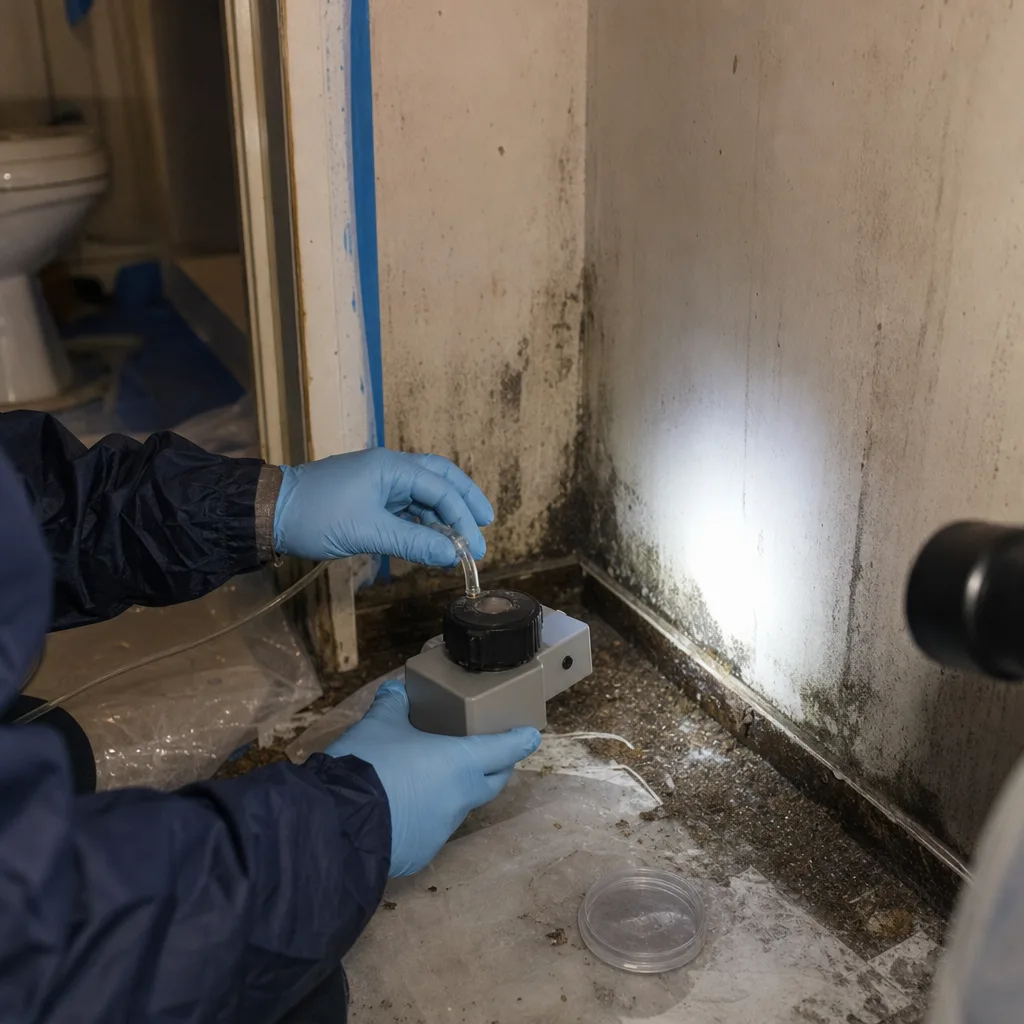
Structural Drying & Dehumidification
Dri-Eaz and Phoenix dehumidifiers run on a printed drying plan, not a guess. In Getty Square’s tidal zone, ambient humidity at street level means drywall and subfloor in basement and ground-floor units can hit actionable mold thresholds in 48 to 60 hours, not the 72 hours a standard protocol assumes. We set equipment for that faster clock.
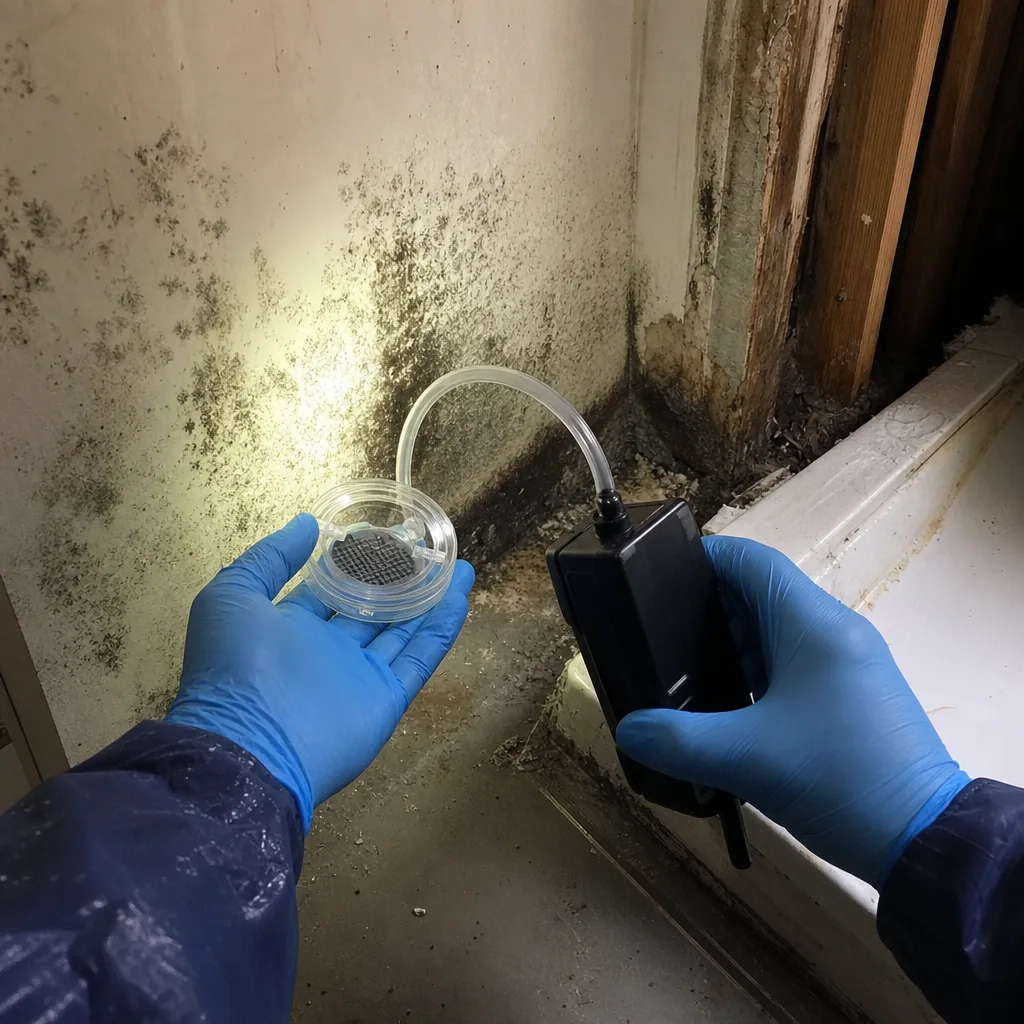
Flood Cleanup
Floodwater in Getty Square is rarely clean. River surge, stormwater backup from the culverted Saw Mill River, and street runoff all carry what the street carried. We remove contaminated material, sanitize everything the water touched, and HEPA-vacuum the workspace so you are not living with what the flood brought in.
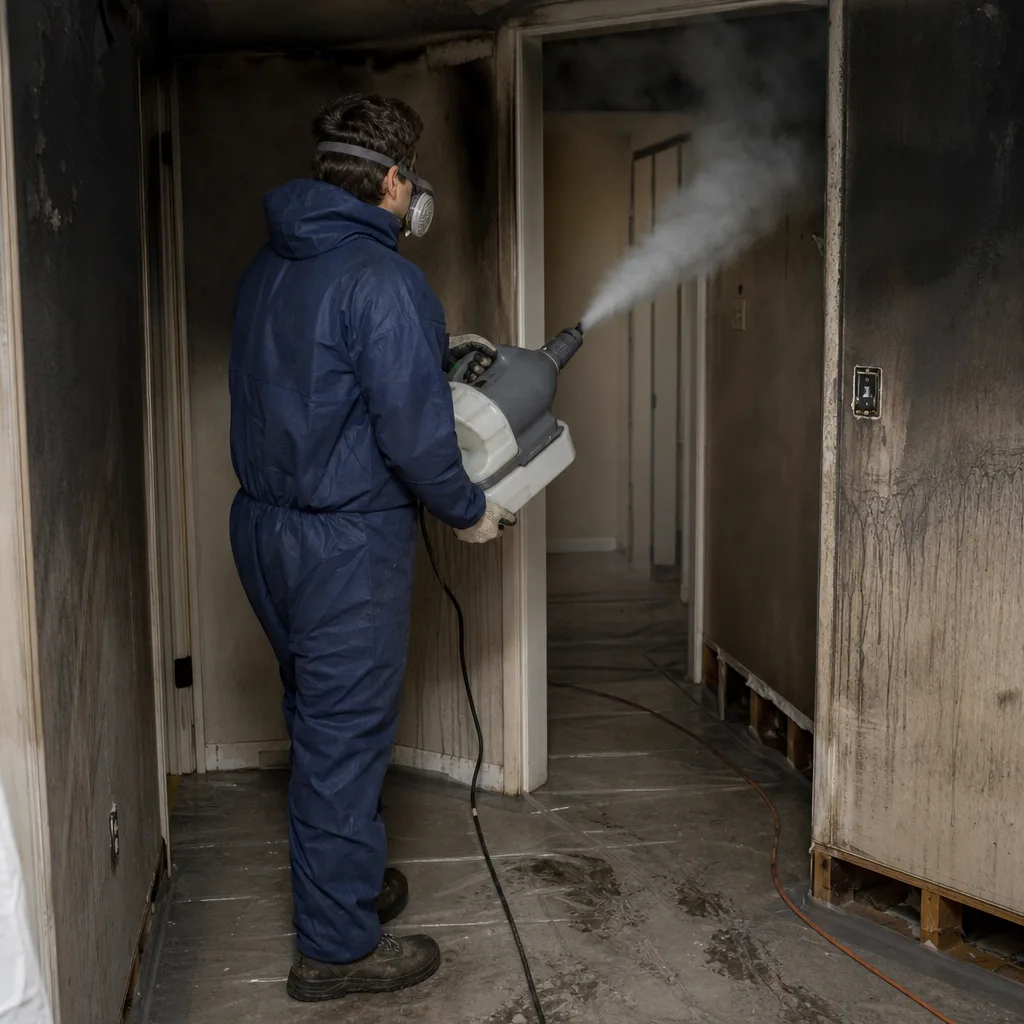
Burst Pipe Restoration
Pre-war plumbing fails on its own schedule. A burst supply line in a 1920s tenement off South Broadway can flood four floors before anyone turns the valve. We stop the source, extract the standing water, dry the structure, and restore the plaster ceilings and walls the water pulled down with it.
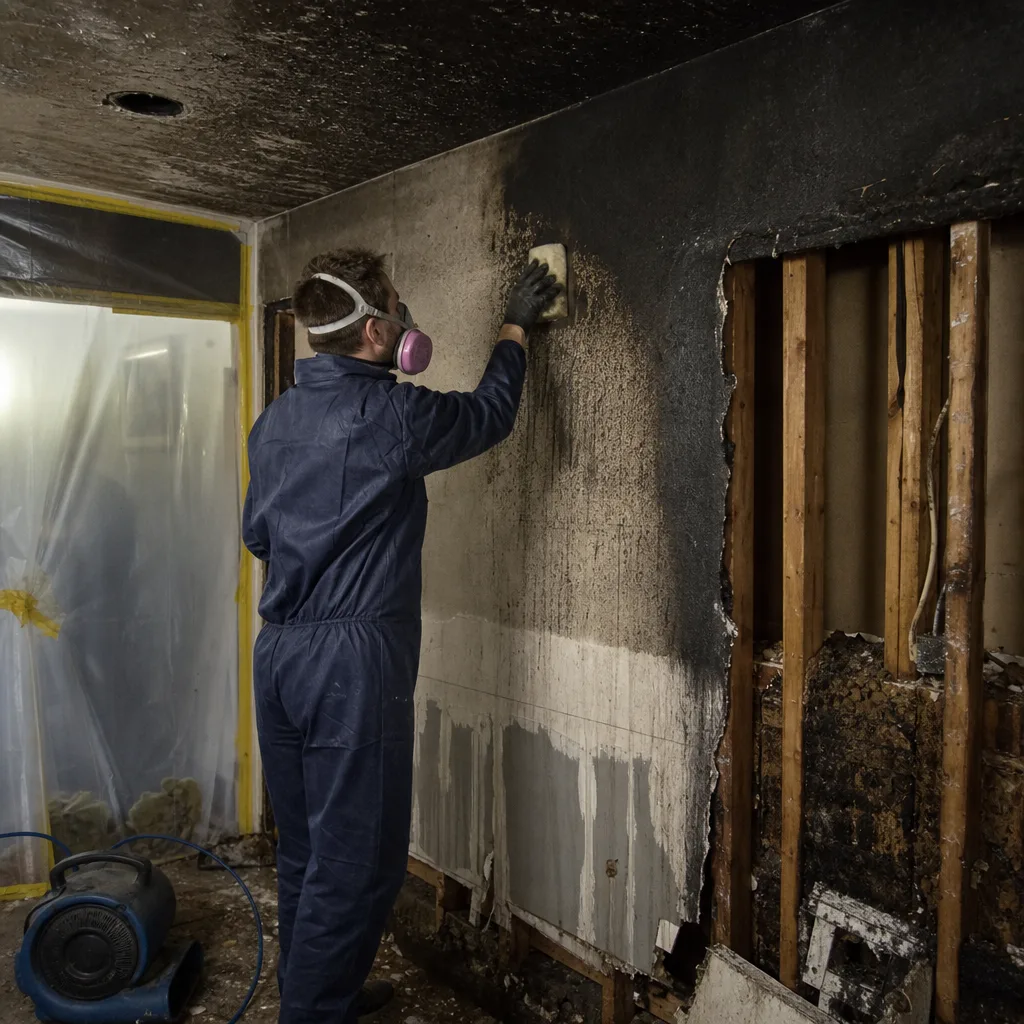
Basement Water Removal
Getty Square basements are not finished basements, they are brick and stone foundations with a century of groundwater pushing against them. We extract the water, but we also read the moisture through the wall and tell you honestly whether you have a one-time loss or a continuous hydrostatic pressure problem that needs waterproofing before any dryout will hold.
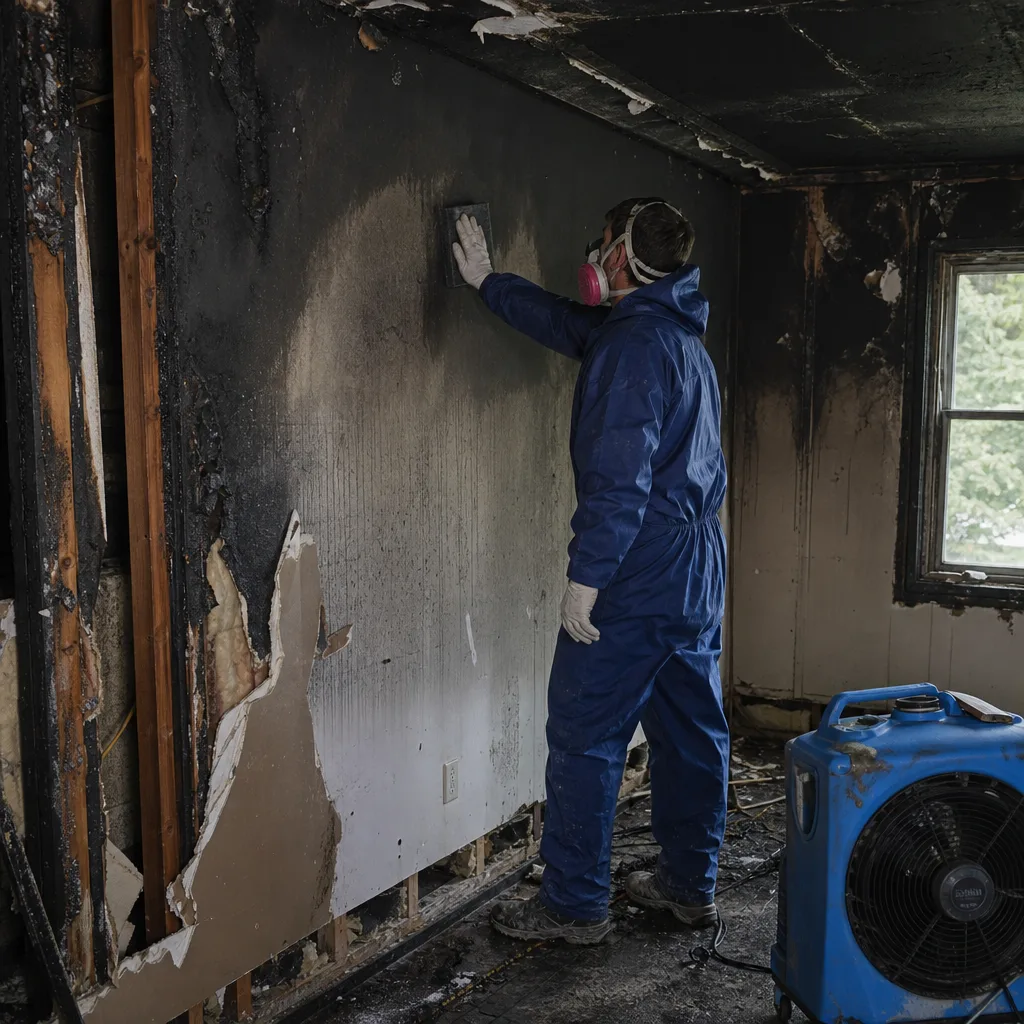
Ceiling & Roof Leak Water Damage
Flat roofs on Getty Square’s early-20th-century commercial-residential buildings fail slowly, then all at once. A slow leak saturates the decking and plaster, and by the time it shows on the ceiling below, the joist bay is wet. We dry the cavity, treat the wood, and repair the plaster so the ceiling does not come down a month after you thought the job was done.
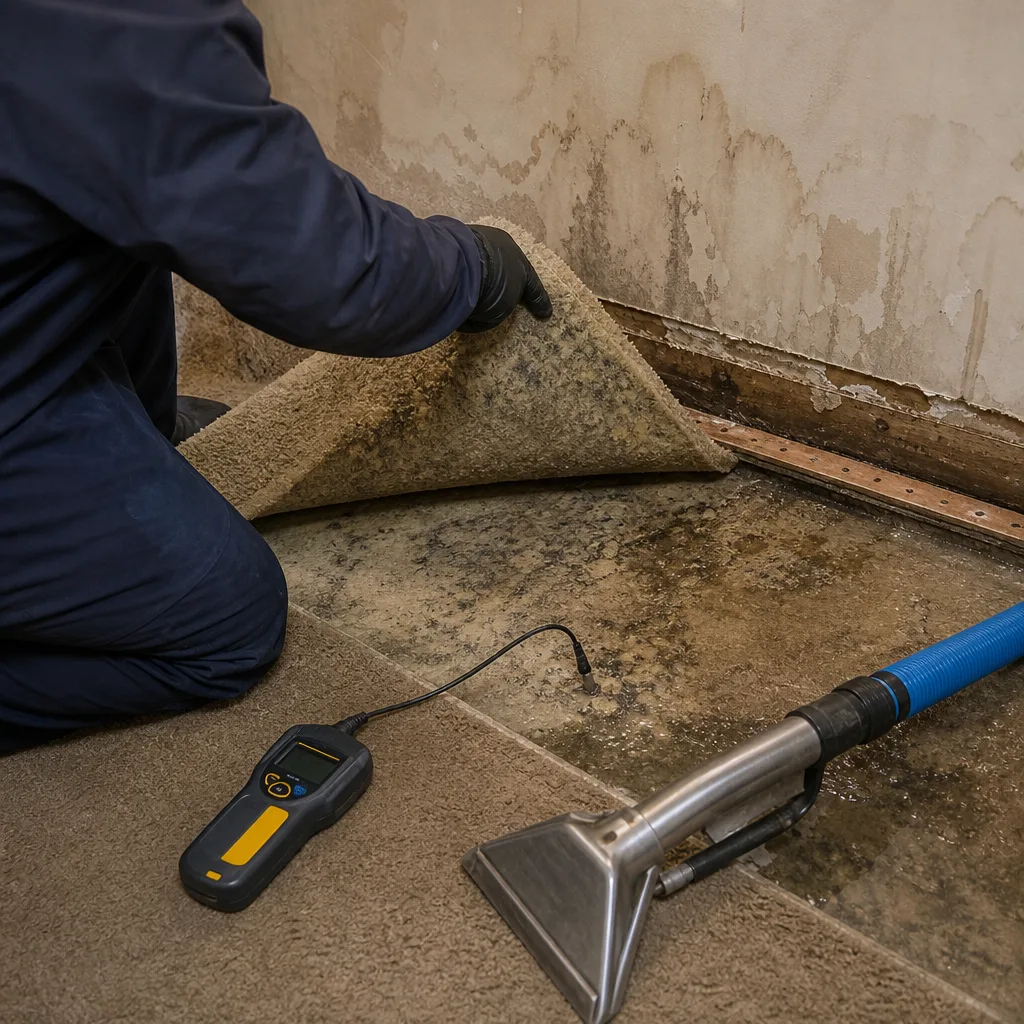
What happens when you call
- 1
A real person answersNo phone trees - you reach a local pro.
- 2
You get an upfront price rangeHonest numbers before anyone is dispatched.
- 3
A background-checked tech heads outLicensed & insured, dispatched right away.
- 4
You approve before work beginsNothing starts until you say go.
Water Damage Restoration Costs in Getty Square, NY
Emergency water extraction in Getty Square typically runs $500-$1,200 for a single-room loss with a clean water source. Structural drying and dehumidification adds $1,200-$3,500 depending on square footage and how many days the equipment runs. Full basement flood cleanup on a Warburton Avenue ground-floor unit, with Category 3 water, antimicrobial treatment, dryout, and disposal of contaminated material, usually lands between $4,000 and $7,200. Burst pipe restoration in a pre-war tenement, including wall opening, dryout, and plaster repair, runs $2,500-$5,800. The variables are category of water, how many floors it traveled, and whether asbestos abatement inspection is triggered, which happens often in these buildings. We give you a written scope with a firm price before work starts. Insurance covers most of these losses, and we bill your carrier directly. Call (551) 348-3742 for a free visual inspection and an exact number instead of a range.
We Also Serve Cities Near Getty Square
Floodline Restoration Co. runs crews daily into Getty Square and the neighborhoods around it. We also provide Water Damage Restoration in Riverdale, Northwest Yonkers, and Kingsbridge, with the same 45-minute response and the same live-answer dispatch. If you’re one block outside Getty Square, you’re still inside our service area.
Serving Getty Square, NY - Our Local Coverage Area
We’re based in the Getty Square area and know this community well. Use the map below to see our service coverage - if you’re nearby, we can almost certainly help.
Getty Square Water Damage Restoration Questions, Answered
How does the dual-source flooding from the Hudson River and Saw Mill River affect restoration scope in Getty Square?
Dual-source flooding means we’re treating two kinds of water at once: exterior surge from the Hudson and groundwater or stormwater backup from the culverted Saw Mill River beneath downtown streets. Exterior surge is Category 3 river water, while the groundwater pushing up through the slab carries minerals, silt, and whatever leached through the soil. The scope is therefore always larger than a single-source flood: we extract both, test both, treat both, and usually recommend foundation waterproofing assessment because the Saw Mill’s backup indicates the slab or foundation wall is already compromised. This is not a standard single-source flood, and a contractor who treats it like one will leave contamination behind.
What materials are best for garage door hardware in Getty Square’s salt-air environment?
For any garage door, gate, or mechanical hardware exposed to Getty Square’s Hudson River air, we specify galvanized or powder-coated springs, stainless steel hinges and fasteners, and nylon rollers instead of steel ball bearings. Uncoated steel springs on a waterfront building can lose meaningful tensile strength within three to five years due to salt corrosion, where the same spring inland lasts eight to twelve. Chain drive openers corrode at the sprocket and chain links, so a belt drive or a corrosion-inhibited chain is the better call. If your garage door is on a waterfront block, a corrosion inspection is part of the job, not an add-on.
Why is mold growth faster in Getty Square after water damage?
Getty Square sits in the Hudson River tidal zone, where street-level ambient humidity runs persistently higher than it does a mile inland. After a water intrusion, this elevated humidity compresses the mold colonization window. Drywall and subfloor in basement and ground-floor units here can reach actionable mold thresholds in 48 to 60 hours, versus the standard 72-hour assumption. The practical difference is that a crew following a generic drying protocol loses a full day in Getty Square, and that day is the difference between dryout and mold remediation. Our drying plans account for the local humidity and run equipment to the dry standard, not to a clock.
Do pre-war brick buildings in Getty Square require special handling during water damage restoration?
Yes. Most of Getty Square’s building stock predates 1940, with original horsehair plaster, cast iron drain stacks, unreinforced brick foundations, and in many cases pre-1980 floor tiles or pipe insulation that contains asbestos. Restoration in these buildings almost always triggers a mandatory abatement inspection before remediation can begin. We also work differently inside the walls: plaster absorbs water slower but holds it longer than drywall, so drying times run longer and moisture readings must be taken deeper. Cast iron drain stacks crack under freeze-thaw stress, and we inspect them after any water event because a hairline crack leaks again on the next thaw.
How do you address efflorescence and chronic dampness in basement units along Warburton Avenue?
Efflorescence, the white mineral staining on foundation walls, is not a one-time water stain, it is evidence of continuous hydrostatic pressure pushing groundwater through the brick and mortar. We responded to a basement unit on Warburton Avenue where the owner thought a one-time flood had caused the staining and dampness. Our techs’ moisture readings showed continuous hydrostatic pressure from the river, so after emergency water extraction and structural drying with Dri-Eaz dehumidifiers, we applied antimicrobial treatment and scoped a waterproofing remediation before any interior rebuild could proceed. If you skip the waterproofing step, the dryout will not hold, and the mold will return because the water never stopped coming.
How fast can a crew reach Getty Square for an emergency?
Forty-five minutes from your call, typically faster if we have a crew already running a job in the area. Dispatch is live 24/7, and crews stage from our New York City office, so Getty Square is inside our first-ring response zone. On a dual-source flood during a nor’easter, every minute costs you materials, so we commit to being on-site within the hour, not the next morning.
Will insurance cover water damage restoration in Getty Square?
Most sudden and accidental water damage is covered: a burst supply line, a roof leak from a storm, storm surge entering through a door. Gradual seepage through foundation walls, the kind that causes efflorescence on Warburton Avenue, is usually excluded because the carrier classifies it as maintenance. The dual-source flood question matters because the covered surge portion and the excluded groundwater portion have to be documented separately, and that is exactly what we do with our room-by-room photos, moisture logs, and line-item scope. Call (551) 348-3742 and we’ll walk you through what your policy likely covers before you file the claim.
What should I do in the first 30 minutes after discovering water damage?
Shut the water at the main valve if the source is a burst pipe. Kill electricity to the affected area at the breaker, never walk through standing water near outlets. Do not use a shop vac on contaminated water. Move what you can lift to a dry spot. Call (551) 348-3742. We’ll tell you whether to shut anything else, whether to leave the space, and what not to touch. The first 30 minutes are yours; the first hour is ours.
Written by Curt Bowman, Owner at Floodline Restoration Co., serving Getty Square and the surrounding communities with certified restoration crews since 2010.