
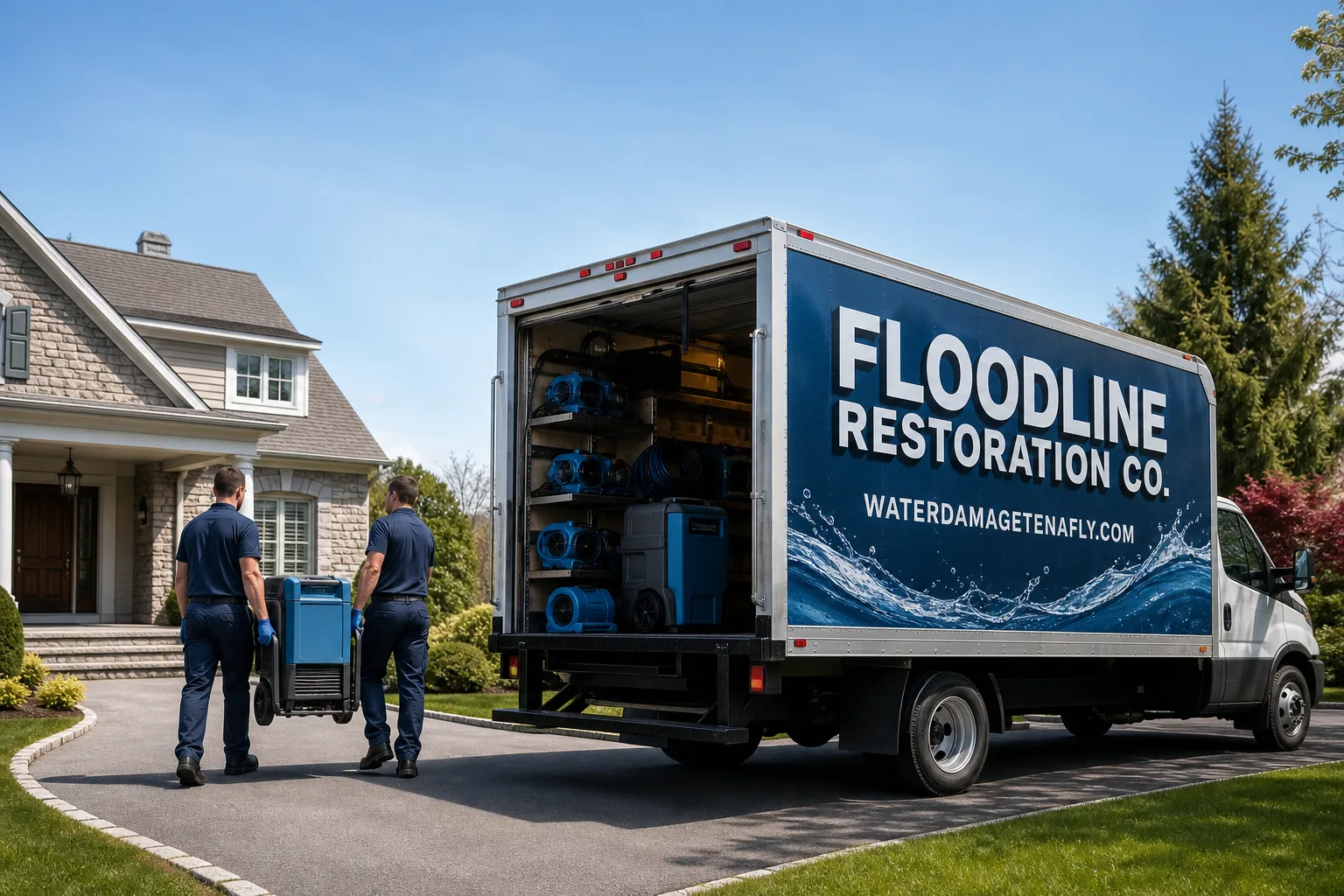
Free visual inspection and a written scope of work before any mitigation begins - photos, moisture readings, and drying logs go in your claim file
The scope we write is the scope we bill. Anything new gets shown to you, in writing, before we touch it.
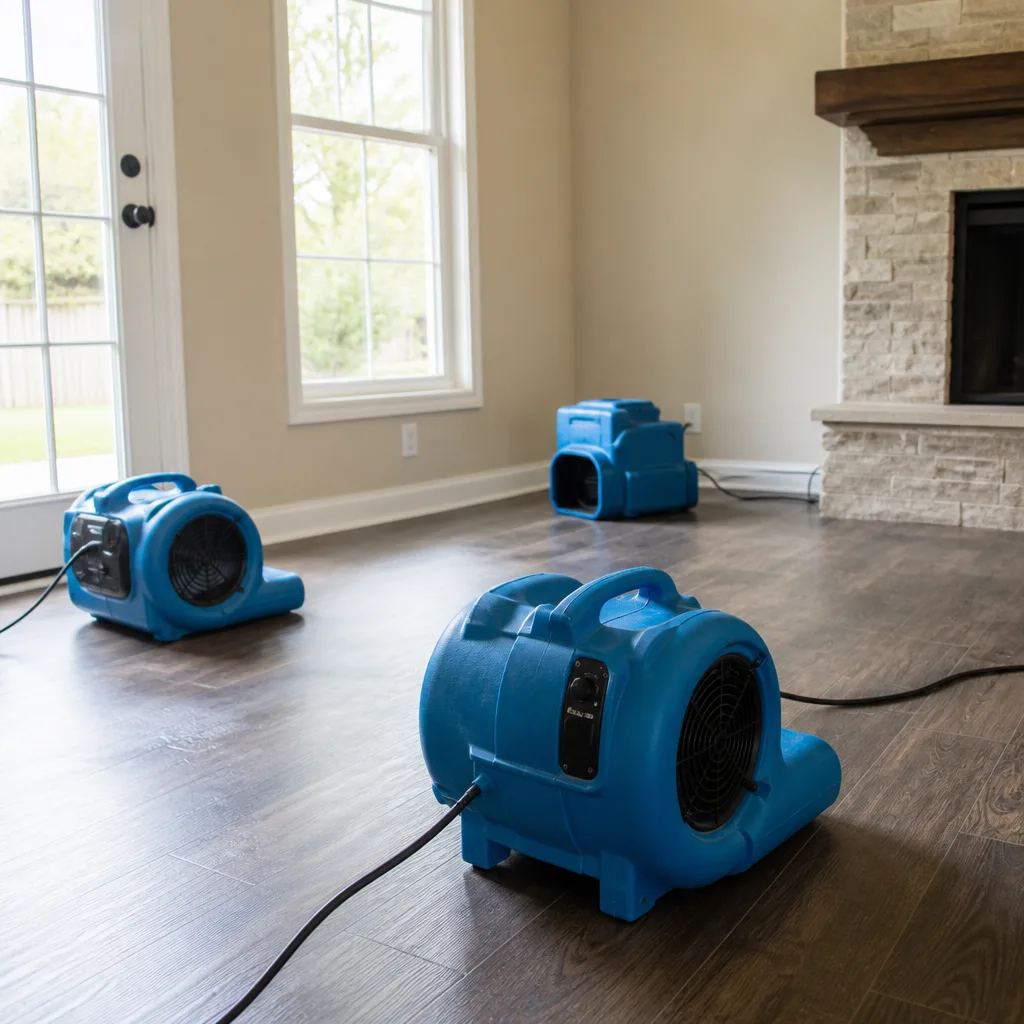

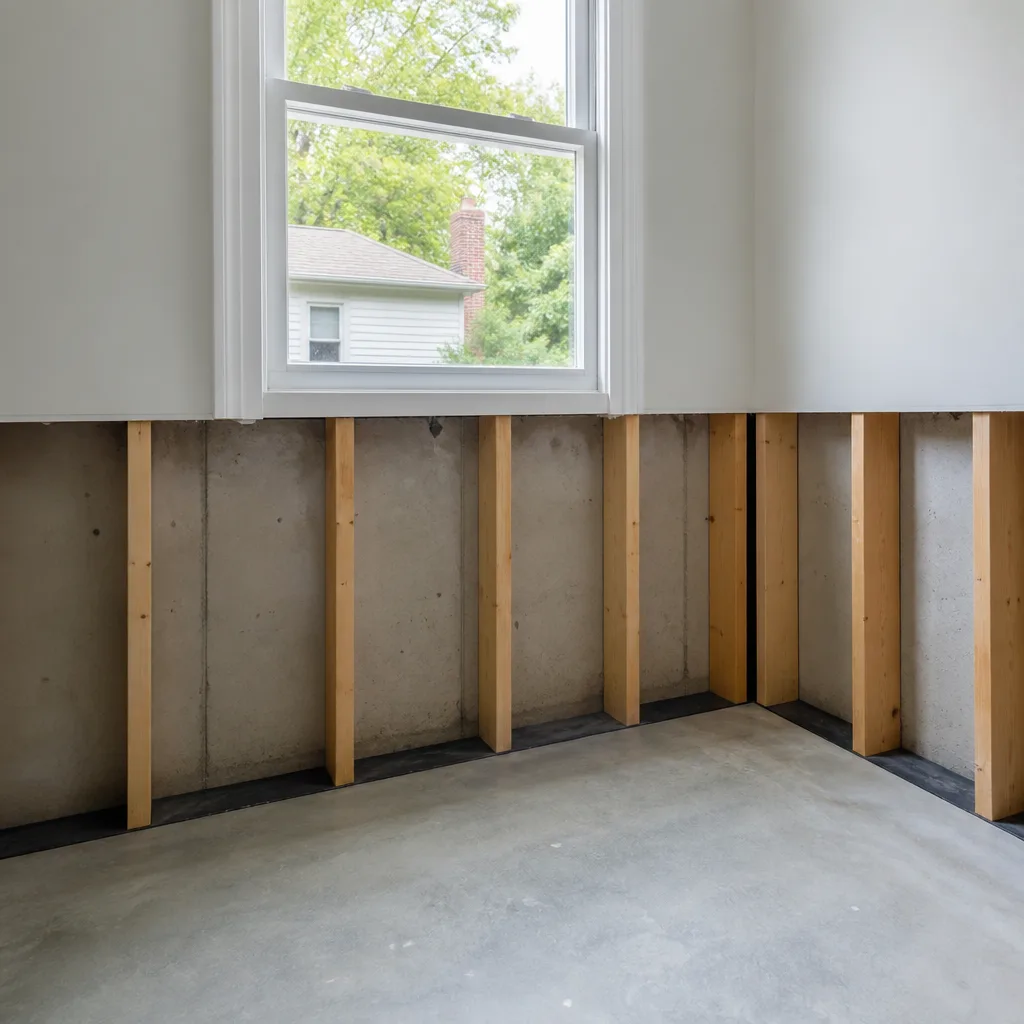

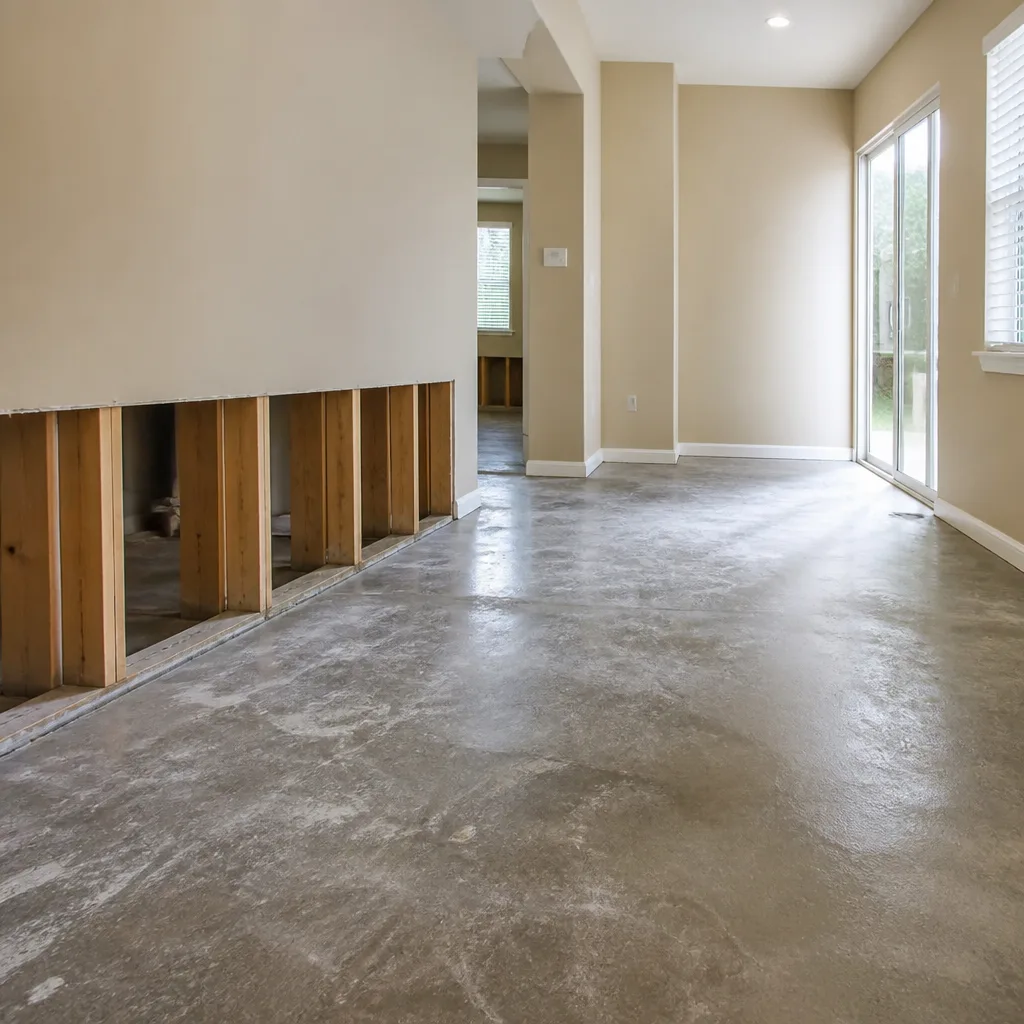

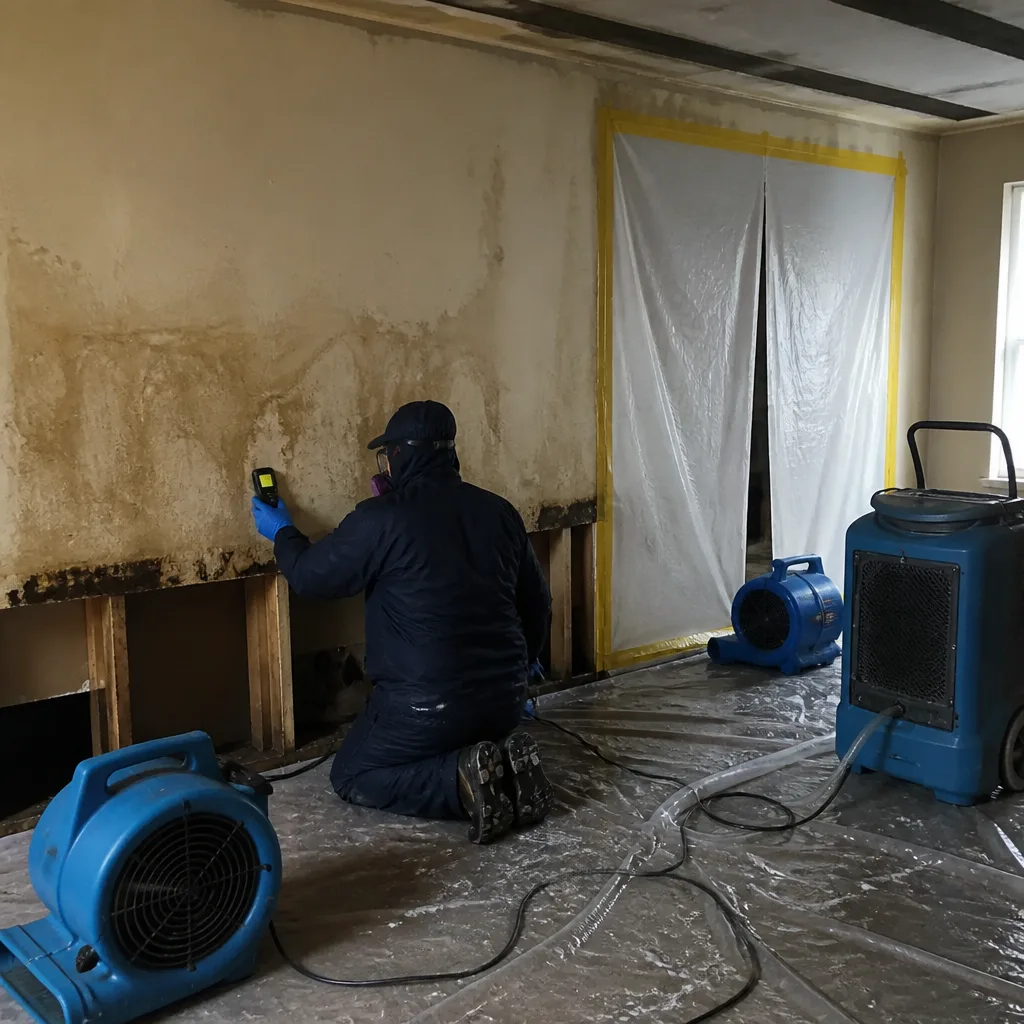 Before
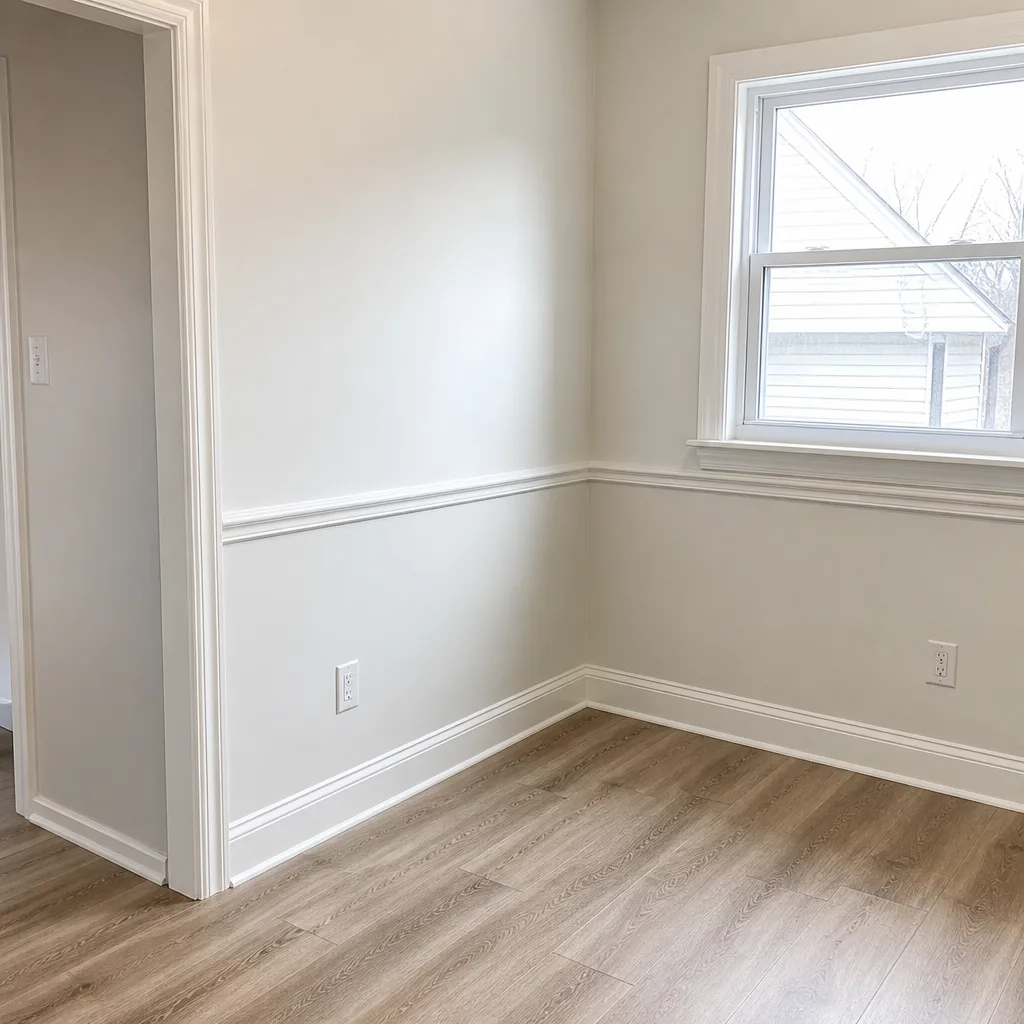 After
After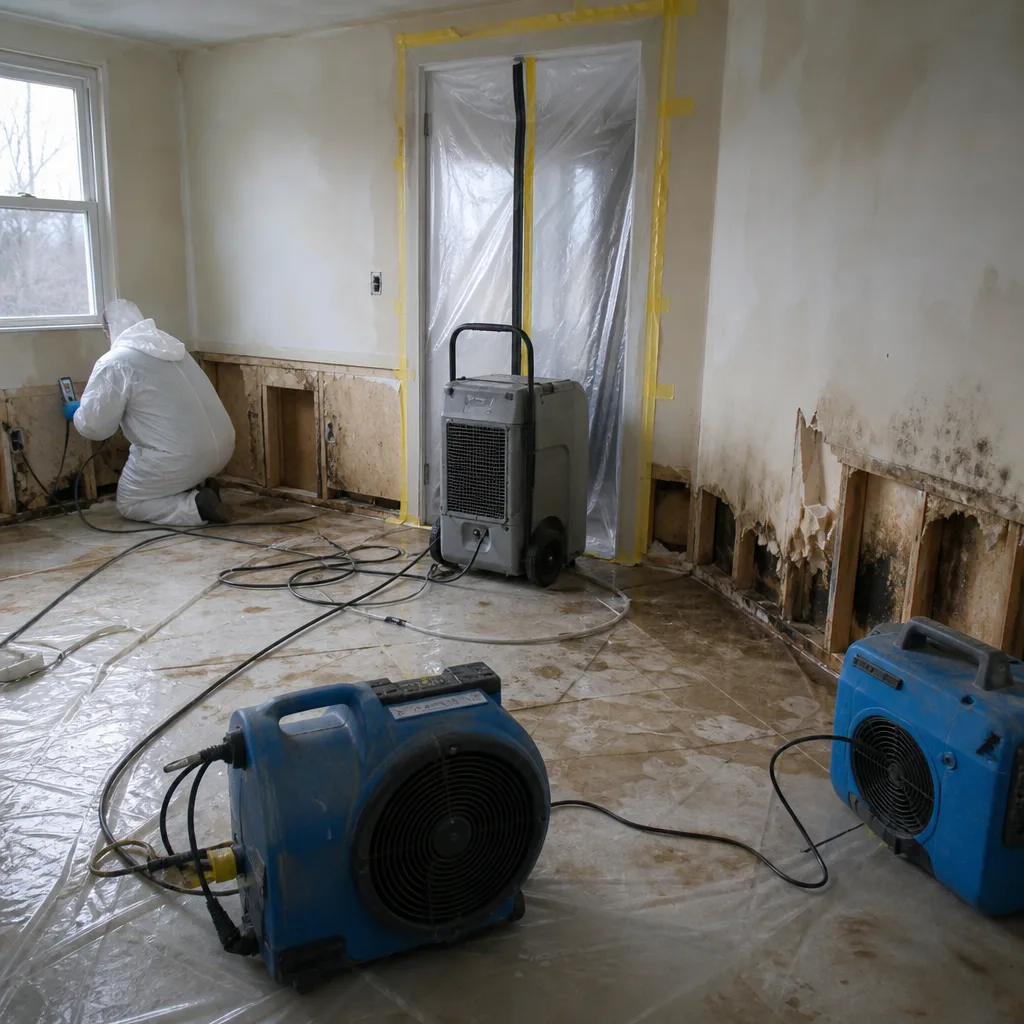 Before
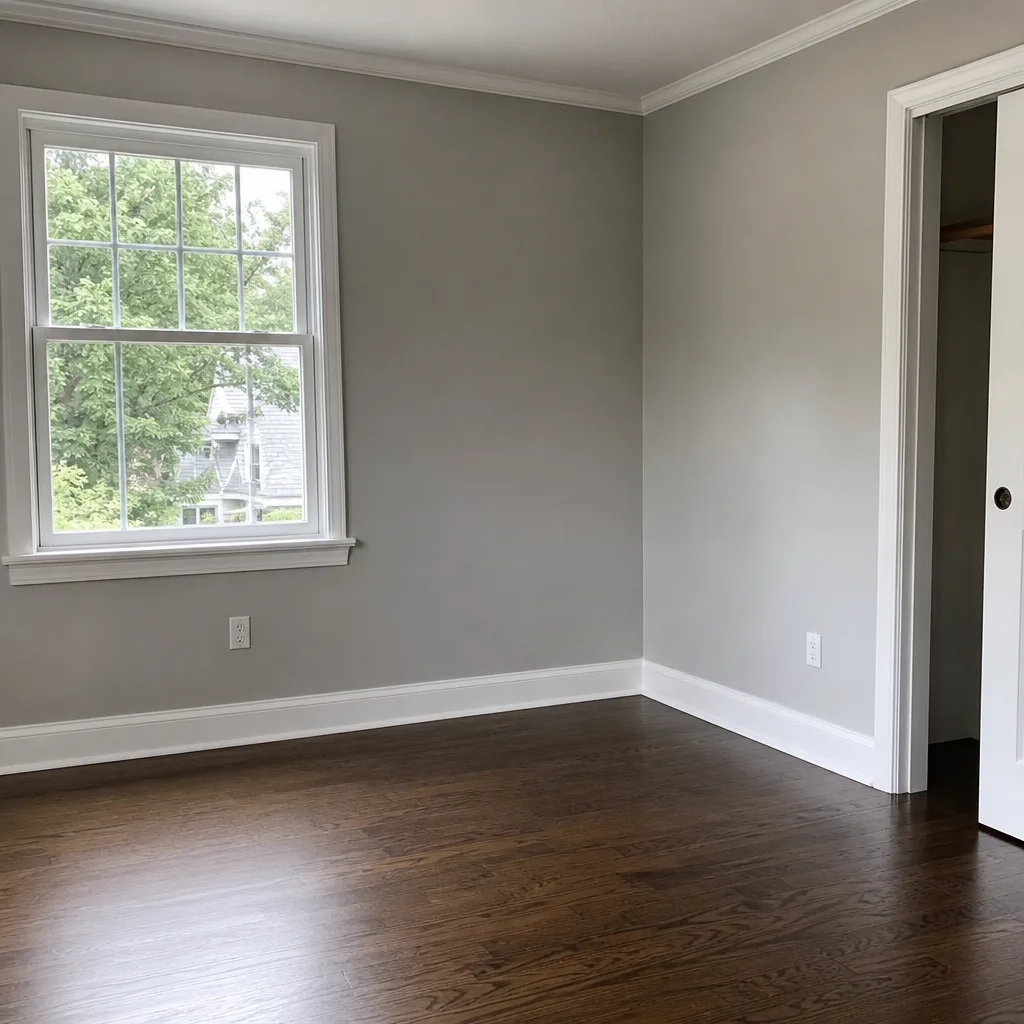 After
After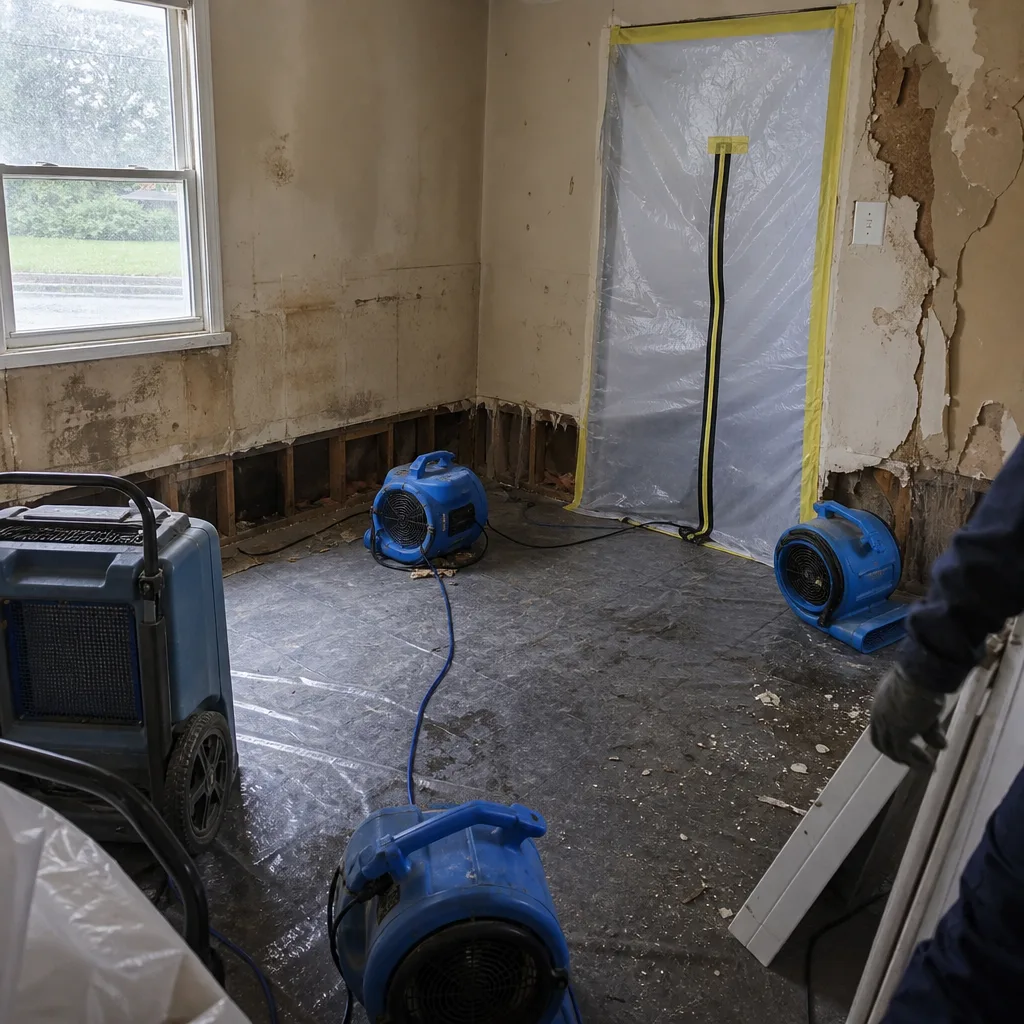 Before
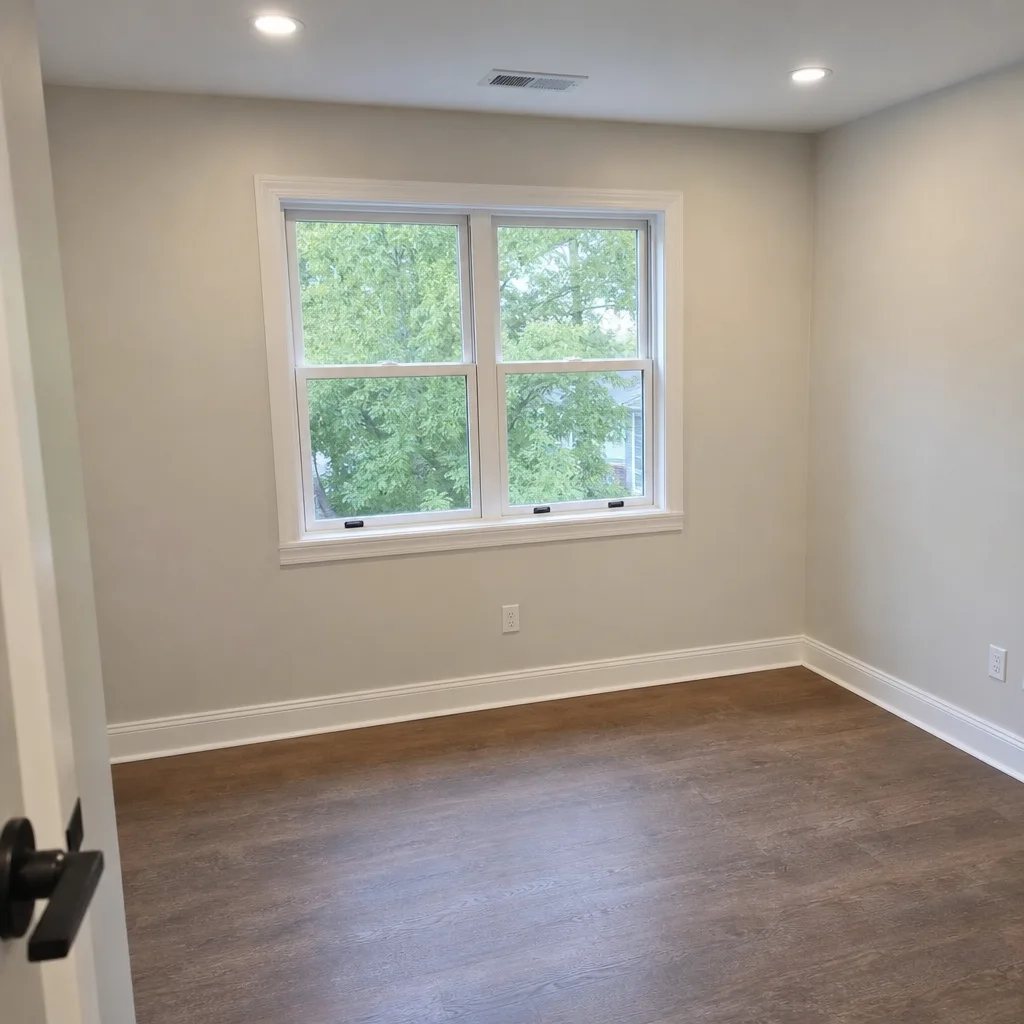 After
After24/7 Emergency Sewage Cleanup in Getty Square
Sewage backup in Getty Square is a Category 3 water event, and it does not wait for business hours. A live dispatcher at Floodline Restoration Co. answers the phone at (551) 348-3742 around the clock, every day of the year. Our certified crews dispatch into Getty Square within minutes, not hours, because we know the window here is shorter than almost anywhere else in Yonkers. The tidal humidity off the Hudson compresses the mold colonization timeline to 48-60 hours in ground-floor and basement units. That means the first hour after a backup matters more than the first day. We arrive, assess, and start extraction the same visit, with a written scope of work before any equipment runs.
Understanding Sewage Cleanup Severity in Getty Square Properties
Getty Square’s pre-WWII building stock changes how every sewage loss plays out. We’re working in 3-to-6-story brick tenements, early-20th-century mixed-use buildings, and converted lofts with original cast iron drain stacks and horsehair plaster. Those cast iron stacks are the first failure point during surge backups. When the culverted Saw Mill River backs up during a nor’easter, it forces effluent backward through floor drains and failing stack joints into basement units faster than standard mitigation can respond. The water is Category 3: black water carrying sewage, bacteria, and whatever the street drains pushed back. Moisture mapping matters more here because the tidal zone’s street-level humidity means drywall soaked with sewage often reaches actionable mold thresholds before pack-out is even complete. Owners sometimes think a one-time blockage caused the mess. In Getty Square, it’s often hydrostatic pressure and river surcharge doing the work. We read the moisture map before we tear anything out, because in these older buildings, the water is never where it looks like it is. This is why our Sewage Cleanup team approaches every Getty Square job with a different sequencing: extraction, then investigation of the source, then waterproofing scoping before any rebuild.
Why Getty Square Property Owners Choose Floodline Restoration Co.
- 45-minute response commitment. We dispatch crews into Getty Square immediately. Our live dispatcher confirms the address and the technician’s ETA while you’re still on the phone.
- 24/7 live answer, never a recording. At 2 a.m., a person picks up. Not a call service. Someone at Floodline who can send a crew to Warburton Avenue right then.
- IICRC-certified crews. Our technicians hold certifications including WRT and ASD, trained to handle Category 3 water safely with proper containment and disinfection protocols.
- Free visual inspection. We assess the damage before any work begins. You get a written scope and a firm number, not a vague estimate.
- Direct insurance billing. We bill your carrier directly and coordinate with your adjuster from the first hour. You don’t play messenger.
- One team from extraction to reconstruction. The same certified crew that extracts the sewage also handles drying, sanitization, waterproofing, and the rebuild. No mid-job handoff, no inherited crew.
Our Sewage Cleanup Process
Inspection & Assessment
We start with a full visual and technical assessment: thermal imaging, hygrometer readings, and moisture mapping across floors, walls, and the air cavity. In Getty Square, Reconstruction & Cleanup starts with checking for hydrostatic pressure through unreinforced brick foundations and cast iron stack joint failures that may not be visible yet.
Extraction & Stabilization
Category 3 water comes out fast. We use truck-mounted and portable extraction units to pull standing sewage from floors, and XPOWER submersible pumps where flooding is deep. Affected porous materials (carpet, pad, saturated drywall) are cut and removed under containment before contamination migrates.
Drying & Dehumidification
Professional-grade Dri-Eaz and Phoenix dehumidifiers and air movers go in after extraction. Daily moisture readings get logged until the structure meets the dry standard. In Getty Square’s tidal humidity, we run aggressive drying for the full 48-60 hour window to beat the accelerated mold clock.
Cleaning & Sanitization
All contaminated surfaces get cleaned with antimicrobial agents and HEPA-vacuumed as part of our Sanitization Services in Getty Square. We treat every surface that came into contact with Category 3 water, including wall cavities and subfloor assemblies. The goal is not just to dry the building but to make it safe to occupy.
Waterproofing & Source Remediation
In Getty Square, this is where a lot of other companies stop and we keep going. If moisture mapping shows chronic hydrostatic pressure through brick foundations or recurring surcharge from the culverted river, we scope waterproofing remediation - membrane installation, drainage correction, and graded exterior work - before any interior rebuild starts.
Repairs & Restoration
Once the structure is dry, sanitized, and the source is addressed, our Commercial Restoration in Getty Square rebuild begins. Drywall, flooring, trim, baseboards, paint. Because Floodline does not hand the job to a separate contractor, there’s one scope, one schedule, and one crew accountable for every phase.
Need Emergency Sewage Cleanup in Getty Square Now?
Crews minutes away, answering live 24 hours a day. The sooner we start, the less it costs.
Working With Your Insurance Company
Sewage backup claims in Getty Square move faster when the documentation is airtight from the first hour. We photograph the loss room by room before we touch anything. We log moisture readings from day one through the final dry standard. That file goes directly to your adjuster with a line-item scope of work written in the same industry standards your carrier recognizes. Our team talks to the adjuster directly, so you’re not translating between a restoration crew and an insurance desk. Direct billing means the carrier pays Floodline for covered work; you handle only any deductible. The 90-Day Done Right Promise applies to everything we do, in writing. If something isn’t done right, we make it right. No argument, no paperwork battle.
What We Provide Your Insurer
- Thorough documentation of the loss
- Photos of all damage, room by room
- Moisture readings and drying logs
- A detailed, line-item scope of work
- Direct coordination with your carrier
Built for Getty Square’s Loss Calendar
Sewage losses in Getty Square follow a distinct seasonal rhythm, and it’s tied to the neighborhood’s position at the tidal mouth of the Hudson. Nor’easters in late fall and winter push storm surge up the river while the culverted Saw Mill River backs up beneath downtown streets. That’s the dual-source flooding that devastated Getty Square during Hurricane Sandy and recurs in smaller form every winter. January deep freezes add a third failure mode: aging cast iron drain stacks in pre-WWII buildings crack under thermal stress, releasing black water into basement units. Spring thaw brings groundwater up through unreinforced brick foundations along Warburton Avenue and the waterfront blocks, pushing sewage-laden water through floor drains that haven’t seen a flush in decades. Summer thunderstorms overwhelm the combined sewer system in minutes, and ground-floor commercial spaces get the worst of it. The problem for homeowners is that the source is rarely what they think it is. A one-time backup gets blamed on a clog. In Getty Square, the clog is often a symptom of river surcharge, and that changes the whole remediation plan.
Sewage Cleanup Across Getty Square’s Neighborhoods
The response route through Getty Square changes depending on where you are. Along Warburton Avenue and the waterfront blocks, we see chronic moisture wicking through unreinforced brick foundations, active efflorescence, and basement sewage backups that owners misattribute to one-off events. The fix there is almost always waterproofing plus dryout, not just extraction. Around the civic center and the commercial core near Getty Square’s namesake plaza, our calls skew toward ground-floor retail and mixed-use buildings where the culverted Saw Mill River surcharge forces effluent back through floor drains during nor’easters. Those jobs require coordinated containment and fast scheduling because the space has to reopen. In the side streets off Palisade and New Main, the tenement basements are older, tighter, and colder. Those buildings often have original cast iron drain stacks, and the failures happen inside wall cavities where you can’t see them until the ceiling drops or the plaster gives way. Every neighborhood in Getty Square has its own failure pattern, and we route crews accordingly.
Specialized Sewage Cleanup Services We Offer in Getty Square
Sewage Backup Cleanup
When a drain backs up into a Getty Square basement, the source matters as much as the mess. We extract the black water, contain the contamination, and then investigate whether the backup came from a localized clog or from the culverted river surcharging the system. The answer changes the remediation, and in this neighborhood, the answer is often the river.
Toilet Overflow Cleanup
Toilet overflows in Getty Square’s older buildings usually involve failing wax rings or cracks in the cast iron drain line under the floor. Category 3 water from a toilet overflow spreads fast in small bathroom footprints. We cut out contaminated flooring, sanitize the subfloor, and dry the cavity before any new finish goes in.
Septic Failure Cleanup
Most Getty Square properties are on city sewer, but a few older buildings near the northern edge still have legacy septic systems. When those fail, effluent surfaces in yards and crawl spaces. We handle the extraction, soil remediation, and coordination with the city for sewer tie-in where applicable.
Black Water Extraction
Black water is what we deal with most in Getty Square. It’s the sewage-laden floodwater that comes up through floor drains, over curbs, and through foundation cracks during surge and nor’easter events. We use pumped extraction and truck-mounted units to move it out fast, then surgical demolition to remove what it soaked. This is the core of our Sewage Cleanup work here.
Sanitization & Disinfection
After black water is extracted and contaminated material removed, every surface gets antimicrobial treatment. We fog wall cavities and treat subfloor assemblies with hospital-grade disinfectants. In Getty Square’s tight basements, this step is where you prevent a sewage backup from becoming a long-term mold problem.
Crawl Space Sewage Removal
Crawl spaces in Getty Square’s older buildings are often accessible only through a hatch in the floor. When sewage floods a crawl space, the contamination sits in a humid, poorly ventilated cavity. We send techs in with proper PPE, remove the standing water, remove the contaminated soil cap, and run Dri-Eaz dehumidifiers until the space hits dry standard. In the tidal zone, crawl spaces without vapor barriers stay damp even without a sewage event, so we often scope barrier installation as part of the fix.
What happens when you call
- 1
A real person answersNo phone trees - you reach a local pro.
- 2
You get an upfront price rangeHonest numbers before anyone is dispatched.
- 3
A background-checked tech heads outLicensed & insured, dispatched right away.
- 4
You approve before work beginsNothing starts until you say go.
Sewage Cleanup Costs in Getty Square, NY
Sewage cleanup in Getty Square is priced by the scope, not by the square foot alone. A typical toilet overflow cleanup in a single-family row home runs $1,400-$2,800. A basement sewage backup with extraction, containment, and sanitization typically runs $2,900-$5,500. When the culverted Saw Mill River surcharge floods a commercial ground-floor space, the scope jumps: $6,000-$18,000 depending on square footage, contents, and whether demolition reaches wall cavities. The variable in Getty Square is the waterproofing piece. If moisture mapping shows chronic hydrostatic pressure through a brick foundation, waterproofing remediation adds $3,000-$9,000 and should be done before any rebuild. That’s the honest difference between a crew that dries the floor and a crew that addresses why the floor got wet. The free visual inspection gives you a firm, written scope with a dollar figure before you commit to anything. Insurance covers most sewage backups when the cause is sudden and accidental; we bill directly and coordinate with your adjuster.
We Also Serve Cities Near Getty Square
Our dispatch covers Getty Square and the surrounding neighborhoods. We serve Riverdale, Northwest Yonkers, and Kingsbridge with the same live-answer response and certified crews. When you call (551) 348-3742, we route the nearest available team to your location, whether you’re in Getty Square or a mile up the river.
Getty Square Sewage Cleanup Questions, Answered
Why does sewage backup in Getty Square basements often require waterproofing remediation before dryout?
Because the water in Getty Square basements is rarely a one-time event. Chronic hydrostatic pressure from the Hudson River pushes groundwater through unreinforced brick foundations continuously. If you dry the basement without stopping that pressure, the next high tide or heavy rain undoes all the work. We moisture-map every job, and when the readings show ongoing wicking, waterproofing goes before any interior rebuild.
How does the culverted Saw Mill River cause sewage problems in Getty Square during nor’easters?
The Saw Mill River runs through a culvert beneath downtown Getty Square. During a nor’easter, storm surge from the Hudson pushes the river backward while heavy rain fills the system. The result is the culvert surcharges, and sewage-laden water forces back up through floor drains and into basements and ground-floor commercial spaces. It’s not a clog. It’s river hydraulics, and it happens multiple times every winter.
What does the 48-60 hour mold window mean for sewage cleanup in Getty Square?
Because Getty Square sits in the tidal zone, street-level humidity stays high year-round. That means sewage-soaked drywall and subfloor assemblies can reach actionable mold thresholds in 48-60 hours instead of the standard 72. The response clock is compressed. We dispatch immediately, extract same-visit, and run aggressive drying to beat that accelerated timeline.
Are cast iron drain stacks in Getty Square’s older buildings a common sewage cleanup issue?
Yes, and they’re one of the most common sources we find in pre-WWII tenements and mixed-use buildings in Getty Square. Cast iron stacks from the early 1900s crack over time, and during surge backups or deep freezes, the joints fail. Black water releases inside wall cavities where you can’t see it until it’s done serious damage. We check the stack when we respond, not just the floor drain.
Why do commercial spaces in Getty Square keep getting sewage backups even without heavy rain?
Because the culverted Saw Mill River doesn’t need heavy rain to surcharge. High tide alone can push the system back on certain cycles, especially combined with typical urban runoff. Ground-floor commercial spaces along the downtown core see recurring backups that owners misattribute to one-off blockages. The real fix is a backflow prevention valve plus waterproofing at the floor level. We scope both.
How fast can a sewage cleanup crew reach Getty Square?
Within 45 minutes. We dispatch from live call centers staffed by real people, 24/7. The phone is answered by a person, not a recording, and the crew gets the address while you’re still on the line. In Getty Square, where the mold clock is already compressed, that response commitment is the difference between dryout and full remediation.
Can we stay in the home during sewage cleanup?
That depends on the scope. If the contamination is confined to a basement or crawl space and we can seal it under containment, upper floors are usually safe. If the sewage reached living spaces or the HVAC system, we recommend temporary relocation until sanitization is complete. Your adjuster will usually cover reasonable relocation costs. We document everything so the claim is clear.
What should I do in the first 30 minutes after a sewage backup in Getty Square?
Call us at (551) 348-3742. Don’t flush toilets, don’t run water, and don’t walk through the contaminated area. Shut off power to the affected floor if you can do so safely from a dry location. Move valuables out only if you can do it without stepping in the water. Then wait for the crew. The first hour sets the entire remediation path.
Serving Getty Square, NY - Our Local Coverage Area
We’re based in the Getty Square area and know this community well. Use the map below to see our service coverage - if you’re nearby, we can almost certainly help.
We Stand Behind Every Getty Square Sewage Cleanup
Sewage work isn’t just about drying a floor. It’s about knowing why the floor got wet in Getty Square, at the tidal mouth of the Hudson, above a culverted river that pushes back every time the tide turns. Curt Bowman founded Floodline Restoration Co. in 2010, and the company has been doing this work ever since. Our crews are background-checked, uniformed, and trained to IICRC, RIA, and IFA standards. We use Dri-Eaz, Phoenix, and XPOWER equipment on these jobs, and we log daily moisture readings until the structure meets dry standard. The 90-Day Done Right Promise covers all of it, in writing. If it’s not done right, we make it right. No argument. We will be there when we say. Call (551) 348-3742 for a free estimate, answered by a live person at any hour.
Written by Curt Bowman, Owner at Floodline Restoration Co., serving Getty Square and surrounding Yonkers neighborhoods.