
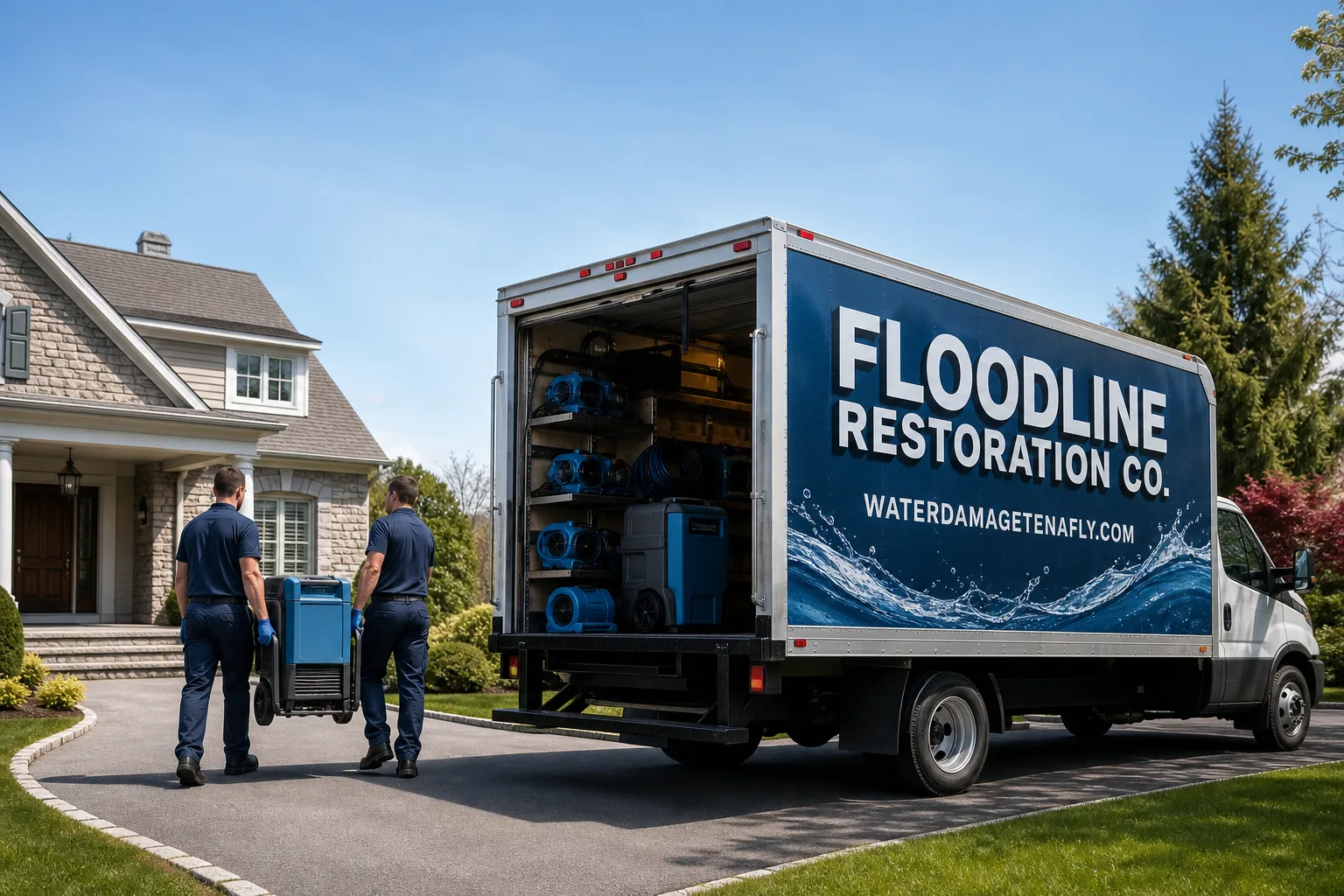
Free visual inspection and a written scope of work before any mitigation begins - photos, moisture readings, and drying logs go in your claim file
The scope we write is the scope we bill. Anything new gets shown to you, in writing, before we touch it.
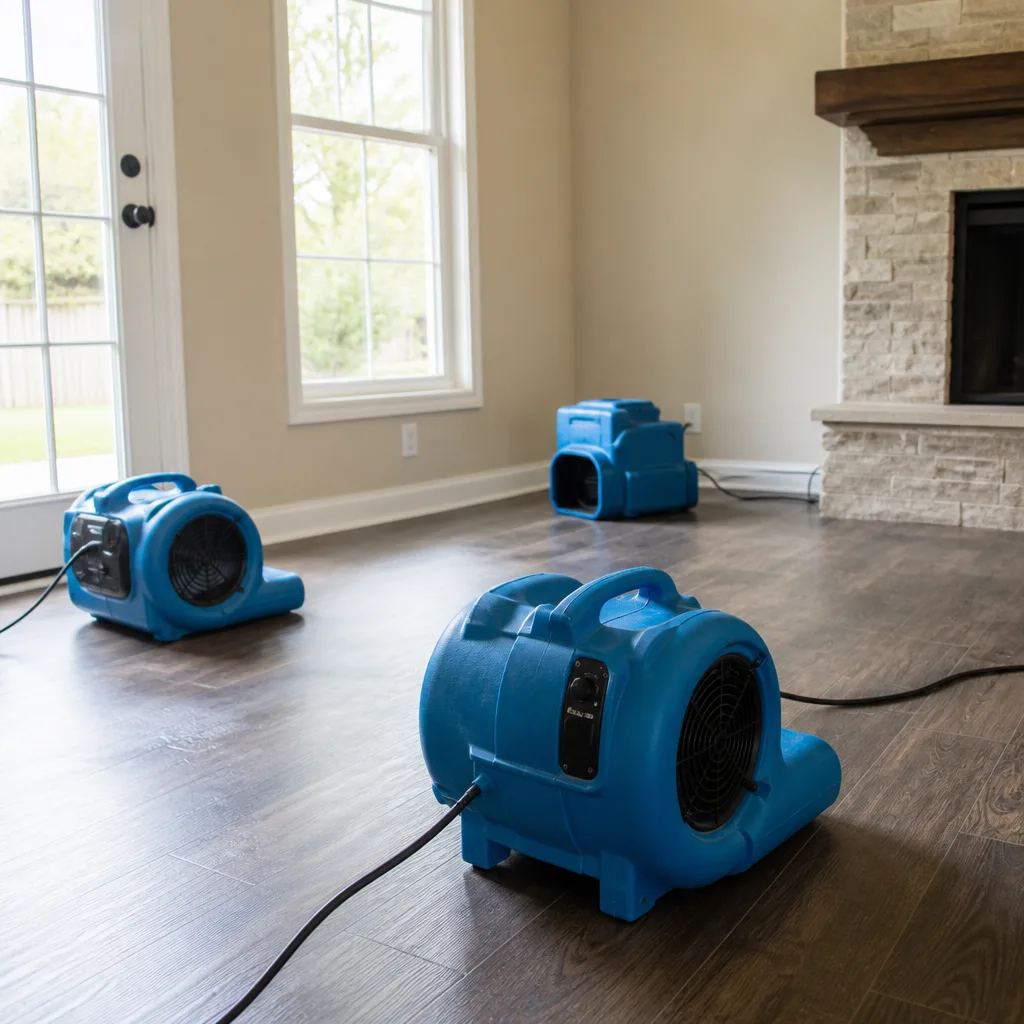



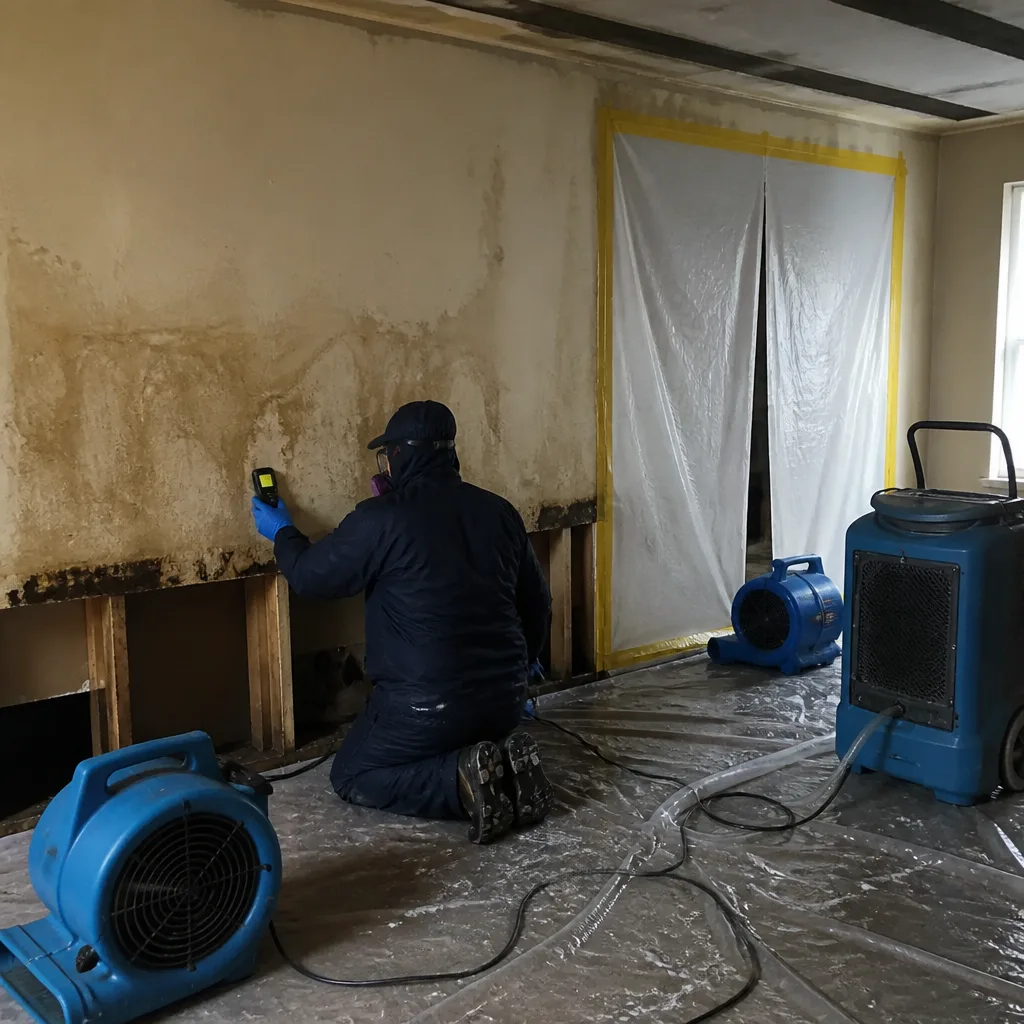 Before
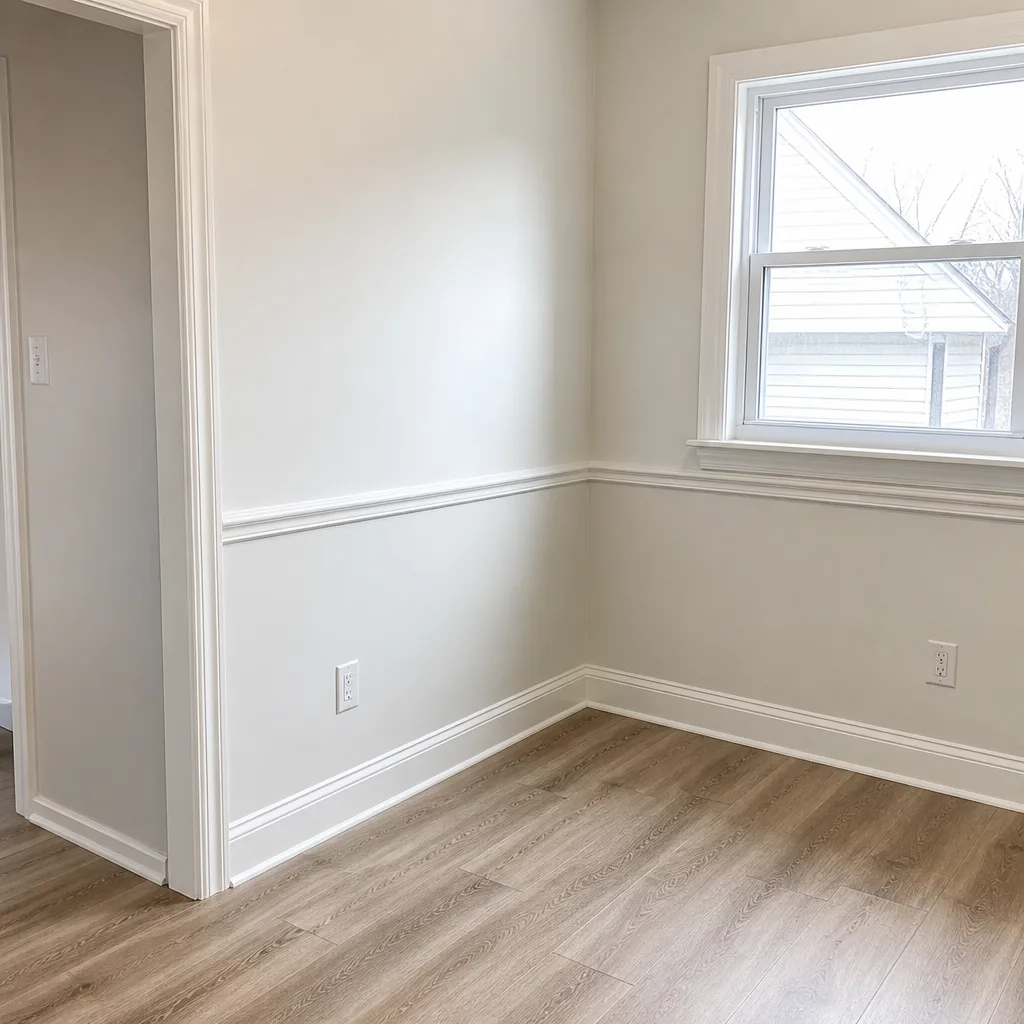 After
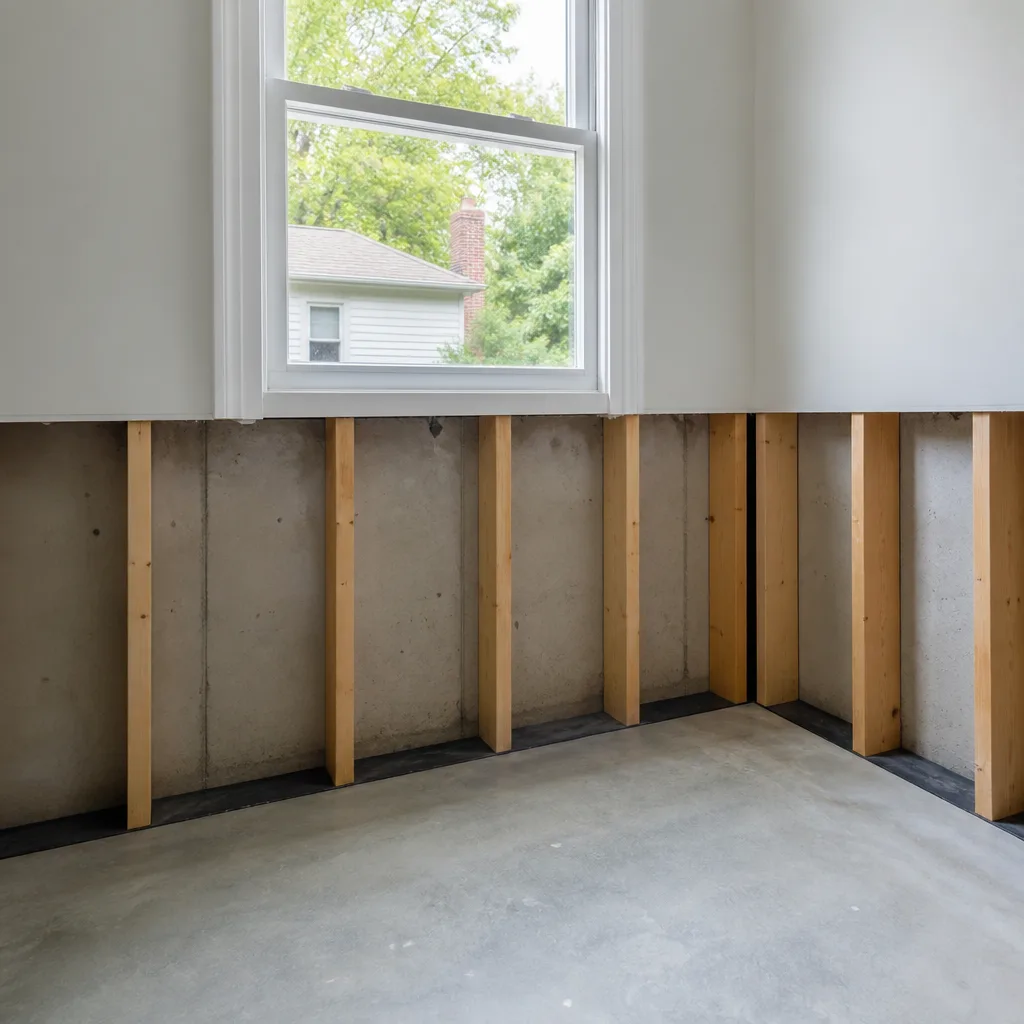
After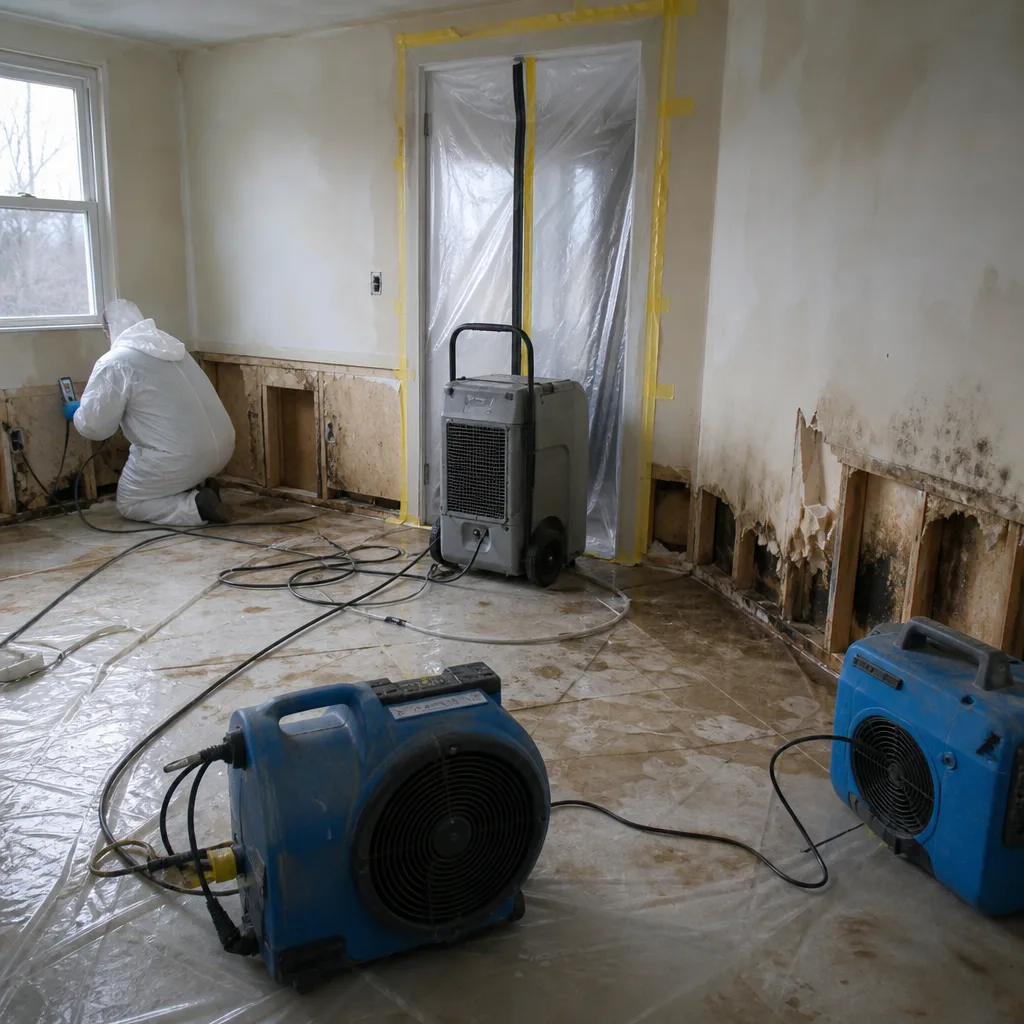 Before
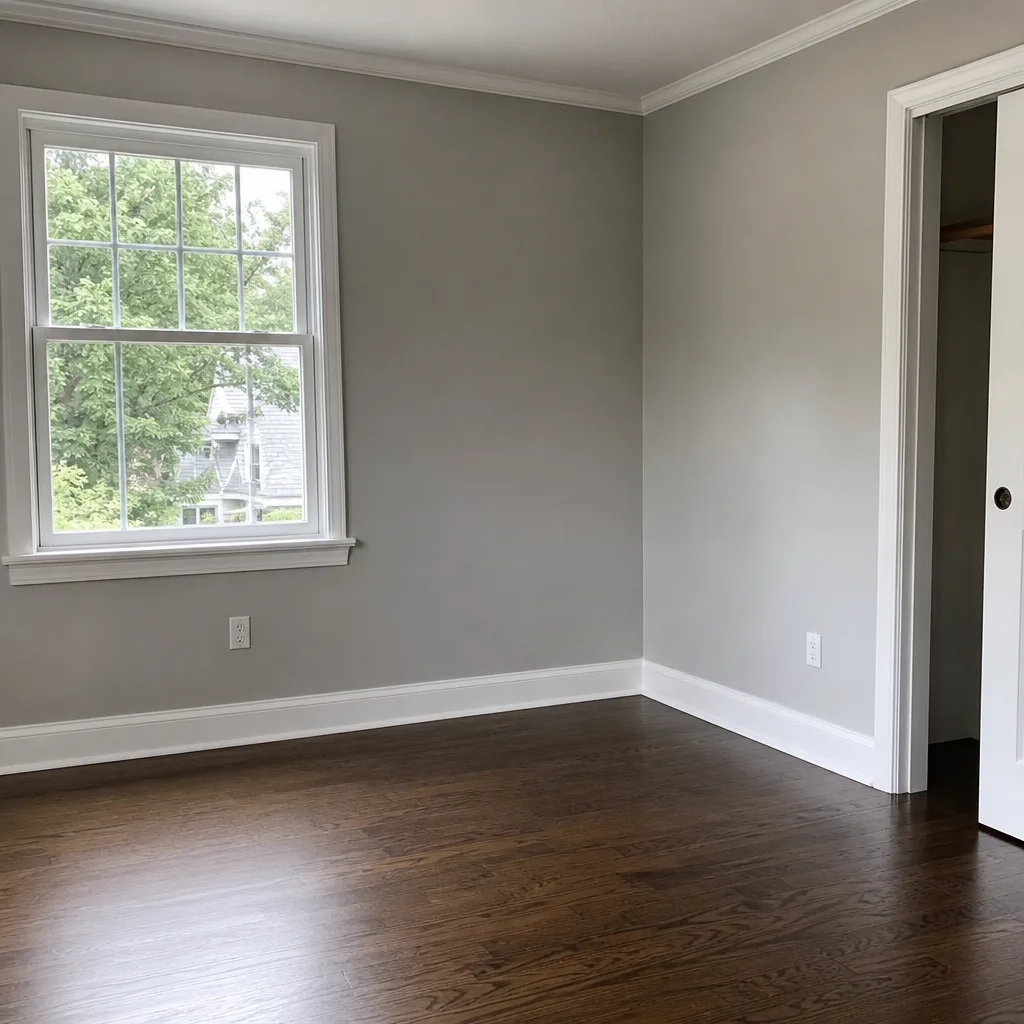 After
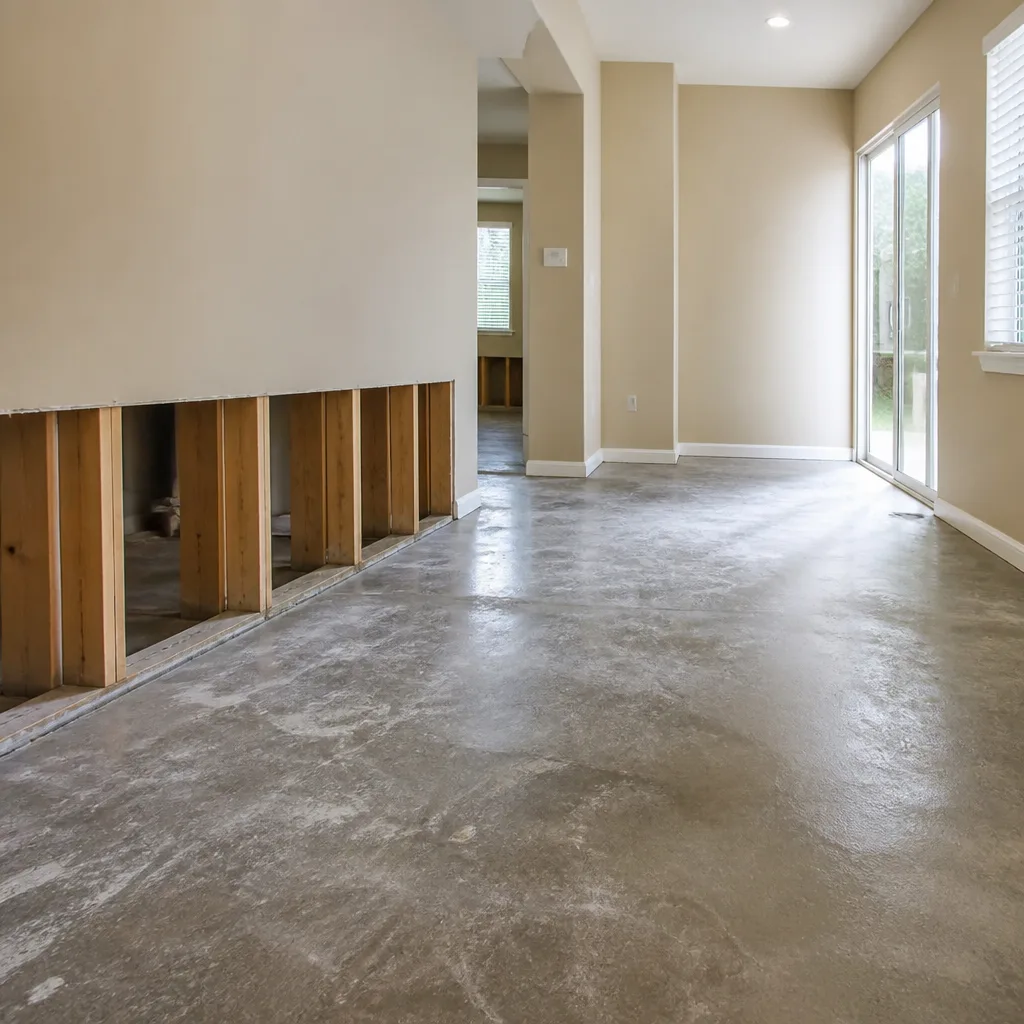
After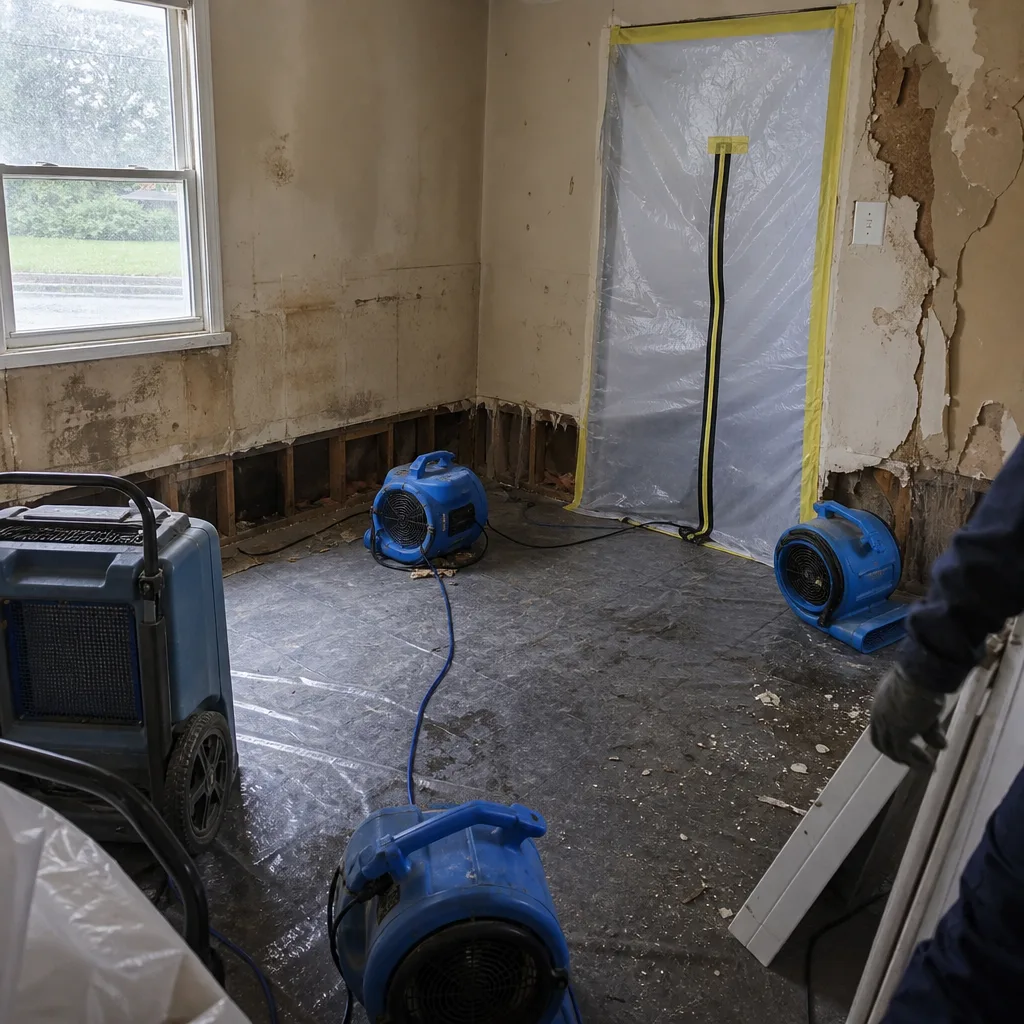 Before
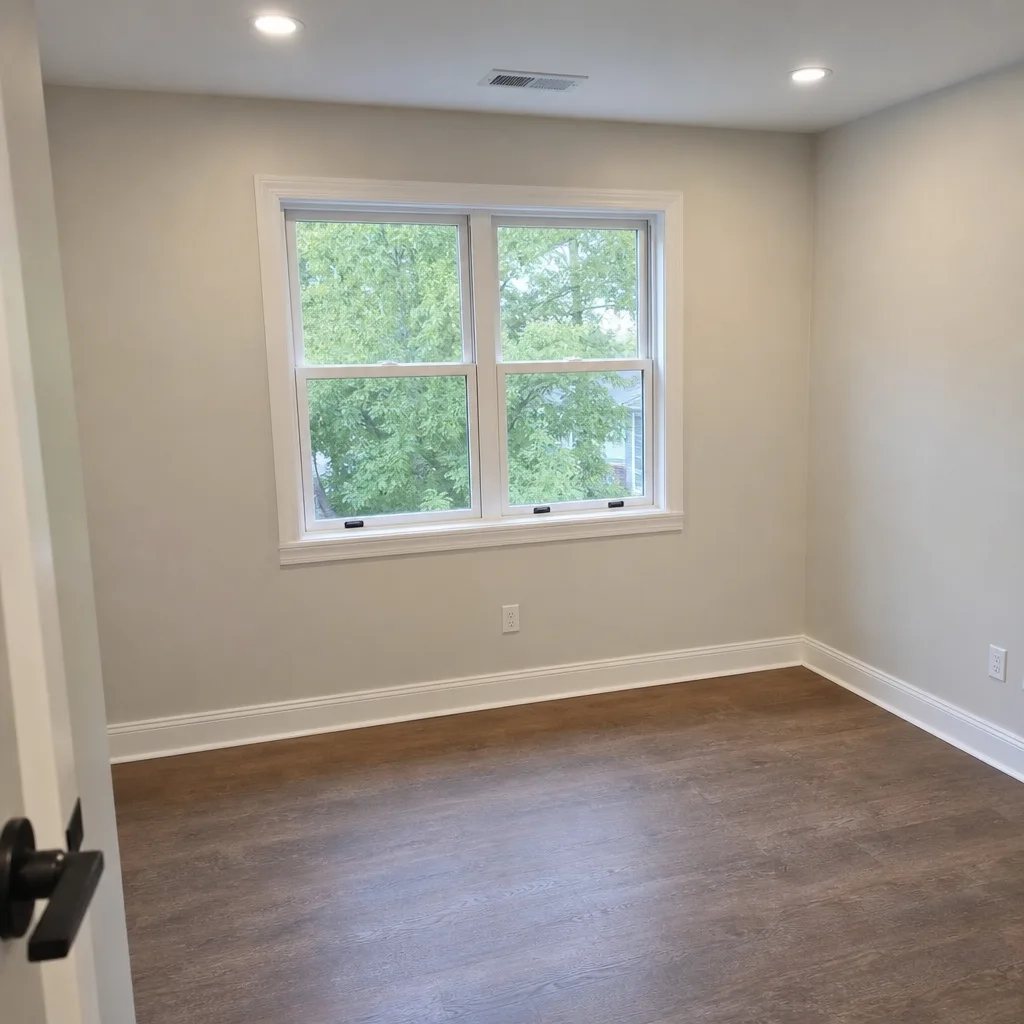 After
After24/7 Emergency Storm & Disaster Restoration in Getty Square
Storm damage in Getty Square rarely comes from one direction. It comes from the Hudson River pushing in from the west and the culverted Saw Mill River backing up from beneath the streets. That dual-source flooding is why we staff live dispatch around the clock, every day of the year. When a nor’easter hits, ground-floor units along Warburton Avenue and the waterfront blocks take on water within hours, and mold colonization starts faster here than almost anywhere else in Westchester. Call (551) 348-3742 the moment you see water. A certified crew can be dispatched to Getty Square immediately, and the first visual inspection is free. The first hour determines whether you’re drying out drywall or tearing it out.
Understanding Storm & Disaster Restoration Severity in Getty Square Properties
Not all storm water is the same, and in Getty Square the difference matters more than in drier, newer neighborhoods. Water from a tidal surge or sewer backup is classified as Category 3 - grossly contaminated, carrying Hudson River silt, sewage, and whatever the Saw Mill River picked up along its buried route through downtown Yonkers. Category 3 water requires full containment, antimicrobial treatment, and removal of porous materials. Category 1 water from a broken supply line is cleaner but still destructive inside Getty Square’s pre-war brick tenements and mixed-use buildings. Moisture wicking through unreinforced brick foundations compounds the problem. Our technicians use thermal imaging and hygrometers for moisture mapping on every job, because what looks dry on the surface is often soaked four feet up the interior wall. In these older buildings, horsehair plaster acts like a sponge, holding water long after the visible puddle is gone. Getting the dry standard right is the difference between a one-time restoration and a recurring mold problem.
Why Getty Square Property Owners Choose Floodline Restoration Co.
- 45-minute response commitment for Getty Square calls. We dispatch crews from the New York City office directly into Yonkers, and our live dispatcher tracks every truck. When we say a crew is on the way, they are on the way.
- 24/7 live answer, always a person. Call (551) 348-3742 at 2 a.m. on a Sunday. A human answers. Every time. No automated phone tree, no voicemail box, no “press 2 for emergencies.”
- IICRC-certified crews with WRT and ASD credentials. Water damage and applied structural drying certification means the technicians reading your moisture map understand the building science behind it. Not just someone with a fan.
- Free visual inspection before any work is scoped. You get a written assessment, a clear scope of work, and a firm price before anything is signed. No pressure, no vague estimates.
- Direct insurance billing and adjuster coordination. We send documentation straight to your carrier, handle the back-and-forth, and bill them directly. You never play messenger.
- One crew from extraction to reconstruction. The same certified technicians who pump the water also handle daily drying readings, the moisture log, and the rebuild. No mid-job handoff to strangers.
Floodline Restoration Co. has been doing this work since 2010. We’re built on the 90-Day Done Right Promise - the Keystone Standard, in writing, no arguing. If it isn’t done right, we make it right. That’s the whole point.
Our Storm & Disaster Restoration Process
1. Inspection & Assessment
We start with a full visual inspection and moisture mapping using thermal imaging and hygrometers. In Getty Square, that means checking both the exterior entry points and the subsurface water table, because flood jobs here almost always have two water sources. You get a written scope before anything is torn out.
2. Extraction & Stabilization
For dual-source flooding, we run Dri-Eaz pumps and truck-mounted extraction units to pull standing water fast. We also stabilize the structure - meaning we stop the active intrusion by boarding up broken windows, tarping roof punctures, and shutting off compromised utilities where needed.
3. Drying & Dehumidification
Professional-grade Dri-Eaz and Phoenix air movers and dehumidifiers are placed according to the moisture map, not scattered randomly. We take daily readings and record them on a drying log you and your insurer can see. In Getty Square’s tidal humidity, this phase is where corners get cut by less experienced crews.
4. Cleaning & Sanitization
Category 3 water demands real antimicrobial treatment, not just a wipe-down. We apply EPA-registered antimicrobials to affected surfaces and run containment with HEPA air scrubbers during demolition to prevent cross-contamination into unaffected units.
5. Specialty Treatment for Getty Square Conditions
Here’s where this neighborhood diverges from a standard job. We address the chronic hydrostatic pressure behind unreinforced brick foundations. If efflorescence or persistent dampness is present along Warburton Avenue or the waterfront blocks, waterproofing remediation becomes part of the scope - not an upsell, a requirement before any rebuild.
6. Repairs & Restoration
The same crew that extracted the water rebuilds what was removed. Drywall, insulation, flooring, trim - matched to your building’s age and construction. Every job ends with a final walkthrough and the 90-Day Done Right Promise in writing.
Need Emergency Storm & Disaster Restoration in Getty Square Now?
Crews minutes away, answering live 24 hours a day. The sooner we start, the less it costs.
Working With Your Insurance Company
Insurance claims after storm damage in Getty Square are complicated because the cause of loss often spans two sources: tidal surge from the Hudson and stormwater backup from the Saw Mill River. Some policies cover one and not the other. That’s why our documentation starts in the first hour and includes everything a carrier needs to process a claim without back-and-forth. We take photos room by room before demolition begins. We log moisture readings daily. We write a line-item scope that matches industry-standard estimating software, so your adjuster recognizes the format and the numbers. Our project managers speak directly to your adjuster, not through you.
What We Provide Your Insurer
- Thorough documentation of the loss
- Photos of all damage, room by room
- Moisture readings and drying logs
- A detailed, line-item scope of work
- Direct coordination with your carrier
Built for Getty Square’s Loss Calendar
Getty Square takes storm hits in every season, and each one leaves a different signature. January deep freezes burst supply pipes in uninsulated walls of pre-war brick buildings, sending Category 1 water through ceilings and down into basement units. Spring thaw saturates the ground and raises the water table, pushing hydrostatic pressure against those unreinforced brick foundations, which is why basement seepage complaints spike in March and April even without a storm. Summer thunderstorms drop so much rain so fast that the Saw Mill River’s culverted channel backs up through floor drains in the oldest commercial blocks around Getty Square. Nor’easters in the fall and winter bring the worst damage: Hudson River surge combines with stormwater backup, and ground-floor storefronts along Warburton Avenue take on both at once. Property owners who have been through one of these events recognize the pattern. Owners who haven’t often misread the first sign - a little water at the base of the wall - as a one-time event. In Getty Square, it rarely is.
Storm & Disaster Restoration Across Getty Square’s Neighborhoods
Response routes matter in a neighborhood this dense. Getty Square’s waterfront blocks - the stretch along Warburton Avenue between Main Street and the river - are the highest-risk zone for tidal surge, and our crews know the access points, the alley clearances, and which buildings have sump pits versus which don’t. North along North Broadway toward the old commercial core, the buildings shift to 1920s-era brick commercial-residential mix with cast iron drain stacks that corrode with salt air and age. Up the hill toward the Kingsbridge border, the housing stock transitions to slightly newer attached homes where roof and gutter failures let water in from the top down, a different failure mode entirely. South toward the waterfront past the old rail yards, basements sit close to the water table and chronic dampness is a year-round condition, not a storm event. We route trucks into Getty Square with parking and building access planned before dispatch, because double-parking a box truck on a one-way street while water rises in a basement is not how you start a restoration job.
Specialized Storm & Disaster Restoration Services We Offer in Getty Square
Storm Damage Cleanup
After a nor’easter or thunderstorm, Getty Square streets and building entryways collect debris: branches, roof material, broken glass, silt from the flooded Saw Mill River overflow. We clear entryways, secure hazards, and remove contaminated material from inside ground-floor units. Then we dry and clean what remains.
Flood Damage Restoration
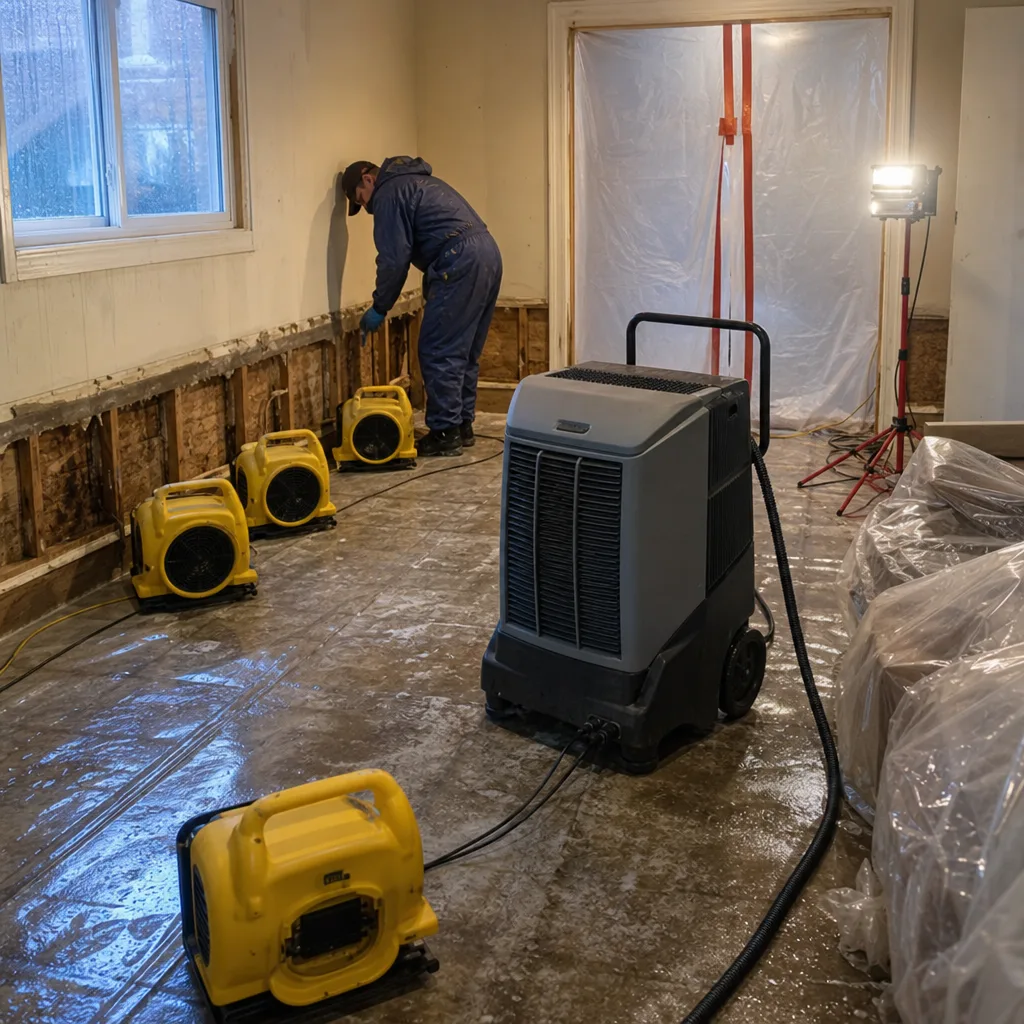
This is the core of our work in Getty Square. Dual-source flooding from the Hudson and the culverted river means we’re always treating two water sources at once: exterior surge on the street side and subsurface infiltration from below. Pumping alone won’t fix it. Moisture mapping, soil-level drying, and often foundation waterproofing are part of the same job. Our Storm & Disaster Restoration team handles the full cycle.
Emergency Board-Up
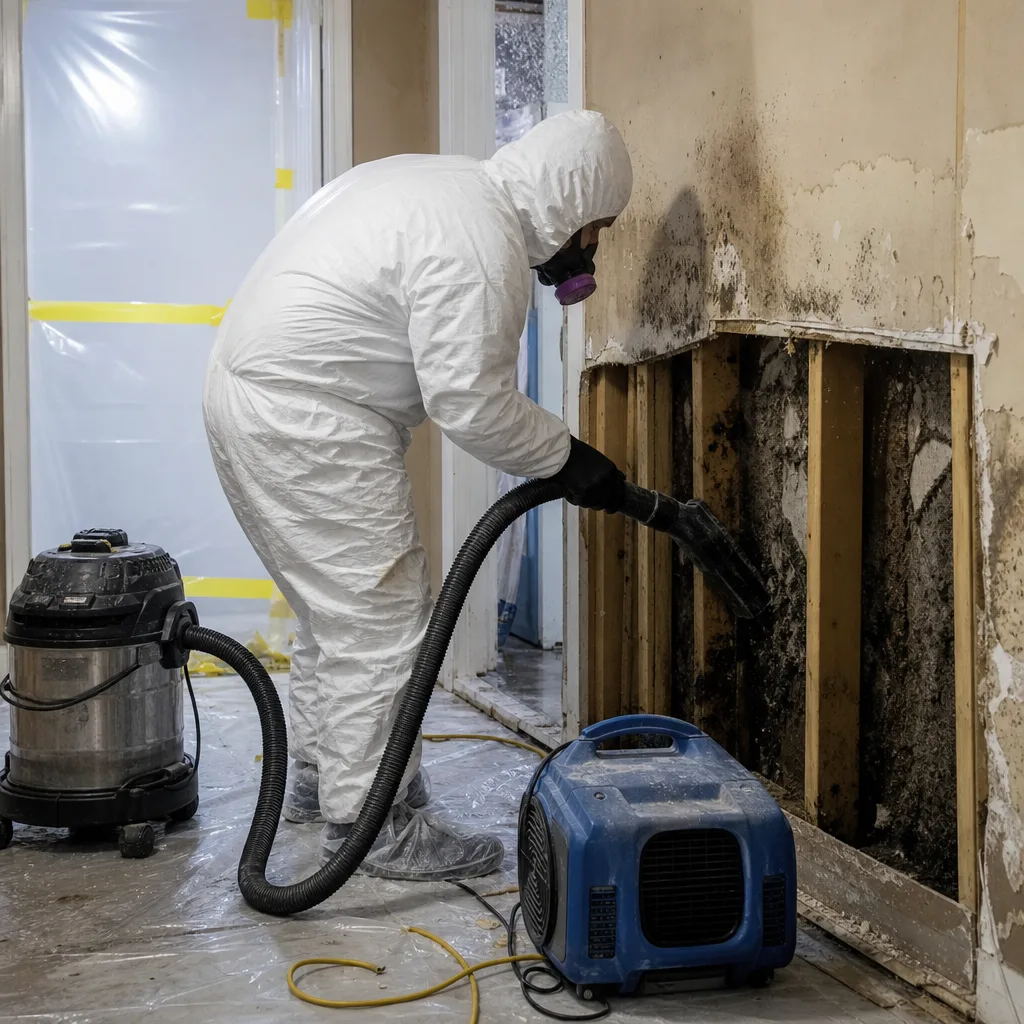
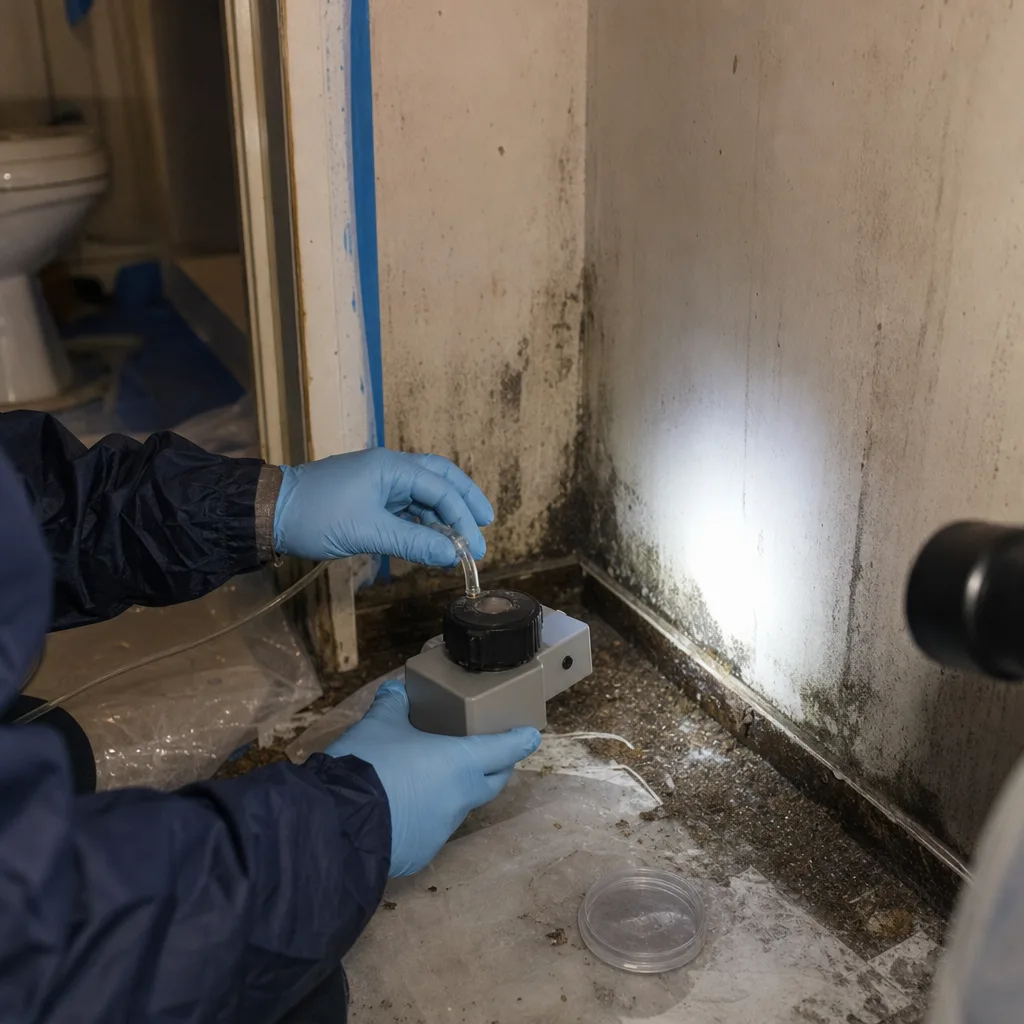
Broken storefronts and windows along the commercial blocks of Getty Square need secure board-up fast - not just for safety but to keep more water and debris out before restoration begins. We board with plywood cut to fit the opening, not whatever’s in the truck, and we secure every entry point on the affected floor.
Roof Tarping
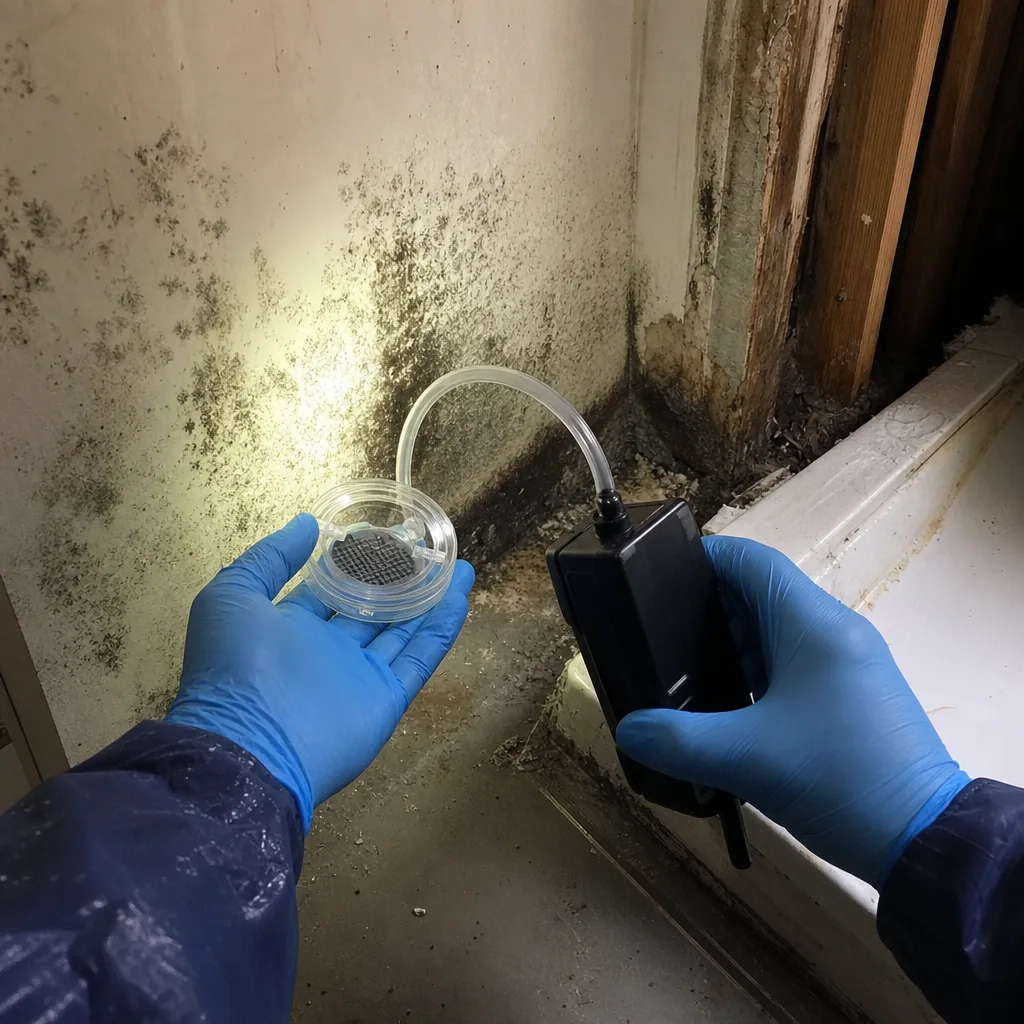
Wind damage peels membranes and flashing off the flat and low-slope roofs common on Getty Square’s mixed-use buildings. We tarp damaged roof sections with reinforced poly or canvas, weighted and crimped so a second storm can’t lift it. This buys time for a proper roof repair without interior water damage spreading.
Debris Removal
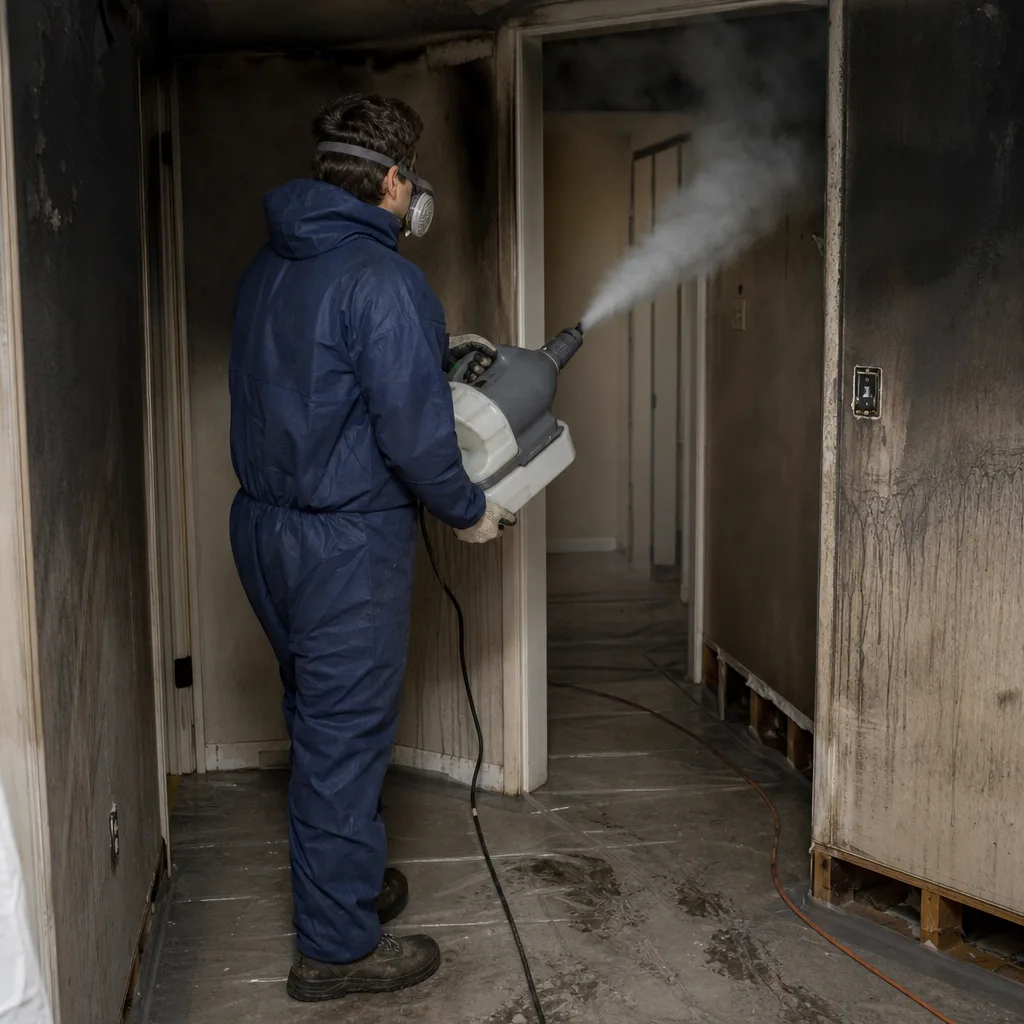
After a storm, ground-floor commercial spaces and basement units in Getty Square are often filled with waterlogged stock, soaked drywall, ruined insulation, and silt from the river overflow. We handle removal, bagging, and disposal, including materials that require special handling under local regulations. The goal is a clean, dry shell ready for rebuild.
What happens when you call
- 1
A real person answersNo phone trees - you reach a local pro.
- 2
You get an upfront price rangeHonest numbers before anyone is dispatched.
- 3
A background-checked tech heads outLicensed & insured, dispatched right away.
- 4
You approve before work beginsNothing starts until you say go.
Storm & Disaster Restoration Costs in Getty Square, NY
Pricing in Getty Square runs higher for flood restoration than in inland neighborhoods, and the reason is structural: dual-source intrusion means more extraction time, more drying time, and often waterproofing remediation before rebuild can start. A typical Category 1 water dryout in a Getty Square apartment ranges from $2,800 to $5,500. Category 3 flood restoration with containment, antimicrobial treatment, and drywall removal in a ground-floor unit typically runs $7,000 to $14,000. Full basement flood restoration with waterproofing remediation and rebuild lands between $15,000 and $30,000, depending on square footage and finish level. Emergency board-up and tarping as a standalone service runs $450 to $1,200. Debris removal is usually billed by volume, with most Getty Square jobs falling between $800 and $2,500. Insurance covered about two-thirds of the flood jobs we handle in this neighborhood. The other third are owner-paid, often because the carrier deemed the foundation seepage pre-existing. Our free visual inspection gives you a firm written scope with real numbers before you commit to anything. Call (551) 348-3742 to schedule one.
We Also Serve Cities Near Getty Square
Floodline Restoration Co. runs crews into Getty Square plus Riverdale, Northwest Yonkers, and Kingsbridge. Same response times, same certified technicians, same written guarantee on every job.
Serving Getty Square, NY - Our Local Coverage Area
We’re based in the Getty Square area and know this community well. Use the map below to see our service coverage - if you’re nearby, we can almost certainly help.
Getty Square Storm & Disaster Restoration Questions, Answered
How does the dual-source flooding from the Hudson River and the culverted Saw Mill River change a restoration scope in Getty Square?
It means we treat two water sources simultaneously: exterior tidal surge entering through doors and walls, and subsurface stormwater pushing up through floor drains and foundations. A crew that only pumps out standing water leaves the hydrostatic pressure problem untouched, and the basement re-soaks within weeks. Get a restoration crew that understands both.
Why do basement units along Warburton Avenue show efflorescence even when there hasn’t been a recent storm?
Efflorescence - that white chalky residue on brick or concrete - is mineral salts left behind by water moving through the wall. In the Warburton Avenue waterfront stretch, the Hudson River keeps constant hydrostatic pressure against unreinforced brick foundations, so moisture wicks through continuously, not just after storms. It’s a chronic condition, not a one-time event. Call us for a free visual inspection and we’ll tell you honestly whether you need waterproofing remediation or just a dryout.
How quickly can mold start in a Getty Square ground-floor apartment after a flood?
In Getty Square’s tidal humidity, mold can reach actionable thresholds in 48 to 60 hours - faster than the standard 72-hour window used elsewhere. The Hudson River’s ambient moisture at street level accelerates spore germination on wet drywall and subfloor. This tightens the response window, which is why we respond to Getty Square calls within 45 minutes and get extraction running the same visit.
Does every flood job in Getty Square require an asbestos inspection before demolition?
In practice, yes, for most of the pre-WWII building stock around Getty Square. Many tenements and mixed-use buildings still contain asbestos in floor tiles, pipe insulation, and some plaster compounds. Flood cuts into these materials without a prior inspection can stall a job or shut it down entirely. Our scope always includes an asbestos check before any demolition in buildings of this age.
What’s the difference between drying out a Getty Square basement after a tidal surge versus after a rainstorm?
Tidal surge water is Category 3 - contaminated with river silt, sewage, and debris - and it enters from the exterior. Rainstorm water in Getty Square often backs up through the culverted Saw Mill River system and carries different contaminants. The treatment is similar, but a tidal surge demands more aggressive extraction at the point of entry and longer structural drying because the water column is deeper and saltier.
How fast can a crew actually get to Getty Square?
We commit to a 45-minute response for Getty Square addresses. Our dispatch office is in New York City, and we route trucks directly into Yonkers with building access and parking planned before the driver leaves. Call (551) 348-3742 and we’ll give you a real ETA, not a range.
Can we stay in the home during restoration?
It depends on the category of water and the extent of the damage. Category 1 clean water dryouts usually allow occupancy, though drying equipment is loud. Category 3 flood jobs with containment zones, demolition, and air scrubbers typically require relocating ground-floor or basement unit residents for several days. We’ll give you an honest answer during the inspection, not a blanket yes.
What certifications do your technicians hold?
Our techs are background-checked, uniformed, and certified to IICRC standards for water damage restoration and applied structural drying, with additional training through RIA and IFA programs. The crew reading your moisture map and running your drying equipment is certified to interpret the data, not just operate a fan.
Written by Curt Bowman, Owner at Floodline Restoration Co., serving Getty Square with full-cycle storm and flood restoration since 2010.