
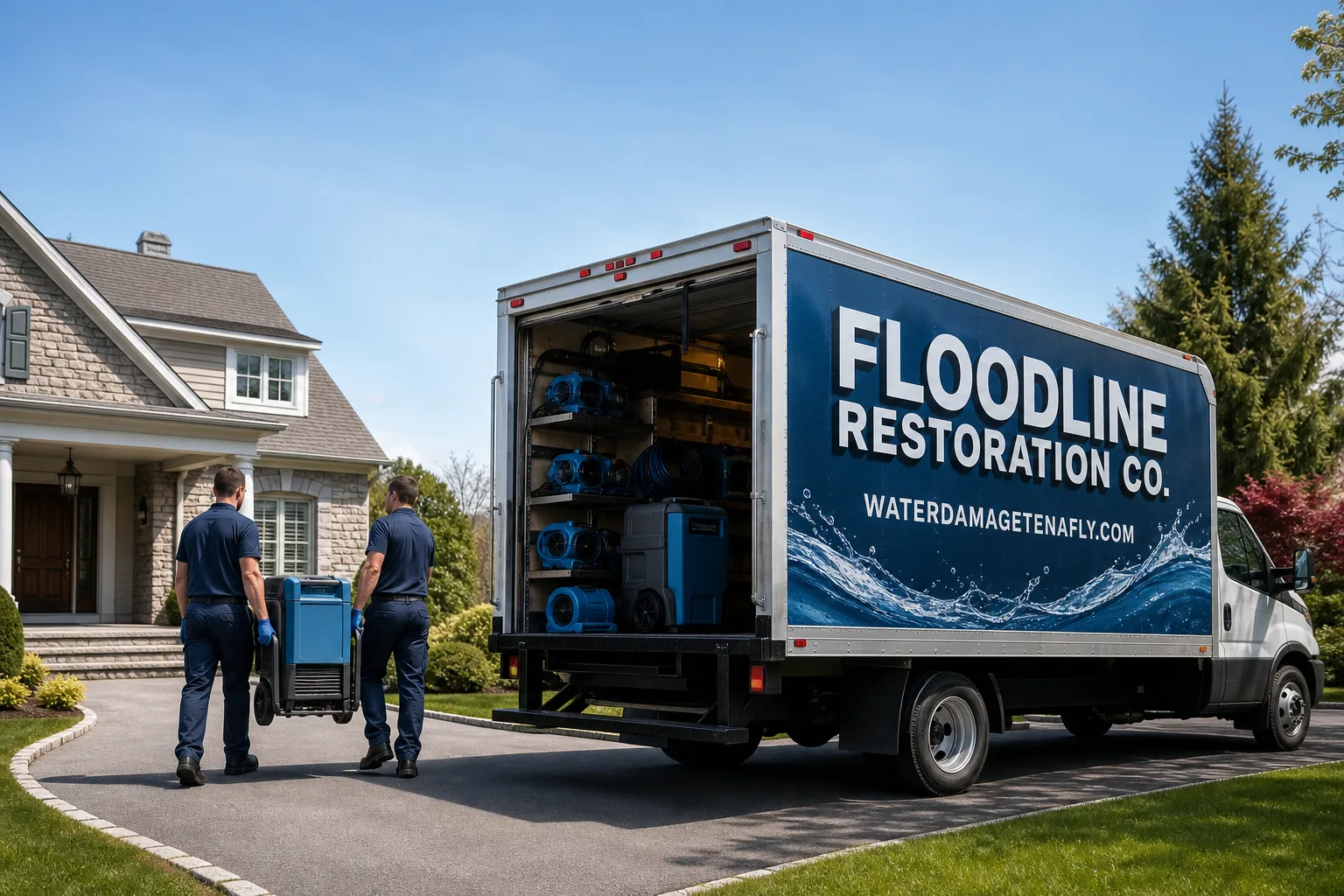
Free visual inspection and a written scope of work before any mitigation begins - photos, moisture readings, and drying logs go in your claim file
The scope we write is the scope we bill. Anything new gets shown to you, in writing, before we touch it.
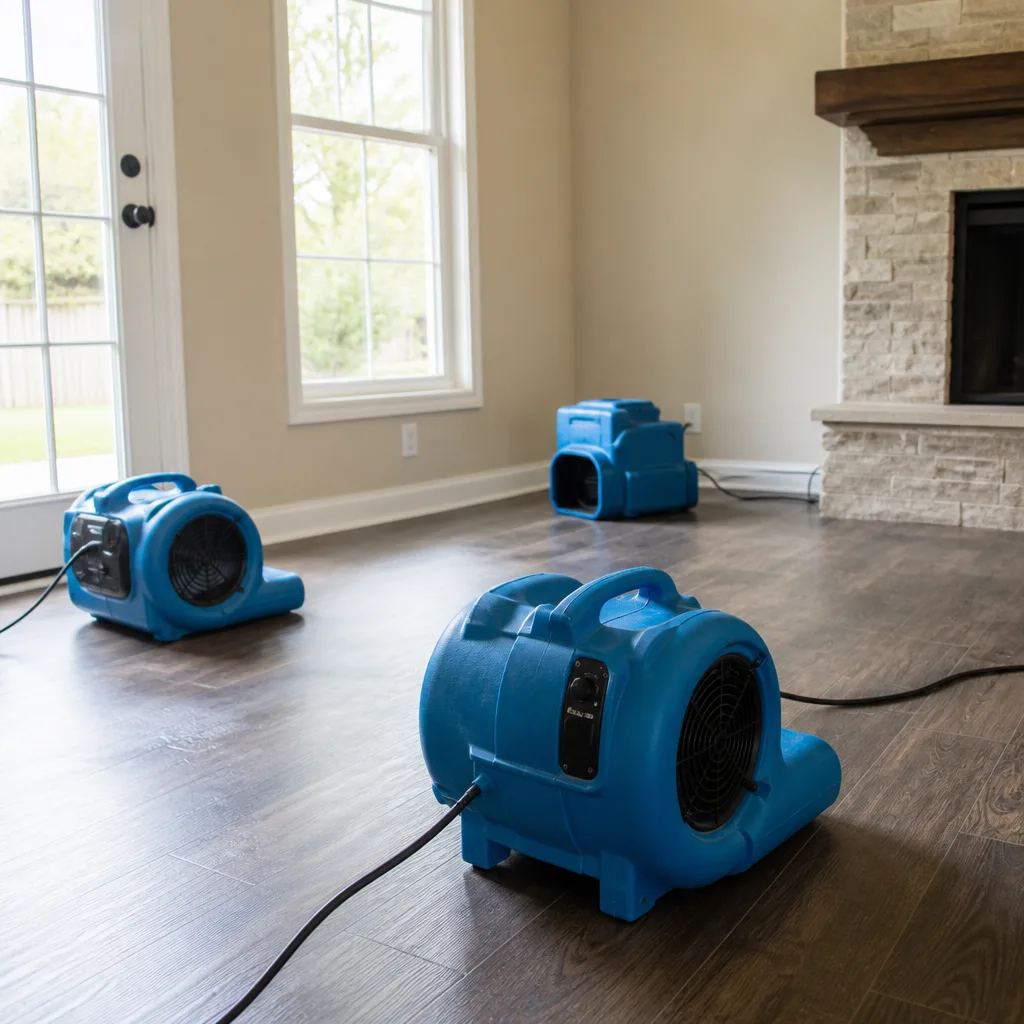

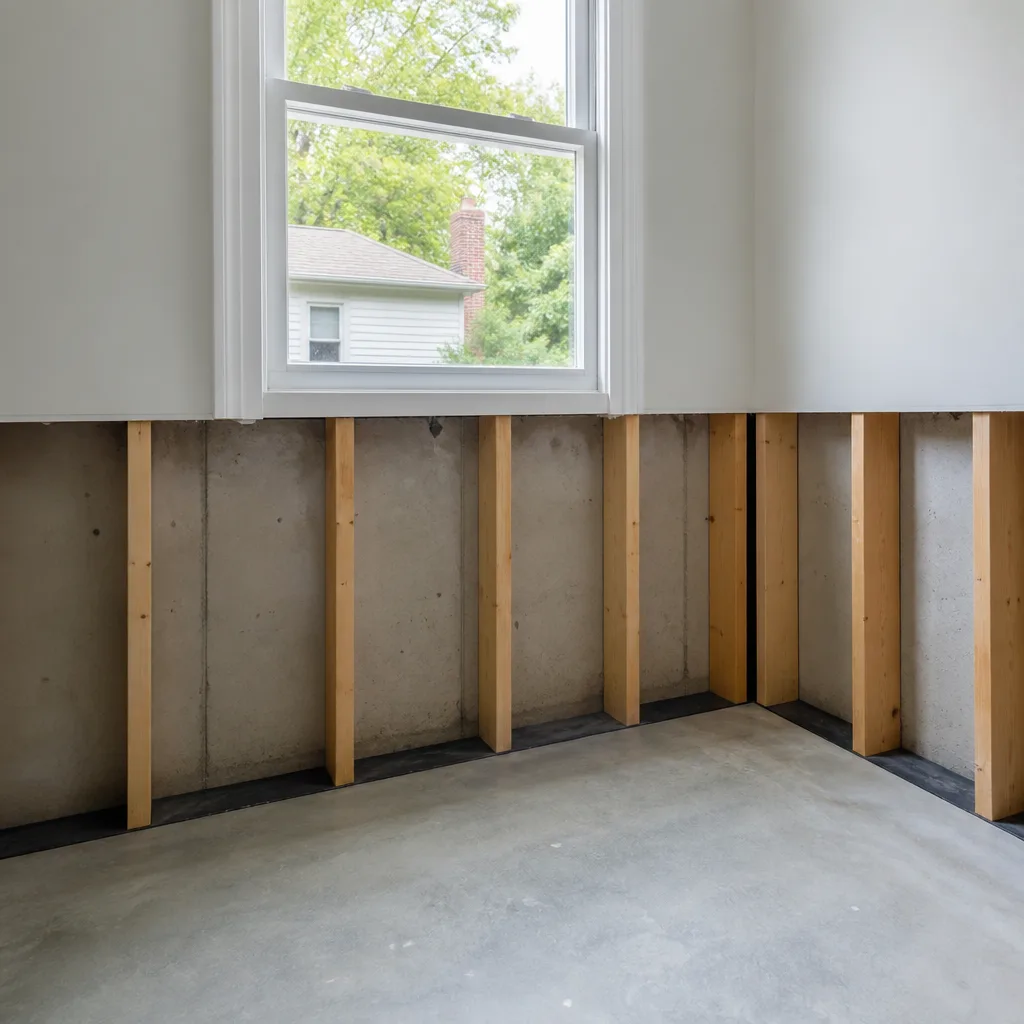

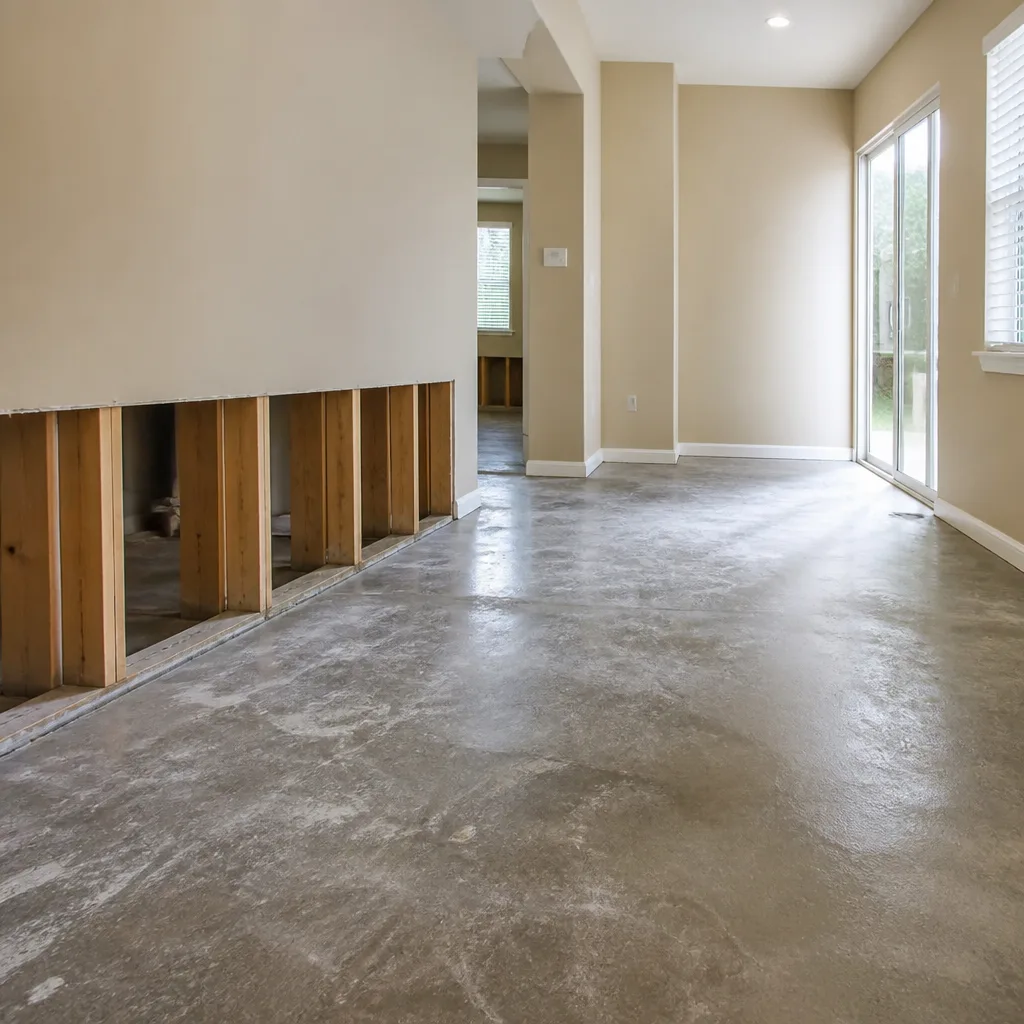

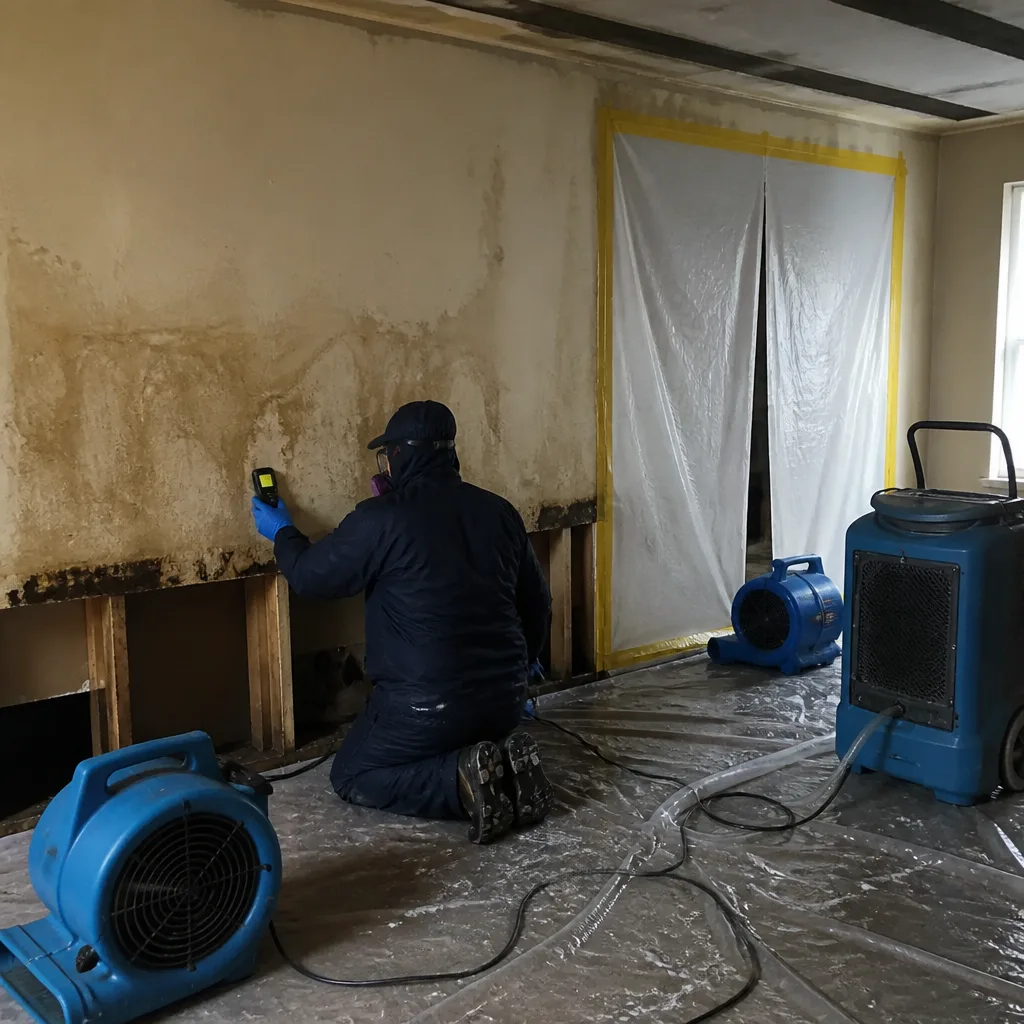 Before
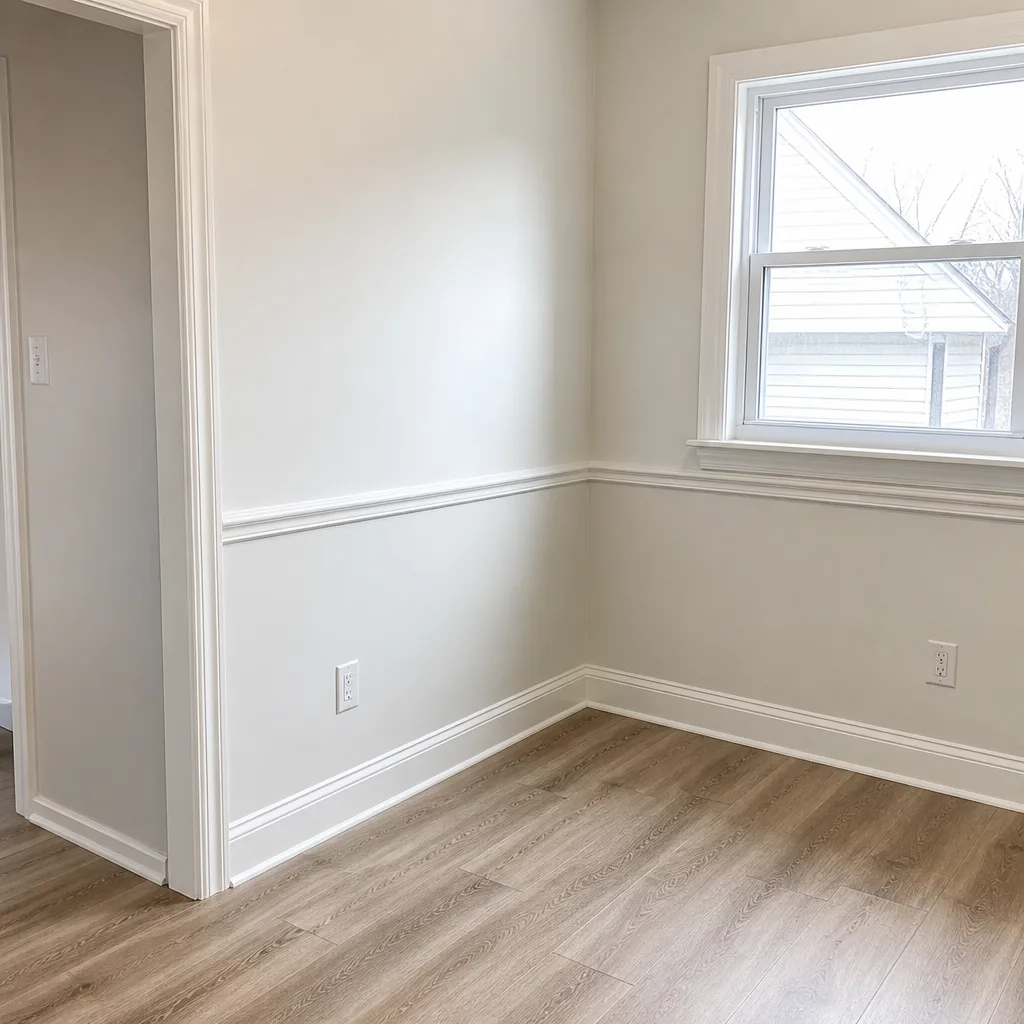 After
After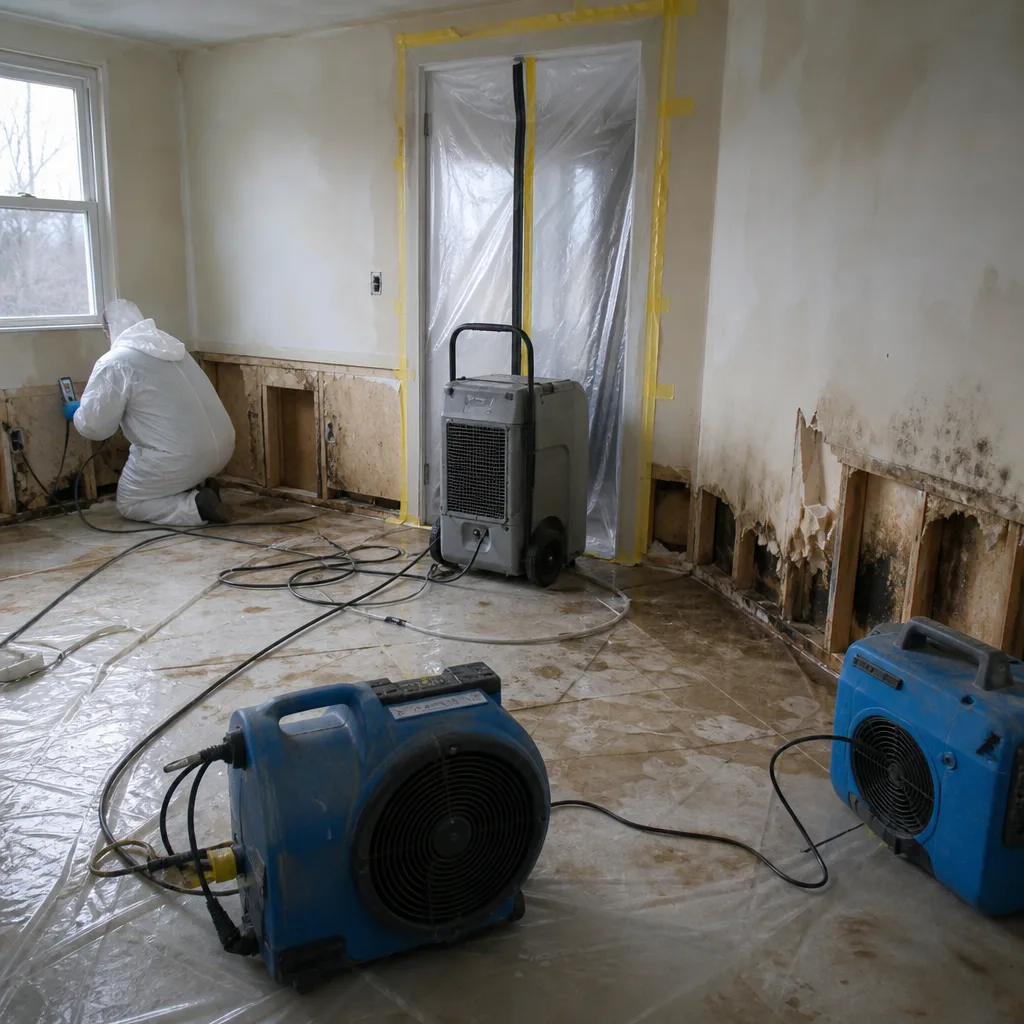 Before
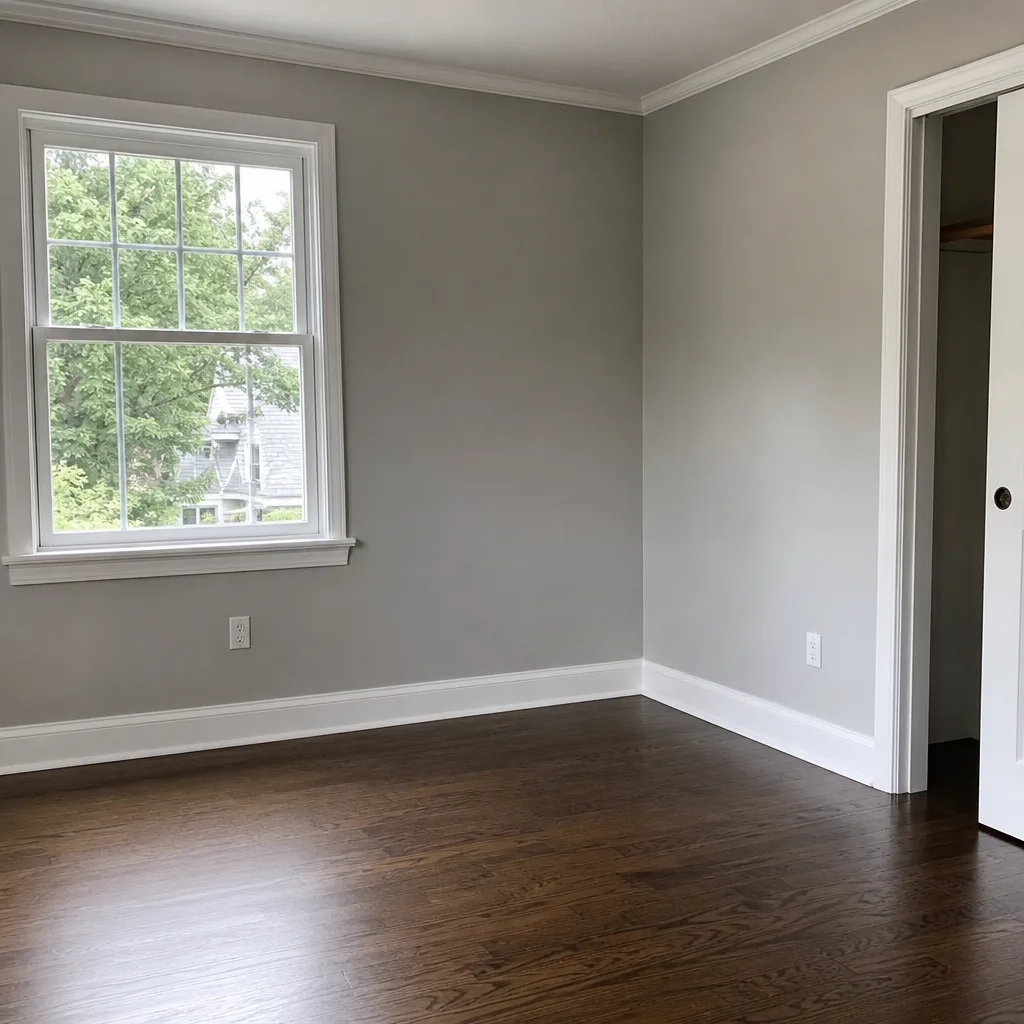 After
After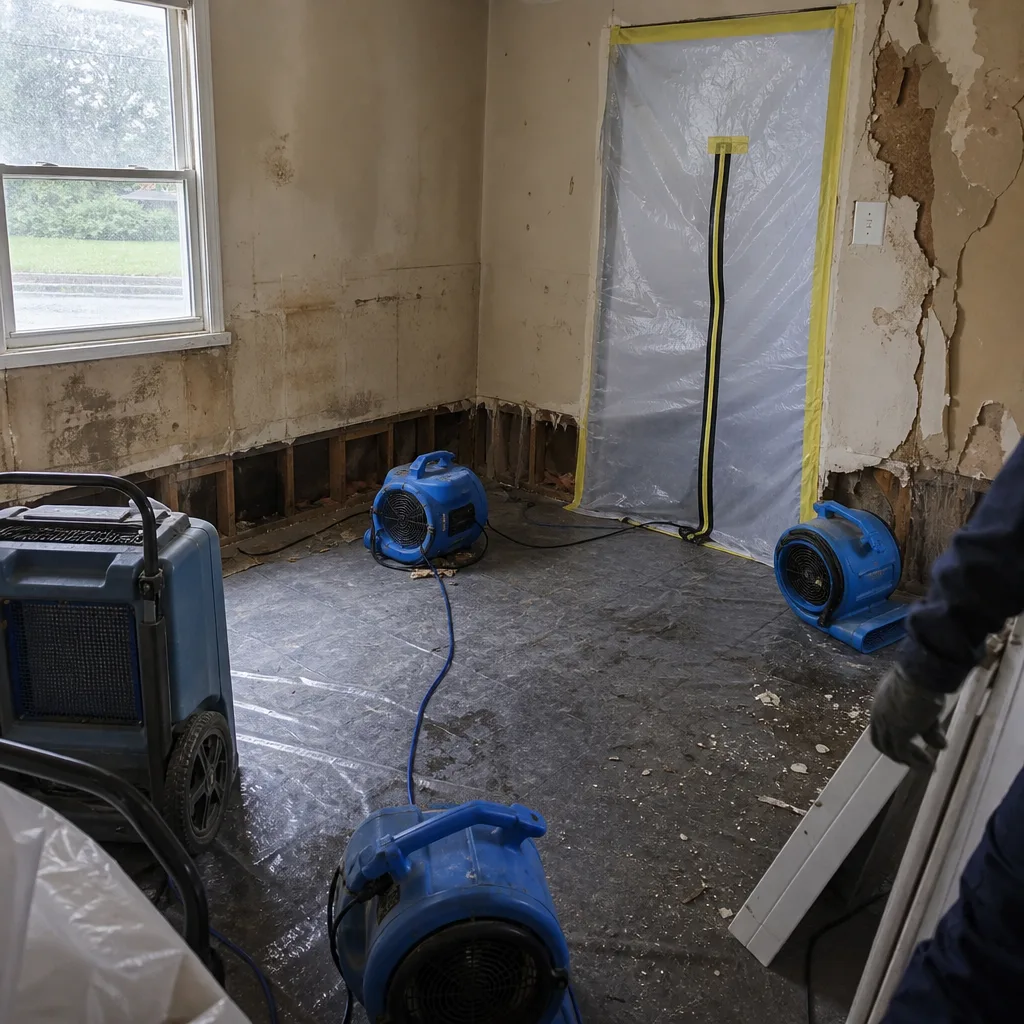 Before
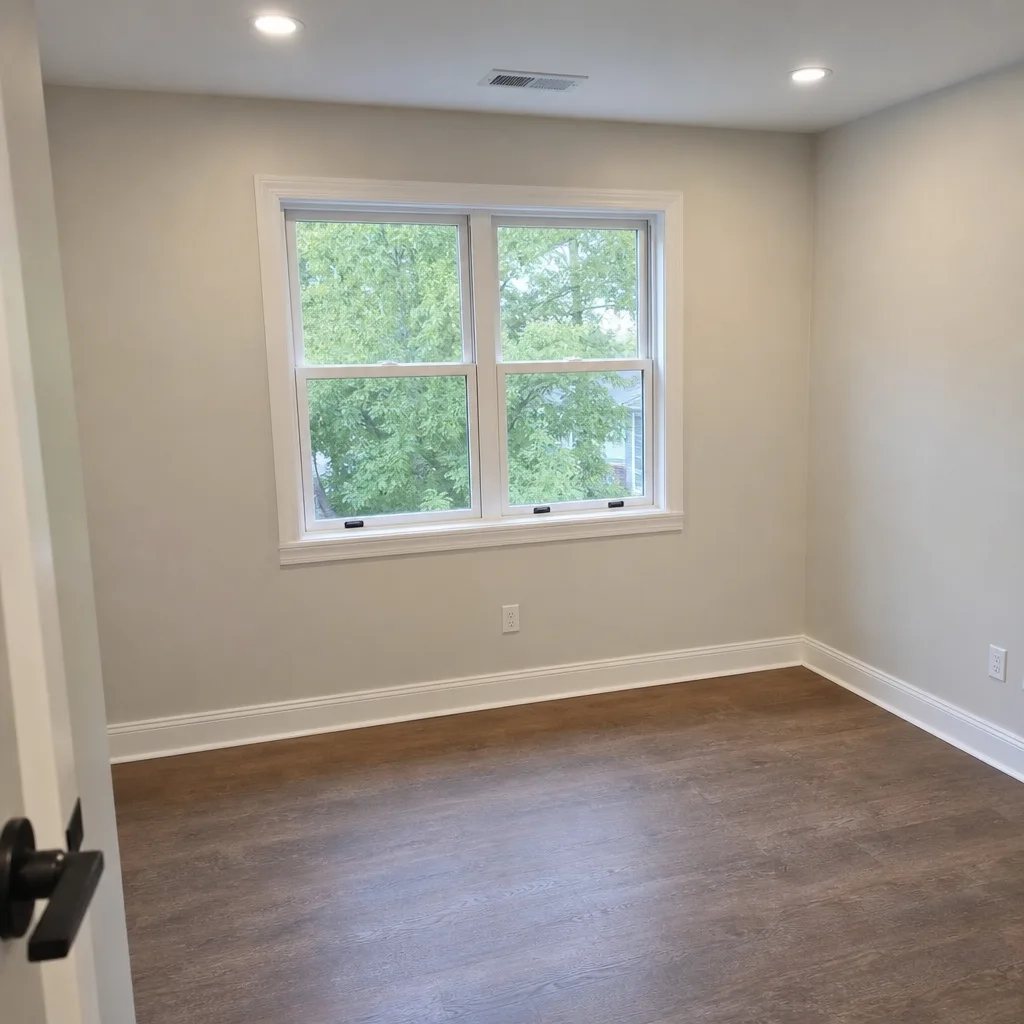 After
After24/7 Emergency Fire & Smoke Damage Restoration in Getty Square
Fire and smoke damage in Getty Square doesn’t wait for business hours, and neither do we. Floodline Restoration Co. answers live at (551) 348-3742 around the clock, every day of the year. When a kitchen fire breaks out in a pre-war tenement off South Broadway, or a wiring fault fills a converted loft on Warburton Avenue with acrid smoke, the first hour determines how much can be salvaged. Soot residues begin etching glass, corroding metal fixtures, and binding to painted surfaces within minutes. We dispatch crews into Getty Square immediately, not after a callback from an answering service. The initial visual inspection is free, and our technicians arrive ready to board up, contain the damage, and start the cleanup that stops the clock on secondary loss.
Understanding Fire & Smoke Damage Restoration Severity in Getty Square Properties
Fire damage in Getty Square runs on a different severity scale than what you’d find in newer suburban construction. Soot residue types matter. Dry soot from a fast-burning paper or wood fire responds to dry-sponge cleaning. Oily soot from a grease fire or burned synthetics requires chemical wet-cleaning methods or it smears permanently into plaster and woodwork. Protein smoke from a stovetop fire is nearly invisible but bonds aggressively to painted surfaces and leaves an odor that lingers for months without proper deodorization. Getty Square’s housing stock complicates every category. Most buildings here predate World War II, and many still have original horsehair plaster walls over unreinforced brick. Smoke migrates into those wall cavities, behind baseboards, and through gaps in century-old framing. The Hudson River tidal zone adds another variable: street-level humidity in Getty Square runs persistently high, so any moisture introduced during fire suppression or cleanup dries slower and feeds mold faster than it would even ten blocks uphill. A crew that treats a Getty Square tenement like a drywall-and-stud house will miss smoke in the plaster keys and leave residual odor behind new paint.
Why Getty Square Property Owners Choose Floodline Restoration Co.
- 45-minute response commitment: We stage crews for Getty Square specifically because the pre-war housing stock and tidal humidity compress the window for effective mitigation. A live dispatcher coordinates the nearest certified team immediately.
- A real person answers, 24/7: No phone tree, no “leave a message.” A live Floodline dispatcher picks up at 2 a.m. and starts moving crews toward Getty Square while you’re still on the line.
- IICRC-certified crews: Our technicians hold FSRT (Fire & Smoke Restoration Technician) and WRT (Water Damage Restoration Technician) certifications, because fire jobs almost always involve both smoke residue and fire suppression water.
- Free visual inspection: We assess the full scope before any work begins. You get a written plan, not a vague estimate.
- Direct insurance billing: We document everything from day one, handle adjuster communication, and bill your carrier directly. You never play messenger.
- One team from start to finish: The same certified crew that does emergency board-up handles odor removal, structural repair, and final rebuild. No handoffs, no inherited subcontractors, no finger-pointing.
Our Fire & Smoke Damage Restoration Process
Inspection & Assessment
We arrive on scene and document everything: fire pattern analysis, soot residue type, smoke migration paths into wall cavities and shared party walls, and any water damage from fire suppression. In Getty Square’s older buildings, we specifically inspect for horsehair plaster absorption and brick foundation moisture, because both change the restoration sequence.
Extraction & Stabilization
Fire suppression water gets extracted immediately using Dri-Eaz and XPOWER equipment. Standing water in a Getty Square basement accelerates mold colonization dramatically, and the foundation is already under hydrostatic pressure from the river. Board-up and tarping happen fast on fire-damaged openings to secure the property and prevent further intrusion.
Drying & Dehumidification
High-capacity Phoenix dehumidifiers and air movers are set up according to a moisture map we generate with thermal imaging and hygrometers. We log daily readings and hold drying until we hit the dry standard, not just until the surface feels dry. Getty Square’s street-level humidity means we often run equipment longer here than an inland crew would.
Cleaning & Sanitization
Soot is removed by residue type: dry sponge on dry soot, alkaline wet-cleaning on oily soot. HEPA air scrubbers run continuously to capture airborne particulates. In pre-war Getty Square buildings, this phase includes cleaning inside wall cavities where smoke has penetrated beyond visible surfaces.
Odor Removal & Deodorization
Persistent smoke odor in Getty Square’s plaster-and-brick structures usually comes from residues trapped in materials the fire never touched. We use thermal fogging and hydroxyl generators sized to the space, and we treat the source, not just the air. If the brick behind the plaster is saturated with years of absorbed smoke, that gets addressed before rebuild, not painted over.
Repairs & Restoration
The final phase includes structural fire repair to framing, lath, plaster, and flooring, plus any waterproofing remediation the foundation needs. We coordinate with asbestos abatement when pre-1980 materials test positive, which is common in Getty Square’s tenement stock. The result is a restored space that won’t surprise you with odor or moisture six months later.
Need Emergency Fire & Smoke Damage Restoration in Getty Square Now?
Crews minutes away, answering live 24 hours a day. The sooner we start, the less it costs.
Working With Your Insurance Company
Fire damage in Getty Square properties often involves multiple covered losses: the fire itself, the smoke and soot, the water used to suppress it, and sometimes the mold that follows. Your carrier needs documentation that tells the whole story from the first hour. Floodline Restoration Co. has done this for 42 years across New York and we handle it the way homeowners actually want: thoroughly, directly, and without making you the go-between. We photograph every room before work starts, log moisture readings daily, and write a line-item scope that insurers recognize. When your adjuster has questions, we answer them. When an abatement inspection is needed because the building predates 1980, we coordinate that too and include it in the documentation package.
What We Provide Your Insurer
- Thorough documentation of the loss
- Photos of all damage, room by room
- Moisture readings and drying logs
- A detailed, line-item scope of work
- Direct coordination with your carrier
Built for Getty Square’s Loss Calendar
Fire losses in Getty Square don’t follow a random distribution. The severe season runs from October through March, when heating systems fire up in buildings with older wiring and older boilers. Nor’easter storms in late fall and early winter knock down lines and cause electrical surges that stress already-dated panels in pre-war tenements. Winter kitchen fires become more common as enclosed spaces and holiday cooking collide with old gas lines and exhausted range hoods. The tidal position of Getty Square compounds everything: a fire in a ground-floor or basement unit means suppression water sits on brick foundations already saturated by the Hudson River’s hydrostatic pressure. The water doesn’t drain away; it lingers. Summer brings a different pattern: vacant upper-floor units with overloaded extension cords and window AC units on old circuits. All year, the mix of commercial kitchen exhaust in South Broadway’s mixed-use buildings creates grease-load conditions that make fires spread faster when they do ignite.
Fire & Smoke Damage Restoration Across Getty Square’s Neighborhoods
Getty Square is the dense, walkable core of Yonkers, and the restoration picture changes block by block. Along Warburton Avenue, the converted lofts and older waterfront buildings fight continuous moisture intrusion through their unreinforced brick foundations; a fire job here almost always includes waterproofing work before rebuild. Around South Broadway, the commercial-residential mixed-use buildings share party walls and floor assemblies, so smoke migrates into neighboring units through structural gaps that have existed for a century. The Palmer Road corridor and the residential blocks off North Broadway hold rows of 3-to-6-story brick tenements with cast iron drain stacks and horsehair plaster; fires in these buildings are smaller on average but smoke damage runs deep into wall cavities and shared stairwells. In the blocks near Getty Square itself and down toward the Saw Mill River culvert, basement fires interact with groundwater in ways a mid-block building never sees. Our crews know the access challenges: narrow streets, parked cars limiting apparatus placement, and older buildings with single stairwells. We’ve worked every corner of this neighborhood, and the dispatch board reflects it.
Specialized Fire & Smoke Damage Restoration Services We Offer in Getty Square
Fire Damage Cleanup
Physical fire damage in Getty Square means charred framing, compromised plaster, damaged lath, and flooring that’s been burned or soaked by suppression water. We remove unsalvageable material down to sound structure, then rebuild to match the building’s original character where possible. In pre-war units, that often means matching plaster walls rather than defaulting to drywall, because the building’s moisture behavior differs between the two materials.
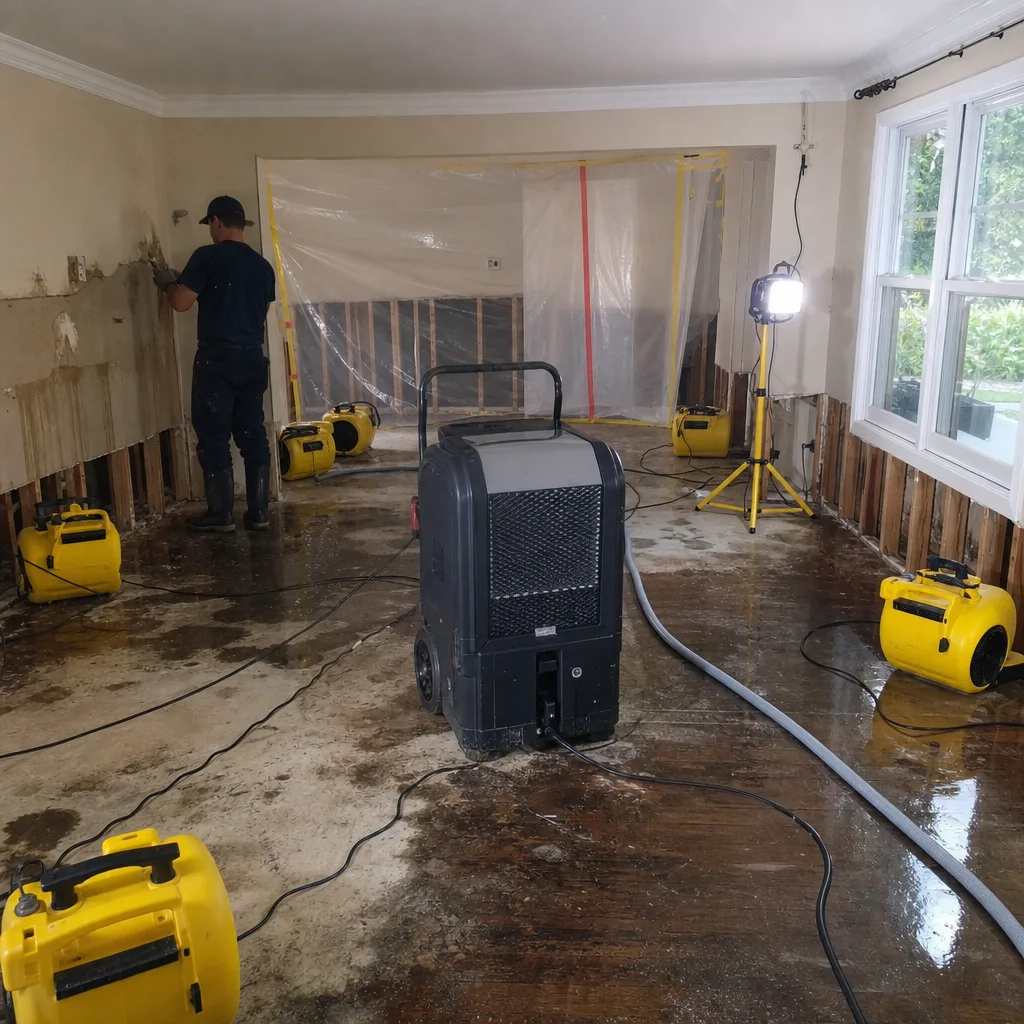
Smoke & Soot Removal
Soot from a Getty Square apartment fire travels farther than the flames. It settles into plaster keys, behind molding, inside electrical boxes, and on the back side of shared party walls. Our Fire & Smoke Damage Restoration team cleans by residue type, not by formula: dry soot gets dry-sponged, oily soot gets chemically wet-cleaned, and the work continues inside wall cavities where a surface-only cleaning would leave a time bomb for odor and staining.
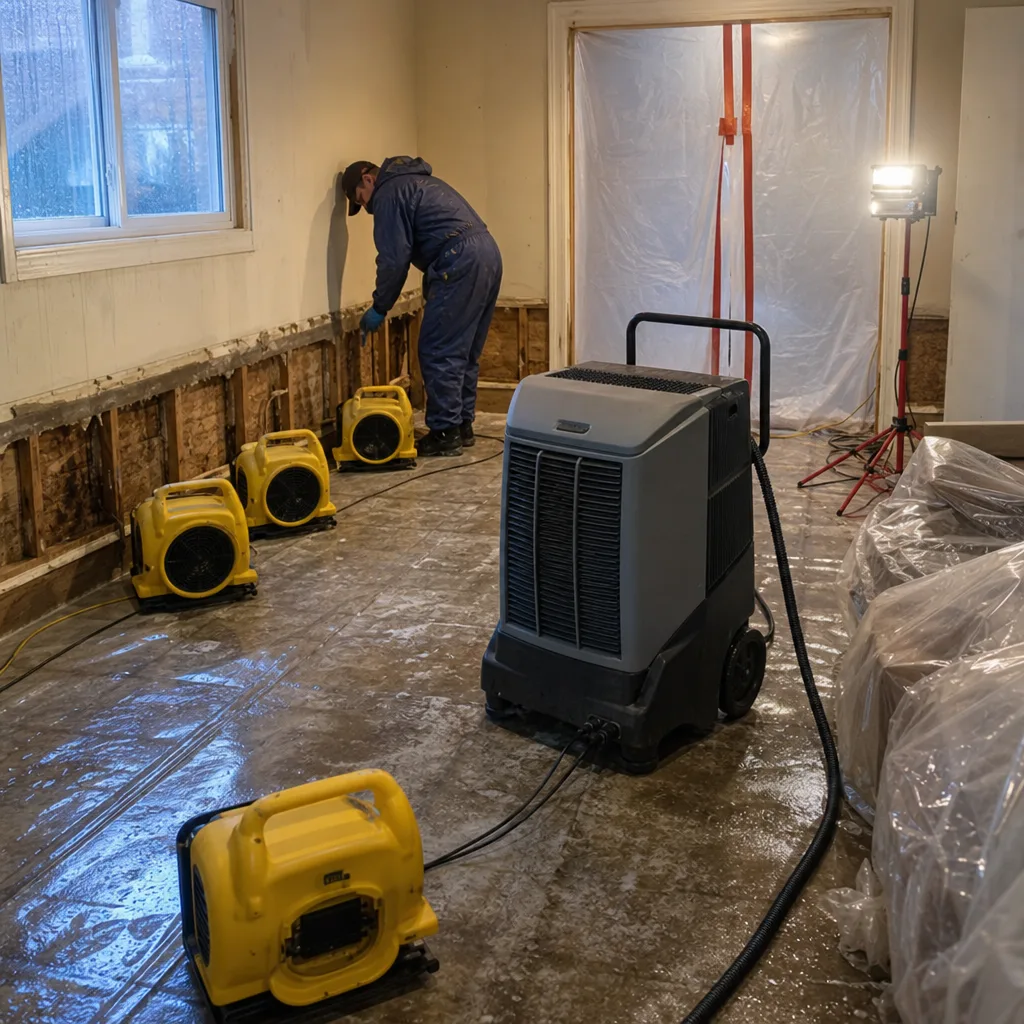
Odor Removal & Deodorization
This is the sub-service that matters most in Getty Square’s older stock, because smoke odor doesn’t live in the air; it lives in the materials. Horsehair plaster is a sponge. Unreinforced brick absorbs smoke and holds it. Wood lath behind plaster traps residue for decades. We use thermal fogging and hydroxyl generators after the surfaces are clean, but the real work is identifying and treating the source material. If the brick behind the plaster is saturated, deodorization means addressing the brick, not spraying the room.
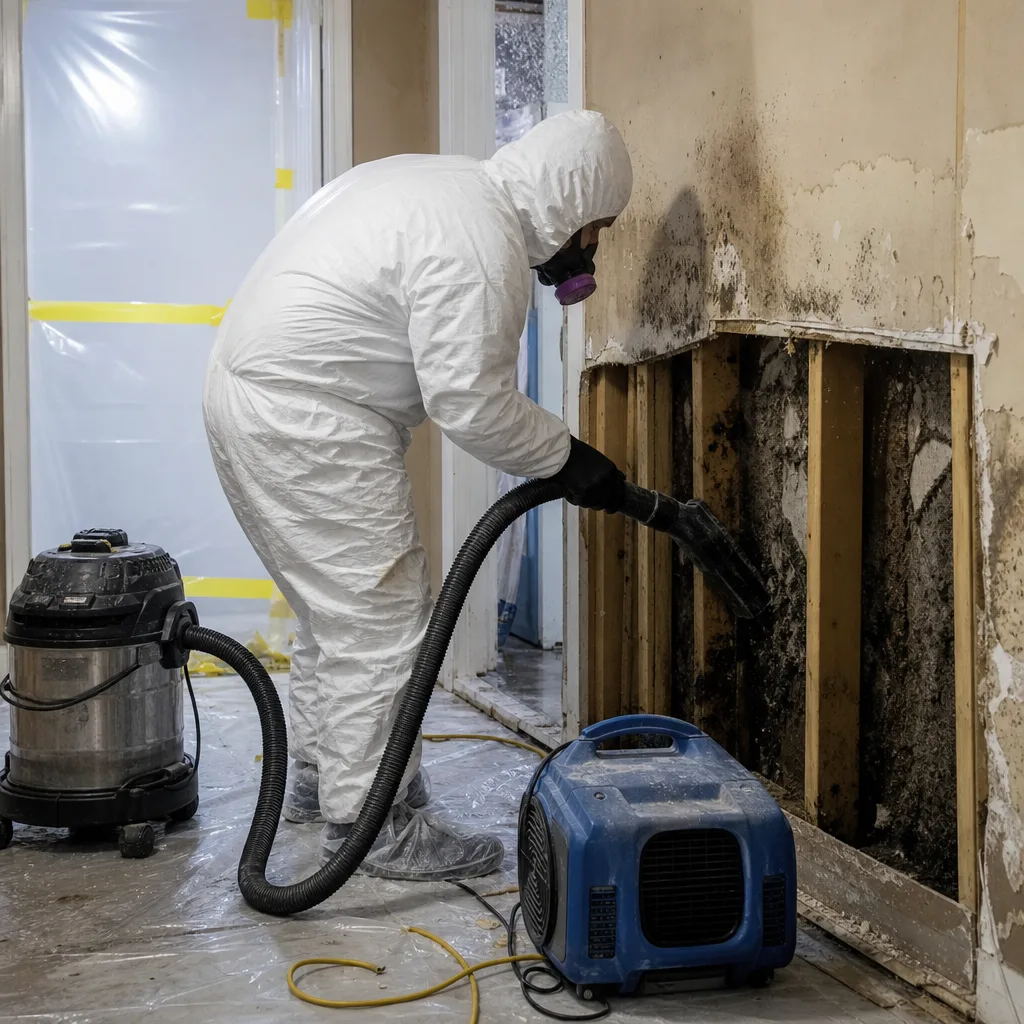
Contents Cleaning & Pack-Out
When a fire in a Getty Square tenement damages the unit but not all the contents, we offer pack-out and contents cleaning using ozone chambers and ultrasonic cleaning for items that can’t be restored in place. Electronics, documents, textiles, and furniture all need different handling, and we inventory everything with photos so your insurance claim reflects exactly what was lost versus what was saved.
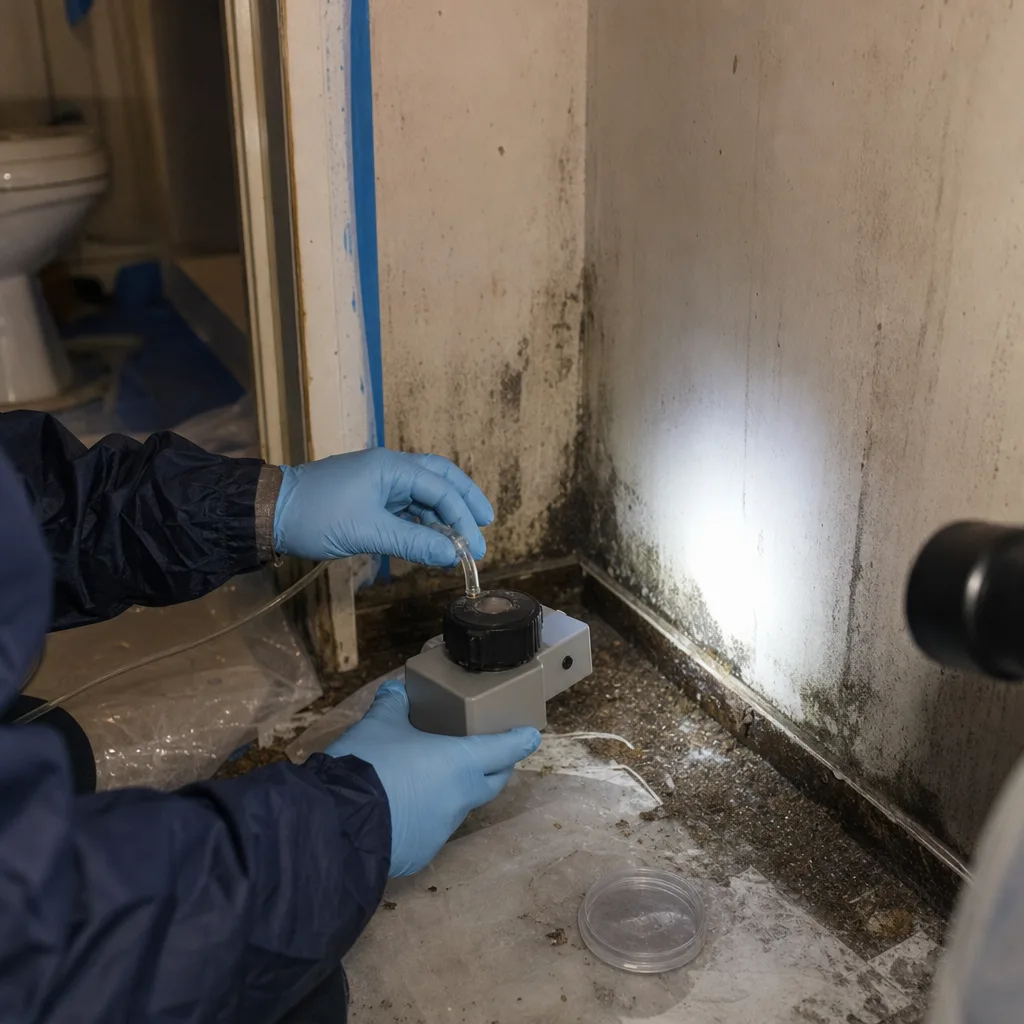
Emergency Board-Up & Tarping
After a fire, open windows, burned-through roofing, or a compromised front door make your Getty Square property a target for weather, vandalism, and further water intrusion. We offer same-visit emergency board-up and tarping, securing every opening with plywood and weather-resistant covering. In Getty Square’s dense streets, that speed matters: an unsecured ground-floor unit on a busy block is an invitation to trouble.
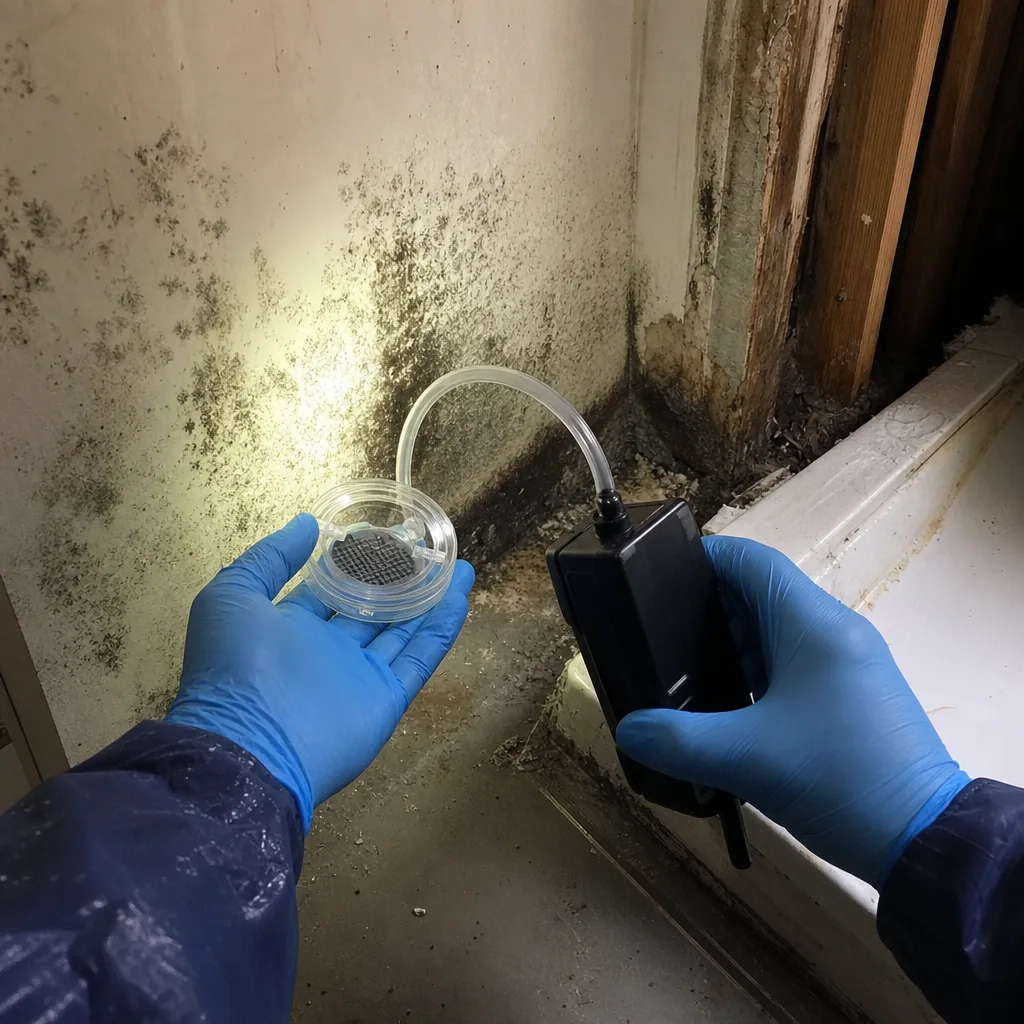
Structural Fire Repair
Structural fire repair in Getty Square means working with the materials that are actually there: cast iron, unreinforced brick, old-growth timber, lath and plaster. We sister damaged joists, rebuild fire-cut beams, re-plaster walls, and replace burned flooring with materials matched to the building’s era. Before any of that happens, we address the moisture and drainage issues beneath the floor, because rebuilding interior finishes over a wicking foundation just means rebuilding them again in two years.
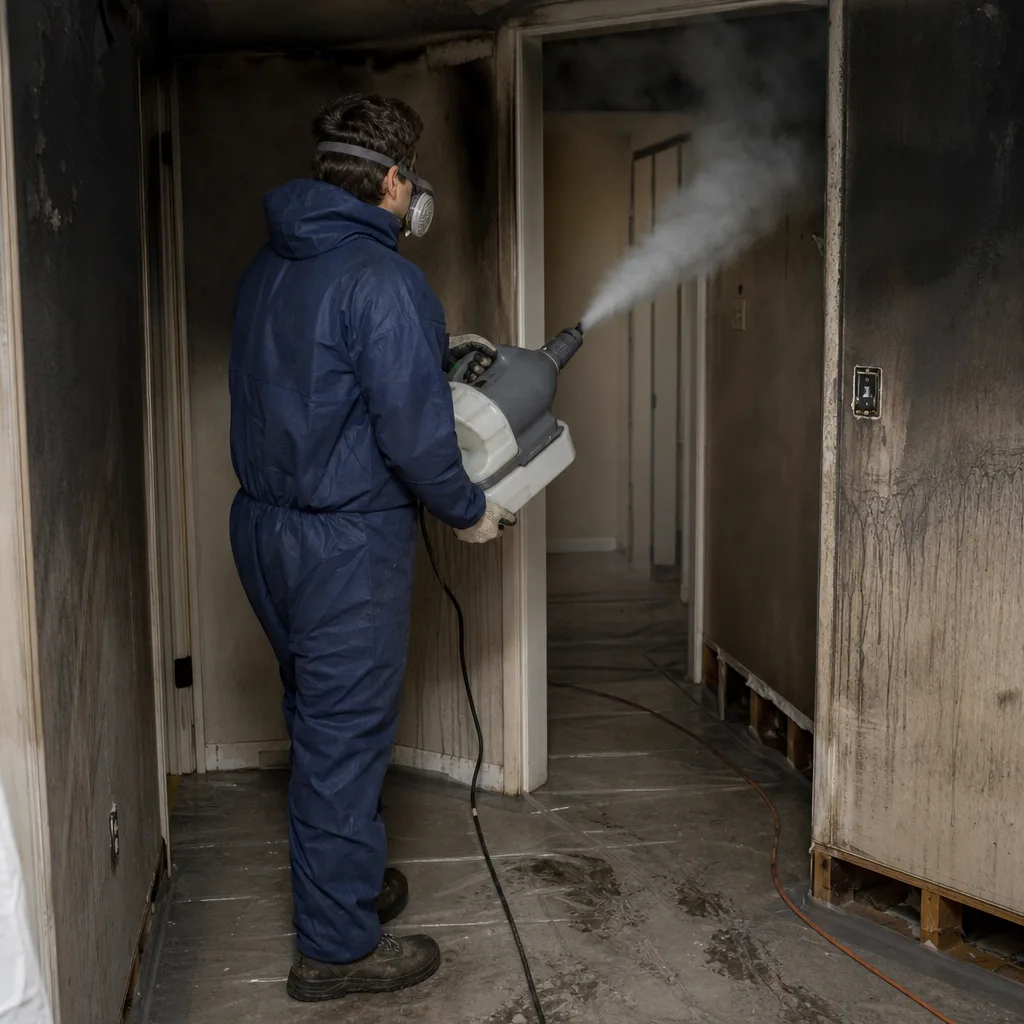
What happens when you call
- 1
A real person answersNo phone trees - you reach a local pro.
- 2
You get an upfront price rangeHonest numbers before anyone is dispatched.
- 3
A background-checked tech heads outLicensed & insured, dispatched right away.
- 4
You approve before work beginsNothing starts until you say go.
Fire & Smoke Damage Restoration Costs in Getty Square, NY
Honest pricing starts with honest numbers, so here they are. Smoke and soot removal in a single-room Getty Square apartment fire typically runs $1,800 to $3,400, including HEPA air scrubbing and surface cleaning by residue type. Full odor removal and deodorization across a multi-room unit ranges $2,800 to $6,500, with thermal fogging and hydroxyl treatment. Structural fire repair in Getty Square’s pre-war buildings runs $8,000 to $30,000+, driven by plaster restoration, lath repair, cast iron plumbing assessment, and any waterproofing work the foundation requires. Emergency board-up and tarping is $350 to $900, done same-visit. Contents cleaning and pack-out runs $1,200 to $5,000 depending on volume and whether items require ultrasonic or ozone chamber treatment. Most fire losses in Getty Square involve insurance; our free inspection and direct carrier billing mean you know the scope and the story before anyone signs anything. Call (551) 348-3742 for an exact quote on your property.
We Also Serve Cities Near Getty Square
Floodline Restoration Co. crews serve Getty Square and the surrounding communities of Getty Square, plus Riverdale, Northwest Yonkers, and Kingsbridge. Our dispatch board covers the whole corridor, so response times stay short regardless of which side of the line your building sits on.
Serving Getty Square, NY - Our Local Coverage Area
We’re based in the Getty Square area and know this community well. Use the map below to see our service coverage - if you’re nearby, we can almost certainly help.
Getty Square Fire & Smoke Damage Restoration Questions, Answered
Why does smoke odor linger longer in Getty Square ground-floor units after a fire?
Smoke odor lingers in Getty Square ground-floor units because the pre-war brick and plaster materials absorb smoke deep into their structure, and the Hudson River tidal zone keeps street-level humidity high enough that those materials never fully dry out on their own. The result is a slow release of odor that a surface cleaning never touches. We treat the source materials, not just the air, and the 90-Day Done Right Promise covers the result in writing. Call (551) 348-3742 for an inspection.
Do I need asbestos testing before fire damage cleanup in a pre-1980 Getty Square tenement?
Yes, and almost always. Most Getty Square tenements built before 1980 contain asbestos in floor tiles, pipe insulation, or plaster additives. Fire damage disturbs these materials and makes them friable, which triggers mandatory abatement testing before remediation can proceed. We coordinate the testing and abatement with licensed contractors and document everything for your carrier. Call (551) 348-3742 and we’ll walk you through the sequence for your building.
A fire happened in my basement, but the floor keeps wicking water a week later - is that fire-related?
Possibly, but what you’re describing is more likely continuous hydrostatic pressure from the Hudson River pushing moisture through your unreinforced brick foundation. Getty Square’s waterfront blocks and Warburton Avenue buildings routinely show active moisture wicking that owners attribute to a one-time event. After a basement fire, the suppression water adds to that existing moisture load. We map the moisture, identify the source, and install waterproofing before rebuilding, so the problem doesn’t come back.
How fast can mold start after a fire in a Getty Square basement?
In Getty Square’s street-level humidity, mold on wet drywall and subfloor framing can reach actionable thresholds in 48 to 60 hours, faster than the standard 72 hours inland. Fire suppression water accelerates the clock, and the brick foundation holds moisture against the wood. This is why the first 48 hours matter so much in this neighborhood. We start extraction and drying the same visit, and we hold equipment until we hit the dry standard. Call (551) 348-3742 immediately if your basement was recently wet.
Do I have to move out of my Getty Square apartment during smoke and soot removal?
It depends on the extent of smoke migration and the condition of your air handling. In multi-unit Getty Square buildings with shared stairwells and party walls, smoke can migrate into neighboring units, which complicates occupancy. We assess the air quality, the soot burden, and the deodorization scope and give you a straight answer. If you do need temporary relocation, your insurance policy’s loss-of-use coverage typically applies, and we document accordingly.
How fast can Floodline Restoration Co. get to Getty Square after I call?
We commit to 45 minutes for emergency fire damage response in Getty Square. A live dispatcher answers your call at (551) 348-3742, locates the nearest certified crew, and moves them toward your address immediately. Because we regularly work this neighborhood, crews know the street patterns and access issues before they arrive.
What’s the difference between fire damage cleanup and full structural fire repair?
Fire damage cleanup addresses the residues, smoke, soot, and water left by the fire. Structural fire repair rebuilds what the fire actually destroyed: burned framing, failed plaster, damaged flooring, compromised lath. In Getty Square’s pre-war buildings, structural repair often includes addressing the brick foundation and moisture issues that predate the fire, because rebuilding over a wicking foundation just means doing the work twice. Our free visual inspection defines both scopes in writing before work starts.
What should I do in the first 30 minutes after a fire in my Getty Square property?
Call (551) 348-3742. Then shut off power to the affected area if you can do so safely, and don’t touch or wipe any soot-covered surfaces; wiping smears residue permanently. If the building is insecure, stay out and wait for our board-up crew. Don’t run heating or ventilation systems, which can spread soot into untouched rooms. The less disturbance before we arrive, the more we can save.
Written by Curt Bowman, Owner at Floodline Restoration Co., serving Getty Square and surrounding communities with fire and smoke restoration since we first opened the dispatch board.