
Free visual inspection and a written scope of work before any mitigation begins - photos, moisture readings, and drying logs go in your claim file
The scope we write is the scope we bill. Anything new gets shown to you, in writing, before we touch it.
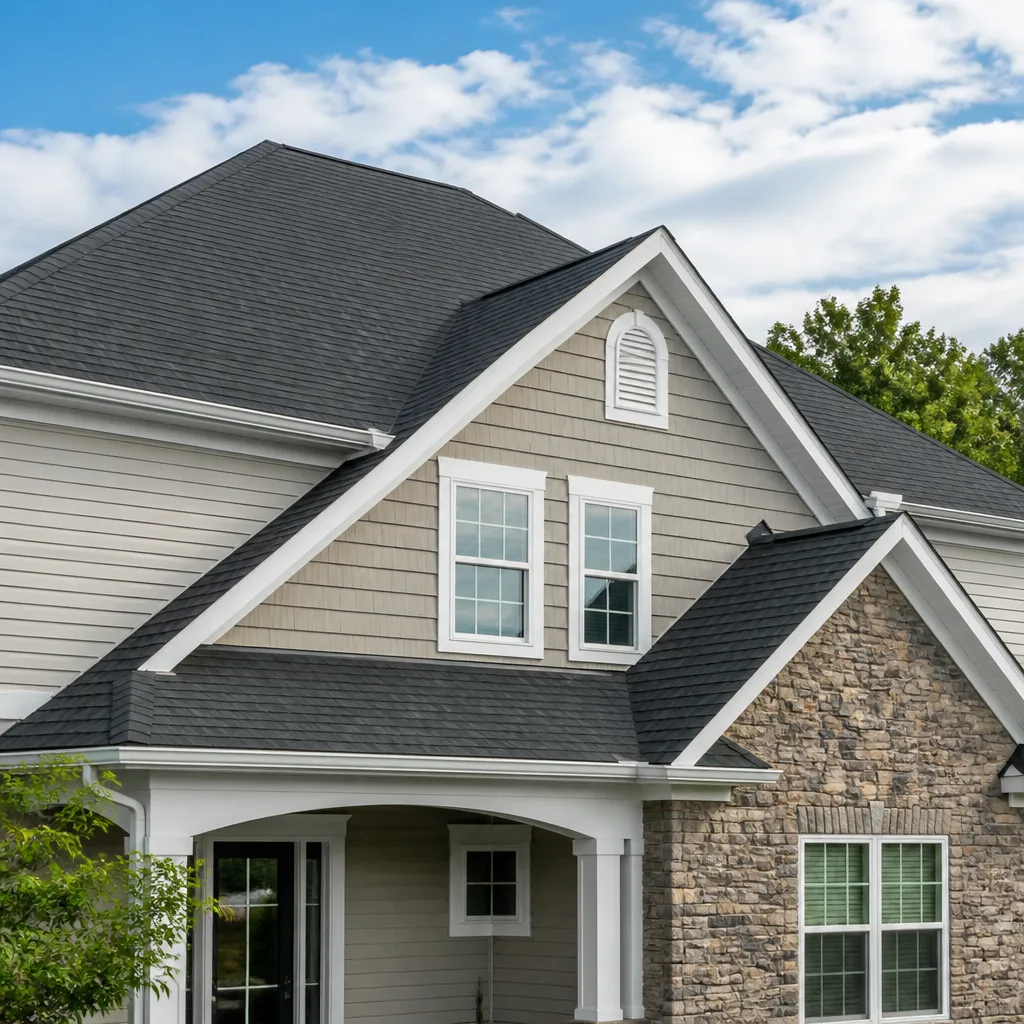
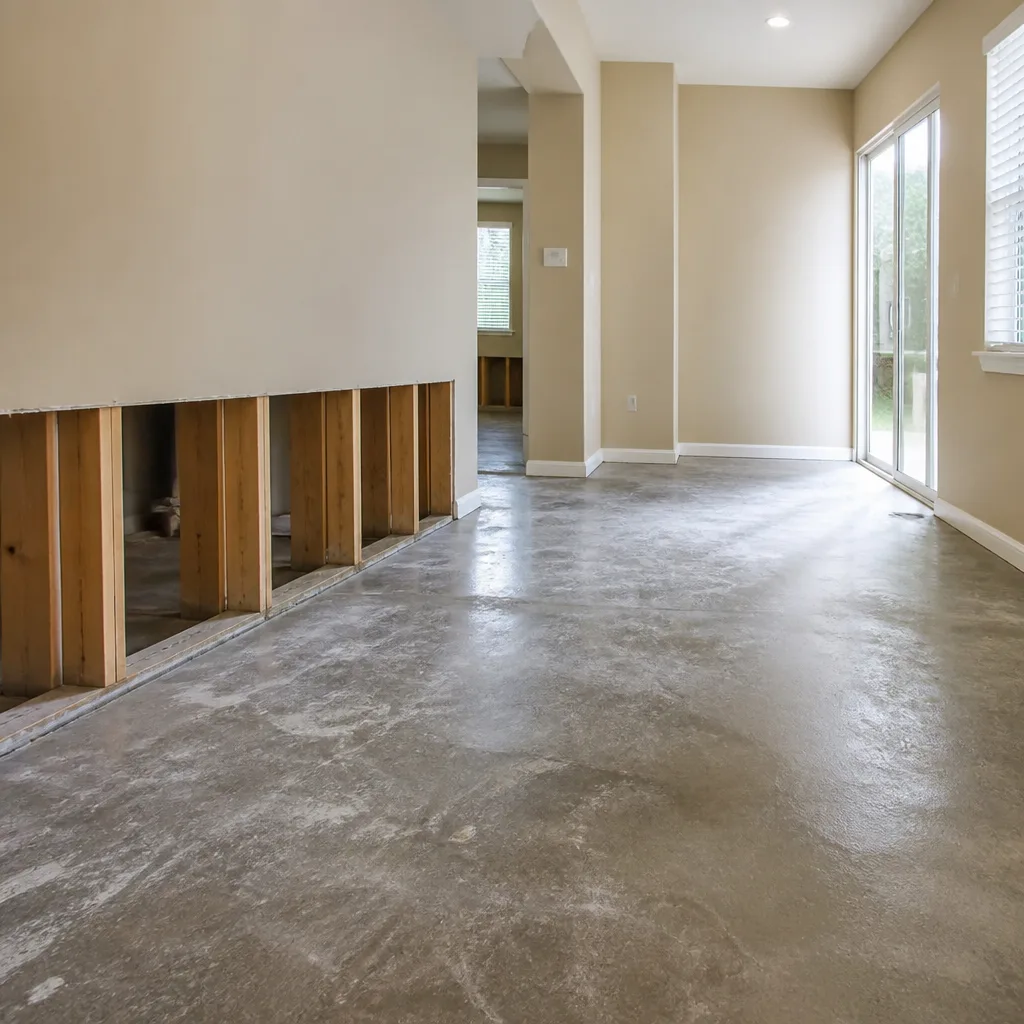

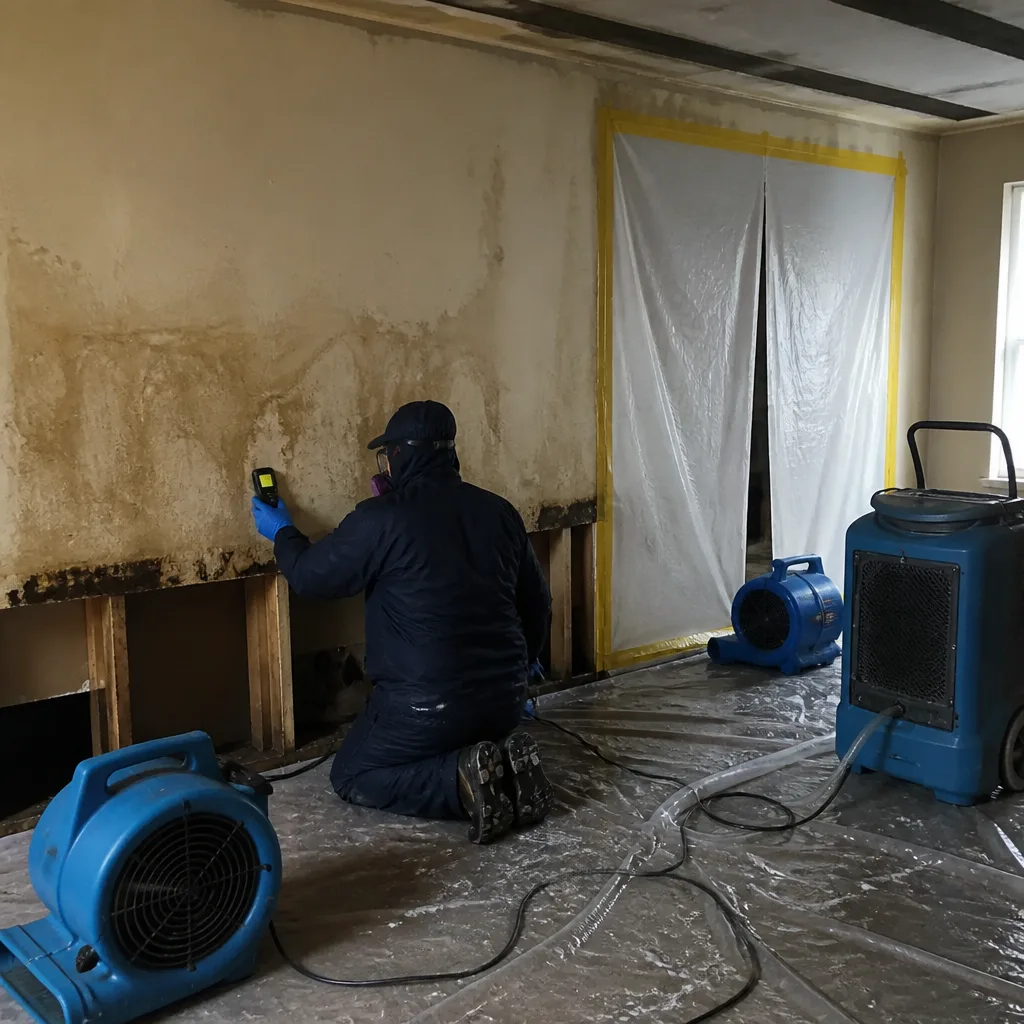 Before
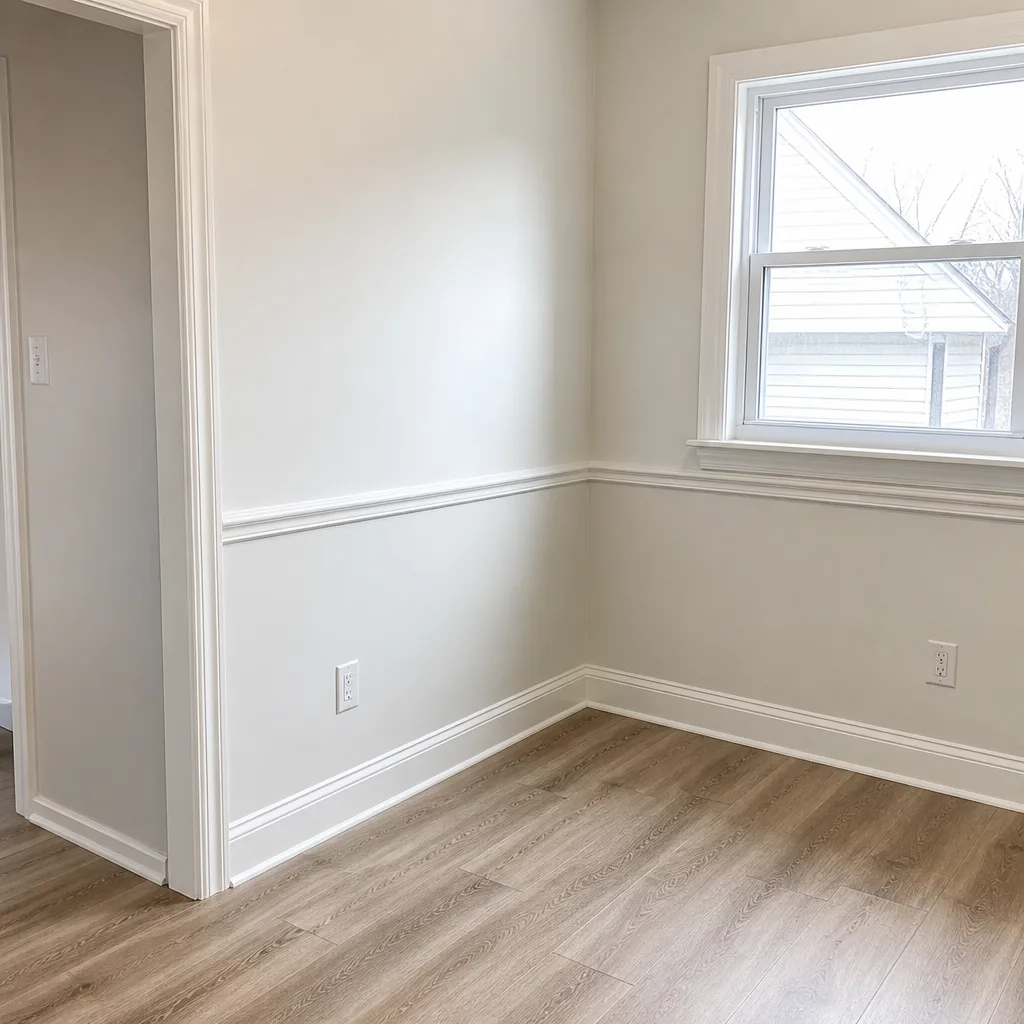 After
After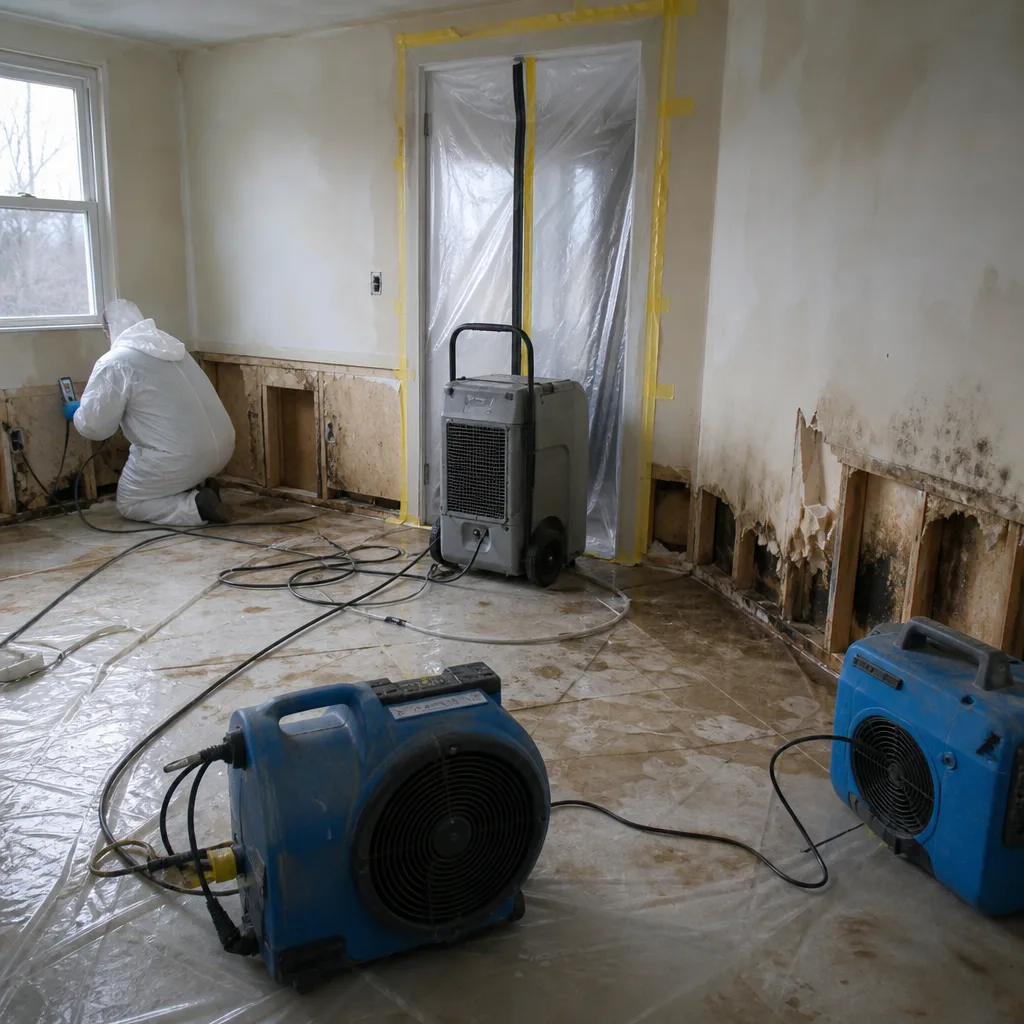 Before
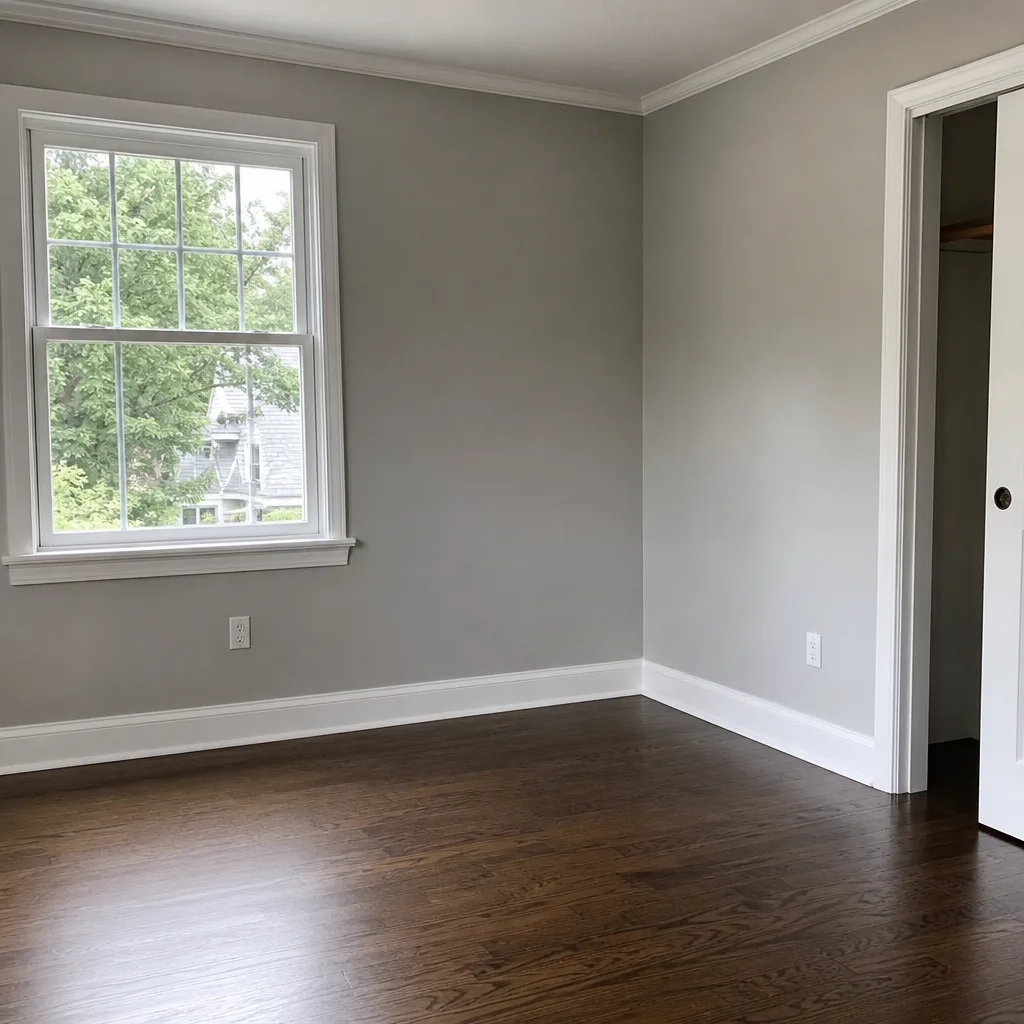 After
After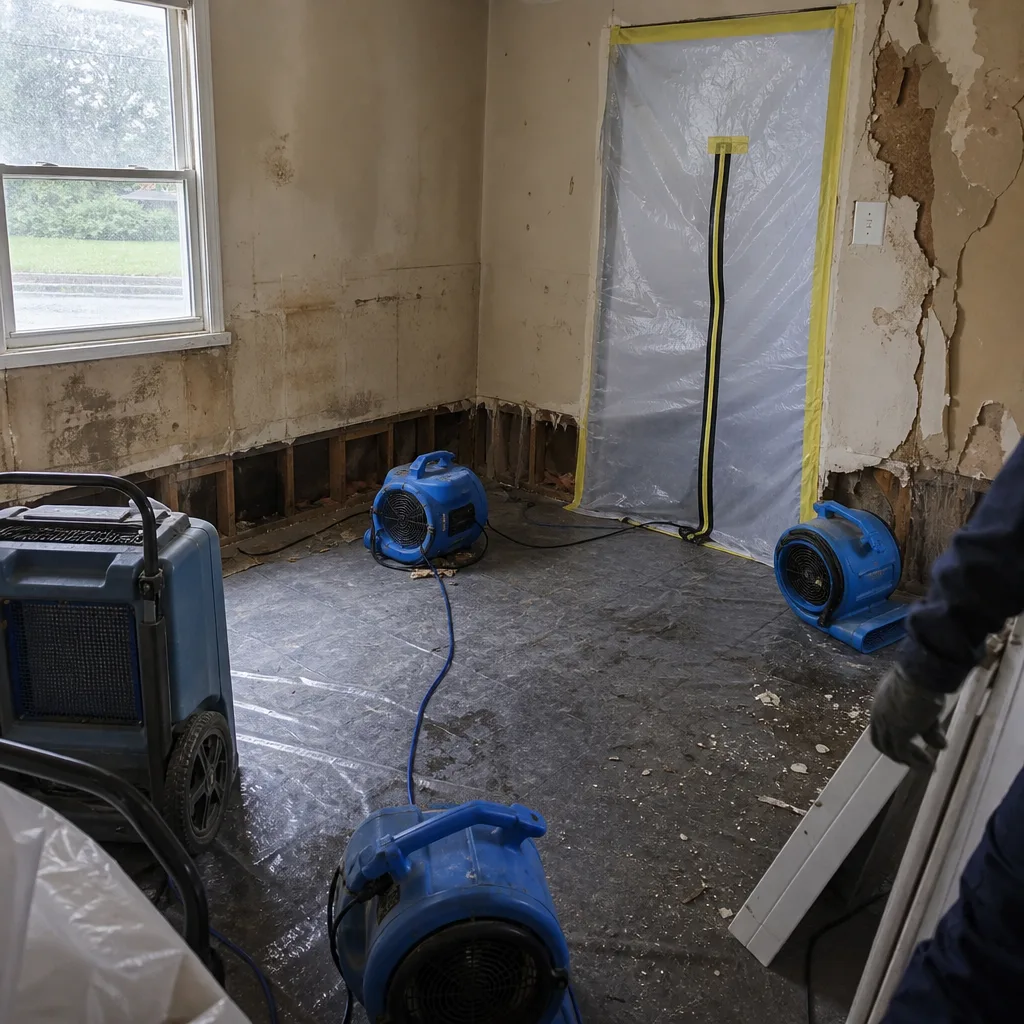 Before
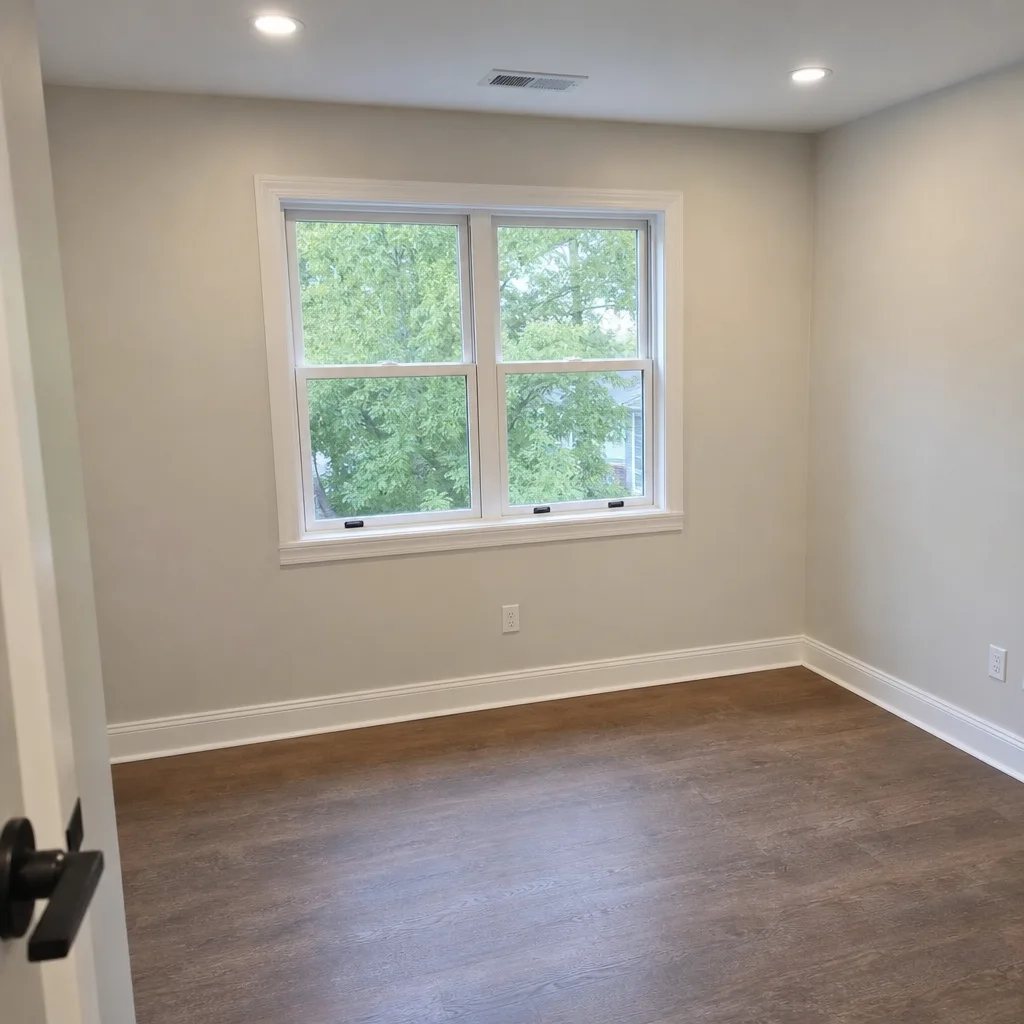 After
After24/7 Emergency Water Damage Restoration in Haworth
Water damage in Haworth moves fast, and the first hour determines whether you’re dealing with a cleanup or a rebuild. Our crews answer live at (551) 348-3742 around the clock, every day of the year, and we dispatch into Haworth immediately, not after a callback. Because Pascack Brook runs through the borough’s lower-lying streets, a heavy spring rain or nor’easter can put standing water in a finished basement before you’ve finished checking the sump pump. We start extraction the same visit, because every hour of saturation pushes moisture deeper into plaster walls, subflooring, and the framing behind 1960s paneling.
The visual inspection is free. The moisture mapping is free. What you get from the first call is a straight answer about what you’re actually facing, not a sales pitch.
Understanding Water Damage Restoration Severity in Haworth Properties
Water damage gets classified by contamination level, and in Haworth the classification drives everything about how we work. Category 1 water is clean, from a burst supply line or an overflowing sink. Category 2 carries some contamination, like a washing machine discharge. Category 3 is what we see most often in the Pascack Brook flood zone: water that has picked up silt, lawn chemicals, and whatever else the creek carried over its banks. That water is treated as carrying bacteria and pathogens, and anyone touching it needs proper PPE and pressure-rated extraction equipment. It’s not a mop-and-fan situation, and anyone who treats it that way is putting your family at risk.
Haworth’s housing stock makes the assessment step critical. Most homes here are Colonials, Cape Cods, and split-levels built between the 1940s and 1970s, and those structures hide water differently than newer construction. Plaster-and-lath walls wick moisture upward from a soaked baseplate. Original cast-iron plumbing in a slab can leak for weeks before water shows up anywhere visible. Asbestos-containing floor tiles from the mid-century era complicate demolition. Before we cut anything, we test. Before we dry anything, we map the moisture path. Guessing is how homes in Haworth end up with mold behind walls a year later.
Why Haworth Property Owners Choose Floodline Restoration Co.
- 45-minute response commitment to Haworth. Calls are dispatched immediately from our metro office, and a uniformed, background-checked technician reaches most Haworth homes within 45 minutes of the first ring.
- A live person answers, 24 hours a day. No answering service, no recording, no “leave a message and we’ll get back to you.” At 2 a.m. you talk to a dispatcher who can send a crew.
- IICRC-certified crews, trained to WRT and ASD standards. Water damage restoration and applied structural drying credentials mean the person holding the moisture meter knows how to read it correctly.
- Free visual inspection with moisture mapping. We find the water you can’t see, including saturation behind original paneling and under finished flooring, before it becomes a bigger problem.
- Direct insurance billing. We document from the first hour, bill your carrier directly, and talk to your adjuster so you don’t have to play messenger.
- One team from extraction to reconstruction. We don’t hand you off to a different company after the drying is done. The same crew that extracts the water rebuilds the wall.
Our Water Damage Restoration Process
Inspection & Assessment
We arrive, assess the category of water, and map every wet surface with thermal imaging and penetrating moisture meters. In a Haworth split-level, that means checking not just the visible puddle but the crawlspace, the baseboards, and the wall cavity behind the paneling.
Extraction & Stabilization
Standing water comes out with truck-mounted or portable extraction units. If the source is a failed sump or a cracked foundation line, we stop the water at its source before drying begins.
Drying & Dehumidification
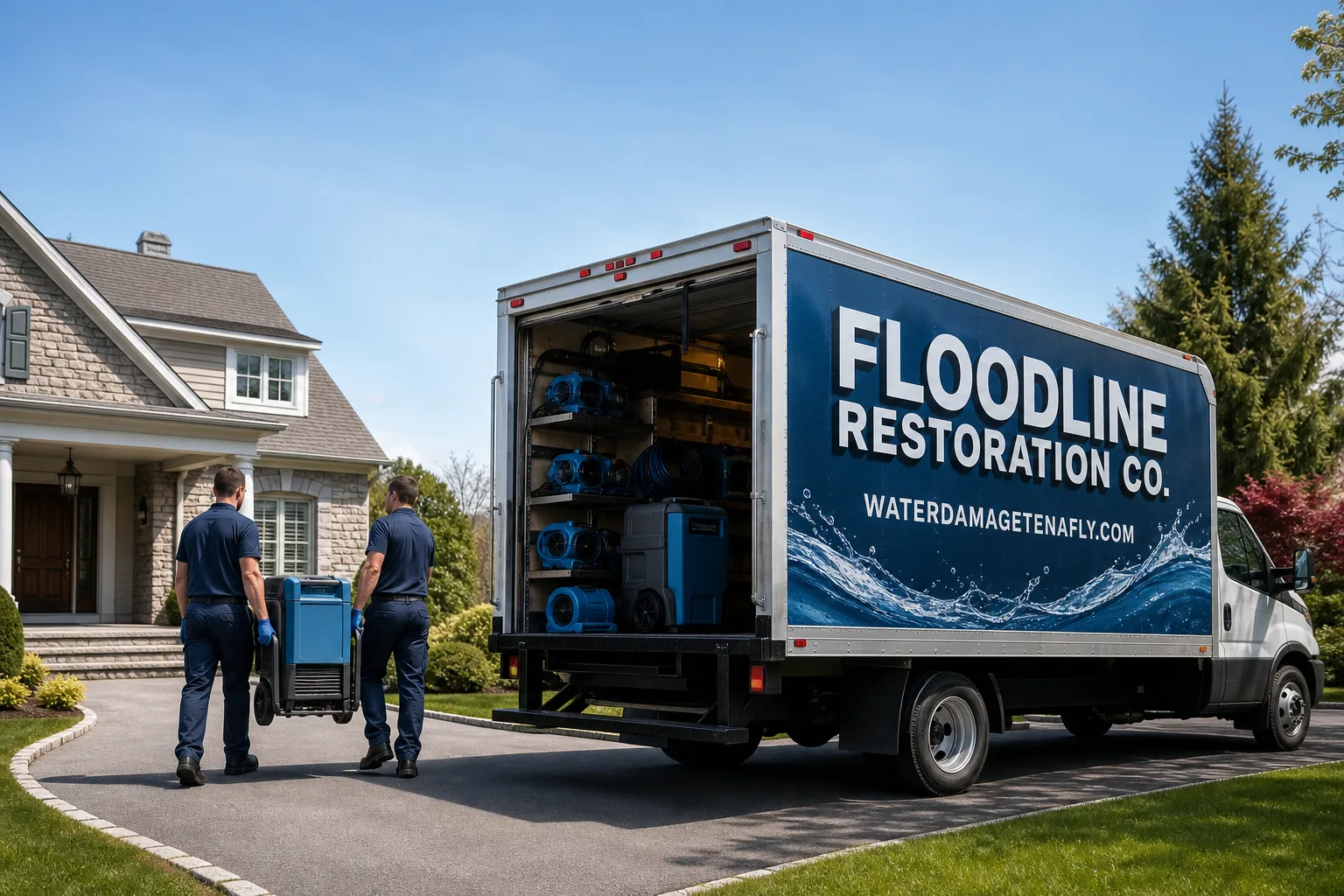
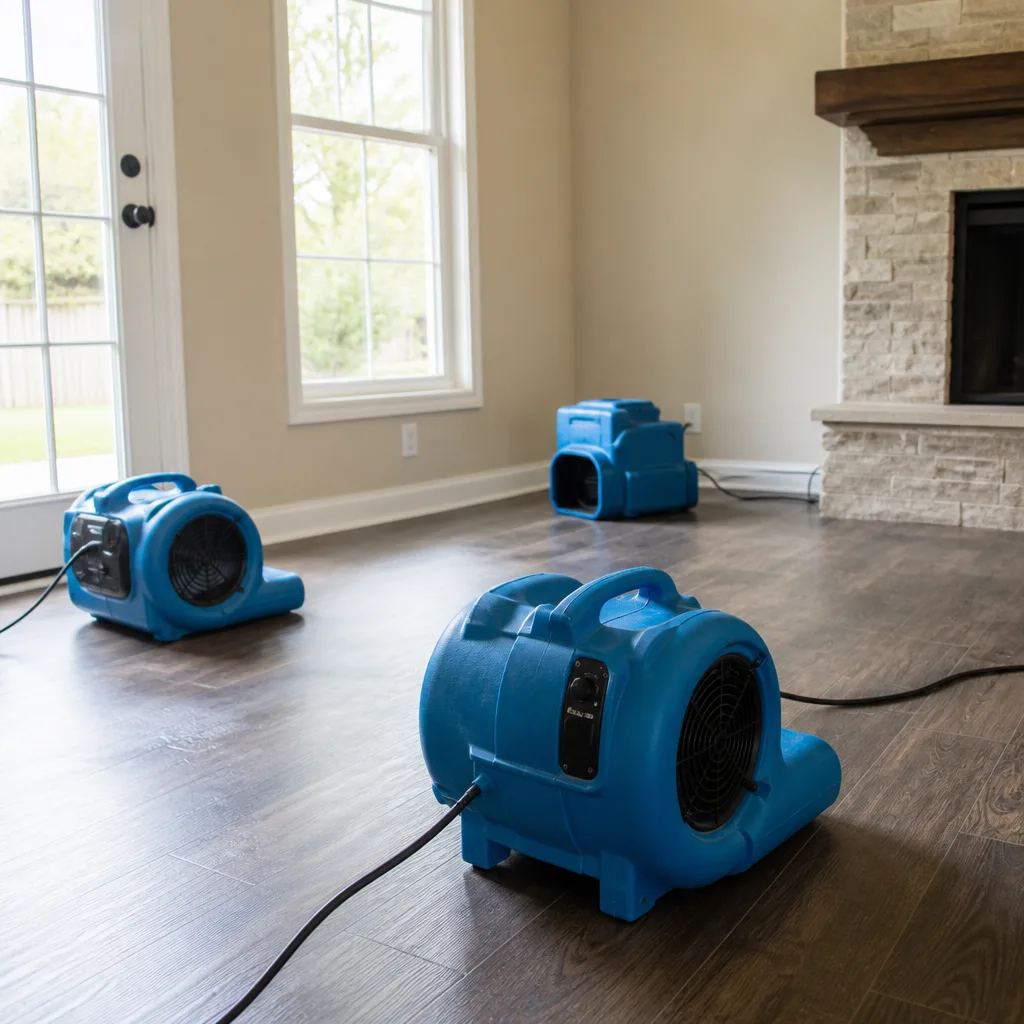
We place Dri-Eaz air movers and Phoenix dehumidifiers on a drying plan based on the moisture map, not a guess. Daily readings get logged until the structure reaches the IICRC dry standard.
Cleaning & Sanitization
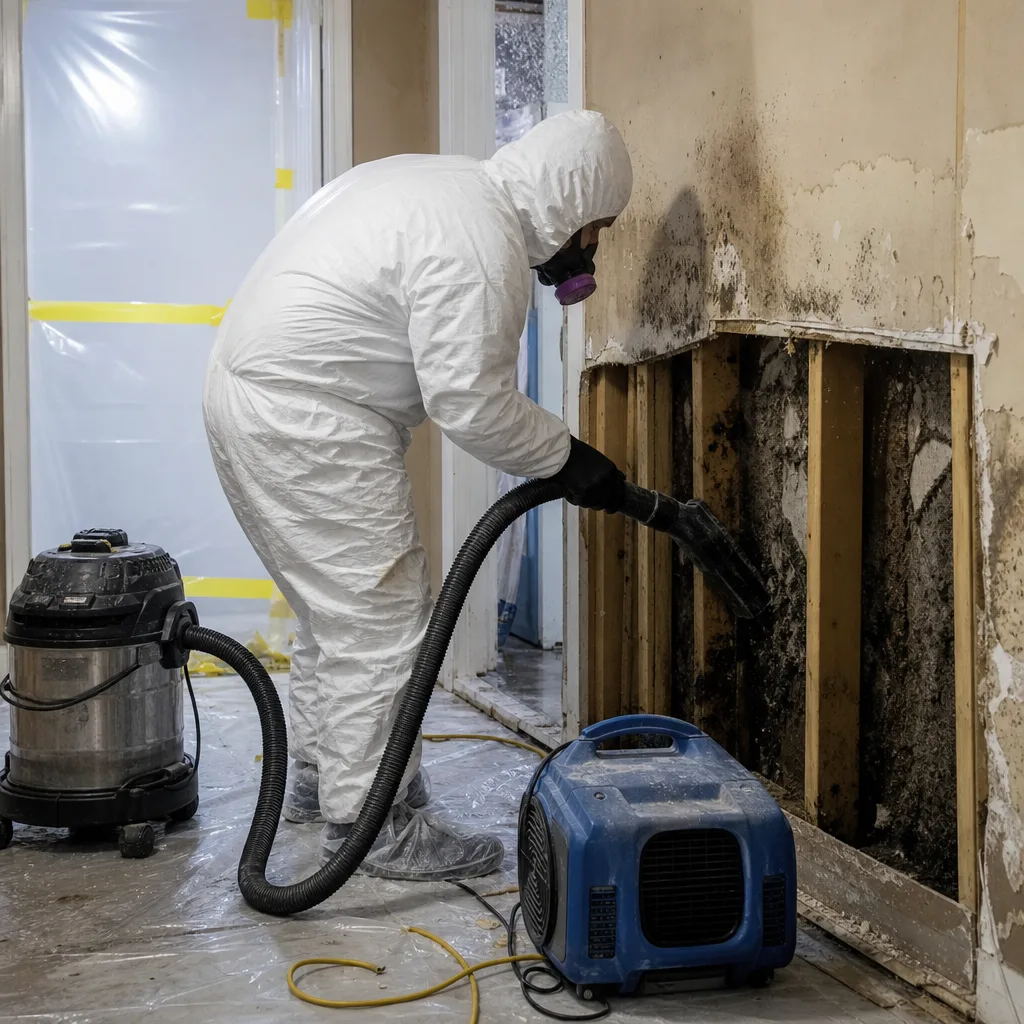
Category 2 and 3 water require antimicrobial treatment on affected surfaces. HEPA air scrubbers run during demolition to keep disturbed spores out of the breathing air.
Targeted Demolition & Content Handling
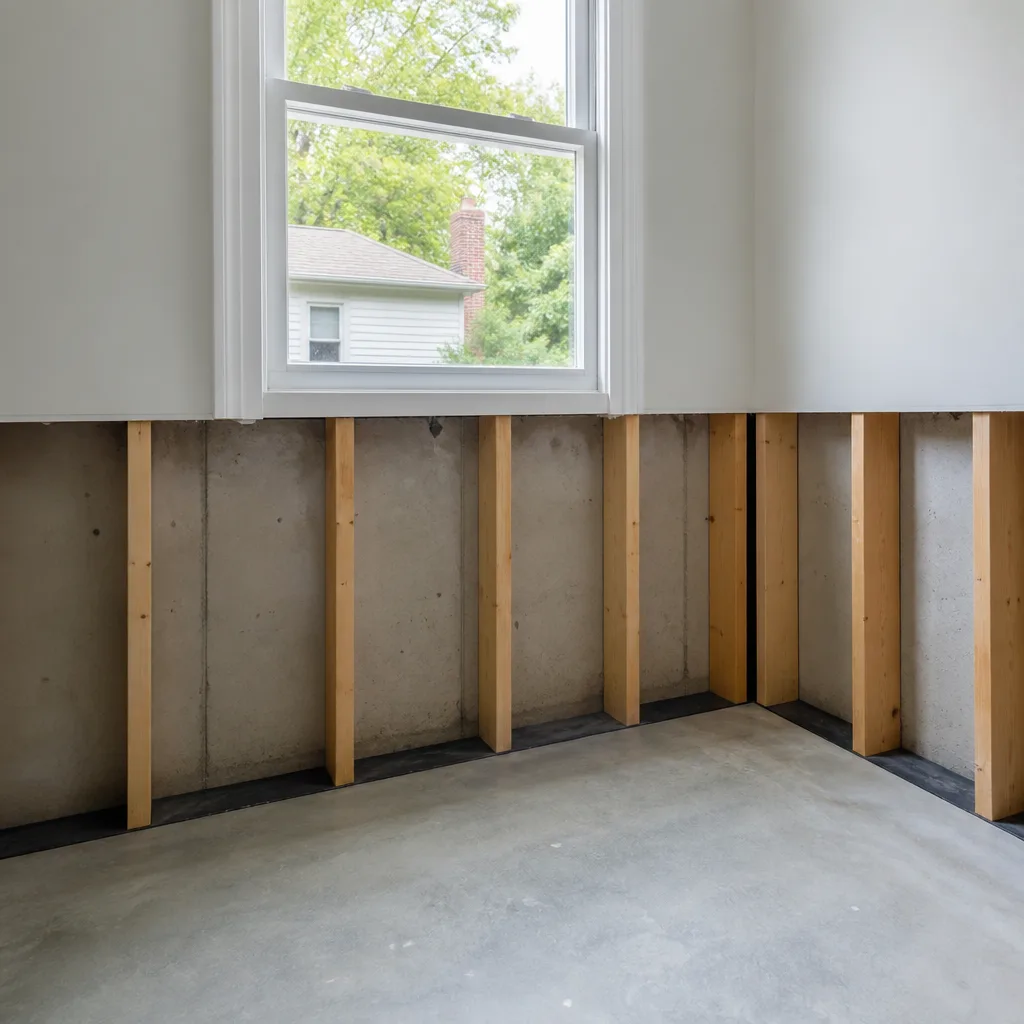
We remove only what cannot be dried, which in Haworth often means 1960s paneling that’s trapping moisture and the old plaster behind it. Salvageable contents get packed out, cleaned, and stored until the rebuild.
Repairs & Restoration
The same Floodline crew rebuilds what was removed, from drywall and flooring to trim and paint. The job isn’t done until your basement looks like the flood never happened, and the drying log says it was done right.
Need Emergency Water Damage Restoration in Haworth Now?
Crews minutes away, answering live 24 hours a day. The sooner we start, the less it costs.
Working With Your Insurance Company
We’ve handled enough Haworth claims to know that insurance companies respond to documentation, not phone calls. Our team photographs every affected room before we move anything, records moisture readings as we dry, and produces a line-item scope of work that matches the carrier’s estimating software. Your adjuster can talk directly to our project manager, ask for the drying log, and verify that every dollar of the claim is tied to a specific piece of work. You don’t get caught between us and the carrier. That’s the whole point of direct billing: the homeowner stays out of the middle.
What We Provide Your Insurer
- Thorough documentation of the loss
- Photos of all damage, room by room
- Moisture readings and drying logs
- A detailed, line-item scope of work
- Direct coordination with your carrier
Built for Haworth’s Loss Calendar
Haworth’s water damage pattern follows the calendar, and it’s predictable if you’ve worked here long enough. January and February bring deep freezes that crack supply lines in unheated crawlspaces and split outdoor hose bibs, flooding basements with clean water at the worst possible time. March through May is snowmelt season, when Pascack Brook swells and the ground is already saturated, so sump pumps on the creek-side streets run continuously and old French drains fail under the pressure. Summer thunderstorms dump an inch of rain in an hour, overwhelming the borough’s storm drains and sending surface water toward low foundations. And nor’easters in fall and early winter combine wind-driven rain with clogged gutters, sending water down exterior walls and into window frames. Every one of these events leaves behind a different moisture profile, and we’ve seen enough of each to know where to look first.
Water Damage Restoration Across Haworth’s Neighborhoods
The streets closest to Pascack Brook, particularly around Brook Street, Sunset Avenue, and the lower sections near Haworth Country Club, deal with the most severe flood events. When the creek overflows, these homes get category 3 water that requires full extraction, containment, and often significant demolition. The older split-levels off Valley Road sit on raised lots, but their original foundation drainage is now 50 or 60 years old, and silt from decades of runoff has choked many of those systems. On the higher streets toward the Demarest line, we see fewer creek incidents but more freeze-thaw cracking in foundation walls and more roof leak claims from aging gutters and ice dams. Each area has its own failure pattern, and knowing the difference is what gets a Haworth home dried correctly the first time.
The common thread across all of it: these are not disposable houses. They’re well-built mid-century homes with good bones, and they deserve a restoration that preserves the original character where possible. That’s what Water Damage Restoration means when Floodline does it in Haworth: fix the water, save the house, and don’t tear out anything that can be dried.
Specialized Water Damage Restoration Services We Offer in Haworth
Emergency Water Extraction
When Pascack Brook overflows onto Brook Street, the first three hours are critical. We arrive with truck-mounted extraction units that pull hundreds of gallons per hour, plus portable units for the tight crawlspaces common under Haworth’s split-levels. The goal is simple: get the standing water out before it soaks into the plaster walls.
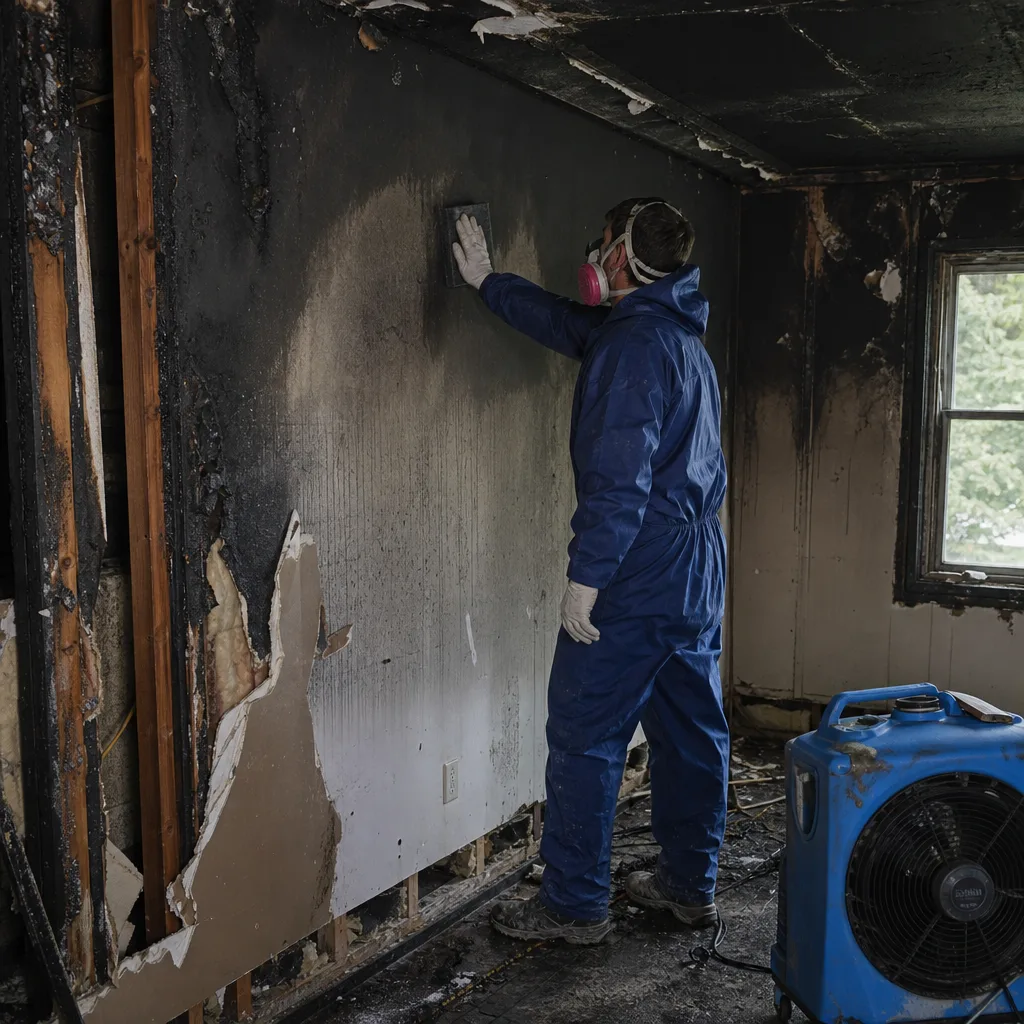
Structural Drying & Dehumidification
Haworth’s older homes hide water in ways that newer construction doesn’t. We run Dri-Eaz air movers and Phoenix dehumidifiers on a plan based on the moisture map, with daily readings until the structure hits the dry standard. That’s the only way to keep Bergen County’s humid summers from reactivating a damp wall cavity.
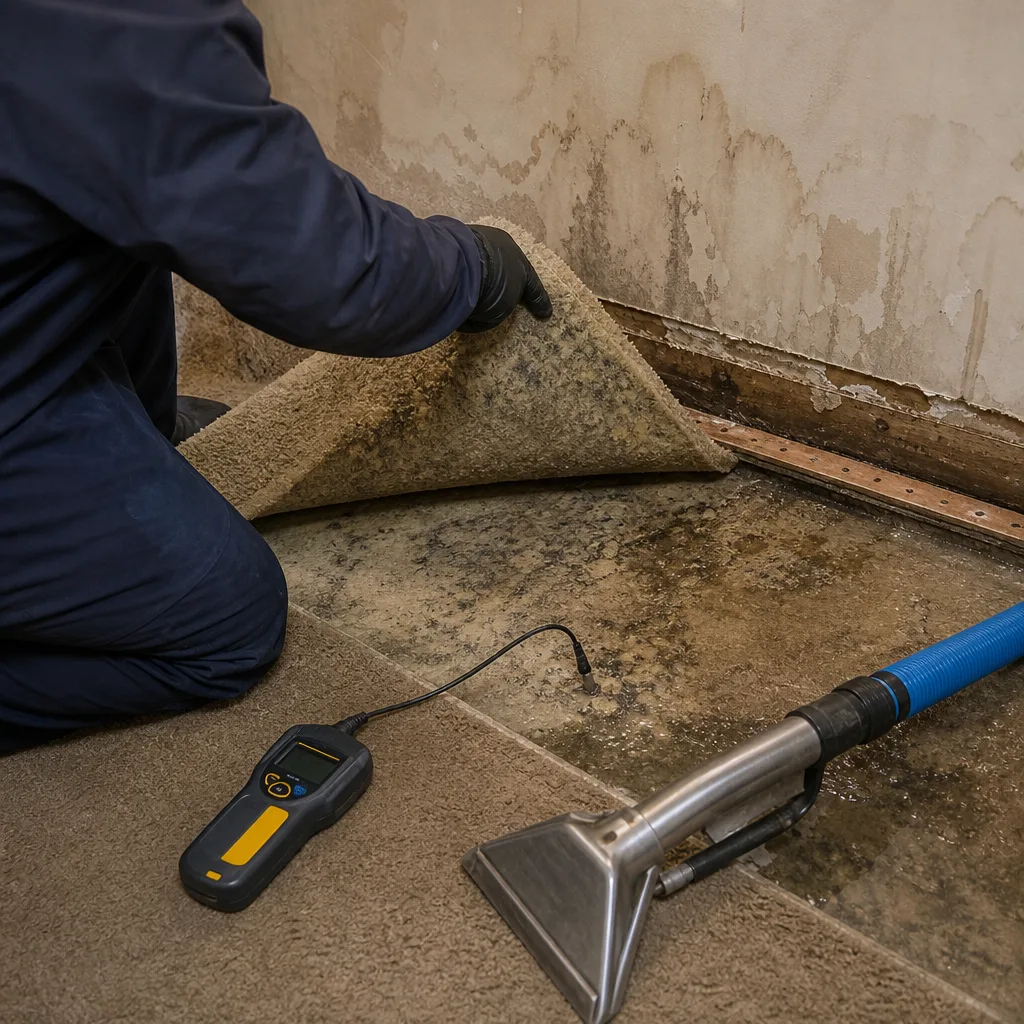
Basement Water Removal
Finished basements in Haworth’s Colonials and Cape Cods are the most common loss site, and the most commonly mis-dried. Upholstered furniture, carpet padding, and the space behind baseboards all hold water that a surface extraction won’t reach. We remove it, then verify with a penetrating moisture meter that the concrete and framing are actually dry before anyone rebuilds.
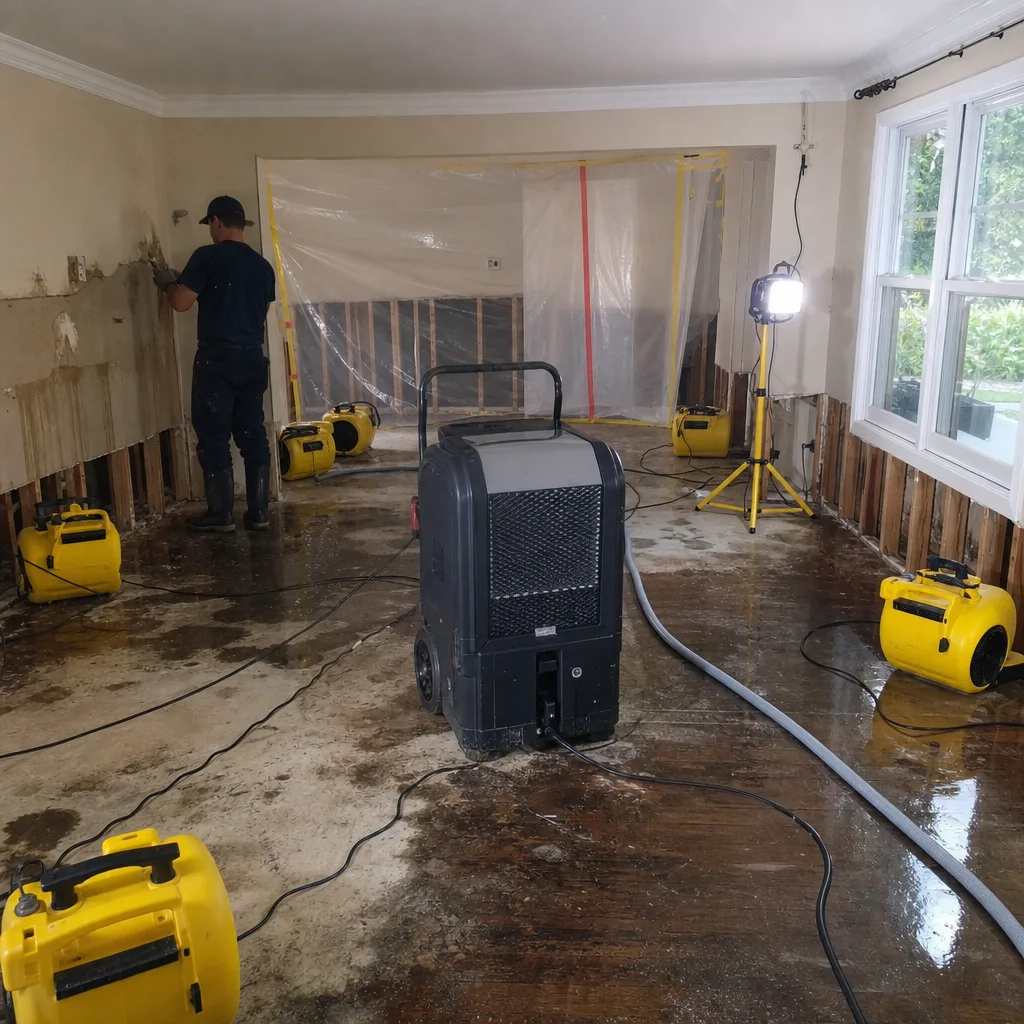
Flood Cleanup
Creek flooding is category 3 water, and the cleanup protocol is different from a burst pipe. We contain the affected space, run HEPA air scrubbers during any demolition, and treat all affected surfaces with antimicrobial agents. The silt Pascack Brook leaves behind is not just dirty; it’s a contaminant that has to go.
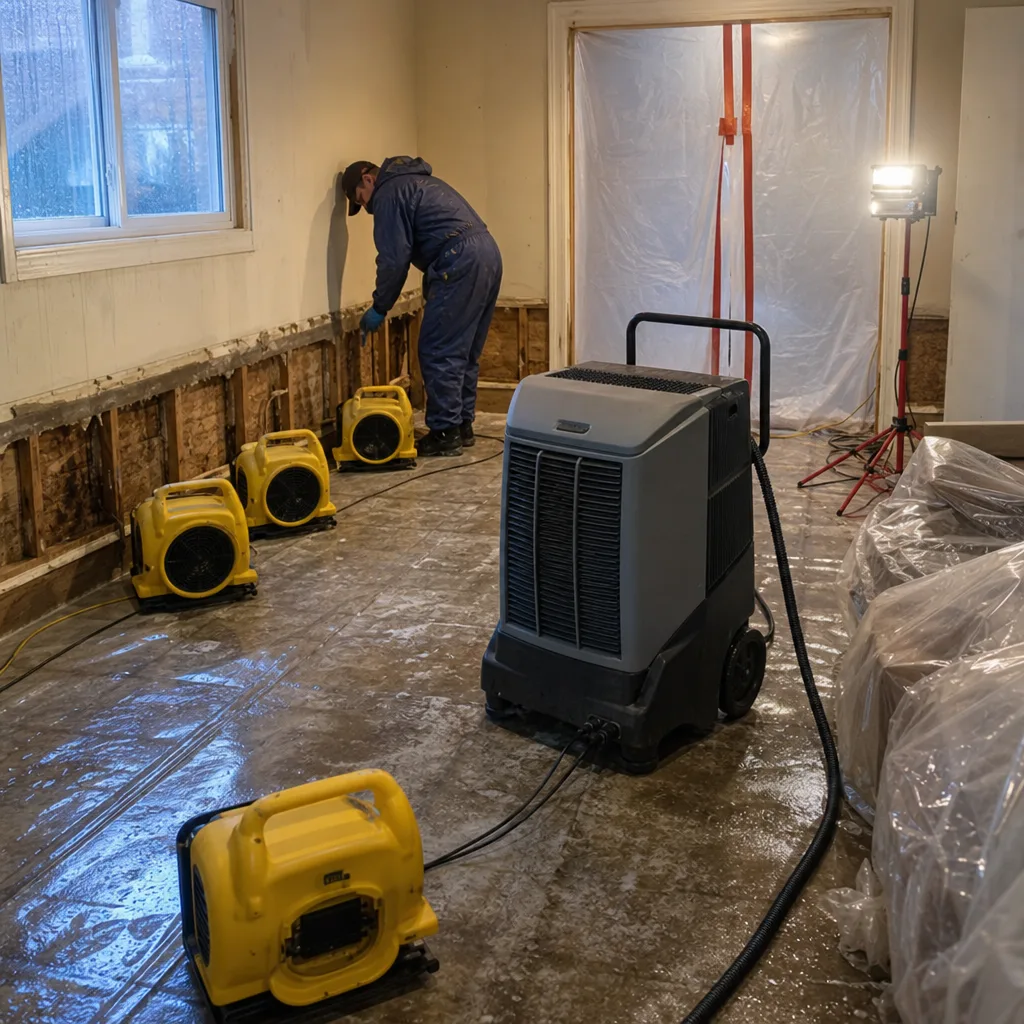
Burst Pipe Restoration
Winter cold snaps in Haworth send supply lines in unheated crawlspaces and garage-adjacent walls to their breaking point. The water is usually category 1, which means more can be salvaged if extraction starts quickly. The plaster walls those pipes run through, though, need measured drying to avoid cracking and mold.
What happens when you call
- 1
A real person answersNo phone trees - you reach a local pro.
- 2
You get an upfront price rangeHonest numbers before anyone is dispatched.
- 3
A background-checked tech heads outLicensed & insured, dispatched right away.
- 4
You approve before work beginsNothing starts until you say go.
Water Damage Restoration Costs in Haworth, NJ
We believe in giving real numbers before work starts, not vague estimates that change on day three. In Haworth, water extraction and structural drying on a finished basement typically runs $2,400 to $4,800 depending on the square footage and how long the water sat. A full category 3 flood cleanup from a Pascack Brook backup, including demolition of contaminated paneling and flooring, usually falls between $5,500 and $12,000. A burst pipe in a crawlspace, with drying but no major rebuild, often lands around $1,800 to $3,200. Your scope of work is written before we start, the price matches the scope, and we bill your carrier directly. For an exact quote, call (551) 348-3742 for a free assessment.
We Also Serve Cities Near Haworth
Our crews cover the Pascack Valley and surrounding Bergen County towns, including Dumont, Demarest, Closter, and Cresskill. If you’re a few minutes outside Haworth and have standing water, call the same number: (551) 348-3742.
Serving Haworth, NJ - Our Local Coverage Area
We’re based in the Haworth area and know this community well. Use the map below to see our service coverage - if you’re nearby, we can almost certainly help.
Haworth Water Damage Restoration Questions, Answered
Why does water damage in Haworth basements keep coming back after a ‘repair’?
Because the water was never fully dried. In Haworth’s finished basements, the failure we see most often is a previous contractor who extracted the visible water and then covered the damp framing with new paneling or drywall. The moisture stayed trapped, and Bergen County’s humid summers fed the mold colony behind the wall until the next rain reactivated it. A real repair means moisture-mapping the entire affected area, drying to the IICRC standard, and verifying with a meter before any reconstruction starts.
Does Floodline Restoration handle category 3 water from Pascack Brook backups in Haworth?
Yes, and we treat it as a serious contamination event. Water that overflows Pascack Brook carries silt, bacteria, and whatever else the creek picked up along the way. We use PPE, containment, and antimicrobial treatment on every affected surface, and we remove porous materials that cannot be sanitized. This is the bulk of our Haworth flood work each spring.
What parts of a Haworth Colonial from the 1950s are most likely to hide water damage?
Three places. The space behind original 1960s wood paneling, where water gets trapped against the studs. The base plates of plaster-and-lath walls, which wick moisture upward from a wet slab. And the area under a finished floor, especially if that floor has vinyl or tile over the original subfloor. In a house built between the 1940s and 1970s, the water always travels farther than the stain suggests.
How quickly does mold start growing on wet drywall in a Haworth basement?
Under typical spring conditions in Haworth, with temperatures in the 60s and high humidity, mold can begin colonizing wet drywall and paper-backed surfaces within 24 to 48 hours. That’s why we dispatch immediately and start extraction the same visit. The faster the water comes out and the air movement starts, the less demolition is needed later.
Can Floodline Restoration dry a Haworth basement without removing the original 1960s paneling?
Sometimes, but we won’t know until the moisture map is done. If the paneling is single-layer and the water was clean, we can often dry behind it with Injectidry systems that force air into the wall cavity. If the paneling is glued over plaster, or if the water was category 3, the paneling has to come out to do the job safely. We will show you the moisture readings and explain the recommendation before anyone picks up a pry bar.
How fast can someone actually get to my Haworth house?
Most Haworth calls receive a technician within 45 minutes of your first phone call. Our dispatch is live around the clock, and we start extraction the same visit. Call (551) 348-3742 and you’ll get a real person who can tell you exactly when the truck rolls.
Will my insurance cover water damage from a failed French drain in Haworth?
It depends on your policy and the source of the water. Most homeowner policies cover sudden and accidental water damage, like a burst pipe. Gradual seepage through an old foundation or a failed drain is often excluded unless you have specific coverage. We document everything from the first hour and talk directly to your adjuster, so you’ll know exactly what’s covered before the scope is finalized. Call us for a free assessment and we’ll work through the insurance questions with you.
What should I do in the first 30 minutes after discovering water in my Haworth basement?
Turn off the electricity to the affected area if you can do so safely. Move small valuables and electronics to dry ground. Call Floodline at (551) 348-3742. Do not enter standing water from a creek backup, and do not turn on fans or try to dry it yourself. The most important step is getting a moisture map started before the water absorbs deeper into the structure.
Written by Curt Bowman, Owner at Floodline Restoration Co., serving Haworth and the Pascack Valley since 2010 with the 90-Day Done Right Promise in writing.