
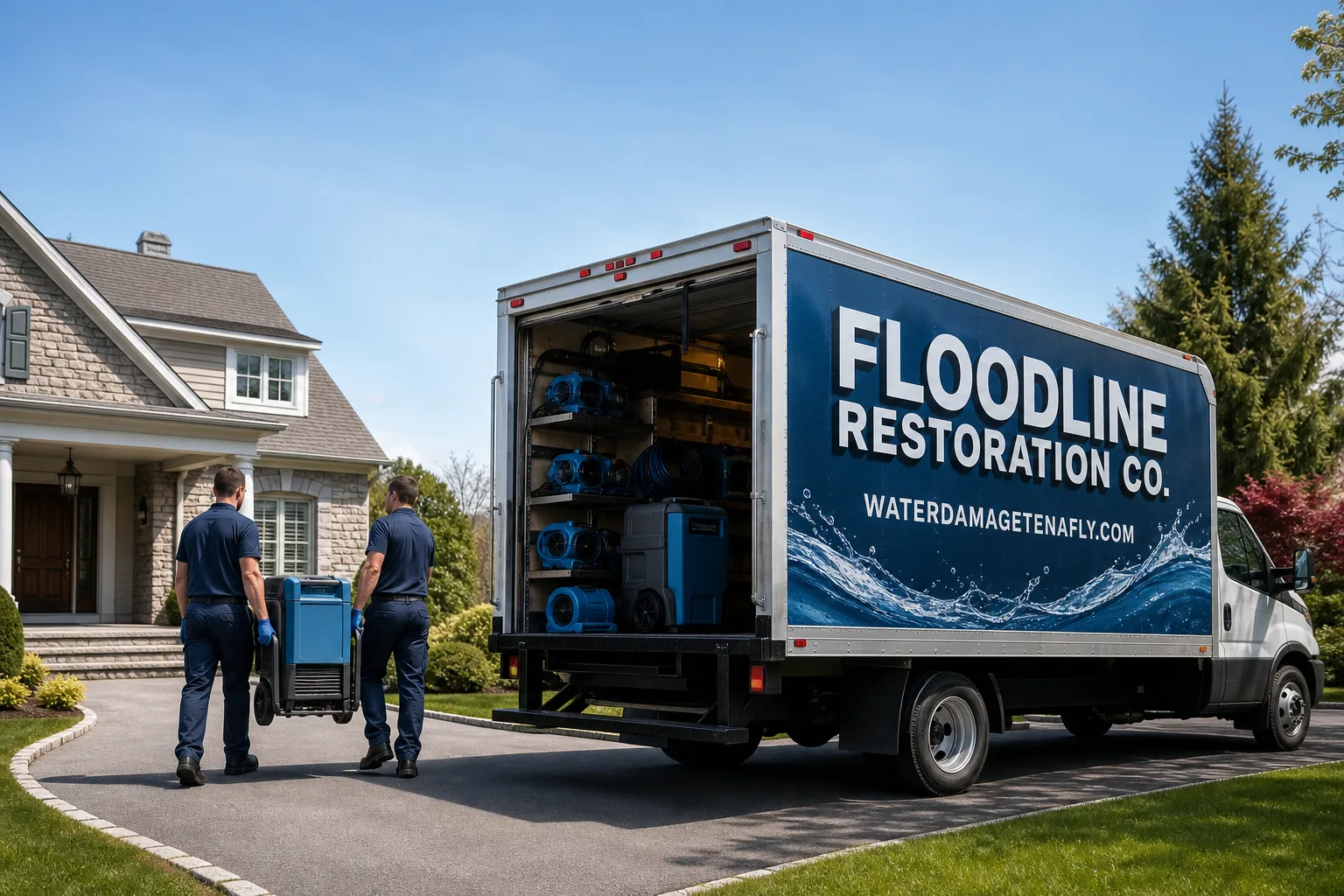
Free visual inspection and a written scope of work before any mitigation begins - photos, moisture readings, and drying logs go in your claim file
The scope we write is the scope we bill. Anything new gets shown to you, in writing, before we touch it.
 Before
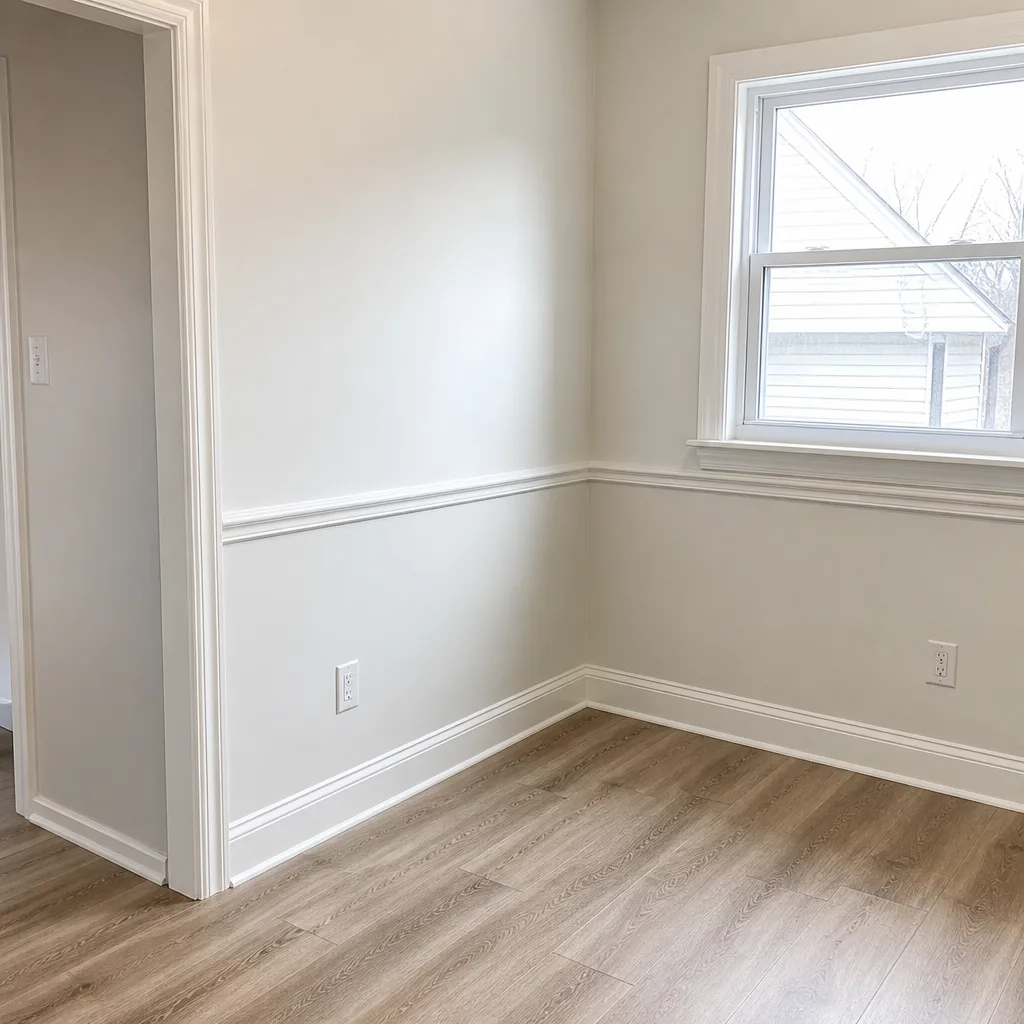 After
After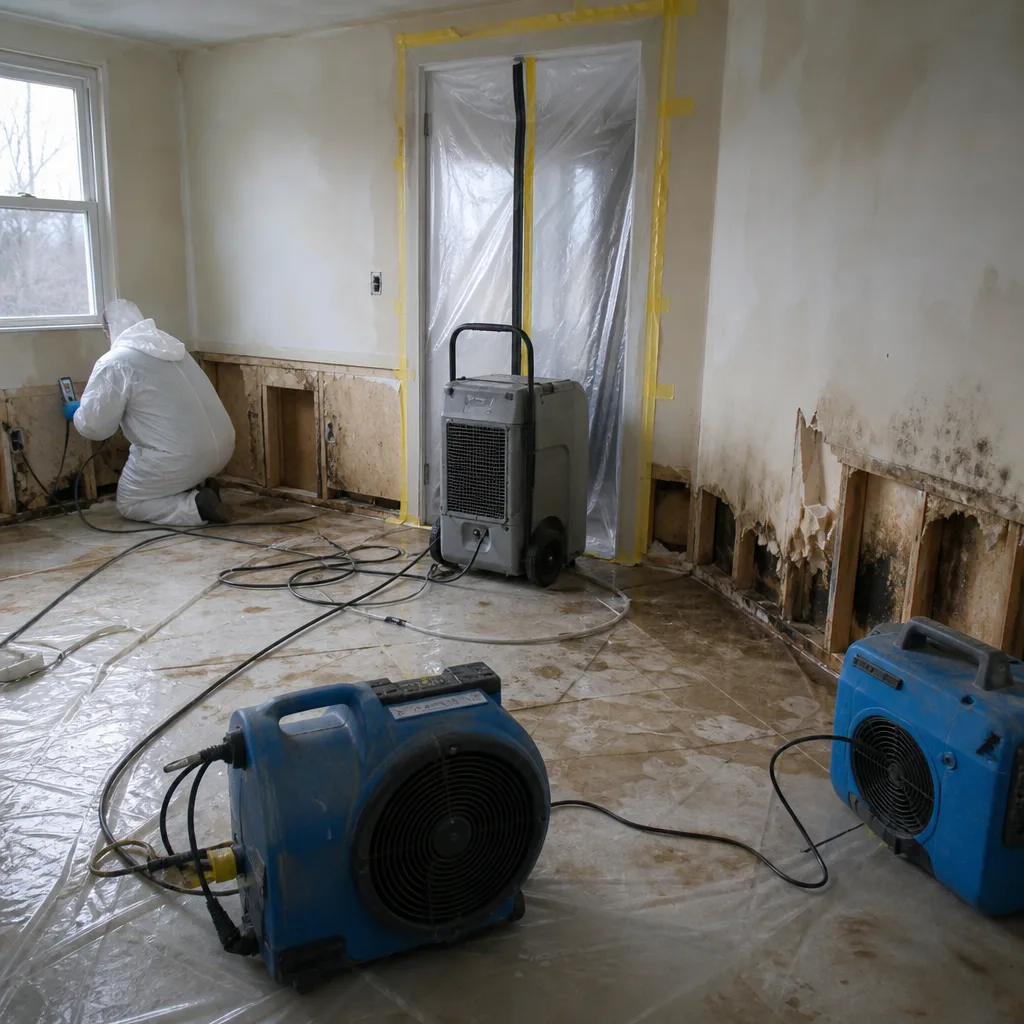 Before
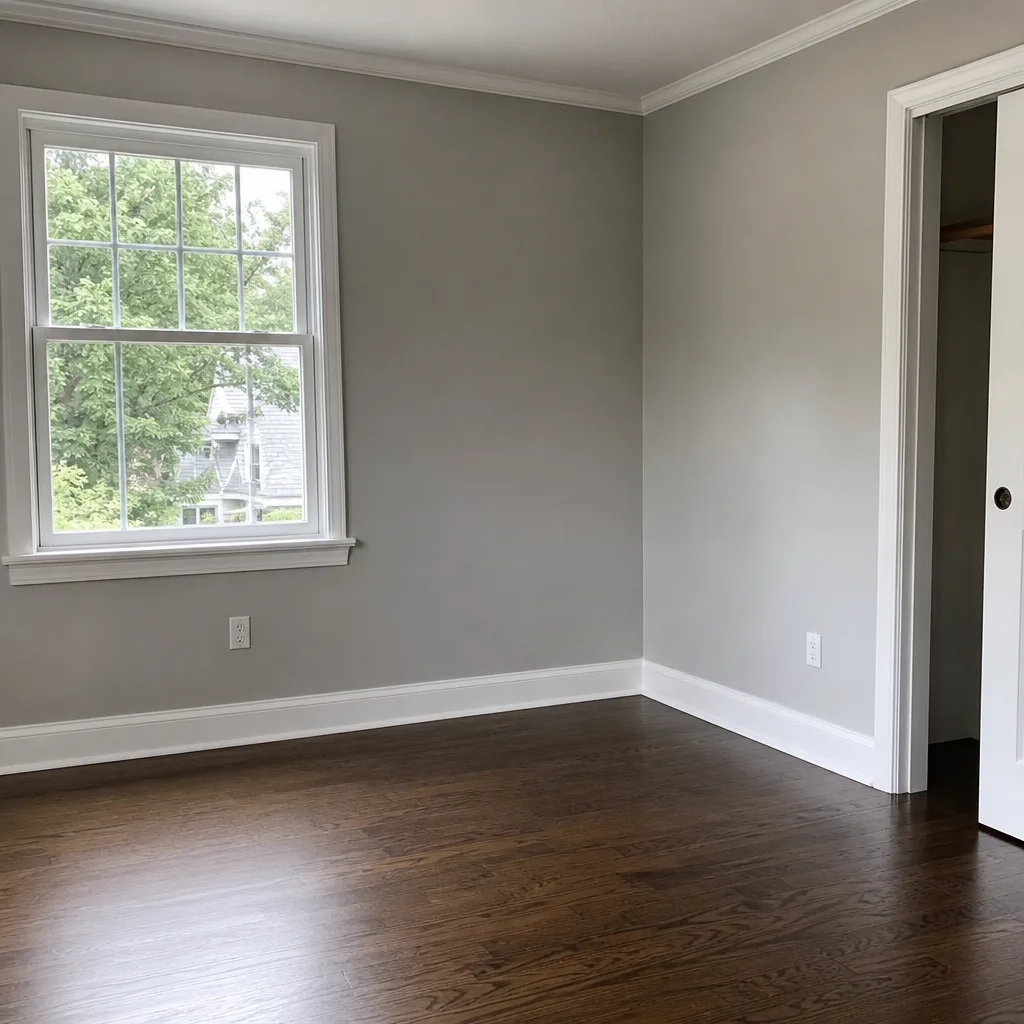 After
After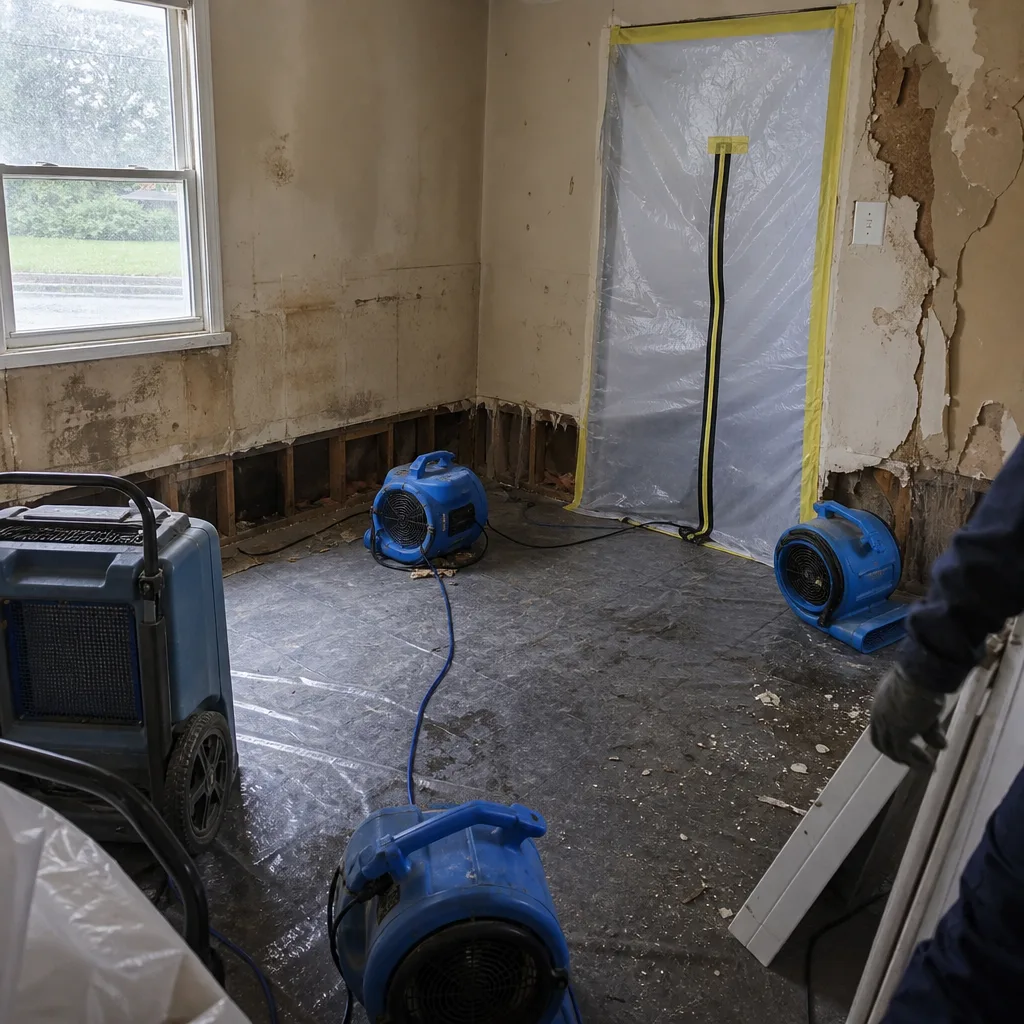 Before
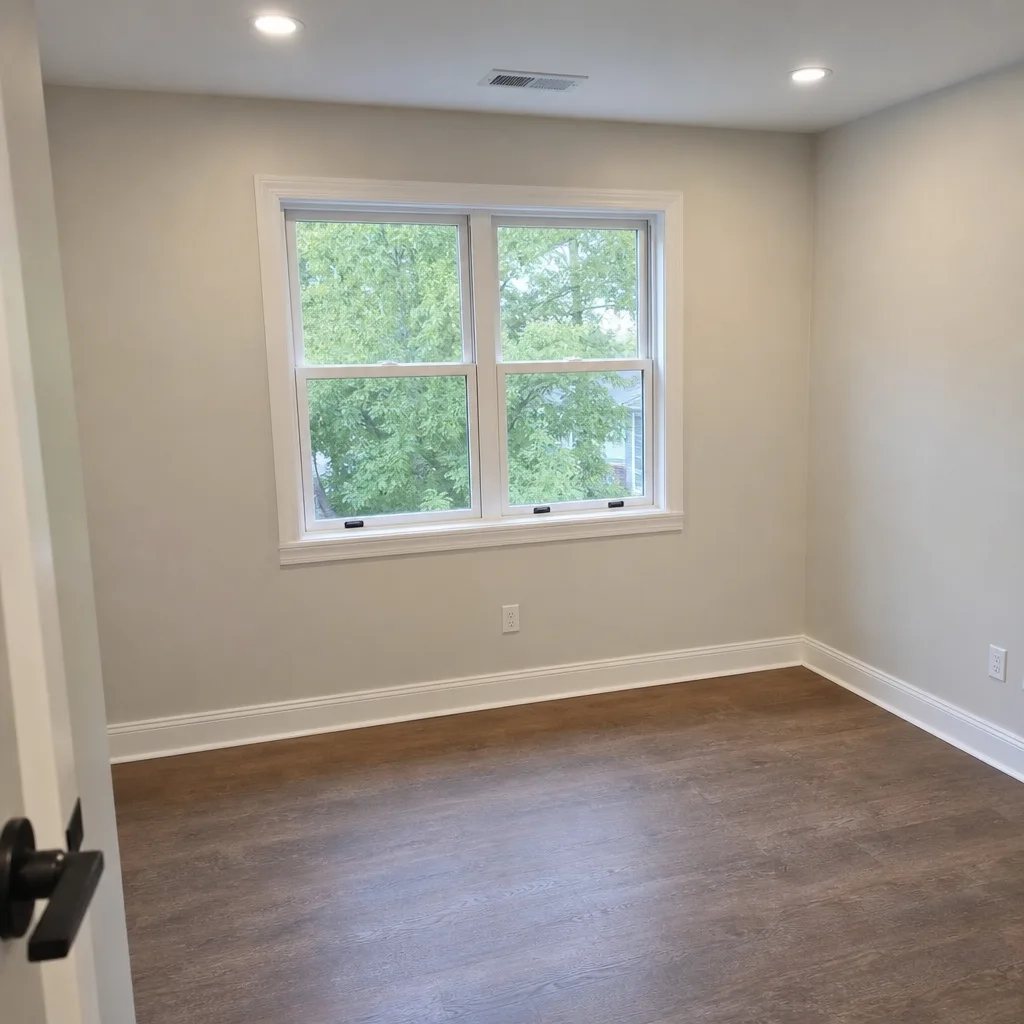 After
After24/7 Emergency Water Damage Restoration in Dumont
A burst pipe in a 1954 Cape Cod, a sewer backup into a 1970s finished basement, an ice dam letting go on a low-pitched roof after a nor’easter – these are the calls that come in to Dumont homes at all hours. Our crews answer live, 24 hours a day, and we dispatch into Dumont within 45 minutes. Call (551) 348-3742 the moment you see water where it shouldn’t be. The first hour determines whether you’re looking at a dry-out or a full gut-out. Waiting even until morning changes that math in the wrong direction, especially in the older housing stock that defines this borough. Our Water Damage Restoration team arrives with thermal imaging and moisture mapping equipment, does a free visual inspection, and starts extraction the same visit.
Understanding Water Damage Restoration Severity in Dumont Properties
In Dumont, severity doesn’t just mean how much water you can see. It means what that water is doing inside wall cavities, under vinyl flooring, and behind the drywall of a basement that was finished forty years ago without a vapor barrier. We classify water by category. Category 1 is clean water from a supply line. Category 2 is grey water, from washing machines or sump failures. Category 3 is black water, sewage and river flood water, which carries the pathogens that make a fast response matter most. In Dumont’s post-WWII housing stock, Category 1 water from a burst galvanized line frequently turns into a Category 2 or 3 problem within hours, because the water travels through original cast-iron drains, wall cavities stuffed with fiberglass batts, and floor systems built tight against the concrete block. Moisture mapping shows us what a visual walkthrough can’t: the water that’s already wicked up the backside of drywall, the saturated furring strips behind paneling, the hidden pocket under the stairs that a surface reading would miss. Structural drying in these homes requires containment, precise airflow, and daily readings until we hit the dry standard, not just until the floor feels dry to the hand.
Why Dumont Property Owners Choose Floodline Restoration Co.
- 45-minute response commitment. We pull techs from crews already working the Bergen County corridor, so a certified team reaches your Dumont street fast, not after a two-hour drive from a distant hub.
- A real person answers, every hour. Our live dispatchers pick up at 2 a.m. on a Sunday. No voicemail tree, no callback promise. The phone rings, a person answers, a crew moves.
- IICRC-certified crews. Our technicians carry WRT, ASD, and AMRT certifications and work to IICRC, RIA, and IFA standards. They’re background-checked, uniformed, and trained on exactly the legacy materials they’ll find in Dumont basements.
- Free visual inspection. We look, we measure, we explain what we found, and we give you a written scope before any work starts. No pressure, no surprise line items later.
- Direct insurance billing. We document from the first hour, send the carrier line-item estimates, and coordinate with your adjuster. You don’t play messenger between us and the insurance company.
- One team, start to finish. Extraction, drying, sanitization, and reconstruction happen under the same roof with the same crew. Nobody hands your house off to a sub mid-job.
Our Water Damage Restoration Process
Inspection & Assessment
We walk the damaged areas, read moisture levels with thermal imaging and hygrometers, and check for the legacy materials common in Dumont homes, including asbestos-containing floor tiles, pipe wrap, and textured ceilings. You get a written scope and a clear explanation before any equipment comes off the truck.
Extraction & Stabilization
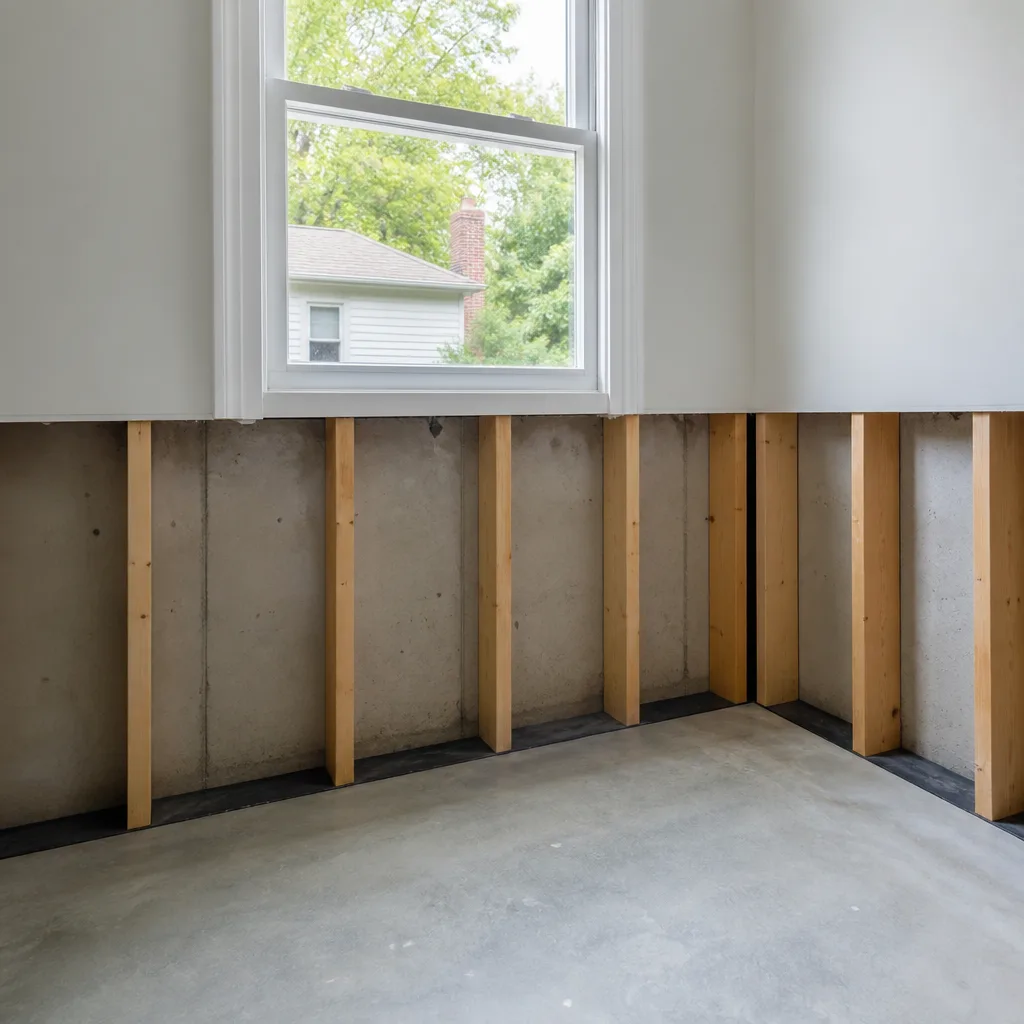
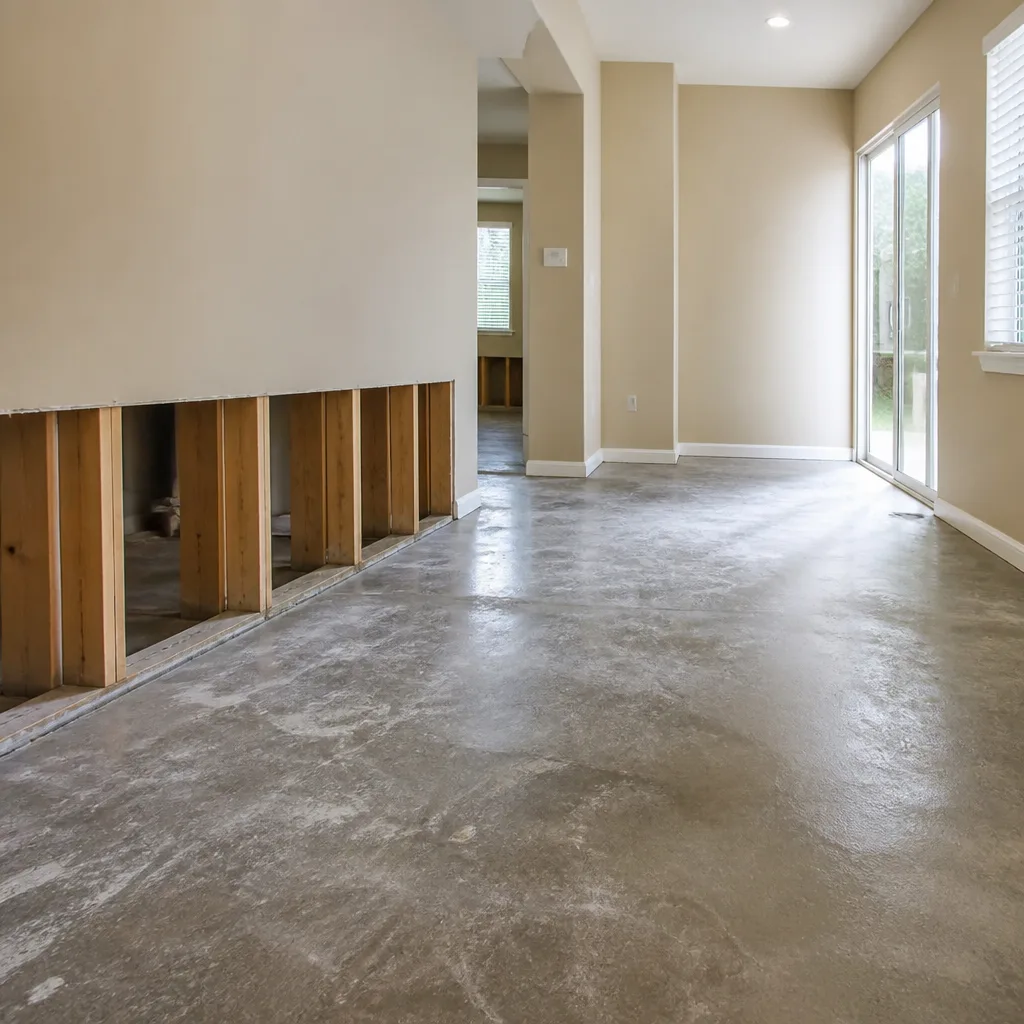
We pull standing water with truck-mounted and portable extraction equipment, then remove saturated materials that can’t be dried: wet fiberglass batts, baseboards, and vinyl flooring. In Dumont basements finished without vapor barriers, this often means opening wall cavities down to the block to expose hidden moisture.
Drying & Dehumidification
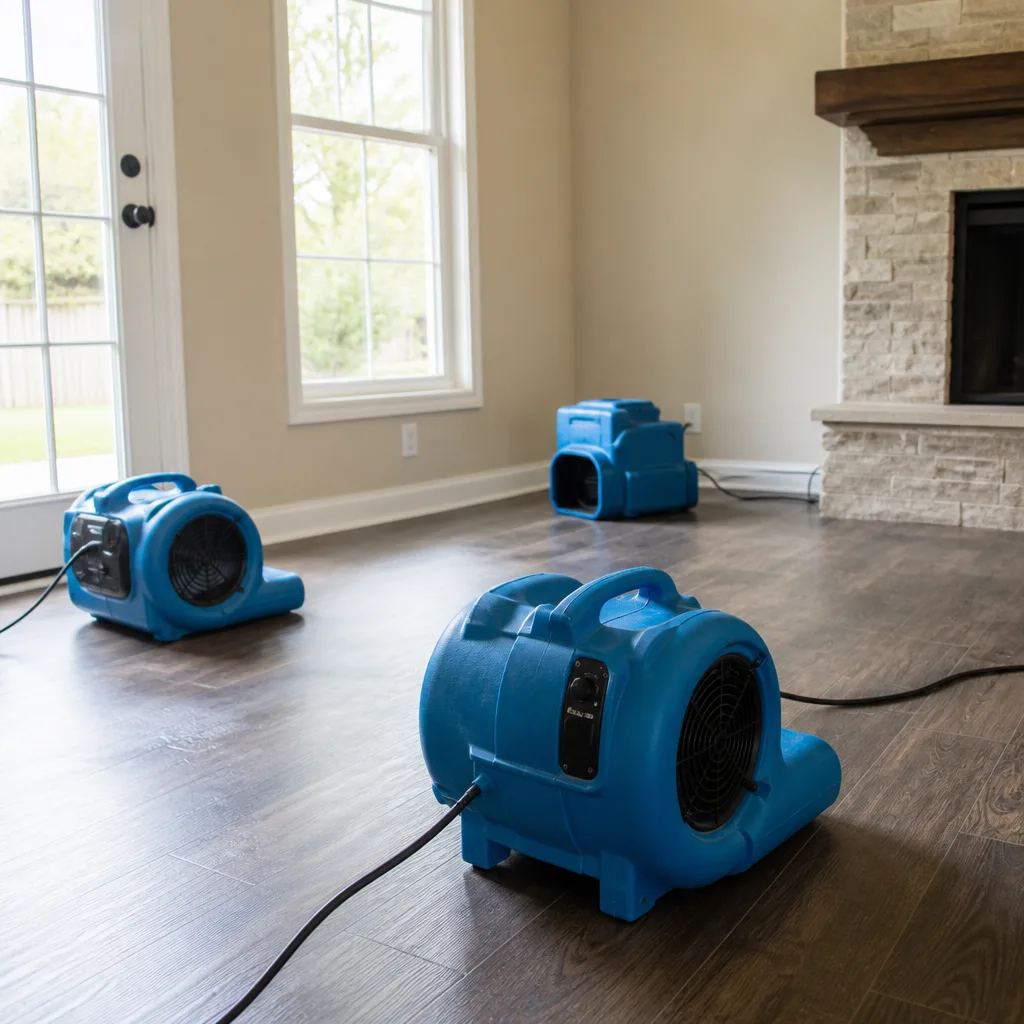
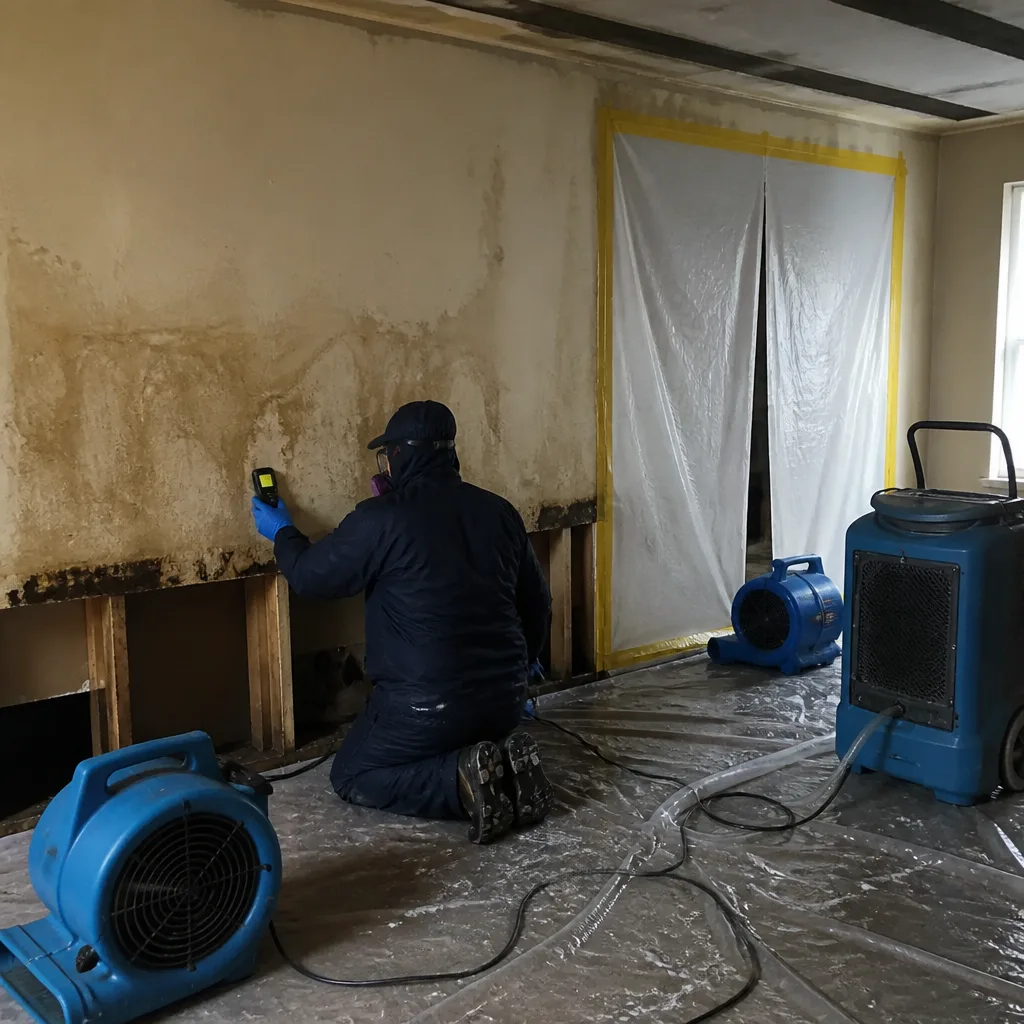
We set up containment to control airflow on tight 50-by-100-foot lots, place Dri-Eaz air movers and Phoenix dehumidifiers, and log daily readings. The goal isn’t a dry surface. It’s a dry structure, measured and documented until we hit the established dry standard for Dumont’s framing and concrete block assemblies.
Cleaning & Sanitization
We clean affected surfaces with antimicrobial treatments appropriate to the water category and apply preventive treatments to framing, concrete block, and subfloor materials that got wet. This step keeps mold from rebounding in the hidden cavities where Dumont’s older basements hold moisture.
Mold Prevention & Containment
For Category 2 or 3 water, or any loss where water sat for more than a day, we run HEPA air scrubbers, maintain containment, and verify drying with moisture readings before releasing the space. We don’t guess. We measure.
Repairs & Restoration
We rebuild what got torn out. Drywall, framing, flooring, trim, paint. On jobs that hit a legacy-material snag, we coordinate the abatement step, then bring the space back using modern materials installed correctly, with vapor barriers where the original build skipped them.
Need Emergency Water Damage Restoration in Dumont Now?
Crews minutes away, answering live 24 hours a day. The sooner we start, the less it costs.
Working With Your Insurance Company
Most Dumont homeowners facing a water damage loss are filing a claim for the first time in twenty years. We handle that burden. From the first hour, we document everything: photos room by room, moisture readings, equipment logs, and a line-item estimate written to industry standards. We talk directly with your adjuster, send them the documentation they ask for, and bill the carrier directly so you’re not floating thousands out of pocket. If the damage traces back to a sudden and accidental event, most policies cover restoration and rebuild. Gradual seepage through a foundation wall usually lands differently. We’ll tell you which situation you have before you make the claim, and we’ll give you the documentation either way.
What We Provide Your Insurer
- Thorough documentation of the loss
- Photos of all damage, room by room
- Moisture readings and drying logs
- A detailed, line-item scope of work
- Direct coordination with your carrier
Built for Dumont’s Loss Calendar
Dumont takes on water in four seasonal waves. January and February bring deep freezes that burst original galvanized supply lines in uninsulated crawl spaces and exterior wall cavities. These are the Category 1 losses that snake through 1945-to-1965 Cape Cods and split-levels and end up in finished basements that were never waterproofed. March and April bring snowmelt and spring rain that overwhelm the older municipal storm drains in low-lying sections of the borough, pushing groundwater up through slab seams and over foundation sills. Summer delivers the thunderstorm flash floods that hit hard and drain slow, especially on tight lots where downspouts dump water within feet of the foundation. And late fall through winter, nor’easters drive rain horizontally while freeze-thaw cycles build ice dams on the low-pitched Cape Cod rooflines that dominate Dumont’s streets, sending water down the interior side of the roof sheathing and into attic insulation and ceiling drywall. Each season has its own damage pattern. We’ve seen all four enough times that we know what we’re walking into before we walk in.
Water Damage Restoration Across Dumont’s Neighborhoods
Dumont is a borough of small lots and repeat house patterns, but the call type shifts street to street. Up around New Milford Avenue and the northern blocks, where Cape Cods crowd 50-by-100-foot lots, we see a lot of freeze-damaged supply lines that break behind the basement stair. The finished basements there, most done by homeowners in the 1970s with furring strips and unfaced fiberglass against the block, turn a simple pipe leak into a full wall-cavity gut-out. East toward Washington Avenue and the sections closer to the railroad line, the pattern runs to sewer backups during heavy rain, a function of aging cast-iron drains and the borough’s combined storm and sanitary infrastructure in the older grid. Down near Columbia Street and the southern boundary, split-levels on slightly higher ground still take on water through window wells and side-door stair drains during summer downpours. We know the response routes, which hydrants are accessible on narrow streets, where the low spots are after a two-inch rain. That local knowledge means our crews reach the job faster and start extraction sooner than a crew driving in from outside the county.
Specialized Water Damage Restoration Services We Offer in Dumont
Basement Water Removal in Dumont
Dumont basements, especially those finished between 1970 and 1990, hold water differently than newer construction. The drywall sits on furring strips screwed directly to the concrete block, which creates a sealed cavity that traps moisture and grows mold within days. We remove the water, then open those cavities, dry the assembly, and rebuild with a vapor barrier so the problem doesn’t come back next season. This is not a mop-and-dry job. It’s a full water removal and structural drying process.
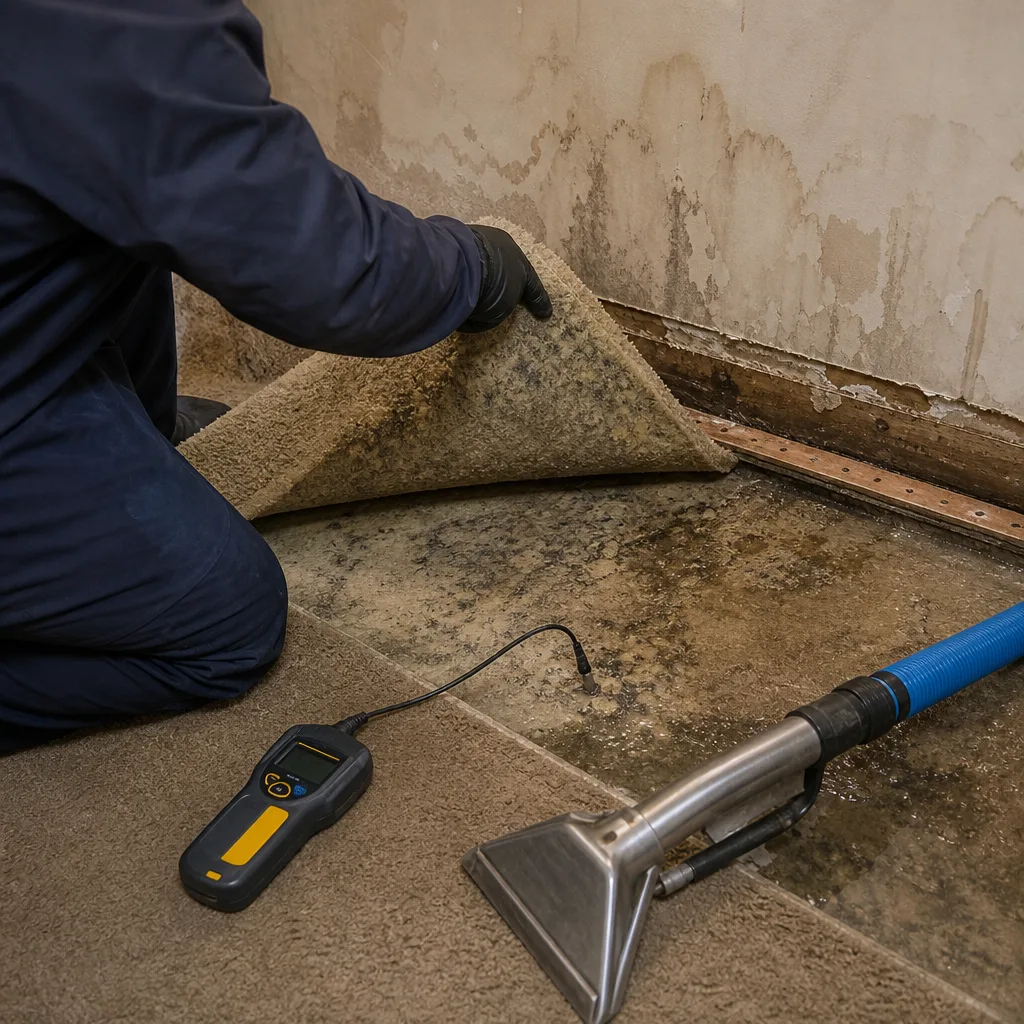
Structural Drying & Dehumidification in Dumont
On tight lots with shared driveways and small basements, proper containment is the difference between a six-day dry-out and a two-week mold rebound. We run Dri-Eaz air movers and Phoenix dehumidifiers under negative pressure, log daily moisture readings, and hand you the drying log for your insurer. In Dumont’s older framing, where the subfloor sits tight to the block and the joists are original to the house, drying takes care and patience. We don’t rush it, and we don’t skip the daily log.
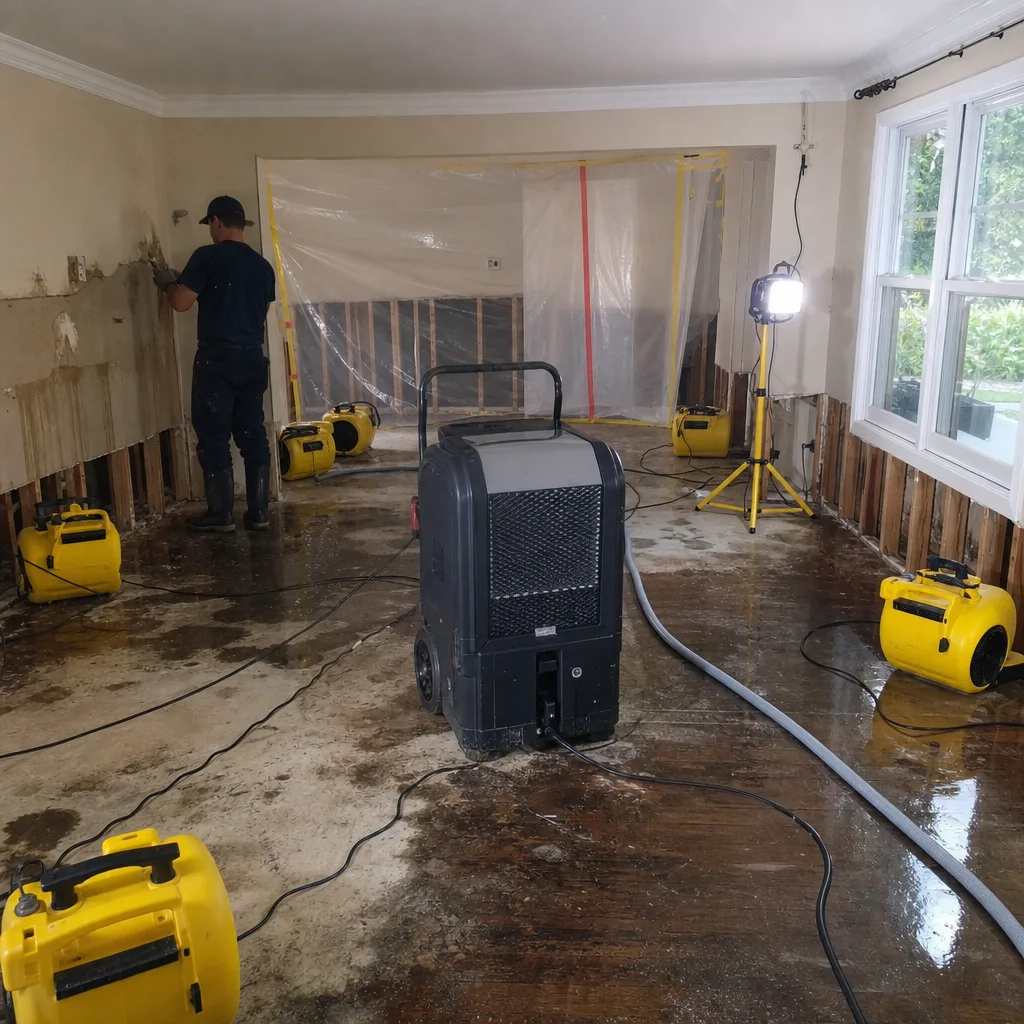
Burst Pipe Restoration in Dumont
A burst pipe in a 1950s Dumont home rarely stays a plumbing problem. The water follows the path through the wall cavity, the floor system, and the basement stair, and it doesn’t stop at the visible puddle. We find the full extent with thermal imaging, extract the standing water, isolate the damaged areas, and restore the home to pre-loss condition. If the pipe that failed was original galvanized, we’ll recommend a scope review on the surrounding supply lines so you don’t get a second call in the same spot next winter.
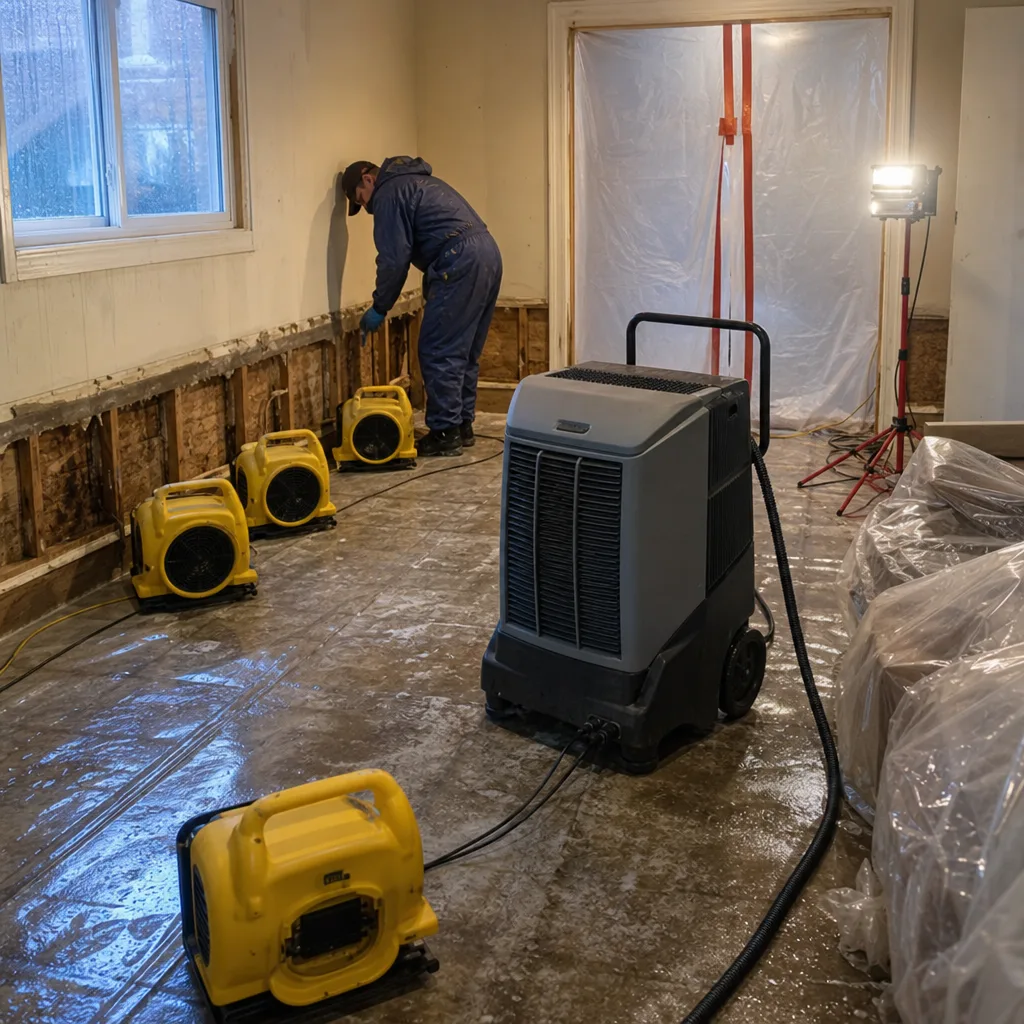
What happens when you call
- 1
A real person answersNo phone trees - you reach a local pro.
- 2
You get an upfront price rangeHonest numbers before anyone is dispatched.
- 3
A background-checked tech heads outLicensed & insured, dispatched right away.
- 4
You approve before work beginsNothing starts until you say go.
Water Damage Restoration Costs in Dumont, NJ
A straightforward basement water removal and structural dry-out in Dumont, where the damage is confined to an unfinished space, typically runs $1,800 to $3,400. A Category 3 sewer backup in a finished basement, which requires full gut-out of the 1970s assembly, sanitization, and a rebuild of drywall and flooring, lands between $6,000 and $14,000 depending on square footage and whether an asbestos abatement step is required. Burst pipe restoration with ceiling and wall repairs usually falls in the $2,500 to $7,000 range. The variables are the water category, the materials that got wet, and whether the basement was finished informally without waterproofing, which is common in Dumont and adds scope because we have to remove what can’t be dried. We give a written scope before work starts. The estimate is free. No surprises on the bill.
We Also Serve Cities Near Dumont
Floodline Restoration Co. runs crews through Bergen County daily, and we serve the Water Damage Restoration in Dumont surrounding communities of Haworth, Cresskill, Bergenfield, and Demarest. Same live dispatch, same 45-minute response commitment, same written guarantee. If you’re a few blocks over the borough line, call the same number.
Dumont Water Damage Restoration Questions, Answered
Why does water damage restoration in Dumont often require an asbestos abatement step before drying can begin?
Dumont’s housing stock, built mostly between 1945 and 1965, contains legacy materials that test positive for asbestos under NJ DEP standards: vinyl floor tiles, pipe wrap on original heating lines, and textured ceiling compounds are the common ones. When these materials are saturated or disturbed during water damage cleanup, an abatement contractor must clear the materials before structural drying can begin. This is a Dumont-specific workflow constraint that comes up far more often here than in neighboring towns with newer construction. We coordinate the abatement step so the schedule stays tight and the paperwork reaches your insurer without you chasing it.
How do Dumont’s 1970s-era finished basements complicate water damage restoration compared to newer homes?
The informal finishes of that era, fiberglass batts laid directly against raw concrete block, wood furring strips screwed to the block, and drywall with no vapor membrane, create sealed cavities that hold moisture like a sponge. Once saturated by even a minor sump failure, the whole assembly becomes a mold incubator that a surface drying approach will miss. We have to open the walls, remove the soaked material, dry the block and framing, and rebuild with proper vapor management. It adds scope, but it prevents the rebound mold growth that shows up three months after a cheaper, surface-only dry-out.
What should Dumont homeowners know about ice dam water damage on Cape Cod roofs after a nor’easter?
Dumont’s Cape Cods and split-levels built in the post-WWII boom have low-pitched rooflines that are unusually prone to ice dams. Snow melts at the ridge, runs down to the cold eave, refreezes, and water backs up under the shingles and into the attic insulation and ceiling drywall. After a nor’easter, we see ceiling stains, peeling paint, and wet insulation in the top-floor bedrooms. The restoration is only part of the fix. We’ll document the intrusion, dry and restore the ceiling and insulation, and tell you what conditions on that roof are allowing the repeat. If the drain path isn’t addressed, the same damage returns every late winter.
Why do Dumont basements flood so quickly during heavy rain even without a pipe burst?
Dumont’s position is relatively flat, and the borough’s older storm drains can’t always handle a heavy downpour. Runoff from surrounding streets concentrates fast, and water finds its way through foundation joints, over the sill plate, and up through slab seams in the low-lying sections of town. Homes on tight 50-by-100-foot lots compound the problem because downspouts discharge right against the foundation wall. We handle the water removal and drying, then point you to the grading or drainage changes that will keep the next storm from repeating the damage.
How quickly should a Dumont homeowner act after a water event in a 1950s home with original materials?
Within the first hour, ideally. In a 1950s Dumont home with original galvanized lines and cast-iron drains, clean water travels fast through wall cavities and floor assemblies, soaking legacy materials as it moves. What starts as Category 1 water can degrade to Category 2 within hours as it hits old pipe scale, and the longer the water sits, the higher the chance that asbestos-containing materials become saturated and require an abatement step. Call (551) 348-3742 the moment you see water. We’ll walk you through the first thirty minutes over the phone while a crew is already moving toward your street.
Is water damage restoration covered by homeowner’s insurance in Dumont?
Sudden and accidental damage, like a burst supply pipe or a storm-driven leak, is typically covered. Gradual seepage through a foundation wall usually isn’t. The distinction comes down to documentation. We photograph the source, map the moisture, and write a scope that tells your adjuster exactly what happened and why it qualifies. Our team deals with the carrier directly, so you’re not stuck translating a drying log into insurance language.
How long does structural drying take in a Dumont basement with 1970s finishes?
In an open, unfinished basement with proper containment, drying typically runs four to six days. In a finished 1970s basement where we have to open wall cavities, pull saturated fiberglass, and dry the concrete block behind it, count on five to nine days plus the rebuild time. We take daily moisture readings and give you the log. The dry standard is a number, not a feeling, and we don’t walk away until the structure hits it.
What should a Dumont homeowner do in the first 30 minutes after discovering water damage?
Shut off the water at the main if the source is a plumbing leak. Cut power to the affected area if water is near outlets or electrical panels. Move furniture and valuables to dry ground if you can do it safely. Don’t use a shop vac on Category 2 or 3 water, and don’t pull saturated drywall if you suspect asbestos-containing materials. Then call (551) 348-3742 and let our team take over. The first thirty minutes of the right actions save you days of drying and thousands in rebuild.
Serving Dumont, NJ - Our Local Coverage Area
We’re based in the Dumont area and know this community well. Use the map below to see our service coverage - if you’re nearby, we can almost certainly help.
Key Takeaways for Dumont Homeowners
- Act fast. In Dumont’s post-WWII housing stock, water damage escalates in hours, not days. The first hour determines whether you’re drying out or gutting out.
- Asbestos abatement is often part of the job here. Legacy floor tiles, pipe wrap, and textured ceilings in 1945-1965 homes require a clearance step before drying can begin. We coordinate it.
- 1970s finished basements hide the worst damage. Fiberglass batts against concrete block without a vapor barrier create a sealed mold incubator once wet. Surface drying won’t fix it.
- We handle the insurance conversation. Photo documentation, moisture logs, line-item scopes, and direct adjuster coordination. You don’t carry the burden.
- One crew, start to finish. Extraction, drying, sanitization, and rebuild under the same roof with the same certified technicians. Call (551) 348-3742 anytime.
Last winter, our crew responded to a burst pipe in a 1954 Cape Cod on New Milford Avenue where the original galvanized supply line let go behind a basement wall. The water saturated the homeowner’s 1970s-era finished basement: fiberglass batts laid directly against the concrete block, furring strips screwed to the block, and drywall with no vapor barrier. We set up containment, documented the Category 1 water with moisture mapping, and after the abatement contractor cleared the legacy pipe wrap, we gutted the assembly, ran structural drying with Dri-Eaz air movers and Phoenix dehumidifiers, and returned the space to pre-loss condition before mold could take hold. That’s the job done right, and it’s what we do for Dumont homeowners every day.
Written by Curt Bowman, Owner at Floodline Restoration Co., serving Dumont and Bergen County since 2010.