
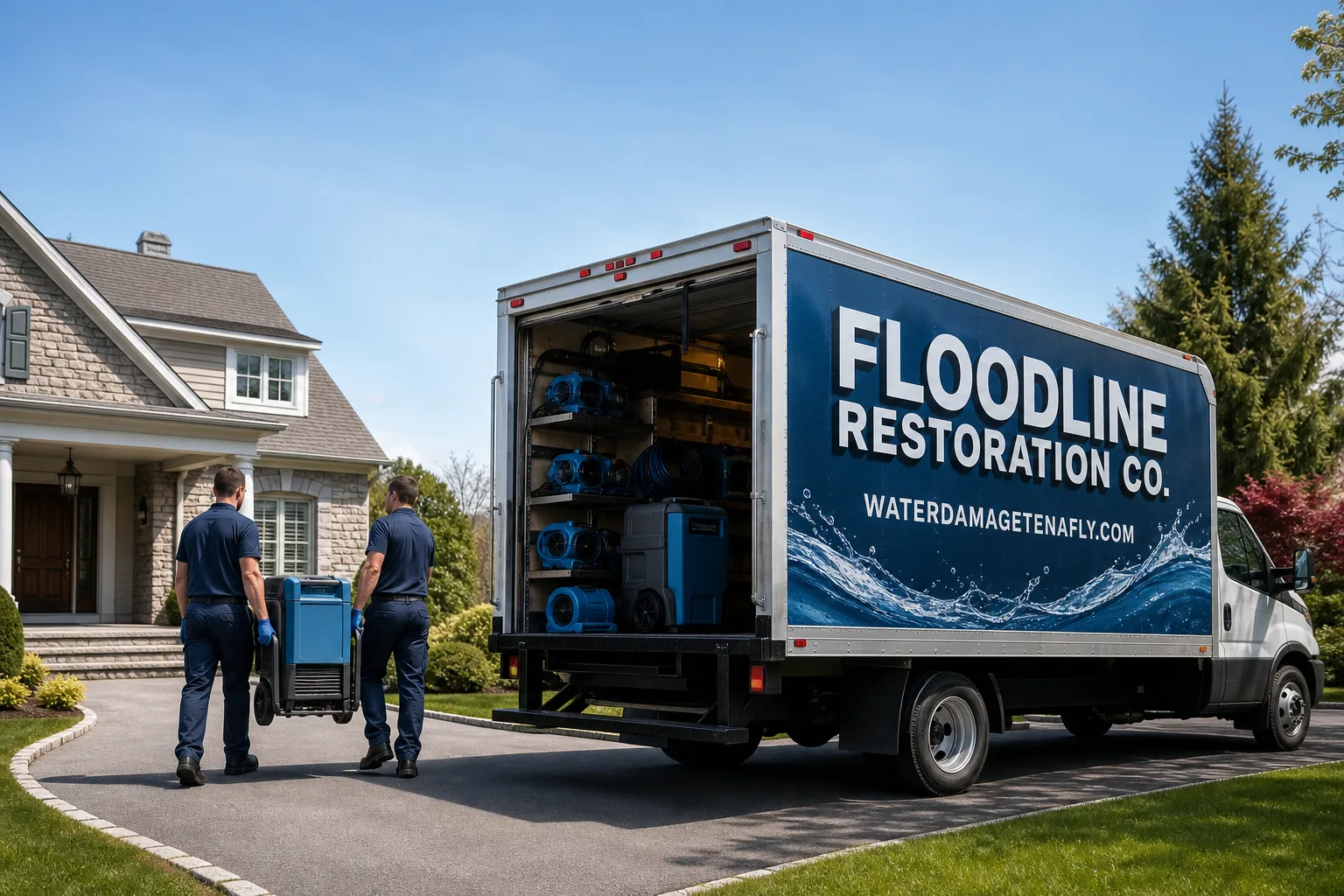
Free visual inspection and a written scope of work before any mitigation begins - photos, moisture readings, and drying logs go in your claim file
The scope we write is the scope we bill. Anything new gets shown to you, in writing, before we touch it.
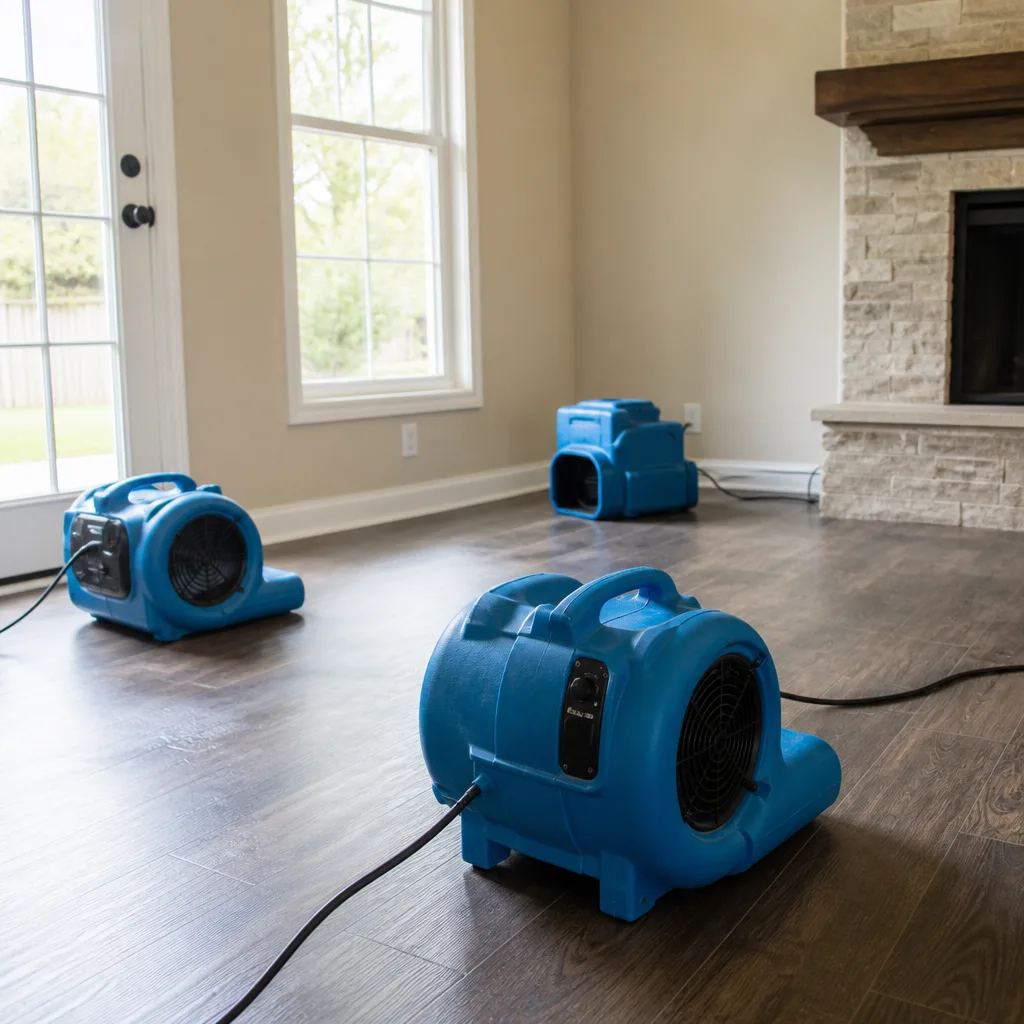
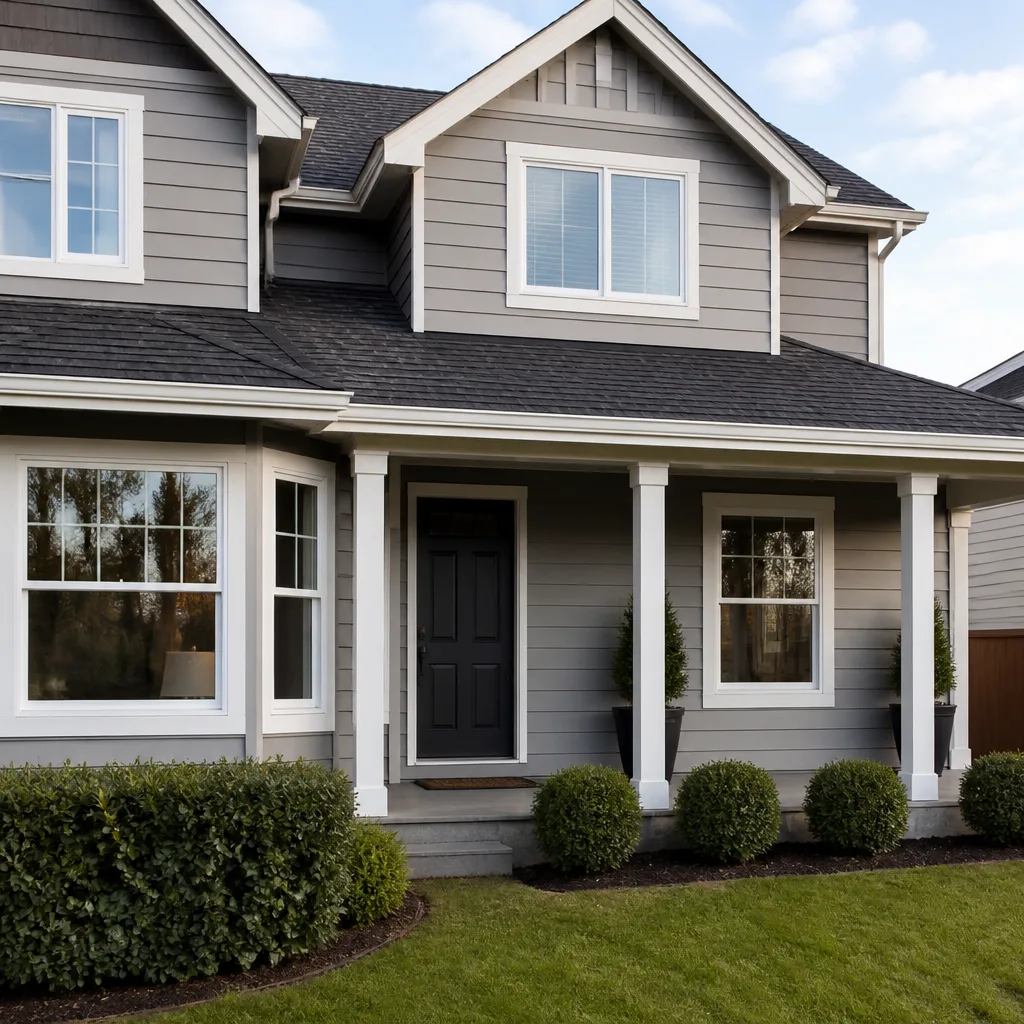
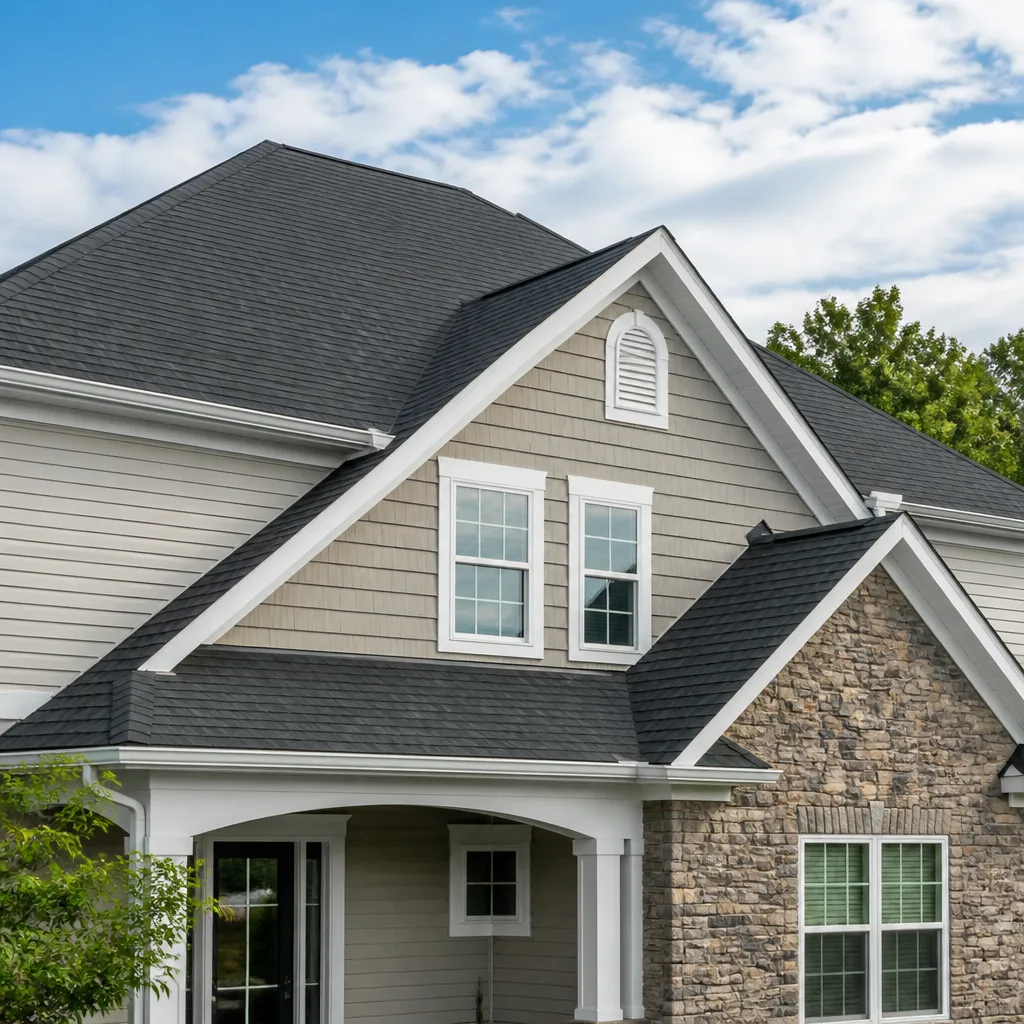
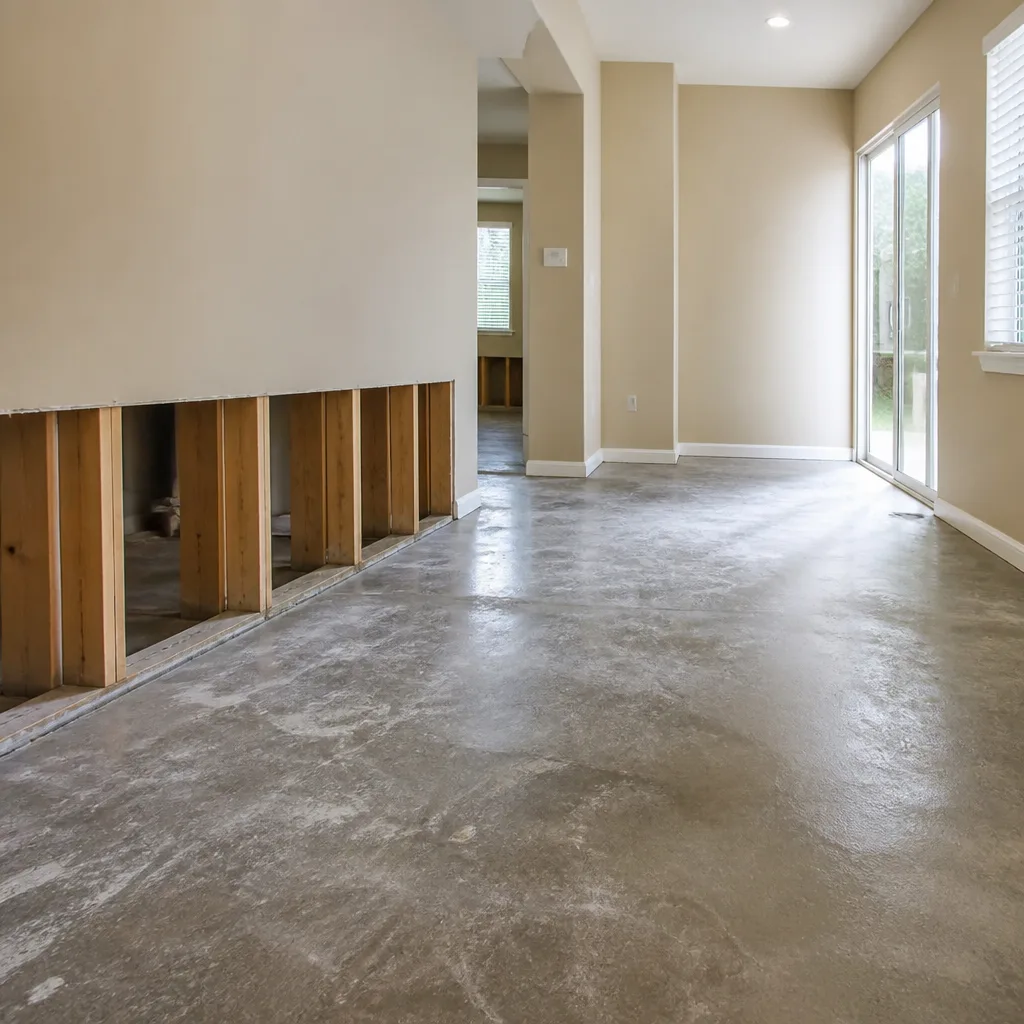

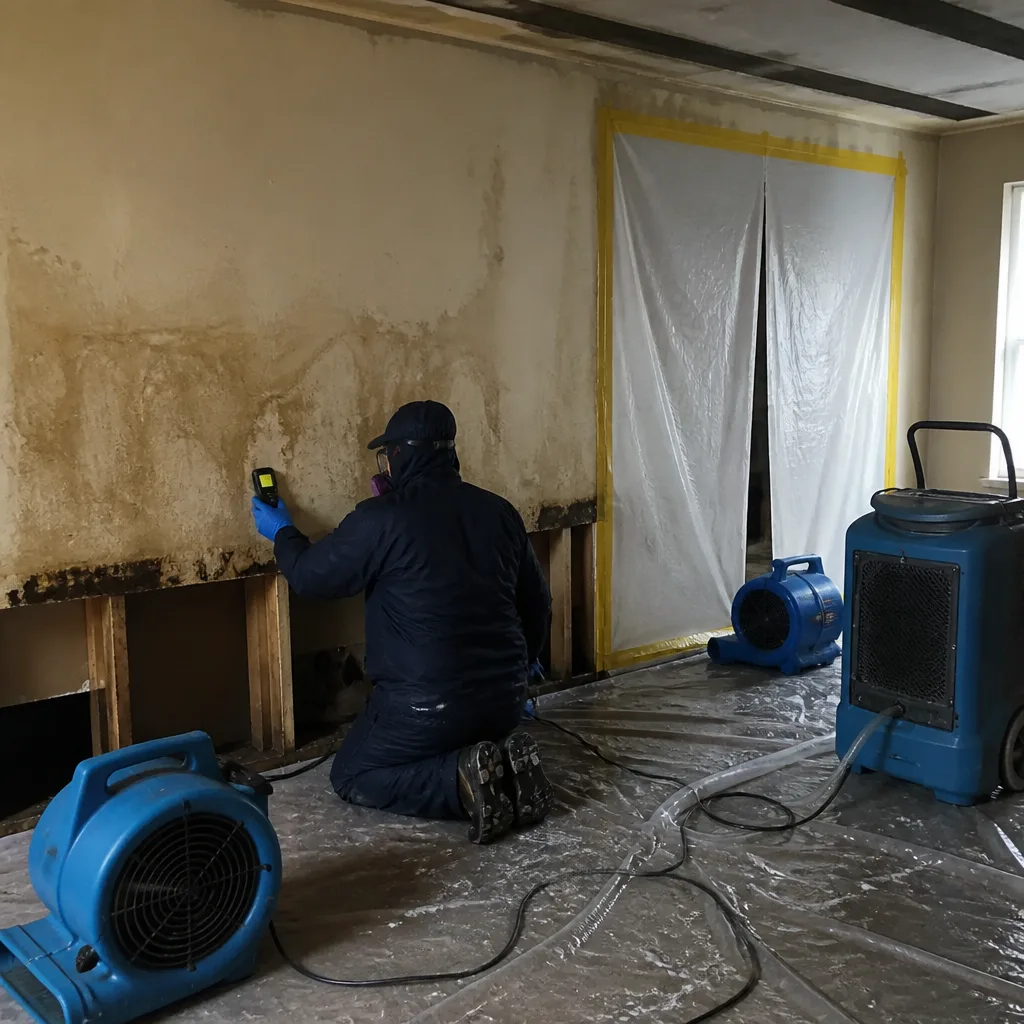 Before
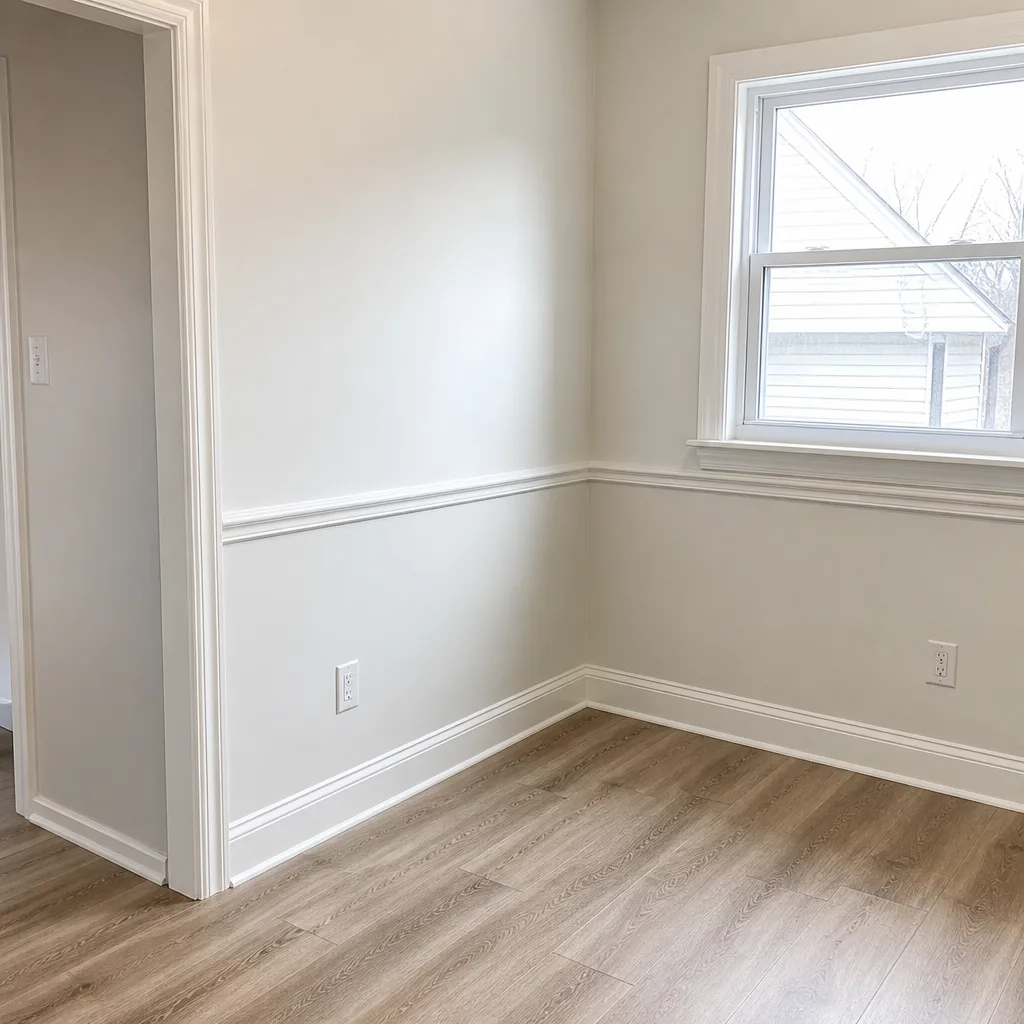 After
After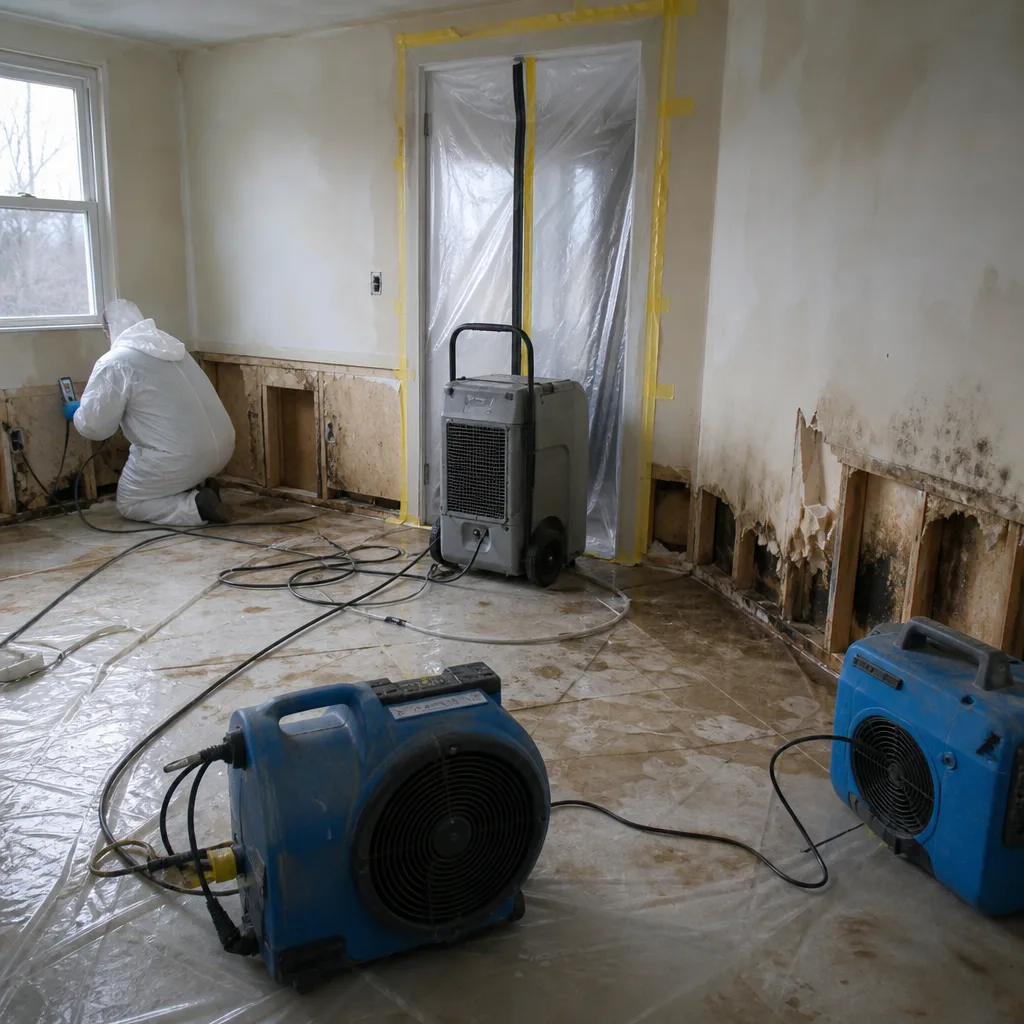 Before
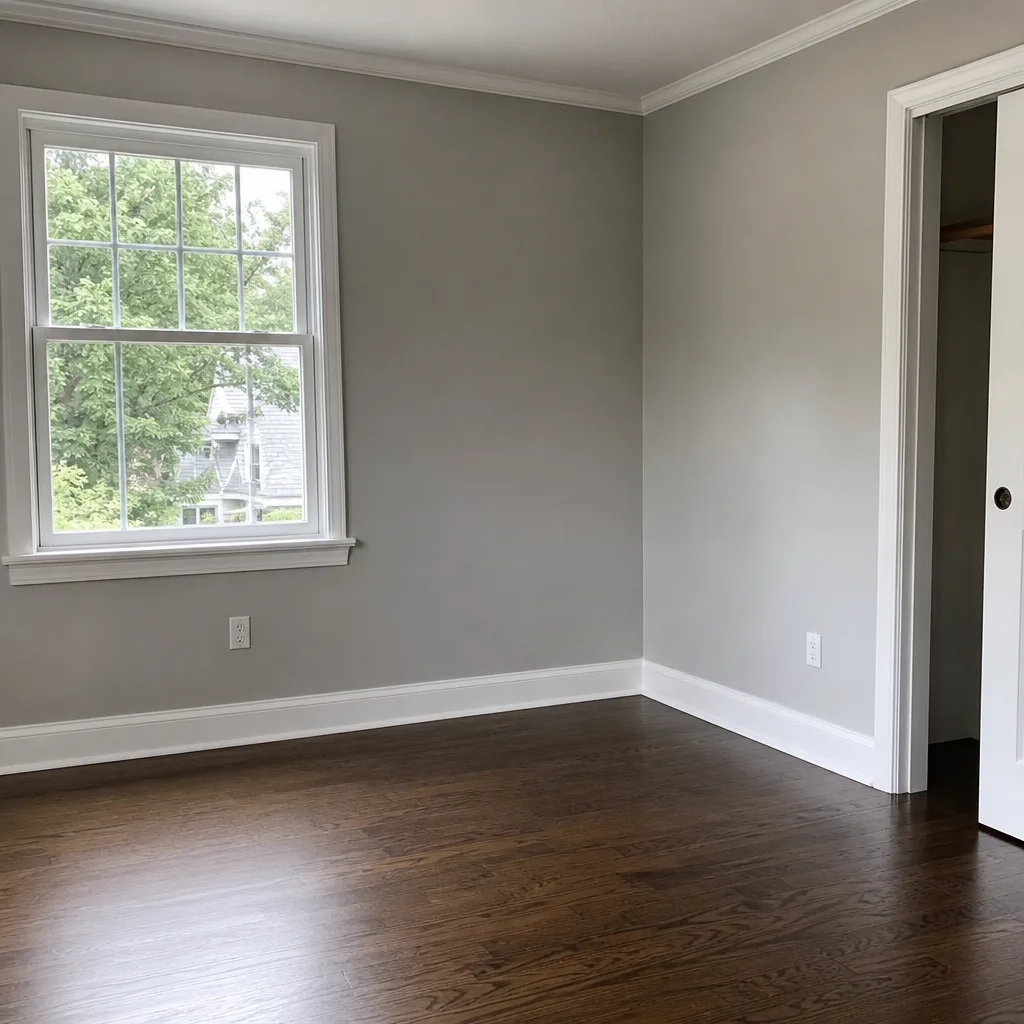 After
After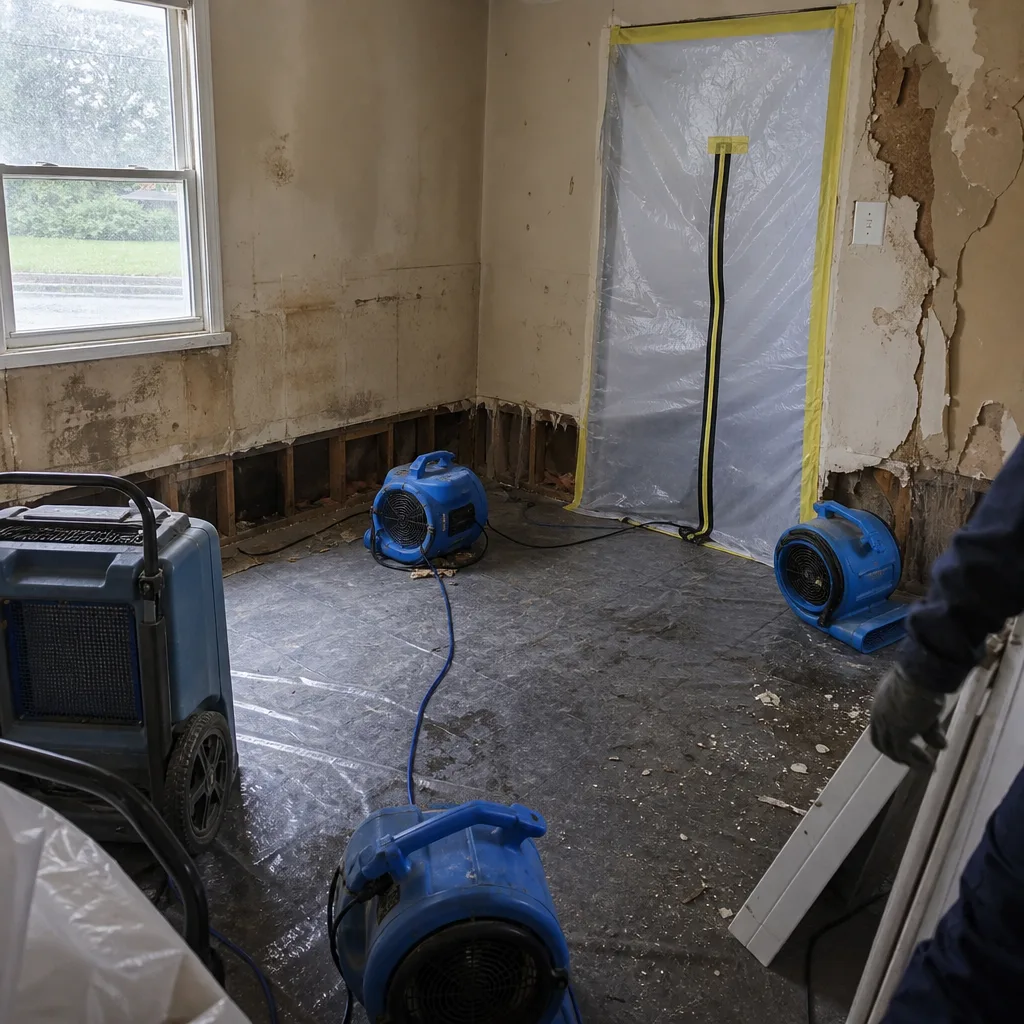 Before
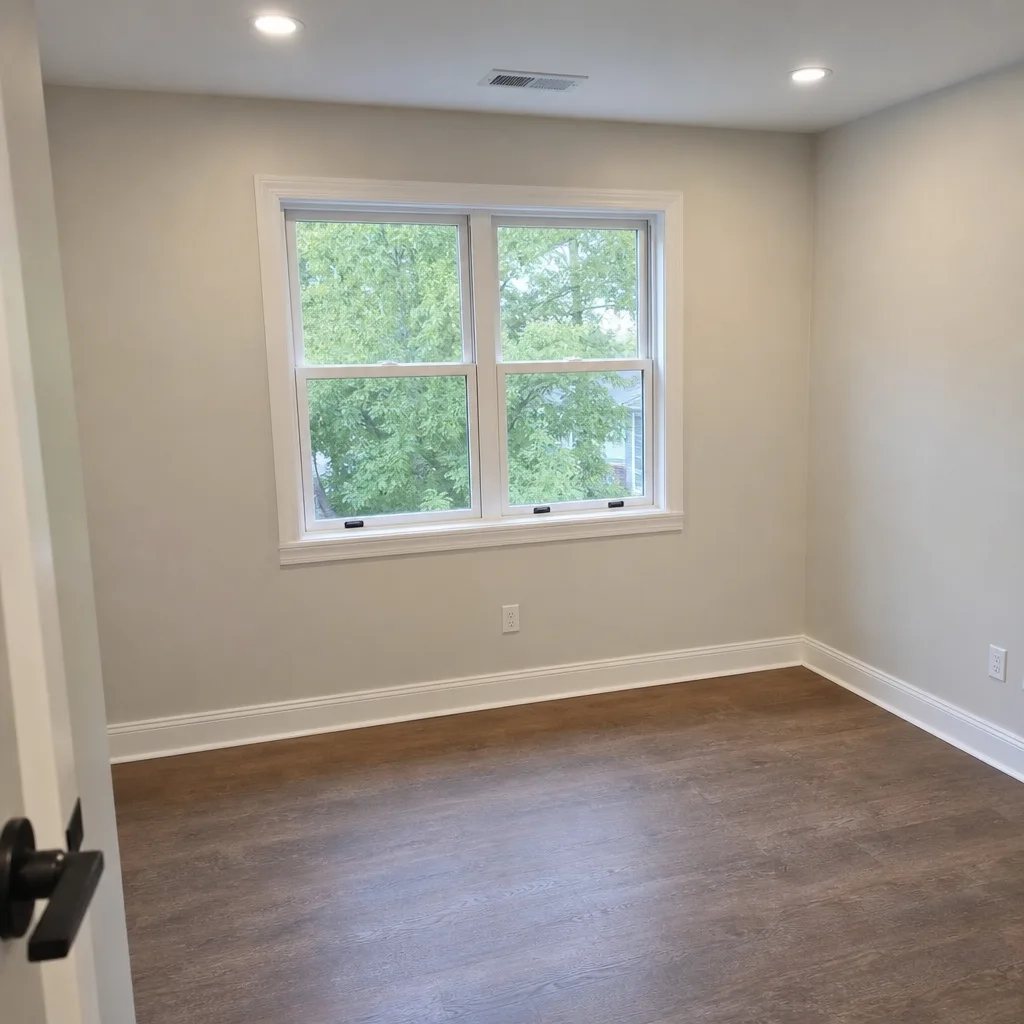 After
After24/7 Emergency Sewage Cleanup in Dumont
When a sewer line backs up into a Dumont basement at 2 a.m., the first hour decides how much of the house can be saved. Our crews are dispatched to Dumont within 45 minutes, every day of the year, with extraction running the same visit. Call (551) 348-3742 and you’ll reach a live dispatcher, not a recording. Category 3 water, what the trade calls black water, carries bacteria, viruses, and parasites that don’t wait for business hours. The longer it sits in a finished basement with drywall and fiberglass insulation, the farther it wicks, the deeper it soaks, and the more wall assembly has to come out. We do a free visual inspection, tell you plainly what can be saved and what can’t, and put the scope in writing before any work begins.
Understanding Sewage Cleanup Severity in Dumont Properties
Sewage damage falls into three classes of water, and the distinction matters a great deal. Category 1 is clean water from a supply line. Category 2 is gray water, from a washing machine or sump pump, carrying some contamination. Category 3 is sewage: toilet backflow, sewer lateral intrusion, or septic failure. It contains pathogens, and anything porous it touches, carpet, drywall, insulation, wood furring strips, must be removed or professionally sanitized to IICRC standards. In Dumont, where most homes were built between 1945 and 1965, category 3 water interacts with building materials rarely found in newer construction. Galvanized supply lines and cast-iron drains, both original to the era, fail in ways that send sewage into finished basements rather than out to the street. Moisture mapping with thermal imaging and hygrometers tells us exactly where the category 3 water traveled, including behind walls where no staining is visible yet. The severity isn’t just about how much water. It’s about what the water touched, and what those materials are made of.
Why Dumont Property Owners Choose Floodline Restoration Co.
- 45-minute response commitment. A licensed crew leaves for Dumont the moment your call ends. We don’t put you on a list.
- Live answer, 24 hours a day. A real person picks up the phone at 2 a.m. No automated tree, no answering service, no callback later. Founded in 2010, built around a dispatch board, not a sales desk.
- IICRC-certified crews. Our technicians hold WRT, FSRT, and AMRT certifications and train to RIA and IFA standards. Background-checked and uniformed on every job.
- Free visual inspection. We assess the damage before any money changes hands, and we tell you what needs to happen and what doesn’t.
- Direct insurance billing. We bill your carrier directly and coordinate with your adjuster so you never carry paperwork between us and them.
- One team from extraction to reconstruction. The same certified crew that extracts the sewage handles drying, cleaning, and rebuilding. No handoff to strangers mid-job.
Our Sewage Cleanup Process
Inspection & Assessment
We arrive with thermal imaging cameras and hygrometers, trace the category 3 water’s path, and identify the contamination source. On Dumont homes with original cast-iron drains, we specifically check laterals for collapse or root intrusion before assuming a simple clog.
Extraction & Stabilization
Black water is removed using professional-grade truck-mounted extraction units, not shop vacs. Contaminated materials like saturated carpet and pad are cut and bagged for disposal. The goal in the first hour is stopping the spread.
Drying & Dehumidification
Dri-Eaz and Phoenix dehumidifiers and high-velocity air movers are placed according to a moisture map, not guesswork. Daily readings are logged in writing and shared with you and your carrier until the dry standard is met. On homes with 1970s and 1980s basement finishes, this step may pause for an asbestos survey.
Cleaning & Sanitization
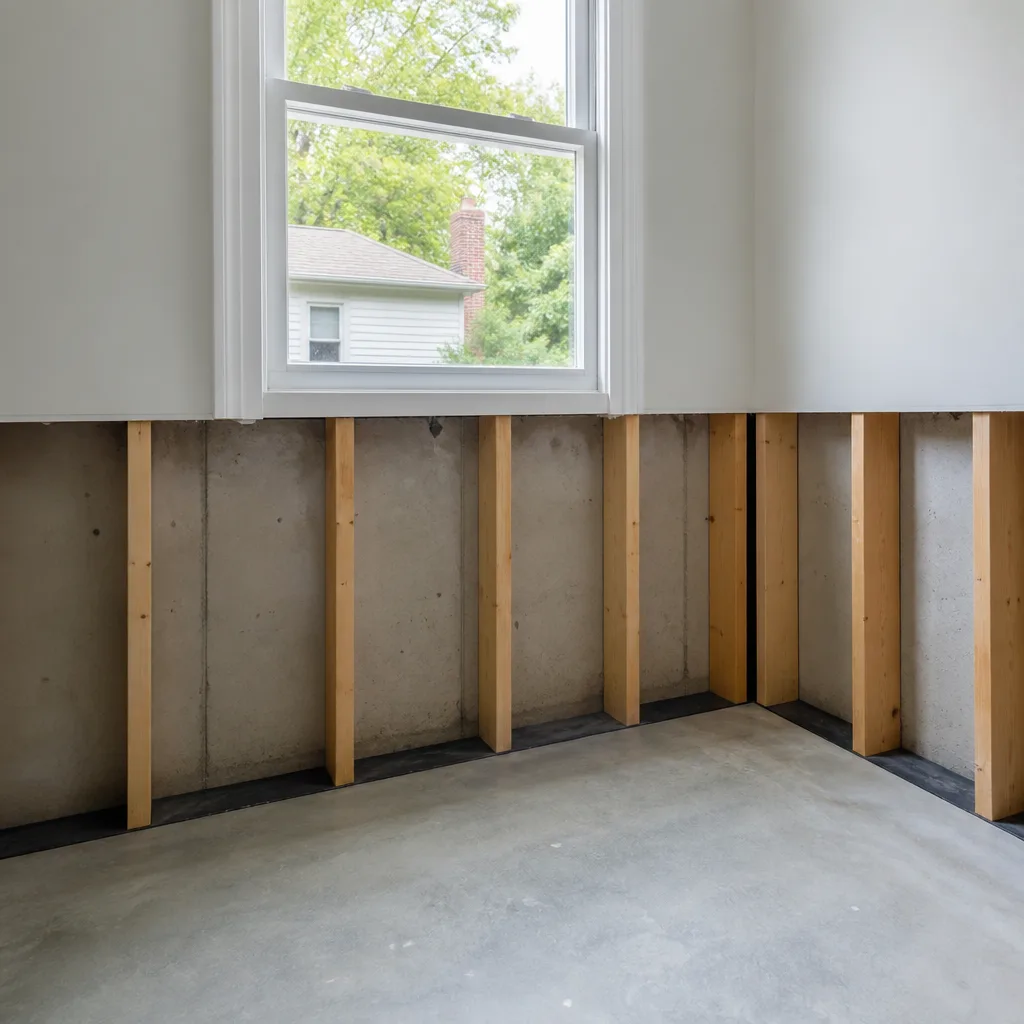
All affected surfaces are cleaned with EPA-registered antimicrobial agents. Hard surfaces get scrubbed and disinfected. Porous materials that absorbed category 3 water, like drywall, insulation, and furring strips, are removed, not sealed over.
Containment & Mold Prevention
We set HEPA-filtered air scrubbers and physical containment barriers before demolition begins, so mold spores and sewage aerosols don’t migrate to the rest of the house. Negative air pressure keeps the work zone contained while walls come out.
Repairs & Restoration
After drying and sanitization are complete, the same crew rebuilds what was removed: drywall, insulation, flooring, trim. This is where the 90-Day Done Right Promise applies. If it isn’t done right, we make it right, in writing, no arguing.
Need Emergency Sewage Cleanup in Dumont Now?
Crews minutes away, answering live 24 hours a day. The sooner we start, the less it costs.
Working With Your Insurance Company
Most Dumont homeowners are insured for sudden and accidental sewage backup, but the claim goes smoother when documentation starts in the first hour. We take photos room by room before demolition begins, record moisture readings daily, and prepare a line-item scope that matches what your carrier’s adjuster expects to see. We coordinate directly with the adjuster, so you don’t carry messages between two parties. If the backup traces to a city sewer lateral that collapsed on your property line, or a failed sump pump, your coverage may differ from a sudden indoor spill, and we can help you understand both paths before you commit to work.
What We Provide Your Insurer
- Thorough documentation of the loss
- Photos of all damage, room by room
- Moisture readings and drying logs
- A detailed, line-item scope of work
- Direct coordination with your carrier
Built for Dumont’s Loss Calendar
Dumont sees sewage losses on a seasonal schedule, and the pattern is predictable to anyone who has worked here long. January and February bring deep freezes that crack original galvanized supply lines in unfinished crawl spaces and send category 1 water down walls and into the same floor drains that can’t handle the volume. Nor’easters from November through March load snow onto low-pitched Cape Cod rooflines, and when the melt comes, ice dams push water into wall cavities, finding original cast-iron stacks that have cracked. Spring thaw saturates the ground around tight 50-by-100-foot lots, raising the water table and overwhelming municipal storm drains, so low-lying basements near New Milford Avenue and Washington Avenue take on water through the cove joint. Summer thunderstorms drop an inch in an hour and the aging storm system backs up into homes with floor drains below the street line. Every season has a failure mode. Our crews know which one they’re walking into by the month and the block.
Sewage Cleanup Across Dumont’s Neighborhoods
The response route through Dumont changes by neighborhood, and so does the loss pattern. Homes along New Milford Avenue, many of them split-levels from the late 1950s, sit on streets that pitch rainfall toward older storm drains, and we see sump pump failures there during summer downpours. The Cape Cods near Washington Avenue and Grant Avenue, built tight on small lots, have basements finished in the 1970s and 1980s, and those finishes hide sewage intrusion until the drywall is already saturated. Over by Prospect Avenue, some homes still have original cast-iron drain lines running through the yard to the lateral, and root intrusion in those lines sends category 3 water back through floor drains every few years. Homeowners near Emerson and the eastern border have reported slow basement drains that turn out to be collapsed laterals, not clogs. On a block of split-levels near New Milford Avenue, our techs responded to a toilet overflow that had saturated a 1978 basement rec room. Moisture mapping showed readings of 100% RH behind drywall laid directly over fiberglass batts against unsealed block. The category 3 water had wicked up the furring strips. We set containment, removed the entire wall assembly, and had to pause structural drying until an asbestos survey cleared the original floor tile beneath the carpet. That’s a Dumont sewage cleanup, and it doesn’t happen in newer municipalities.
Specialized Sewage Cleanup Services We Offer in Dumont
Sewage Backup Cleanup
When a mainline backup sends sewage into a Dumont basement, the contamination spreads fast across concrete floors and up drywall. We extract, contain, and remove affected materials the same day, then begin sanitization before mold can establish. On postwar homes with original cast-iron drains, we check the lateral before we call it a simple clog.
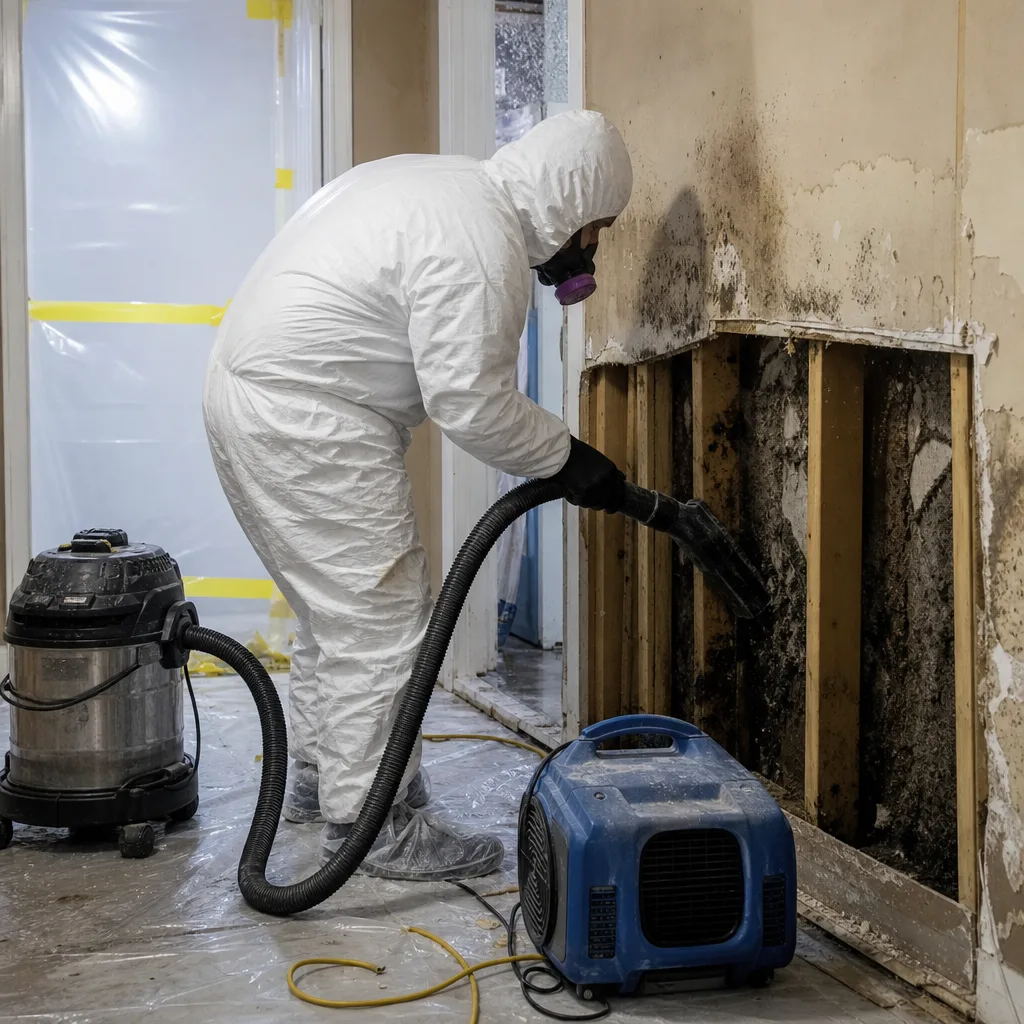
Black Water Extraction
Black water from a sewer line or septic failure can’t be shop-vacced and forgotten. We extract with truck-mounted units designed for category 3 water, then remove saturated porous materials. In Dumont basements with informal 1970s finishes, the extraction phase expands quickly because fiberglass batts against concrete act as a wick. We trace the full migration path with moisture meters before declaring anything dry.
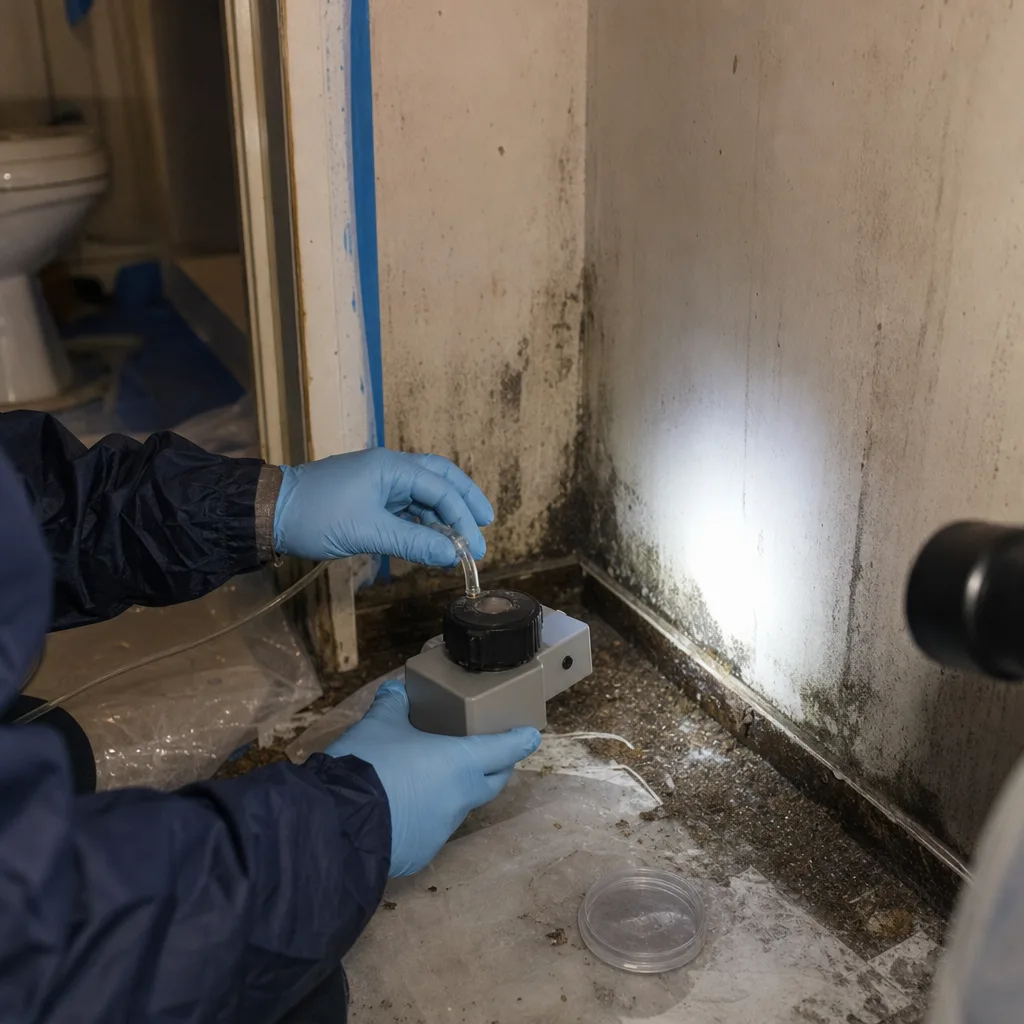
Crawl Space Sewage Removal
A broken sewer line under a Dumont Cape Cod can flood the crawl space without ever showing inside the living area. We go in with full PPE, pump the standing black water, remove contaminated soil, and sanitize the space with HEPA air scrubbing running throughout. Crawl space sewage is a health hazard even when nobody sees it, and in Dumont’s tight lots, the smell travels fast to the neighbors.
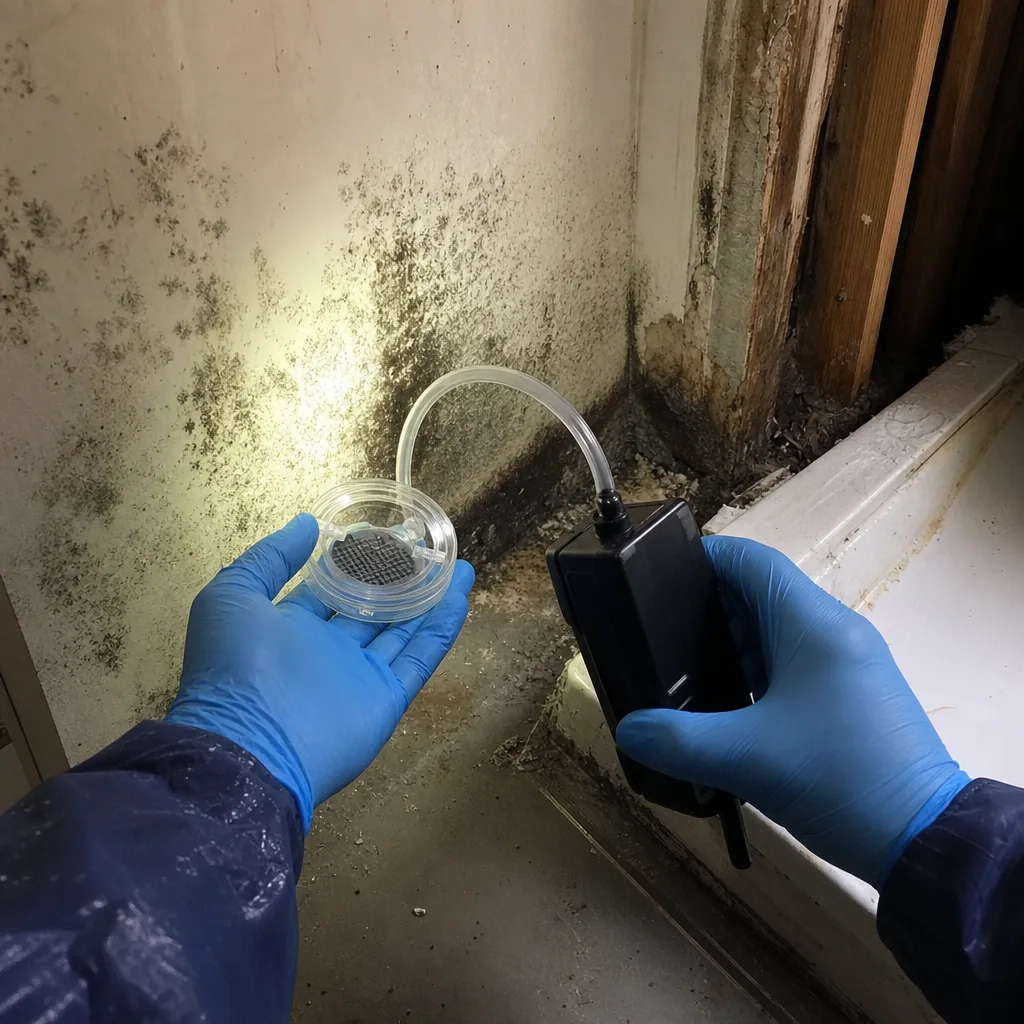
What happens when you call
- 1
A real person answersNo phone trees - you reach a local pro.
- 2
You get an upfront price rangeHonest numbers before anyone is dispatched.
- 3
A background-checked tech heads outLicensed & insured, dispatched right away.
- 4
You approve before work beginsNothing starts until you say go.
Sewage Cleanup Costs in Dumont, NJ
A straightforward toilet overflow cleanup in Dumont, where the spill is contained to a bathroom and caught within the hour, usually runs $1,200 to $2,800. A basement sewage backup involving black water extraction across a finished space typically lands between $3,500 and $8,000, depending on how much wall assembly comes out. Full gut-outs with asbestos abatement, containment, drying, and reconstruction range from $8,000 to $20,000 or more, and that’s the reality for many Dumont homes with 1970s basement finishes and original floor tile. What moves the price is the age of the materials and how far the category 3 water traveled before we arrived. Most homeowner policies cover sudden sewage backup, subject to a deductible, and we bill the carrier directly. The free inspection is the fastest way to a firm number. Call (551) 348-3742 and we’ll walk the damage with you before anything is signed.
We Also Serve Cities Near Dumont
Our crews serve Dumont and the surrounding Bergen County towns of Dumont plus Haworth, Cresskill, Bergenfield, and Demarest. If you’re just outside the borough, call us and we’ll confirm availability for our Sewage Cleanup team.
Serving Dumont, NJ - Our Local Coverage Area
We’re based in the Dumont area and know this community well. Use the map below to see our service coverage - if you’re nearby, we can almost certainly help.
Dumont Sewage Cleanup Questions, Answered
Why does sewage cleanup in Dumont often require asbestos abatement before drying can start?
Many Dumont homes built between 1945 and 1965 have original floor tiles, pipe wrap, and textured ceilings that contain asbestos under NJ DEP standards. When sewage saturates those materials and they must be removed during a category 3 gut-out, state regulations require an asbestos survey and abatement by a licensed contractor before structural drying and rebuild can proceed. We handle that coordination so you’re not left searching for a second company mid-job.
My Dumont basement was finished in the 1970s and just got a sewage backup. Do I really need a full gut-out, or can you just dry it?
If your basement has fiberglass batts against bare concrete, furring strips on block walls, and drywall with no vapor membrane, drying alone won’t stop what’s already started. Category 3 water has soaked into those materials, and mold colonization begins within 24 to 48 hours. Full gut-out of the affected wall assembly is the honest fix. Surface drying would leave contamination sealed behind new drywall, and the smell and mold would return. We’ll show you the moisture readings before we recommend removal.
How do you handle freeze-thaw ice dams that send water into my Cape Cod basement and mix with a sewage smell?
When meltwater from a low-pitched Cape Cod roofline runs into wall cavities, it can mix with sewage from a cracked cast-iron stack behind the wall. We trace the moisture path with thermal imaging, identify both sources, and treat the entire contaminated area as category 3. The ice dam water is clean, but once it carries sewage residue, the cleanup standard is the same as a direct sewer backup. We also document the roof intrusion separately for your insurance claim.
What should I do if my oil-converted heating system was sitting in sewage water?
Shut the system down and don’t run it. Sewage water can contaminate the burner, controls, and ductwork, and running the fan spreads bacteria through the house. Our crews will assess the system’s contact with the water and coordinate a heating contractor to inspect the burner and heat exchanger. Insurance claims for contaminated HVAC systems usually require documentation of the water level and the system’s position relative to the floor drain, which we record during the initial inspection.
Can you save my original wood paneling or 1950s drywall after a toilet overflow in a Dumont split-level?
Wood paneling that absorbed category 3 water can’t be reliably sanitized because sewage wicks into the wood grain. 1950s drywall, especially if it has original paint layers and no vapor barrier, acts as a sponge and must be removed. In some cases, a small section of paneling that was never directly contacted, verified by moisture readings, can stay, but anything within the affected zone comes out. We’ll show you the readings and tell you plainly what can be saved.
How fast can you actually get to my Dumont house?
We commit to a 45-minute dispatch response for emergency sewage calls in Dumont. Our dispatchers answer live around the clock, and crews stage in Bergen County so they can reach Dumont quickly. The same visit includes extraction and a full assessment.
Will my insurance cover sewage backup in Dumont?
Most standard homeowner policies cover sudden and accidental sewage backup, including toilet overflow and sump pump failure, subject to your deductible. The distinction that matters is sudden versus gradual: a collapsed lateral that has been backing up slowly for months is often classed as a maintenance issue, not a covered loss. We document the failure mode and coordinate directly with your adjuster so you get a straight answer early in the process.
What should I do in the first 30 minutes after a sewage backup in Dumont?
Turn off the water if you can do so safely, keep everyone including pets out of the affected area, and don’t run the furnace or AC. Don’t use a shop vac or household cleaners on black water. Call (551) 348-3742 and we’ll walk you through the next steps while the crew is on the way. The sooner we start extraction with professional-grade equipment, the less wall assembly and flooring comes out.
Written by Curt Bowman, Owner at Floodline Restoration Co., serving Bergen County and Dumont with certified sewage cleanup and full reconstruction since 2010.