
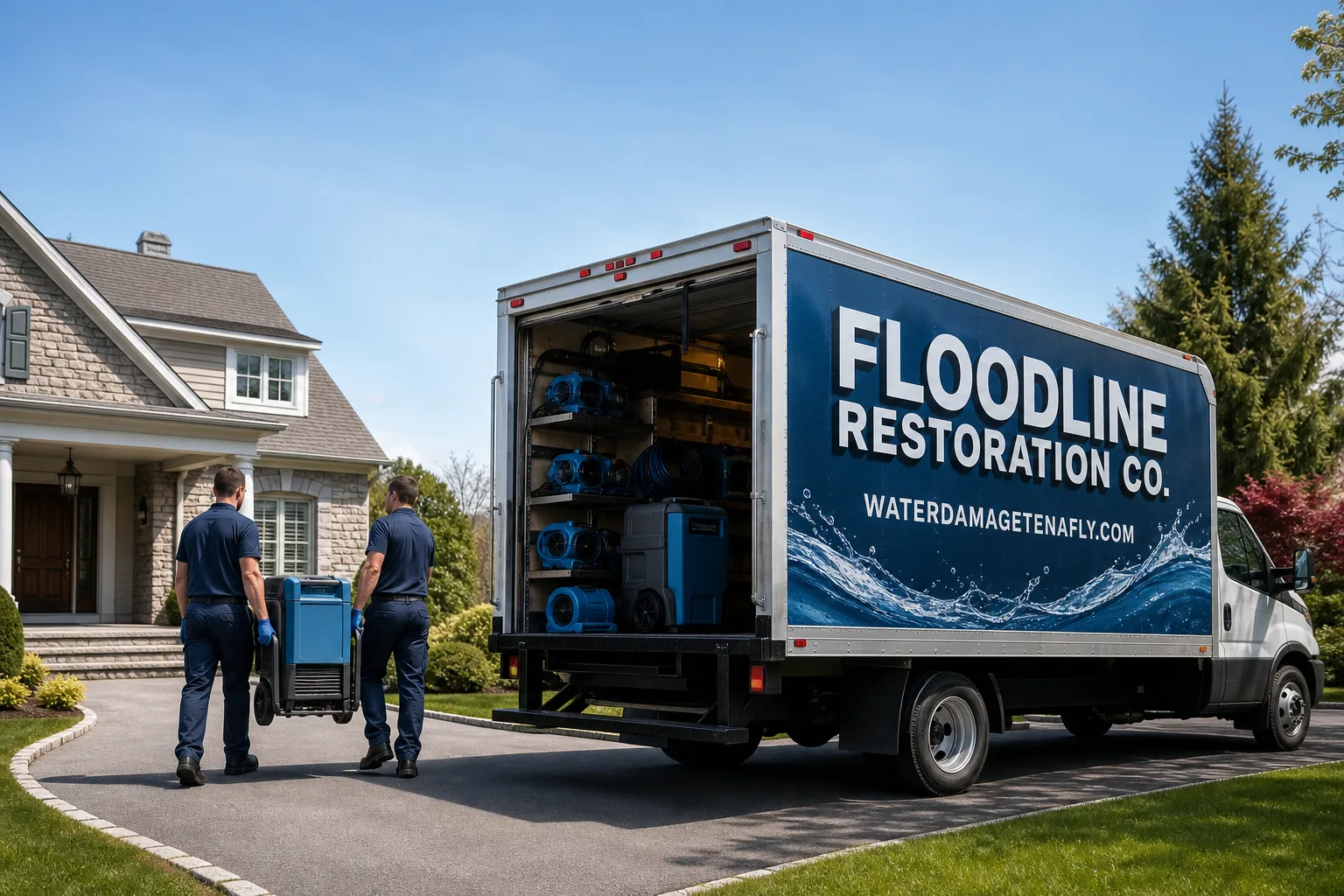
Free visual inspection and a written scope of work before any mitigation begins - photos, moisture readings, and drying logs go in your claim file
The scope we write is the scope we bill. Anything new gets shown to you, in writing, before we touch it.



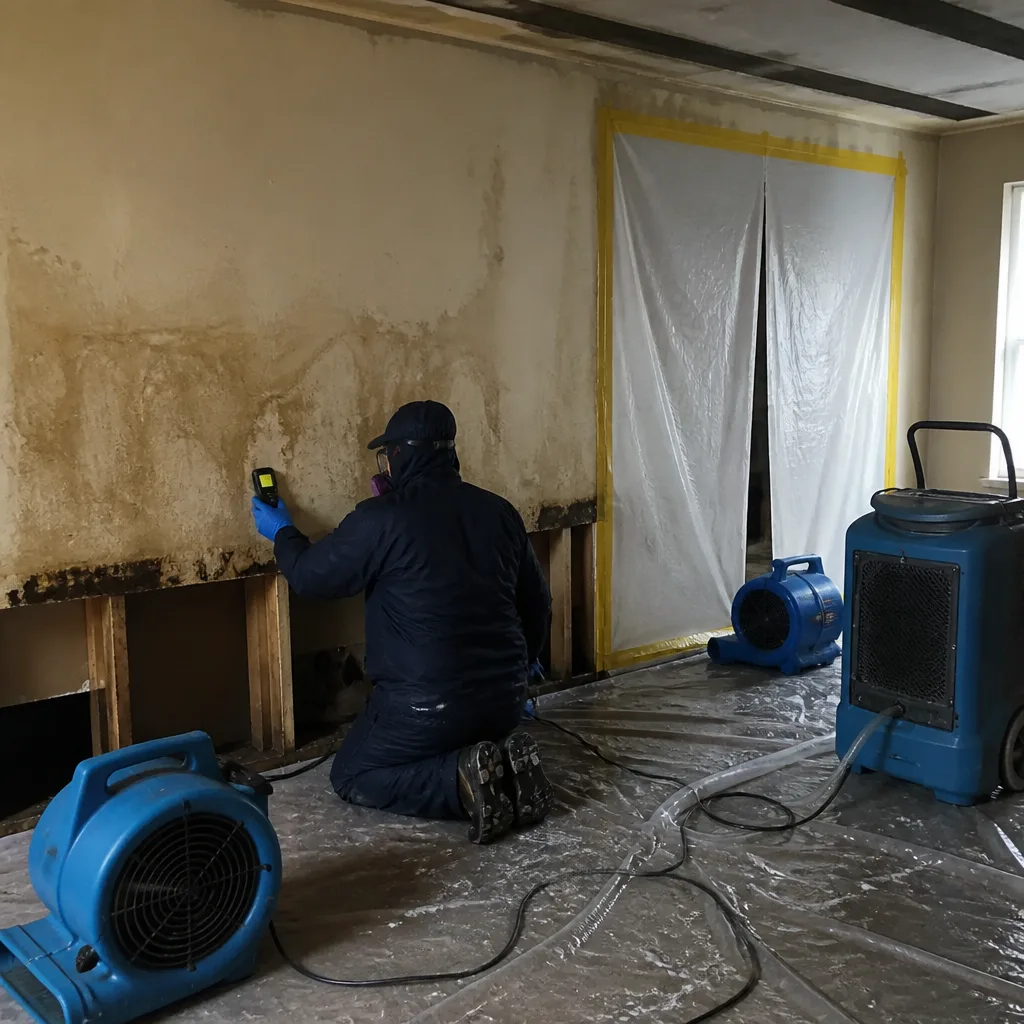 Before
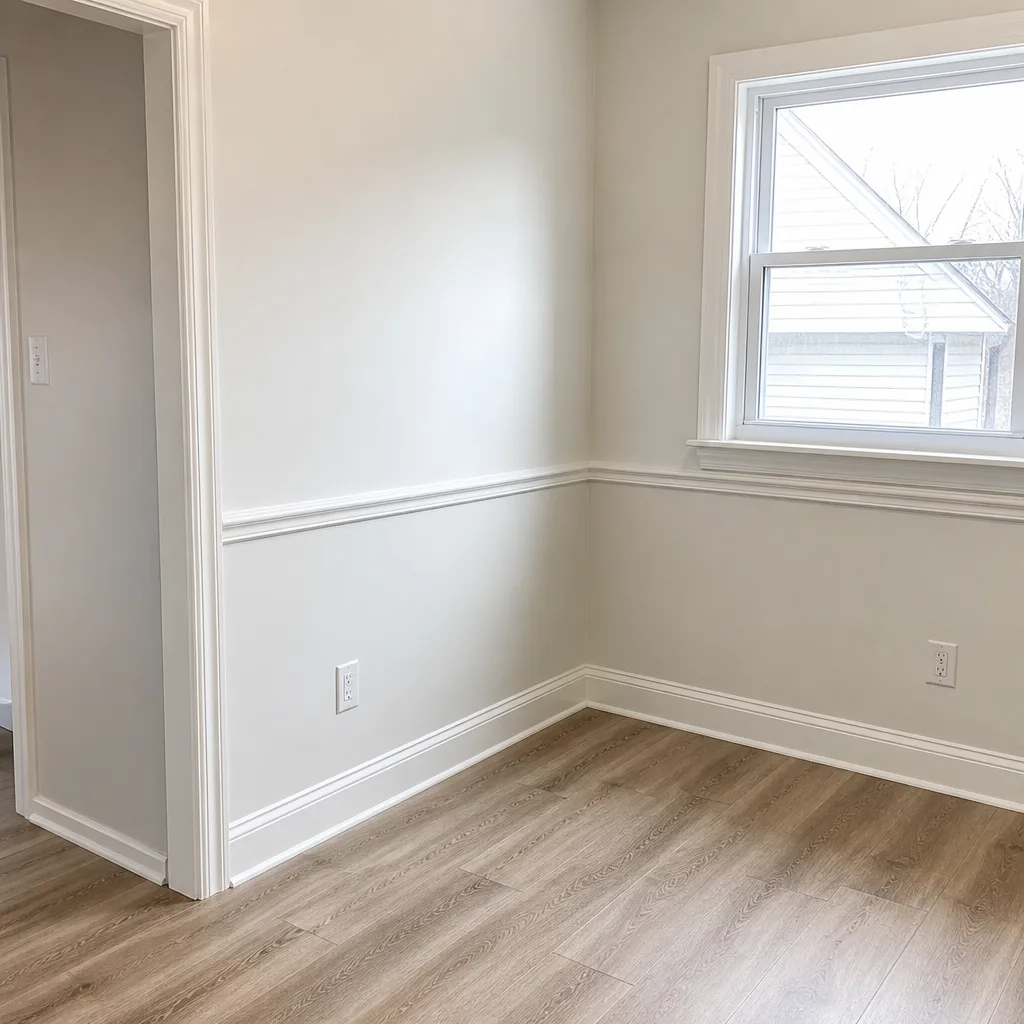 After
After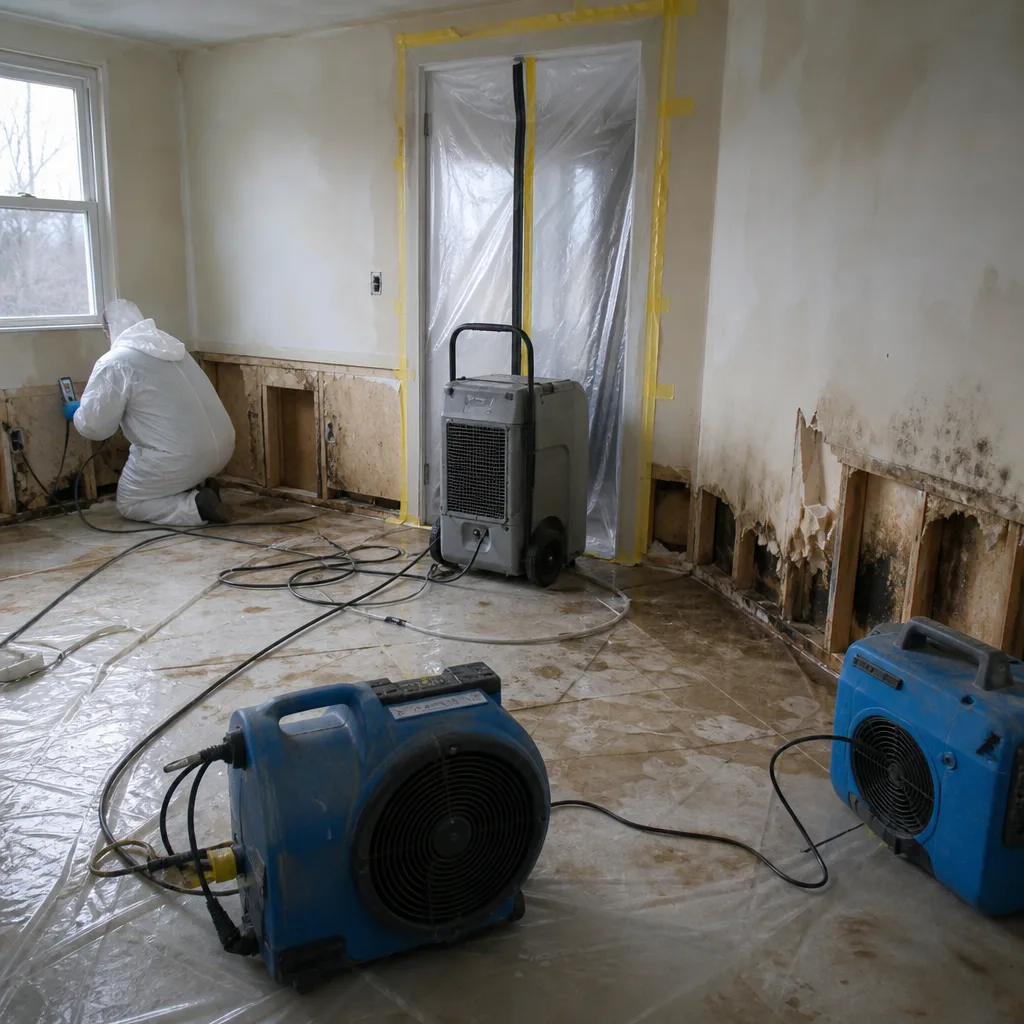 Before
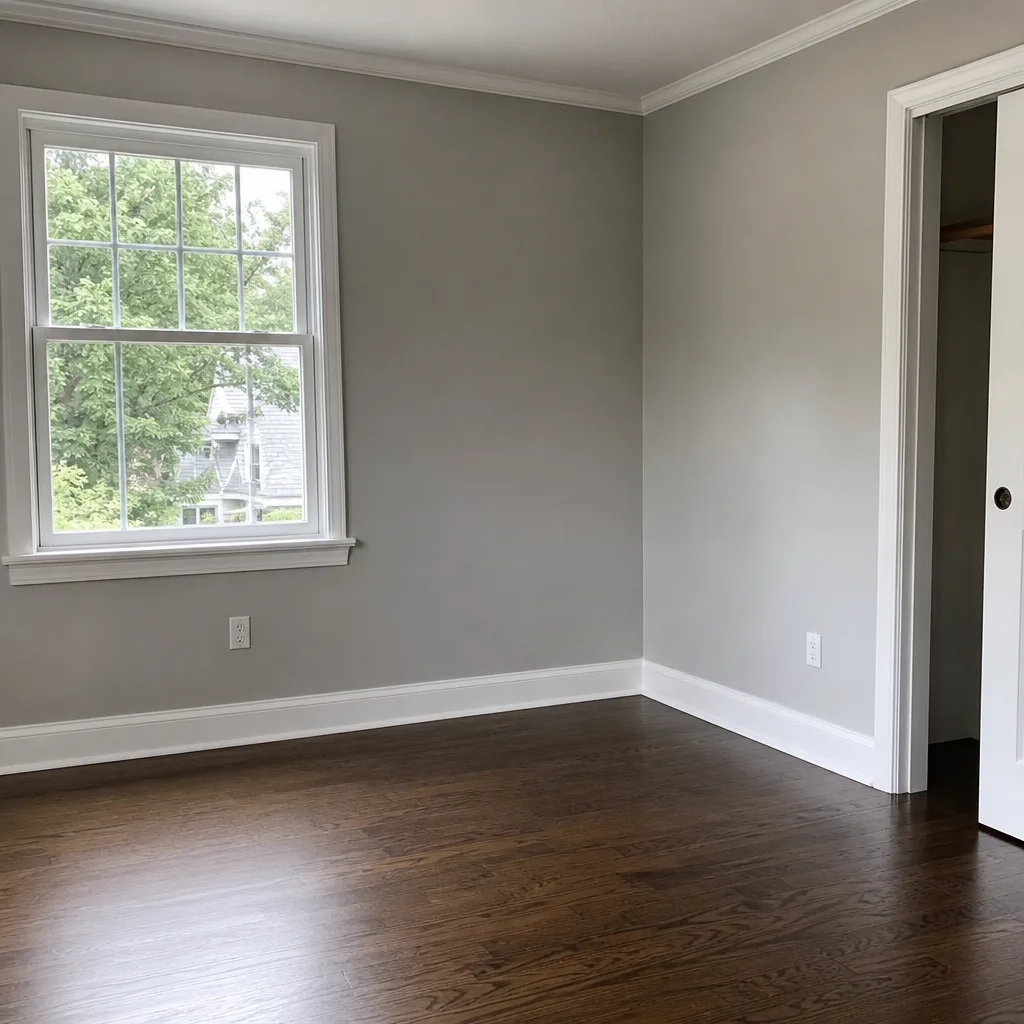 After
After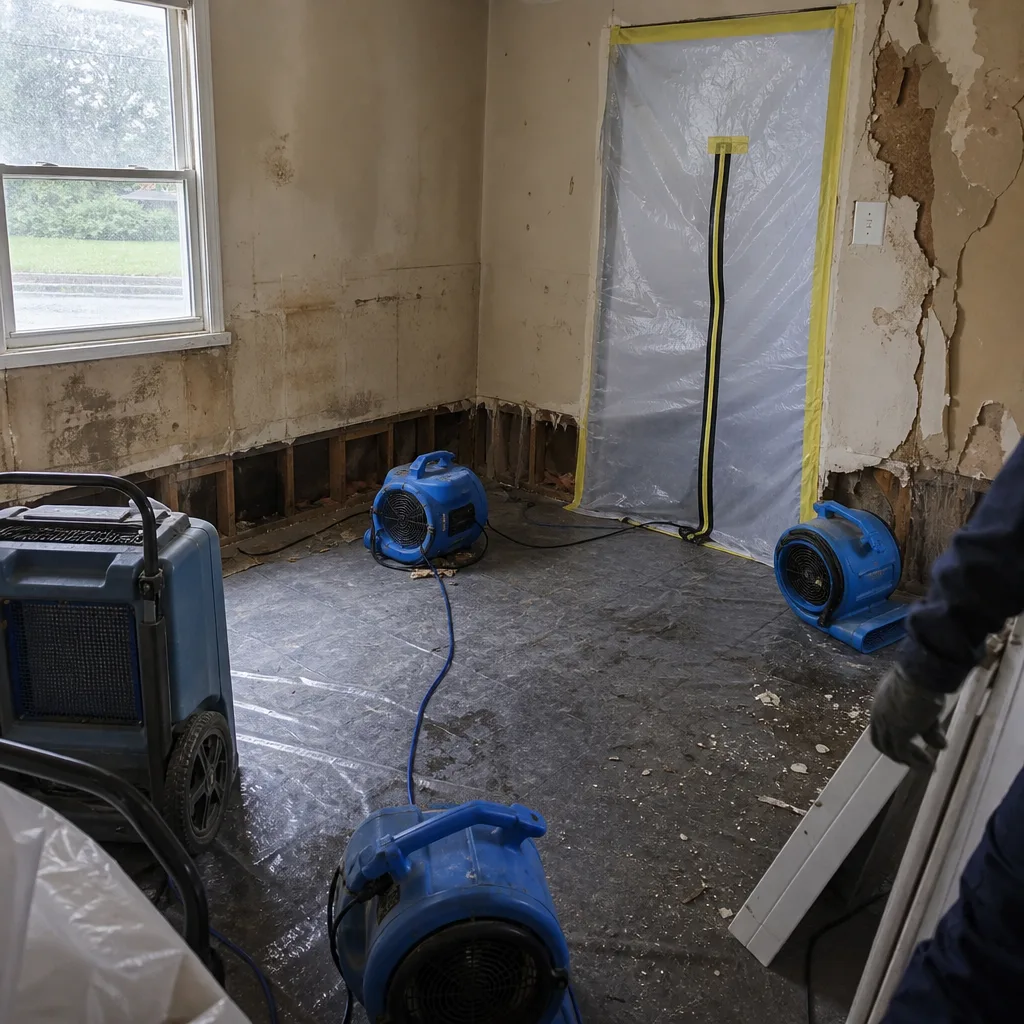 Before
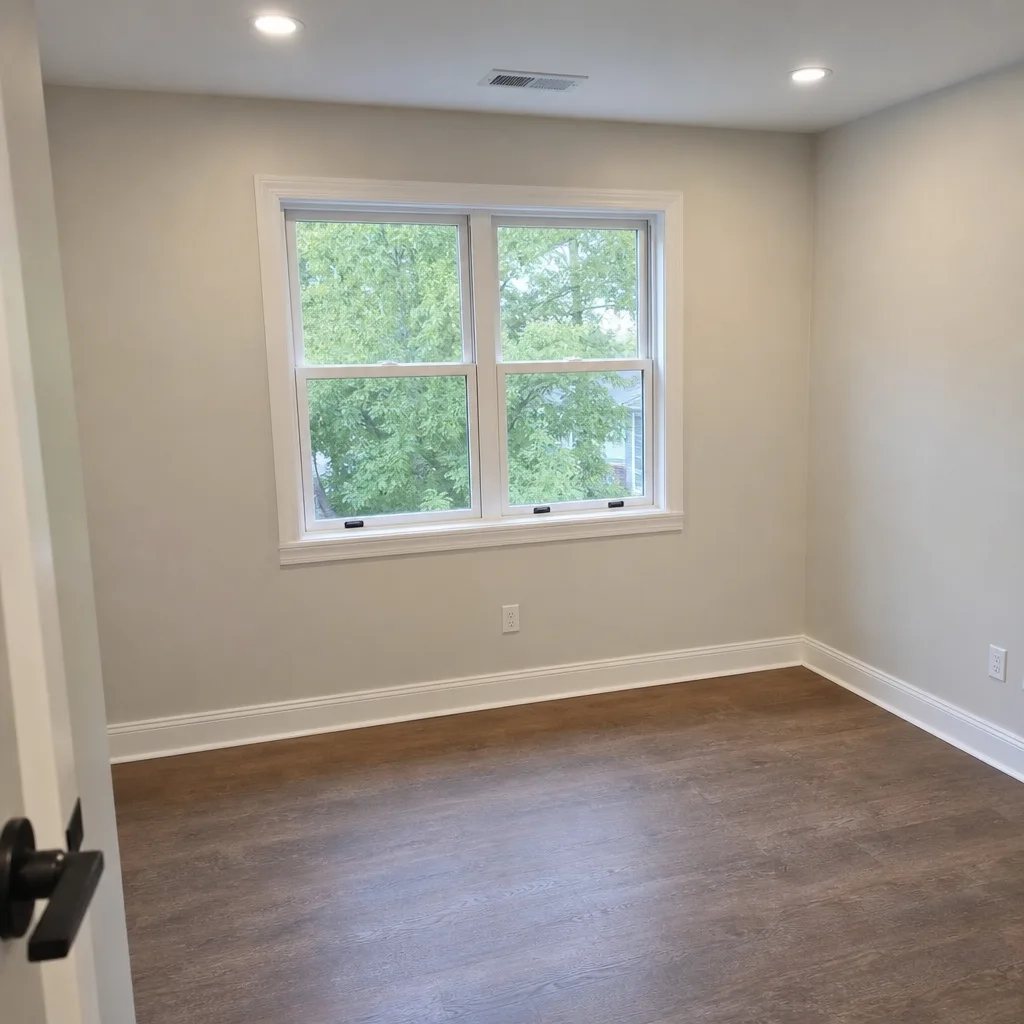 After
After24/7 Emergency Storm & Disaster Restoration in Closter
Storm damage in Closter moves fast, and so do we. Floodline Restoration Co. answers live at (551) 348-3742 around the clock, every day of the year, and we dispatch crews into Closter’s neighborhoods with a 45-minute response commitment. When wind-driven rain from a nor’easter breaches a basement window well or ice damming sends water through a colonial’s roof-to-wall intersection, the first hour determines whether you’re looking at targeted drying or a full wall excavation and rebuild. We arrive, assess the damage with thermal imaging and moisture meters, and start extraction the same visit. No answering service, no callback roulette. A live person takes your call at two in the morning and a certified crew is rolling toward Closter minutes later.
Understanding Storm & Disaster Restoration Severity in Closter Properties
Storm water inside a Closter home is rarely a single, simple problem. It’s classified by contamination level: Category 1 water is clean rainwater that hasn’t touched anything harmful yet, Category 2 carries detergents or debris from the ground outside, and Category 3 is grossly contaminated, carrying sewage, pesticides, or street runoff. What starts as a Category 1 basement seep through a cracked block wall becomes Category 2 or 3 within hours as it picks up whatever’s in the soil, the floor drain, or the crawlspace. Closter’s housing stock makes this classification work harder. Homes here were mostly built between the late 1940s and the 1970s, with original concrete-block or brick-mortar foundation walls, not poured concrete. Those walls let water through under hydrostatic pressure, and decades of renovations mean we’re often mapping moisture through plaster over lath, then drywall, then multiple flooring generations. A storm seep that looks like a damp corner on the finished rec room wall may actually be traveling through three different material layers before it shows up where you can see it. That’s why every Closter storm job starts with full moisture mapping, not just a wet vac and a fan.
Why Closter Property Owners Choose Floodline Restoration Co.
- 45-minute response commitment: When wind damage or floodwater is spreading through a Closter basement, we’re there fast because we dispatch from nearby, not across state lines.
- A real person answers, 24/7: You’ll talk to a live dispatcher at 3 a.m., not a phone tree. Floodline Restoration Co. has run that way since Curt Bowman founded the company in 2010, around a dispatch board, not a sales desk.
- IICRC-certified crews: Our technicians hold WRT, FSRT, and AMRT certifications and work to IICRC, RIA, and IFA standards. Background-checked and uniformed on every job.
- Free visual inspection: Before any work is scoped, we walk the damage with you, show you what we found, and write a clear scope. No pressure, no mystery line items.
- Direct insurance billing: We bill your carrier directly and coordinate with your adjuster, so you’re never playing messenger between the two of us.
- One team from start to finish: The same crew that extracts the water dries the structure and rebuilds what needed rebuilding. No mid-job handoff to a sub you’ve never met.
Our Storm & Disaster Restoration Process
Inspection & Assessment
We start with thermal imaging and moisture meters to find water that isn’t visible yet, inside wall cavities, under hardwood, behind vinyl siding. On Closter homes with original block foundations, that means checking for water traveling behind DIY sealants and hidden spalling. You get a written scope before any demolition starts.
Extraction & Stabilization
Standing water comes out first, using truck-mounted extraction and submersible pumps where needed. Wind-damaged roofs get tarped, broken windows boarded, and compromised sections of wall braced so nothing else fails while we work.
Drying & Dehumidification
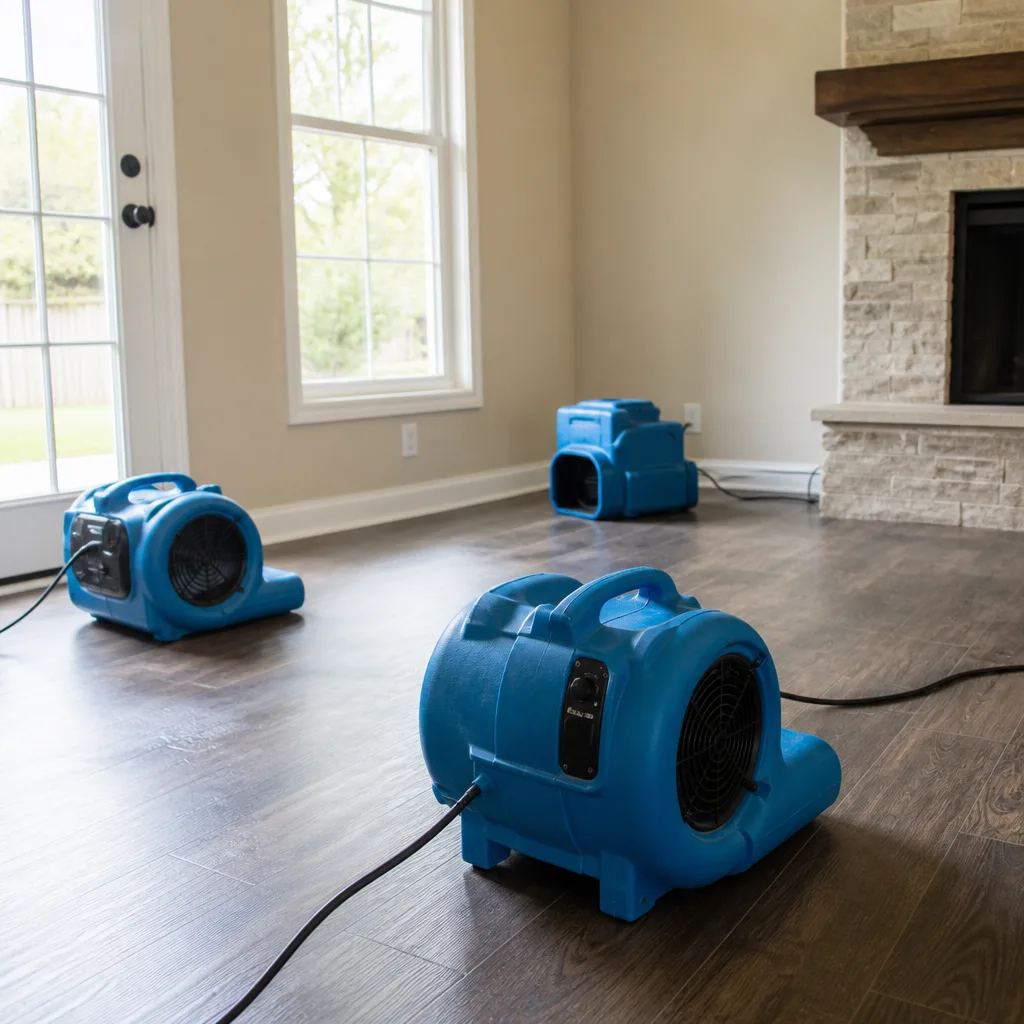
We place Dri-Eaz LGR dehumidifiers and Phoenix or XPOWER air movers on a calculated layout, not a guess. Daily moisture readings are logged until the structure hits the dry standard. On Closter’s layered renovation materials, this step takes longer than in newer construction and we don’t rush it.
Cleaning & Sanitization
Contaminated surfaces get cleaned or removed according to the water category. HEPA air scrubbers run during demolition and cleaning to capture mold spores and particulate. We treat the space, not just the wet spot.
Wind Damage Repair
Closter nor’easters test every seal on a house. We repair or replace compromised door and window frames, re-flash roof-to-wall intersections, and reinstate wind-rated or impact-rated assemblies where local code requires them.
Repairs & Restoration
The same crew that did the extraction rebuilds the wall, refinishes the hardwood, and replaces the custom millwork to match. Finished work is backed by our 90-Day Done Right Promise, in writing.
Need Emergency Storm & Disaster Restoration in Closter Now?
Crews minutes away, answering live 24 hours a day. The sooner we start, the less it costs.
Working With Your Insurance Company
Storm and wind damage claims are some of the most straightforward in property insurance, but the paperwork can still bury a homeowner if you’re doing it alone. Floodline Restoration Co. handles the claim from the first hour, because we document what the adjuster needs before demo starts. Photos of every affected room, moisture readings taken at the wall, a detailed line-item scope of work, and drying logs that show the structure hit the dry standard. We communicate directly with your carrier and your adjuster, so you’re not translating trade jargon over the phone at 9 p.m. after a long day. For Closter homeowners with high-end renovations, that documentation matters more: custom millwork and original hardwood are typically replacement-cost items your policy covers, but only if the loss is documented before, during, and after the work. We make sure it is. One team, one paper trail, no finger-pointing.
What We Provide Your Insurer
- Thorough documentation of the loss
- Photos of all damage, room by room
- Moisture readings and drying logs
- A detailed, line-item scope of work
- Direct coordination with your carrier
Built for Closter’s Loss Calendar
Closter sees storm and wind damage in distinct seasons, and each one hits differently. Nor’easter season runs October through April, and that’s when wind-driven rain finds every weak point in a home’s exterior: worn door seals, failing window flashing, loose aluminum fascia. Ice dams form on the steeply pitched roofs of the borough’s colonials during January and February freeze-thaw cycles, sending water behind gutters and down inside wall cavities, where it soaks insulation and ceilings for days before anyone notices. Spring thaw raises the water table and pushes groundwater against old block foundation walls in a steady, relentless sequence. Late summer brings tropical remnants, and that’s when the Dwars Kill drainage system earns its reputation: four inches of rain in under two hours concentrates runoff into Closter’s residential streets and yards, overwhelming window wells and basement doors faster than any sump pump can respond. Bergen County averages over 47 inches of precipitation a year, but Closter’s position in a terrain pocket below the ridgeline means that water from surrounding higher ground collects here. Every season has its signature, and we’ve answered the phone through all of them for more than a decade.
Storm & Disaster Restoration Across Closter’s Neighborhoods
Response routes through Closter matter, especially at night during a nor’easter. We run crews up Knickerbocker Road toward the northern end of the borough and down Durie Avenue into the center, where the split-levels and colonials sit close together and runoff moves fast. Homes off West Street and in the sections near Memorial Field tend to be the older stock, with the original block foundations and finished basements that flood first when the water table rises. The streets east of the Dwars Kill corridor, around Harrington Park border, catch surface water before it drains, and those residents are often calling us about window wells and basement door seals that couldn’t hold back wind-driven rain. Homes along the steeper grades near the Closter Nature Center see more roof and fascia damage, because the gusts hit them at odd angles. When a late-summer storm drops four inches in two hours, we’re on Durie Avenue, on West Street, on Blanch Avenue, running extraction while the water’s still moving. Closter isn’t one flood pattern; it’s several, and knowing the difference is what gets the right equipment to the right street the first time.
Specialized Storm & Disaster Restoration Services We Offer in Closter
Storm Damage Cleanup
After a storm blows through Closter, the cleanup isn’t just about water. It’s tree limbs on roofs, debris in yards, mud tracked through doorways, and saturated drywall that needs to come out before mold takes hold. We handle structural cleanup after wind events, from securing the site to hauling damaged materials, and we document everything for the carrier as we go.
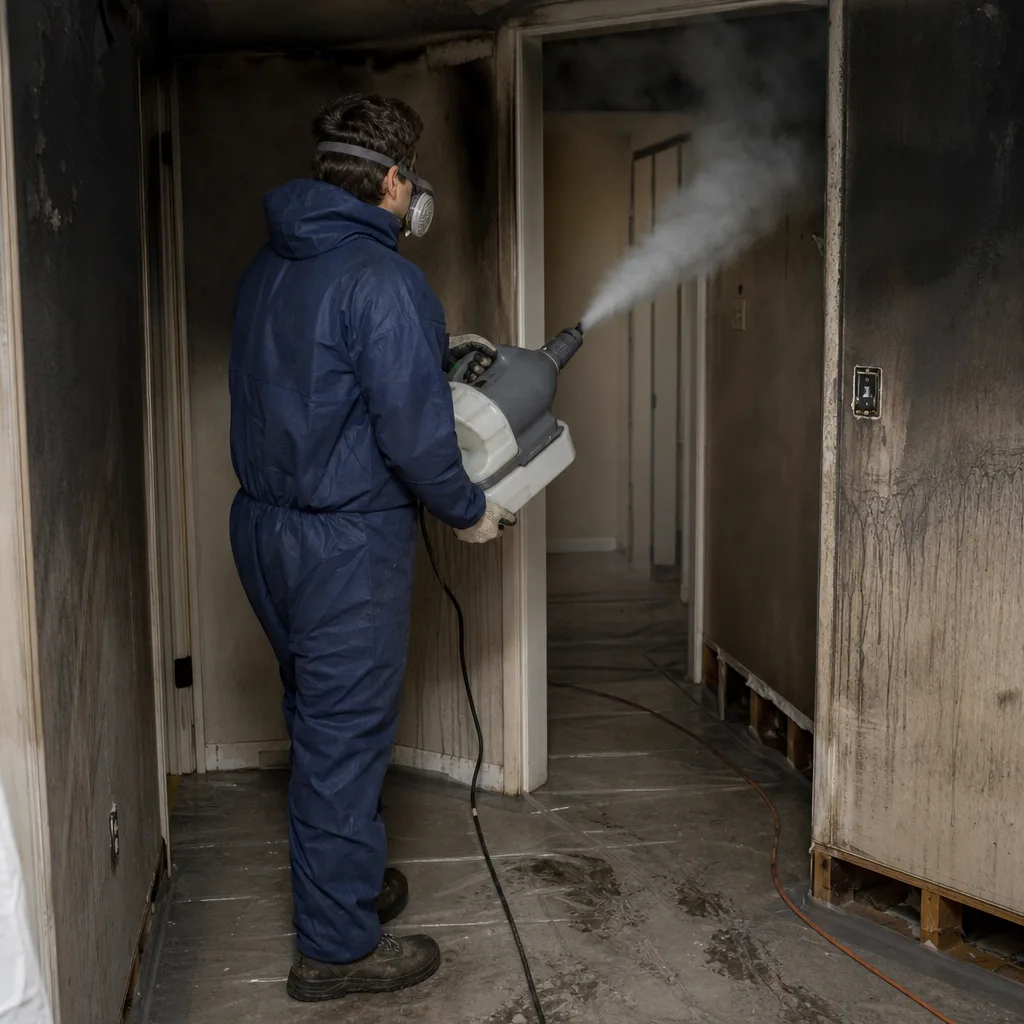
Flood Damage Restoration
Flooding in Closter is unique because of the Dwars Kill drainage pattern: stormwater from the surrounding ridgeline concentrates here, into basements, crawlspaces, and yards. We extract, dry, treat, and rebuild, but we also look for the secondary problem, the water path behind the finished walls that the obvious puddle doesn’t explain. On block-foundation homes especially, that path is often behind years of layered repairs.
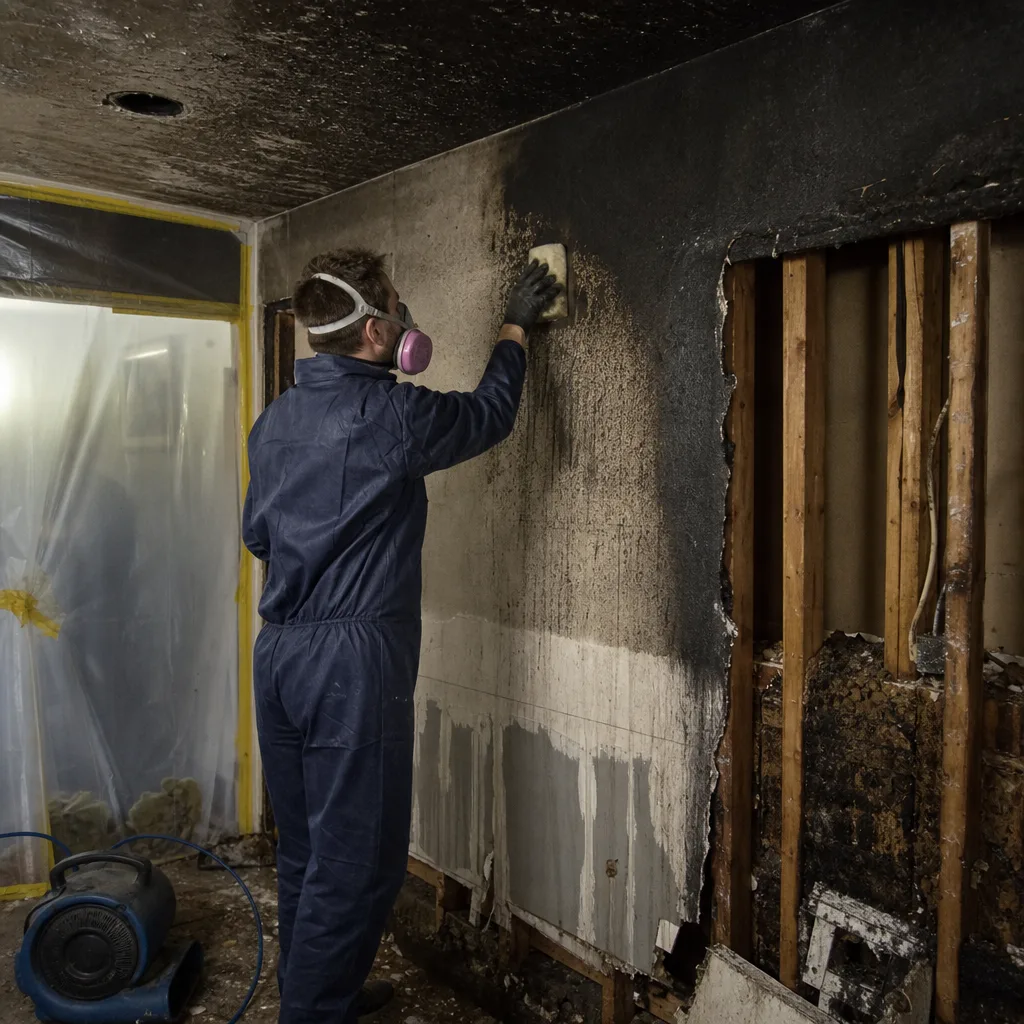
Emergency Board-Up
Wind that rips a door off its track or blows out a window leaves a house open to weather and to people who shouldn’t be there. We board up broken openings the same visit, with materials that hold through the next storm, and we photograph everything before securing it, so your claim has a clear starting point.
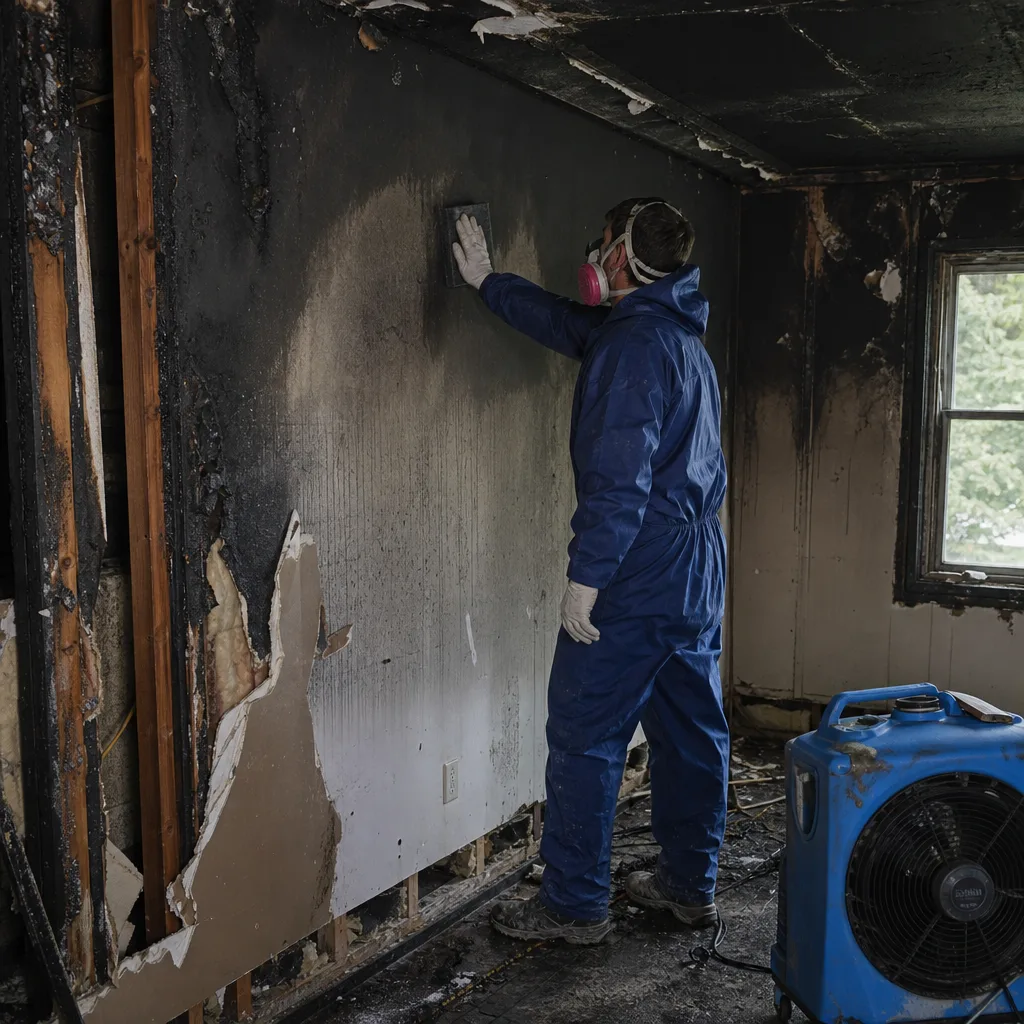
Roof Tarping
A damaged roof in Closter can’t wait for a roofer’s schedule. We tarp wind-damaged and ice-dammed roofs immediately, before another rain event turns a missing shingle section into a soaked attic and collapsed ceiling. The tarp isn’t a fix; it’s a hold that buys time for a proper repair, and we document the transition so your carrier sees exactly what was covered and when.
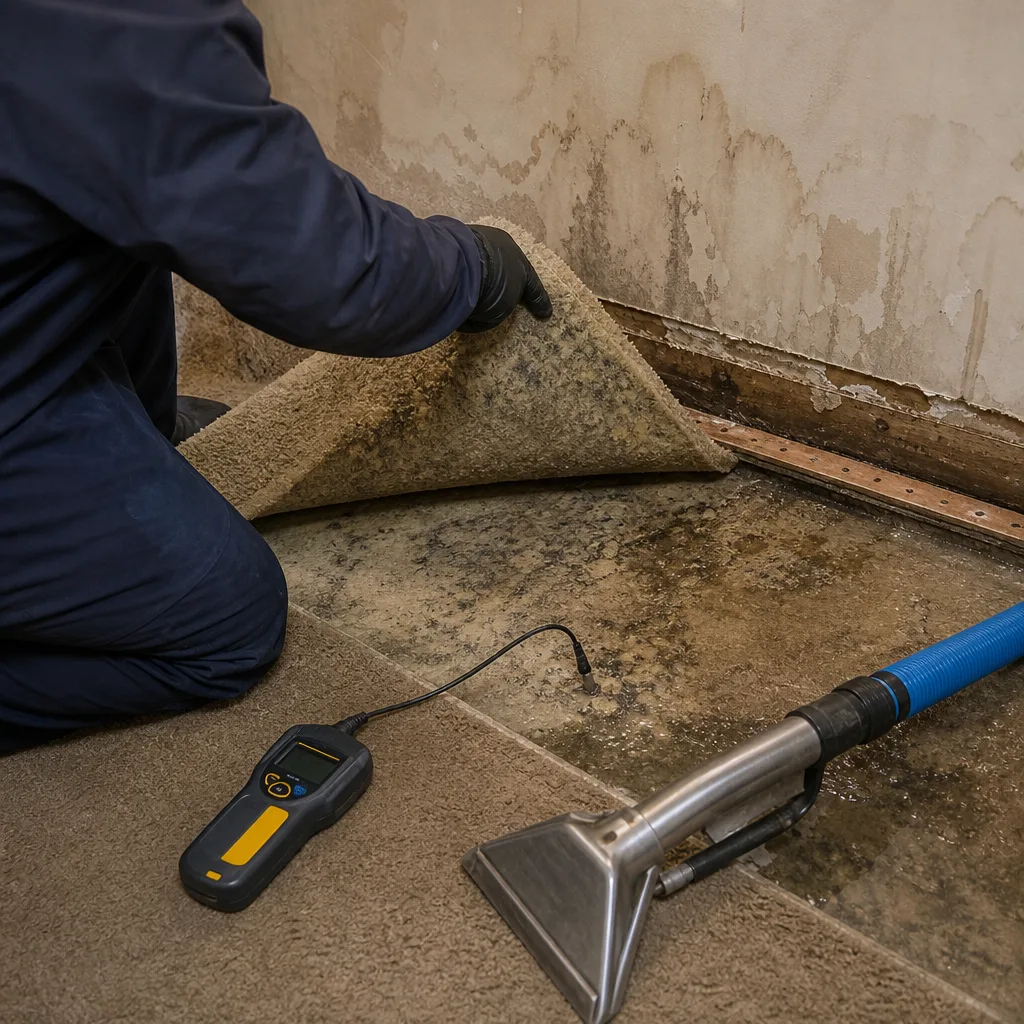
Debris Removal
Storm debris in Closter comes from the old trees that line the borough’s streets. Limbs, leaf masses, and wind-blown construction materials block drains and direct water into foundations. We clear what’s on the structure and what’s against it, because a pile of wet leaves held against a stucco or siding wall is a water path that hasn’t finished causing damage yet.
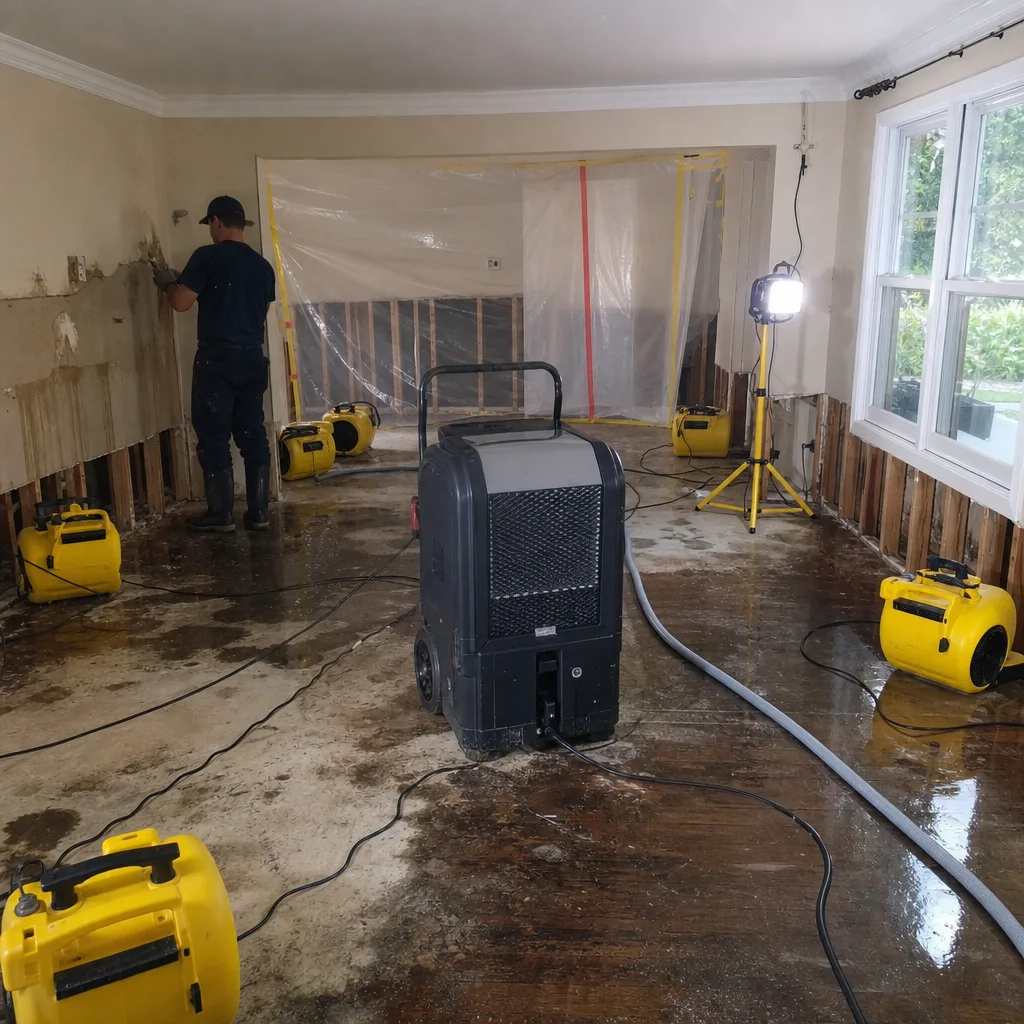
Wind Damage Repair
Closter’s nor’easter gusts are the real test of a home’s exterior. Door and window frame seals fail, allowing wind-driven rain behind vinyl siding and into wall cavities. Moisture in those cavities isn’t visible until mold blooms or the drywall softens, which is why wind damage repair starts with an inspection of every opening, not just the one that looks worst. We couldn’t fix what we can’t see, so we find it first.
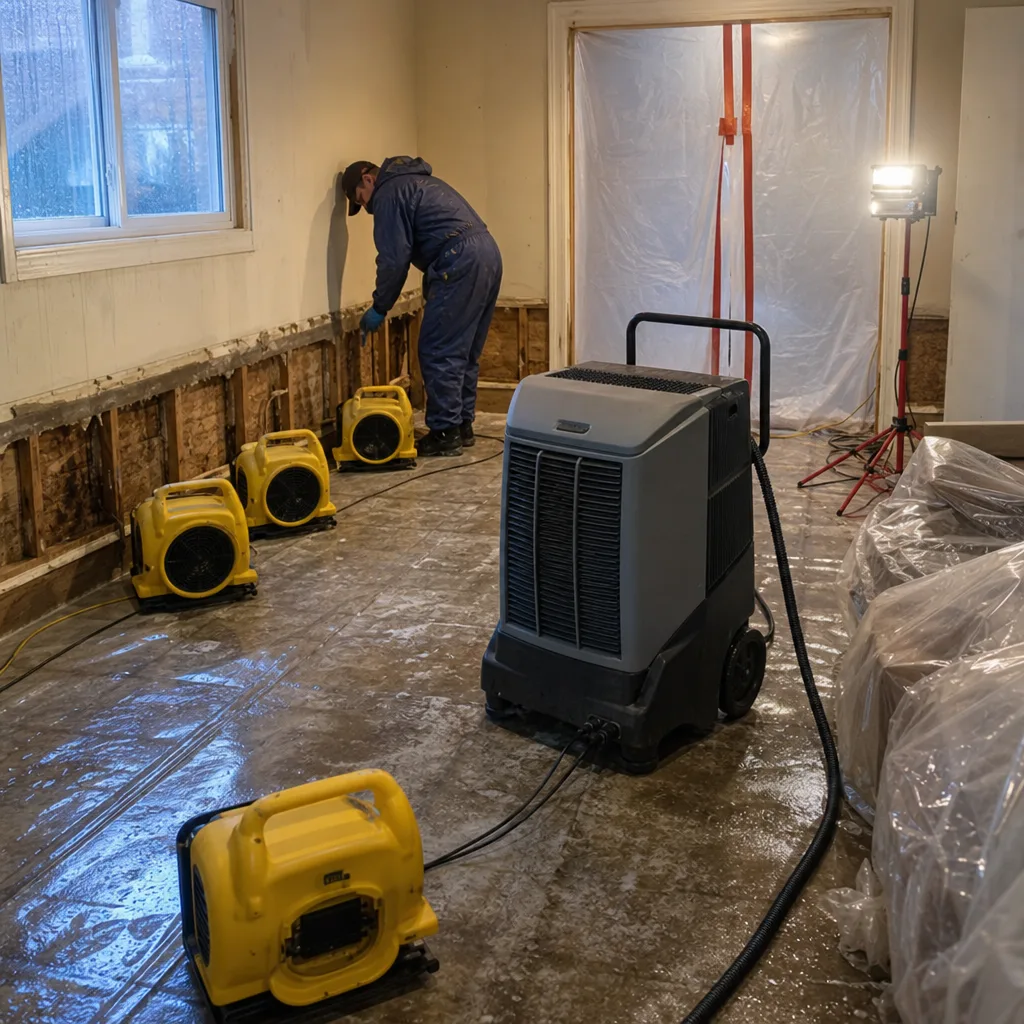
What happens when you call
- 1
A real person answersNo phone trees - you reach a local pro.
- 2
You get an upfront price rangeHonest numbers before anyone is dispatched.
- 3
A background-checked tech heads outLicensed & insured, dispatched right away.
- 4
You approve before work beginsNothing starts until you say go.
Storm & Disaster Restoration Costs in Closter, NJ
In Closter, a typical storm damage cleanup with extraction and structural drying runs $2,800 to $7,500 depending on the square footage of affected space and the contamination level. A straightforward roof tarp after wind damage is $550 to $1,200, and emergency board-up services run $350 to $900. Full flood restoration on a finished basement in one of Closter’s older colonials, with wall excavation and interior drain installation, typically lands between $12,000 and $28,000, because the block foundation and the finished space both need attention. Wind damage repair on doors and windows ranges from $900 to $4,500 per opening when flashing and interior repair are included. What moves the price is the age of the house, the finish level of the surfaces, and whether the water is Category 1 or Category 3. Most storm and wind claims are covered by homeowner’s insurance, and we bill the carrier directly, which means your out-of-pocket is often just the deductible. Call (551) 348-3742 for a free inspection and a firm written scope before you decide anything.
We Also Serve Cities Near Closter
Floodline Restoration Co. runs storm and disaster response into Closter and the surrounding Bergen County boroughs every day. The same Storm & Disaster Restoration crews that handle Closter’s block-foundation basements and wind-damaged colonials also serve Demarest, Norwood, Haworth, and Cresskill, often within the same dispatch window.
Closter Storm & Disaster Restoration Questions, Answered
How quickly can mold start growing in a Closter basement after a nor’easter floods it?
Mold can begin growing in a flooded Closter basement within 24 to 48 hours if drying doesn’t start immediately. The older block foundations and finished basements in Closter hold moisture in wall cavities behind drywall and paneling, where air movement is poor and mold thrives. Call us the hour you see water. Extraction and drying equipment on the same visit stops the clock.
What does the Dwars Kill drainage issue mean for wind damage repair on Closter homes?
The Dwars Kill drainage pattern means Closter homes see more wind-driven rain collecting at foundation walls than neighboring towns like Norwood or Old Tappan, because runoff from the surrounding ridgeline concentrates here. Water that saturates the soil around a foundation pushes against basement walls under hydrostatic pressure, finding every crack and every compromised window well seal. Wind damage repair on Closter homes has to account for that groundwater load, not just the rain that fell on the roof.
Can you save a Closter colonial’s original hardwood floors after a roof leak during an ice dam?
Usually, yes, if we get to it fast. Original hardwood floors in Closter’s colonials can often be saved with controlled drying, but only if the water hasn’t sat long enough to cup the boards or delaminate the finish. We use moisture mapping to find where the water traveled under the floor, then place XPOWER air movers and Dri-Eaz dehumidifiers to pull moisture through the wood slowly. Rushed drying ruins hardwood; controlled drying gives it a real chance.
Why do older Closter homes need full wall excavation after a basement storm flood instead of just drying?
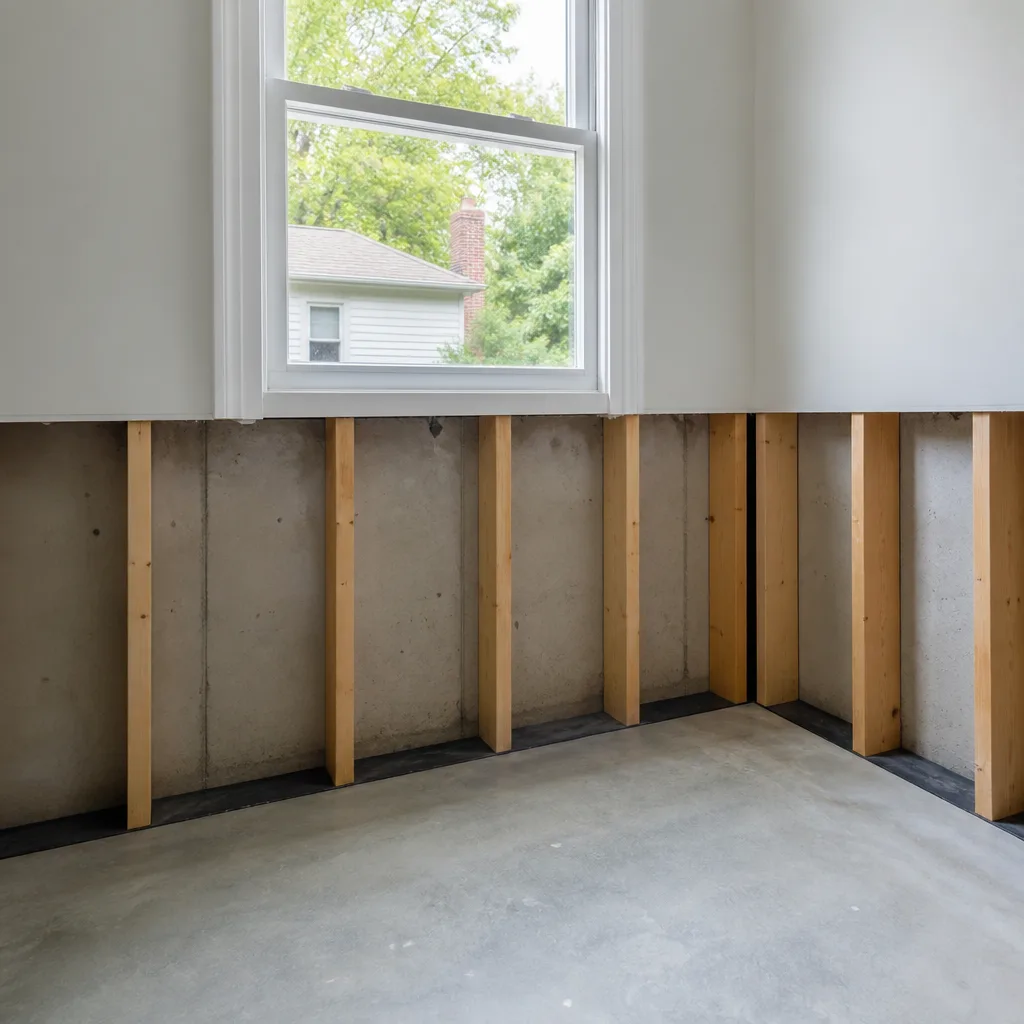
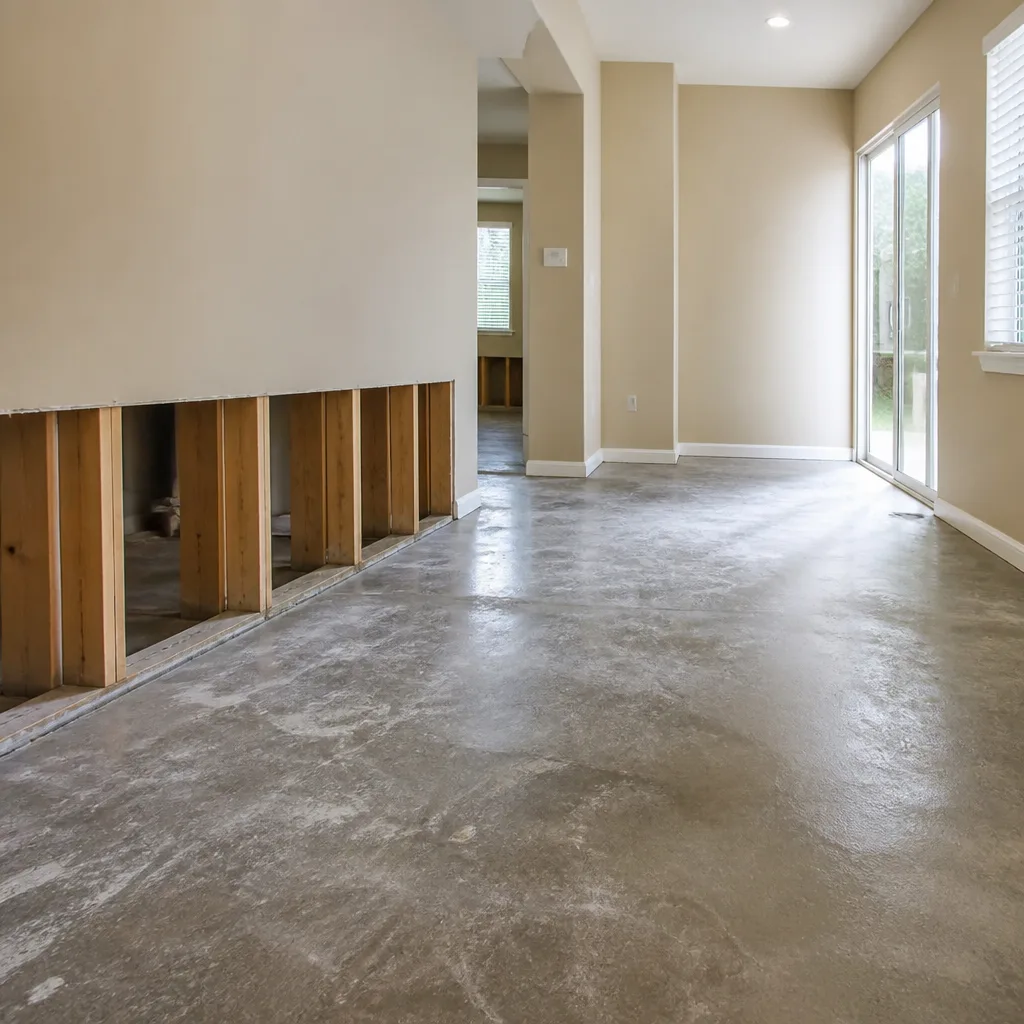
Older Closter homes sit on original concrete-block or brick-mortar foundation walls, not poured concrete, and many have DIY waterproofing coatings applied over the years. Those coatings trap moisture inside the block, causing spalling and channeling water behind finished basement walls. Drying the visible water doesn’t address the water that’s still moving through the wall. Full wall excavation traces the actual water path and lets us install a proper interior drain system before rebuilding, so the same flood doesn’t come back next storm.
Does Closter enforce wind rating or impact-resistant requirements for storm door and window repairs?
Closter follows New Jersey building codes, which include wind-load requirements for exterior doors and windows in areas exposed to nor’easter gusts. When we repair or replace storm-damaged doors and windows, we install assemblies that meet the current wind rating for Bergen County, not whatever was code when the house was built in 1962. That matters, because a door that met 1960s code won’t hold its seals under the gusts Closter gets now.
How fast can you actually get to my Closter house in a storm?
Our commitment is 45 minutes from your call to a crew at your door in Closter, and we maintain that because we dispatch from close by, not from another state. During heavy nor’easter events, when every local restoration company is slammed, we prioritize by severity: active water intrusion and structural compromise get first response. Call (551) 348-3742 and a live person will tell you exactly when the crew rolls.
Will my insurance cover storm and wind damage restoration in Closter?
Most homeowner’s policies in Closter cover storm, wind, and falling-tree damage, including the restoration work that follows. Flood insurance is a separate policy, and that matters here because of the Dwars Kill drainage pattern: water that rises from the ground or overflows from a creek may be classified as flood, while wind-driven rain through a broken window is typically standard storm coverage. We bill your carrier directly and work with your adjuster from day one, so you’re not sorting out coverage language alone at 2 a.m.
What should I do in the first 30 minutes after storm water gets into my Closter home?
Turn off the power to affected areas if you can reach the panel safely, move valuables and furniture out of the water, and call us at (551) 348-3742. Don’t run a shop vac on water that came from outside, especially if it’s touched the ground or any drain. It’s contaminated and needs professional extraction. Don’t pull up carpet or cut into walls yourself. You could cut through asbestos-era materials or spread contamination. The first 30 minutes are for shutting off hazards and getting a certified crew on the road.
Serving Closter, NJ - Our Local Coverage Area
We’re based in the Closter area and know this community well. Use the map below to see our service coverage - if you’re nearby, we can almost certainly help.
Ready for Closter Storm Restoration Done Right?
When the wind dies down and the water’s still rising inside your Closter home, call (551) 348-3742. A live person answers, a certified crew with IICRC, RIA, and IFA training is dispatched to your street, and the work is backed by our 90-Day Done Right Promise in writing. We’ve handled storm damage, wind damage, and flood restoration in Closter for years, through nor’easters, ice dams, and summer remnants. The line the water left is where we start.
Written by Curt Bowman, Owner at Floodline Restoration Co., serving Closter and Bergen County with storm and disaster restoration since 2010.