
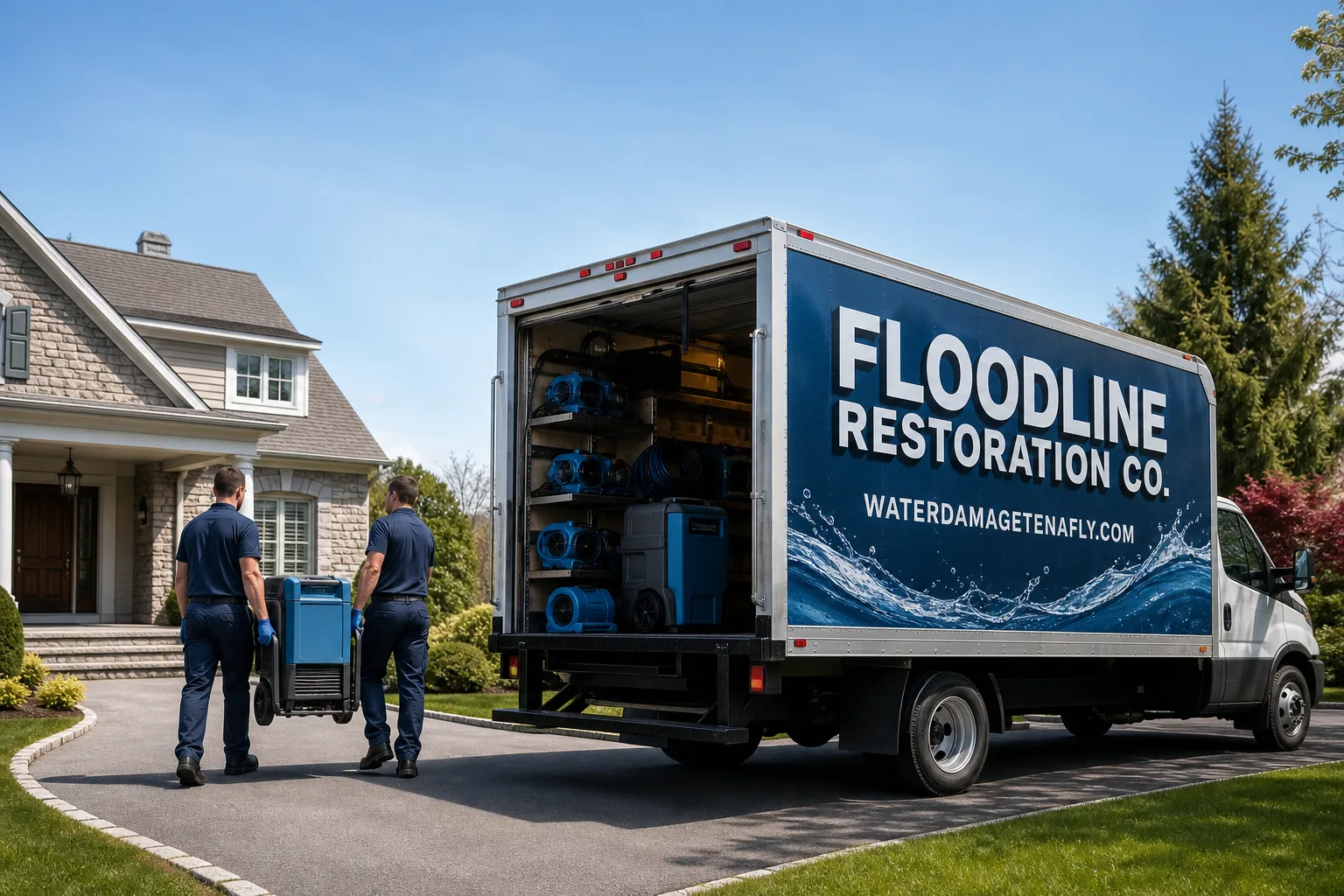
Free visual inspection and a written scope of work before any mitigation begins - photos, moisture readings, and drying logs go in your claim file
The scope we write is the scope we bill. Anything new gets shown to you, in writing, before we touch it.
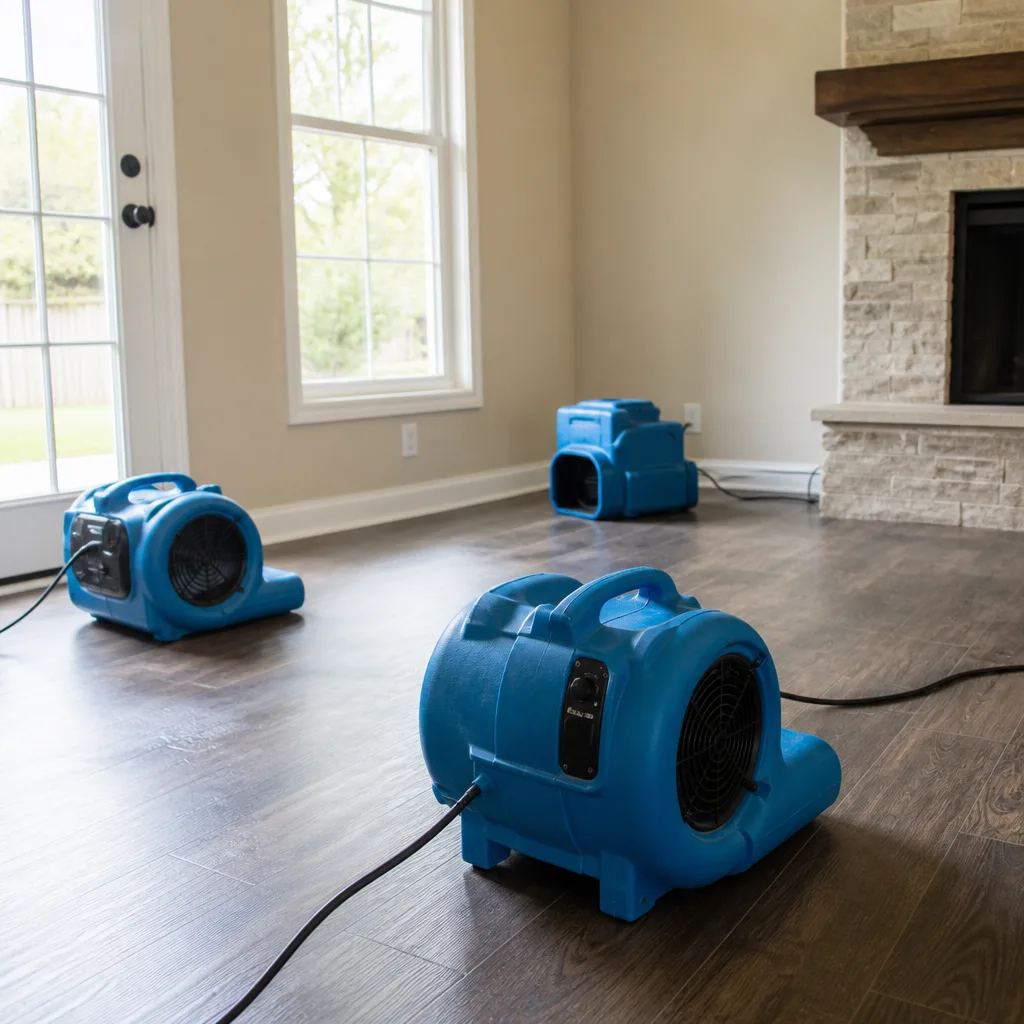
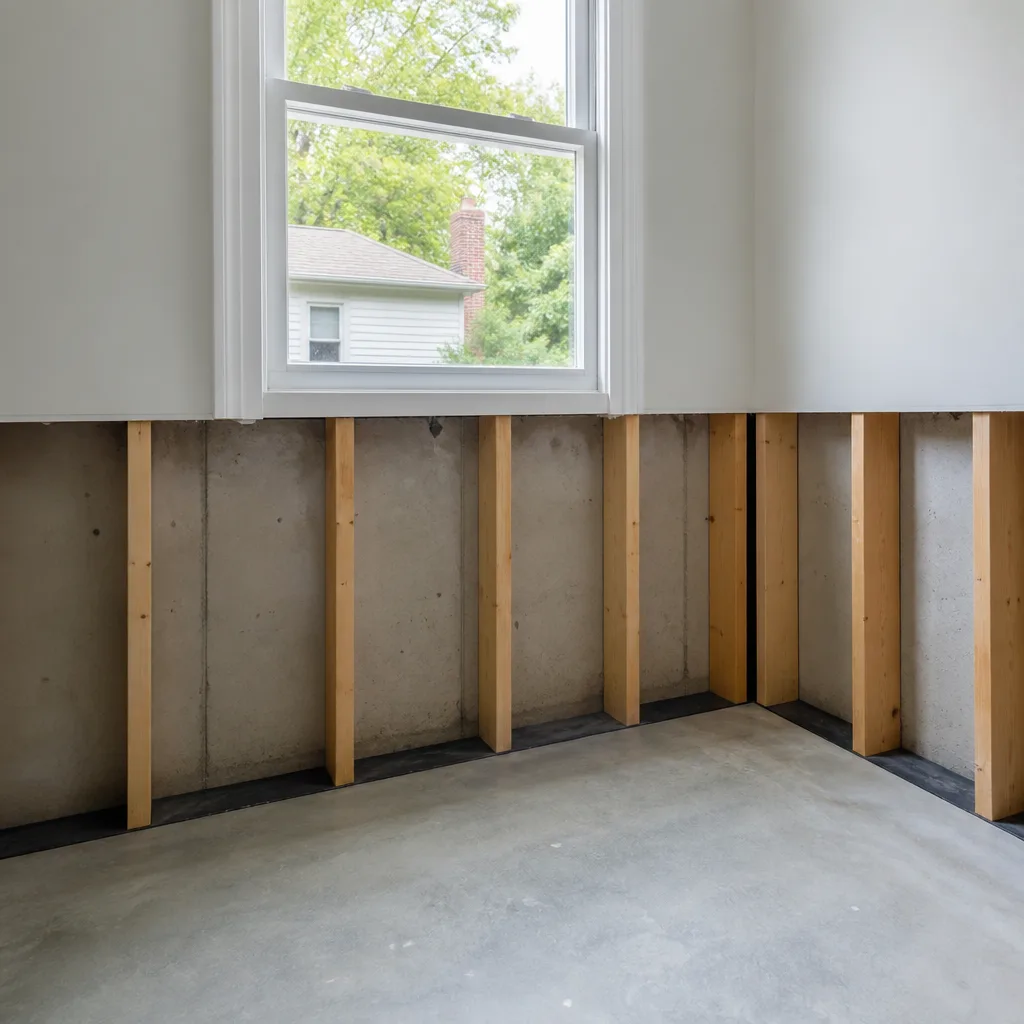
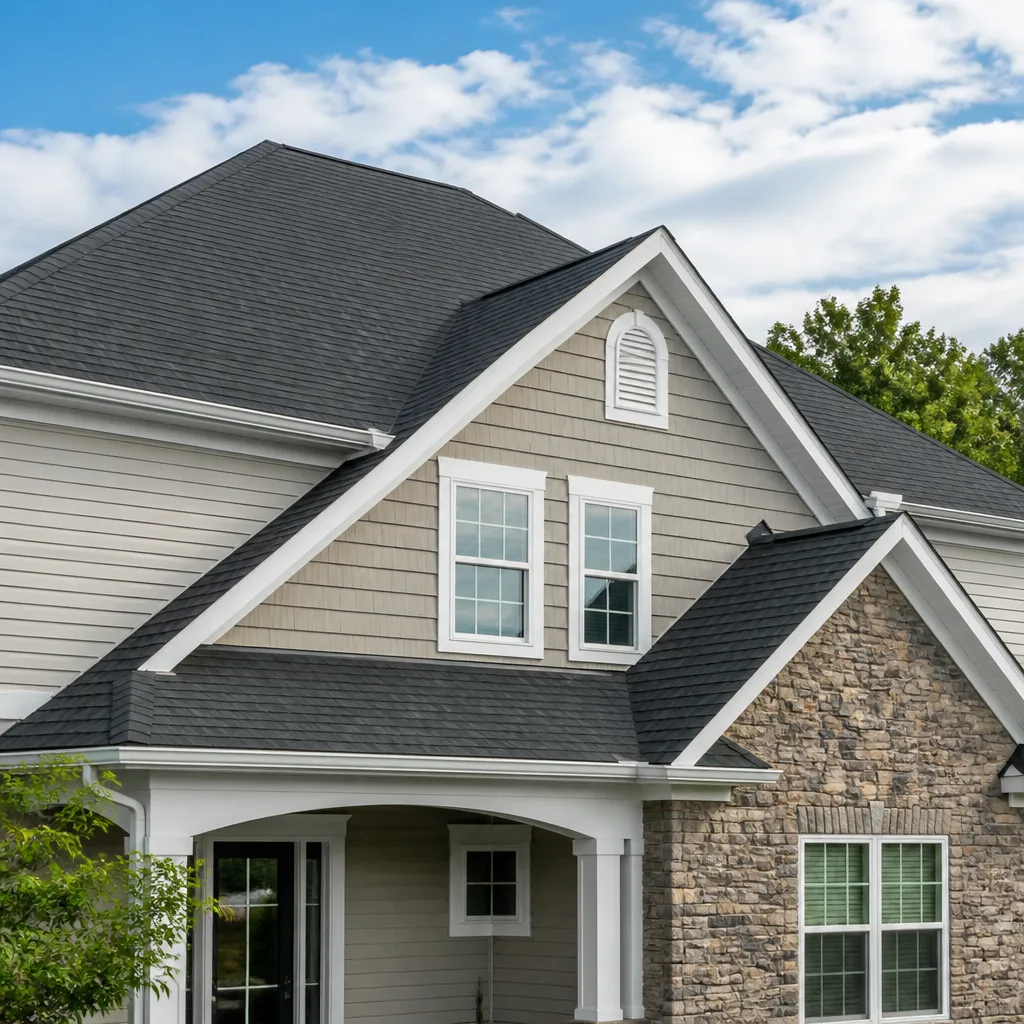
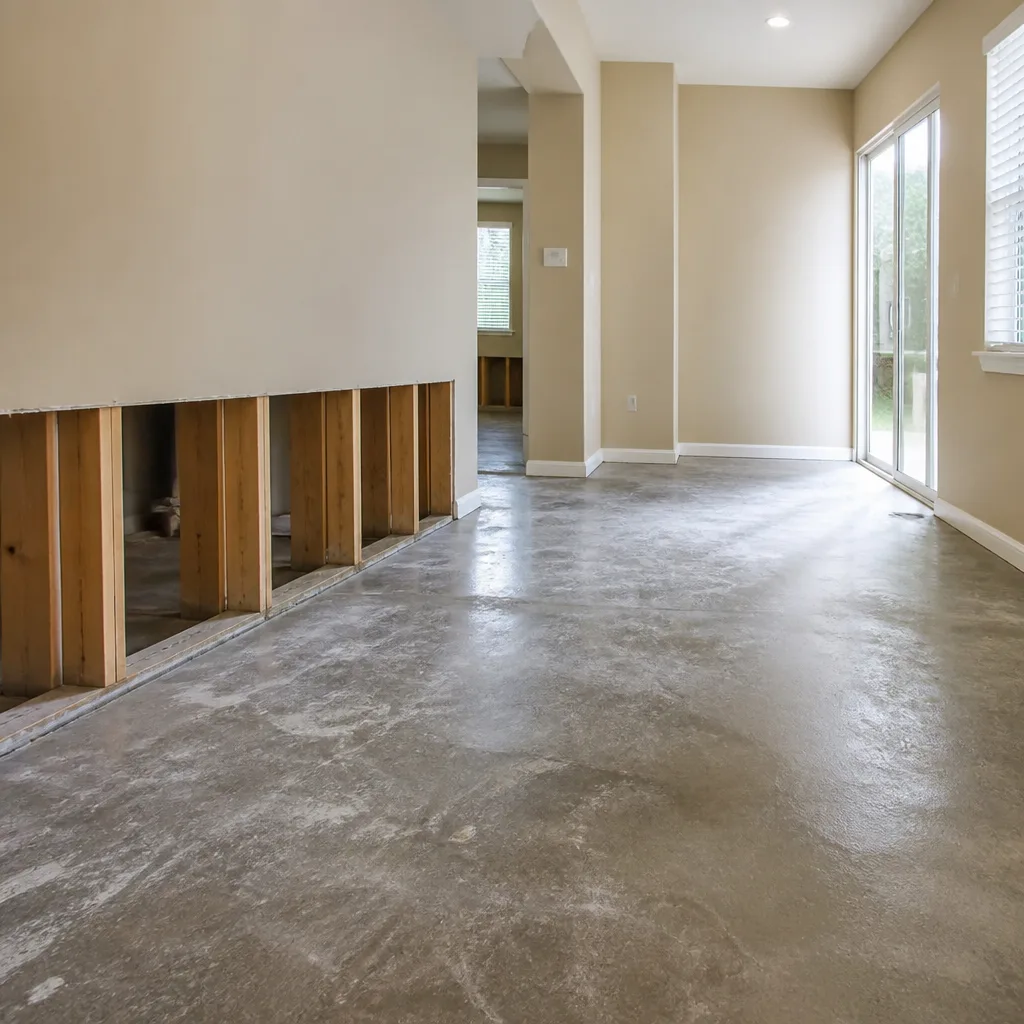
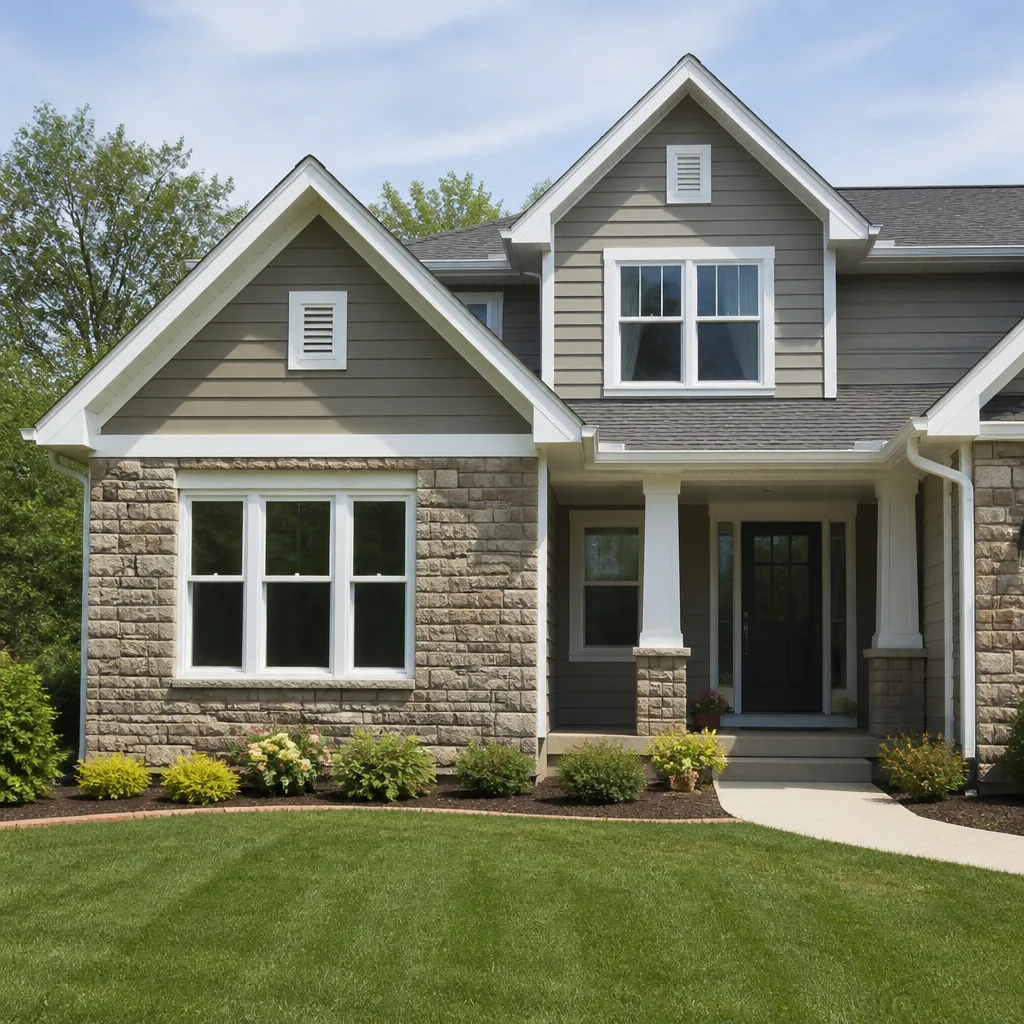
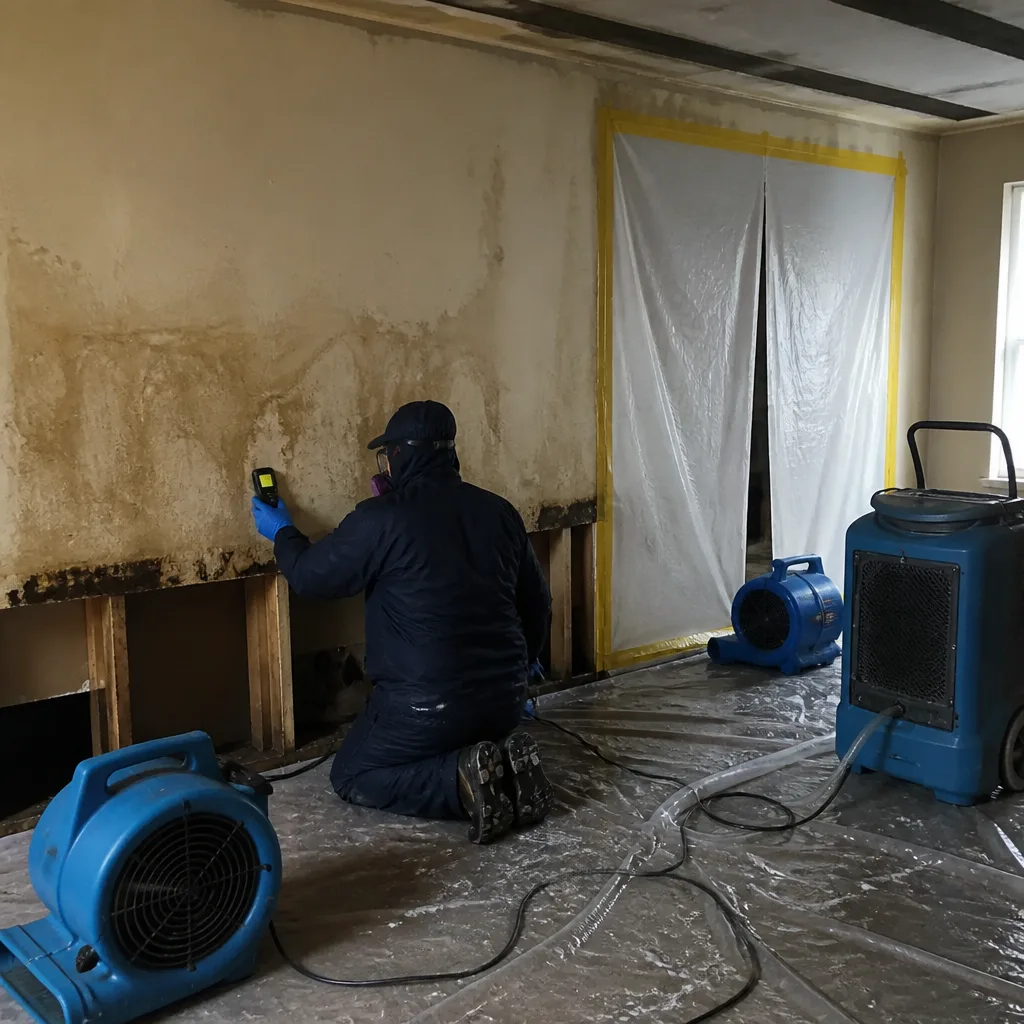 Before
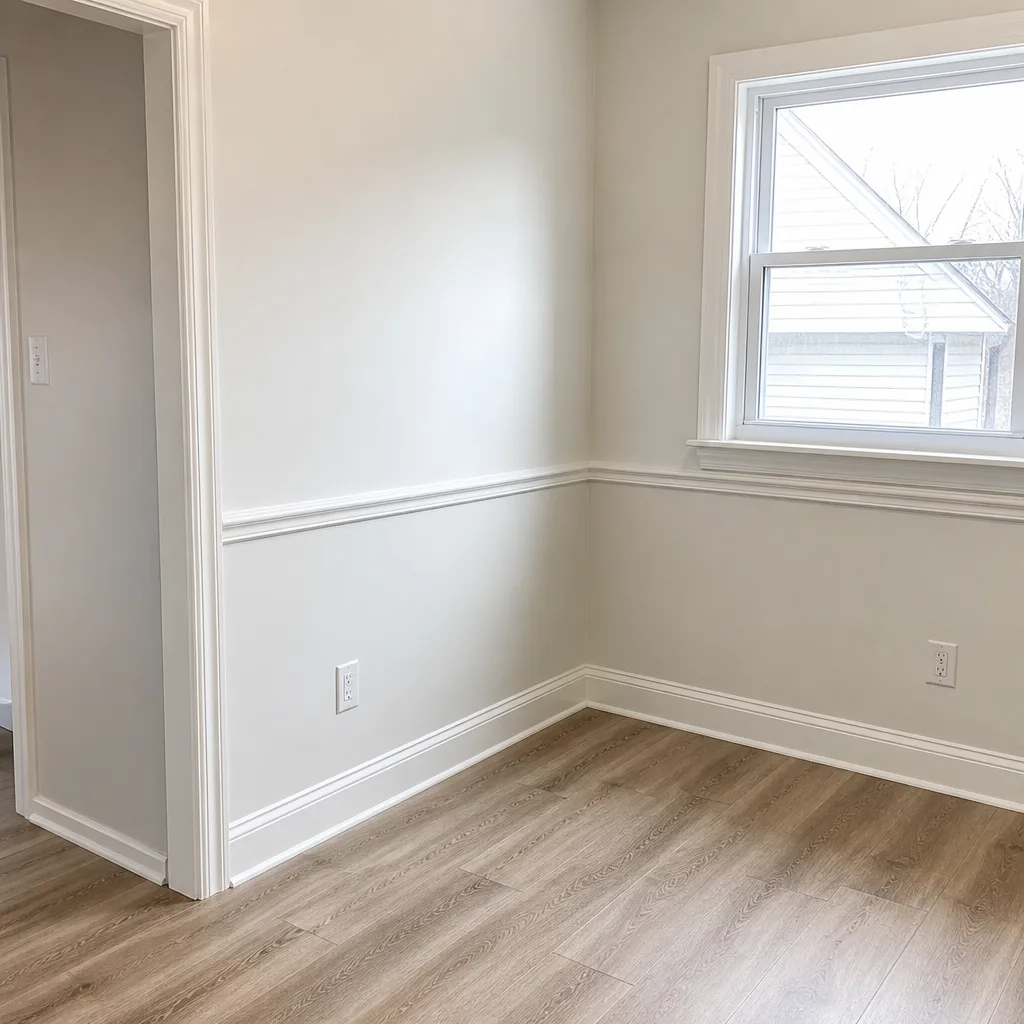 After
After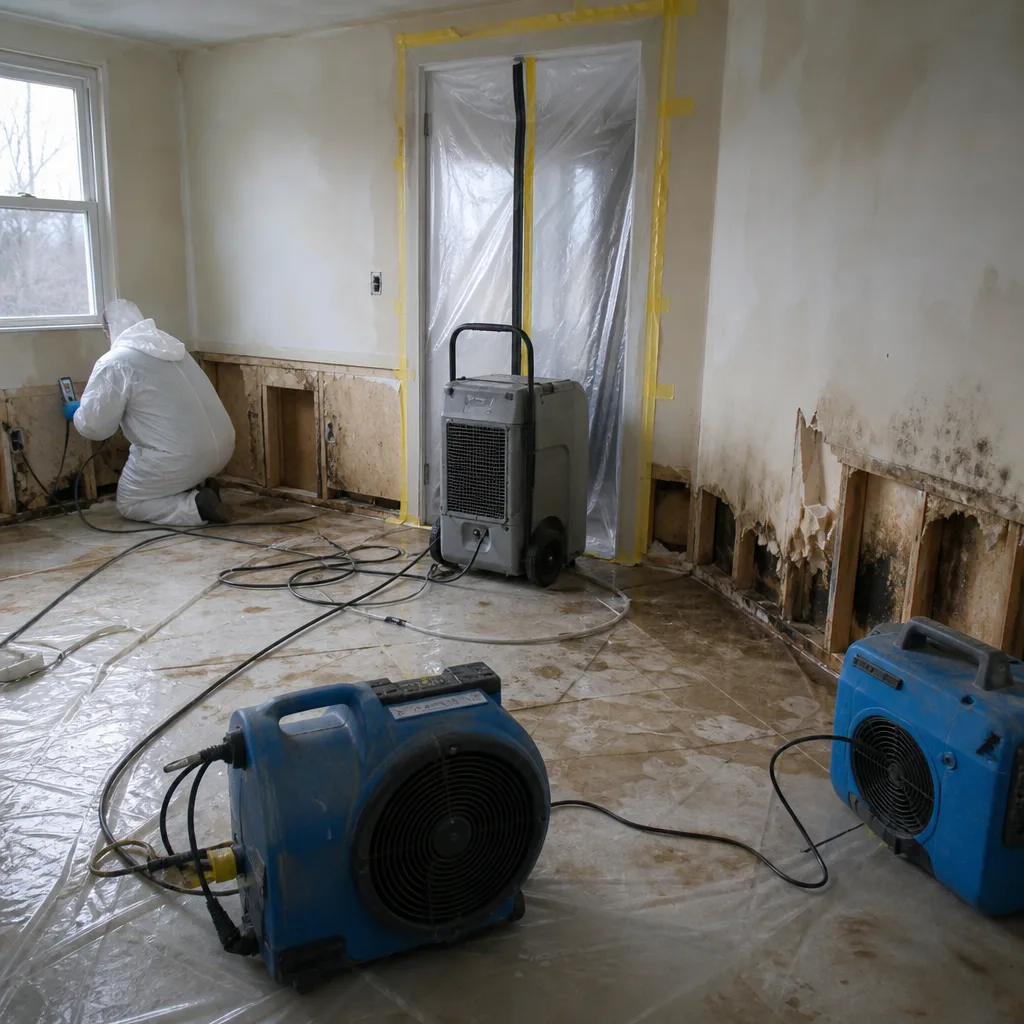 Before
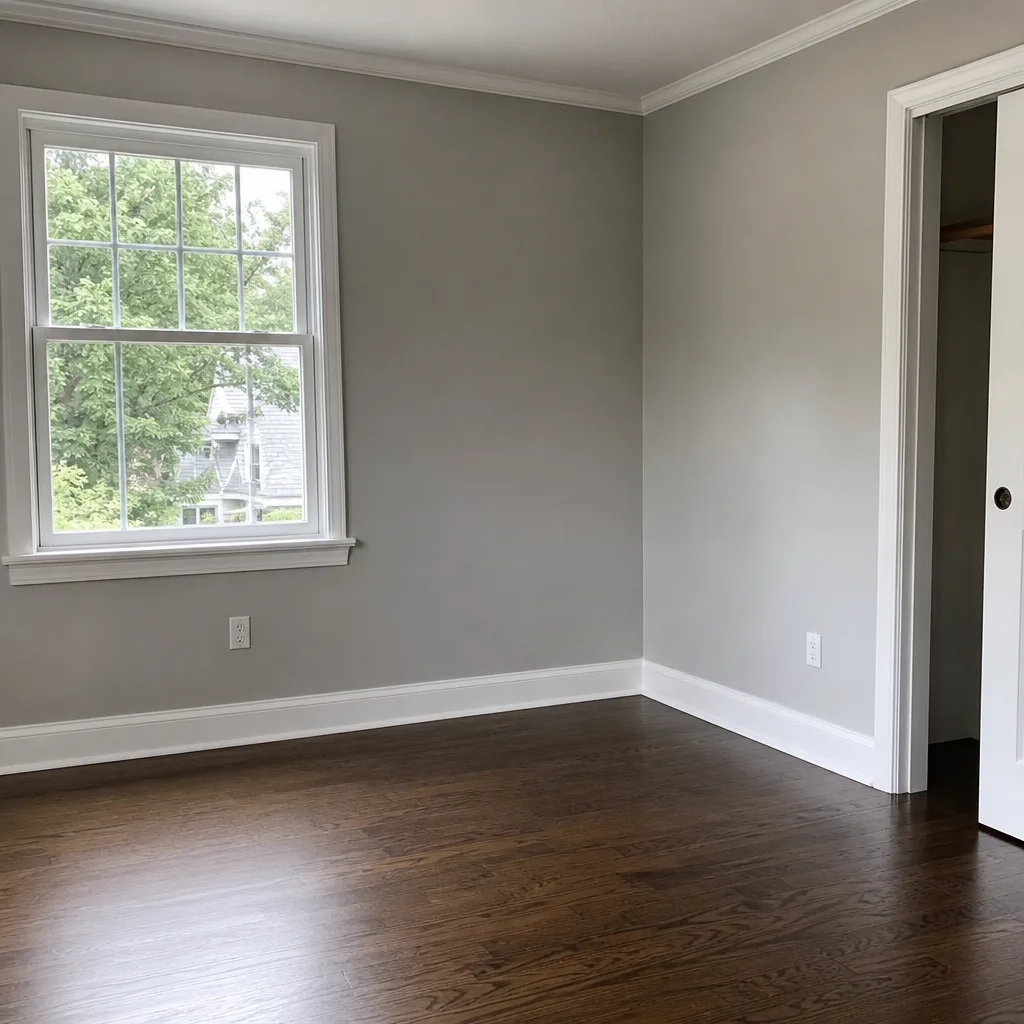 After
After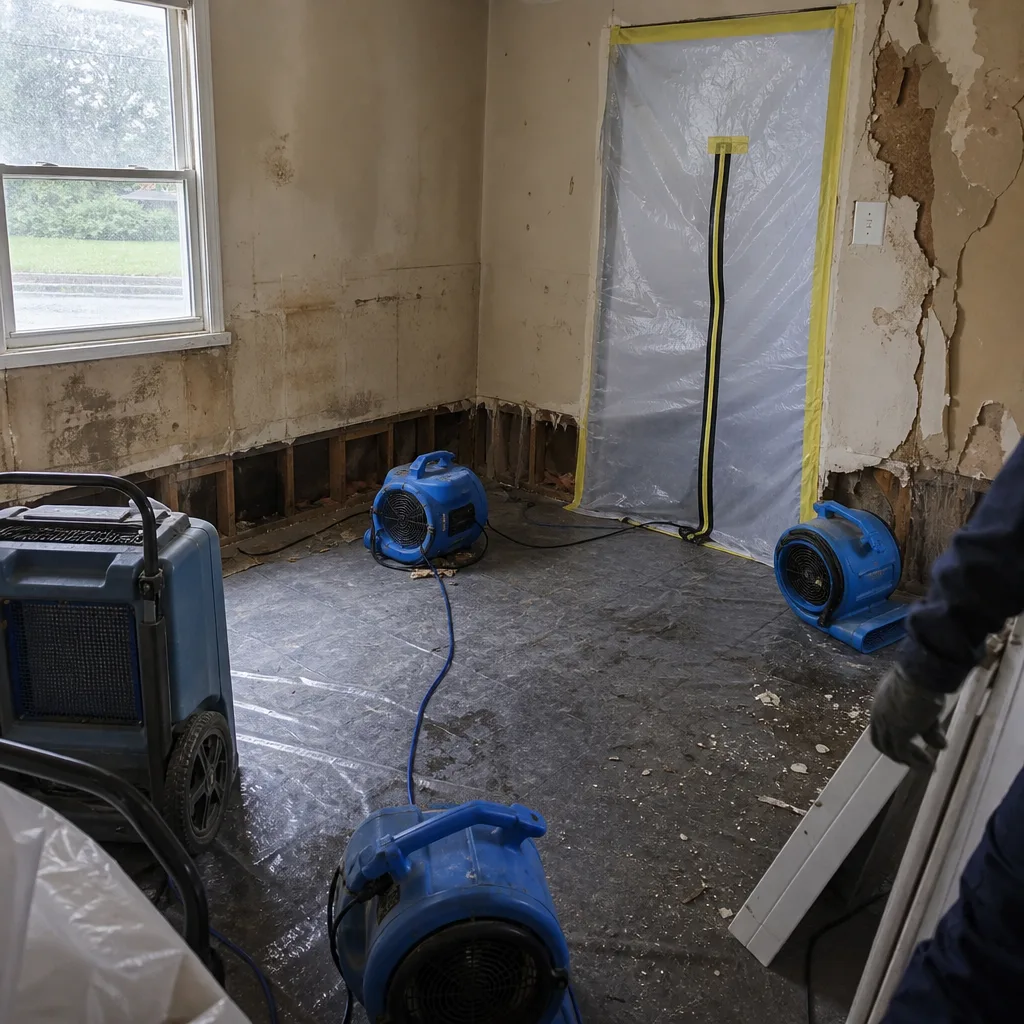 Before
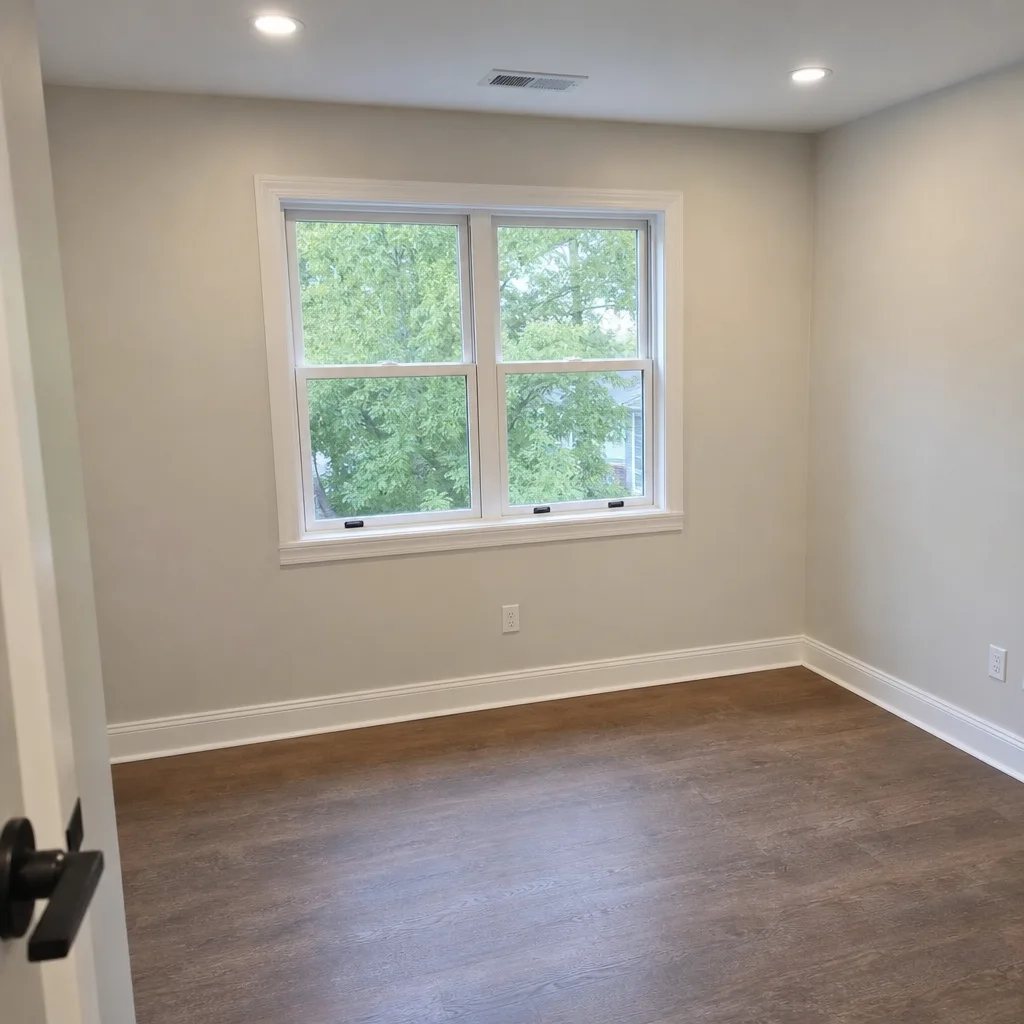 After
After24/7 Emergency Storm & Disaster Restoration in Norwood
Storm damage in Norwood moves fast. A downed limb through a roof, a nor’easter driving water through a failing foundation, or a backed-up clay lateral pushing sewage into a finished basement all need a crew on-site within hours, not days. Floodline Restoration Co. answers live around the clock, every day of the year. Call (551) 348-3742 at two in the morning and a real dispatcher picks up, not a recording. Our certified crew will reach your Norwood home, start extraction the same visit, and hand you a written scope of work before any drying begins. The first hour after stormwater enters a mid-century Norwood basement is when the damage is still contained; wait, and water wicks through drywall, into wall cavities, and under finished flooring, doubling the cost and the time you are out of your home.
Understanding Storm & Disaster Restoration Severity in Norwood Properties
Norwood’s housing stock runs heavily to 1950s through early 1970s ranches, Cape Cods, and bi-levels on concrete block or poured foundations. That matters when water shows up. Stormwater entering through a foundation crack or window well is typically Category 1 or 2 water; untreated after 48 hours it becomes Category 3, the kind that carries bacteria and requires containment, antimicrobial treatment, and clearance testing. The shared clay sanitary laterals under Norwood’s small lots complicate this further. A collapsed lateral two doors down can push Category 3 water through the shared block foundation into multiple basements on the same block. Our techs use thermal imaging and moisture mapping to distinguish clean stormwater intrusion from sewage-tainted lateral backup before any extraction begins, because treating a Category 3 loss as a Category 1 cleanup spreads contamination instead of removing it. Pre-1978 construction means asbestos-containing floor tiles and pipe insulation are routine finds under Norwood basements, and NJ DEP guidelines require testing and disclosure before restoration work can legally proceed. Skipping that step contaminates the entire job. Curt Bowman’s crews have handled these exact conditions for the past 15 years, and we document every reading so the homeowner and the carrier both know what we found, what we did, and that the dry standard was met.
Why Norwood Property Owners Choose Floodline Restoration Co.
- 45-minute response commitment for emergency storm and flood calls in Norwood, with live dispatch confirming the crew’s location before they roll.
- 24/7 live answer from a real dispatcher in our office, never an automated system or a voicemail box. We answer at 2 a.m. because that is when storm damage gets found.
- IICRC-certified crews carrying WRT, FSRT, and AMRT certifications, trained to RIA and IFA standards, uniformed and background-checked before they enter your home.
- Free visual inspection with a written scope of work before anything gets torn out. No surprises on the bill, ever.
- Direct insurance billing with photo documentation from the first hour, line-item estimates, and adjuster communication handled by us, not by you.
- One team from extraction to reconstruction. The same crew that pulls the water also dries the structure, replaces the drywall, and finishes the trim. No mid-job handoff, no inherited crew you never met.
Inspection & Assessment
Our IICRC-certified techs arrive in Norwood, walk the property, and identify the water category, the source, and the extent of migration. Thermal imaging and moisture meters map the affected area before anything moves.
Extraction & Stabilization
Standing water comes out with professional-grade extraction equipment. We board up broken windows, tarp damaged roofs, and stop active water at the source the same visit.
Drying & Dehumidification
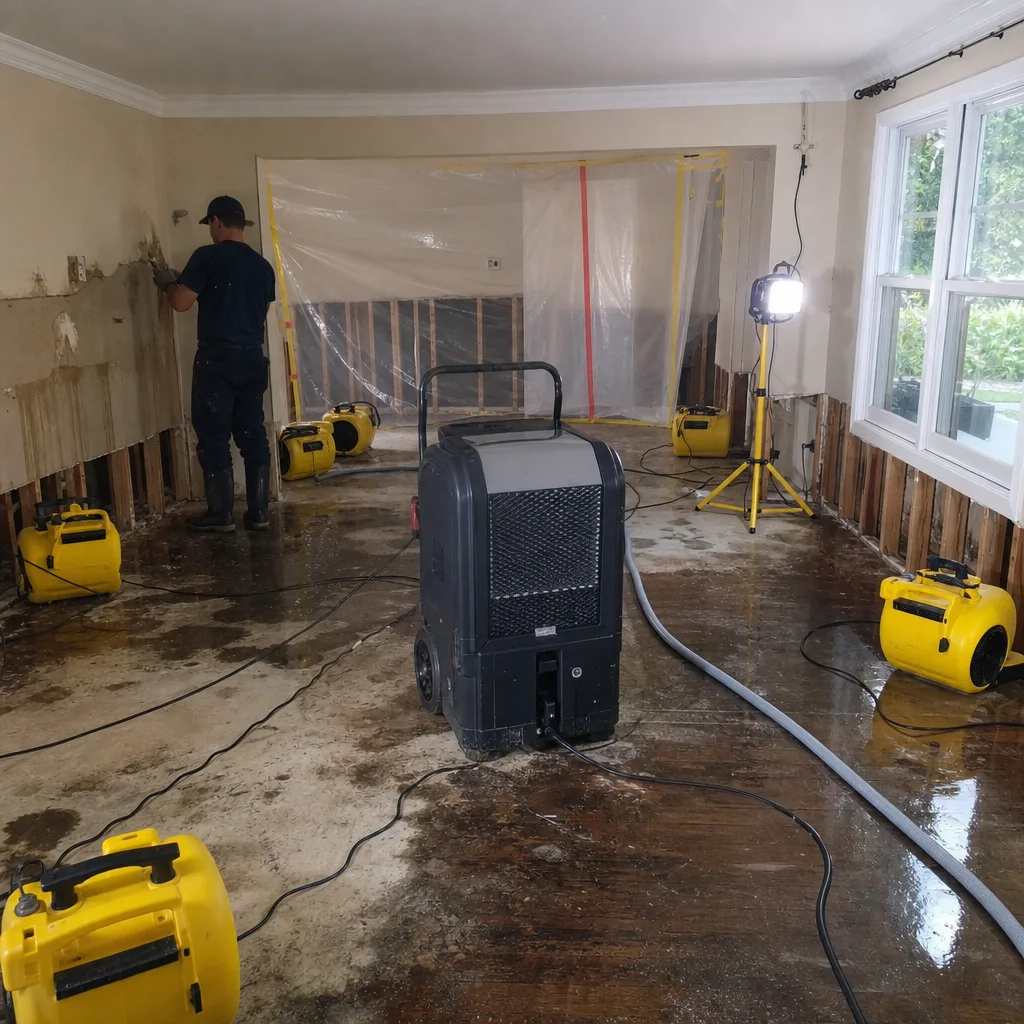
Dri-Eaz and Phoenix dehumidifiers paired with high-velocity air movers run around the clock until daily readings hit the dry standard. Every reading goes into a log we hand to you and your carrier.
Cleaning & Sanitization
HEPA air scrubbers run throughout the affected area. We clean and sanitize every surface, remove storm debris, and treat contaminated framing with antimicrobial where needed.
Specialty Treatment
Category 3 floodwater from failed clay laterals or sewage backup in Norwood requires containment, air scrubbing, and clearance testing before the structure can be rebuilt safely.
Repairs & Restoration
The same Floodline Restoration Co. crew that handled extraction now handles rebuild: drywall, flooring, trim, paint, and finishing details. We do not hand the job off.
Need Emergency Storm & Disaster Restoration in Norwood Now?
Crews minutes away, answering live 24 hours a day. The sooner we start, the less it costs.
Working With Your Insurance Company
Dealing with an insurer after storm damage in Norwood should not mean you playing messenger between a restoration crew and a claims adjuster. We handle that. Documentation starts the first hour we are on-site: photos of every affected room before anything is moved, moisture readings in writing, daily drying logs, and a detailed line-item scope of work. Our estimates are written to industry standards, which means they hold up to scrutiny from a carrier’s desk adjuster. We bill your insurance company directly when covered peril applies. If your adjuster pushes back, we provide the documentation to answer the questions. Your job is to get your home back; ours is to make the claim paperwork hold together. Curt Bowman built the company around a dispatch board, not a sales desk, and that means our people know how to document a loss properly from the first visit.
What We Provide Your Insurer
- Thorough documentation of the loss
- Photos of all damage, room by room
- Moisture readings and drying logs
- A detailed, line-item scope of work
- Direct coordination with your carrier
Built for Norwood’s Loss Calendar
Norwood’s storm damage follows a yearly rhythm, and we schedule our Norwood crews around it. January and February bring the deep freezes that burst supply lines in unheated crawl spaces under 1960s bi-levels, flooding finished basements before anyone notices. March and April are ice-dam season on the low-pitched roofs common to mid-century ranches along Broadway and Blanch Avenue; repeated freeze-thaw cycles drive meltwater under shingles and into wall cavities, saturating insulation where you cannot see it until the drywall stains. June through August delivers the summer cloudbursts that overwhelm Northern Bergen County’s aging storm sewers and push water against 50-year-old block foundations never waterproofed to modern standards. September through November is nor’easter corridor territory: multi-day soaking rains saturate the shallow grades across Norwood’s two square miles, and basement seepage shows up on entire blocks at once. The winter thaw that follows a heavy snowpack repeats the cycle. Our Storm & Disaster Restoration team works these patterns every year, which means when we arrive at your Norwood home, we already know what the likely failure mode is and where to look first.
Storm & Disaster Restoration Across Norwood’s Neighborhoods
Norwood’s response routes tell a story about the borough’s aging infrastructure. Around the Blanch Avenue corridor, we see mid-century ranches on tight lots where stormwater from a single downpour backs up across shared driveways and into adjacent basements; the shallow grades leave nowhere for the water to go. Near the Tenakill Swim Club and the surrounding blocks, our Storm & Disaster Restoration crews find 1950s Cape Cods with original clay laterals still in service, many cracked or collapsed, sending Category 3 water into finished basements that homeowners assume is just sump-pump failure. Up toward the Norwood Public School district and the streets feeding off Summit Avenue, the split-levels and bi-levels have partially finished lower levels with paneling and carpeting that hold moisture for weeks after a flood, requiring injection drying through the framing rather than surface treatment alone. Closer to the Closter border, the lots widen slightly but the foundation waterproofing is no newer; groundwater from a wet season presses against block walls and seeps through mortar joints that were never sealed. Our crews know these blocks because we have worked them for the past 15 years, and we keep our Dri-Eaz equipment and Phoenix dehumidifiers staged close enough to reach any Norwood address in under an hour.
Specialized Storm & Disaster Restoration Services We Offer in Norwood
Flood Damage Restoration
The most common call we get in Norwood is a finished basement that flooded during a storm. Our crews extract the water, map the moisture, and run professional drying equipment until the dry standard is met. In Norwood’s pre-1978 basements, we test for asbestos before anything gets disturbed, and we document every step for your carrier.
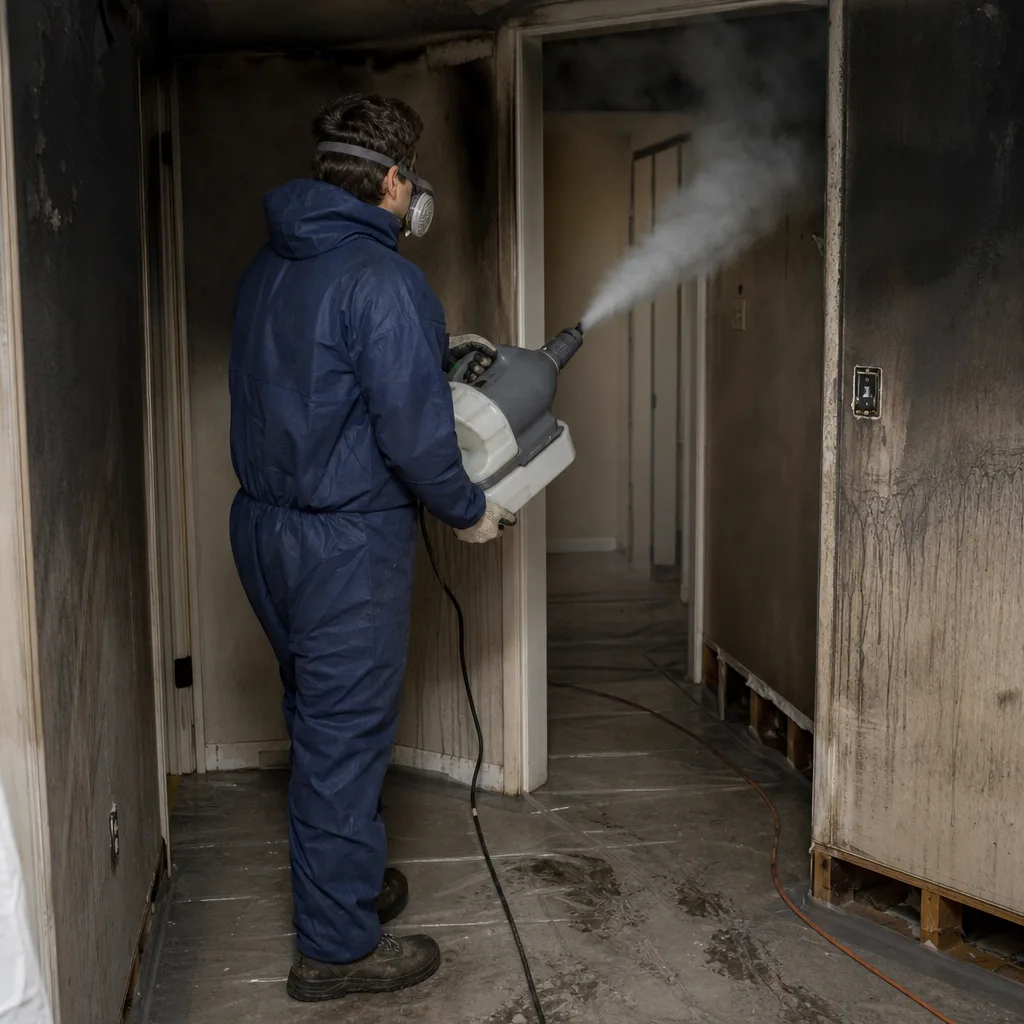
Storm Damage Cleanup
Downed trees, wind-driven debris, and waterlogged carpeting all come out. We clear the storm debris, treat the surfaces, and leave the affected area clean, dry, and documented. On Norwood blocks where a single storm hits multiple homes, we assess and document the scope of work across addresses so the claims reflect what actually happened.
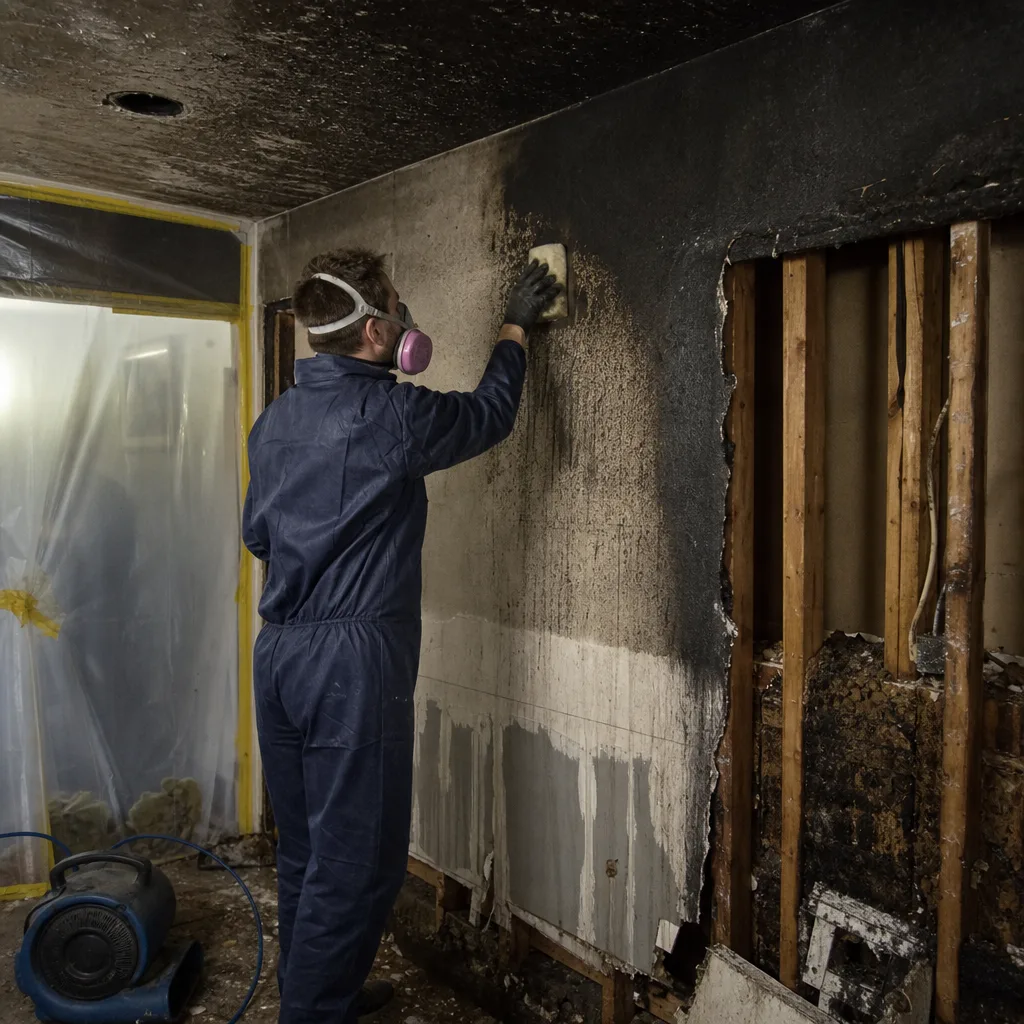
Emergency Board-Up
A broken window or a door blown open in a nor’easter leaves your Norwood home exposed to weather and theft. We board up within hours, tarp the roof where needed, and secure the building envelope before interior work begins.
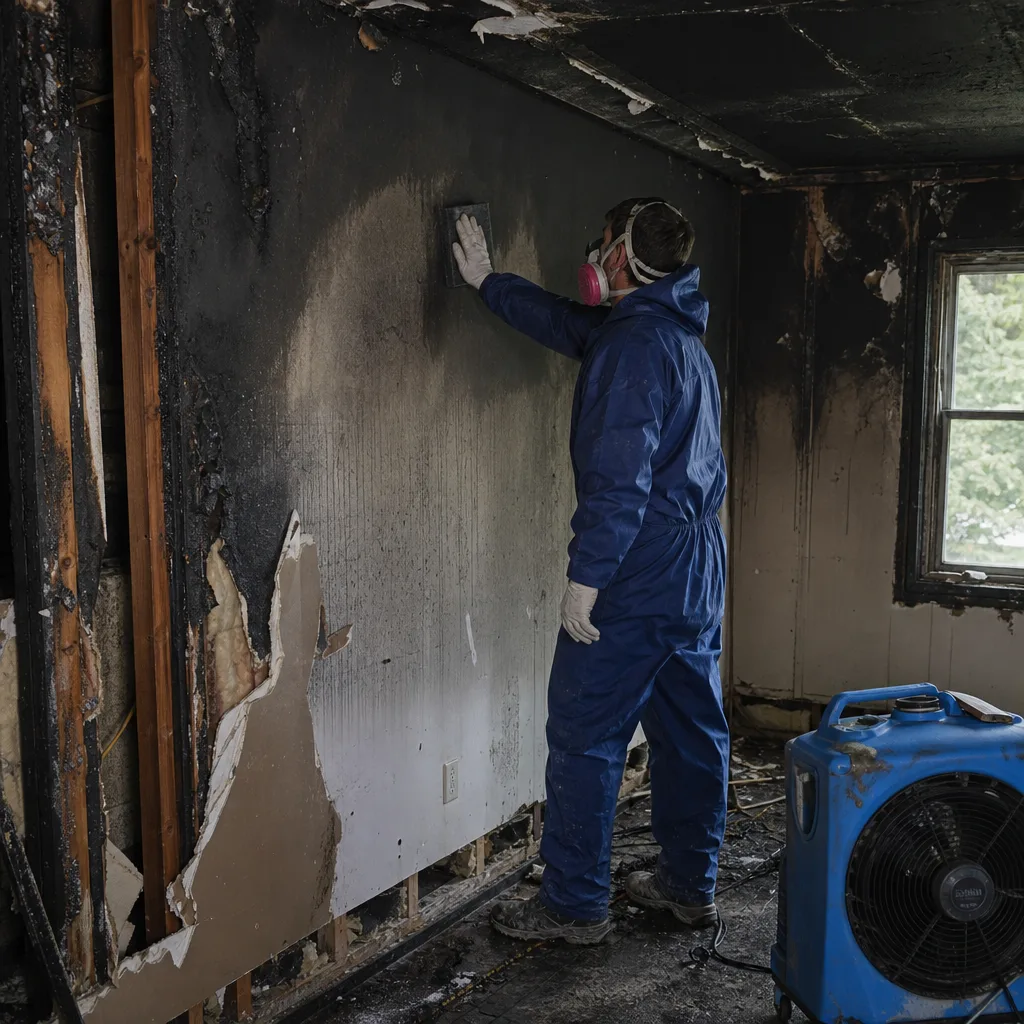
Roof Tarping
Norwood’s low-pitched ranch roofs take ice dams in March and wind damage in October. We tarp the damaged section same-day to stop water coming in, then repair the roof structure once the interior is stabilized.
Debris Removal
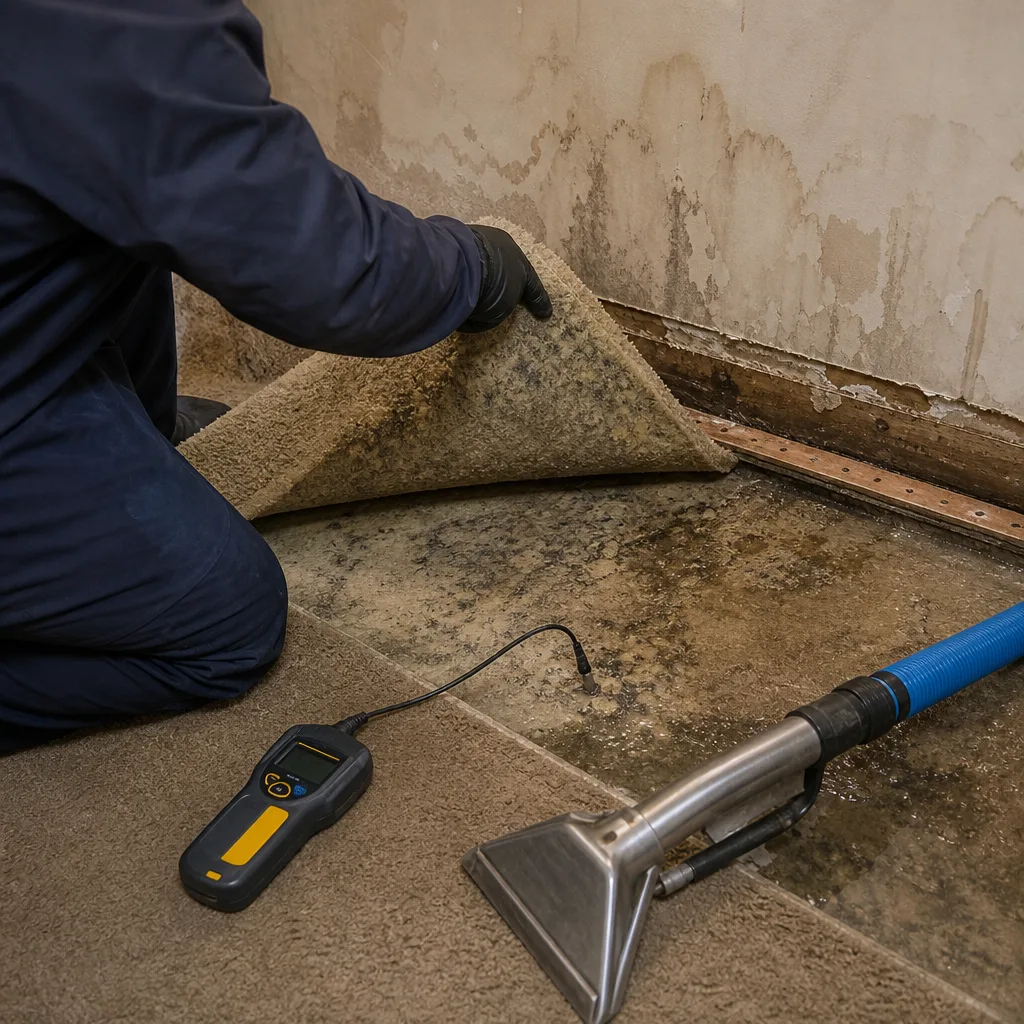
Storm debris, waterlogged belongings, and contaminated materials all need to leave the property. We pack out what is salvageable, document what is not, and haul away the rest. On multi-home lateral backup jobs in Norwood, we coordinate debris removal across affected addresses so the block is cleared and documented for Bergen County permits.
What happens when you call
- 1
A real person answersNo phone trees - you reach a local pro.
- 2
You get an upfront price rangeHonest numbers before anyone is dispatched.
- 3
A background-checked tech heads outLicensed & insured, dispatched right away.
- 4
You approve before work beginsNothing starts until you say go.
Storm & Disaster Restoration Costs in Norwood, NJ
Storm and flood restoration in Norwood typically runs between $2,800 and $9,500 for a standard finished basement flood with extraction, structural drying, and light rebuild. A simple sump-pump overflow with clean water and no drywall replacement often falls between $1,800 and $3,400. Full basement remediation with Category 3 water, containment, antimicrobial treatment, asbestos testing, and complete rebuild can run $12,000 to $28,000, depending on the square footage and how far the water migrated. What moves the price in Norwood specifically is the age of the house: pre-1978 homes with asbestos-containing materials cost more to work on safely, and collapsed clay laterals under 1960s slabs add excavation and replacement costs that a simple flood does not. Insurance covers most storm-related water damage when the peril is covered; sewer backup typically requires an endorsement that many Norwood homeowners do not carry. Our free visual inspection gives you a firm written scope before any work begins, so you know exactly what the job costs and what your carrier will pay. Call (551) 348-3742 for an exact quote. Estimates are free.
We Also Serve Cities Near Norwood
Floodline Restoration Co. crews serve Norwood and the surrounding Bergen County communities, including Norwood, Closter, Demarest, Haworth, and Cresskill. The same certified technicians, the same Dri-Eaz and Phoenix equipment, and the same 24/7 live dispatch cover the whole area.
Serving Norwood, NJ - Our Local Coverage Area
We’re based in the Norwood area and know this community well. Use the map below to see our service coverage - if you’re nearby, we can almost certainly help.
Norwood Storm & Disaster Restoration Questions, Answered
Why does a finished basement flood in Norwood often require testing before water extraction can start?
Because the vast majority of Norwood homes were built before 1978, and many have original asbestos-containing floor tiles and pipe insulation under the finished basement flooring. Moving water-damaged materials before testing spreads asbestos fibers through the entire affected area and contaminates the job. NJ DEP guidelines require testing and disclosure before any water or fire restoration work proceeds, so our crews test first, document the results, and then extract. Skipping this step turns a $3,000 flood cleanup into a $20,000 contamination problem. Call (551) 348-3742 to schedule a free inspection.
How do I know if my Norwood basement flood is from stormwater or a broken clay sewer lateral?
You often cannot tell just by looking. Stormwater backing up through a floor drain looks similar to a broken lateral leaching sewage, but the contamination level and the remediation required are completely different. Our crews use thermal imaging and moisture mapping to trace the water source and identify the category. On a recent block off Blanch Avenue, a call for a sump-pump failure turned out to be Category 3 water wicking through the shared block foundation from a collapsed clay lateral two doors down. We ran containment, documented the loss across three addresses, and used Dri-Eaz dehumidifiers and air movers after antimicrobial treatment to reach pre-loss condition before the drying logs were closed. Call (551) 348-3742 for a free inspection and we will tell you exactly what you are dealing with.
Why do Norwood ranches get ice dams on low-pitch roofs, and how does that affect restoration?
Northern Bergen County’s freeze-thaw cycles swing temperatures across 32°F repeatedly from November through March. Norwood’s low-pitched ranch roofs hold snow, which melts at the ridge, refreezes at the eaves, and forms an ice dam that pushes meltwater under the shingles and into wall cavities. By the time the ceiling stains show up, the insulation and stud cavities behind the drywall are saturated. Restoration requires not just drying the visible surface but opening the wall cavity, treating the framing, and often replacing insulation. Call (551) 348-3742 and our Norwood crew will inspect for ice-dam damage before it spreads further.
What does ‘neighbor-to-neighbor water migration’ mean for my Norwood basement claim?
Norwood’s roughly two-square-mile footprint packs homes onto small lots with shallow grades, and many share aging clay sewer laterals. When a lateral collapses under one house, the Category 3 water it releases can push through the shared block foundation into the adjacent basement. Your claim may actually be part of a multi-property loss, which changes how the scope of work is documented and how Bergen County permits get filed. We have documented multi-address impacts on Norwood blocks where three homes were affected by one failed lateral. Proper drying across all affected addresses is the only way to prevent mold from restarting within 48 hours. Call (551) 348-3742 for a free inspection, and we will document the full picture for your carrier.
Can you pack out and store our belongings from a Norwood basement flood while structural drying runs?
Yes. We pack out salvageable belongings, document what was damaged for your claim, and store the contents while structural drying runs. On Norwood jobs where asbestos testing or Category 3 containment is involved, we separate clean contents from contaminated materials before anything leaves the property, so you do not wind up with cross-contamination in storage. The crew that extracts, dries, and rebuilds also handles the pack-out, so nothing gets lost between contractors. Call (551) 348-3742 to schedule a free visual inspection.
How long does storm and flood restoration take in Norwood?
Structural drying typically takes three to five days when the water is Category 1 or 2 and the job is caught early. Category 3 jobs with containment, antimicrobial treatment, and clearance testing usually run seven to ten days before rebuild begins. Pre-1978 Norwood homes with asbestos testing and disclosure can add a day or two to the front end. Rebuild time depends on the scope: replacing drywall and flooring in a single basement room runs a few days after drying is complete. We provide a written timeline when we hand you the scope of work. Call (551) 348-3742 for a free estimate.
Can we stay in our Norwood home during storm restoration?
It depends on the category of water and the extent of the damage. For a clean stormwater flood isolated to one unfinished area, you can usually stay in place while drying equipment runs. For Category 3 contamination, sewage backup, or mold growth behind walls, we recommend staying elsewhere until containment comes down and clearance testing passes. Our crews use HEPA air scrubbers during Category 3 jobs to protect the rest of the house. We will give you a straight answer during the free inspection. Call (551) 348-3742 to schedule one.
What should I do in the first 30 minutes after storm damage in Norwood?
Shut off the electricity to the affected area if water is present, keep children and pets out, and call Floodline Restoration Co. at (551) 348-3742. Do not enter standing water in a finished basement if there is any chance it is sewage-contaminated; Category 3 water carries bacteria and viruses. If there is roof damage, do not go up on the roof or try to tarp it yourself in high winds. Take photos from a safe distance for your record, then let our certified crew handle the rest. The sooner we start extraction and drying, the less it costs and the less damage spreads.
Written by Curt Bowman, Owner at Floodline Restoration Co., dispatched from our New York City office and serving Norwood with certified local crews.