
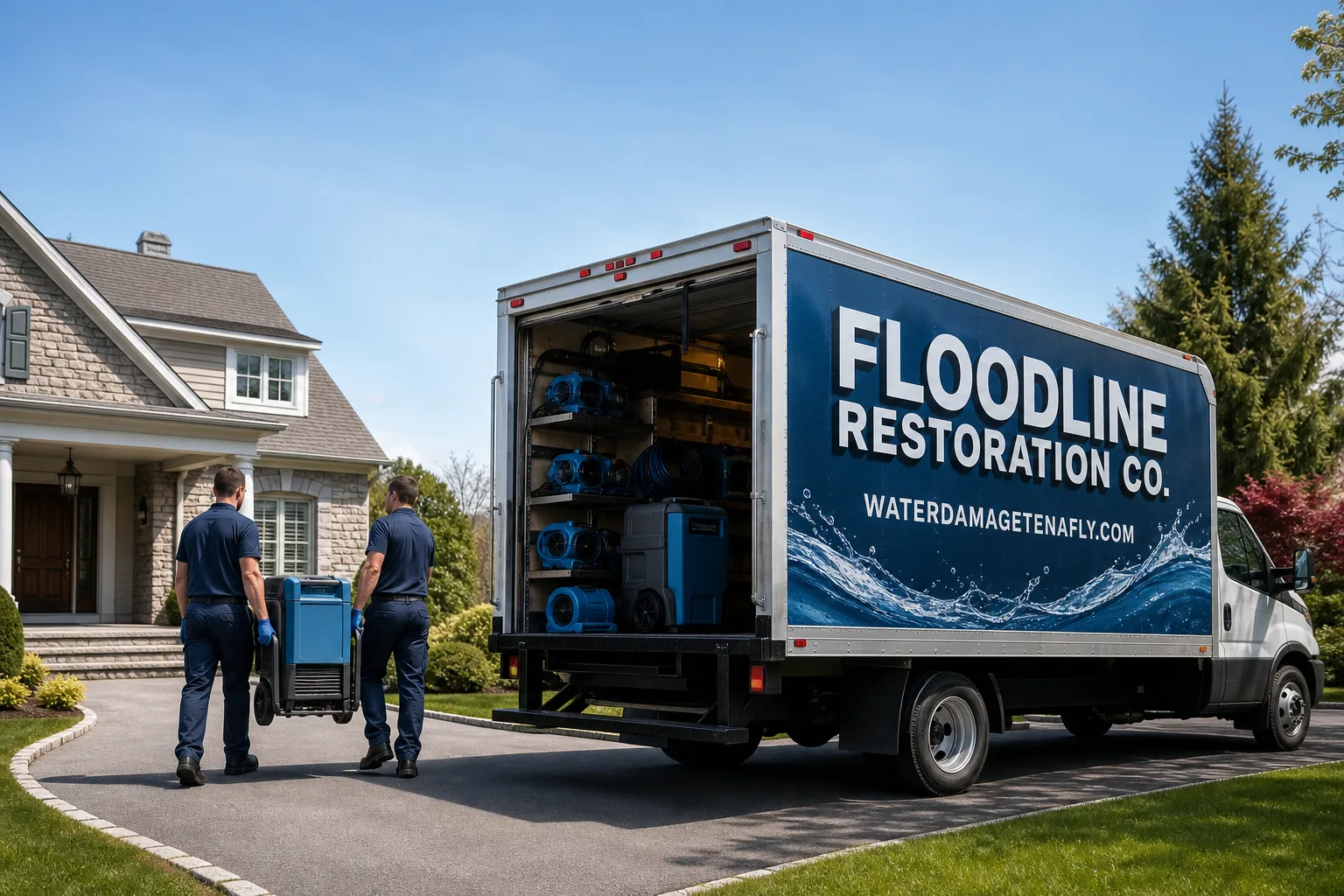
Free visual inspection and a written scope of work before any mitigation begins - photos, moisture readings, and drying logs go in your claim file
The scope we write is the scope we bill. Anything new gets shown to you, in writing, before we touch it.



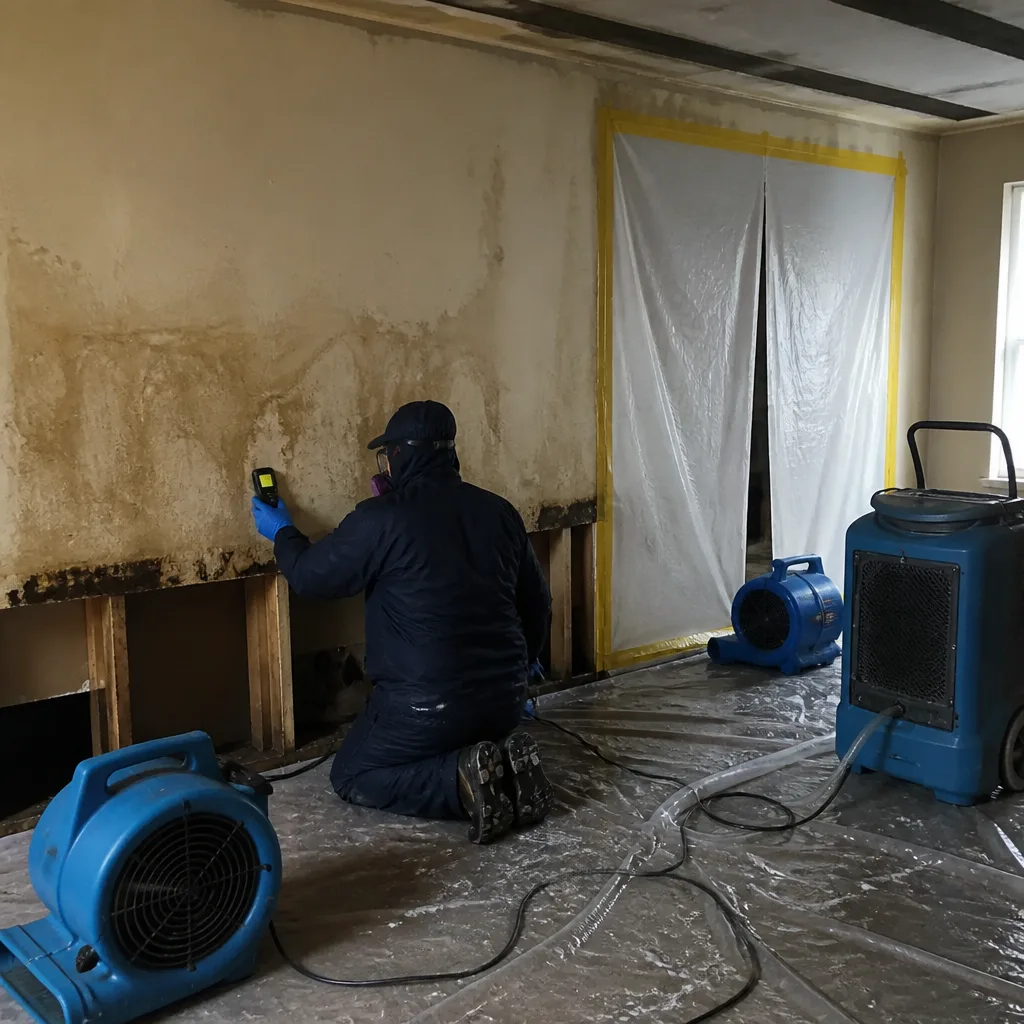 Before
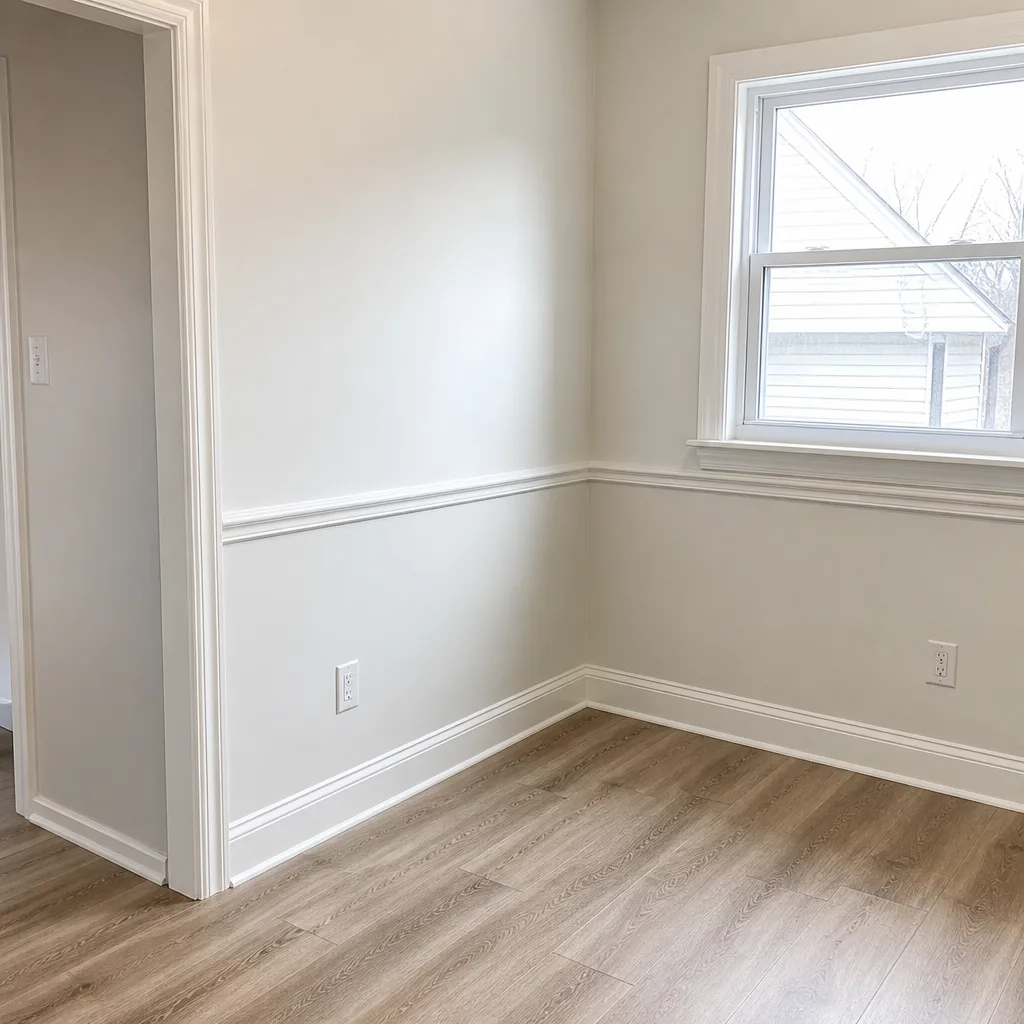 After
After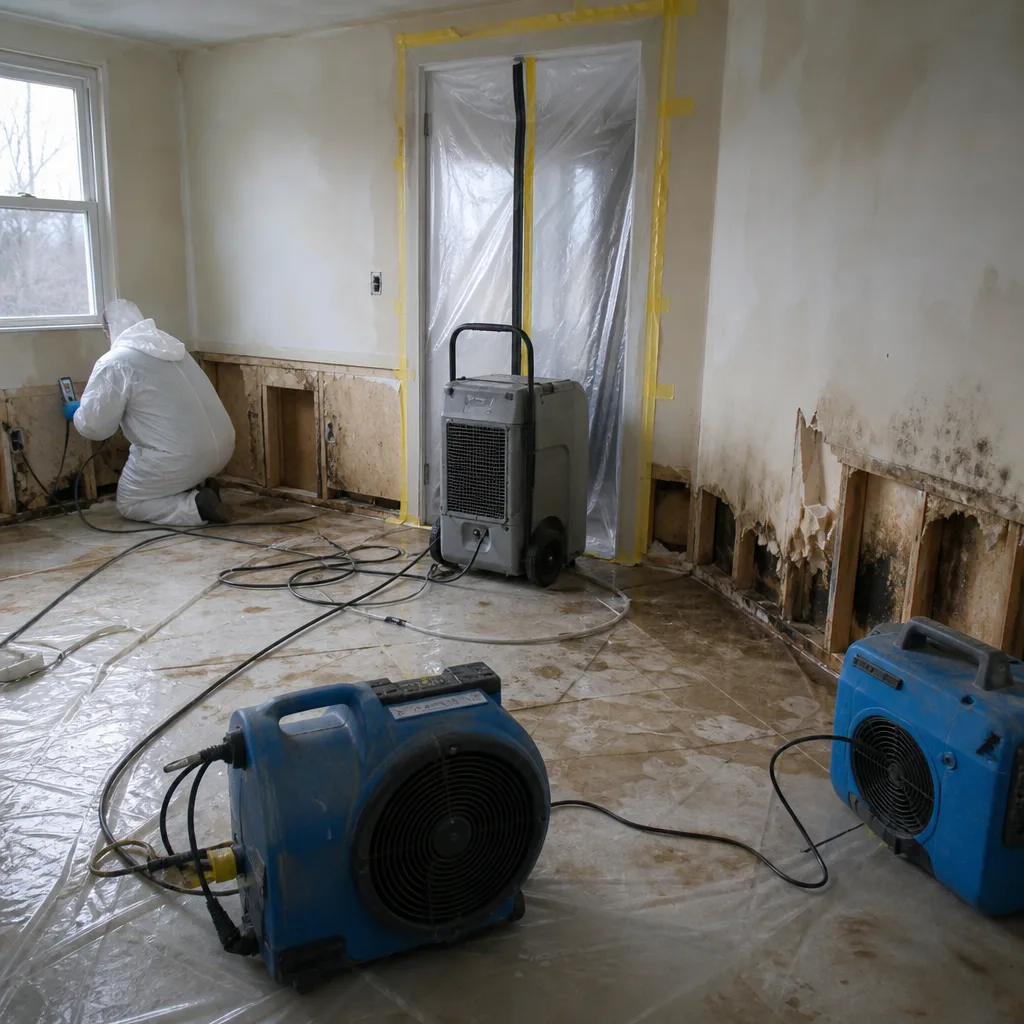 Before
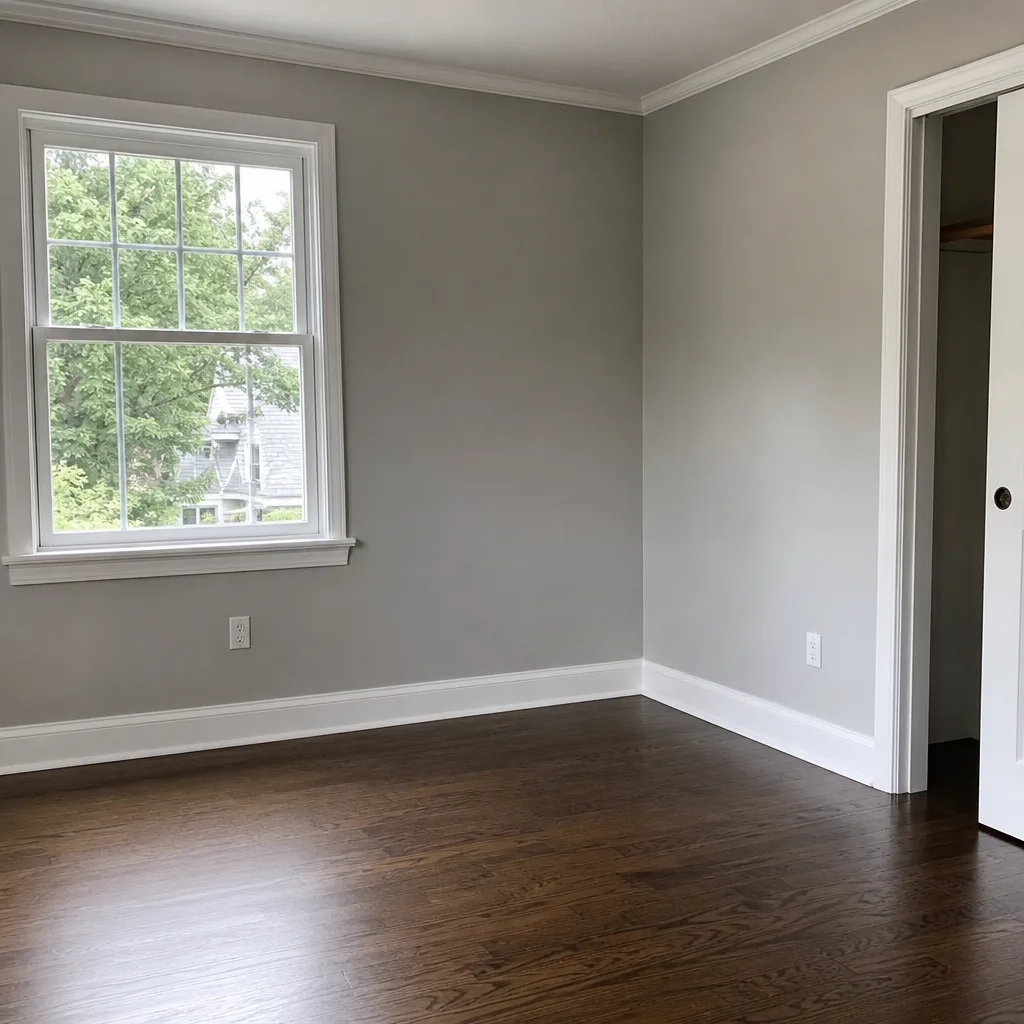 After
After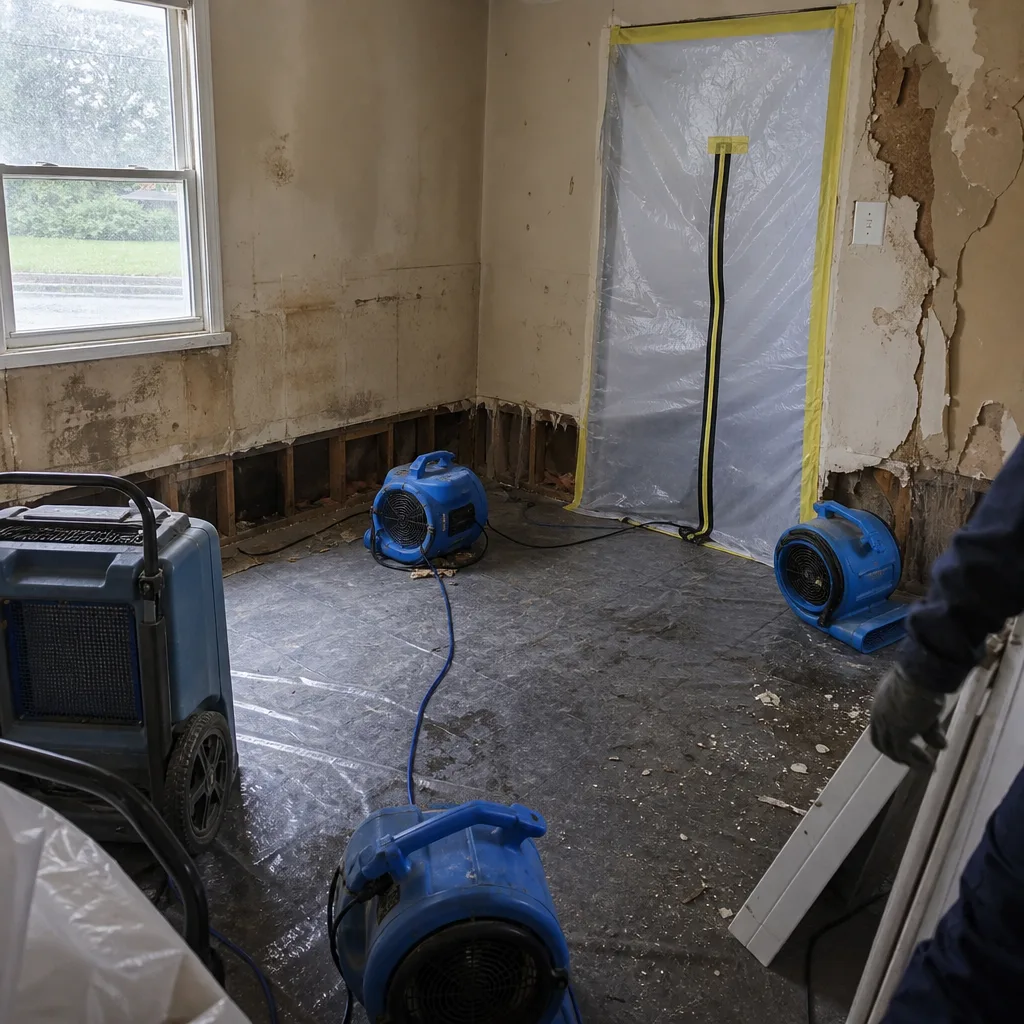 Before
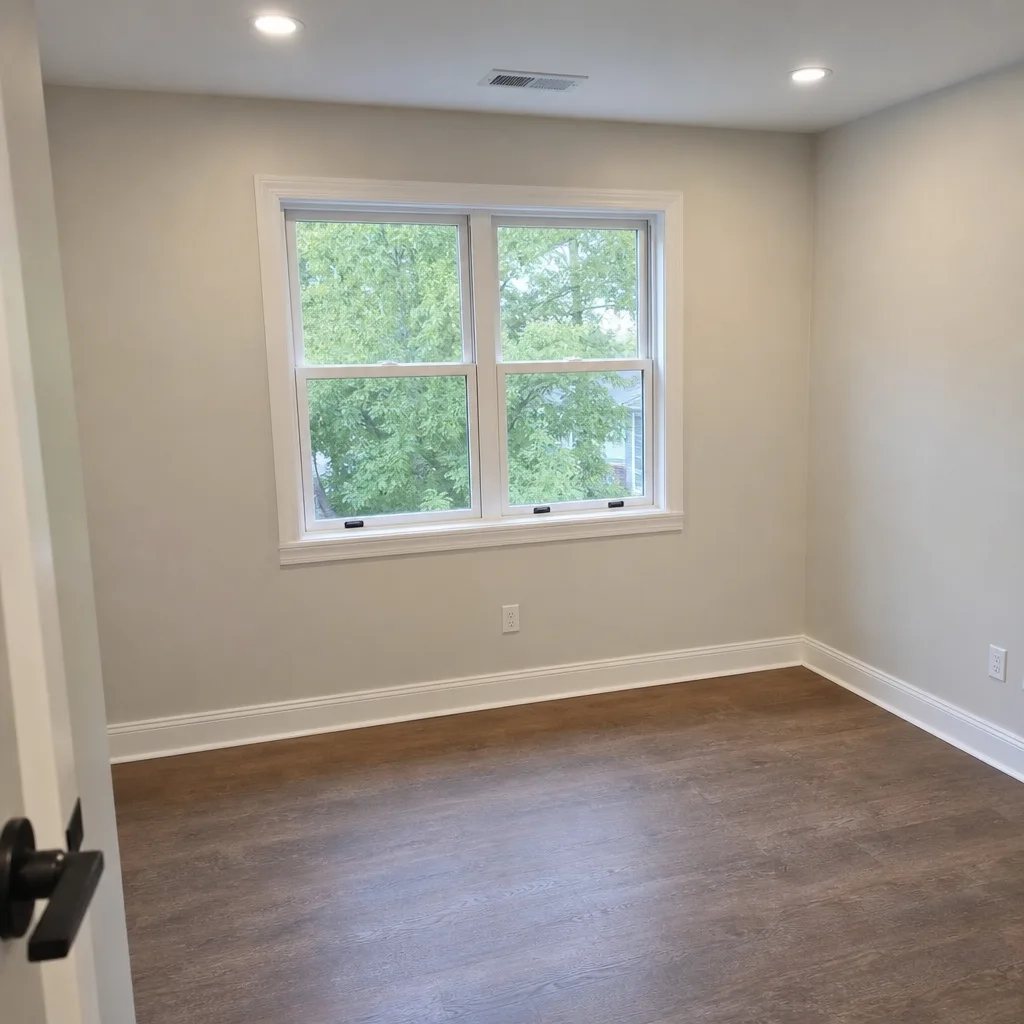 After
After24/7 Emergency Mold Remediation in Getty Square
If you’re seeing black spots spreading across a basement wall or smelling that musty odor in a ground-floor unit, mold remediation in Getty Square is not something to schedule for next week. In this neighborhood, mold moves faster than almost anywhere else in Yonkers. The Hudson River’s tidal humidity at street level means drywall and subfloor assemblies can reach actionable mold thresholds in 48 to 60 hours after water intrusion, not the standard 72. That compressed window is why we staff live dispatch around the clock, every day, and why crews reach Getty Square properties fast. Call (551) 348-3742 the moment you suspect mold. A live person answers, and we’ll schedule a free visual inspection at your property, typically the same day.
Understanding Mold Remediation Severity in Getty Square Properties
Mold in Getty Square rarely looks like the textbook case. Our building stock is overwhelmingly pre-WWII, dominated by three-to-six-story brick tenements, early-20th-century mixed-use buildings, and converted lofts. Many still have original horsehair plaster, cast iron drain stacks, and pre-1980 materials that trigger asbestos abatement inspections before remediation can legally begin. We classify mold jobs by square footage of affected area, the water source that fed it, and the substrate it’s growing on. A small patch on painted drywall from a one-time leak is a containment-and-removal job. A basement where hydrostatic pressure keeps moisture wicking through unreinforced brick is a moisture-control job first and a mold job second. Skip the moisture source and the mold returns within weeks, no matter how thoroughly we scrub the surface. That distinction, between the mold you can see and the moisture source feeding it, is the difference between a job done right and a callback. In Getty Square, where the Saw Mill River runs culverted beneath downtown streets and tidal surge pushes groundwater up from below, the moisture source is often continuous, not episodic. Our Mold Remediation team reads moisture maps before we open a single wall.
Why Getty Square Property Owners Choose Floodline Restoration Co.
- Fast local response. We commit to a 45-minute response window for Getty Square calls, with crews dispatched from our New York City office directly into the neighborhood.
- A live person, 24/7. Call at two in the morning and a dispatcher picks up. Not a recording, not a callback queue. We’ve run it that way since Curt Bowman founded the company in 2010.
- Certified technicians. Our crews are trained to IICRC standards including WRT, FSRT, and AMRT, plus RIA and IFA protocols. Background-checked and uniformed on every job.
- Free visual inspection. We’ll assess the affected area, identify the moisture source, and give you a written scope before any work begins. No obligation.
- Direct insurance billing. We document the loss from the first hour, photograph everything, and coordinate with your adjuster directly. You’re never the messenger.
- One team from start to finish. Extraction, drying, remediation, and rebuild are handled by the same certified crew. No mid-job handoff, no inherited subcontractors, no finger-pointing.
Our Mold Remediation Process
Inspection & Assessment
We start with thermal imaging and moisture mapping across affected surfaces and the walls behind them. In Getty Square’s pre-war buildings, we’re looking for hidden moisture wicking through brick foundation walls, not just surface mold. This assessment determines containment scope, asbestos testing needs, and the written plan you approve before we start.
Containment & Stabilization
We set up negative air pressure containment using HEPA-filtered air scrubbers. This prevents mold spores from spreading through shared walls in dense tenement structures. Stabilization means stopping active water intrusion, whether that’s from a burst supply line or groundwater pushing up through a basement slab.
Drying & Dehumidification
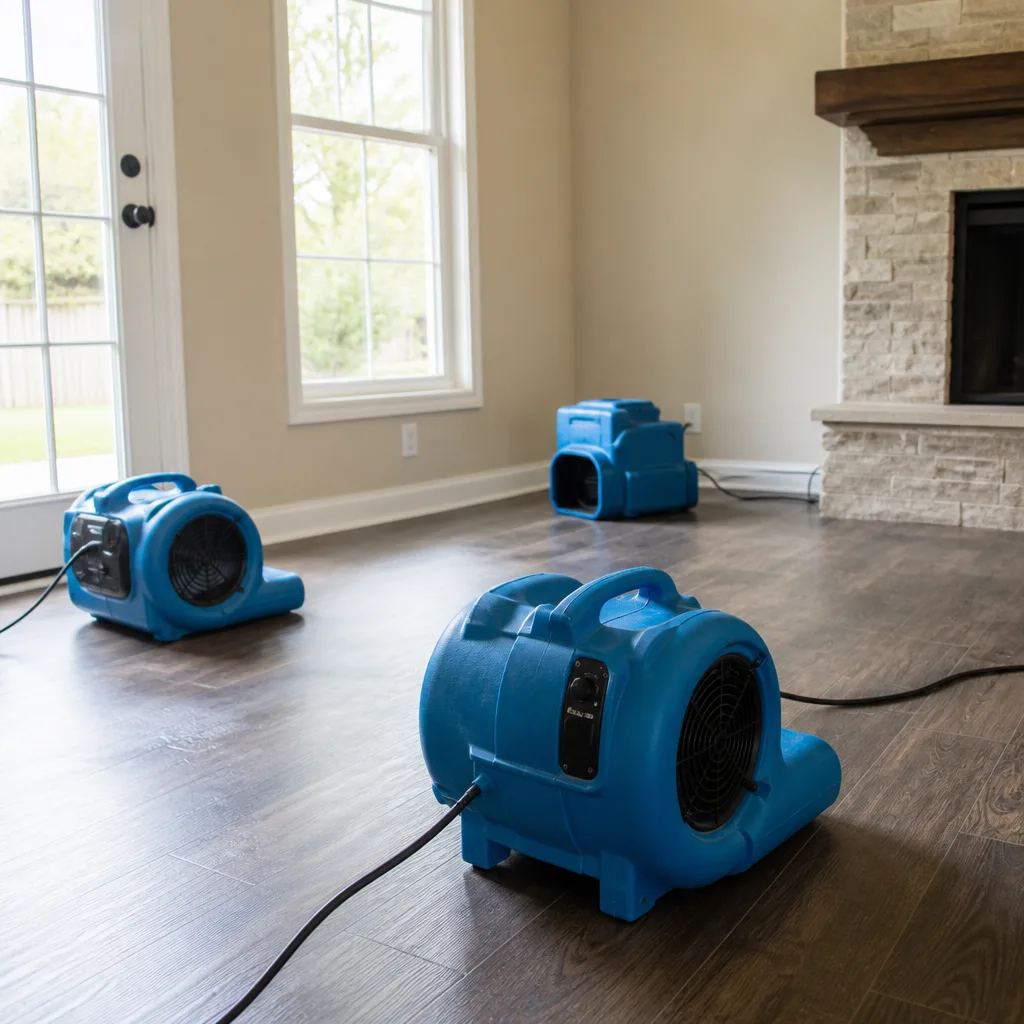
We run professional-grade Dri-Eaz and Phoenix dehumidifiers with XPOWER air movers, monitored daily with hygrometers and moisture meters. In Getty Square’s river-humidity environment, drying to the established standard requires aggressive moisture removal, not just opening windows.
Cleaning & Sanitization
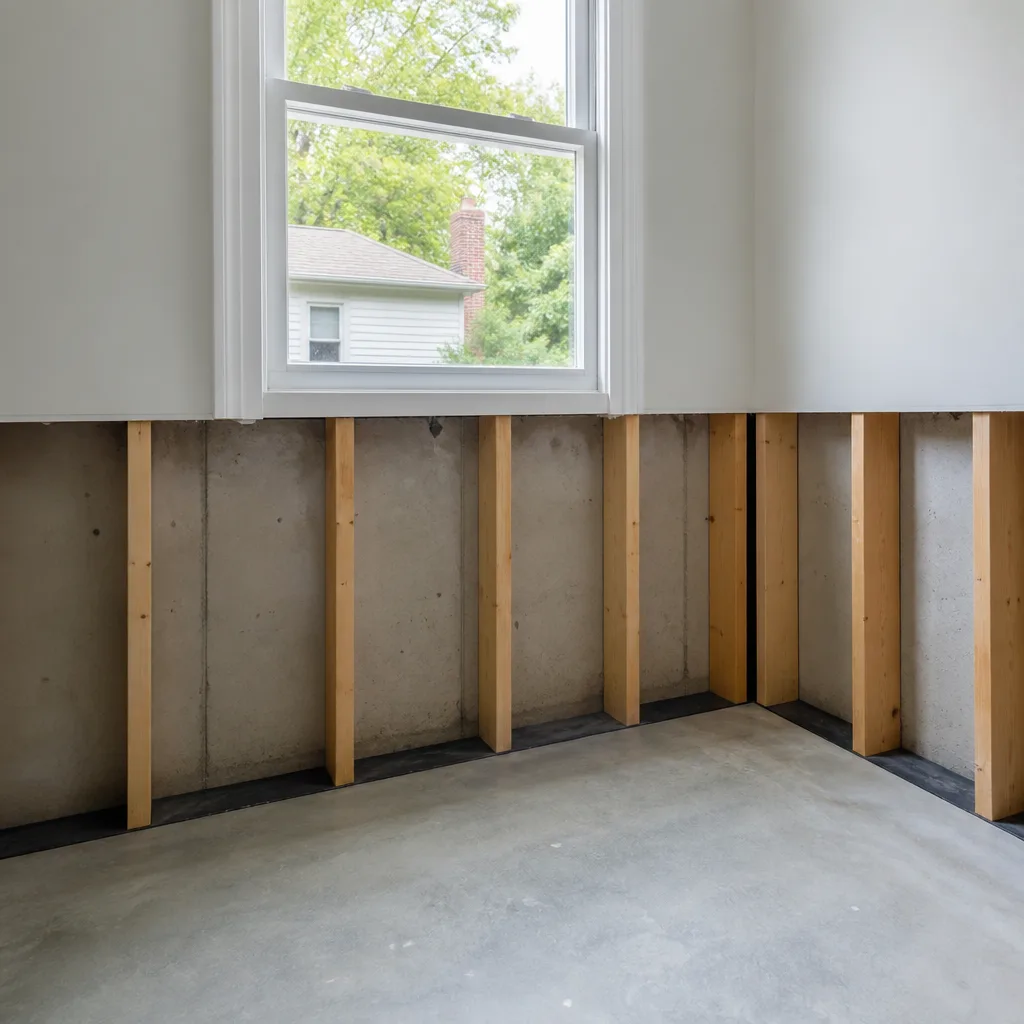
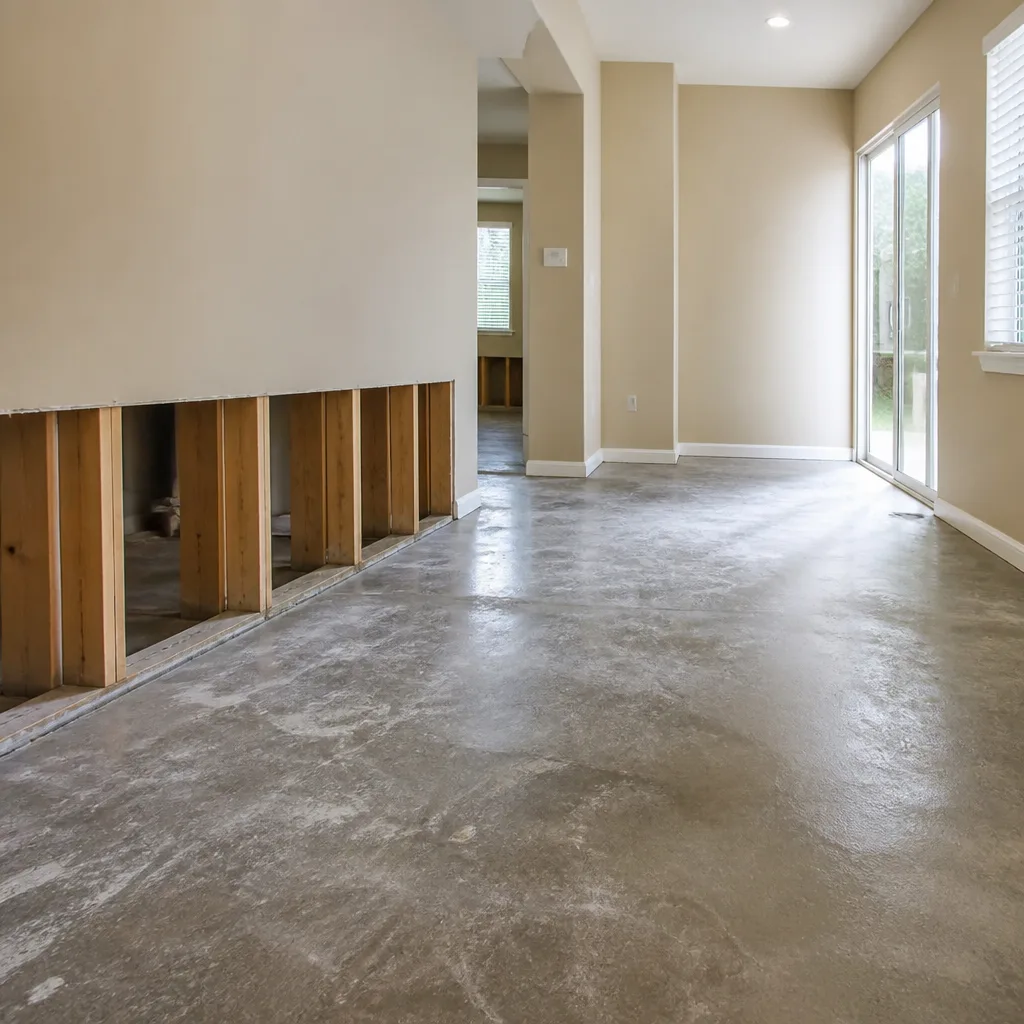
Affected drywall, insulation, and flooring are removed under containment. Remaining structural surfaces are HEPA-vacuumed, wire-brushed, and treated with antimicrobial agents. We work carefully around original plaster and brick, preserving what’s salvageable.
Moisture Source Correction
This is the step that separates lasting remediation from temporary cleanup in Getty Square. If hydrostatic pressure is feeding moisture through your foundation, we coordinate waterproofing, drainage correction, or vapor barrier installation before any rebuild begins. Skip this and mold returns after the next nor’easter.
Repairs & Restoration
We rebuild what we removed: drywall, insulation, flooring, trim, paint. Your home or storefront returns to pre-loss condition, backed by our 90-Day Done Right Promise in writing. If it’s not done right, we make it right. No arguing.
Need Emergency Mold Remediation in Getty Square Now?
Crews minutes away, answering live 24 hours a day. The sooner we start, the less it costs.
Working With Your Insurance Company
Mold claims are scrutinized more closely than almost any other restoration category. Insurers want proof that the mold resulted from a covered water loss, that you responded promptly, and that the scope of work matches the actual damage. We build that file from the first hour. Our technicians photograph every affected area, log moisture readings daily, and document the drying curve until the dry standard is met. We prepare a detailed, line-item scope of work using industry-standard estimating software. Then we speak with your adjuster directly, walking them through the evidence and answering questions in real time. For Getty Square property owners dealing with the dual-source flooding from the Hudson and Saw Mill River, that documentation is often the difference between a covered claim and a denied one. We’ve handled hundreds of these conversations, and we know what carriers need to see.
What We Provide Your Insurer
- Thorough documentation of the loss
- Photos of all damage, room by room
- Moisture readings and drying logs
- A detailed, line-item scope of work
- Direct coordination with your carrier
Built for Getty Square’s Loss Calendar
Mold in Getty Square follows a rhythm set by the Hudson River and the seasons. January deep freezes burst supply lines in uninsulated pre-war walls, sending water into wall cavities where it saturates horsehair plaster and feeds mold behind the surface. Spring thaw and heavy rains push the Saw Mill River against its culverted channel, backing stormwater into basements along Warburton Avenue and the waterfront blocks. Summer thunderstorms deliver flash flooding to ground-floor units before residents can move furniture. And every nor’easter brings the compounding threat of tidal surge meeting groundwater infiltration simultaneously, the exact scenario that devastated this neighborhood during Hurricane Sandy. That’s why our crews always carry moisture meters calibrated for the high ambient humidity at street level here. We don’t just look for where the water was. We look for where the river environment is still keeping it.
Mold Remediation Across Getty Square’s Neighborhoods
Getty Square’s density means every block has its own building patterns and its own mold behavior. Along Warburton Avenue, ground-floor and basement units show active efflorescence and chronic moisture wicking through unreinforced brick foundations, damage that owners often misattribute to a one-time event but is actually continuous hydrostatic pressure from the river. On the streets immediately around the square, commercial-residential mixed-use buildings with cast iron drain stacks mean mold can travel through shared plumbing chases from one unit into another. In the corridor near the Saw Mill River’s culverted path, basement seepage follows storm events, but the moisture lingers long after the water recedes because the street-level humidity never really drops. And in the converted lofts north of the square, original timber joists embedded in brick pockets hold moisture in ways that modern construction does not, requiring careful drying and monitoring before any cosmetic repair begins. When we run routes through the Getty Square area, we know which buildings have which vulnerabilities. That local knowledge shapes every scope of work we write. This page exists because mold remediation in Getty Square is genuinely different from the same job in Riverdale or Northwest Yonkers, where the housing stock is newer and the river’s pressure is less direct.
Specialized Mold Remediation Services We Offer in Getty Square
Mold Inspection & Testing
Our inspection starts with moisture mapping, thermal imaging, and visual assessment of all affected surfaces. When lab confirmation is needed, we collect samples for independent analysis. In Getty Square’s pre-1980 buildings, we also flag potential asbestos-containing materials that require testing before remediation can proceed.
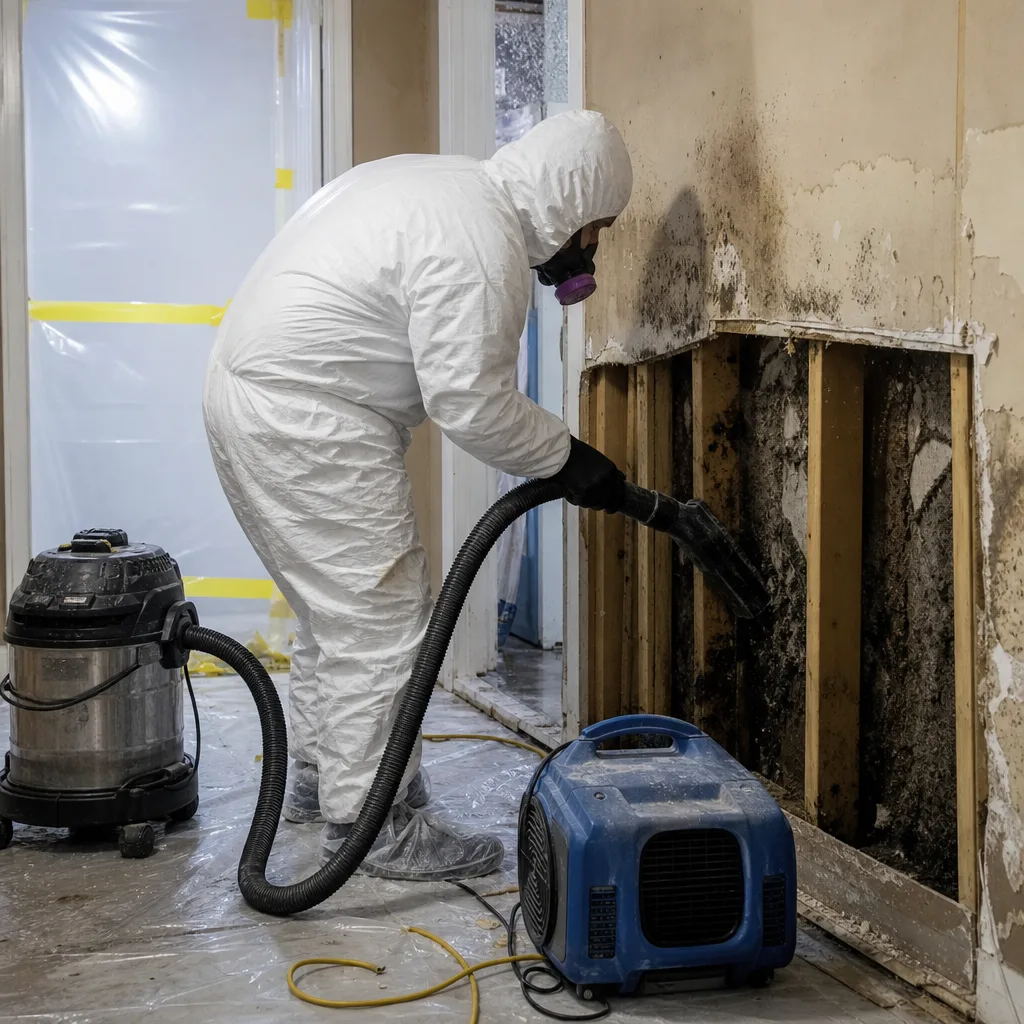
Mold Removal
We remove mold-damaged drywall, insulation, and flooring under full containment with HEPA air scrubbing. For Getty Square’s brick tenements and mixed-use buildings, containment is especially critical because shared walls and floor assemblies let spores travel between units quickly.
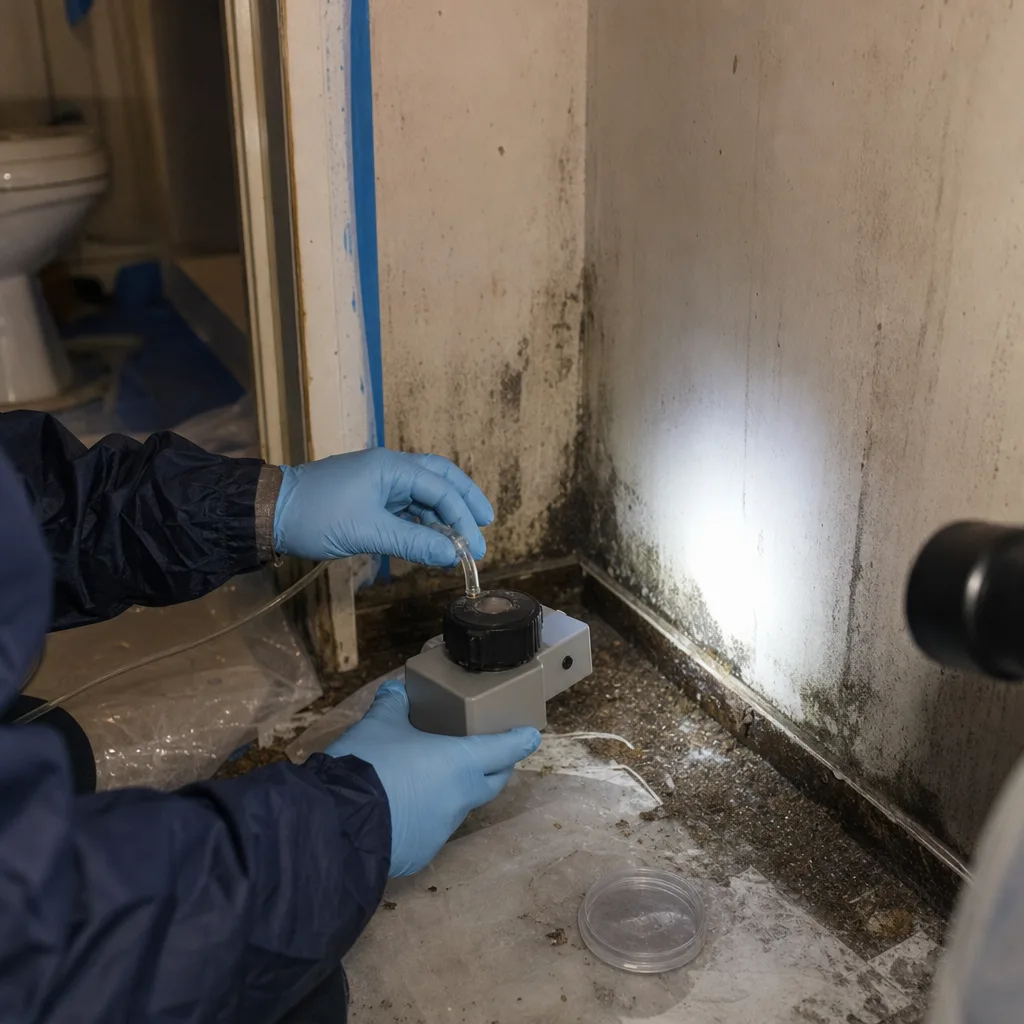
Black Mold Remediation
Stachybotrys, the so-called black mold, thrives on chronically wet cellulose like drywall and paper-backed insulation. In Getty Square, the persistent humidity and recurrent water intrusion create exactly the conditions black mold needs. We treat it with the same process as other mold, but with stricter containment and clearance testing because spore counts in this environment climb fast.
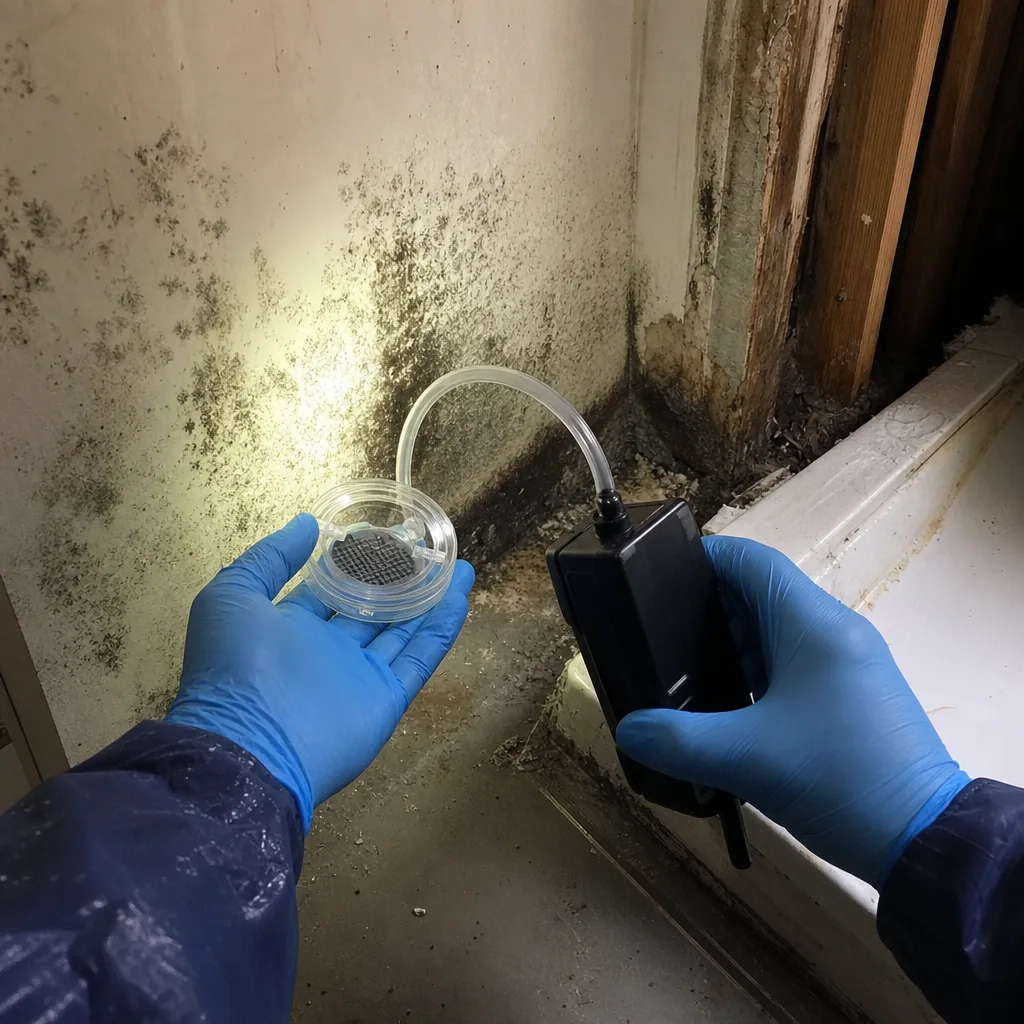
Air Quality Restoration
After physical mold removal, we run HEPA air scrubbers to filter residual spores from the air, then verify clearance with air sampling. In dense Getty Square buildings where air moves through shared walls and stairwells, this step is not optional. It’s the difference between a unit that smells clean and a unit that is clean.
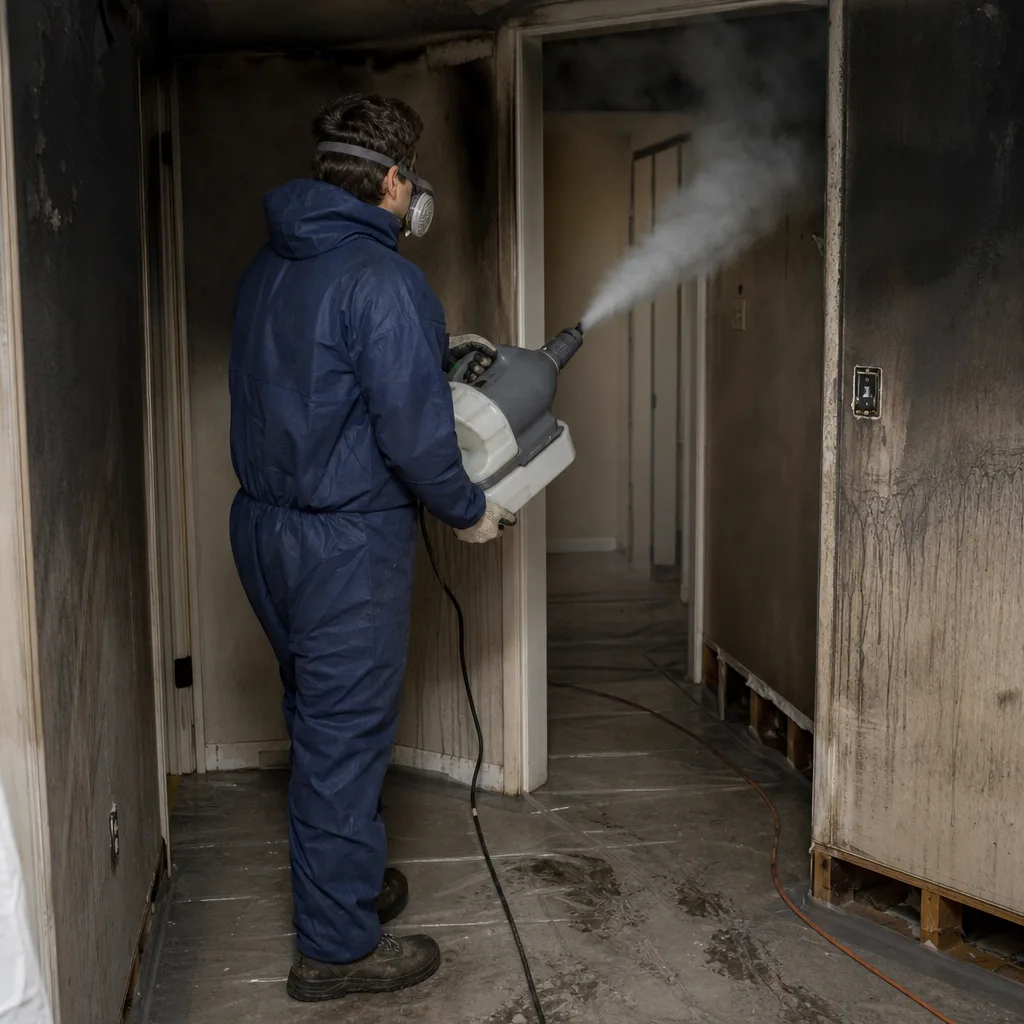
Crawl Space Treatment
Getty Square’s older buildings often have shallow crawl spaces with dirt floors and limited ventilation, perfect environments for hidden mold. We remove contaminated materials, treat structural wood, and install vapor barriers and dehumidification where the space allows. A crawl space mold problem left untreated will eventually migrate into the living space above.
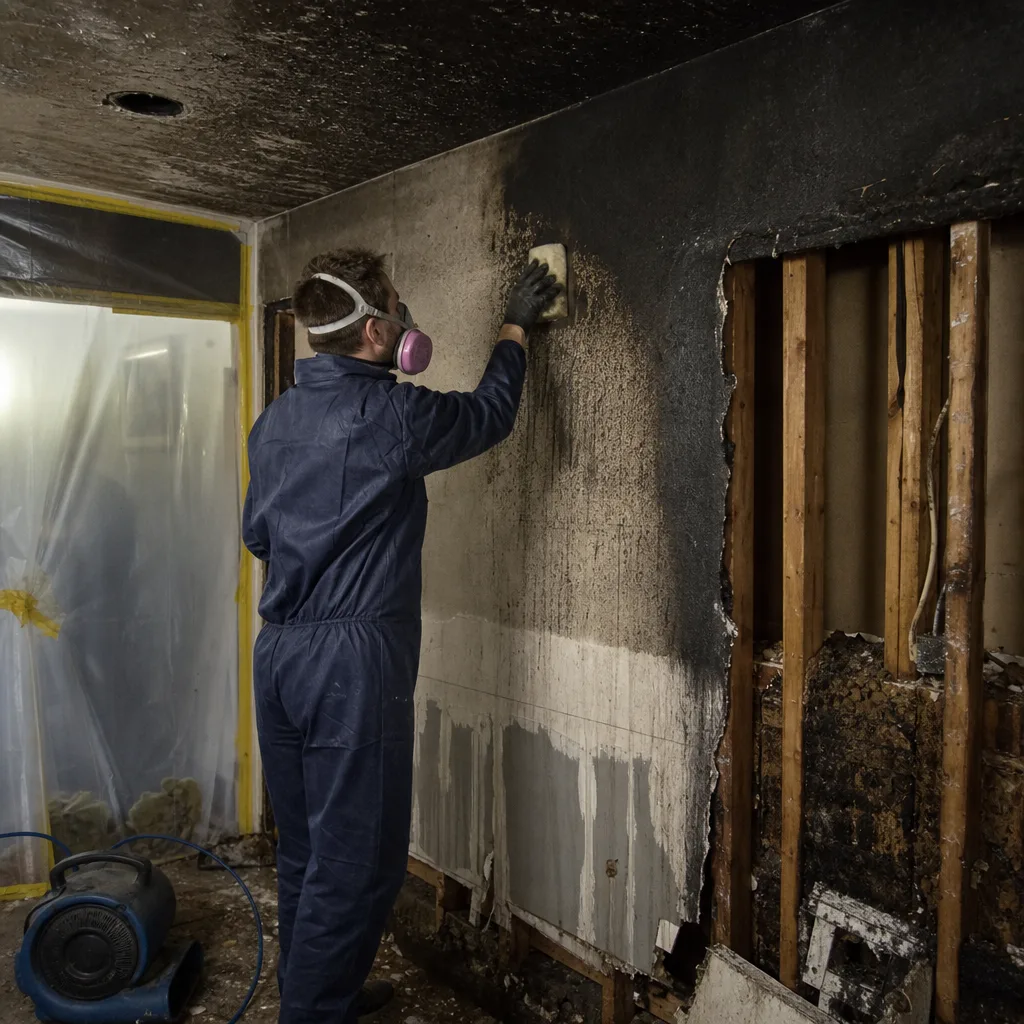
Moisture & Humidity Control
This is the service that matters most along Warburton Avenue and the waterfront blocks. If hydrostatic pressure keeps moisture moving through brick foundations, no amount of mold scrubbing will hold. We install interior drainage, sump pumps, vapor barriers, and dehumidification systems sized for Getty Square’s river-humidity conditions. We solve the moisture source, not just its symptoms.
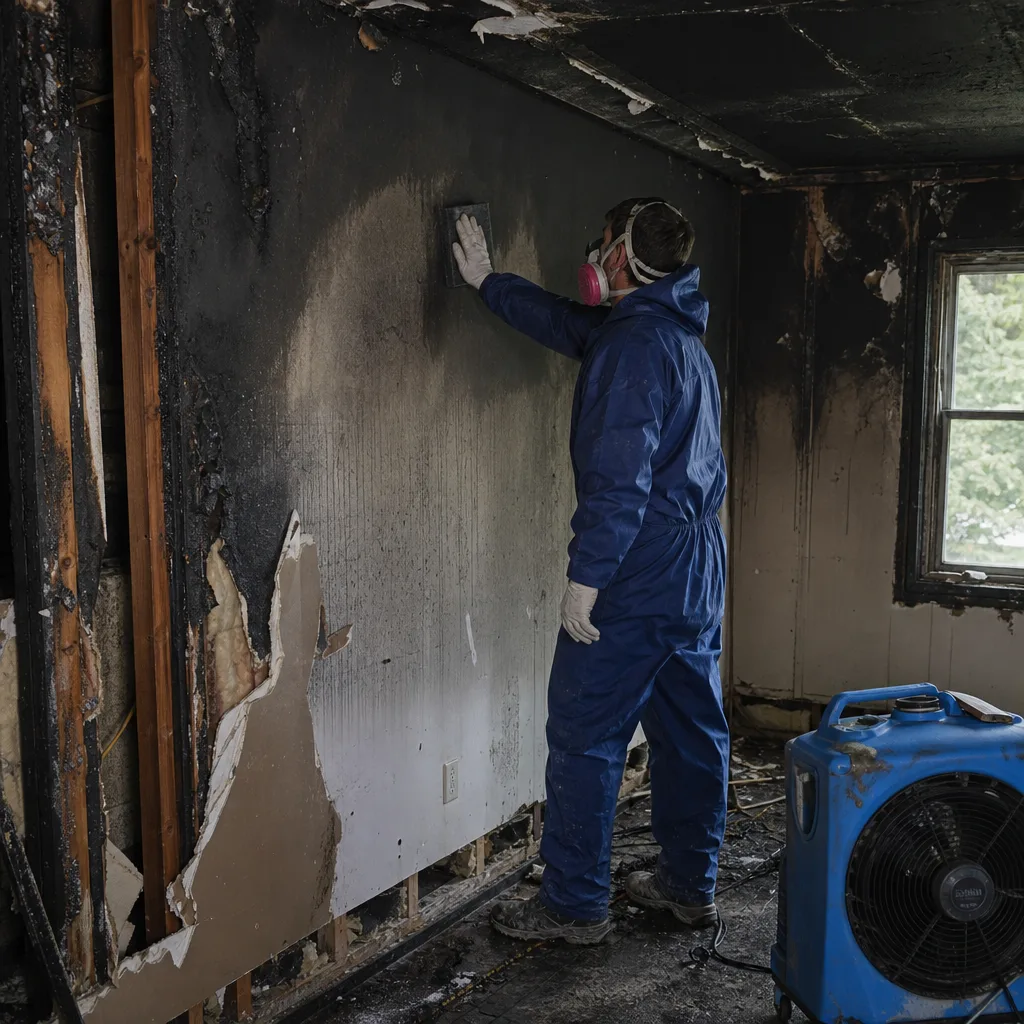
What happens when you call
- 1
A real person answersNo phone trees - you reach a local pro.
- 2
You get an upfront price rangeHonest numbers before anyone is dispatched.
- 3
A background-checked tech heads outLicensed & insured, dispatched right away.
- 4
You approve before work beginsNothing starts until you say go.
Mold Remediation Costs in Getty Square, NY
Mold remediation in Getty Square runs from about $1,200 for a small contained area like a closet or single wall section, up to $15,000 or more for a full basement where moisture source correction and rebuild are required. A typical ground-floor unit with mold behind drywall and no structural moisture issue lands in the $3,500 to $7,500 range. Crawl space treatment in an older building usually runs $2,000 to $5,000 depending on access and square footage. What moves the price: whether asbestos abatement is triggered by the building’s age, whether hydrostatic pressure requires waterproofing before rebuild, the number of containment zones needed in a dense tenement, and the amount of finish carpentry required to restore the space. Insurance covers mold remediation when the mold resulted from a sudden and accidental covered water loss, and documentation supports that chain of causation. We write the scope, photograph everything, and bill your carrier directly. The fastest way to a firm number is a free visual inspection, after which we hand you a written scope with line-item pricing before any work starts. Call (551) 348-3742 to schedule yours.
We Also Serve Cities Near Getty Square
Floodline Restoration Co. provides the same certified mold remediation, direct insurance billing, and 90-Day Done Right Promise to property owners in Riverdale, Northwest Yonkers, and Kingsbridge. If you’re a few minutes outside Getty Square, the same live dispatcher answers at any hour and the same local crews respond.
Serving Getty Square, NY - Our Local Coverage Area
We’re based in the Getty Square area and know this community well. Use the map below to see our service coverage - if you’re nearby, we can almost certainly help.
Getty Square Mold Remediation Questions, Answered
How fast can mold become a problem in a Getty Square basement after water intrusion from the Hudson or Saw Mill River?
In Getty Square’s river-humidity environment, mold can reach actionable thresholds within 48 to 60 hours after water intrusion, faster than the standard 72 hours seen further inland. The tidal zone’s persistently high ambient humidity at street level accelerates colonization, especially on drywall, subflooring, and any organic material. That compressed window is why we prioritize same-day response for Getty Square calls. If water has been present for more than 24 hours, call (551) 348-3742 for an immediate assessment.
Do I need asbestos testing before mold remediation in my pre-war Getty Square building?
Most likely yes. Getty Square’s building stock is overwhelmingly pre-WWII, and many buildings contain pre-1980 floor tiles, pipe insulation, or plaster that may include asbestos. Any mold remediation that disturbs those materials triggers mandatory abatement inspection before work can legally proceed. We handle the testing coordination, and if abatement is required, we sequence it into the remediation plan so the project stays on schedule. Delaying this step only lets mold spread further through shared walls.
Why does mold keep coming back in my Warburton Avenue storefront after cleanup?
Because the moisture source was never corrected. Ground-floor and basement units along Warburton Avenue and the waterfront blocks show continuous hydrostatic pressure from the Hudson River, causing moisture to wick through unreinforced brick foundations even when no flood event has occurred recently. A cleanup that removes visible mold but leaves that ongoing moisture will see mold return within weeks. The fix requires waterproofing, drainage correction, or vapor barrier installation before any interior rebuild. Our moisture mapping identifies this on the first visit, so we don’t waste your money on a temporary fix.
Can you perform mold remediation in tight alley-load or townhome spaces in Getty Square without disrupting my business?
Yes. We work in Getty Square’s dense, alley-load buildings routinely. Our containment setups are scaled to tight clearances, and we schedule phased work to minimize disruption to storefront operations. For occupied commercial spaces, we can often work after hours or in sections, keeping your doors open where safety allows. The key is containment that actually contains, which in a dense tenement means negative air pressure and HEPA scrubbing from the moment we open a wall.
What is the difference between category 1, 2, and 3 water for mold risk in my Getty Square basement?
Category 1 water is clean, from a supply line or similar source. Category 2 water has some contamination, like washing machine overflow. Category 3 water is grossly contaminated, including sewage, river backup, and storm surge, which is the primary floodwater source in Getty Square. Category 3 water carries bacteria and organic matter that makes mold growth faster and more aggressive. Any basement that flooded from the Hudson or a backed-up Saw Mill River during a nor’easter has category 3 water, meaning remediation must include antimicrobial treatment and removal of porous materials, not just drying. Call (551) 348-3742 if you’re unsure what category you’re dealing with; we’ll assess it in person.
How long does mold remediation typically take in a Getty Square property?
A contained mold job with no structural moisture issues typically takes 2 to 4 days, including drying, treatment, and clearance testing. Larger jobs requiring moisture source correction, like waterproofing a brick foundation on Warburton Avenue, can run 7 to 14 days including the rebuild phase. Getty Square’s river humidity means we monitor moisture levels longer than we would in a drier location, because materials release moisture more slowly at high ambient humidity. We give you a written timeline in the scope before we start.
Can we stay in our home or keep our business open during mold remediation?
For small, contained mold jobs, yes, usually. For larger areas or black mold remediation, we generally recommend vacating the affected unit until containment is removed and air clearance testing passes. In Getty Square’s dense mixed-use buildings, we also assess whether shared hallways or adjacent units are at risk from spore migration during the work. The honest answer comes from the assessment, not a guess. We’ll tell you what’s safe and what isn’t, and we’ll put it in the written scope.
What certifications do your mold remediation technicians hold?
Our technicians are trained to IICRC standards including AMRT (Applied Microbial Remediation Technician), WRT (Water Restoration Technician), and FSRT (Fire and Smoke Restoration Technician), plus RIA and IFA protocols. They’re background-checked, uniformed, and supervised by senior crew leads on every job. The certifications matter because mold remediation in Getty Square’s pre-war buildings requires knowing how to work around original plaster, cast iron, and potential asbestos without creating new problems.
What should I do in the first 30 minutes after I discover mold in my Getty Square property?
Stop using fans or HVAC in the affected area, which spreads spores. Don’t try to wipe or scrub the mold, which can release spores into the air. Close doors to the affected room if possible. Take photos with your phone. Then call (551) 348-3742. A live dispatcher answers, and we’ll schedule a free visual inspection, typically the same day. The first 30 minutes are about not making it worse. We handle the rest.
Written by Curt Bowman, Owner at Floodline Restoration Co., serving Getty Square and the surrounding area.