
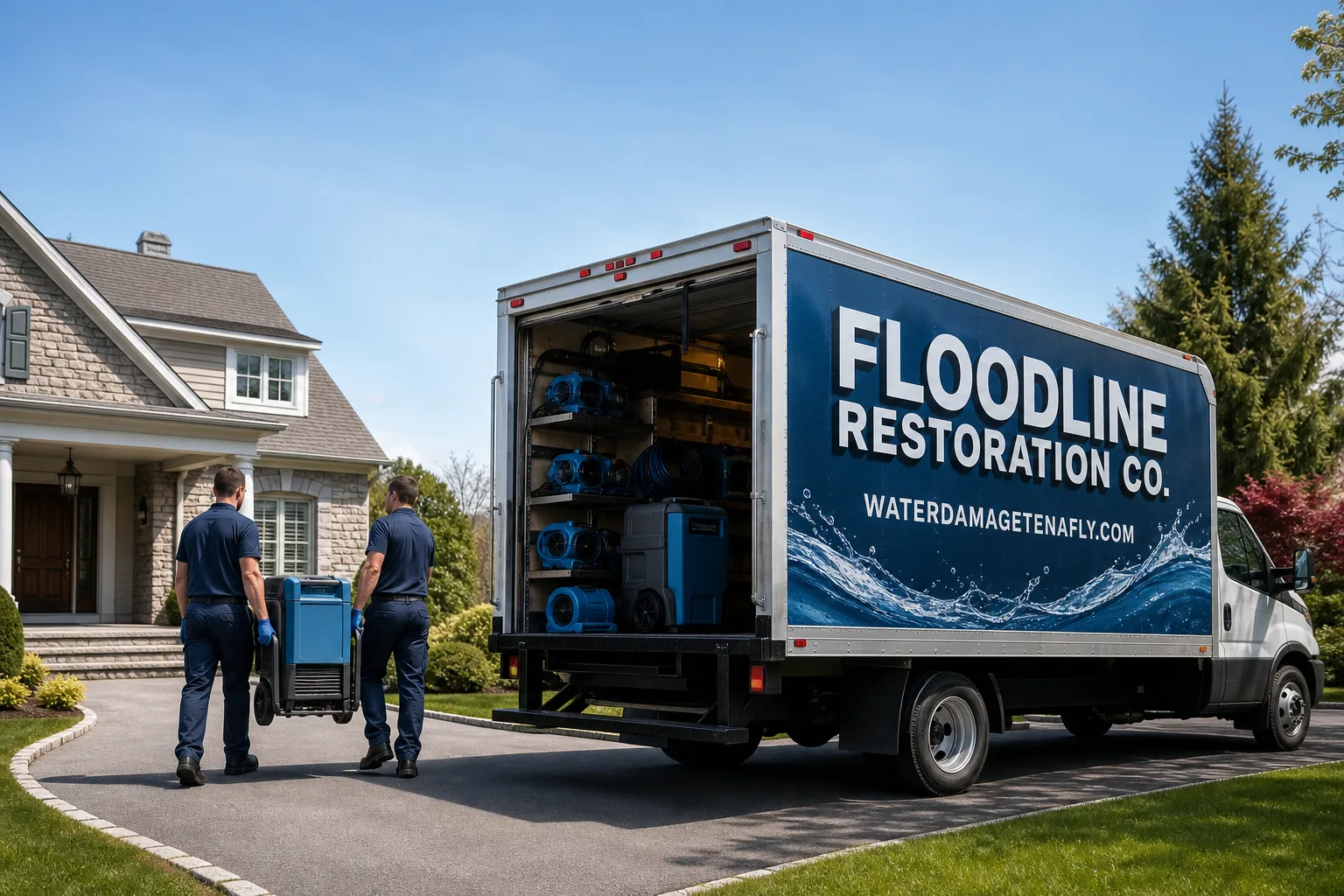
Free visual inspection and a written scope of work before any mitigation begins - photos, moisture readings, and drying logs go in your claim file
The scope we write is the scope we bill. Anything new gets shown to you, in writing, before we touch it.
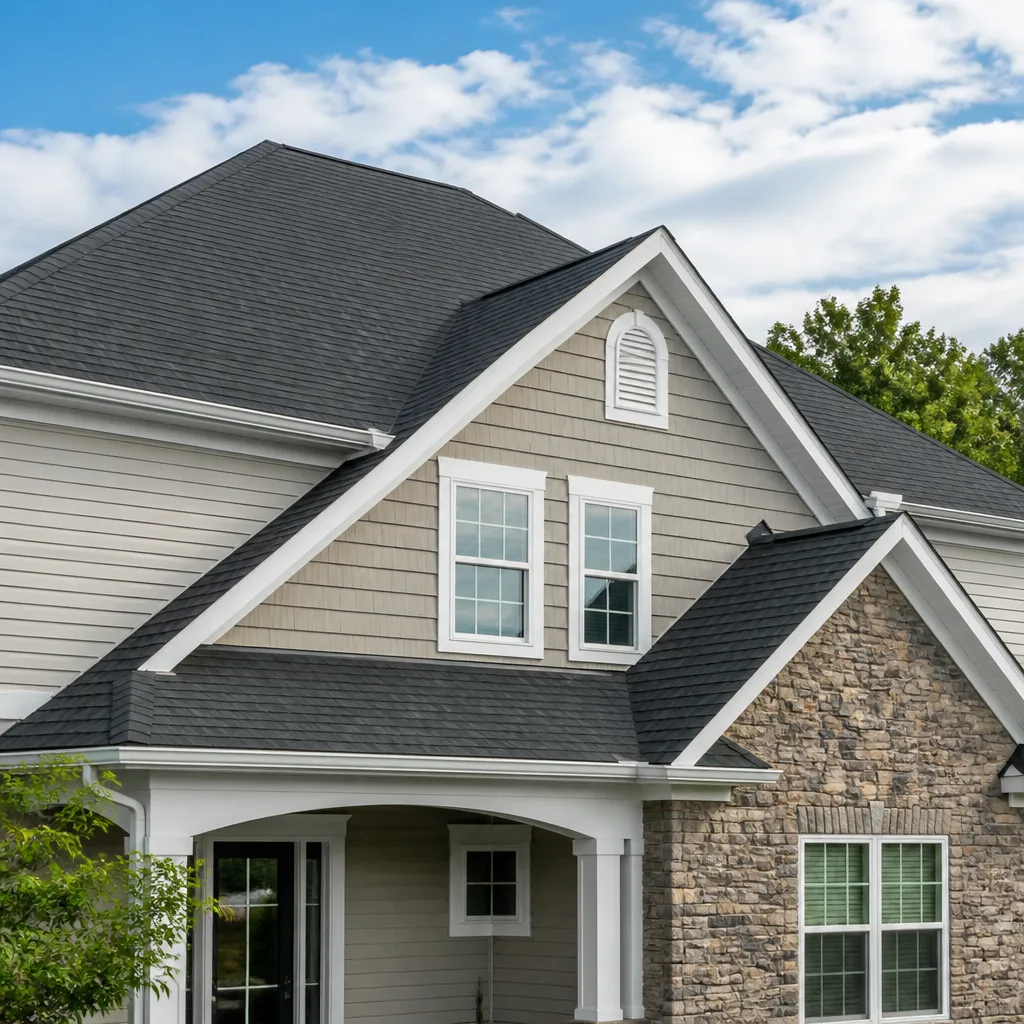
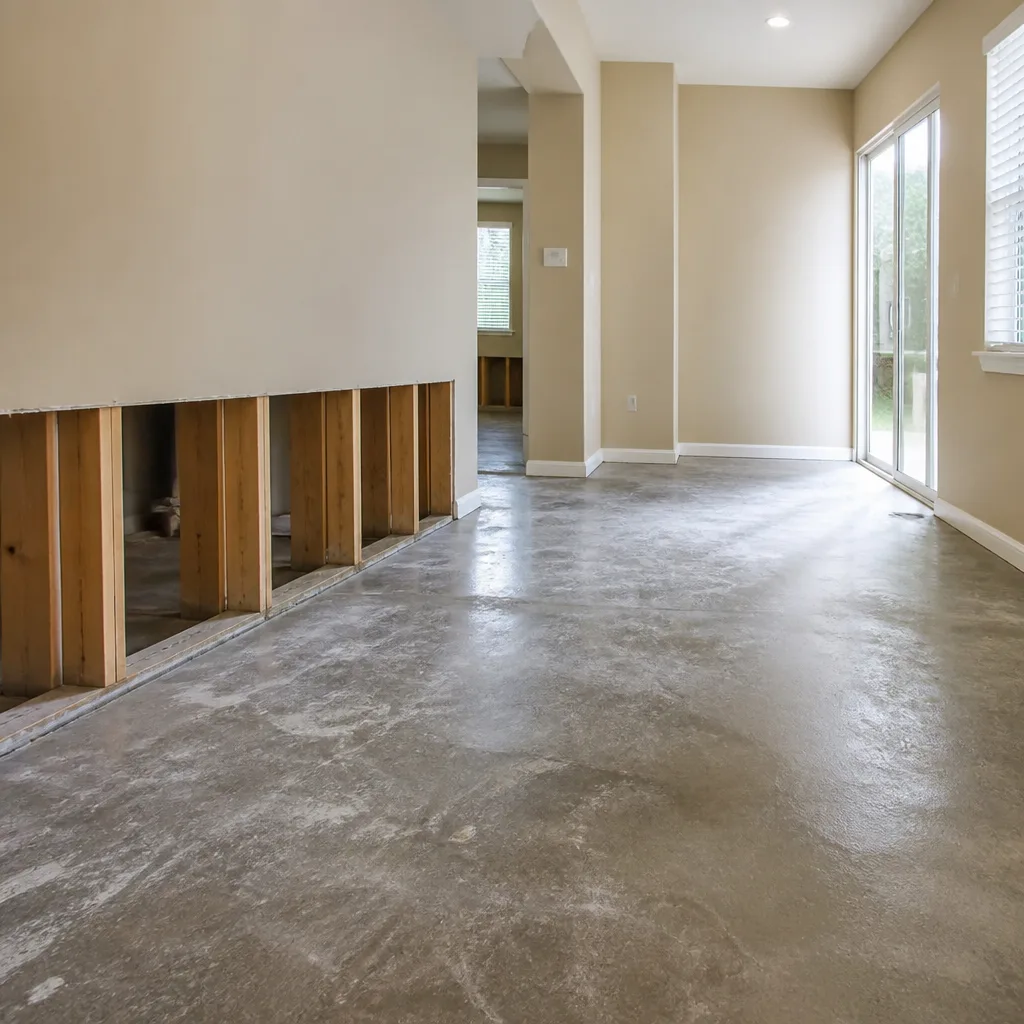
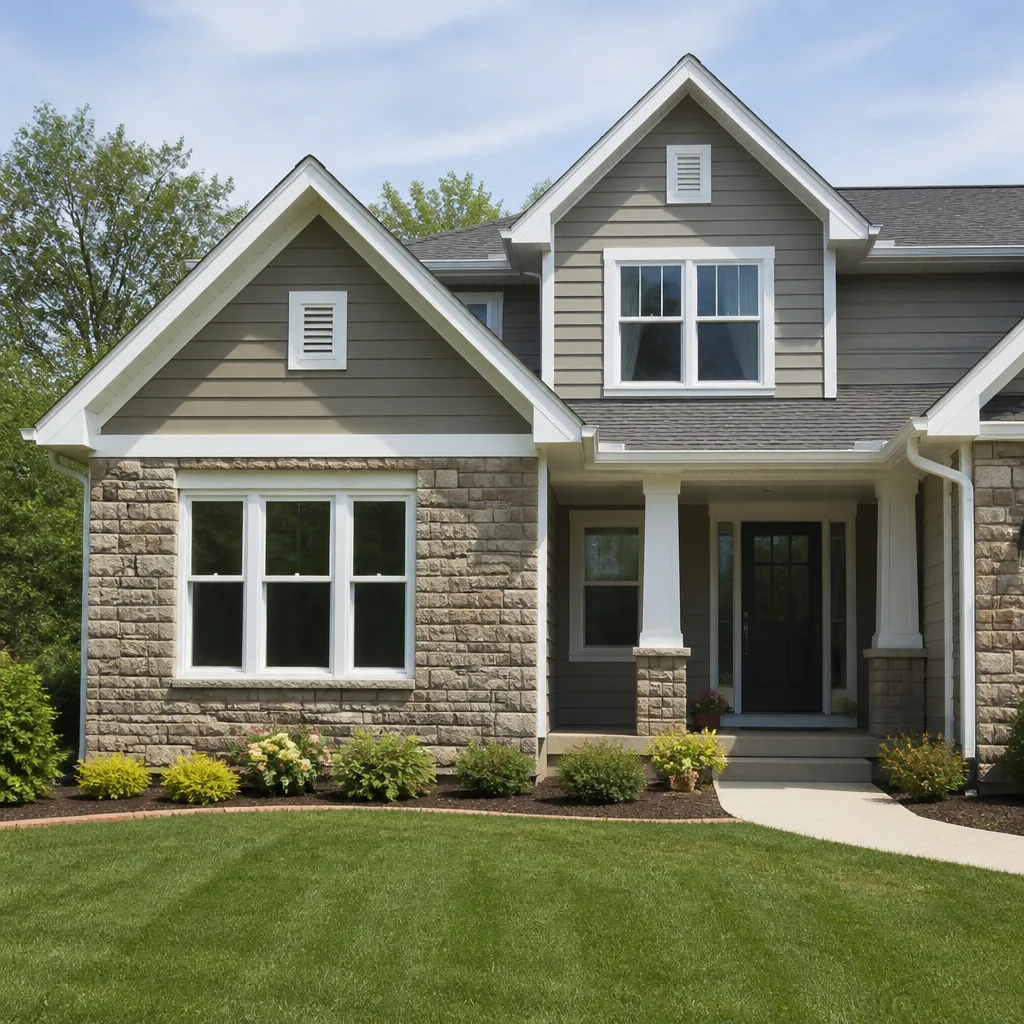
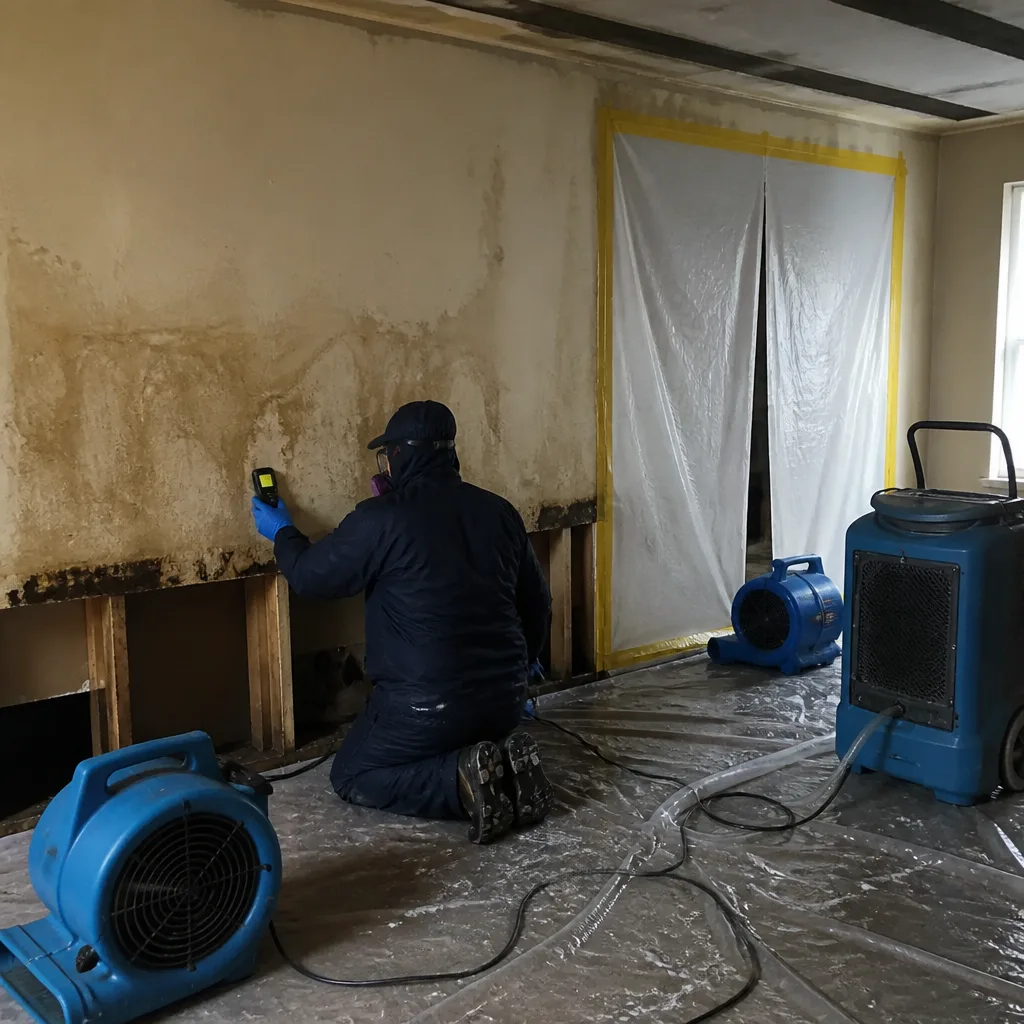 Before
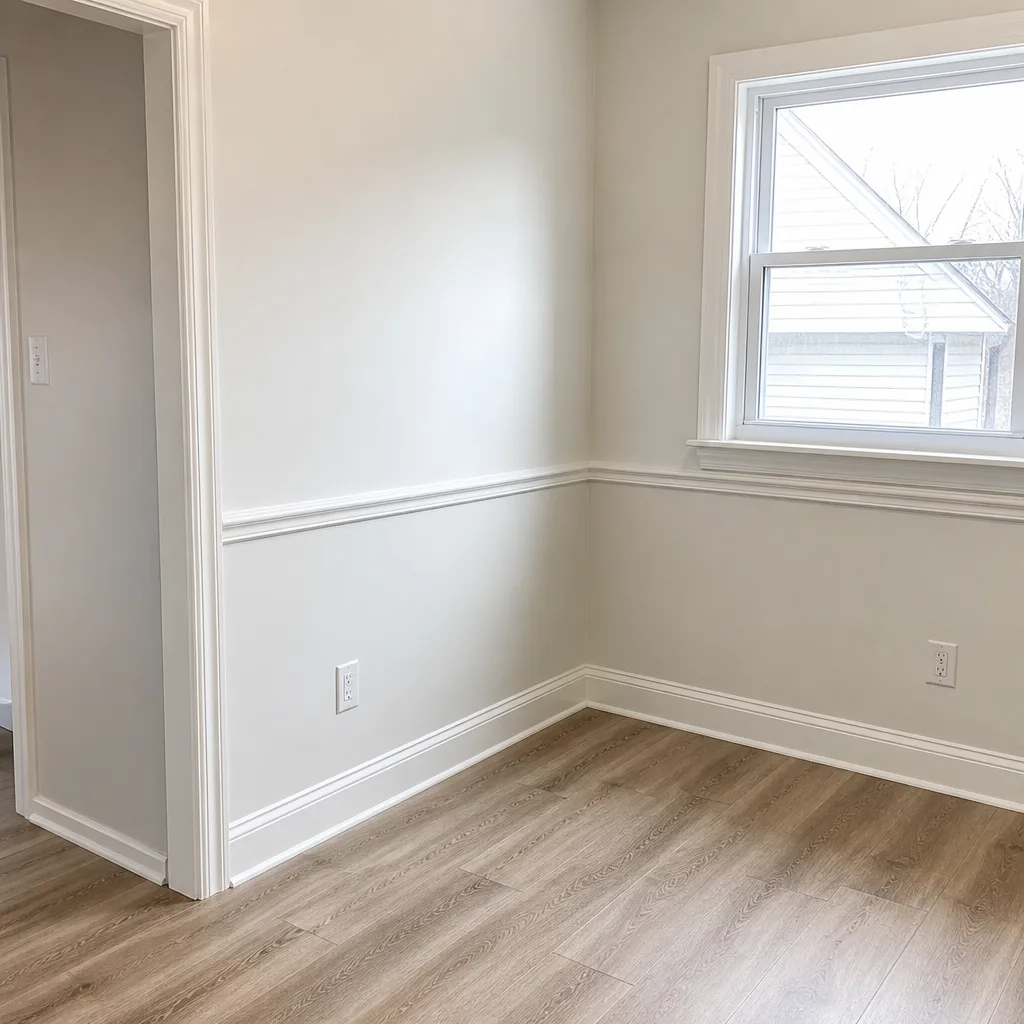 After
After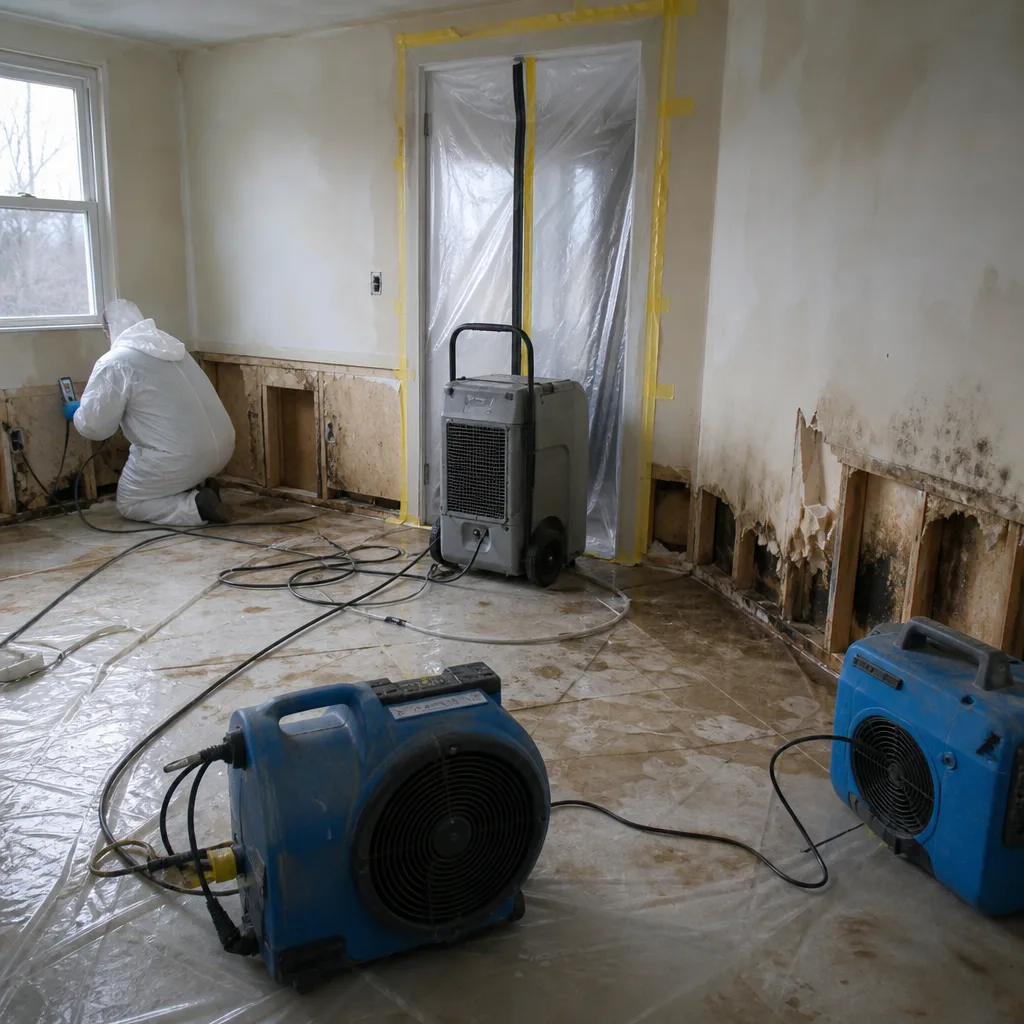 Before
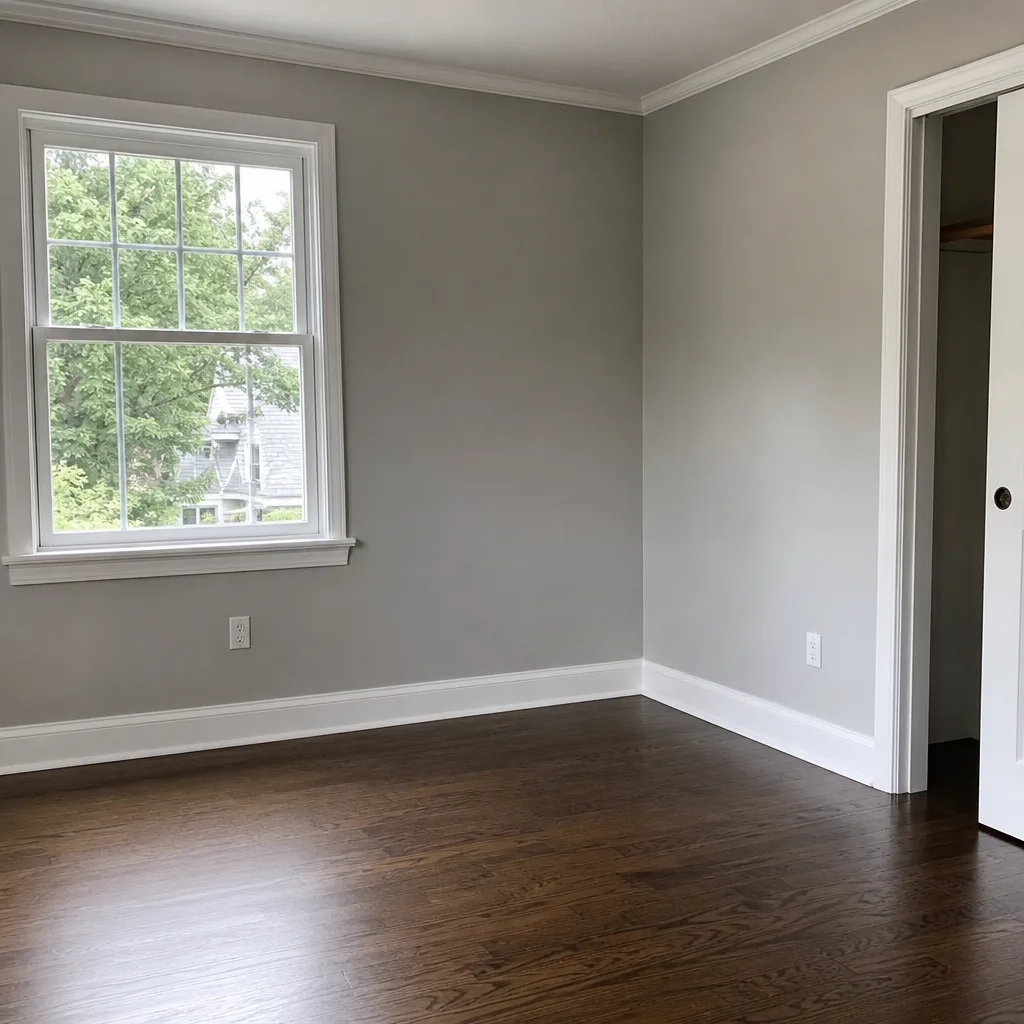 After
After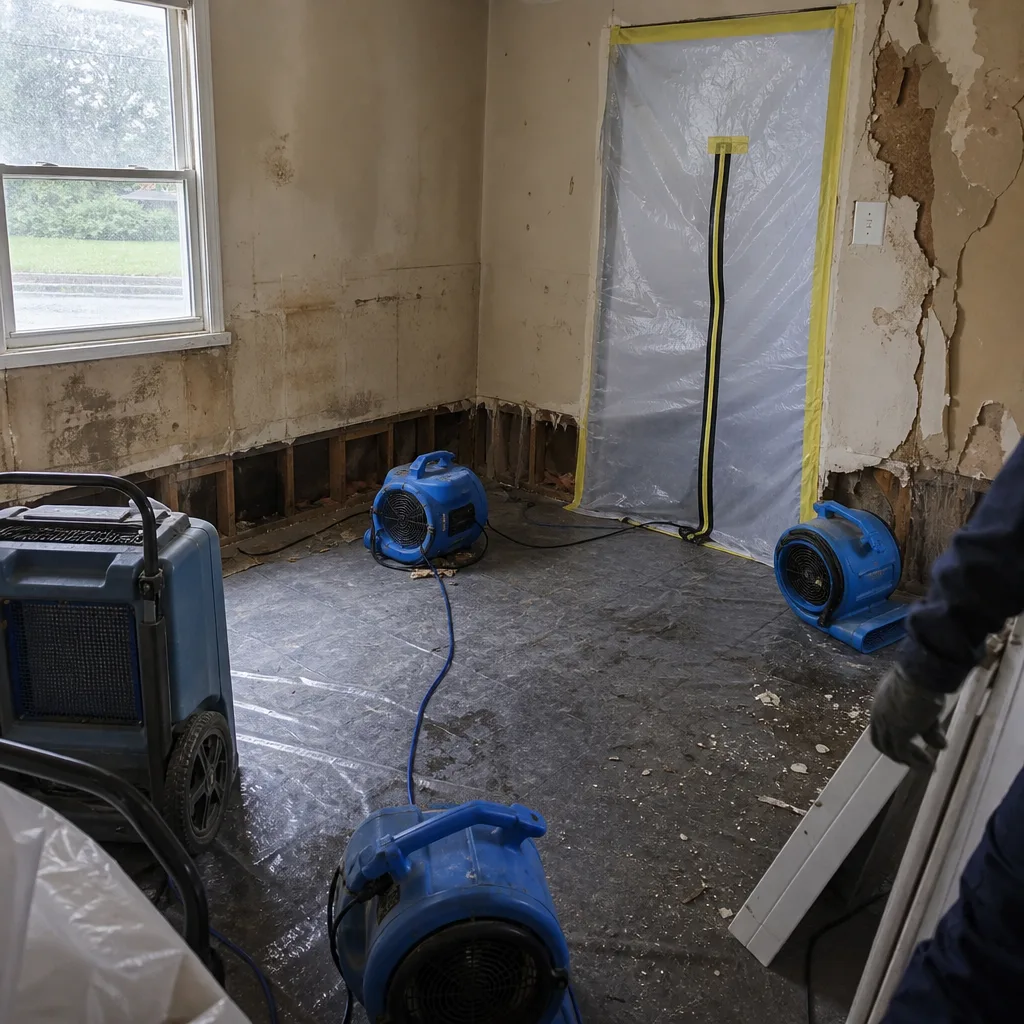 Before
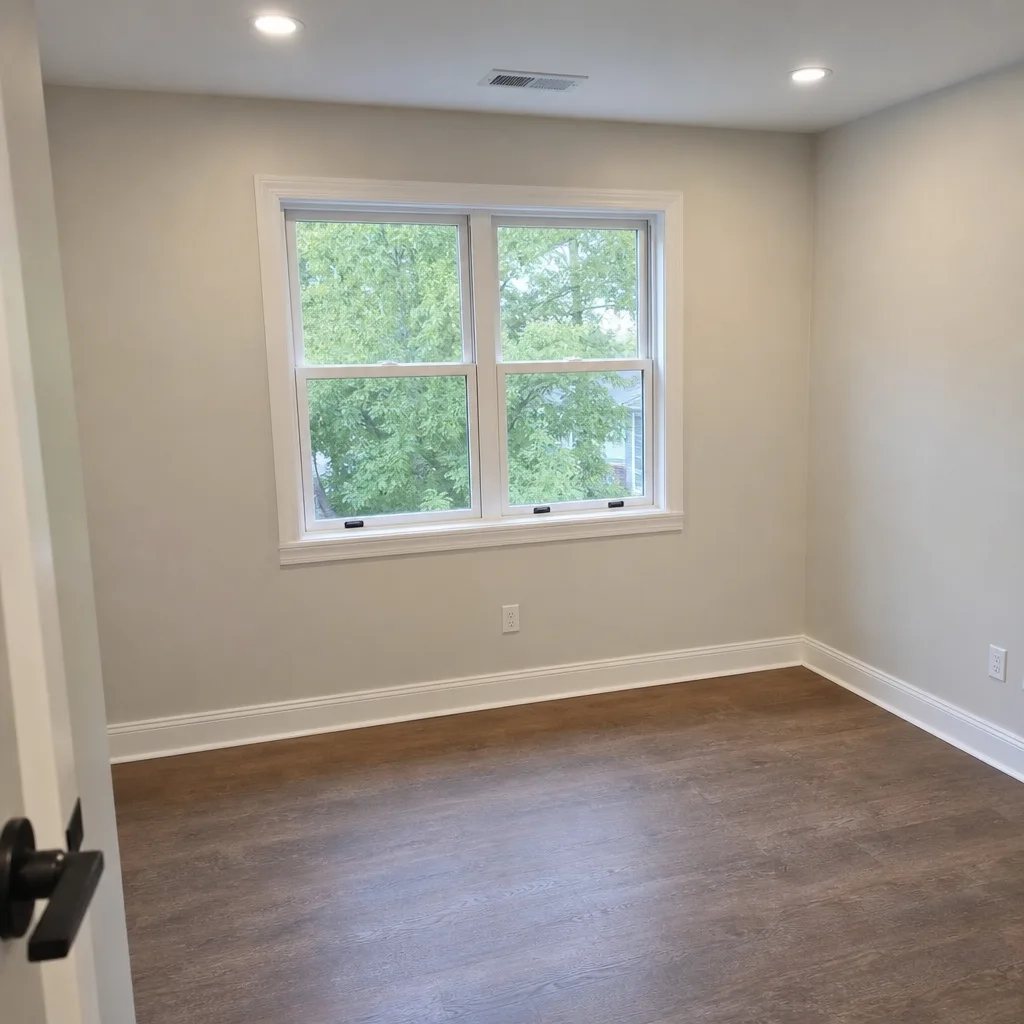 After
After24/7 Emergency Storm & Disaster Restoration in Northwest Yonkers
Storm damage in Northwest Yonkers doesn’t wait for business hours, and neither do we. Our Storm & Disaster Restoration crews answer live at (551) 348-3742 around the clock, every day of the year. When a nor’easter rips through the Hudson Valley or a summer squall drops three inches on Nodine Hill in an hour, you’ll reach a dispatcher, not a recording, and a certified crew can be on site inside 45 minutes. The first hour matters because water in these pre-war brick buildings moves through plaster and masonry cavities fast, and what starts as a roof leak becomes a wall-cavity problem before sunrise. We arrive with a free visual inspection, professional-grade extraction equipment, and a written scope so you know exactly what you’re dealing with and what it costs before any work begins.
Understanding Storm & Disaster Restoration Severity in Northwest Yonkers Properties
Storm restoration in Northwest Yonkers isn’t just about mopping up and running fans. The housing stock here was built between roughly 1905 and 1945, and those buildings behave differently than anything constructed after 1980. Thick plaster-over-masonry walls hold moisture in ways drywall never will. You can’t see saturation behind a brick facade by looking at it, and a wall that feels dry to the touch can still be holding category 2 water inside the cavity, feeding mold you won’t smell for another week. We classify water on every job using the IICRC standard: category 1 is clean water from supply lines or rain, category 2 carries contaminants, category 3 is sewage or floodwater. Northwest Yonkers storm damage routinely involves category 2 because wind-driven rain picks up decades of roof debris and mortar dust before it enters the building. Moisture mapping with thermal imaging and penetrating meters tells us where the water actually went, not just where it came in. Structural drying in a plaster wall cavity takes longer than in a sheetrock wall, and cutting corners on that timeline is how you get repeat calls and hidden mold. Flat built-up roofs and aging parapet caps on these older structures almost never fail in one visible spot. By the time water shows on a ceiling, it’s traveled.
Why Northwest Yonkers Property Owners Choose Floodline Restoration Co.
- 45-minute response commitment. Crews are staged to reach Northwest Yonkers neighborhoods including Nodine Hill, Dunwoodie, and Ludlow within 45 minutes of dispatch, day or night.
- Live answer, 24/7. A real person picks up at 2 a.m. because storm emergencies don’t leave voicemails. No automated system, no callback list.
- IICRC-certified crews. Technicians hold WRT and ASD certifications and train to IICRC, RIA, and IFA standards, so water is classified and dried correctly the first time.
- Free visual inspection. We assess the damage, explain what we’re seeing, and hand you a written scope before any equipment gets unloaded.
- Direct insurance billing. We handle the adjuster, we document every step, and we bill your carrier directly. You’re never the messenger.
- One team from extraction to rebuild. The same crew that reads the moisture map on day one handles daily readings and rebuilds what needs rebuilding. No mid-job handoff.
Our Storm & Disaster Restoration Process
Inspection & Assessment
We arrive, we walk the property, and we document. Thermal imaging finds water in cavities, moisture meters map saturation, and we identify every failure point, not just the one you can see. For Nodine Hill properties, we specifically check foundation walls and uphill drainage patterns, because the water you see inside often isn’t from the rain you saw fall.
Extraction & Stabilization
Standing water comes out first with truck-mounted and portable extractors. If there’s roof damage, we tarp or board up so no more water gets in while we work. For wind-damaged openings, emergency board-up goes up before we leave spaces unsecured.
Drying & Dehumidification
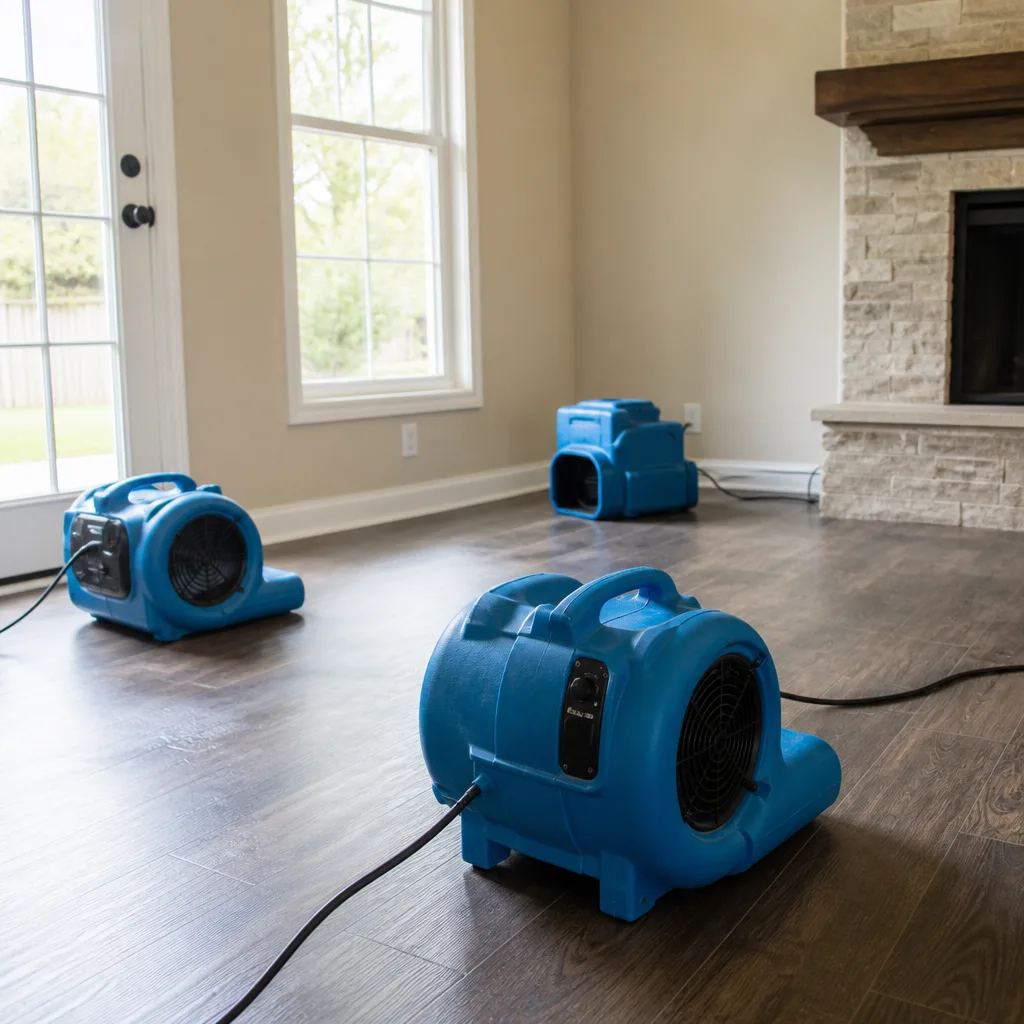
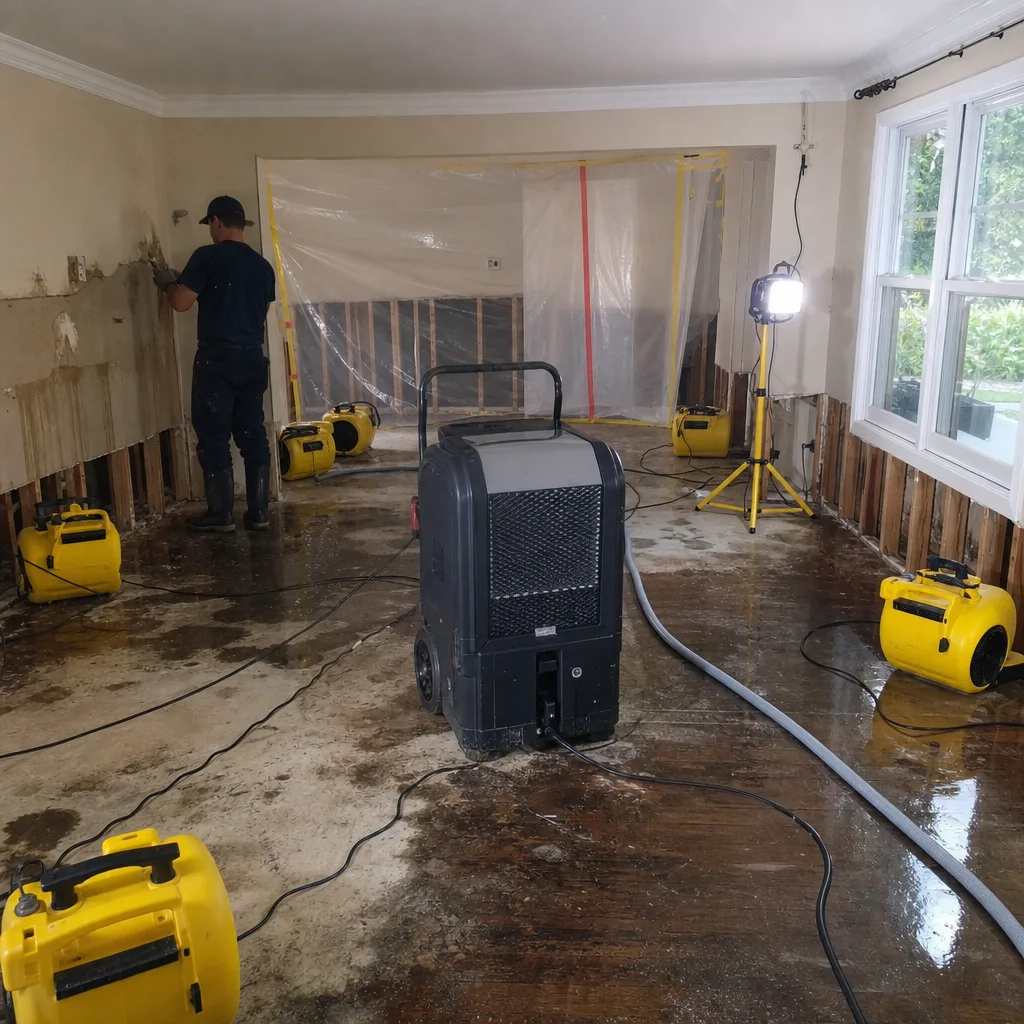
Dri-Eaz dehumidifiers and XPOWER air movers are placed based on the moisture map, not scattered randomly. Daily readings are logged, and in plaster-over-masonry walls, we run drying longer than in drywall. We don’t call it dry until the numbers say it’s dry.
Cleaning & Sanitization
Storm water carries roof debris, mortar dust, and organic matter. We clean and disinfect all affected surfaces, and HEPA scrubbers run when air quality or contaminant concerns apply. In pre-1945 buildings, we follow lead and asbestos protocols as required by law.
Structural & Masonry Assessment
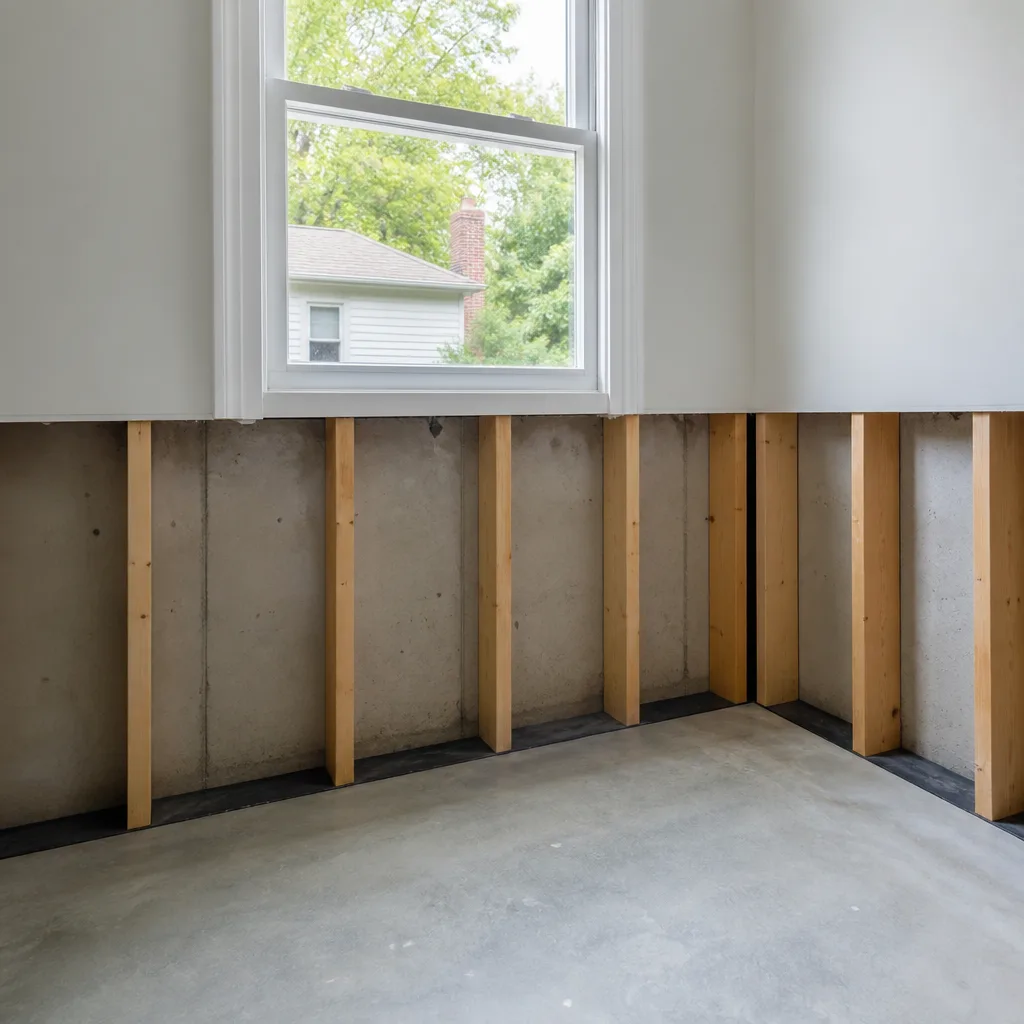
This is the step most national franchises skip in Northwest Yonkers. We check foundation mortar, parapet caps, and drainage paths on sloped lots. If hydrostatic pressure is pushing water through your foundation, interior drying alone won’t stop the next rain from repeating the problem.
Repairs & Restoration
We rebuild what needs rebuilding, from plaster patchwork to trim to roofing repairs, all done by our own crew under the same scope of work you approved. Every job is backed by the 90-Day Done Right Promise, in writing, with no fine print games.
Need Emergency Storm & Disaster Restoration in Northwest Yonkers Now?
Crews minutes away, answering live 24 hours a day. The sooner we start, the less it costs.
Working With Your Insurance Company
Most Northwest Yonkers storm claims start with a homeowner who’s never filed one before. That’s fine. We do this every week. From the first hour on site, we document room by room, with time-stamped photos, moisture readings, and a detailed line-item scope. We communicate directly with your adjuster, we use industry-standard estimating software, and we bill the carrier directly so you’re not floating the cost. If your claim involves wind-driven rain, a common fight with insurers, our documentation establishes that the water entered because of storm damage, not deferred maintenance. That distinction matters, and we build the file to support it. The 90-Day Done Right Promise applies whether insurance pays or you pay, because the job is done to the same standard either way.
What We Provide Your Insurer
- Thorough documentation of the loss
- Photos of all damage, room by room
- Moisture readings and drying logs
- A detailed, line-item scope of work
- Direct coordination with your carrier
Built for Northwest Yonkers’s Loss Calendar
Storm losses in Northwest Yonkers follow a rhythm. January and February bring deep freezes that crack the mortar on those century-old brick walls, and every freeze-thaw cycle opens the joints a little more. Spring thaw sends meltwater downhill fast, and on the steep grades around Nodine Hill, that water doesn’t soak in, it runs. Summer thunderstorms drop flash volumes that overwhelm the old combined drains near the Saw Mill River corridor and send runoff into basements through foundation mortar. Fall and winter bring nor’easters tracking up the Hudson channel, driving wind-blown rain into west-facing facades and flat roofs at angles a standard inspection from the ground will miss. Each season has its own failure pattern here. Crews that know the rhythm know what to check after each storm, and what to fix before the next one arrives.
Storm & Disaster Restoration Across Northwest Yonkers’s Neighborhoods
Northwest Yonkers isn’t one building type, and it isn’t one call. Around Nodine Hill, the steep grade creates the signature problem of this area: basement flooding driven by uphill runoff and hydrostatic pressure against old foundation walls. We’ve treated enough of these to know that the visible water in the basement is often not where the problem starts. Over in Dunwoodie, the attached row houses and three-deckers share party walls, so water from one roof or one drain stack can travel between units, and restoration work has to account for the neighbor’s side too. Toward Ludlow and the streets off Saw Mill River Road, flat built-up roofs and aging parapet caps dominate, which means storm damage often presents as a ceiling stain weeks after the actual rain event. Along the corridor near the Hudson River bluff, wind exposure is worse, and wind-driven rain penetrates those west-facing brick walls at angles roofers on flat ground would never check. Each area has its own pattern. We know them because we work them.
Specialized Storm & Disaster Restoration Services We Offer in Northwest Yonkers
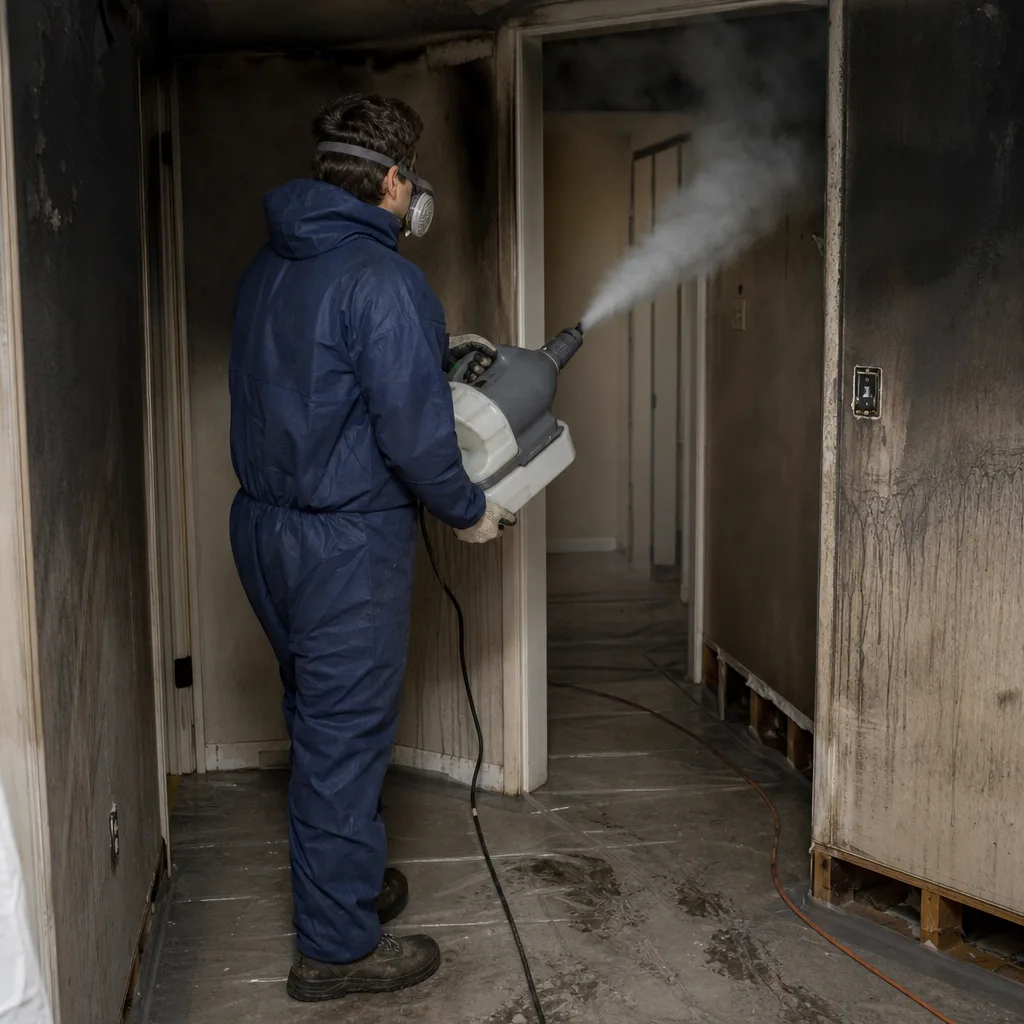
Flood Damage Restoration
When runoff from Nodine Hill grades floods a downhill basement in Northwest Yonkers, we don’t just extract and dry. We check the foundation walls, the drain path, and the hydrostatic pressure against century-old mortar. If the structural source isn’t addressed, you’ll be calling us again after the next heavy rain. We’d rather fix it once.
Emergency Board-Up
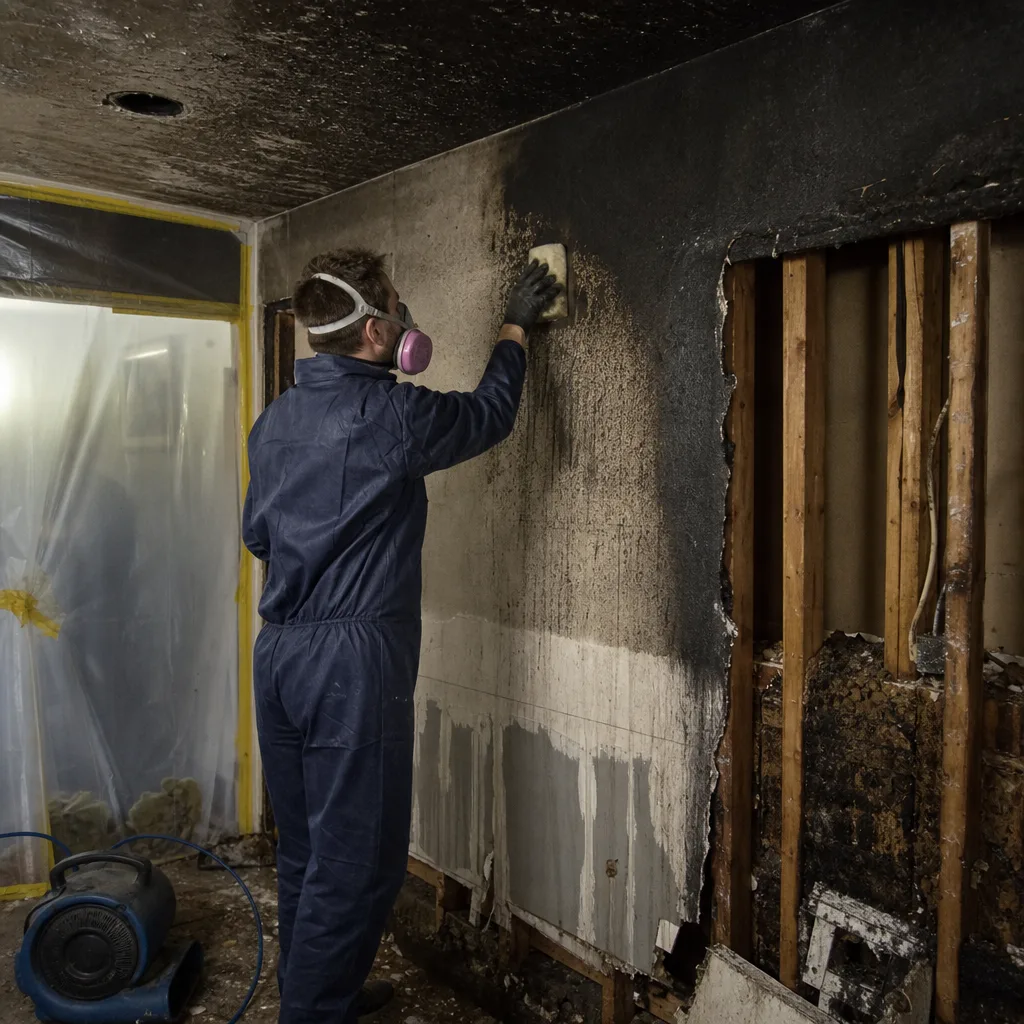
A tree limb through a window on a Dunwoodie three-decker or wind damage to a Ludlow storefront door can’t wait until morning. We board up and secure openings the same visit, using plywood and fastening methods that hold against the next gust, and we document everything for your insurance file.
Roof Tarping
Flat built-up roofs on Northwest Yonkers rowhouses are a different animal than shingled suburban roofs. We tarp in a way that accounts for the low slope, the parapet walls, and the wind direction off the Hudson. The tarp has to hold through a nor’easter, not just keep the rain off for an afternoon.
Storm Damage Cleanup
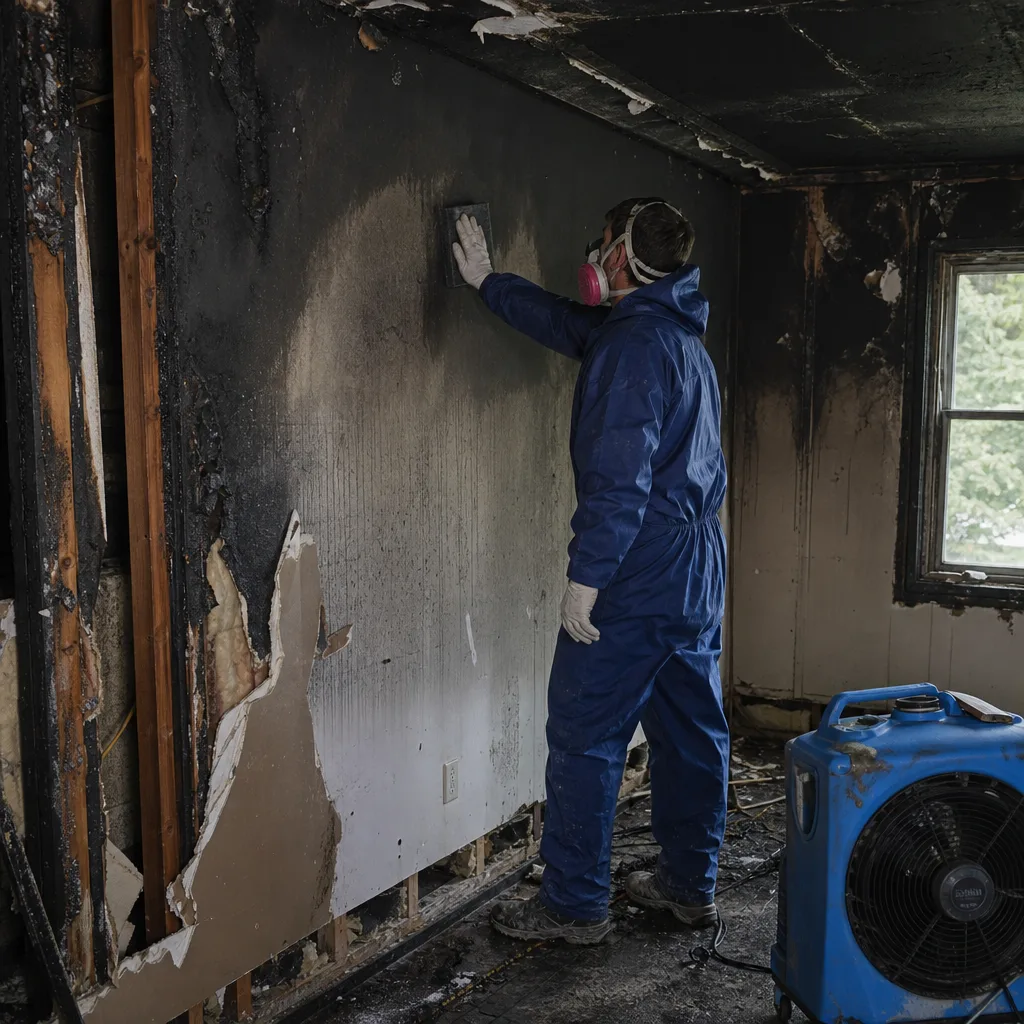
Debris removal off a steeply graded lot on Nodine Hill brings its own access problems, and getting material out of a tight alley behind a three-decker takes more than a pickup and a tarp. We handle it with the right equipment and we haul it away. No leaving a pile for the homeowner to deal with.
Wind Damage Repair
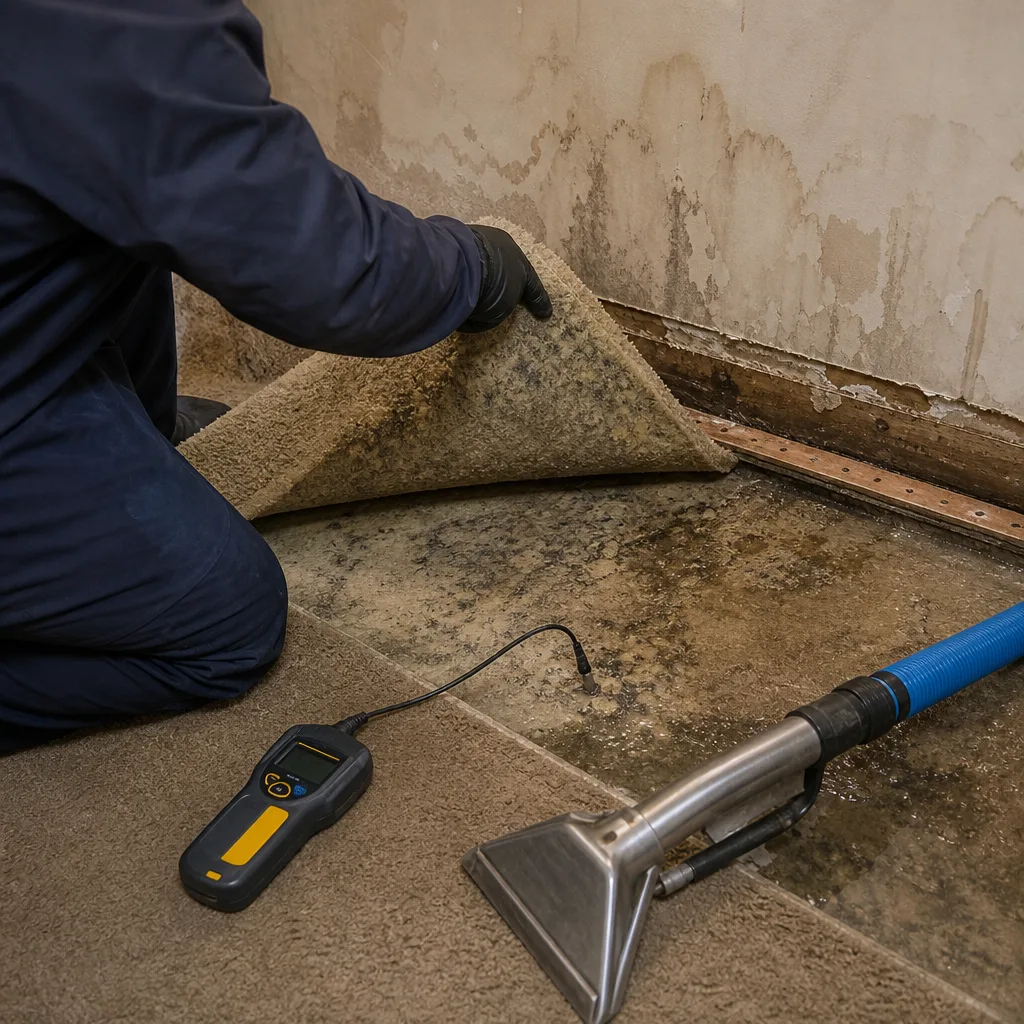
Wind-driven rain through aging brick facades and failing parapet copings is a chronic problem in Northwest Yonkers’s river-valley exposure. We repair the water damage and we identify the facade failure so the next storm doesn’t repeat the same leak through the same wall.
What happens when you call
- 1
A real person answersNo phone trees - you reach a local pro.
- 2
You get an upfront price rangeHonest numbers before anyone is dispatched.
- 3
A background-checked tech heads outLicensed & insured, dispatched right away.
- 4
You approve before work beginsNothing starts until you say go.
Storm & Disaster Restoration Costs in Northwest Yonkers, NY
In Northwest Yonkers, a basic storm cleanup with extraction and drying runs roughly $2,500 to $6,000 depending on square footage and how many rooms are involved. Emergency board-up typically runs $350 to $900 per opening. Roof tarping on a flat rowhouse roof usually lands between $600 and $1,800 depending on access and size. Full flood restoration involving foundation work or masonry repair on a sloped Nodine Hill lot can run $8,000 to $25,000 or more, because the structural source has to be addressed along with the interior damage. What moves the price is mostly the age of the building: pre-war plaster and brick require longer drying, lead and asbestos protocols when applicable, and slower, more careful demolition. Insurance covers storm damage when the cause is documented as sudden and accidental, which is why we build the file from hour one. The free visual inspection ends with a written scope and a firm number, not an estimate that grows later.
We Also Serve Cities Near Northwest Yonkers
Our crews regularly work storm restoration jobs in Riverdale, Getty Square, and Kingsbridge, and we handle the same pre-war building challenges there as in Northwest Yonkers. If you’re nearby and watching water come in, call us. The same live dispatch covers the whole area.
Serving Northwest Yonkers, NY - Our Local Coverage Area
We’re based in the Northwest Yonkers area and know this community well. Use the map below to see our service coverage - if you’re nearby, we can almost certainly help.
Northwest Yonkers Storm & Disaster Restoration Questions, Answered
How fast can a crew actually get to my Northwest Yonkers property during a storm?
Typically inside 45 minutes for most Northwest Yonkers neighborhoods, including Nodine Hill, Dunwoodie, and Ludlow. Our crews stage across the area and a live dispatcher is routing calls 24/7, so you reach a person, not a pager service.
Will my homeowners insurance cover storm damage restoration in Northwest Yonkers?
Yes, when the loss is documented as sudden and accidental, which covers most storm scenarios including wind-driven rain, falling limbs, and flash flooding. We build the file with time-stamped photos, moisture readings, and a line-item scope, and we bill your carrier directly.
Do I need full restoration, or can you just clean up and dry the area?
It depends on where the water went and what category it is. In Northwest Yonkers’s plaster-over-masonry walls, water that looks minor on the surface can sit hidden in cavities. Our free inspection shows you the actual extent, and the written scope tells you what’s necessary and what isn’t. We don’t oversell.
How does the freeze-thaw cycle on Northwest Yonkers brick buildings affect storm damage restoration?
The freeze-thaw cycle opens mortar joints and parapet copings each winter, creating water-intrusion paths that worsen over time. When a nor’easter hits, wind-driven rain finds those openings and penetrates the wall. Restoration here has to account for the facade failure, not just the interior water, or the leak recurs with the next freeze-thaw cycle.
Do you handle lead paint and asbestos protocols on storm-damaged multi-family buildings in Northwest Yonkers?
Yes. On buildings erected before 1945, which is most of Northwest Yonkers’s housing stock, we follow required lead and asbestos protocols including containment and proper handling. Skipping this isn’t just a code violation, it’s a health risk for you and for our crew. We do it correctly, and we document it.
Why does my Nodine Hill basement flood after heavy rain even when there’s no plumbing leak or roof damage?
Because uphill surface runoff follows the slope and pushes hydrostatic pressure through your foundation mortar. The water isn’t coming from your plumbing or your roof. It’s coming through the walls at the foundation level. We treat the structural source with proper drainage and masonry work, then handle the interior restoration. Treating only the interior water means the next rain repeats the same flood.
How long does it take to dry out a plaster-over-masonry wall after a storm leak in Northwest Yonkers?
Typically five to eight days with professional-grade Dri-Eaz dehumidifiers and air movers, sometimes longer depending on saturation and wall thickness. Plaster and brick hold moisture longer than drywall, and the cavity needs to be monitored with daily readings until the dry standard is met. We don’t cut this timeline short, because hidden moisture becomes hidden mold.
Can you tarp a flat built-up roof on a Northwest Yonkers rowhouse during a nor’easter?
Yes. We tarp flat and low-slope roofs in Northwest Yonkers during active weather, accounting for the parapet walls and the wind direction off the Hudson. The fastening has to be secure enough to hold through sustained gusts, and we recheck after the storm passes. Call us before the next band of rain arrives if you can.
Written by Curt Bowman, Owner at Floodline Restoration Co., serving Northwest Yonkers and the surrounding Hudson Valley communities.