
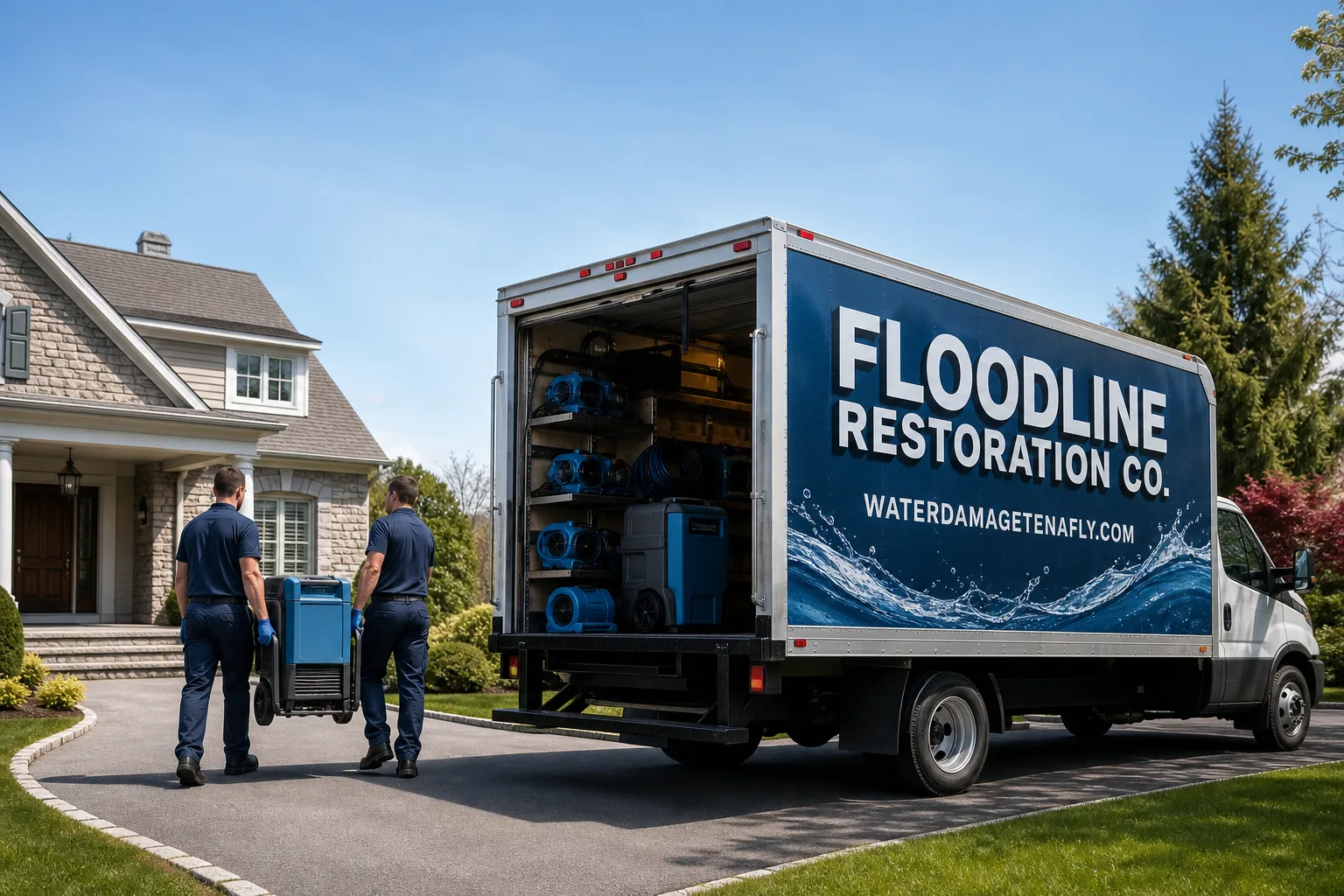
Free visual inspection and a written scope of work before any mitigation begins - photos, moisture readings, and drying logs go in your claim file
The scope we write is the scope we bill. Anything new gets shown to you, in writing, before we touch it.
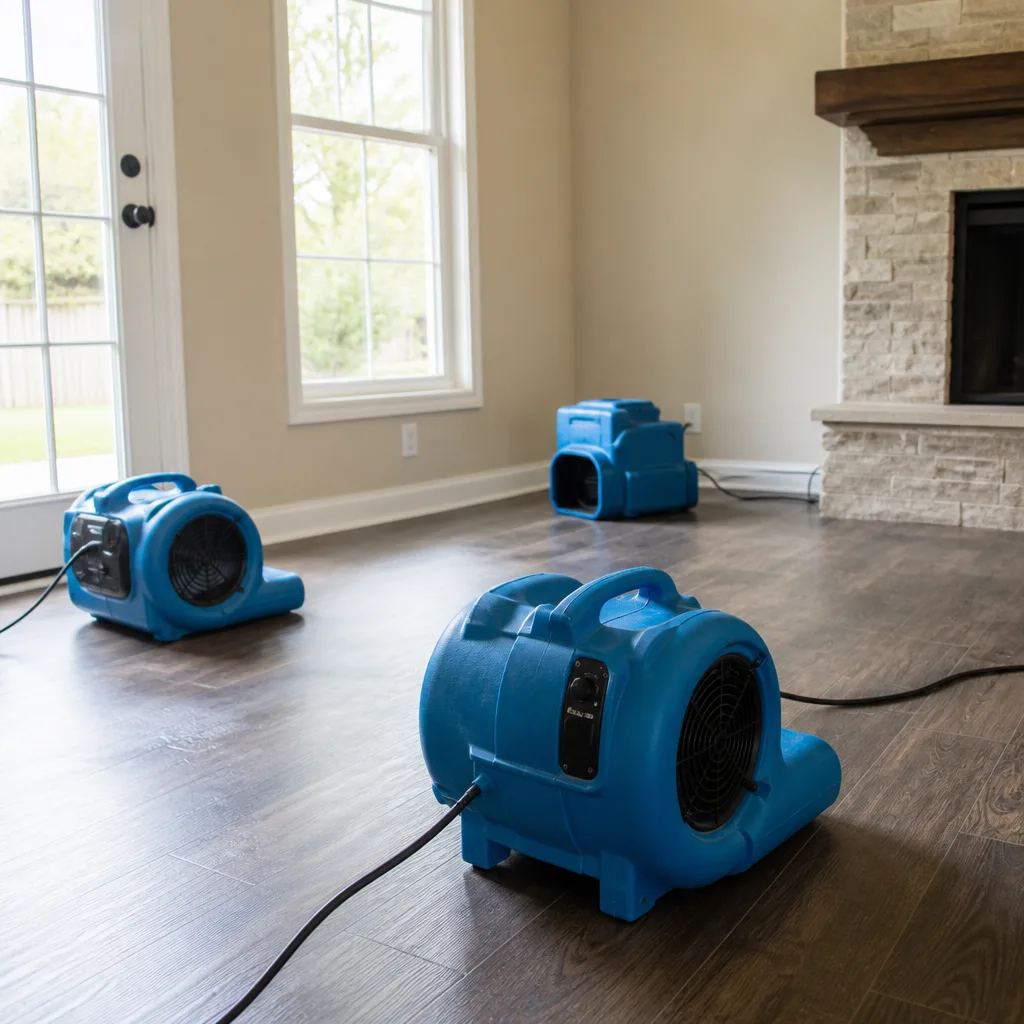
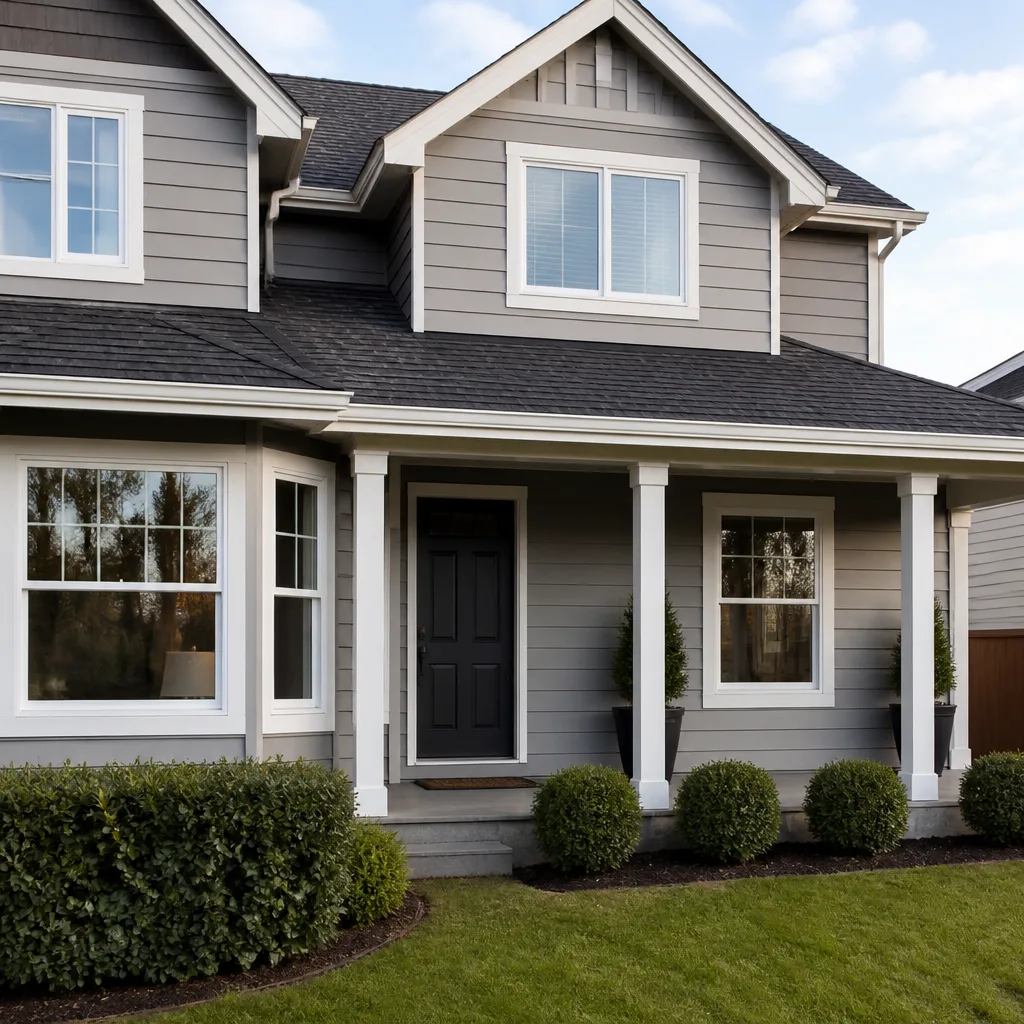
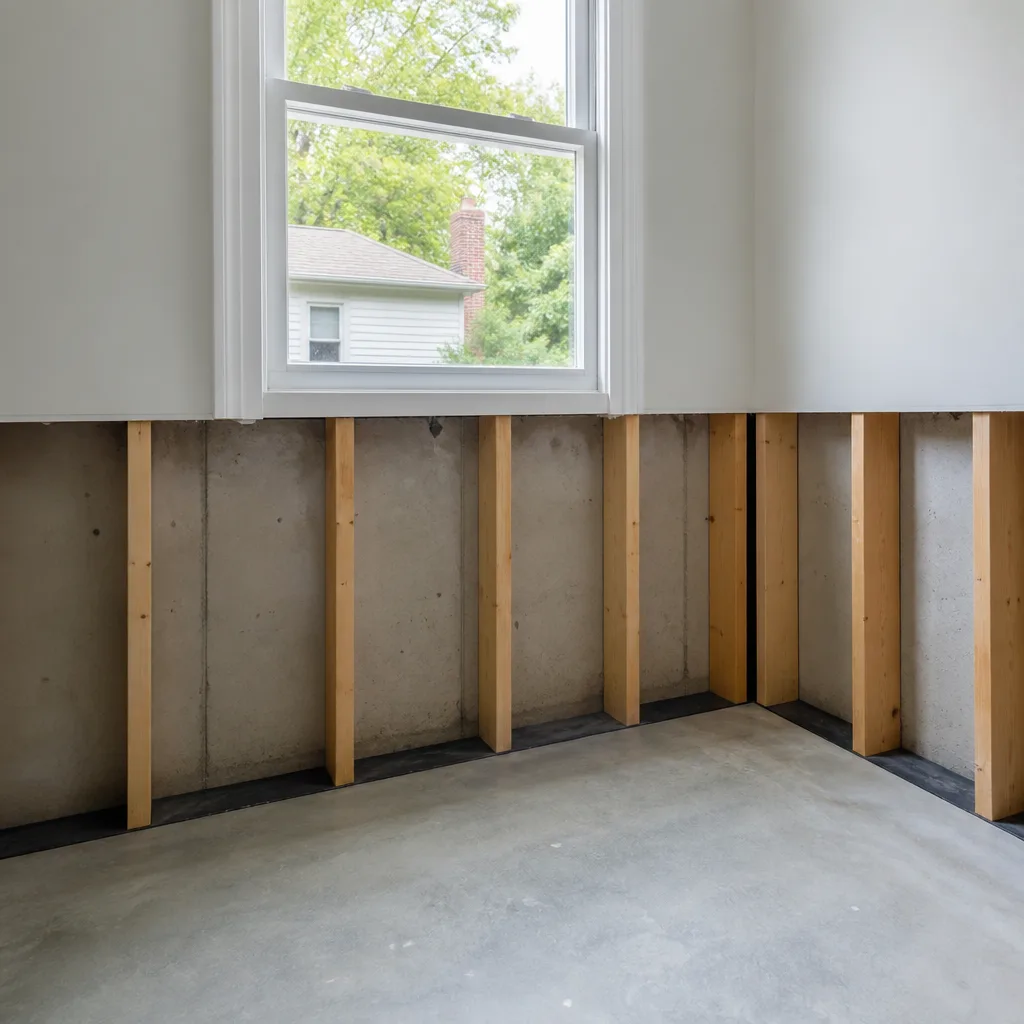
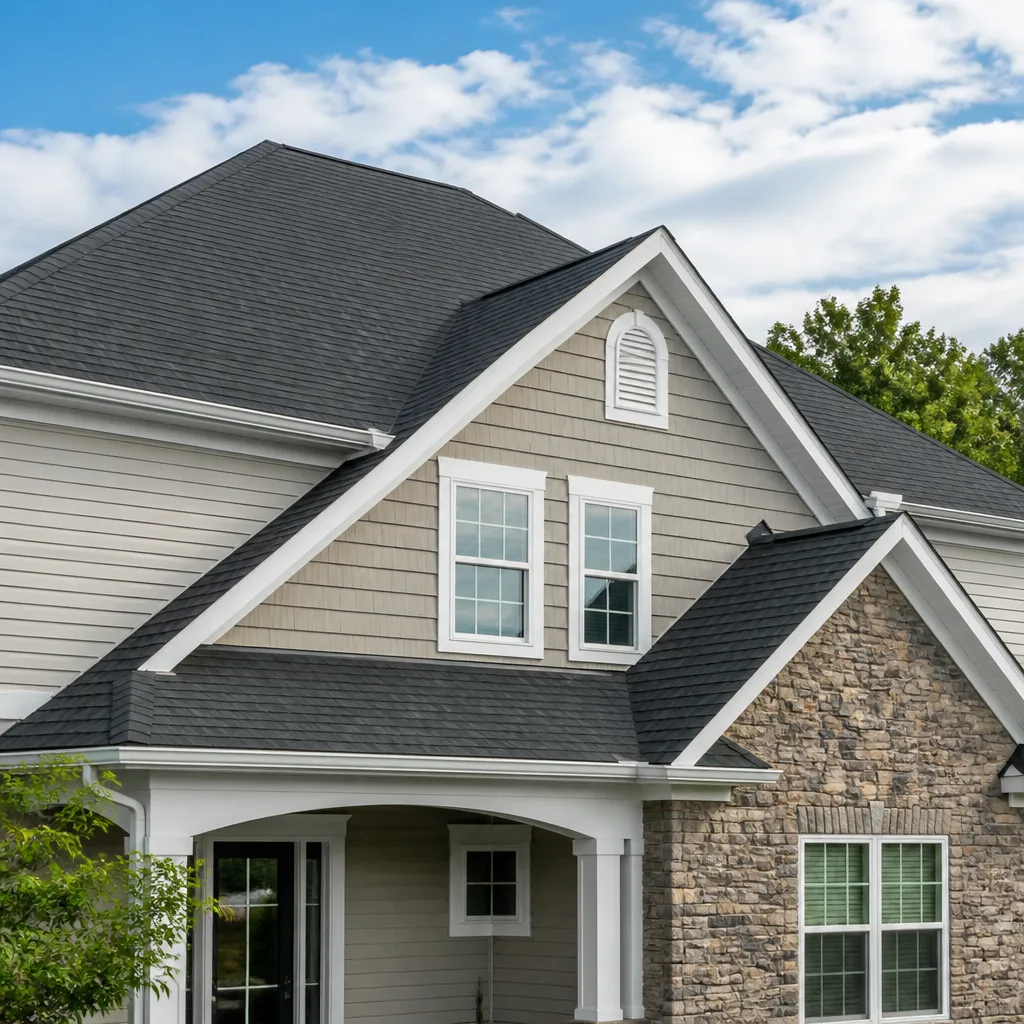
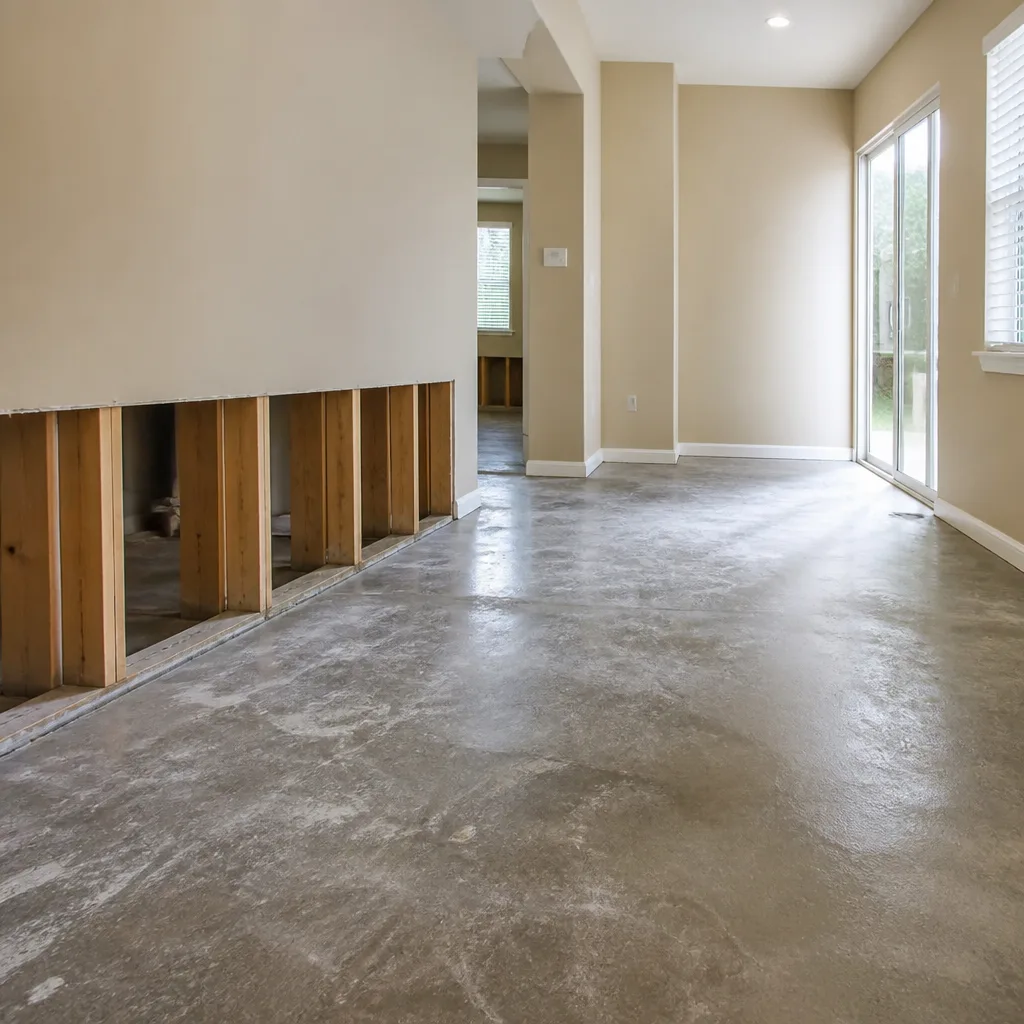
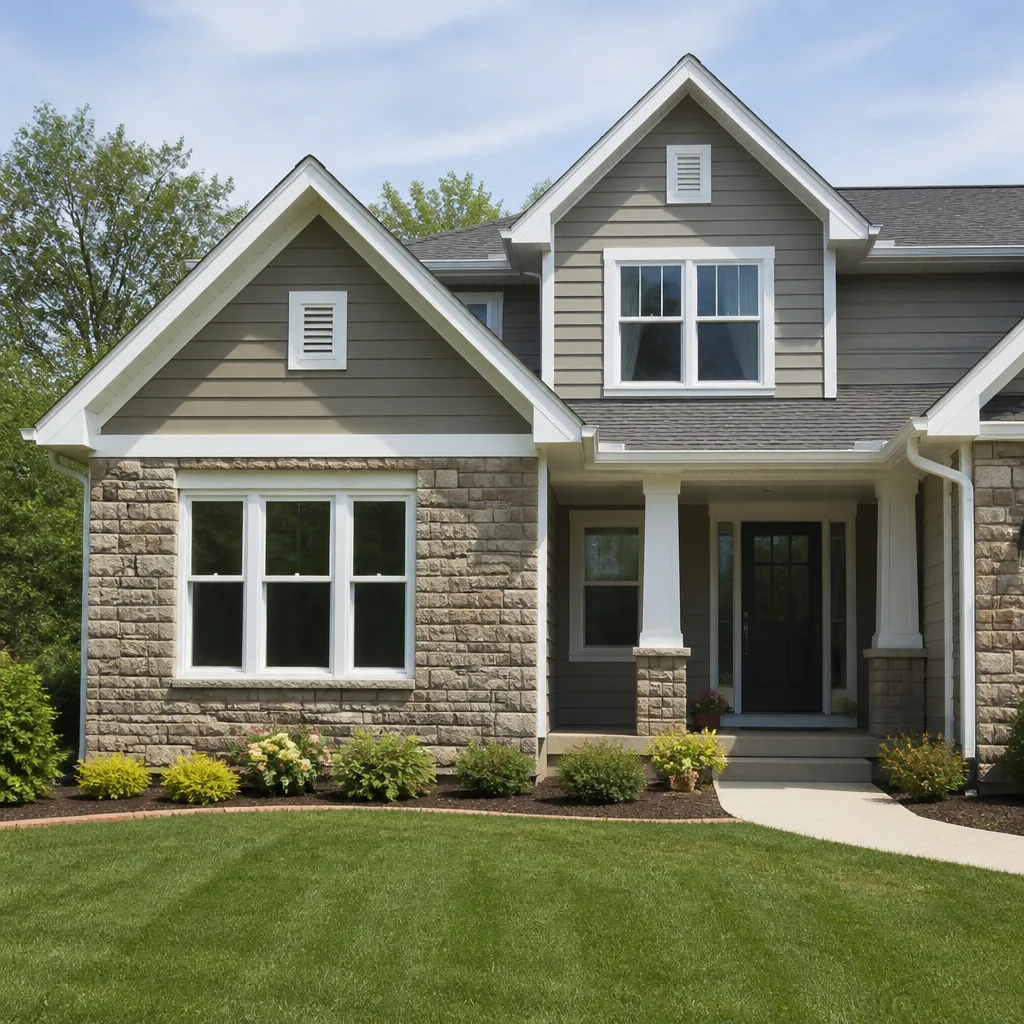
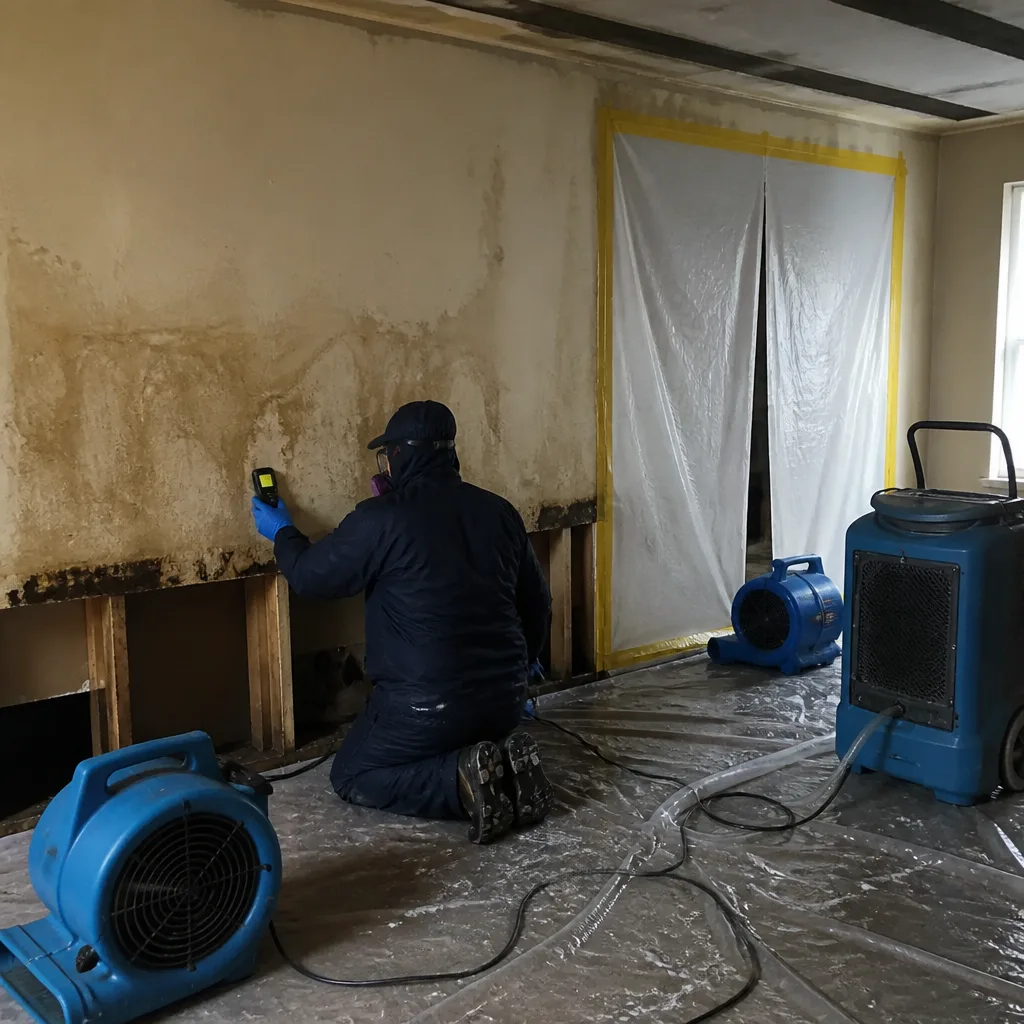 Before
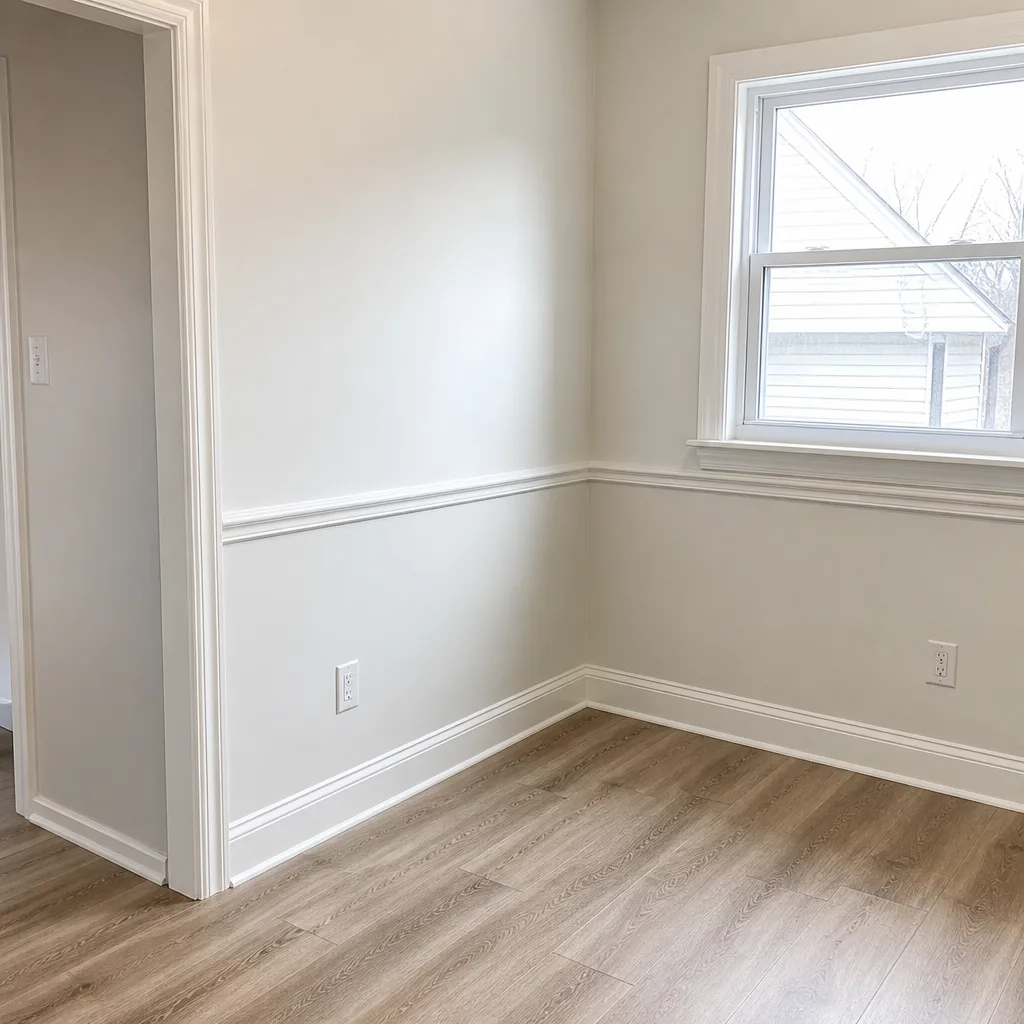 After
After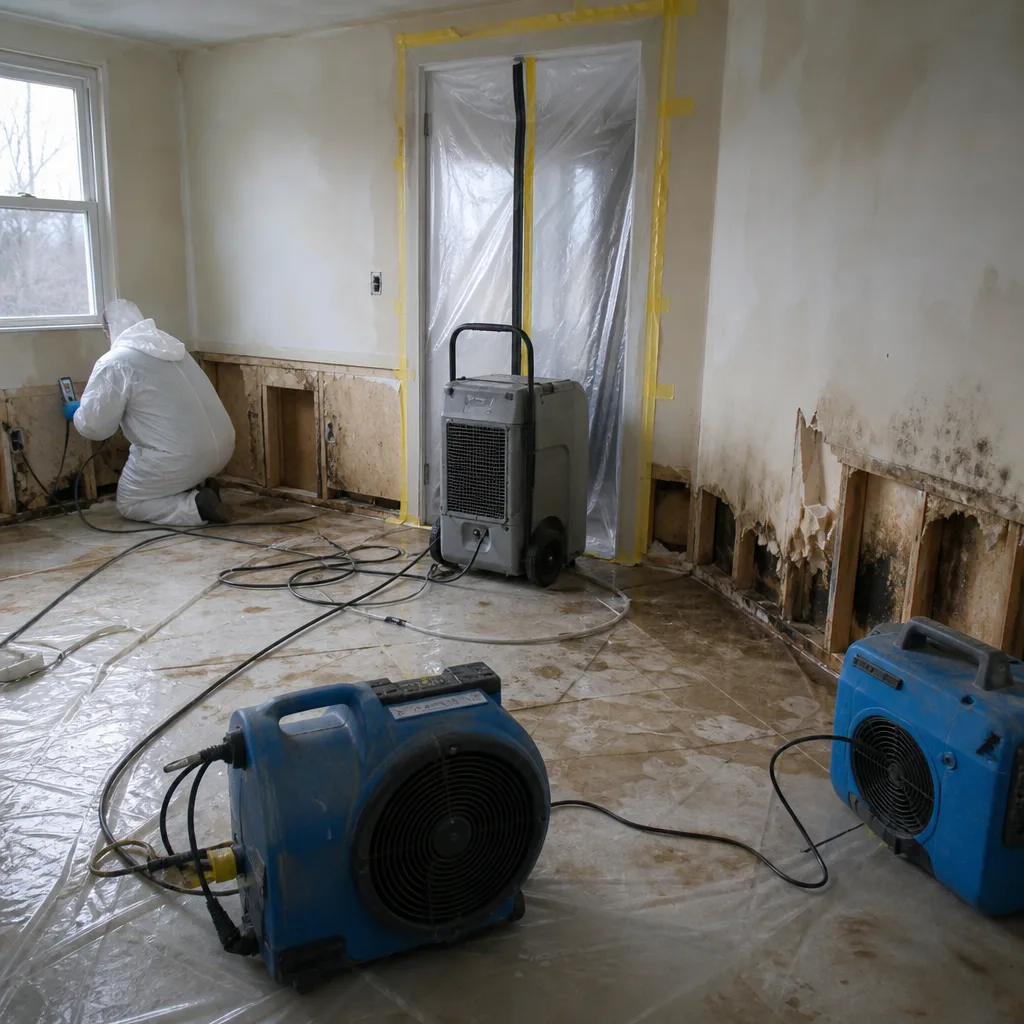 Before
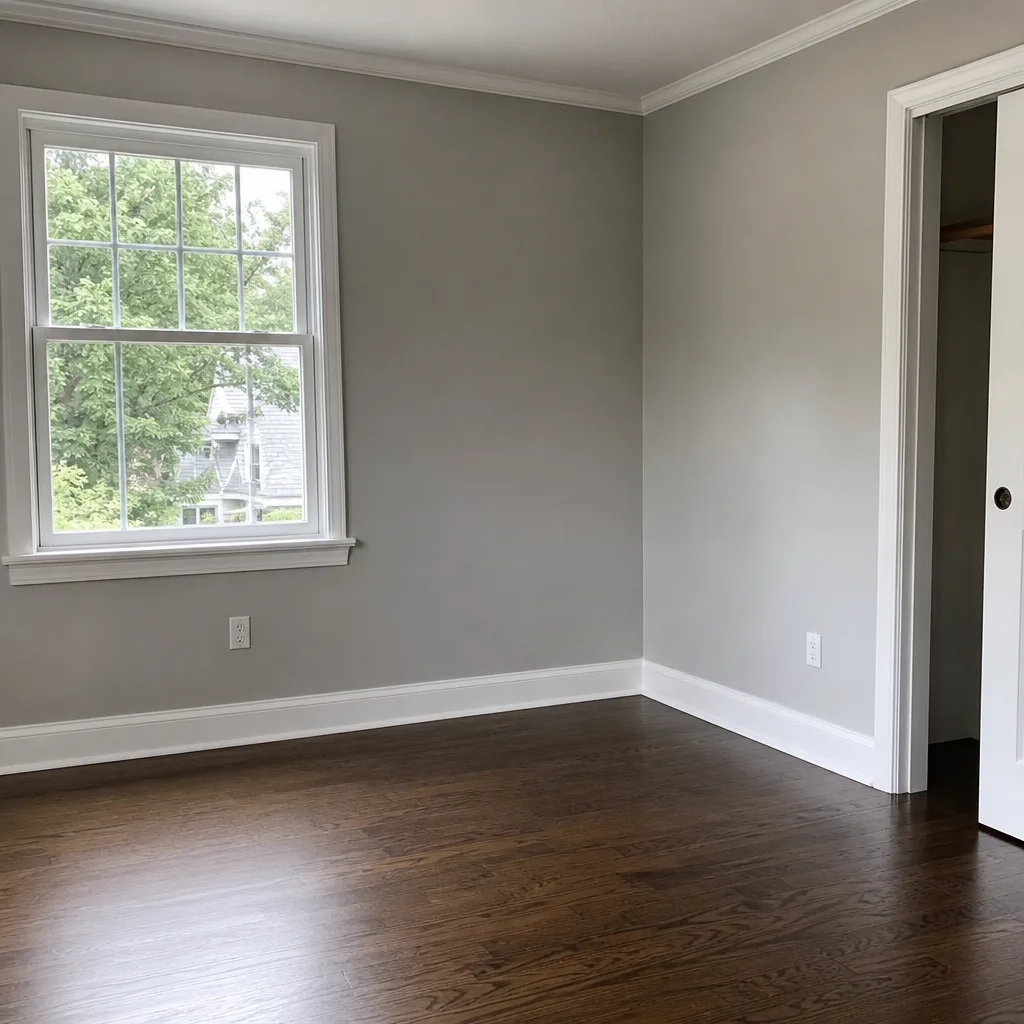 After
After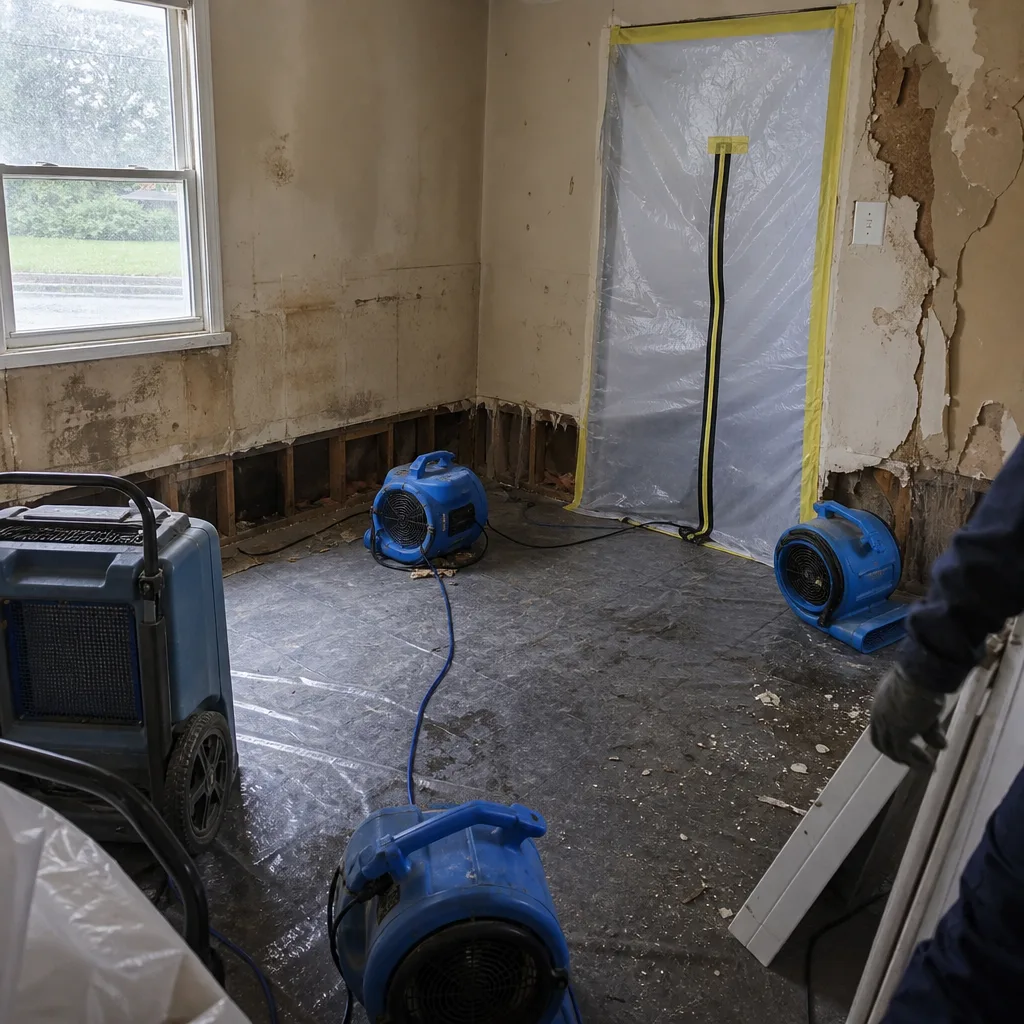 Before
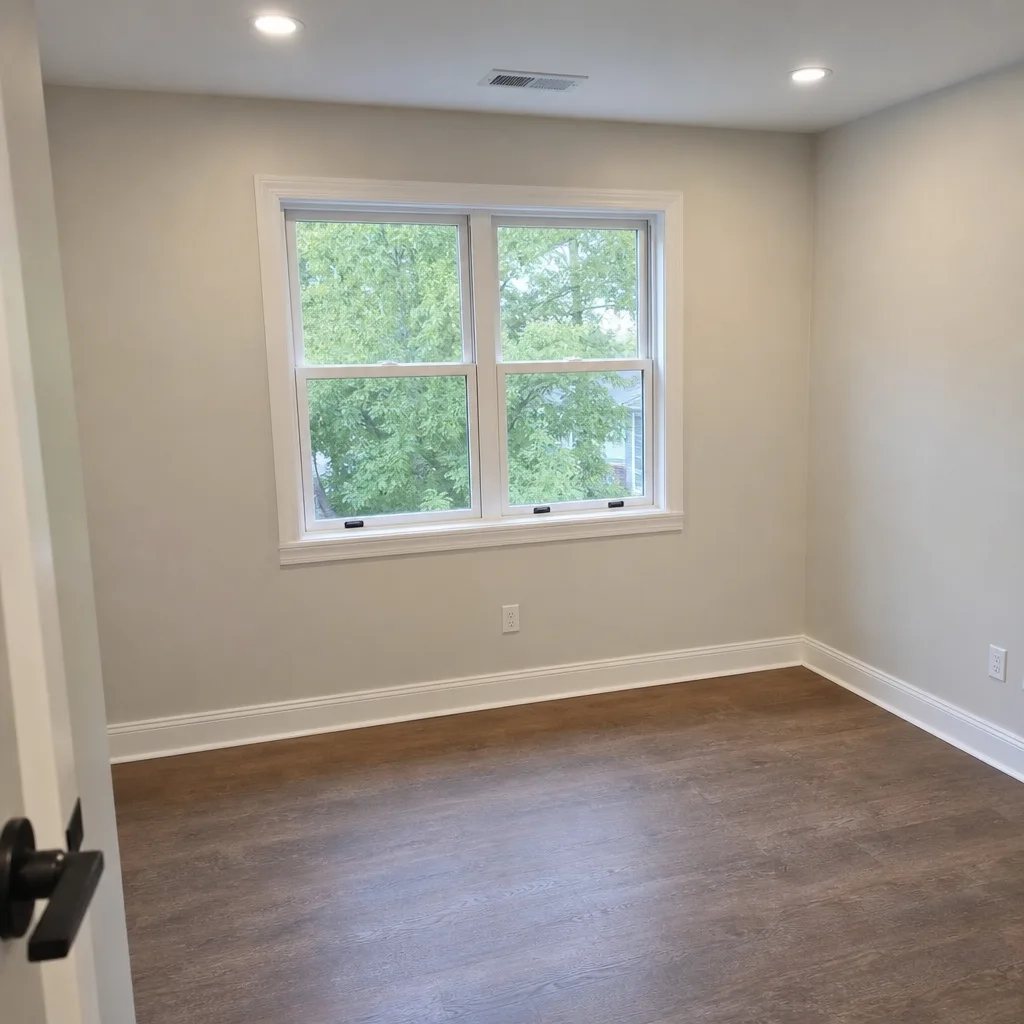 After
After24/7 Emergency Mold Remediation in Closter
Mold remediation in Closter typically runs $2,800 to $6,500 for a contained finished-basement job, and we can have a certified crew at your door within 45 minutes when you call (551) 348-3742. A live dispatcher answers around the clock, every day of the year. The first hour matters because active mold spreads through HVAC returns and wall cavities faster than most homeowners realize, especially in the layered renovated basements common across Closter’s colonials and split-levels. If you see staining, smell must, or had water in the basement weeks ago and never dried it properly, call now. The visual inspection is free, and the sooner we contain the affected area, the less of your custom trim, hardwood, or finished drywall has to come out.
Understanding Mold Remediation Severity in Closter Properties
Mold in Closter homes rarely starts as mold. It starts as water against a block foundation wall, a slow supply-line drip behind a powder-room vanity, or an ice dam backing up under the ridge of a steep colonial roof. The borough’s position below the surrounding Bergen County ridgeline means groundwater and stormwater don’t just sit against the outside of the wall; they push through it. In a 1940s block foundation, that water carries mineral salts and organic matter into the wall cavity. Over months, the backside of drywall or the paper face of fiberglass insulation becomes a mold medium, even when the front side looks dry and painted.
Severity here breaks into three practical tiers. Surface mold, usually under six square feet on a painted concrete floor, is a cleaning and drying job. Colonized drywall or insulation inside a finished wall is a containment job: negative air pressure, HEPA air scrubbing, full removal of affected material, and clearance testing before rebuild. The third tier is what we see too often in Closter: hidden mold behind layered renovations, old plaster under drywall, with a moisture source still active behind it all. That requires full wall excavation, moisture tracing with thermal imaging, and drying logs that prove the dry standard was met before any new material goes back in. The mistake that turns a $3,000 job into a $12,000 job is treating the visible mold while the water source behind it keeps feeding the cycle.
Need a Closter-specific assessment? Call (551) 348-3742 and ask for a free visual inspection. We’ll tell you honestly whether you need full remediation or just targeted cleaning and drying.
Why Closter Property Owners Choose Floodline Restoration Co.
- 45-minute response commitment: When you call our 24/7 line, a live dispatcher confirms your address and routes the nearest crew immediately. In Closter, our typical arrival window is under an hour from the call.
- 24/7 live answer, always a person, never a recording: At 2 a.m., a real human picks up the phone. That’s been true since Curt Bowman built the company around a dispatch board in 2010, and it’s still true today.
- IICRC-certified crews on every job: Our technicians hold WRT and AMRT certifications through the IICRC, plus RIA and IFA training. They arrive background-checked and uniformed.
- Free visual inspection with photo documentation: Before any work begins, we assess the affected area, document what we find, and give you a written scope. You decide. No pressure.
- Direct insurance billing with adjuster communication: We prepare line-item estimates in the format your carrier expects and coordinate with your adjuster directly, so you’re never the messenger between Floodline and the insurance company.
- One team from extraction to reconstruction: The same crew that sets containment and removes affected material handles the drying, the sanitizing, and the rebuild. We don’t hand your basement off to a subcontractor you’ve never met.
Our Mold Remediation Process
Inspection & Assessment
We start with a thorough visual inspection, moisture readings on walls and floors, and thermal imaging to find water that’s not visible. In Closter’s older basements, we’re specifically looking for hidden moisture behind drywall that covers original block foundation walls.
Containment & Source Control
Before any demolition, we set up physical containment and HEPA-filtered negative air machines so mold spores don’t migrate to the rest of your home. We also address the water source: sump pump failure, foundation seepage, a leaking supply line, whatever is feeding the growth.
Moisture Mapping & Drying
Using Dri-Eaz dehumidifiers, Phoenix air movers, and daily hygrometer readings, we dry the affected structure to the IICRC dry standard. We hand you a daily moisture log, which also goes to your insurance carrier if you’re filing a claim.
Removal & Disposal
We remove colonized drywall, insulation, carpet, and any porous material that can’t be effectively cleaned. In Closter, that often means excavating layered materials down to the original block or brick, exposing the full extent of the problem.
Cleaning, Sanitization & Antimicrobial Treatment
Affected surfaces get HEPA-vacuumed, wire-brushed where needed, and treated with antimicrobial products rated for your specific mold type. We also clean the air itself with HEPA air scrubbers running throughout the job.
Repairs & Restoration
We rebuild to pre-loss condition, matching Closter’s typical high-end finishes: custom millwork, hardwood, tile, and trim. If your basement had carpet over a concrete slab, we’ll discuss whether a moisture-resistant flooring option makes more sense long-term.
Need Emergency Mold Remediation in Closter Now?
Crews minutes away, answering live 24 hours a day. The sooner we start, the less it costs.
Working With Your Insurance Company
Most Closter homeowners we meet have never filed a water or mold claim before. They don’t know what’s covered, what’s denied, or how to talk to an adjuster. We handle that. From the first hour, we document everything: photos room by room, moisture readings before and after drying, the line-item scope of work, and daily drying logs. We write estimates in the standard format your carrier expects, and we talk to your adjuster directly. You shouldn’t have to explain containment protocols or dry standards to a claims department. That’s our job. If your carrier says something’s not covered, we’ll walk you through exactly what that means and what your options are. Direct insurance billing means you’re never out of pocket waiting for a reimbursement check from a job we already did.
What We Provide Your Insurer
- Thorough documentation of the loss
- Photos of all damage, room by room
- Moisture readings and drying logs
- A detailed, line-item scope of work
- Direct coordination with your carrier
Built for Closter’s Loss Calendar
Mold in Closter is a year-round potential, but the triggers are seasonal and predictable. Late January and February bring deep freezes that crack supply lines in unheated garage walls and crawl spaces. As the thaw hits in March, all that leaked water shows up as mold inside walls that never dried. Spring is the big one: heavy rains and snowmelt saturate the ground, and Closter’s position below the ridgeline means hydrostatic pressure builds against foundation walls. Water forces its way through the block, the mortar joints, and the cove joint where wall meets floor. Finished basements over block foundations are the highest-risk structure in the borough.
Summer brings fast, hard thunderstorms that overload the Dwars Kill drainage and send stormwater across residential yards. If your sump pump can’t keep up or the power flickers off during a storm, the water sits long enough to start mold growth within 48 to 72 hours. Fall brings nor’easter remnants with the same basement-seepage pattern but colder air. By late winter, ice dams on Closter’s steep colonial roofs send water down behind the gutters, into soffits, and down the interior wall cavities. By the time the homeowner sees the ceiling stain in the family room, mold has been growing in the wall for weeks. This is the calendar we work to. It’s why our crews know exactly which part of a Closter colonial to inspect after which weather event.
Mold Remediation Across Closter’s Neighborhoods
The homes we serve around Durie Avenue, Vervalen Street, Harrington Park Road, and the borough’s established sections near Memorial Field share a common profile: substantial colonials and split-levels built between the late 1940s and the 1970s, many with full finished basements over original block or brick-mortar foundation walls. On Durie Avenue, our crew set full containment and air movers after moisture mapping traced hidden mold behind drywall that covered original block foundation walls, the homeowner’s paint-on sealer had trapped water and caused spalling. Following structural drying with Injectidry and antimicrobial treatment, we scoped the job to remove the failed coating, install a proper drain mat, and restore the finished basement to pre-loss condition with custom millwork matching.
Homes closer to the Closter Nature Center and the Dwars Kill corridor see more recurring basement moisture, because the land slopes toward the water and runoff concentrates in yards after heavy rain. In the neighborhoods around Closter High School, we see a different pattern: well-maintained mid-century homes where renovations over the decades have layered drywall over plaster, carpet over hardwood, and finished ceilings over old water-stained framing. Every layer hides moisture. Every layer complicates the drying plan. Our thermal imaging finds what the layers conceal, and our moisture logs document what the drying actually accomplished. Homeowners near the Demarest border often share similar construction eras but slightly better drainage, which is why we tailor every job to the specific address, not a template for the zip code.
Specialized Mold Remediation Services We Offer in Closter
Mold Inspection & Testing
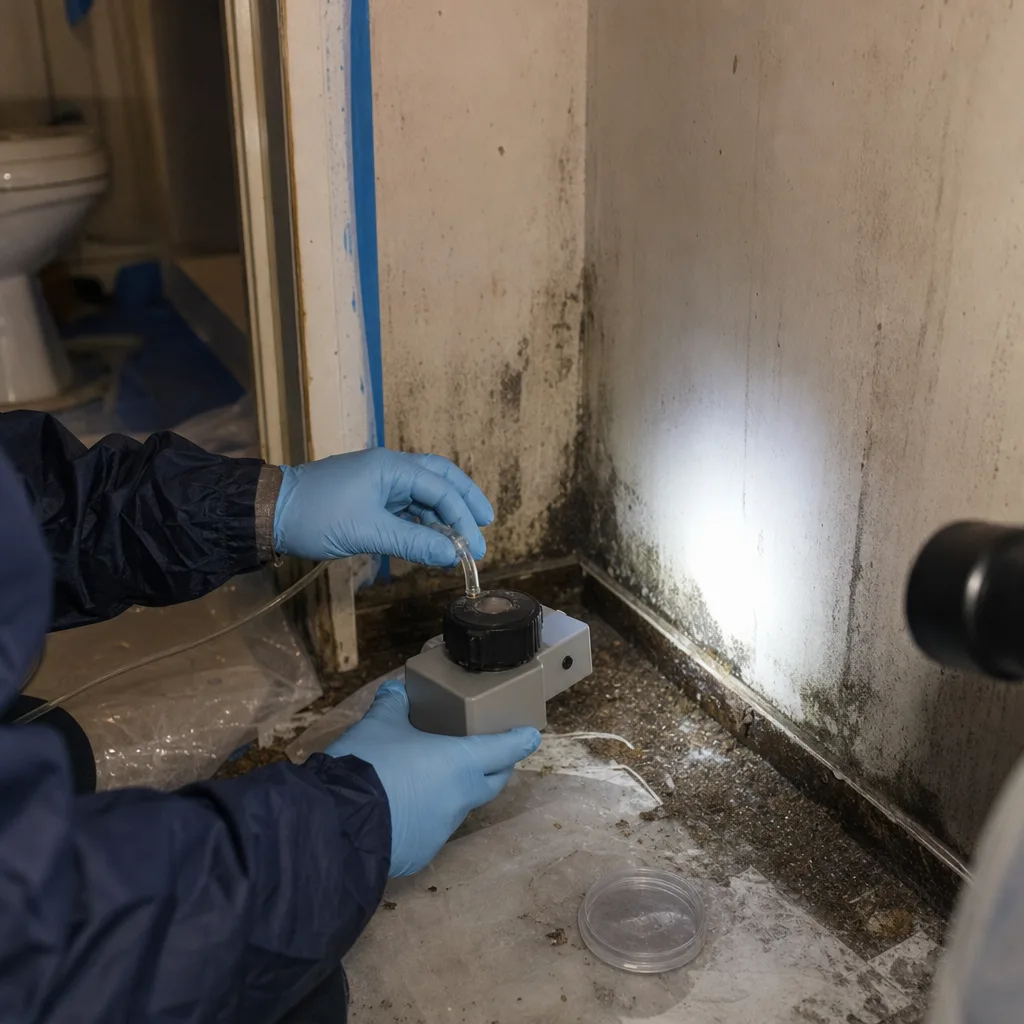
Before we touch a wall, we need to know what kind of mold we’re dealing with, how far it’s spread, and what’s feeding it. In Closter’s layered renovations, that means thermal imaging, moisture meters on multiple surfaces, and air sampling where we suspect airborne spores in the HVAC system. We send samples to an independent lab for speciation, and we give you the results in plain language. Testing is not a sales gimmick; it’s how we avoid opening up the wrong wall and missing the actual source.
Mold Removal
Removal means physically taking out colonized material: drywall, insulation, carpet, trim. In Closter basements over original block foundations, the removal area often extends lower than the visible stain because moisture wicks upward from the cove joint. We set containment to protect the rest of the house, run HEPA air scrubbers throughout the removal, and bag and dispose of everything off-site. You don’t have mold debris sitting in your yard or garage.
Black Mold Remediation
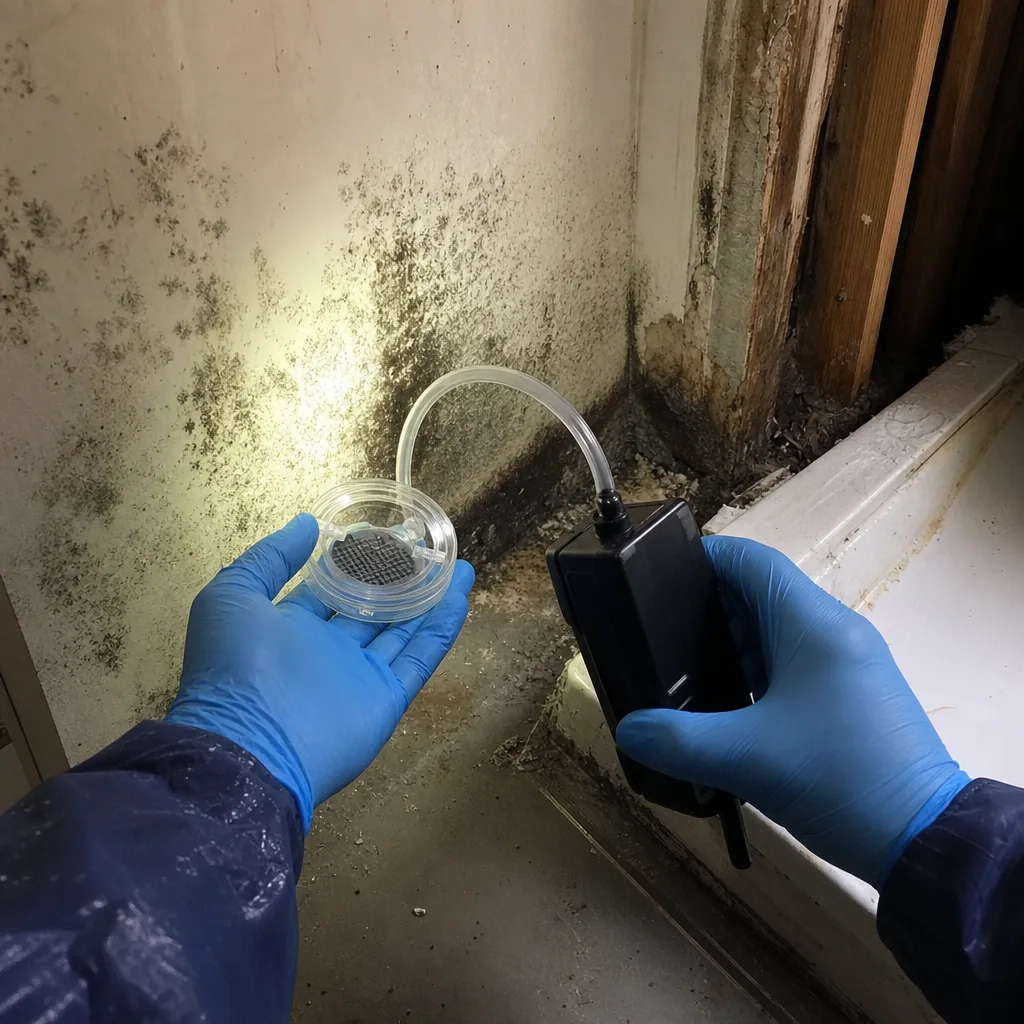
Stachybotrys, the mold commonly called black mold, grows where water has been sitting for a long time: behind drywall after a slow leak, under carpet on a slab after groundwater seepage, inside wall cavities after an ice dam. It requires full containment, HEPA filtration, antimicrobial treatment, and clearance testing before anyone reoccupies the space. In Closter’s finished basements, where homeowners spend weekends and grandkids sleep over, we don’t take shortcuts on clearance. The space gets tested. The results get documented. You get a copy.
Air Quality Restoration
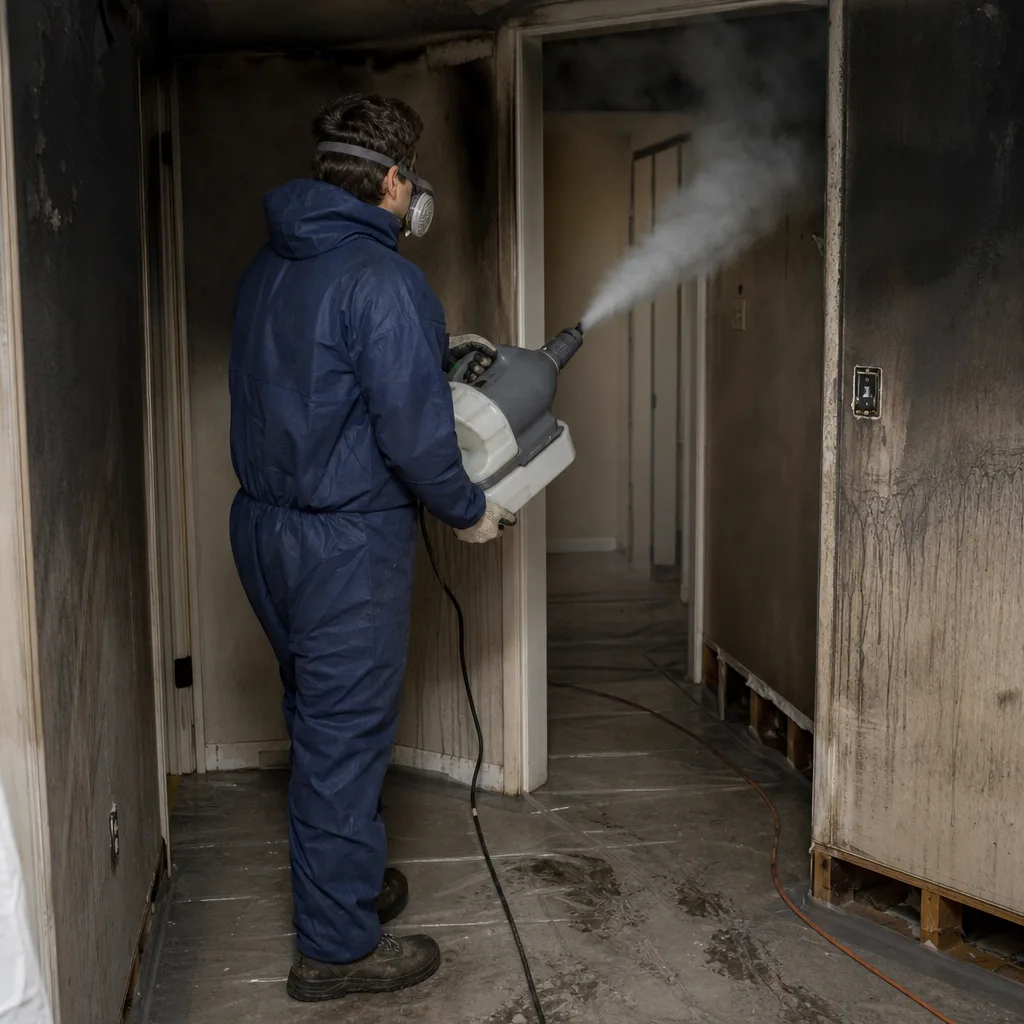
Mold spores travel. A colony in the basement releases spores that get pulled into the HVAC return and distributed through the whole house. After removal and cleaning, we run HEPA air scrubbers to capture airborne spores and clean the air in the affected space. We also inspect and, where needed, clean the duct runs serving the affected area. If your house smells musty even after we’ve removed the visible mold, the air itself is the problem. We fix that.
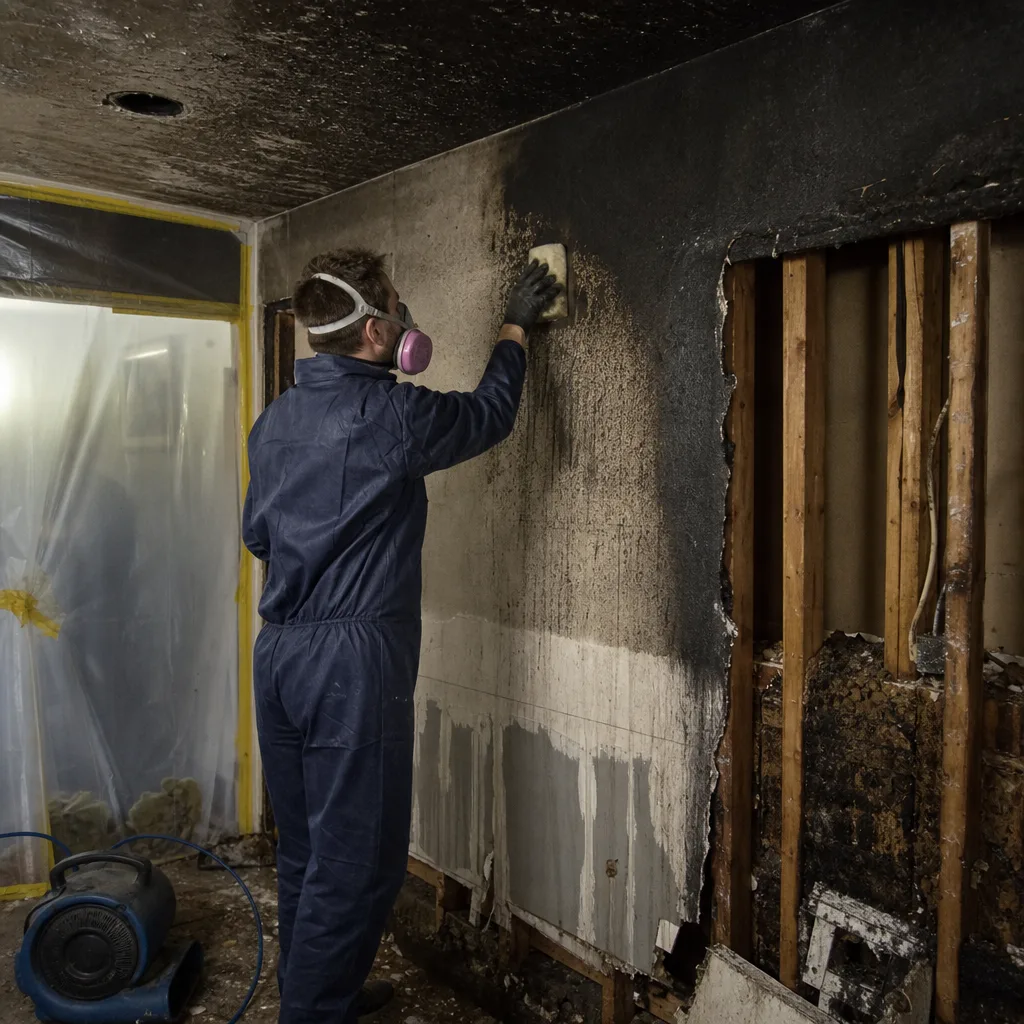
Crawl Space Treatment
Crawl spaces in Closter’s older homes are often dirt-floor or thin-gravel, vented to the outside, and forgotten until a musty smell rises through the floorboards above. Mold in a crawl space moves upward. We treat the source: remove colonized insulation, HEPA-vacuum the framing, apply antimicrobial treatment, and install a vapor barrier over the ground. Where moisture is chronic, we recommend and install crawl space encapsulation with a dehumidifier. The goal is a dry, clean space under your house that can’t feed mold into the floors above.
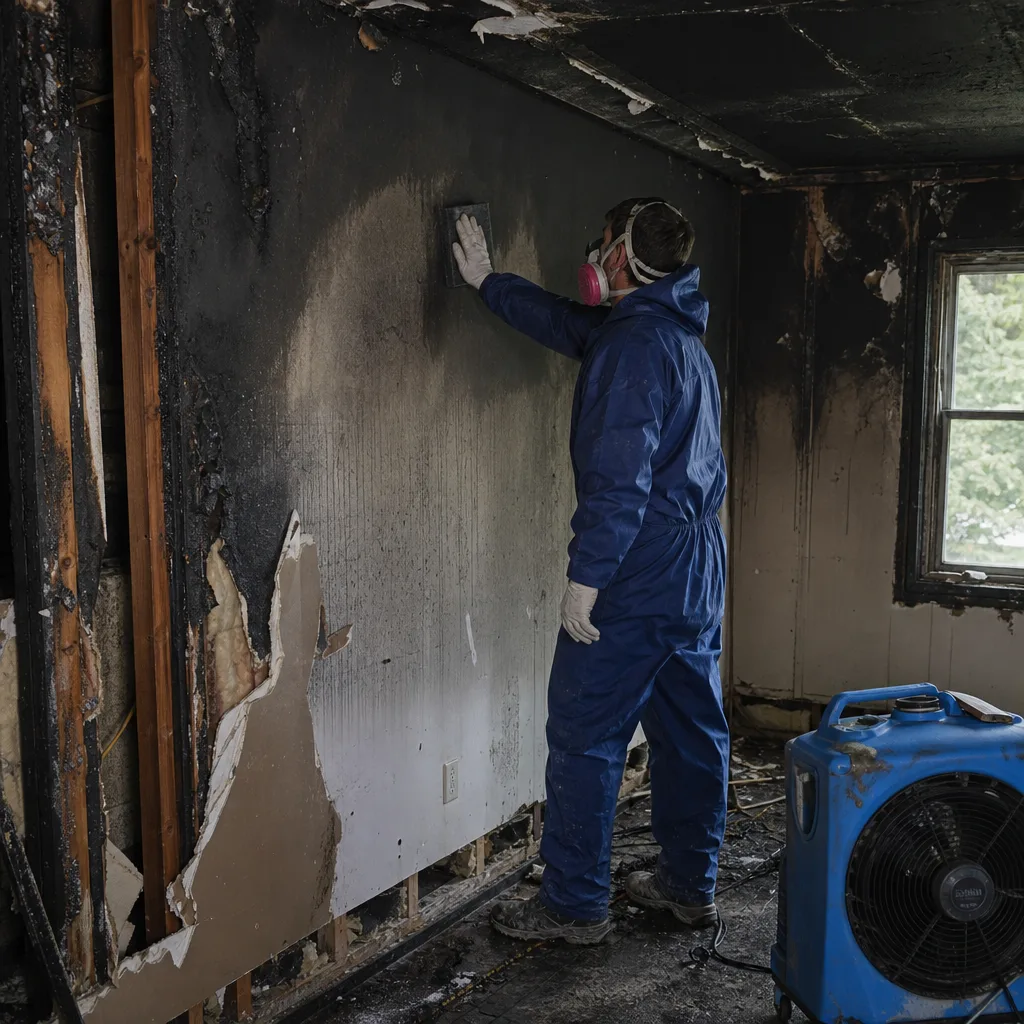
Moisture & Humidity Control
This is the service that actually ends the cycle in Closter. If your basement stays damp through every humid summer, mold will return no matter how thoroughly we remediate it once. We install dehumidification systems sized for your square footage, we repair or replace sump pumps, we install drain mats and interior French drains where hydrostatic pressure is the problem, and we regrade exterior soil where runoff is pooling against the foundation. The mold is the symptom; the water is the disease. You have to fix both.
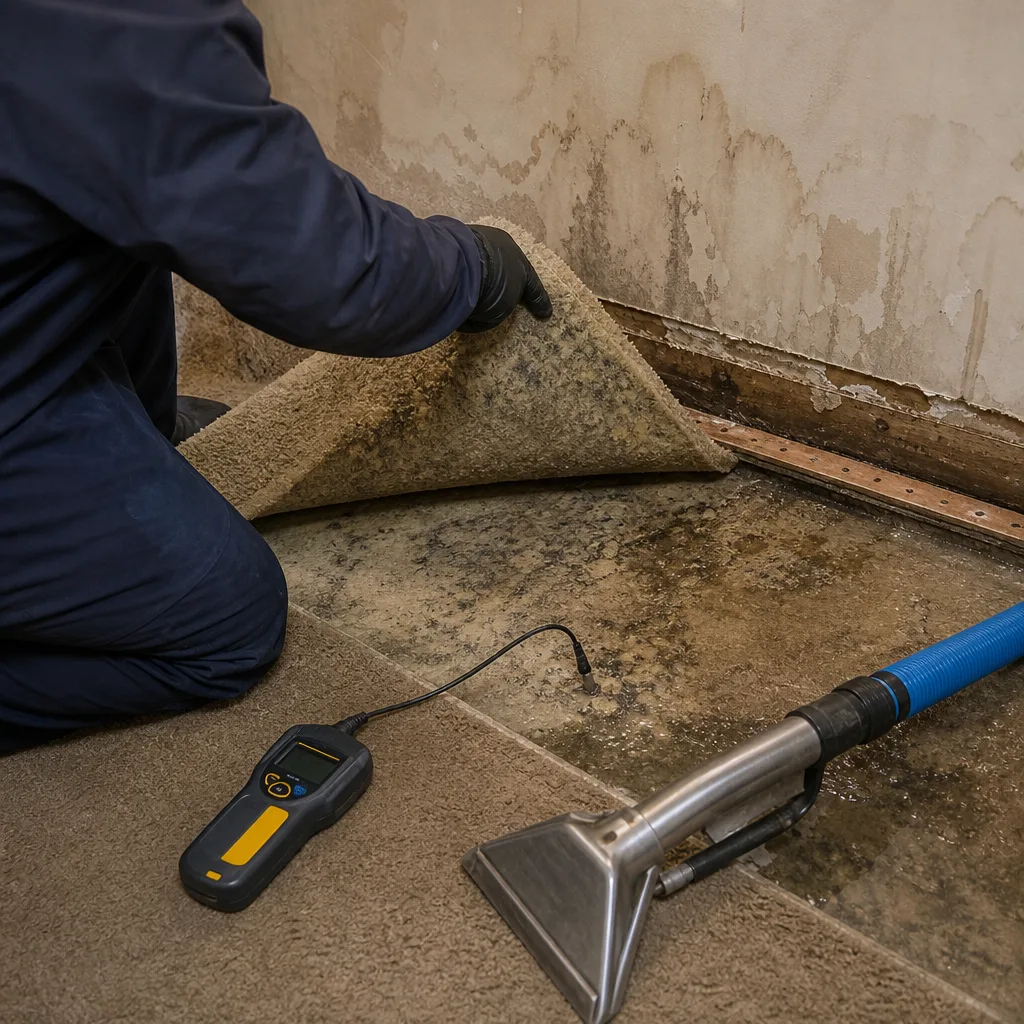
What happens when you call
- 1
A real person answersNo phone trees - you reach a local pro.
- 2
You get an upfront price rangeHonest numbers before anyone is dispatched.
- 3
A background-checked tech heads outLicensed & insured, dispatched right away.
- 4
You approve before work beginsNothing starts until you say go.
Mold Remediation Costs in Closter, NJ
A contained mold removal and remediation in a Closter finished basement typically runs $2,800 to $6,500. That includes containment setup, removal of affected drywall and insulation, HEPA air scrubbing, antimicrobial treatment, structural drying, and moisture documentation. Jobs on the lower end of that range tend to be single-wall or small-floor-area problems with no structural damage. Jobs at the higher end involve full wall excavation down to original block, multiple rooms, custom millwork or hardwood matching, and sometimes HVAC cleaning on top.
What moves the price: how much drywall has to come out, whether the original block or brick wall needs repair or coating removal, whether your basement finishes are builder-grade or custom, and whether the water source is still active. A recurring seepage problem that needs a drain mat or sump upgrade adds $1,500 to $4,000 depending on the scope. A mold inspection with lab testing runs $350 to $700. Crawl space treatment, including vapor barrier and dehumidifier, runs $2,000 to $5,000 depending on square footage. Every quote we give is line-item, in writing, before work starts. Call (551) 348-3742 for a free visual inspection and an honest number.
We Also Serve Cities Near Closter
Our crews reach Demarest, Norwood, Haworth, and Cresskill within the same response window we deliver in Closter. The housing stock, the terrain, and the water problems are similar. The solutions are the same: full Mold Remediation from source to rebuild, done by one team, backed in writing.
Serving Closter, NJ - Our Local Coverage Area
We’re based in the Closter area and know this community well. Use the map below to see our service coverage - if you’re nearby, we can almost certainly help.
Closter Mold Remediation Questions, Answered
How does Closter’s terrain affect mold remediation in finished basements?
Closter sits in a drainage pocket below the surrounding Bergen County ridgeline, and the Dwars Kill stormwater system concentrates runoff into residential streets and yards. That means groundwater and stormwater push against foundation walls from the outside, and hydrostatic pressure forces water through original block or brick-mortar walls. When a finished basement is built over that kind of foundation, the water gets trapped behind finished walls and feeds mold. Remediation in Closter therefore has to address the water source, not just the mold. A proper job includes moisture tracing, excavation, and often a drain mat or interior French drain. Call (551) 348-3742 to have us assess your specific situation.
What mold issues are common in Closter’s mid-century colonials and split-levels?
The dominant pattern is mold in finished basements over original block foundations, but we also see wall-cavity mold from ice dams on steep colonial roofs, crawl space mold in split-levels with dirt-floor crawl areas, and hidden growth behind layered renovations where plaster under drywall masks moisture for months. The common thread is water finding its way into an original structure and sitting there. Call (551) 348-3742 and we’ll inspect your home for the specific pattern.
Why is mold remediation in Closter more expensive than in neighboring towns?
Closter’s affluent mid-century housing stock means we’re routinely working with expensive original hardwood, custom millwork, and high-end renovated finishes that require material matching and careful removal. Job values run higher because the finishes cost more to restore. The deeper structural issue is that Closter’s terrain and drainage create more recurring hydrostatic seepage, so proper remediation often includes drainage and moisture-control work that flatter neighboring boroughs like Norwood or Old Tappan rarely need. Call (551) 348-3742 for a quote specific to your house.
Does Floodline Restoration Co. handle mold caused by ice dams on Closter’s steep colonial roofs?
Yes. Ice dams on Closter’s steep colonial roofs send meltwater down behind gutters, into soffits, and down interior wall cavities. We trace the water path from the roofline down, remove the mold inside the wall or ceiling, dry the structure to standard, and coordinate roof repairs where needed. The job is not finished until the water source at the roof is corrected and the interior is restored. Call (551) 348-3742 if you see ceiling stains or smell must after a winter thaw.
What should Closter homeowners look for before hiring a mold remediation contractor?
Ask for IICRC, RIA, or IFA certification. Ask for a written scope of work before any demolition starts. Ask whether the contractor will provide daily moisture readings and a drying log. Ask whether they handle insurance documentation and direct adjuster communication. Ask whether the same crew that does the removal does the rebuild. And ask for a written guarantee. Floodline Restoration Co. checks every one of those boxes, including the 90-Day Done Right Promise in writing. Call (551) 348-3742 and ask us anything.
How fast can a crew actually reach my Closter home?
We commit to a 45-minute response window for Closter addresses. A live dispatcher takes your call, confirms your address, and routes the nearest certified crew to you. Our typical arrival time in Closter is under an hour from the phone call, day or night. Call (551) 348-3742 now and we’ll be there when we say.
Can we stay in our home during mold remediation?
It depends on the extent of the mold and the areas affected. For contained jobs in a basement or single room, most homeowners stay in the house with the affected area sealed off under negative pressure. If mold has spread through the HVAC system or the affected area includes bedrooms, we may recommend temporary relocation until clearance testing passes. We’ll give you an honest assessment before any work begins.
What should I do in the first 30 minutes after I find mold in my home?
Do not disturb the mold. Don’t wipe it, don’t spray it, don’t tear out drywall. Disturbing mold releases spores into the air and spreads contamination. Close the door to the affected room if possible. Turn off any fans or HVAC running in that space. Do not paint over the mold or try to seal it. Then call (551) 348-3742. We’ll walk you through next steps and get a crew to your Closter address fast.
Written by Curt Bowman, Owner at Floodline Restoration Co., serving Closter and the surrounding boroughs. A live person answers at (551) 348-3742, 24 hours a day.