
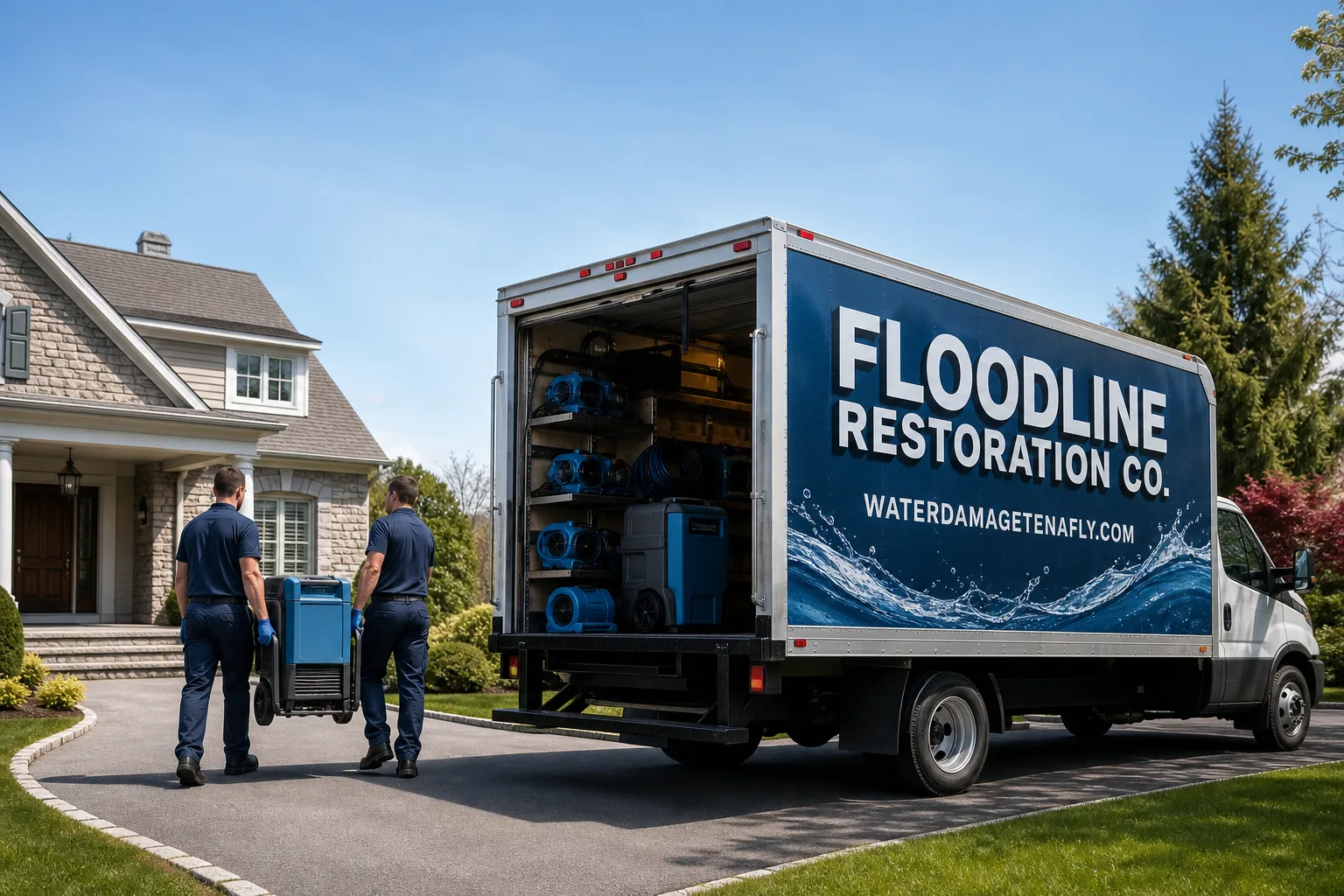
Free visual inspection and a written scope of work before any mitigation begins - photos, moisture readings, and drying logs go in your claim file
The scope we write is the scope we bill. Anything new gets shown to you, in writing, before we touch it.
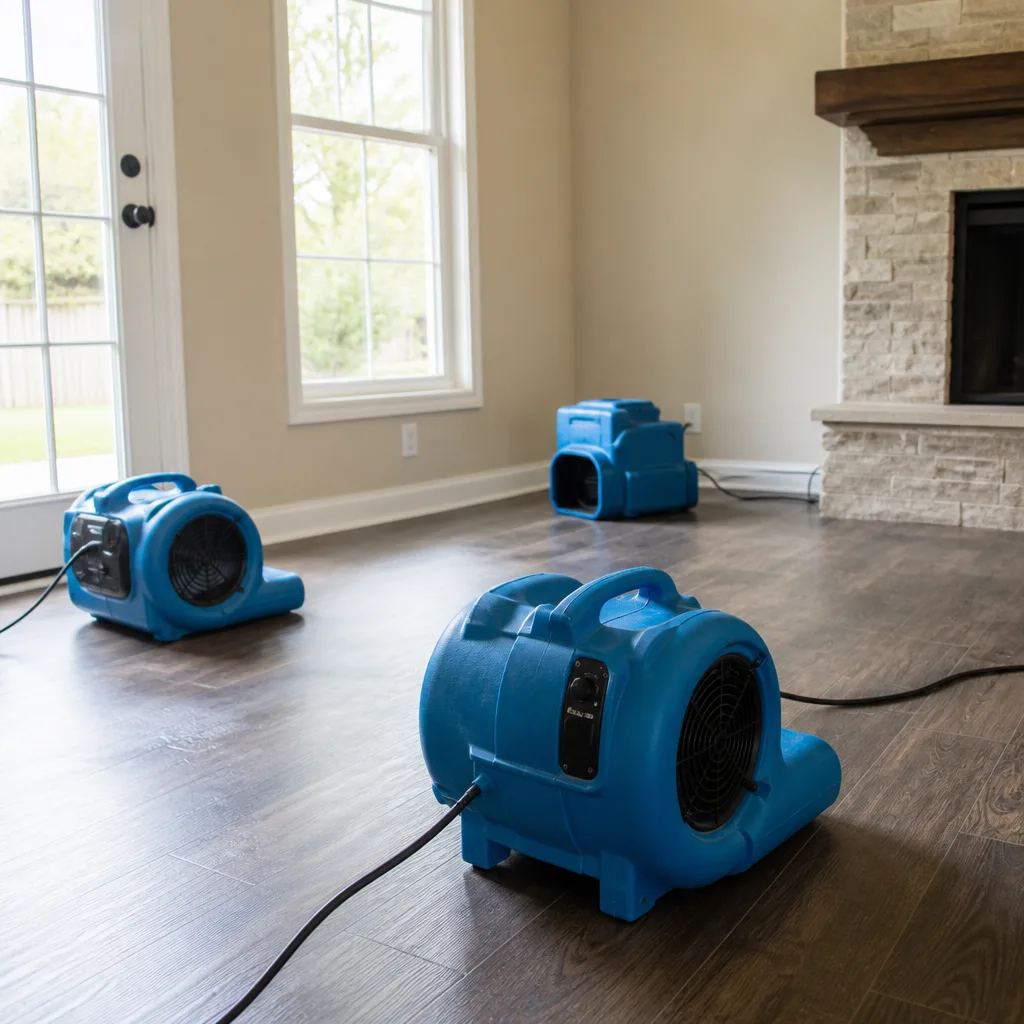

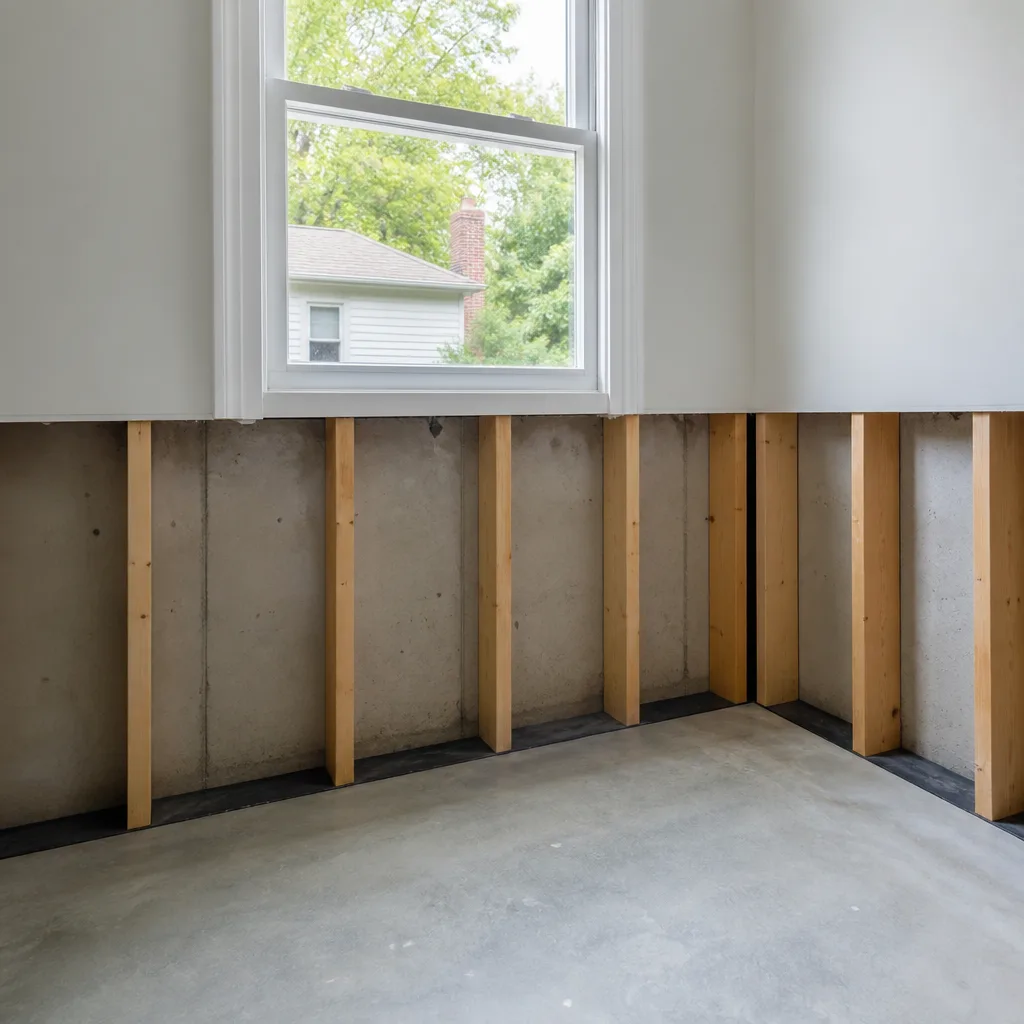


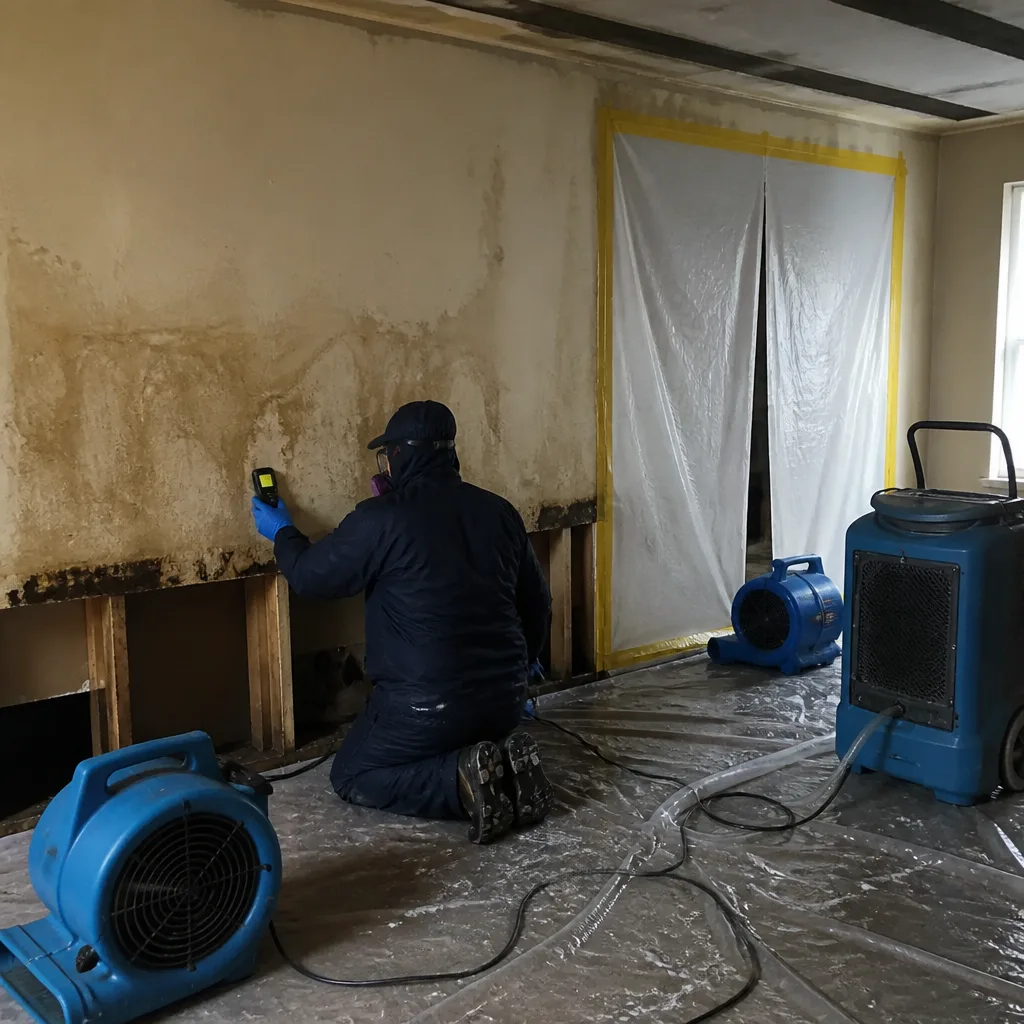 Before
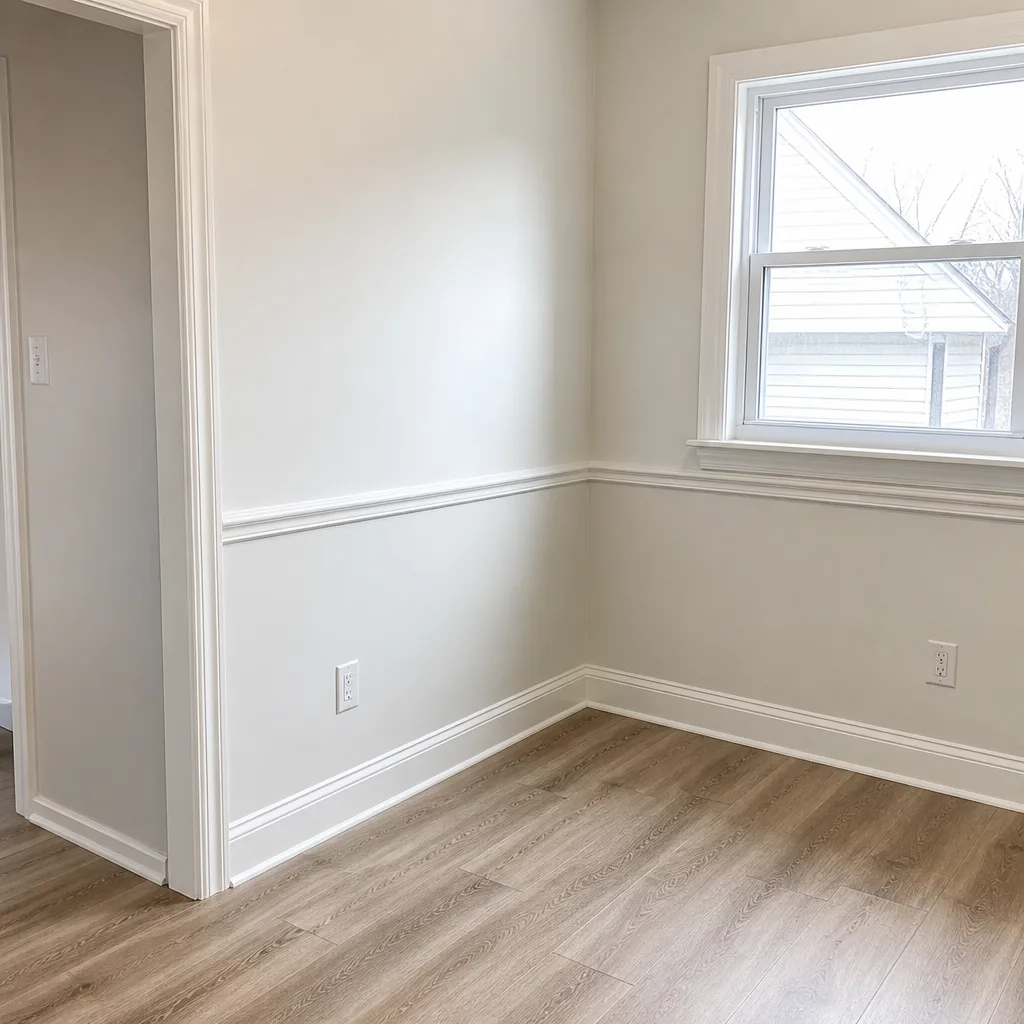 After
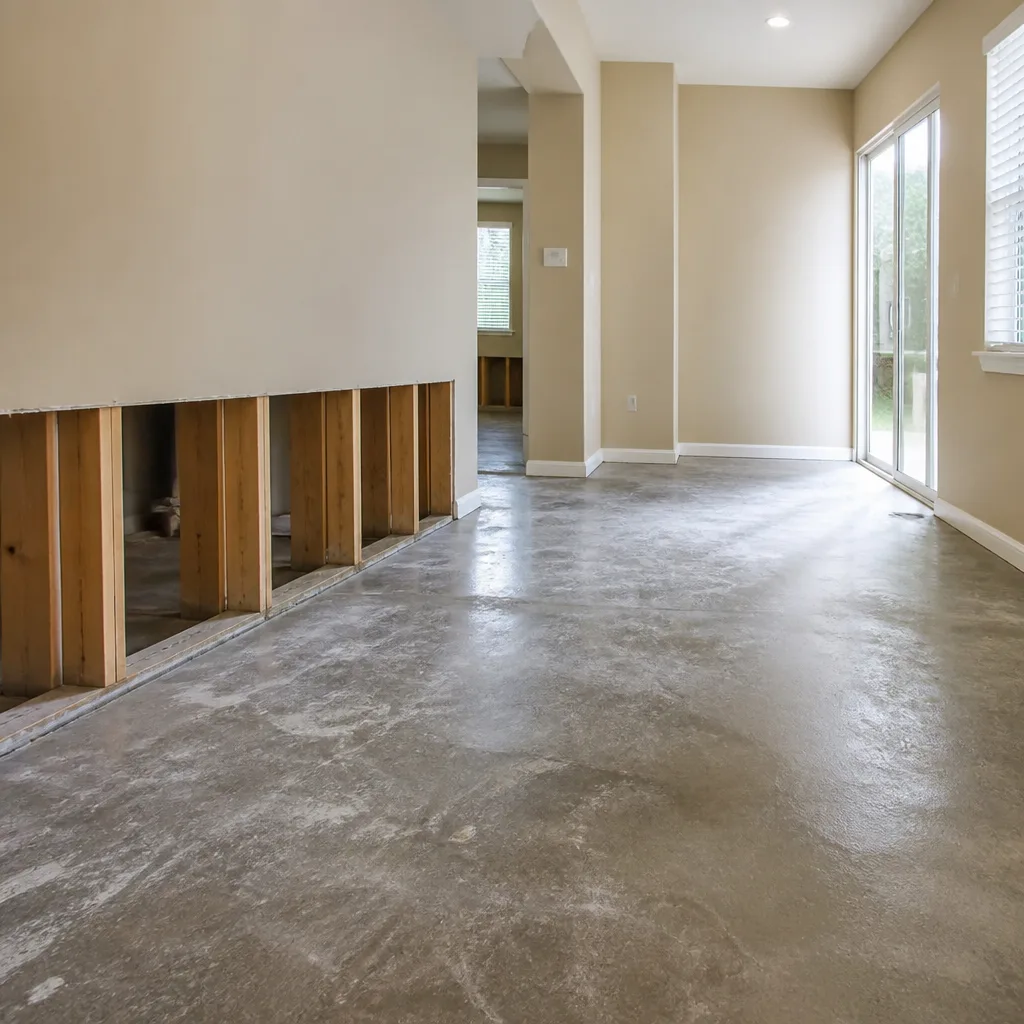
After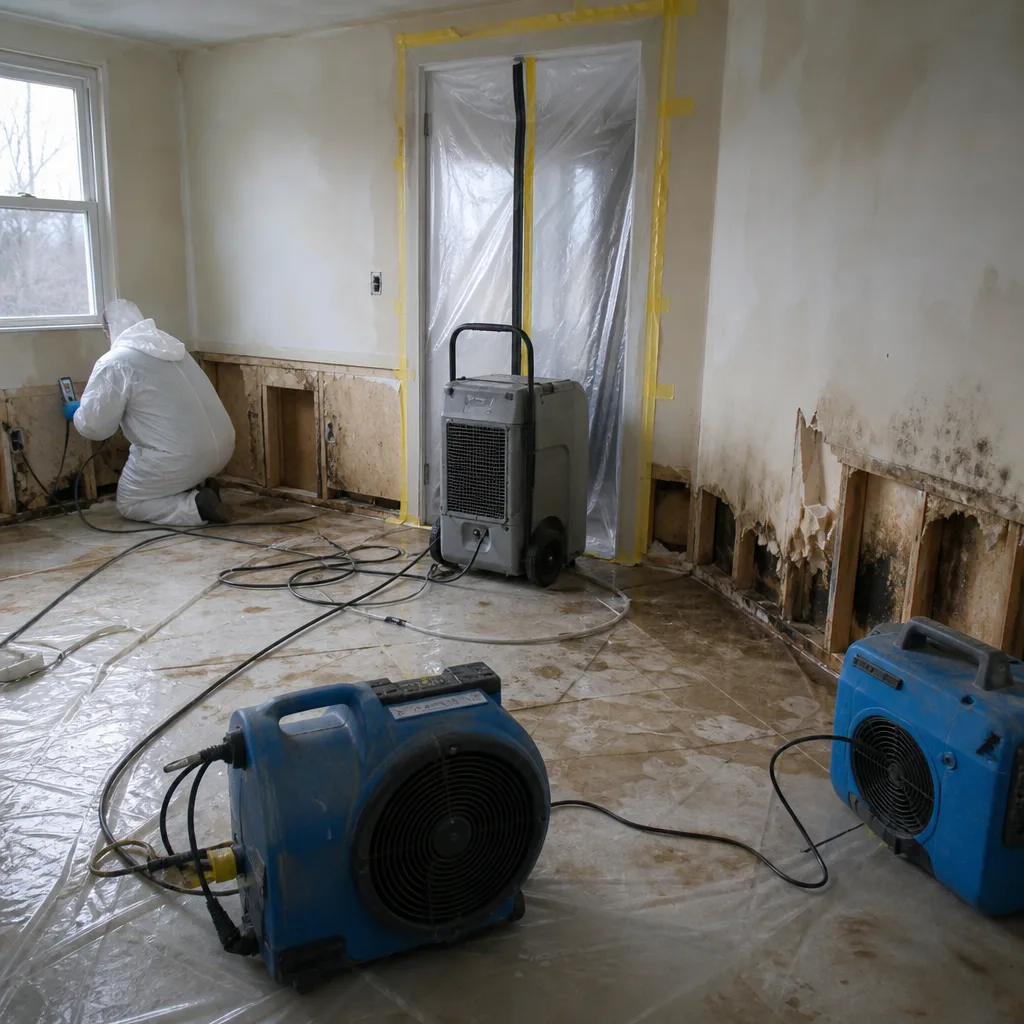 Before
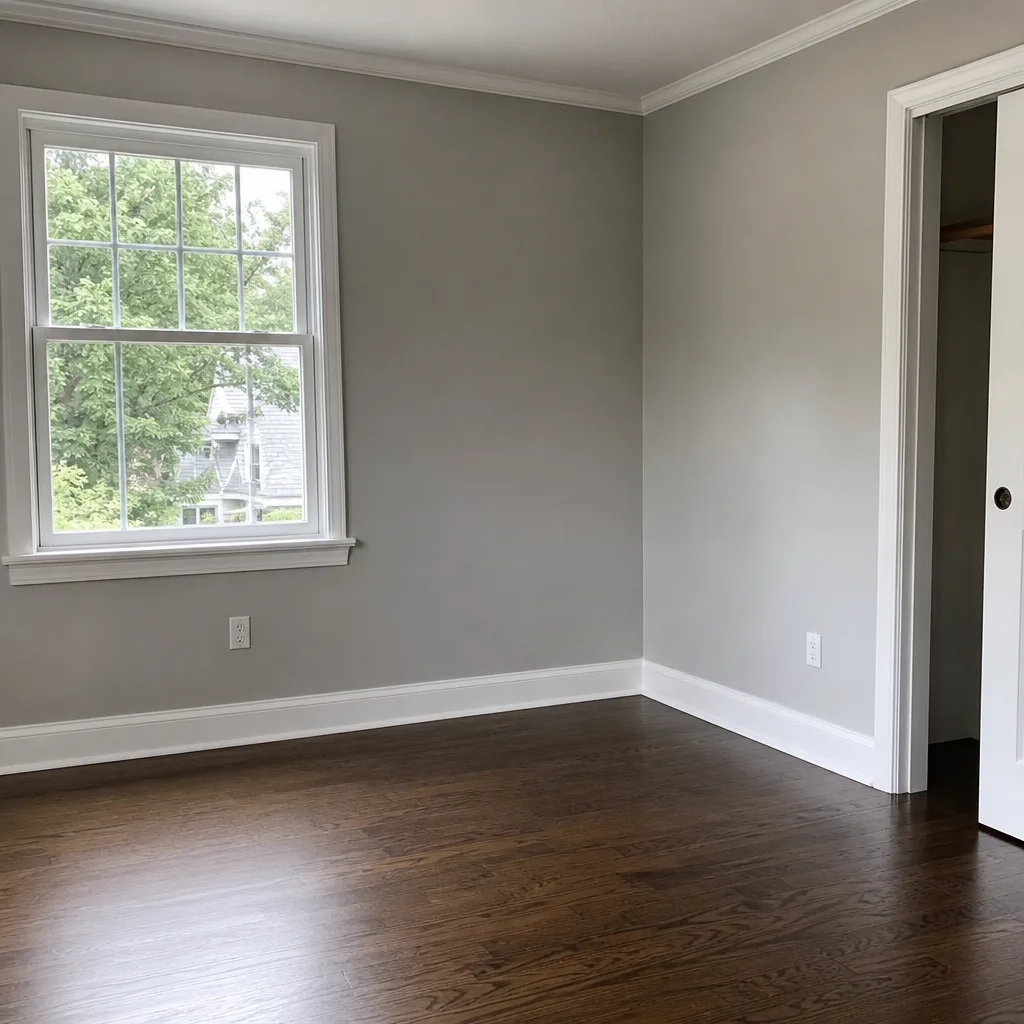 After
After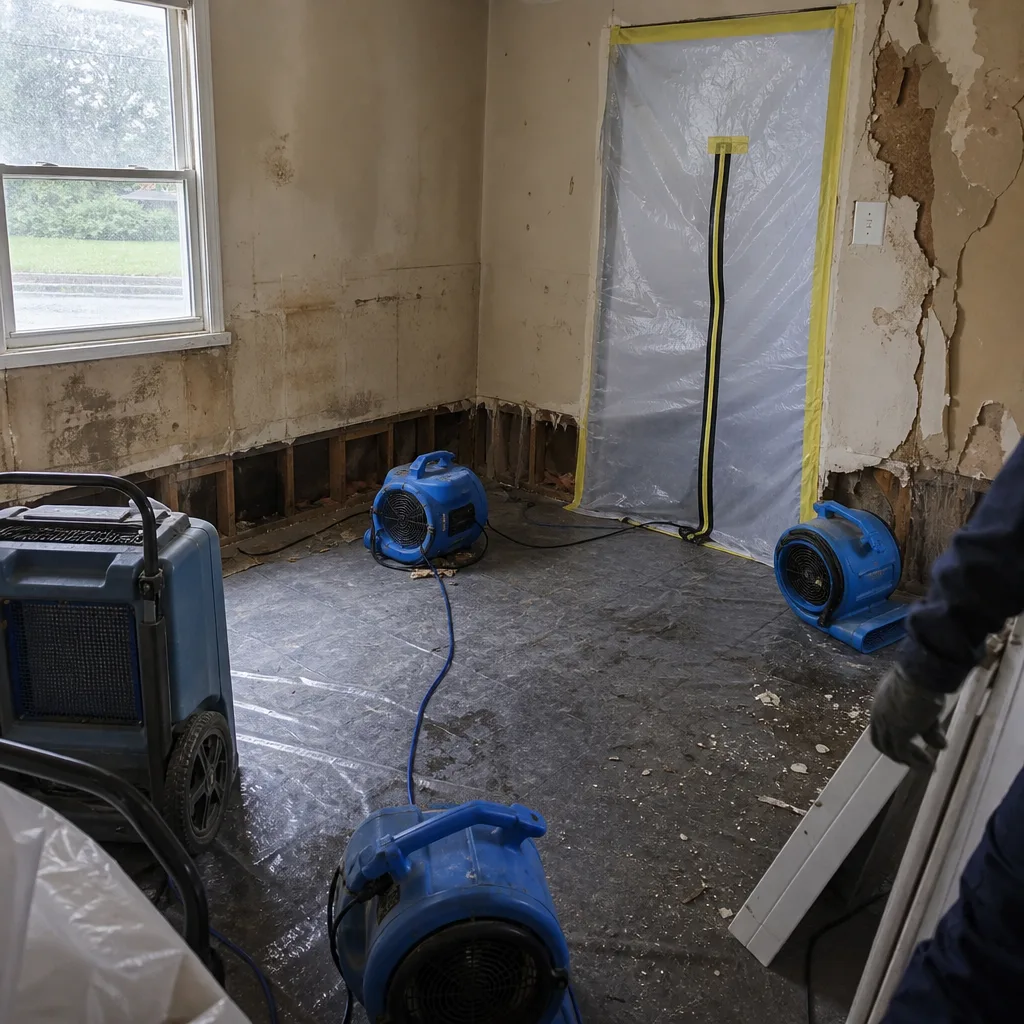 Before
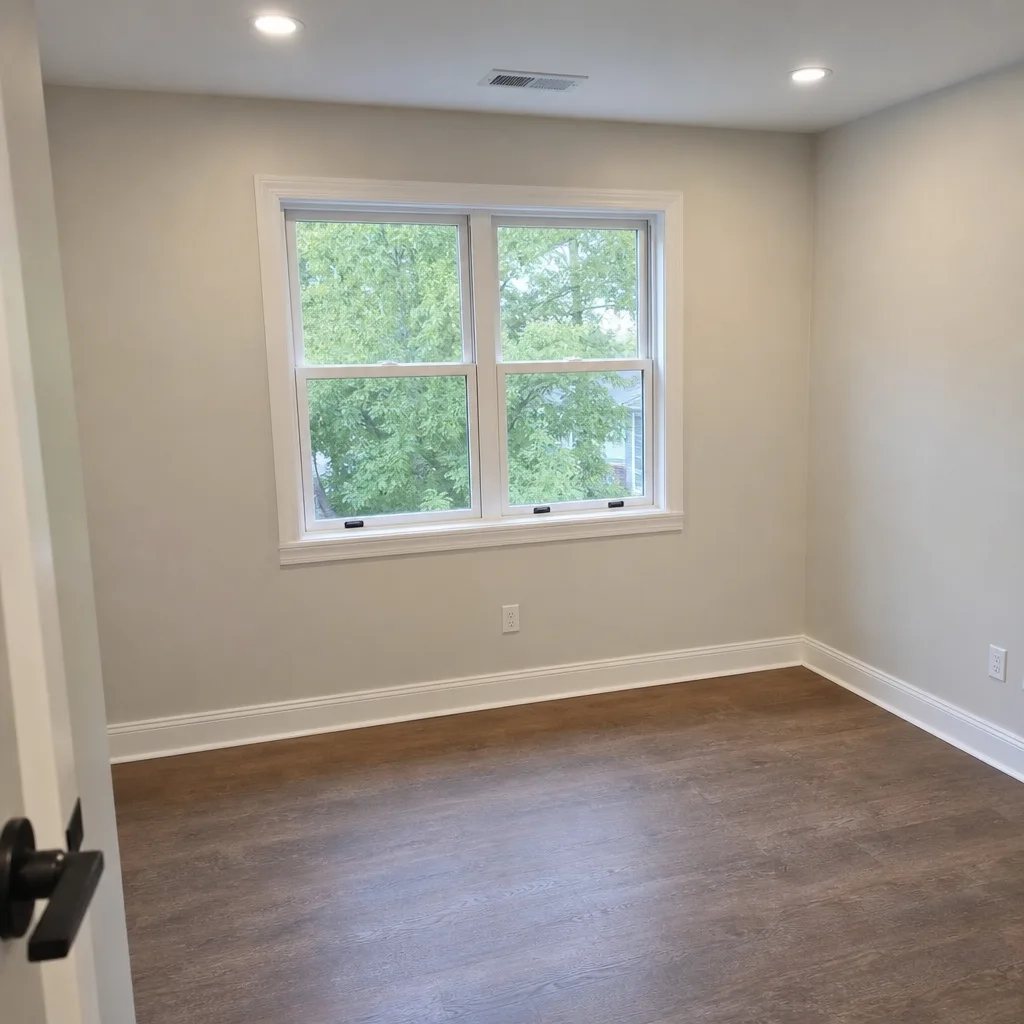 After
After24/7 Emergency Water Damage Restoration in Closter
Water damage in Closter doesn’t wait for business hours, and neither do we. A burst supply line at 2 a.m., a nor’easter pushing the Dwars Kill over its banks, or an ice dam letting go on a steep colonial roof – every one of these demands response within the hour, not the next morning. Call (551) 348-3742 any time, day or night, and a live dispatcher answers. Not a recording. Not a callback queue. A person who knows Closter’s streets and can have a certified crew rolling toward your address immediately.
The first hour after water intrusion is when the real cost gets written. Water migrating through a finished basement, behind plaster-over-lath walls, or under layered hardwood flooring doesn’t announce itself. It soaks in, wicks upward, and starts the clock on mold growth that complicates everything downstream. Our crews arrive with professional-grade Dri-Eaz and XPOWER equipment, thermal imaging, and moisture meters to find what you can’t see yet – and start extraction the same visit.
Understanding Water Damage Restoration Severity in Closter Properties
The severity of a water loss isn’t just about how much water entered. It’s about what category that water is, what it soaked into, and how long it sat before extraction started. We classify every Closter job using the IICRC framework. Category 1 is clean water from a burst supply pipe or failed water heater. Category 2 carries contaminants – think washing machine overflow or sump pump discharge. Category 3 is grossly contaminated water: sewage backups, Dwars Kill floodwater, or storm surge carrying whatever it picked up along the way.
Closter’s housing stock makes severity assessment trickier than in newer towns with uniform drywall construction. Most homes here are colonials and split-levels built from the late 1940s through the 1970s. That means plaster over lath under drywall, multiple flooring generations, and concrete-block foundation walls that behave very differently from poured concrete when saturated. Moisture mapping isn’t optional on these properties. A wall that reads dry on the surface can hold 40% moisture content inside the plaster layer, and standard drywall drying assumptions will miss it entirely. We moisture-map from day one and keep daily readings until the dry standard is met – logged for you and your carrier.
Why Closter Property Owners Choose Floodline Restoration Co.
- 45-minute response commitment to Closter addresses. Our crew is dispatched the moment you hang up, not after a sales call-back.
- A live person answers, 24 hours a day, every day. At 2 a.m. during a nor’easter, you’ll speak with a dispatcher who knows Bergen County, not an automated system.
- IICRC-certified crews. Our technicians hold WRT (Water Damage Restoration Technician) and ASD (Applied Structural Drying) certifications, trained to RIA and IFA standards as well.
- Free visual inspection with a written scope. We document what we find, explain what needs to happen, and agree on the work before any demolition starts.
- Direct insurance billing. We deal with your adjuster, send the documentation, and you never play messenger between Floodline and your carrier.
- One team from extraction to reconstruction. The same certified crew that pulls water on day one rebuilds your finished basement on day thirty. No handoffs, no inherited subs.
Our Water Damage Restoration Process
Inspection & Assessment
We start with thermal imaging and moisture meters to map the full extent of water migration. In Closter’s older homes, this means checking behind plaster, under baseboards, and inside block foundation walls where water hides. You get a written scope before we touch anything.
Extraction / Stabilization
Professional-grade extraction removes standing water fast. We pull the bulk water with truck-mounted and portable extraction units, then stabilize the structure to prevent further movement or collapse risk. The 90-Day Done Right Promise starts here.
Drying & Dehumidification
Dri-Eaz and Phoenix dehumidifiers run continuously, with XPOWER air movers positioned to create airflow across every wet surface. Daily moisture readings track progress against the dry standard. We hand you the log, and we send it to your carrier.
Cleaning & Sanitization
Floodwater from the Dwars Kill watershed carries contaminants. We sanitize and apply antimicrobial treatments to affected surfaces, including behind walls and under flooring where you can’t see but odor persists. Category 3 water gets full containment and disposal protocols.
Specialty Treatment for Closter Homes
Plaster-over-lath walls need slower, deeper drying than gypsum board. Original hardwood over subfloor needs Injectidry systems that dry from underneath. We adapt the treatment to the materials, not the other way around.
Repairs & Restoration
Once dry, we rebuild. Custom millwork matched, hardwood refinished, block walls parged and sealed properly. Everything done by the same certified crew, backed in writing by the 90-Day Done Right Promise.
Need Emergency Water Damage Restoration in Closter Now?
Crews minutes away, answering live 24 hours a day. The sooner we start, the less it costs.
Working With Your Insurance Company
A water loss in a Closter colonial can run five figures by the time plaster, hardwood, and custom built-ins are addressed. Your carrier needs documentation from hour one, not a phone call after demolition has already happened. We photograph every room, log moisture readings daily, and send a line-item scope of work your adjuster can actually process. Our field team calls the adjuster directly. You don’t chase anyone.
What We Provide Your Insurer
- Thorough documentation of the loss
- Photos of all damage, room by room
- Moisture readings and drying logs
- A detailed, line-item scope of work
- Direct coordination with your carrier
Built for Closter’s Loss Calendar
Closter’s water damage season doesn’t follow one clean calendar year because the geography doesn’t cooperate. January and February bring deep freezes that burst supply lines in uninsulated crawl spaces and exterior wall cavities. Many of the borough’s original heating systems run copper supply lines through unconditioned spaces that see single-digit temperatures, and when those lines let go, the water runs for hours before anyone notices a ceiling stain. That’s where ceiling-to-floor water damage in a finished basement starts.
March and April are thaw months, and this is where Closter diverges from towns on higher ground. The borough sits in a terrain pocket below the surrounding Bergen County ridgeline. Snowmelt and spring rains run downhill into the Dwars Kill drainage system, which concentrates that water into residential streets and yards. Basements that stayed dry all winter start seeping through block foundation walls. We see recurring water events in the same homes year after year, and the fix typically involves full wall excavation, not another coat of sealant. Summer brings convective thunderstorms that dump inches of rain in under an hour, overwhelming the watershed capacity and sending water over curb lines into first-floor entries and below-grade garages. Fall nor’easters are the worst. Wind-driven rain finds every gap in flashing, every aging roof valley, every window well that wasn’t graded properly in 1962.
Water Damage Restoration Across Closter’s Neighborhoods
The patterns shift depending on where you are in the borough. Homes along the Harrington Street corridor and the lower-lying streets near the Dwars Kill take the brunt of watershed flooding. These are classic 1950s and 1960s split-levels and colonials with original block foundations, and they flood from the outside in when the drainage system backs up. We’ve done multiple emergency basement water removals on this stretch, and the conversation almost always leads back to hydrostatic pressure against block walls.
Up toward the Closter Golf Center side of town and the neighborhoods around Memorial Park, the bigger issue is older roofing and ice damming. The colonials up there have steeply pitched roofs, and when ice dams form in late February, water backs up under the shingles and runs down inside wall cavities. By the time you see a stain on a bedroom ceiling, the insulation is saturated and the drywall is done. Homes along Demarest Road and the northern end of the borough face a different pattern: mature trees, older sewer laterals, and root intrusion that backs up floor drains during heavy rain. Each area needs a slightly different eye, and our crews know the difference. That’s what forty-two years in the region gets you.
Specialized Water Damage Restoration Services We Offer in Closter
Basement Water Removal
The most common call we get in Closter, full stop. Finished basements under block foundations flood from the outside in when the Dwars Kill watershed overwhelms drainage. We extract the water, strip the affected lower wall sections, and dry the structure properly before any rebuild conversation starts. Skipping this step is how people end up with spalling block walls and mold behind brand-new drywall.
Structural Drying & Dehumidification
Drying a Closter basement isn’t the same as drying a newer sheetrock build. Plaster holds moisture longer. Block walls wick groundwater up from the footing. Original hardwood over subfloor creates trapped vapor layers. We use Dri-Eaz dehumidifiers and XPOWER air movers positioned by moisture map, not by guesswork, and we read the results daily until the dry standard is met.
Ceiling & Roof Leak Water Damage
Ice dams on steep colonial roofs are the primary trigger here. Water enters at the roofline, travels down truss cavities, and saturates ceiling insulation before it ever shows itself as a stain. By the time you see it, the gypsum board above the living space is holding water and the insulation above it is compressed and useless. We open the affected ceiling, dry the cavity, then handle the rebuild including insulation replacement and finish matching.
What happens when you call
- 1
A real person answersNo phone trees - you reach a local pro.
- 2
You get an upfront price rangeHonest numbers before anyone is dispatched.
- 3
A background-checked tech heads outLicensed & insured, dispatched right away.
- 4
You approve before work beginsNothing starts until you say go.
Water Damage Restoration Costs in Closter, NJ
A typical basement water removal and structural drying job in Closter runs $3,200 to $6,800 depending on square footage and how far the water traveled. That covers extraction, equipment placement, daily readings for three to five days, and sanitization. A Category 3 floodwater job from a Dwars Kill overflow or sewer backup runs higher – $7,500 to $14,000 or more – because the work includes full containment, disposal of contaminated material, antimicrobial treatment, and often wall excavation.
Burst pipe restoration involving a finished ceiling and hardwood flooring typically lands between $4,000 and $9,000 once drying, demo, and rebuild are included. Ice dam ceiling repairs with insulation and finish work usually run $2,800 to $6,500 per affected room. The variables are material layers, finish matching, and whether the water sat long enough to require plaster removal. Insurance covers most sudden and accidental losses. A free visual inspection with a written scope is how you know the real number before any walls come open. Call (551) 348-3742 and we’ll send someone out.
We Also Serve Cities Near Closter
Our crews work the surrounding Bergen County boroughs regularly: Water Damage Restoration in Demarest, Norwood, Haworth, and Cresskill. The housing stock is similar, but Closter’s watershed position makes the flood pattern here more concentrated and more frequent. If you live in a neighboring town, we’ll bring the same certified crew and the same written scope.
Serving Closter, NJ - Our Local Coverage Area
We’re based in the Closter area and know this community well. Use the map below to see our service coverage - if you’re nearby, we can almost certainly help.
Closter Water Damage Restoration Questions, Answered
How does Closter’s position in the local watershed affect my basement flood risk compared to neighboring towns?
Closter sits in a terrain pocket below the surrounding Bergen County ridgeline, and the Dwars Kill drainage system funnels stormwater from that higher ground directly into residential streets and yards. Towns like Norwood and Old Tappan sit higher relative to the same drainage patterns. When a nor’easter drops three inches of rain, Closter homes on lower-lying streets take runoff that never reaches those neighboring boroughs at the same volume. Basement flooding here is more frequent and often more severe. Call (551) 348-3742 if you’re seeing water after a heavy rain. Estimates are free.
What water damage issues are unique to Closter’s mid-century colonials and split-levels?
Plaster over lath under drywall is the big one. These layered walls hold moisture longer than modern gypsum board, and standard drying times won’t work. Original hardwood over newer subfloor creates trapped vapor layers that need Injectidry systems drying from underneath. And the concrete-block foundations common in Closter homes built from the late 1940s through the 1970s are far more susceptible to hydrostatic seepage than poured concrete. None of this appears on a franchise playbook. It takes local experience.
Why do I need full wall excavation if I already applied waterproofing paint to my Closter basement block walls?
Paint-on sealers trap moisture inside the block. The water still enters from the outside, driven by hydrostatic pressure from the watershed runoff, but now it can’t evaporate through the interior surface. That trapped water works on the block, causing spalling and efflorescence over time, and the actual water-intrusion path gets hidden behind a coating that looks fine. Full wall excavation means removing the failed sealant, parging the wall properly, and addressing drainage on the exterior. We find this exact condition on a significant percentage of Closter basements.
How soon after a Closter nor’easter should I call for water extraction to prevent mold?
Within the first hour if you can. Mold colonization typically begins 24 to 48 hours after sustained water exposure, but in a finished basement with drywall and carpet, the clock starts the moment water enters. If the Dwars Kill watershed has pushed floodwater into your home, that water is Category 3, and every hour it sits increases contamination spread. We answer live 24/7 and can have extraction running the same visit. Call (551) 348-3742 the moment you see water.
What role do ice dams play in water damage restoration for Closter homes with steep roofs?
Steep colonial roofs are prime ice dam territory. Snow melts high on the roof, water runs down to the cold eaves, refreezes, and builds a dam. Meltwater then backs up under shingles and runs into the soffit and down interior wall cavities. By the time a ceiling stain appears, insulation is soaked and gypsum board is holding water. We open the affected ceiling, dry the cavity fully, replace insulation, and rebuild. Then we talk about ventilation and insulation fixes so it doesn’t recur next February.
Will my insurance cover water damage restoration in Closter?
Most standard homeowners policies cover sudden and accidental water damage, including burst pipes, appliance failures, and storm-driven water entering the structure. Flood water from the Dwars Kill watershed backing up into your basement is where policies get complicated. That’s flood damage, not water damage, and standard policies typically exclude it. We work with your adjuster directly and document everything from the first hour, so you’ll know exactly where coverage stands before work proceeds. Call us for a free inspection and we’ll walk it through.
How long does structural drying take in a Closter home?
Three to five days for most basement and ceiling jobs, longer if plaster-over-lath walls are involved. Block foundation walls need additional time because groundwater keeps feeding the lower courses. We take daily moisture readings and hand you the log. The drying standard is a number, not a timeline, and we don’t sign off until the meters read dry. For a specific timeline on your property, call (551) 348-3742.
Can we stay in our Closter home during water damage restoration?
Usually yes, for Category 1 and 2 water losses. The affected area gets contained and isolated, and our drying equipment runs continuously. For Category 3 floodwater or sewage backup, we recommend vacating the affected floor until sanitization and containment are complete. We’ll tell you honestly either way, in writing, and your insurance company gets the same documentation.
If you’re dealing with water in your Closter home right now, call (551) 348-3742. A live person answers, and a certified crew headed by experienced Water Damage Restoration in Closter professionals will be dispatched immediately. Free inspection, written scope, done right and backed in writing.
Written by Curt Bowman, Owner at Floodline Restoration Co., serving Closter, NJ and surrounding Bergen County communities since 2010.