
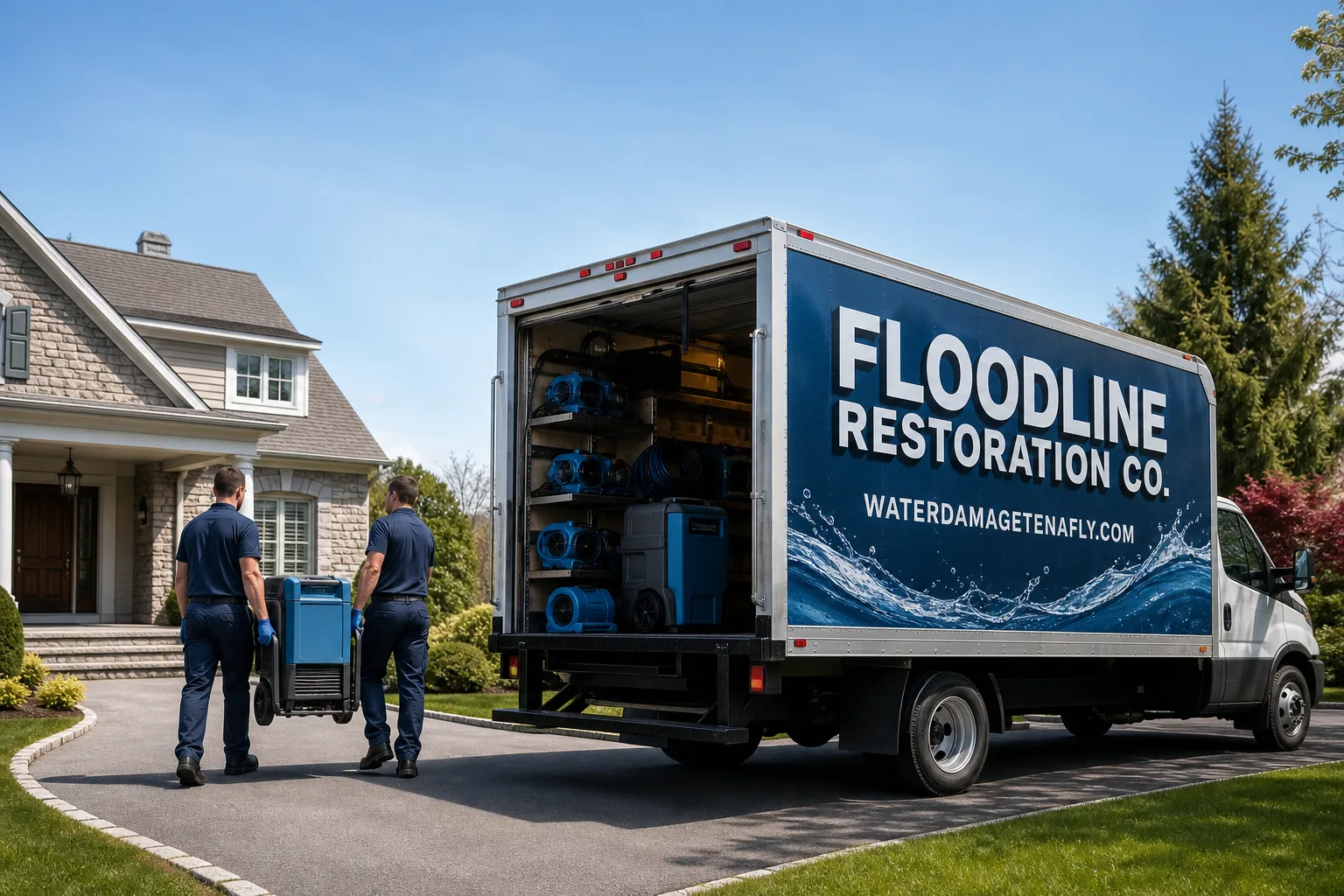
Free visual inspection and a written scope of work before any mitigation begins - photos, moisture readings, and drying logs go in your claim file
The scope we write is the scope we bill. Anything new gets shown to you, in writing, before we touch it.
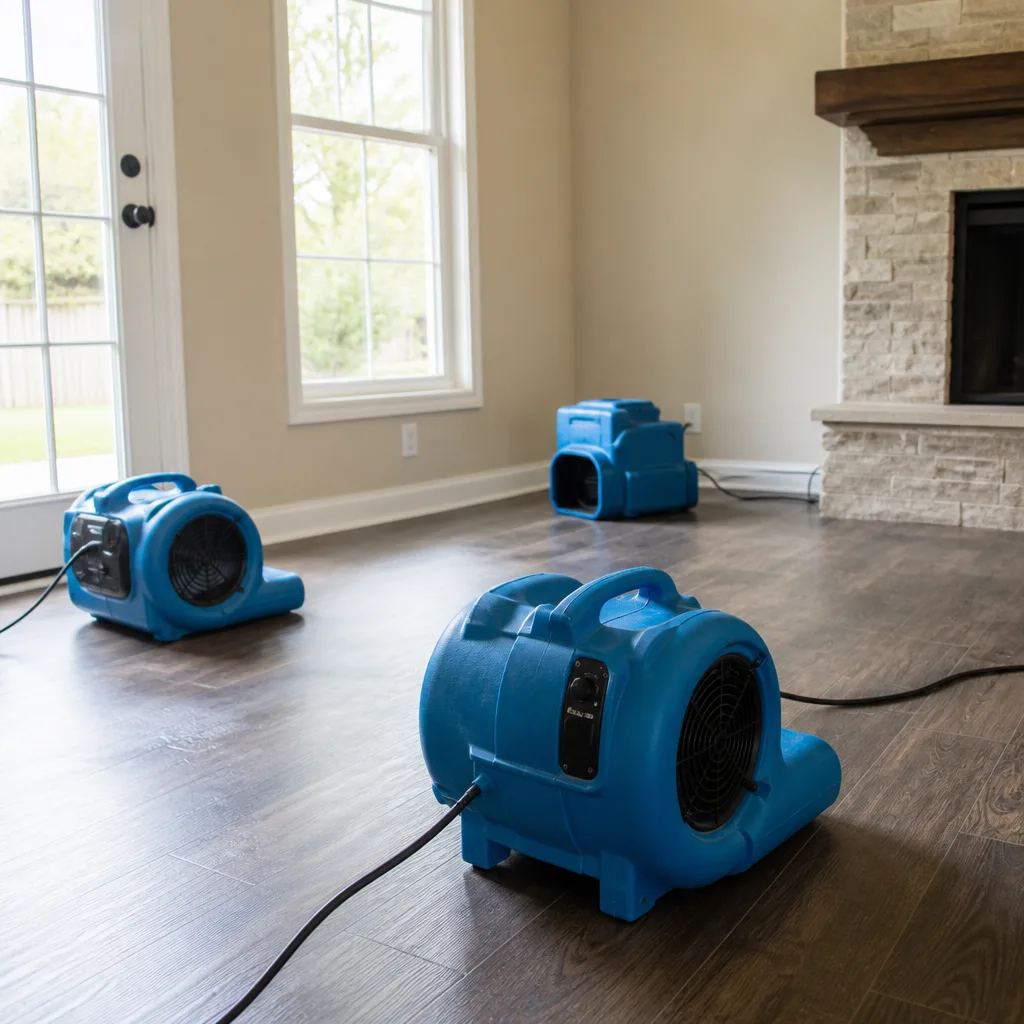



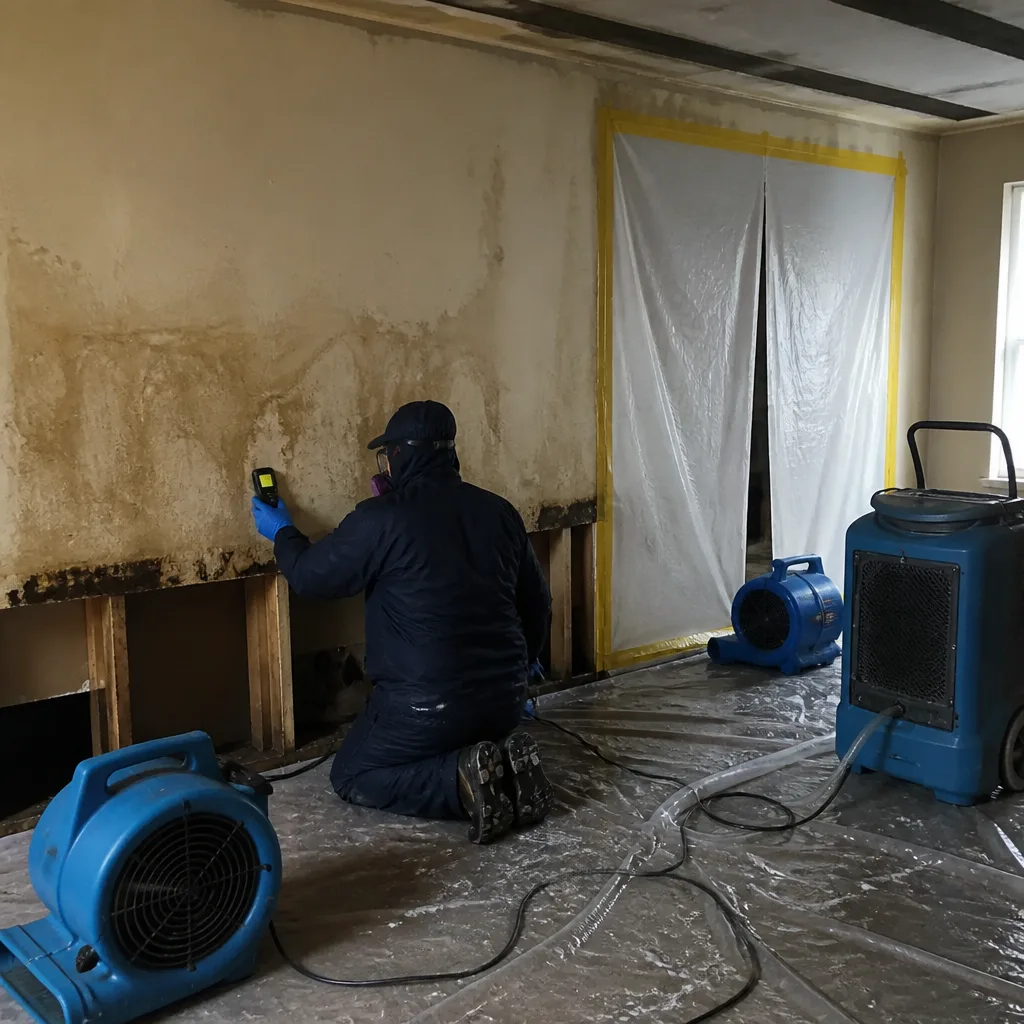 Before
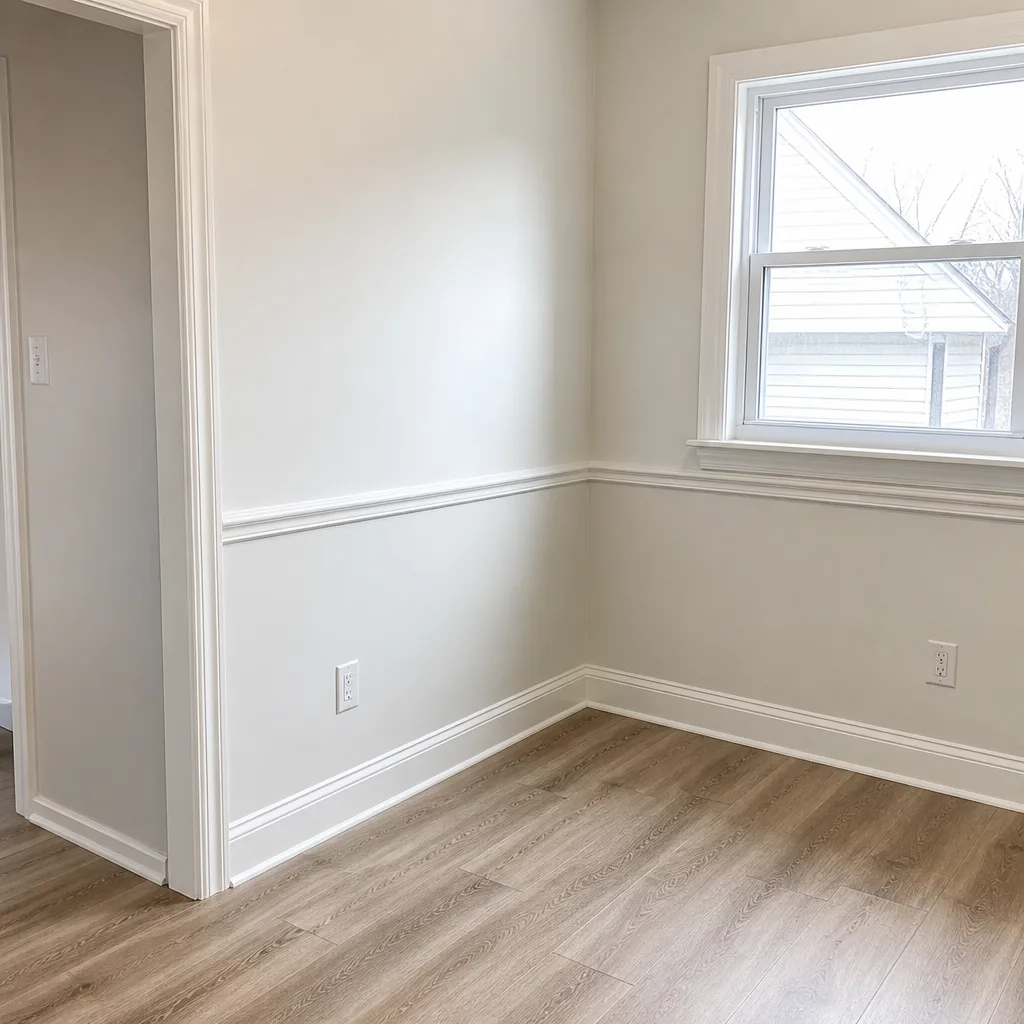 After
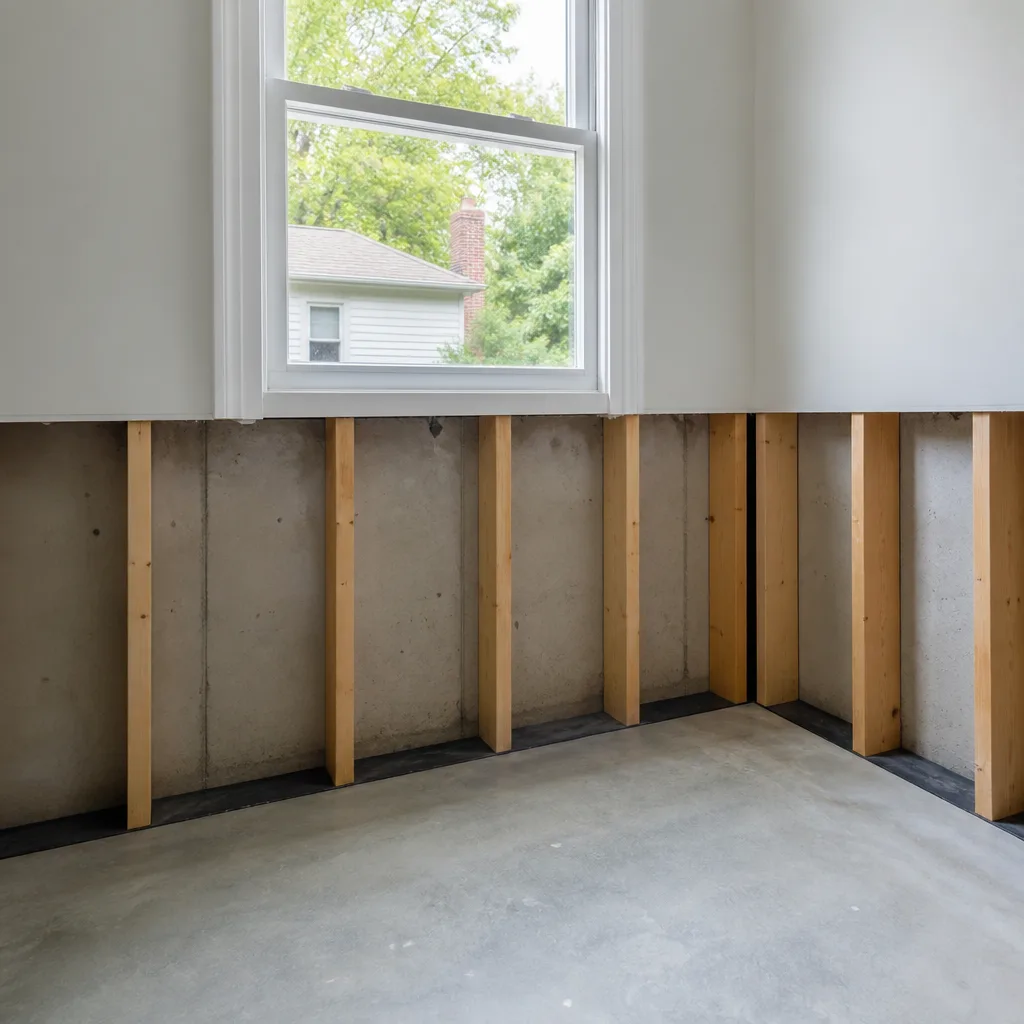
After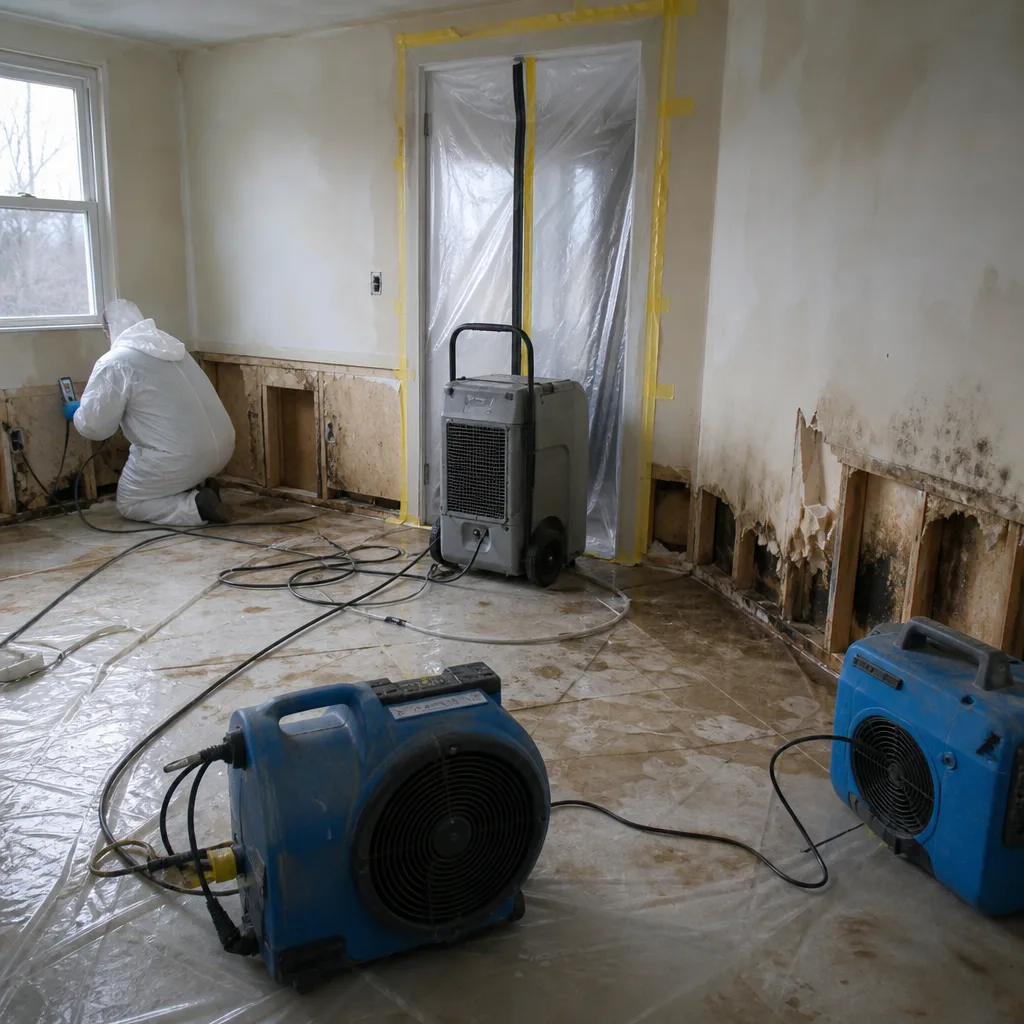 Before
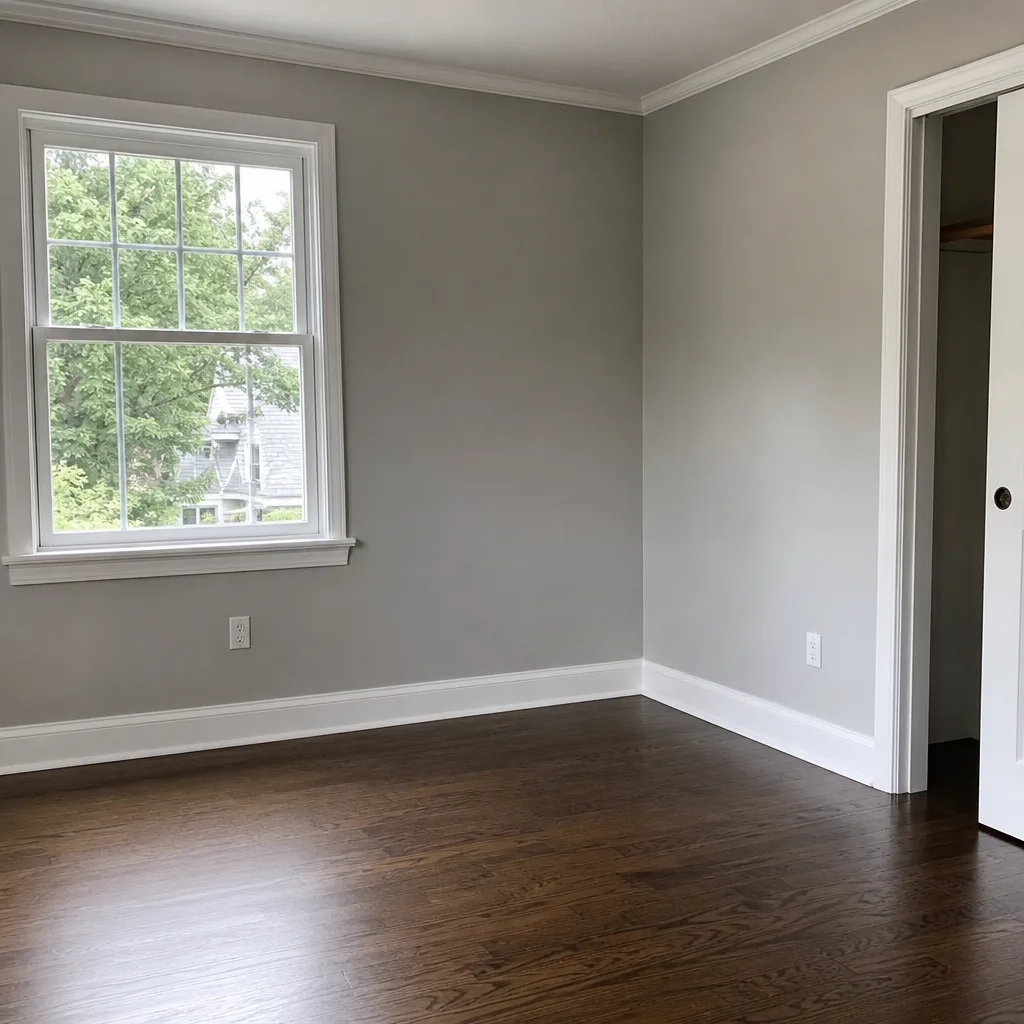 After
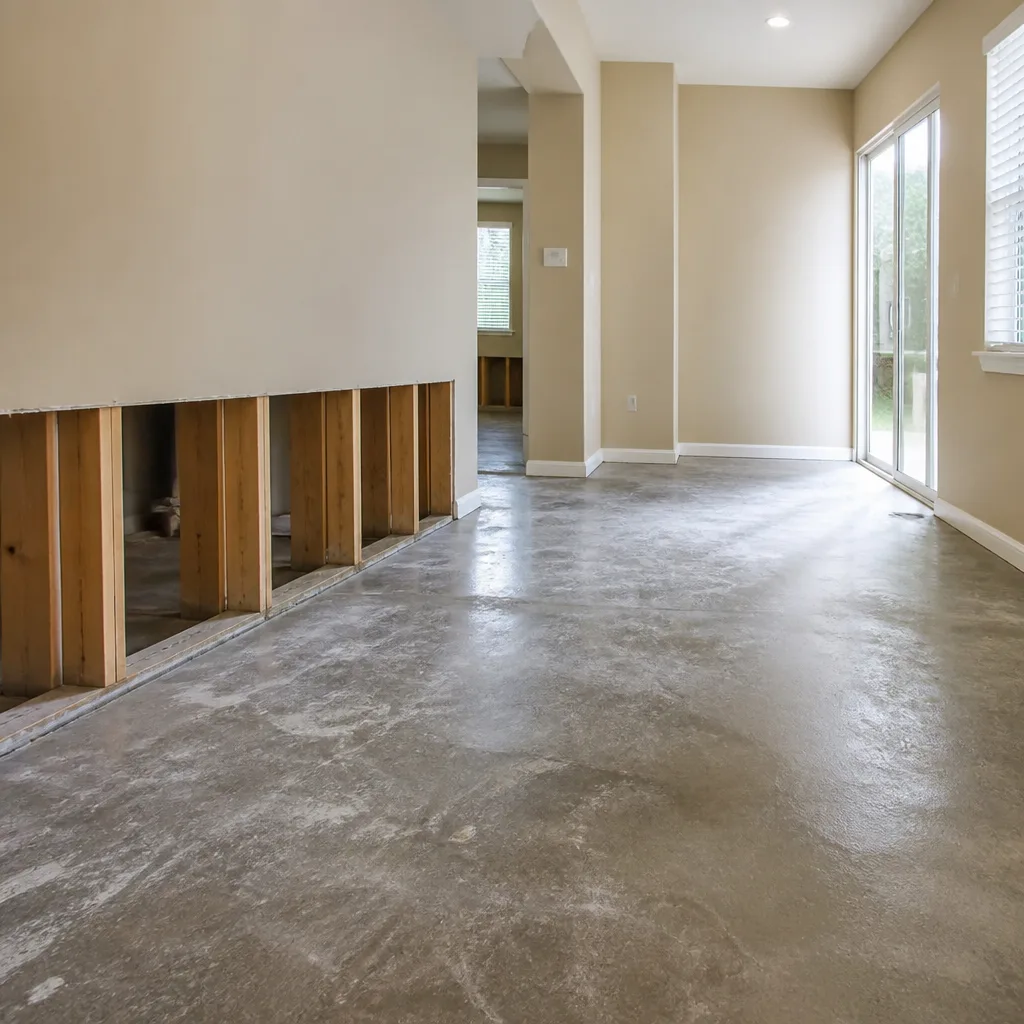
After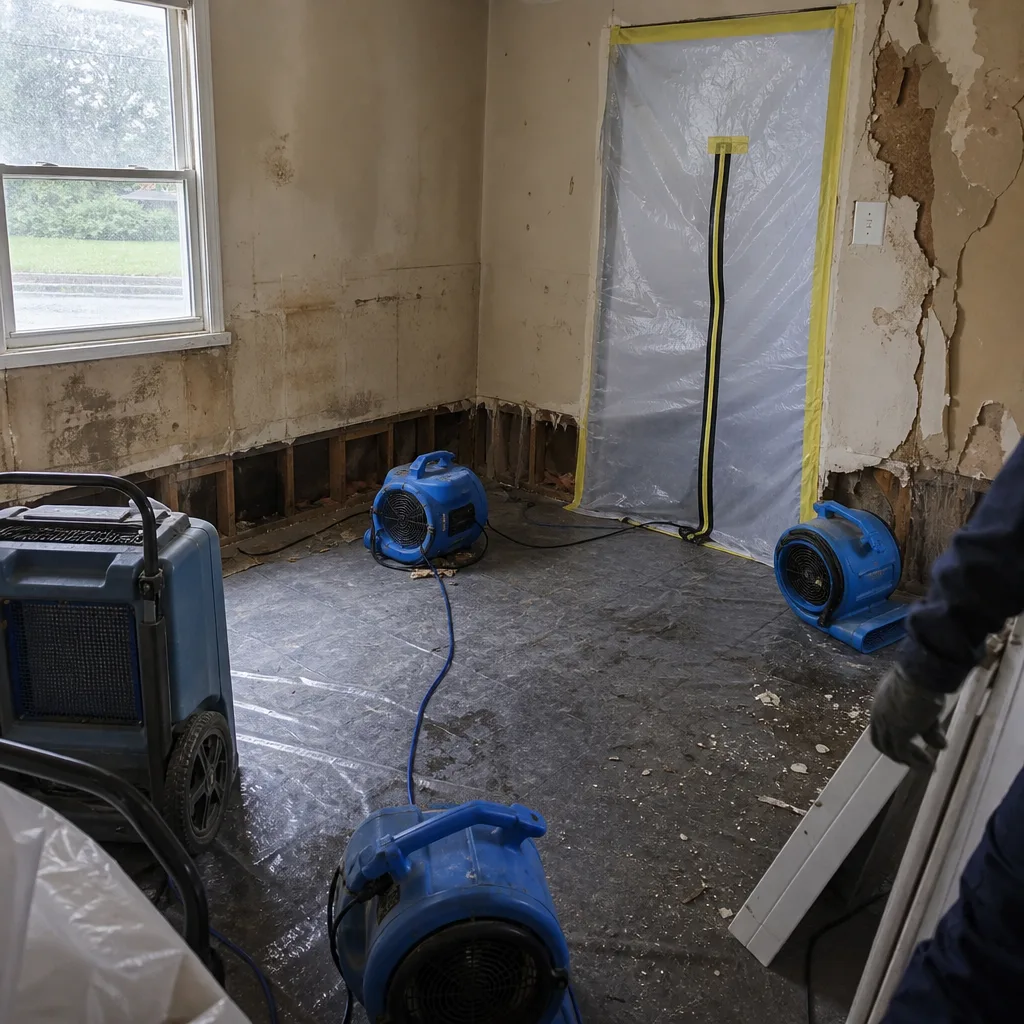 Before
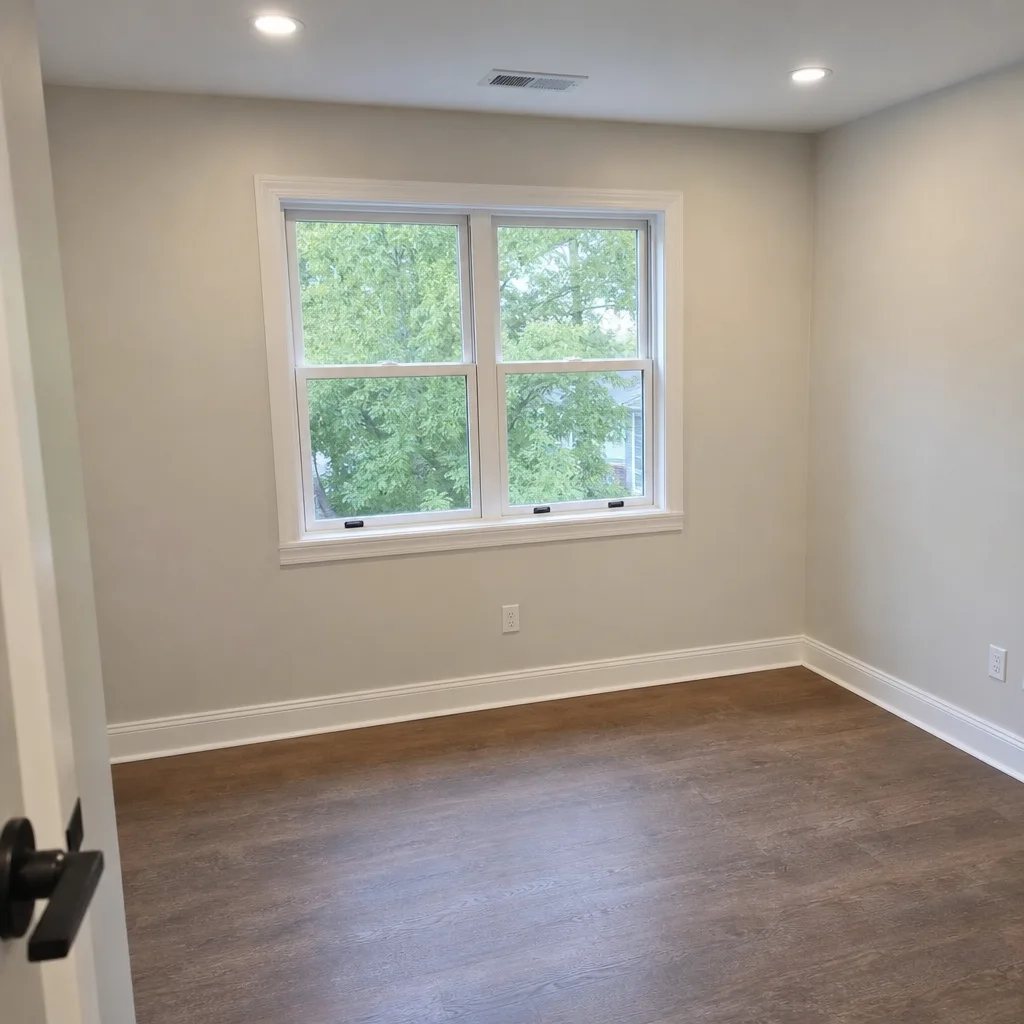 After
After24/7 Emergency Storm & Disaster Restoration in Tenafly
Storm and disaster restoration in Tenafly starts the moment water, wind, or fallen debris breaches your home. Whether it’s a nor’easter pushing the Tenakill Brook over its banks or a summer squall dropping a limb through a slate roof, our crews begin extraction and stabilization the same visit. A live dispatcher answers at (551) 348-3742 around the clock, every day of the year. The first hour matters most: category 3 floodwater saturating a 1920s plaster wall assembly does more damage in sixty minutes than most people realize, and board-up delays leave century-old framing exposed to additional rain. We’ll send a background-checked, uniformed crew to your Tenafly address, conduct a free visual inspection, and start mitigation before the water line climbs any higher.
Understanding Storm & Disaster Restoration Severity in Tenafly Properties
Tenafly’s housing stock changes how we classify and treat storm damage. The borough’s early-to-mid 20th-century colonial revivals, Tudors, and Craftsman homes were built with thick plaster walls over wood lath, old-growth hardwood floors, and detailed millwork that absorbs water differently than modern drywall assemblies. Water from Tenakill Brook overflows typically arrives as category 3 water: heavily contaminated with soil, roadway runoff, and sewage. That demands full containment, antimicrobial treatment, and often removal of saturated materials down to framing. We use moisture mapping with thermal imaging and penetrating meters to identify hidden saturation inside multi-layer plaster assemblies, where water wicks upward behind baseboards and into wall cavities. Then structural drying begins with Dri-Eaz dehumidifiers and high-velocity air movers, with daily hygrometer readings logged until framing drops below 15% moisture content. In older homes, that process takes longer than in new construction because original plaster holds water longer and releases it more slowly than gypsum board.
Why Tenafly Property Owners Choose Floodline Restoration Co.
- 45-minute response commitment to Tenafly addresses, with a live dispatcher routing the nearest available certified crew when you call (551) 348-3742.
- 24/7 live answer, every time - a real person picks up at 2 a.m., not a recording, so mitigation starts the same visit, not the next morning.
- IICRC-certified crews trained to WRT (Water Restoration Technician) and FSRT (Fire & Smoke Restoration Technician) standards, with RIA and IFA coursework completed by our field leads.
- Free visual inspection of your Tenafly property, with a written scope of work and firm price before any restoration begins.
- Direct insurance billing - we coordinate with your adjuster, provide photo documentation and moisture logs, and bill the carrier directly so you’re not playing messenger.
- One team from extraction to reconstruction - the same Floodline crew that pumps out the basement also rebuilds the finished space, matching original trim profiles and plaster thickness.
Our Storm & Disaster Restoration Process
Inspection & Assessment
We arrive, walk the property with you, and map the damage. Thermal imaging and penetrating moisture meters identify hidden water inside plaster walls, under hardwood floors, and behind recently patched drywall from prior storms.
Extraction / Stabilization
Truck-mounted extraction pulls standing water from basements, crawl spaces, and lower floors. For storm damage, stabilization means emergency board-up of broken windows, roof tarping, and debris removal from structural openings.
Drying & Dehumidification
Dri-Eaz and Phoenix dehumidifiers, XPOWER air movers, and Injectidry systems go in on day one. We log moisture readings daily until every material reaches the dry standard - typically below 15% for framing, below 9% for hardwood.
Cleaning & Sanitization
Category 3 water and storm debris leave contamination behind. We clean all affected surfaces, apply antimicrobial treatments, and run HEPA air scrubbers where mold spores are present or suspected.
Specialty Storm Treatment
For Tenafly’s older homes, this means stripping recurrent mold behind patched drywall, treating saturated plaster assemblies, and stabilizing original millwork that’s still salvageable with careful drying rather than wholesale demolition.
Repairs & Restoration
We rebuild to match. Custom millwork profiles, plaster thickness, and flooring species get matched to the original home, not swapped for stock materials. The job isn’t done until the rebuild is finished and the 90-Day Done Right Promise is in your hands.
Need Emergency Storm & Disaster Restoration in Tenafly Now?
Crews minutes away, answering live 24 hours a day. The sooner we start, the less it costs.
Working With Your Insurance Company
Storm damage claims in Tenafly move faster when documentation starts in the first hour. We photograph every affected room before demolition, record moisture readings from day one, and provide a line-item scope of work that matches industry-standard estimating software your carrier already recognizes. When your adjuster visits, we walk the property together and point out everything the photos show. The 90-Day Done Right Promise stands behind the work, and the Keystone Standard means we don’t argue about what was promised - it’s in writing, backed by the K.E.Y.S. values code.
What We Provide Your Insurer
- Thorough documentation of the loss
- Photos of all damage, room by room
- Moisture readings and drying logs
- A detailed, line-item scope of work
- Direct coordination with your carrier
Built for Tenafly’s Loss Calendar
Tenafly sits at the foot of the Palisades escarpment, and that geography drives a predictable storm-loss calendar. In January and February, the older slate and steep-gabled roofs along hillside streets like Buckingham Road and West Clinton Avenue are prone to ice damming, which pushes meltwater into attics and top-floor ceilings. March and April bring thaw and spring rain, saturating the ground until basement seepage finds cracks in 1920s foundations. Summer thunderstorms hit fast, dumping an inch of rain in an hour onto ground already impermeable from a hard, dry stretch. Then comes hurricane season, when nor’easters and tropical remnants push the Tenakill Brook over its banks and into the same basements in the central and lower-lying sections of the borough that flooded during Irene, Sandy, and Ida. The pattern repeats, and previous restoration work frequently fails on the second or third event because it was never fully dried the first time.
Storm & Disaster Restoration Across Tenafly’s Neighborhoods
The response routes and loss patterns vary across Tenafly’s neighborhoods. Along the Tenakill Brook corridor - the streets near Hillside Avenue, Grove Street, and Westervelt Avenue - we typically see category 3 water in finished basements, with recurrent mold behind drywall that was patched after a prior named storm. On the higher ground near the Palisades escarpment, along East Clinton Avenue and the hillside streets leading up to the Englewood border, wind damage to steep-pitched slate and clay-tile roofs is the more common call, along with ice damming in deep-winter months. The central downtown area, with its mix of early 1900s housing and mid-century remodels, sees a combination of roof leaks, plaster saturation, and foundation seepage. On the eastern side of town, toward Cresskill and Bergenfield, slab-on-grade and split-level homes built in the 1960s and 1970s flood differently than the colonial revivals closer to the brook. Each Tenafly neighborhood has distinct building types, drainage patterns, and loss histories, and our crew routings account for that.
Specialized Storm & Disaster Restoration Services We Offer in Tenafly
Flood Damage Restoration
Flood restoration in Tenafly means more than pumping out a basement. Along the Tenakill Brook corridor, we know that basements flooded in Irene, Sandy, and Ida often have hidden mold behind drywall that was replaced but never properly dried. Our Storm & Disaster Restoration team strips to framing only when necessary, but we test moisture first and show you the readings. Salvageable original features get dried in place wherever possible.
Storm Damage Cleanup
Storm debris, downed trees, and wind-driven rain leave a specific kind of mess on Tenafly’s properties. We remove debris from roofs, yards, and access points, then assess whether the underlying structure was compromised. On older homes with original slate roofs, cleanup requires care - slate tiles break under foot traffic, so roping and lifting techniques are used rather than climbing directly on damaged sections.
Emergency Board-Up
A broken window on a 1920s colonial revival isn’t just glass - it’s a source of ongoing water intrusion into plaster walls and original millwork. We board up broken windows and doors within hours of your call, using plywood cut to the opening and anchored without damaging original trim. Board-up also prevents animals, additional rain, and unauthorized entry until permanent repairs are scheduled.
Roof Tarping
When wind lifts slate or clay tiles, or a tree limb punctures a steep gable, tarping stops the water before it reaches finished ceilings below. We anchor tarps over the damaged section with battens and screws, sealing the edges against wind-driven rain. On Tenafly’s hillside streets, proper tarping is critical - a failed tarp on a windy ridge means a second round of water damage by morning.
Debris Removal
Storm debris in Tenafly ranges from fallen limbs and leaves to torn shingles, broken glass, and saturated insulation. We clear it safely, separating materials for disposal according to what your insurer needs documented. Debris removal is often the first step in stabilizing the property, before extraction and drying can begin.
What happens when you call
- 1
A real person answersNo phone trees - you reach a local pro.
- 2
You get an upfront price rangeHonest numbers before anyone is dispatched.
- 3
A background-checked tech heads outLicensed & insured, dispatched right away.
- 4
You approve before work beginsNothing starts until you say go.
Storm & Disaster Restoration Costs in Tenafly, NJ
Honest numbers for Tenafly’s market. Flood damage restoration in a finished basement along the Tenakill Brook corridor typically runs $4,500 to $15,000 depending on the size of the space and whether category 3 water requires full tear-out. Storm damage cleanup alone - debris removal, drying, and basic sanitization without rebuild - usually falls between $1,800 and $6,000 in Tenafly. Emergency board-up runs $400 to $1,200 depending on the number and size of openings. Roof tarping for a steep slate roof averages $600 to $1,500, more if the damaged area is difficult to access safely. Wind damage repair starts around $2,500 for modest repairs and rises with the extent of structural damage and whether custom millwork or period materials must be matched. Insurance covers most storm and flood restoration when the cause is a covered peril, minus your deductible. The free visual inspection establishes a firm written scope before we start, so you know the number up front. Call (551) 348-3742 for a precise quote - estimates are free.
We Also Serve Cities Near Tenafly
Floodline Restoration Co. serves the surrounding Bergen County communities with the same live 24-hour dispatch and certified crews. Our storm and disaster restoration routes also cover Tenafly‘s neighbors in Cresskill, Bergenfield, Englewood, and Dumont, with crews staged to reach any of these towns quickly when a storm hits the Palisades ridge and the Tenakill Brook watershed.
Serving Tenafly, NJ - Our Local Coverage Area
We’re based in the Tenafly area and know this community well. Use the map below to see our service coverage - if you’re nearby, we can almost certainly help.
Tenafly Storm & Disaster Restoration Questions, Answered
How many times have certain basements near Tenakill Brook flooded in the past decade, and what does that mean for restoration?
Some basements in the Tenakill Brook corridor have flooded in three separate named storms - Irene in 2011, Sandy in 2012, and Ida in 2021. That means restoration on those properties isn’t a one-time cleanup; it’s often the third or fourth attempt, and the first step is checking for hidden mold behind drywall that was patched but never properly dried. Call (551) 348-3742 to have a certified crew assess the full scope of your basement’s history and current condition.
Does Tenafly’s older housing stock change how you handle storm water extraction and drying?
Yes. Original plaster walls, wood lath, and old-growth hardwood floors absorb and release water differently than modern materials, so drying takes longer and requires moisture mapping to confirm the framing has reached the dry standard before anything is closed up. We use Dri-Eaz dehumidifiers and Phoenix air movers, and we log daily readings until materials are proven dry.
What category of floodwater do Tenafly basements usually see during a Tenakill Brook overflow?
Category 3 water - the most heavily contaminated classification, carrying soil, roadway runoff, and often sewage. That means full containment, antimicrobial treatment, and removal of saturated porous materials is required. Anything less leaves contamination behind in your basement.
Can you restore custom millwork and plaster after a storm flood in Tenafly, or does it all have to be replaced?
Much of it can be saved with the right approach. Custom baseboards, door casings, and built-ins that haven’t fully saturated can be dried in place or removed, cleaned, and reinstalled. Plaster that has held together but shows water stains often needs refinishing rather than full replacement, but we’ll match the original profiles and texture when replacement is necessary. The goal is that you can’t see where the repair was made.
How do you handle the recurring water stains and mold behind drywall in Tenafly basements that were previously ‘restored’?
We test moisture first. If the framing is still above 15% moisture content, the previous restoration never fully dried the assembly. We strip the affected area, set up containment with HEPA air scrubbing, and run structural drying until the readings show pre-loss condition - then rebuild with materials that match the rest of the space. The 90-Day Done Right Promise covers the result in writing.
How fast can a Floodline crew reach my Tenafly home after I call?
Our commitment is a 45-minute response for emergency storm and disaster calls in Tenafly, depending on crew routing from nearby Bergen County locations. A live dispatcher routes the nearest available certified crew when you call (551) 348-3742, any hour of any day.
Will my homeowners insurance cover storm damage and flood restoration on my Tenafly property?
Storm damage from wind, hail, and falling trees is typically covered under standard homeowners policies, minus your deductible. Flood damage from Tenakill Brook overflows requires a separate flood insurance policy through the NFIP or a private carrier. We document everything from the first hour, coordinate directly with your adjuster, and bill the carrier directly so you’re not the one chasing paperwork.
What should I do in the first 30 minutes after storm water enters my Tenafly home?
Call us at (551) 348-3742 first. Then, if safe, shut off power to the affected area at the breaker panel - don’t enter standing water in a finished basement that may have electrical outlets submerged. Move valuables and documents to higher ground if you can do so quickly. Don’t attempt to pump out category 3 water yourself; contaminated water requires professional handling and proper disposal. Our crew will handle it from there.
Written by Curt Bowman, Owner at Floodline Restoration Co., serving Tenafly and the surrounding Bergen County communities with full-cycle storm, flood, and disaster restoration since 2010.