
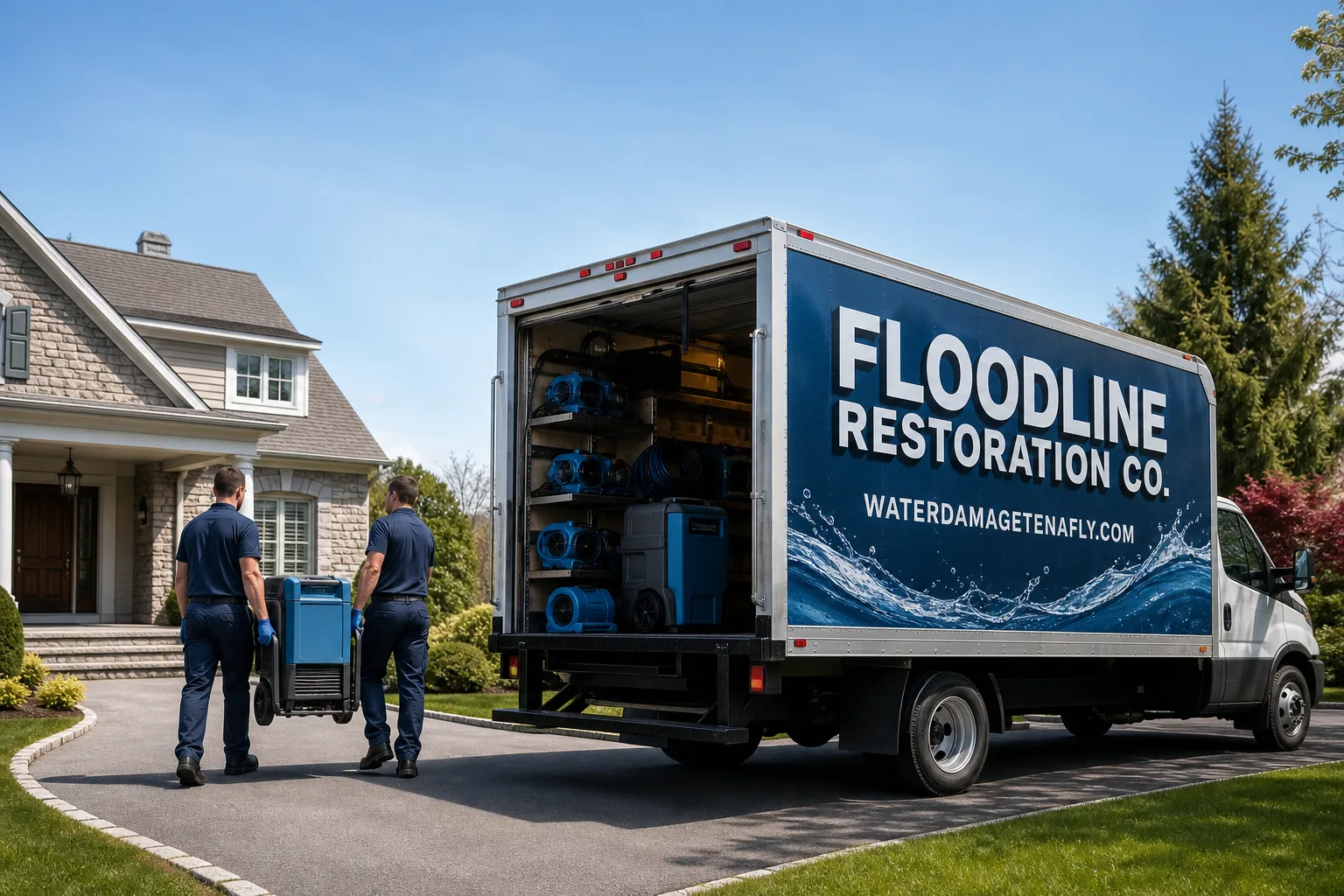
Free visual inspection and a written scope of work before any mitigation begins - photos, moisture readings, and drying logs go in your claim file
The scope we write is the scope we bill. Anything new gets shown to you, in writing, before we touch it.
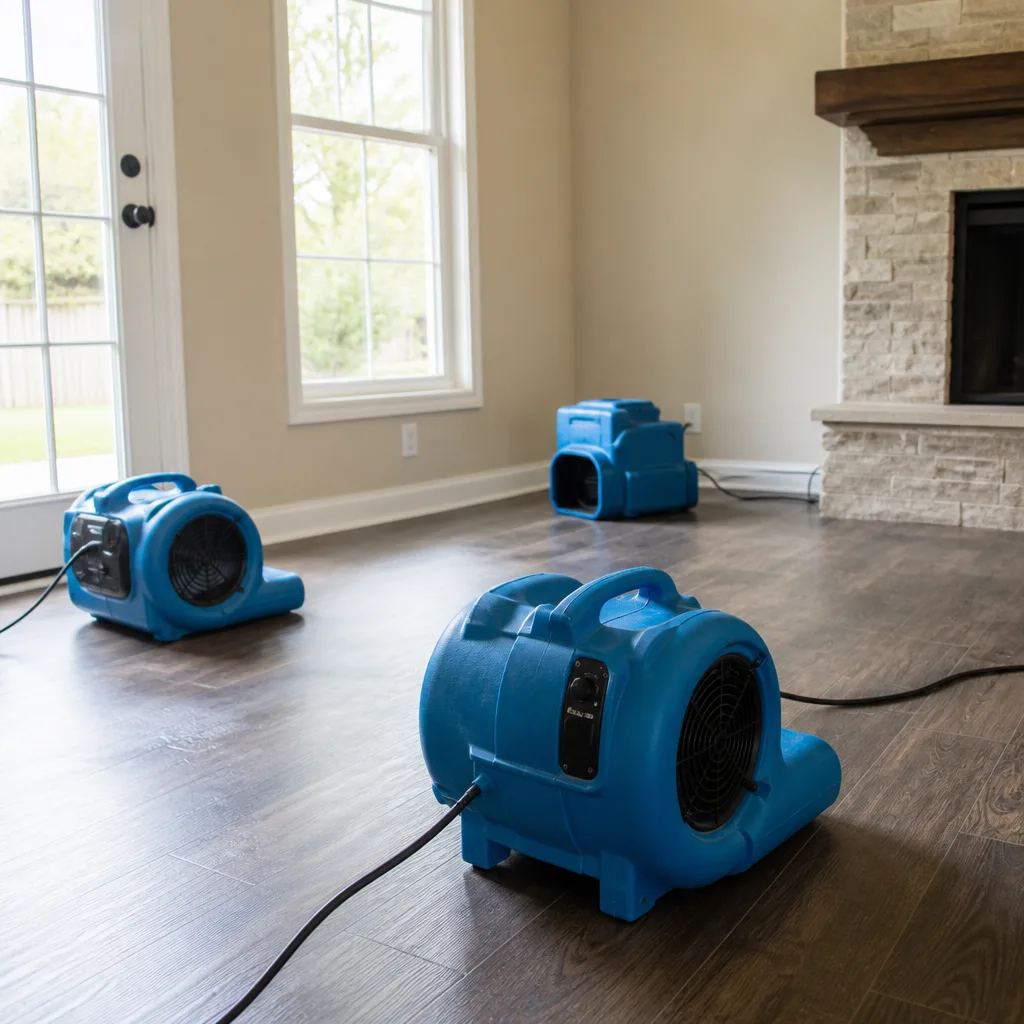
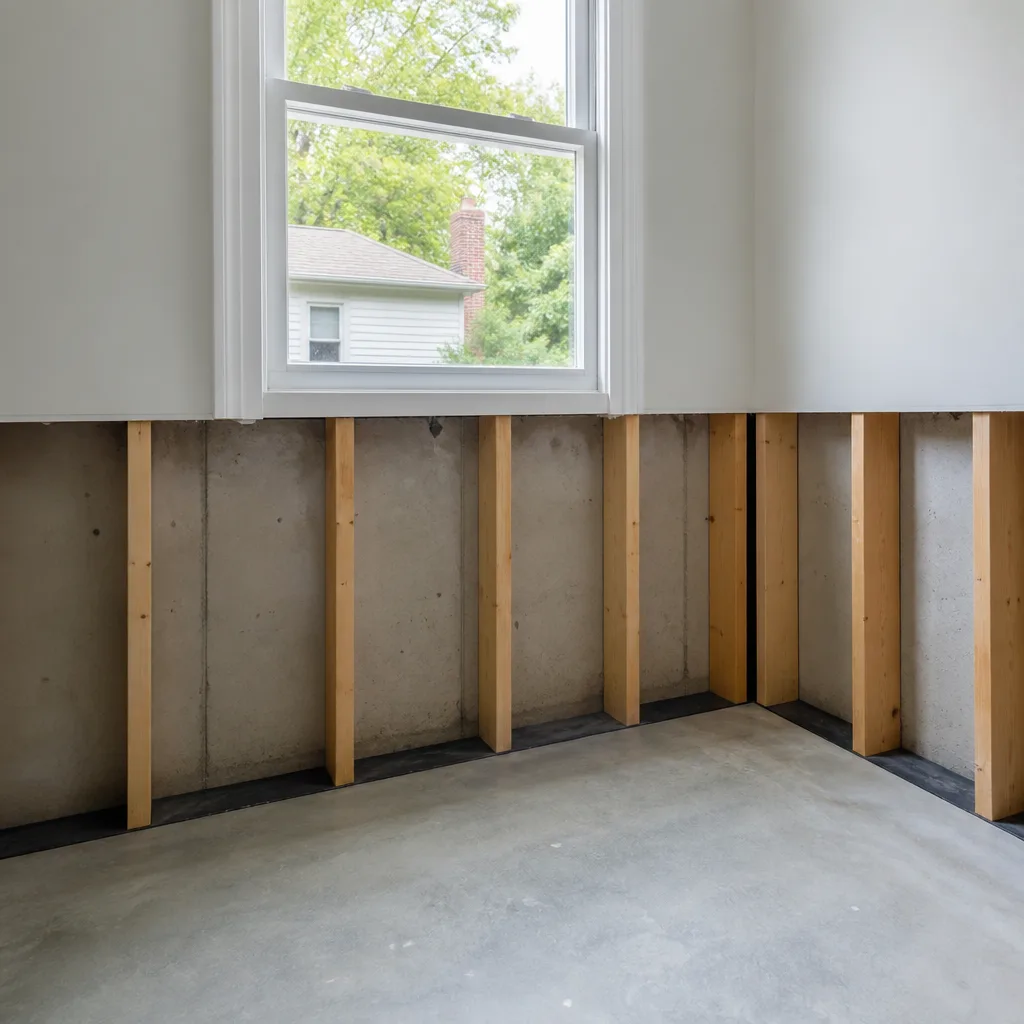
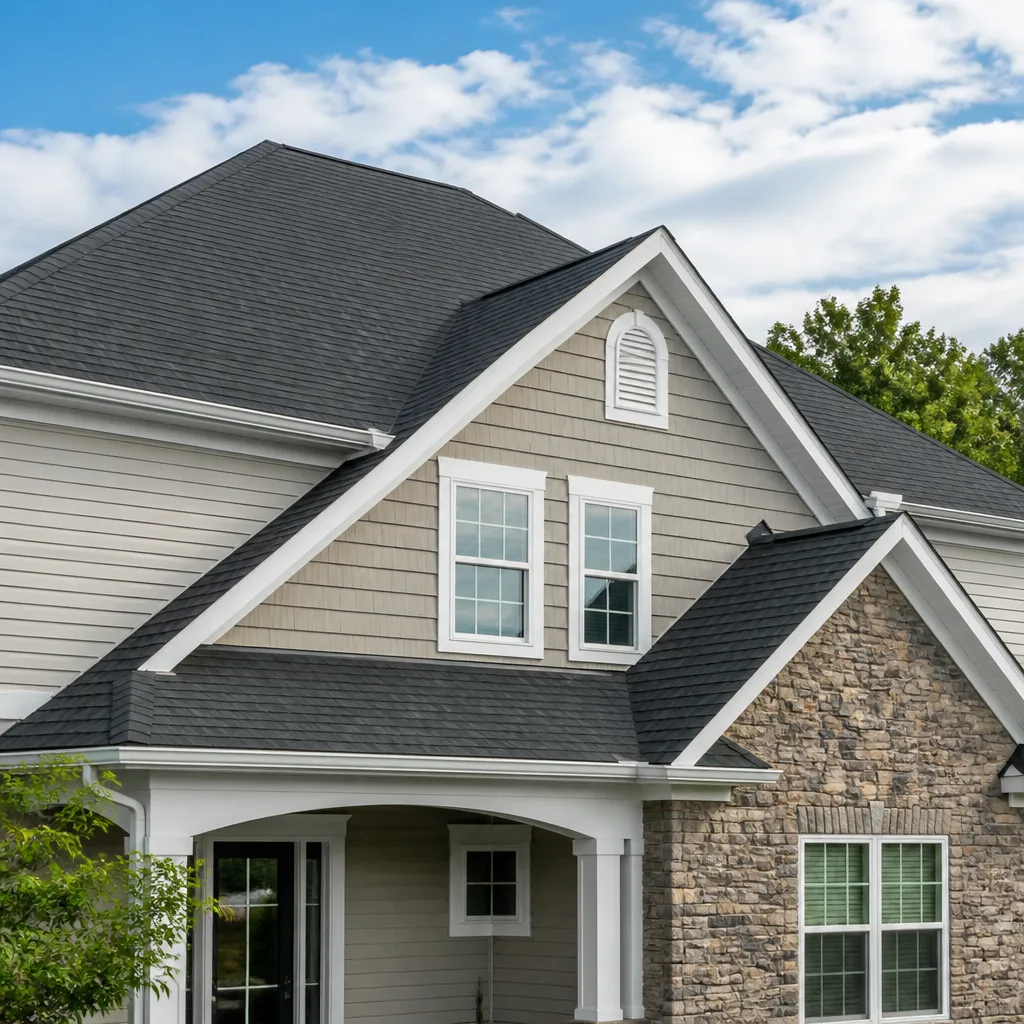
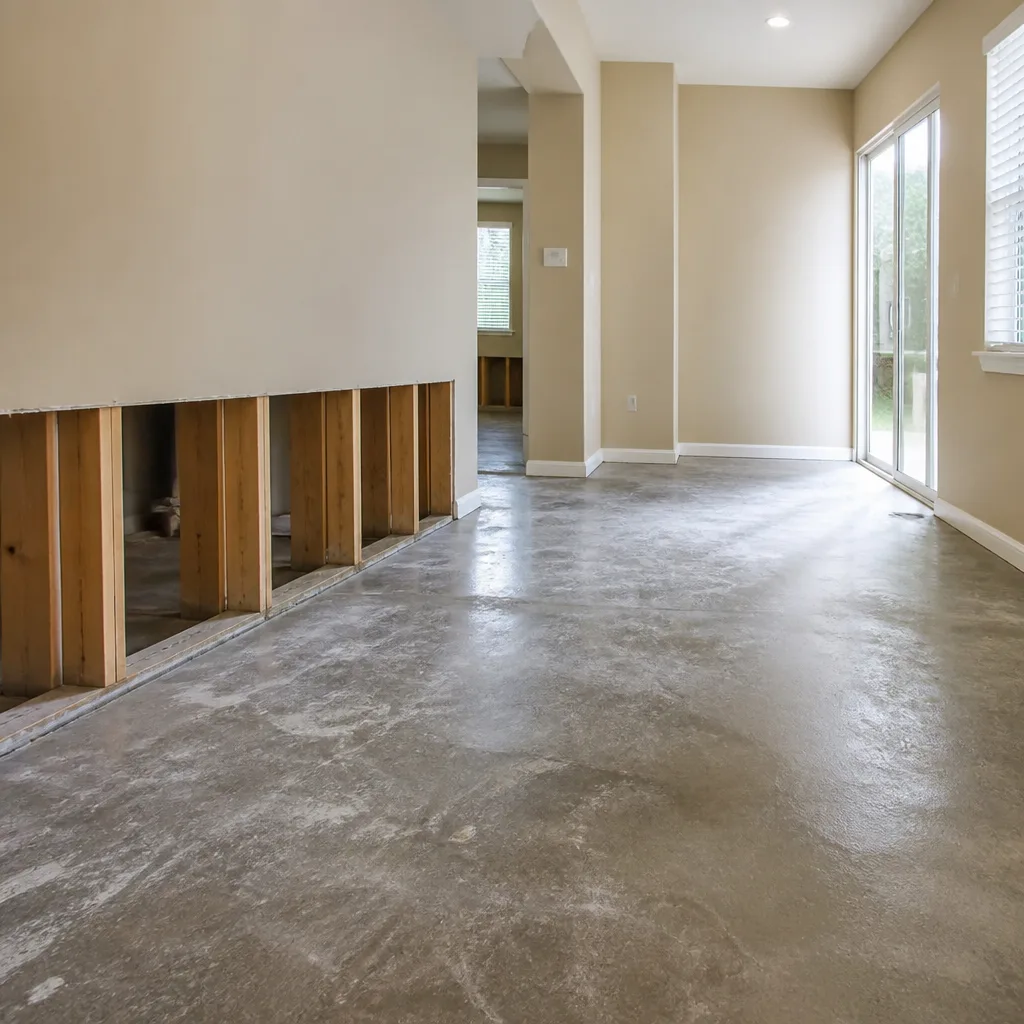

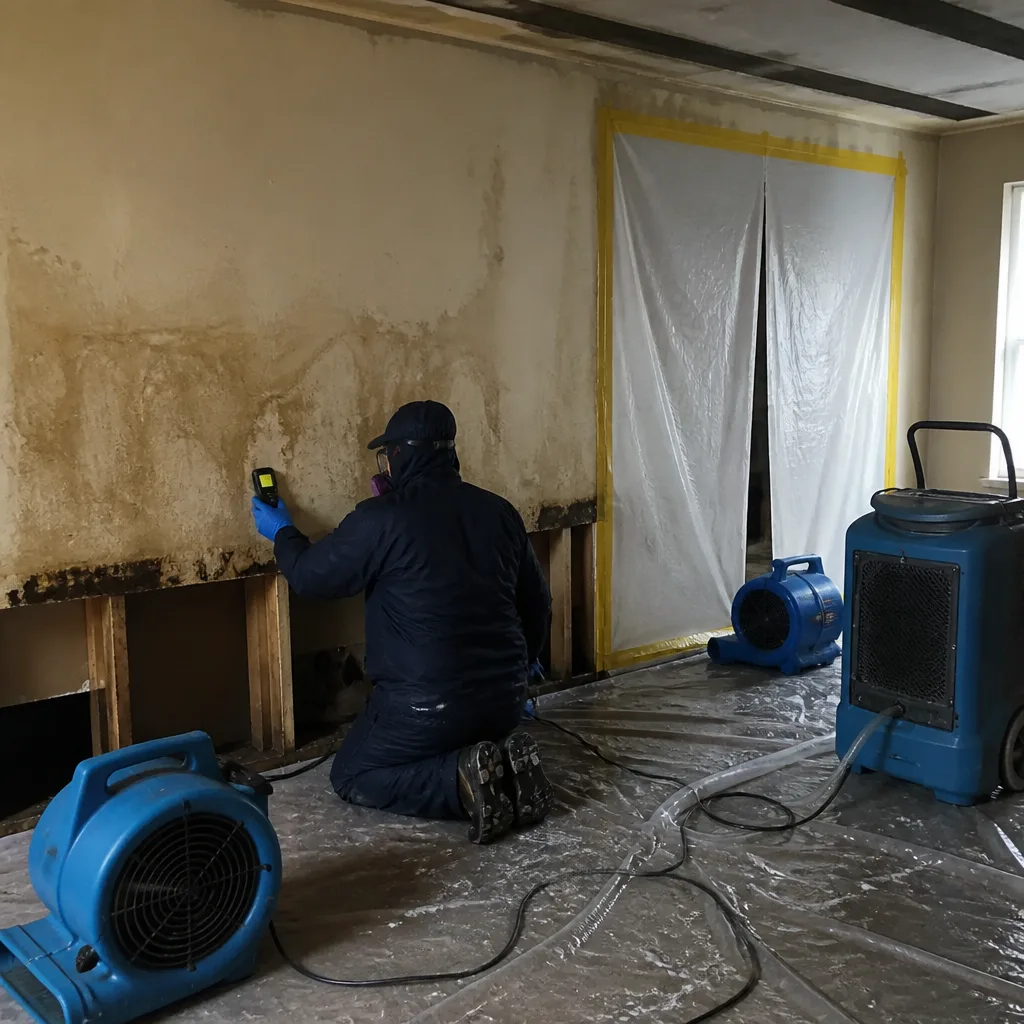 Before
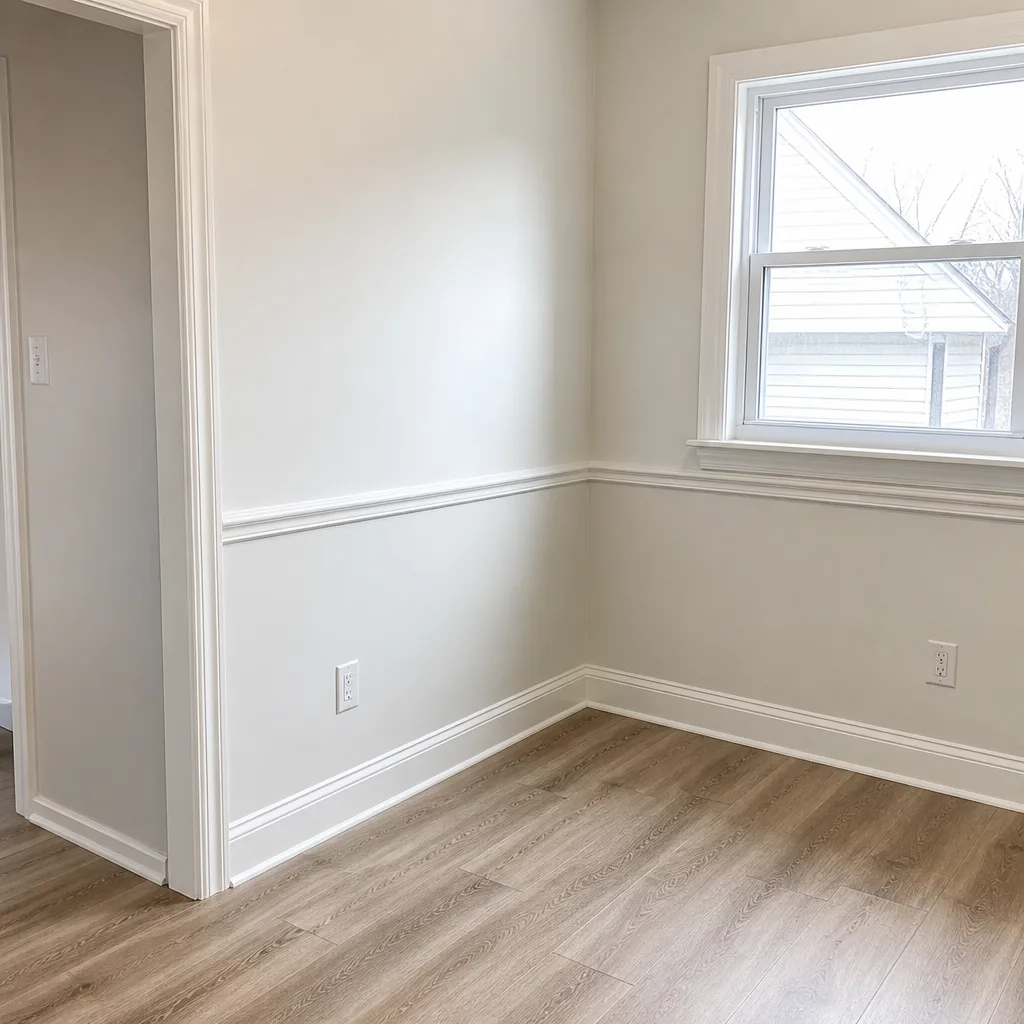 After
After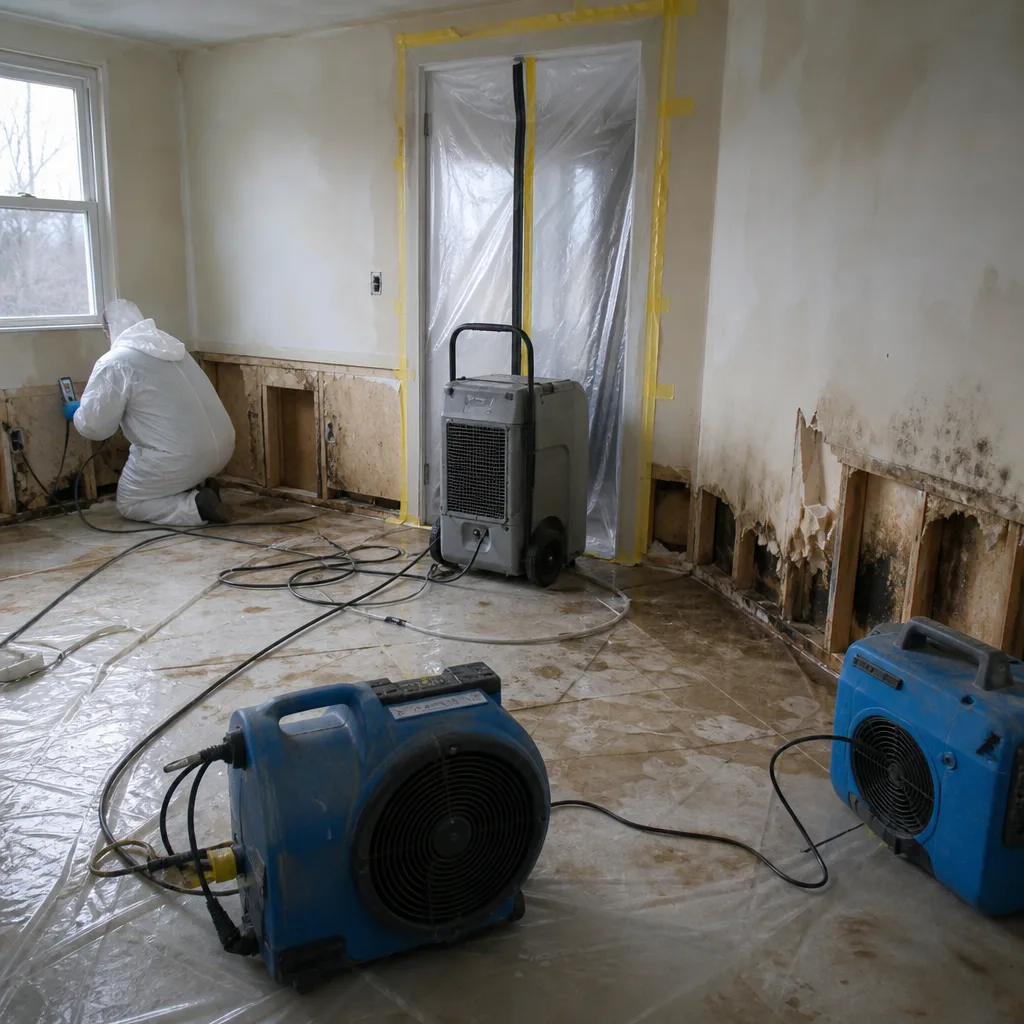 Before
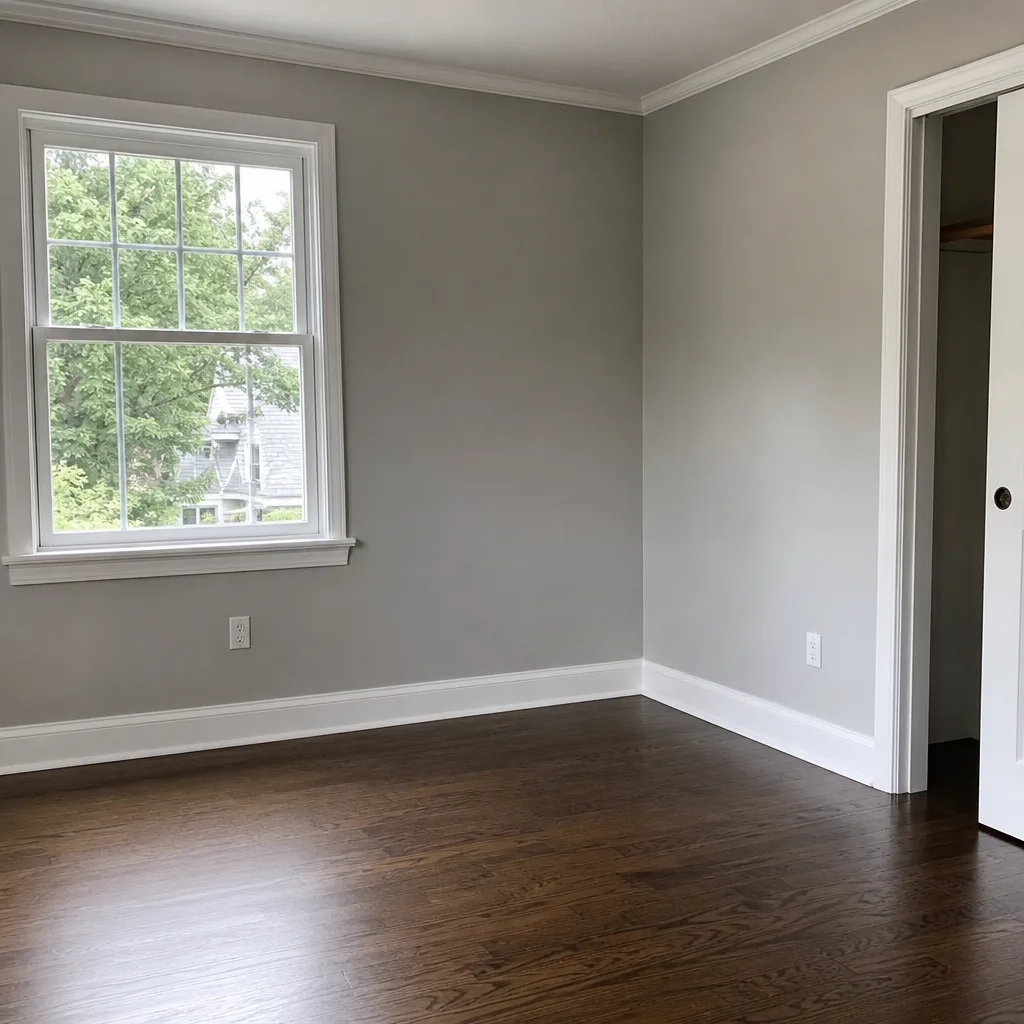 After
After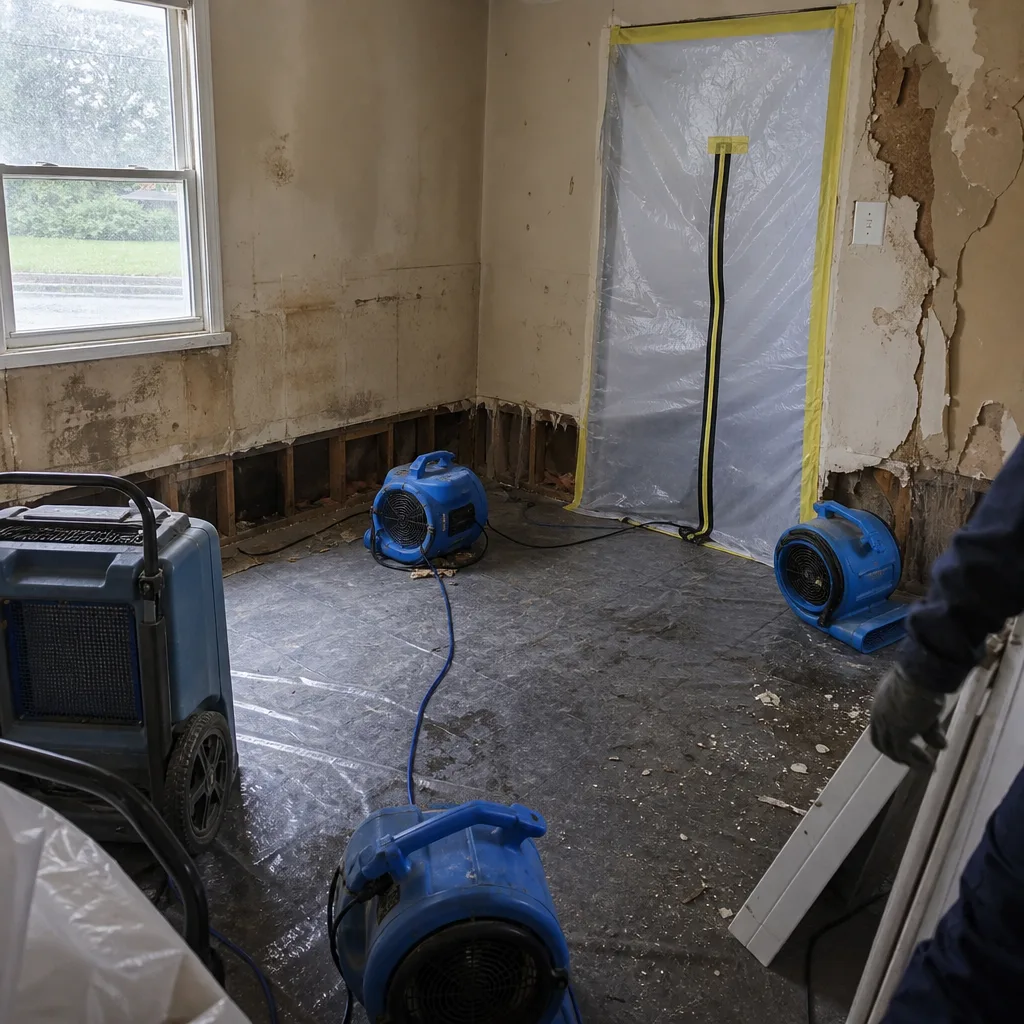 Before
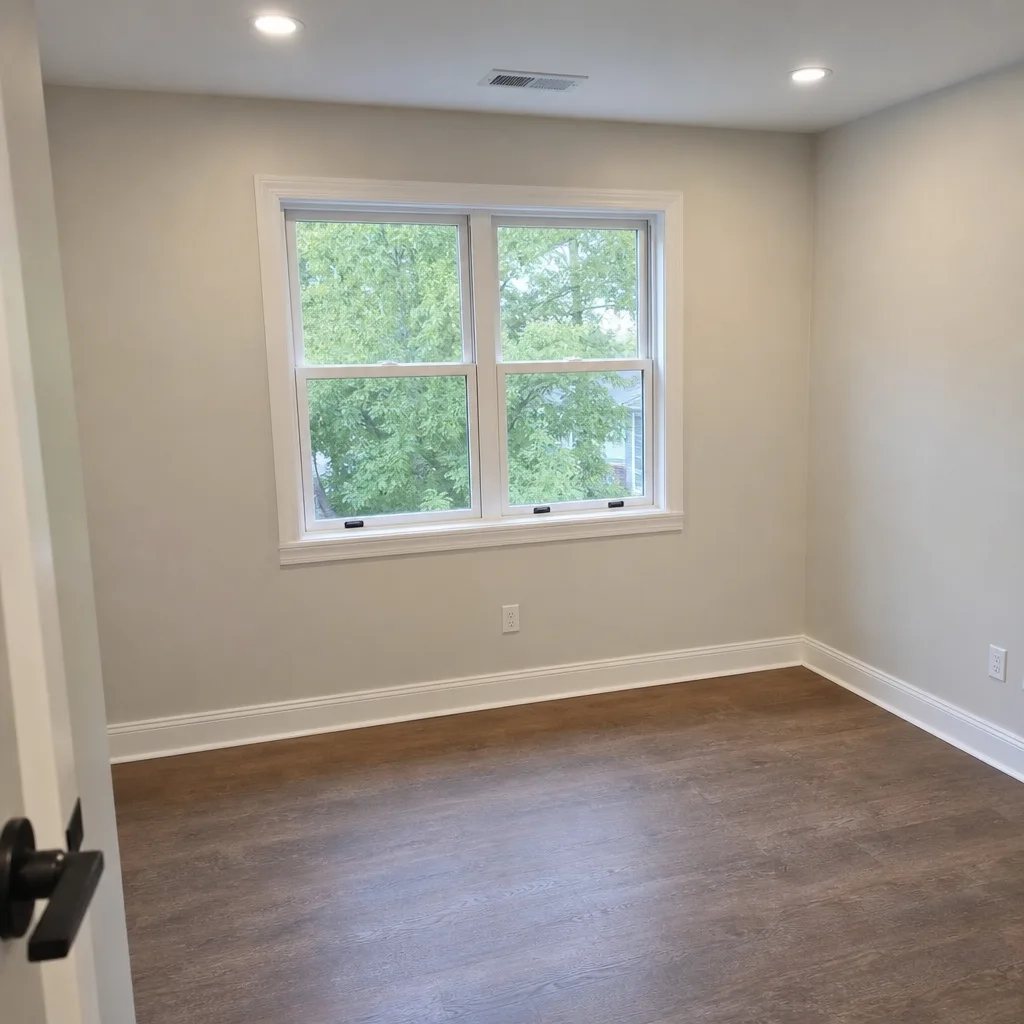 After
After24/7 Emergency Reconstruction & Cleanup in Tenafly
When a nor’easter pushes Tenakill Brook over its banks or a January freeze splits a supply line inside a 1920s colonial, you need a crew that answers the phone at 2 a.m. and knows what a Tenafly basement actually looks like behind the drywall. Floodline Restoration Co. dispatches Tenafly Commercial Restoration and cleanup teams into Tenafly around the clock, every day of the year. Call (551) 348-3742 and you’ll reach a live dispatcher, not a recording. We’ll have a certified crew on the road to your street within 45 minutes, and the first visual inspection is free.
Speed matters here more than in most towns, because Tenafly’s older homes hide moisture in thick plaster assemblies, and every hour of delay lets Category 2 or 3 water from the brook wick further into framing, hardwood, and millwork. The line the water left is where we start.
Understanding Reconstruction & Cleanup Severity in Tenafly Properties
Reconstruction and cleanup in Tenafly is not a one-size-fits-all trade. The borough’s housing stock spans century-old colonials, Tudors, and Craftsman-era homes with original plaster walls, old-growth hardwood, and detailed woodwork, alongside 1980s-to-2000s high-end new construction. Each age of home fails differently, and each demands a different restoration approach.
For water losses, our Water Damage Restoration - Tenafly team classifies the water before we touch a wall. Category 1 is clean supply-line water. Category 2 carries contaminants from washing machines or sump discharge. Category 3, what we commonly see along the Tenakill Brook corridor, is sewage-laden floodwater that has backed up through floor drains. That water requires full containment, antimicrobial treatment, and removal of affected porous materials, not just drying. For fire losses, smoke migration through balloon-framed walls common in pre-war Tenafly homes can deposit soot three rooms away from the fire itself. Mold requires containment with negative air pressure, HEPA air scrubbing, and clearance testing before anyone reoccupies the space. We moisture-map every job with thermal imaging and hygrometers from day one, and we log daily readings until the dry standard is met.
Why Tenafly Property Owners Choose Floodline Restoration Co.
- 45-minute response commitment – A live dispatcher takes your call and a certified crew is dispatched into Tenafly immediately, not scheduled for tomorrow.
- 24/7 live answer, never an automated system – You’ll talk to a person at any hour. We built this company around a dispatch board, not a sales desk.
- IICRC-certified crews – Our technicians hold WRT, FSRT, and AMRT certifications and are background-checked and uniformed on every job.
- Free visual inspection – The first trip out to assess damage in your Tenafly home costs you nothing, and you’ll get a straight answer.
- Direct insurance billing – We bill your carrier directly and handle adjuster communication, so you’re never the messenger.
- One team from extraction to reconstruction – The same crew that reads the moisture map on day one rebuilds the wall on day twelve. No mid-job handoff to an inherited crew.
Our Reconstruction & Cleanup Process
Inspection & Assessment
We start with thermal imaging and moisture mapping across every affected wall, floor, and ceiling assembly. In Tenafly’s older homes, this means checking behind plaster and under hardwood that looks dry on the surface. We document everything with photos before we move anything.
Extraction / Stabilization
Standing water comes out first, using truck-mounted extraction units and submersible pumps where needed. We then stabilize the structure by removing saturated materials that can’t be saved and containing the affected area to prevent cross-contamination.
Drying & Dehumidification
Professional-grade Dri-Eaz and Phoenix air movers and dehumidifiers go in once the bulk water is out. We run daily moisture readings with hygrometers and log them until every surface hits the dry standard. We don’t close a wall until the framing actually reads dry.
Cleaning & Sanitization
HEPA air scrubbers run throughout the drying phase to pull airborne particulates. We clean and sanitize salvageable surfaces with antimicrobial treatments appropriate to the water category, and we document every step for your insurer.
Specialty Material Matching
This is where Tenafly work separates from generic restoration. We source plaster to match original thickness, mill hardwood to match old-growth grain patterns, and replicate trim profiles. Stock materials don’t go back into a 1927 Tudor unless you explicitly want them to.
Repairs & Restoration
Our in-house reconstruction team rebuilds walls, floors, and finishes to match the rest of your home, not just to pass an inspector. We hand you the complete moisture log, photo documentation, and our 90-Day Done Right Promise in writing before we leave.
Need Emergency Reconstruction & Cleanup in Tenafly Now?
Crews minutes away, answering live 24 hours a day. The sooner we start, the less it costs.
Working With Your Insurance Company
We handle claim documentation the way adjusters want it handled: thorough, dated, and itemized from the first hour. Your carrier will receive a complete loss package including photos of every affected room, moisture readings from day one through the final dry standard, a line-item scope of work, and direct communication from our team. We’ve spent 42 years dealing with insurance carriers, and we know that a documented job gets approved faster and paid more fully than a verbal description. You’ll never have to play messenger between us and your adjuster, and we’ll explain exactly what your policy covers before we start work.
What We Provide Your Insurer
- Thorough documentation of the loss
- Photos of all damage, room by room
- Moisture readings and drying logs
- A detailed, line-item scope of work
- Direct coordination with your carrier
Built for Tenafly’s Loss Calendar
Tenafly sits at the foot of the Palisades escarpment, and that geography writes our calendar. Storm runoff from the ridge concentrates into the Tenakill Brook watershed, which means the central and lower-lying sections of the borough flood faster and harder during nor’easters and tropical remnants than towns further from the ridge. The brook has documented overflow events reaching back through Irene in 2011, Sandy in 2012, and Ida in 2021, and homes along Hillside Avenue and the surrounding streets have seen basements and lower floors inundated in multiple named storms.
Winter brings a different set of losses. The older slate and steep-gabled roofs along Tenafly’s hillside streets are prone to ice damming, and meltwater drives into attics and top-floor ceilings. By spring, frozen supply lines thaw and split, and basement seepage rises as the water table recovers. Summer brings thunderstorm flash flooding, often faster than drains can handle. Our crews stay ready for all of it, and our equipment trailers are staged for rapid dispatch into Tenafly year-round.
Reconstruction & Cleanup Across Tenafly’s Neighborhoods
Tenafly’s neighborhoods each carry their own loss patterns, and knowing them matters when you’re mapping moisture or sourcing matching materials. The streets along the Tenakill Brook corridor, from the downtown area near Tenafly Middle School up toward the Hillside Avenue corridor, see the worst of the flood events, and homes there often have layered repair histories from prior storms. We’ve worked in the lower-lying sections near the Clinton Avenue corridor and the tree-lined streets around Roosevelt Common, where basements take water through floor drains during heavy rain, not just through foundation walls.
The hillside streets, including the homes along the escarpment-facing sections off Engle Street, see more ice-dam and roof-driven water damage in the winter. The large colonial revivals and Tudors throughout the borough’s central neighborhoods demand careful material matching during reconstruction, and we keep a network of local millwork and plaster suppliers specifically for that work. The 1980s and 2000s construction near the northern end of the borough presents a different challenge: newer materials and open floor plans that dry differently than old plaster assemblies.
Specialized Reconstruction & Cleanup Services We Offer in Tenafly
Full-Service Reconstruction
From stripping a flood-damaged basement to framing, drywall, finish carpentry, and paint, our in-house team handles every phase. You won’t get a handoff to a subcontractor you’ve never met. Curt Bowman has run this company since 2010 with a simple rule: the crew that starts the job finishes it.
Drywall & Flooring Repair
In a 1920s colonial, a drywall patch and a flooring replacement are not the same as in a newer home. We match plaster thickness, replicate lath profiles where needed, and source hardwood that matches old-growth grain and stain. We’ll never close a wall until the framing behind it reads dry on the moisture log.
Contents Restoration & Pack-Out
We inventory, pack, clean, and store your contents with photo documentation at every step. Furniture, rugs, clothing, books, and keepsakes get handled by trained technicians, and we provide your insurer a complete contents manifest with condition notes.
Carpet & Upholstery Cleaning
Floodwater, soot, and construction dust all settle into carpet and upholstery. We use professional extraction units and appropriate cleaning solutions to restore what can be saved and tell you straight when something can’t. No overselling; we’ll show you why.
Post-Construction Cleanup
After the rebuild is done, our team returns for a full post-construction cleaning: HEPA vacuuming, surface wipe-downs, duct and vent cleaning where needed, and final air-scrubber runs. The house is finished when the dust is gone, not before.
Reconstruction & Cleanup Costs in Tenafly, NJ
Reconstruction and cleanup pricing in Tenafly runs higher than the county average because the housing stock demands it. A typical Category 1 water-damage drywall repair and repaint in a Tenafly basement runs $1,800 to $4,500. Full basement flood remediation with Category 3 water, including removal, antimicrobial treatment, drying, and rebuild, typically lands between $12,000 and $35,000 depending on the finish level. Matching original plaster and millwork typically adds 15% to 25% to the drywall and trim portion of a scope.
A contents pack-out with cleaning and storage runs $3,000 to $9,000 for a typical three-to-four-bedroom Tenafly home. Post-construction cleanup after a major rebuild runs $800 to $2,500 depending on square footage. Most flood and storm losses are covered by homeowners insurance minus your deductible; the free visual inspection gives you a firm written scope before you commit to anything. Call (551) 348-3742 and we’ll walk you through what your specific job will cost.
We Also Serve Cities Near Tenafly
Floodline Restoration Co. provides Reconstruction & Cleanup in Tenafly and the surrounding Bergen County communities, including Cresskill, Bergenfield, Englewood, and Dumont. If you’re in one of these nearby towns, the same live dispatch, free visual inspection, and 90-Day Done Right Promise apply.
Serving Tenafly, NJ - Our Local Coverage Area
We’re based in the Tenafly area and know this community well. Use the map below to see our service coverage - if you’re nearby, we can almost certainly help.
Tenafly Reconstruction & Cleanup Questions, Answered
Why do some Tenafly basements have repeated mold problems after a ‘successful’ flood cleanup?
Because the previous restoration never fully dried the framing before closing the wall. Along the Tenakill Brook corridor, some basements have flooded in three separate named storms, and crews frequently find Mold Remediation in Tenafly situations behind drywall that looks perfectly clean from the outside. We moisture-map every job and refuse to close a wall until the framing reads below the dry standard, not just the surface.
Can you match original plaster walls and old-growth hardwood floors in a 1920s Tenafly colonial?
Yes, and this is standard practice on our Tenafly jobs. We source plaster to match original thickness, replicate lath profiles where needed, and mill hardwood to match old-growth grain patterns. Stock replacement materials are fine for some homes, but they stick out badly next to century-old millwork, and most Tenafly homeowners want the repair to disappear.
What is the right way to handle category 2 or 3 water from a Tenakill Brook backup in my finished basement?
Contain the area, remove affected porous materials including drywall, insulation, carpet, and pad, treat all framing with appropriate antimicrobials, dry to standard with logged readings, and rebuild with matching materials. Category 3 water carries sewage and pathogens; drying it in place without removal and treatment is a recipe for mold and odor. We handle this properly and document every step for your insurer.
How do you handle ice-dam water damage in a second-floor bedroom of a steep-roofed hillside home?
We start with a roof inspection to find the dam and stop the active leak, then moisture-map the ceiling and walls around the water path. Ice-dam water can hide inside thick plaster assemblies for weeks before the ceiling blisters, so we check behind the visible damage. We dry the assembly fully, then rebuild the ceiling and any damaged wall surfaces to match the room. Call (551) 348-3742 and we’ll walk you through it.
Will your reconstruction crew handle both the flood cleanup and the rebuild in a Tenafly Tudor?
Yes. The same technicians who extract the water and run the drying equipment also rebuild the walls, match the plaster, and refinish the floors. There’s no mid-job handoff to a different company, and the daily moisture log stays with the same crew from day one through the final coat of paint.
How fast can you actually get to a Tenafly address?
We commit to a 45-minute response time for emergency calls anywhere in Tenafly. Crews are staged in and around the borough, and dispatch is live 24/7, so you’ll reach a person and get a real ETA immediately. The free visual inspection happens on that first visit.
Will my insurance cover reconstruction and cleanup after a Tenakill Brook flood?
In most cases, yes, if you have flood insurance or your policy covers surface water and sewer backup events. Standard homeowners policies often exclude flood damage from rising surface water, but many Tenafly homeowners carry additional flood coverage due to the Tenakill Brook history. We document everything from hour one and bill your carrier directly, and we’ll explain your specific coverage before work begins.
What should I do in the first 30 minutes after water enters my Tenafly home?
Shut off power to affected areas if you can do so safely, move valuables and documents to a dry spot, and call us at (551) 348-3742. Don’t run a standard household fan or try to dry the space yourself; you’ll spread moisture into plaster and framing. Take photos if you can. We’ll handle the rest from the moment the crew arrives.
If the water is rising, the clock is running, and the wall you can’t see is already wicking moisture. Call Floodline Restoration Co. at (551) 348-3742 for a free, no-obligation visual inspection, a square deal with no surprises on the bill, and a 90-Day Done Right Promise in writing. We serve all of Tenafly, and we answer the phone with a live person, 24 hours a day, every day. Done right, and backed in writing.
Written by Curt Bowman, Owner at Floodline Restoration Co., serving Tenafly with full-cycle reconstruction and cleanup since 2010.