
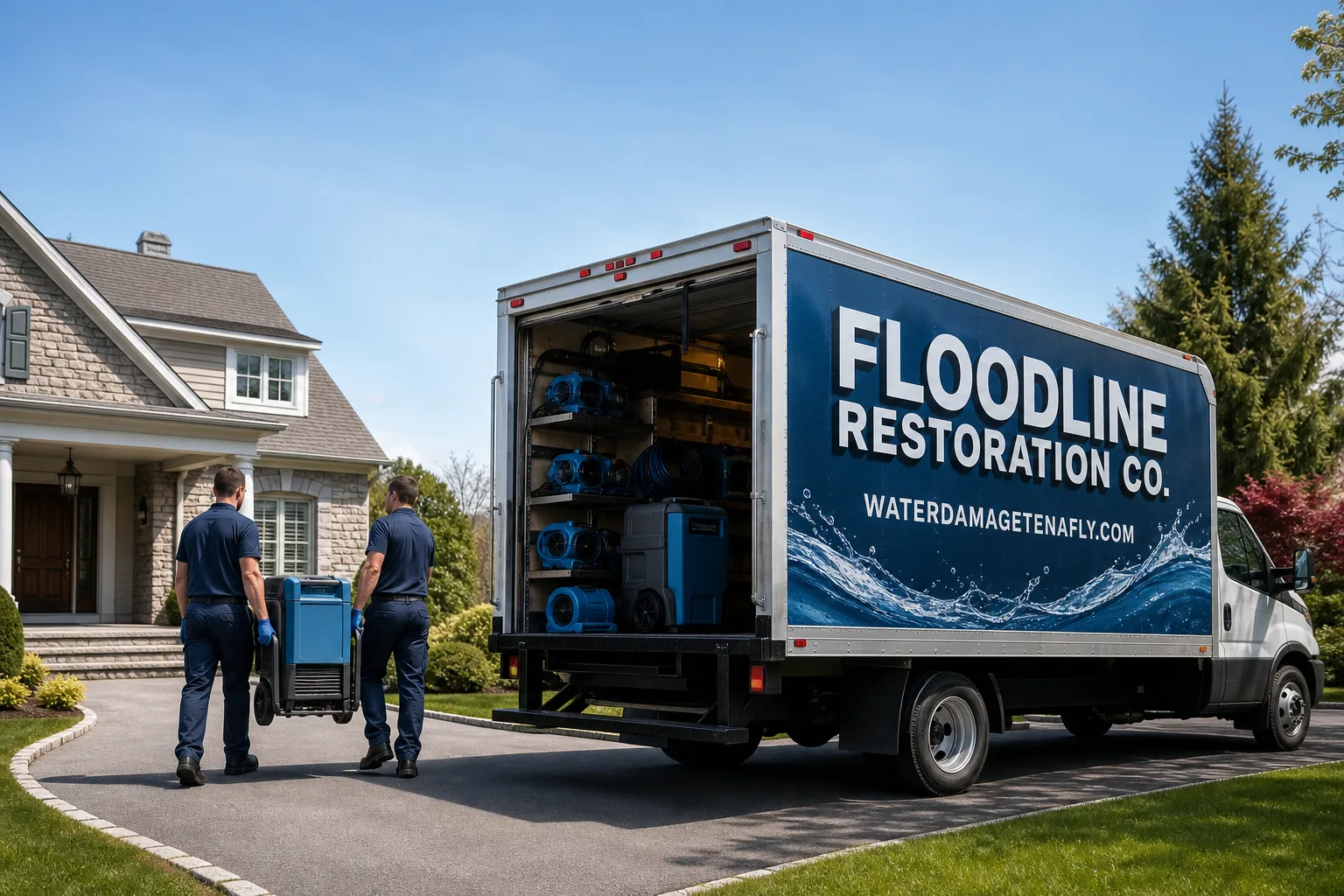
Free visual inspection and a written scope of work before any mitigation begins - photos, moisture readings, and drying logs go in your claim file
The scope we write is the scope we bill. Anything new gets shown to you, in writing, before we touch it.
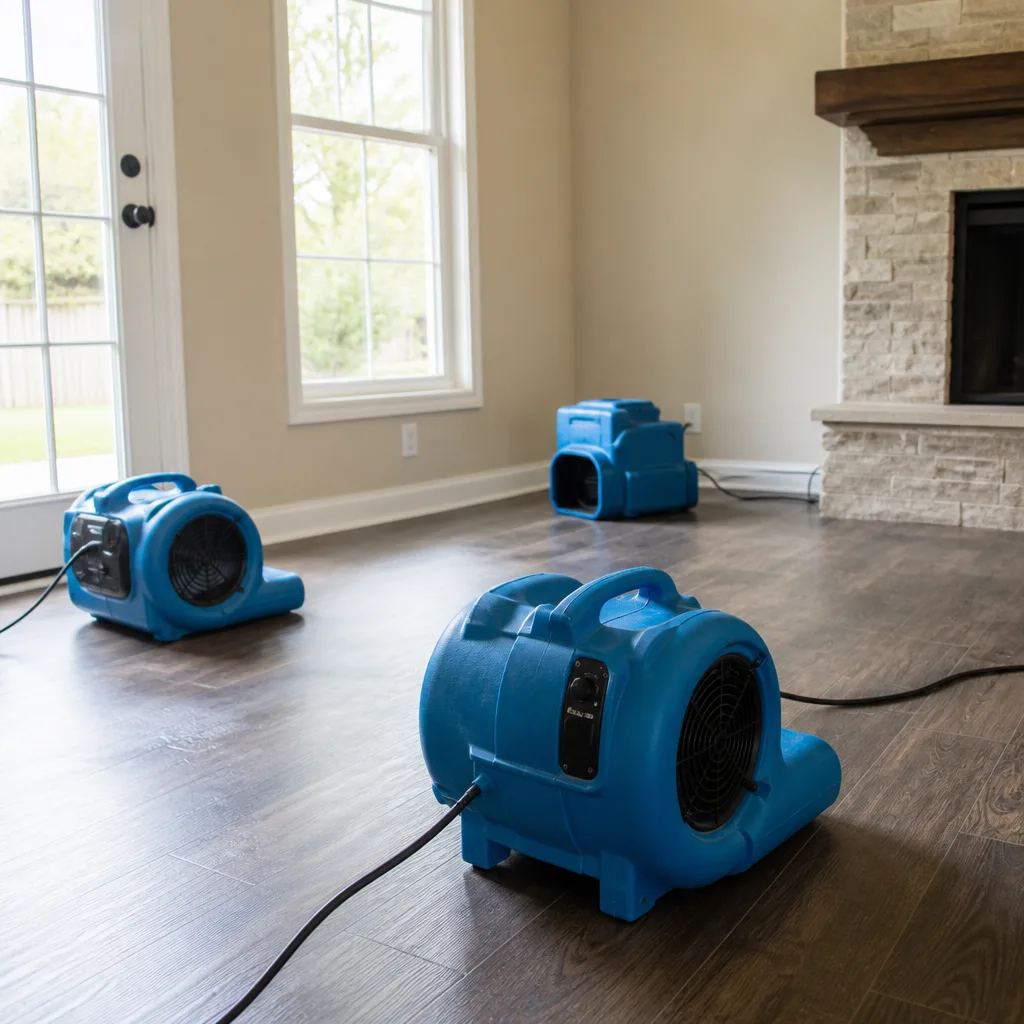



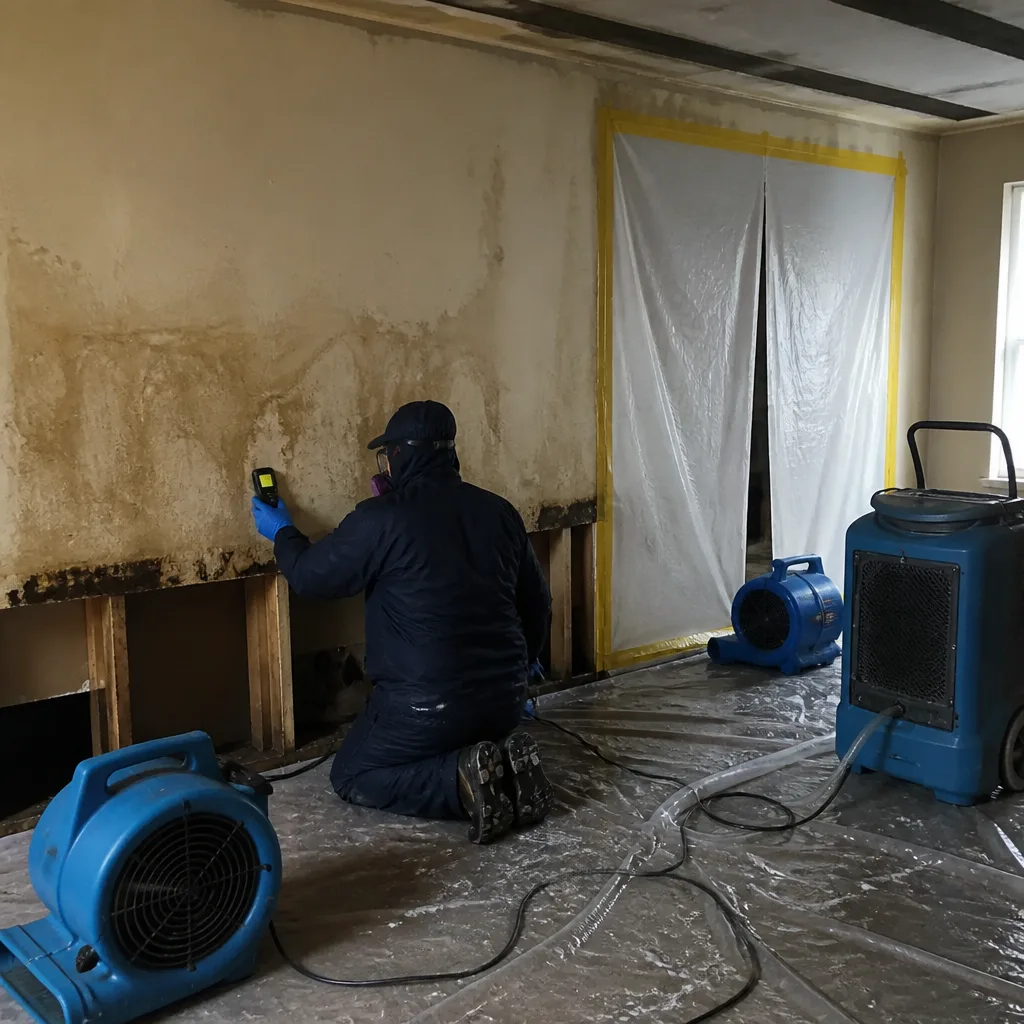 Before
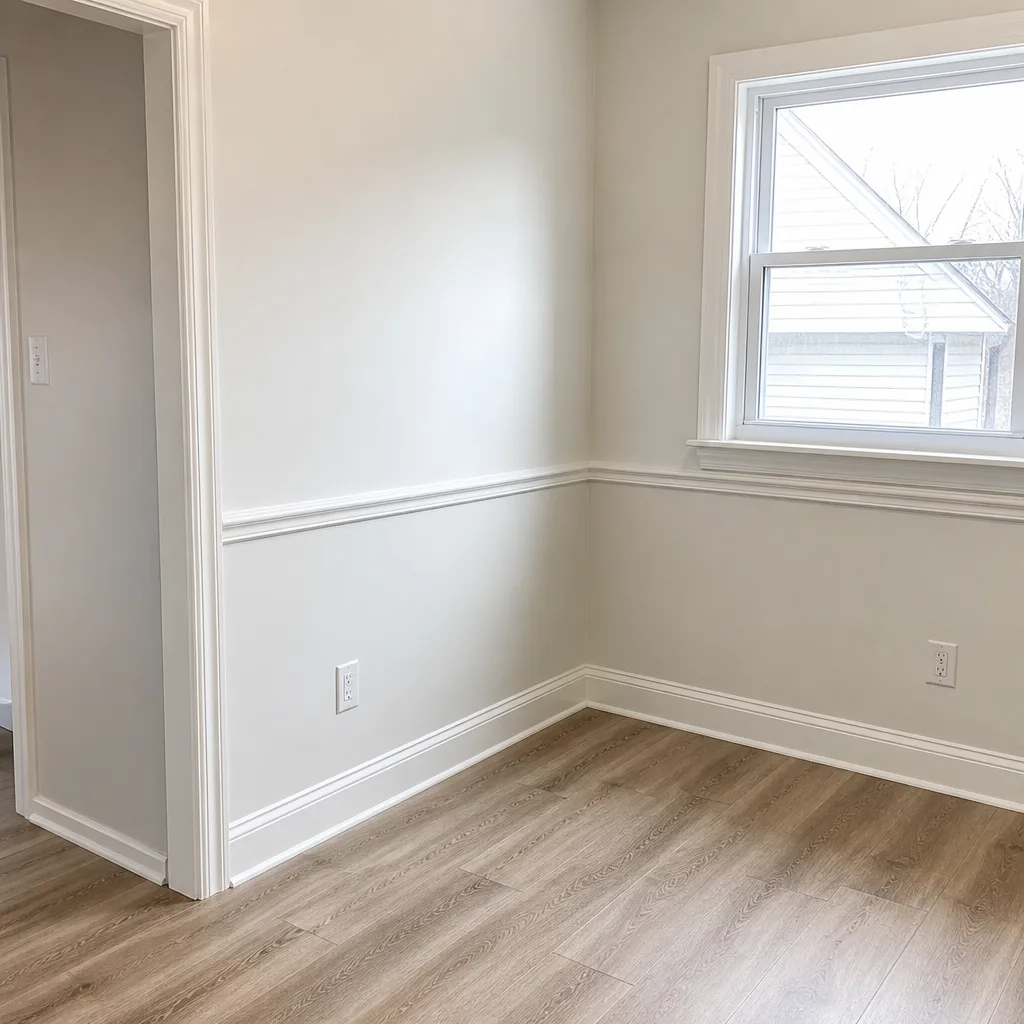 After
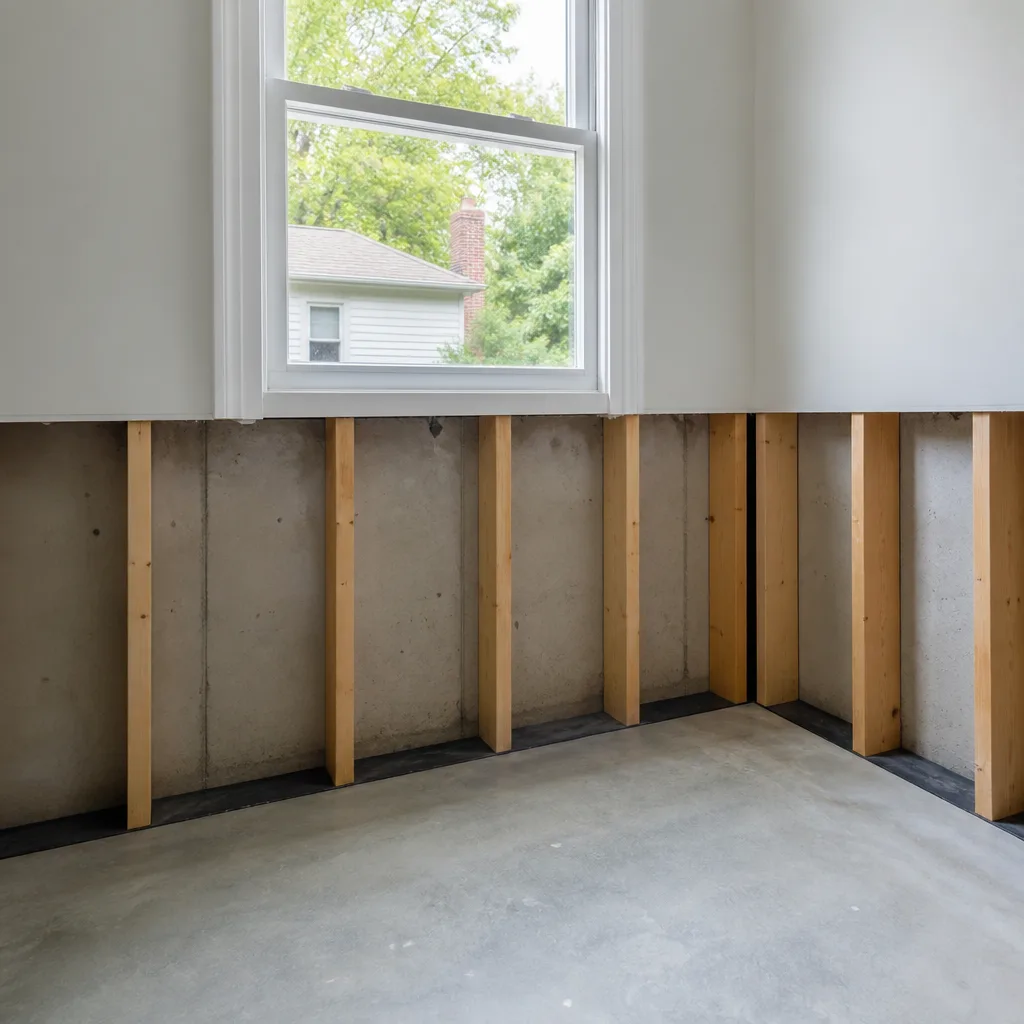
After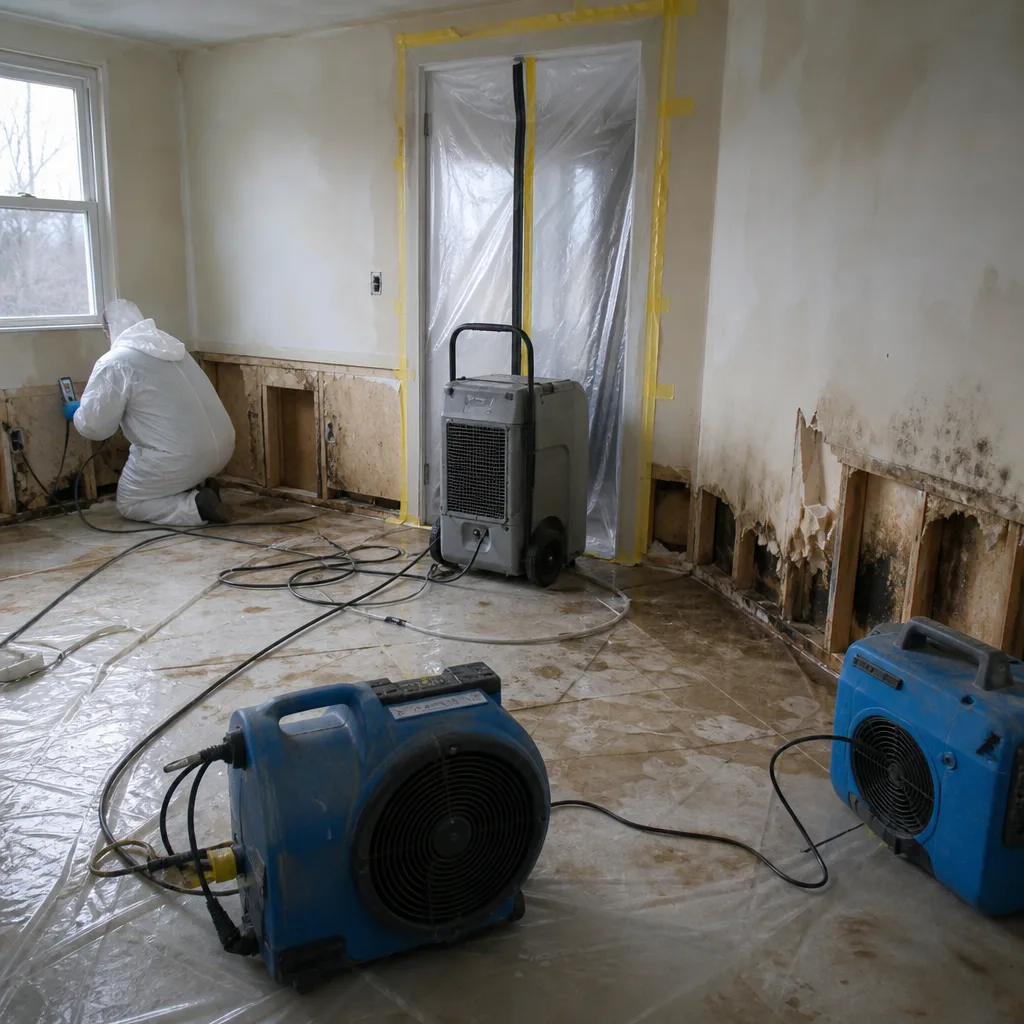 Before
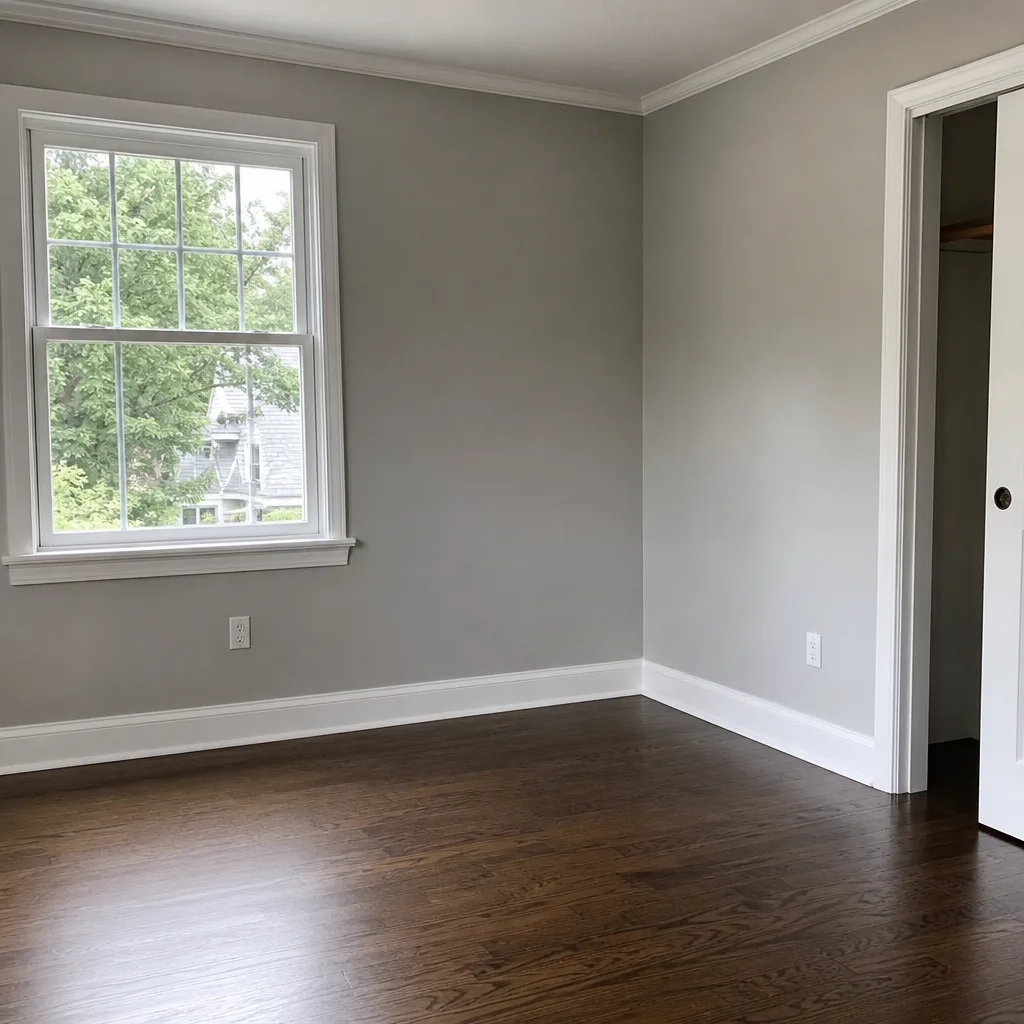 After
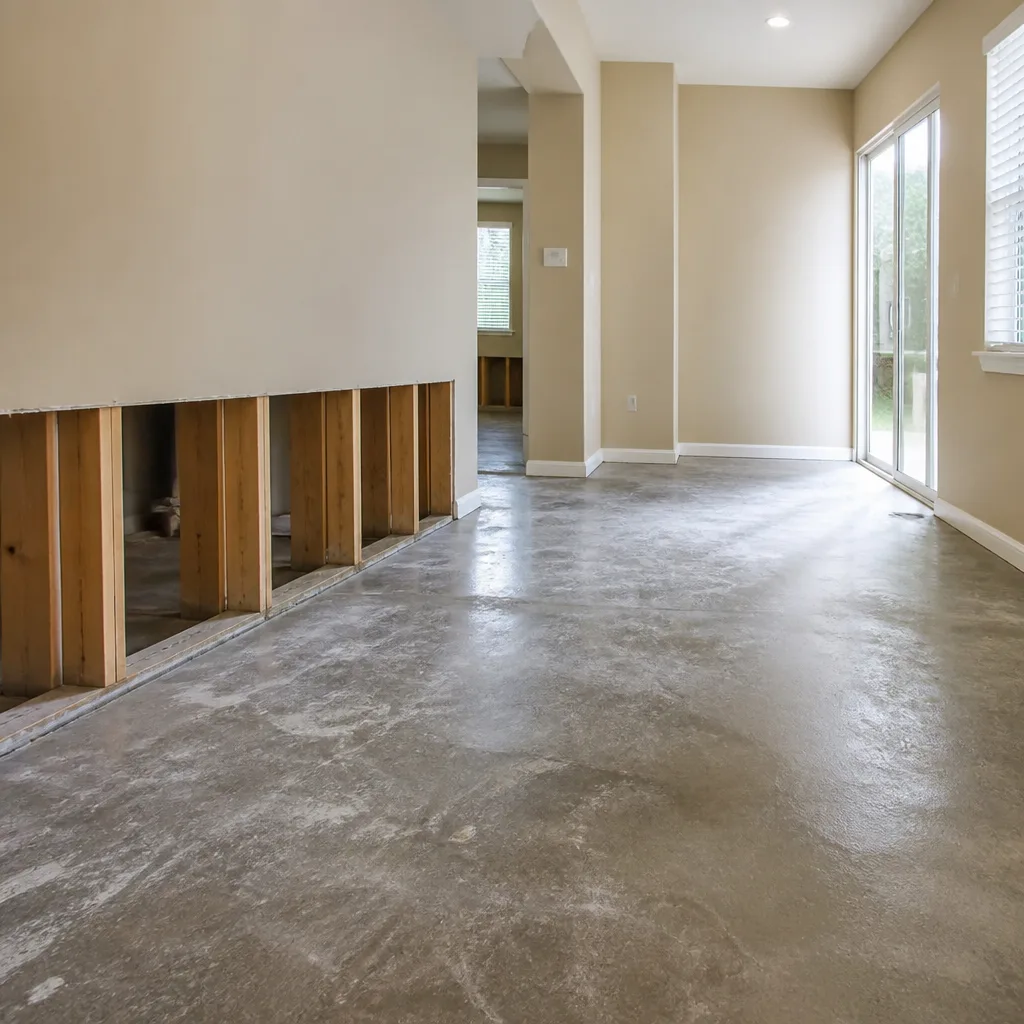
After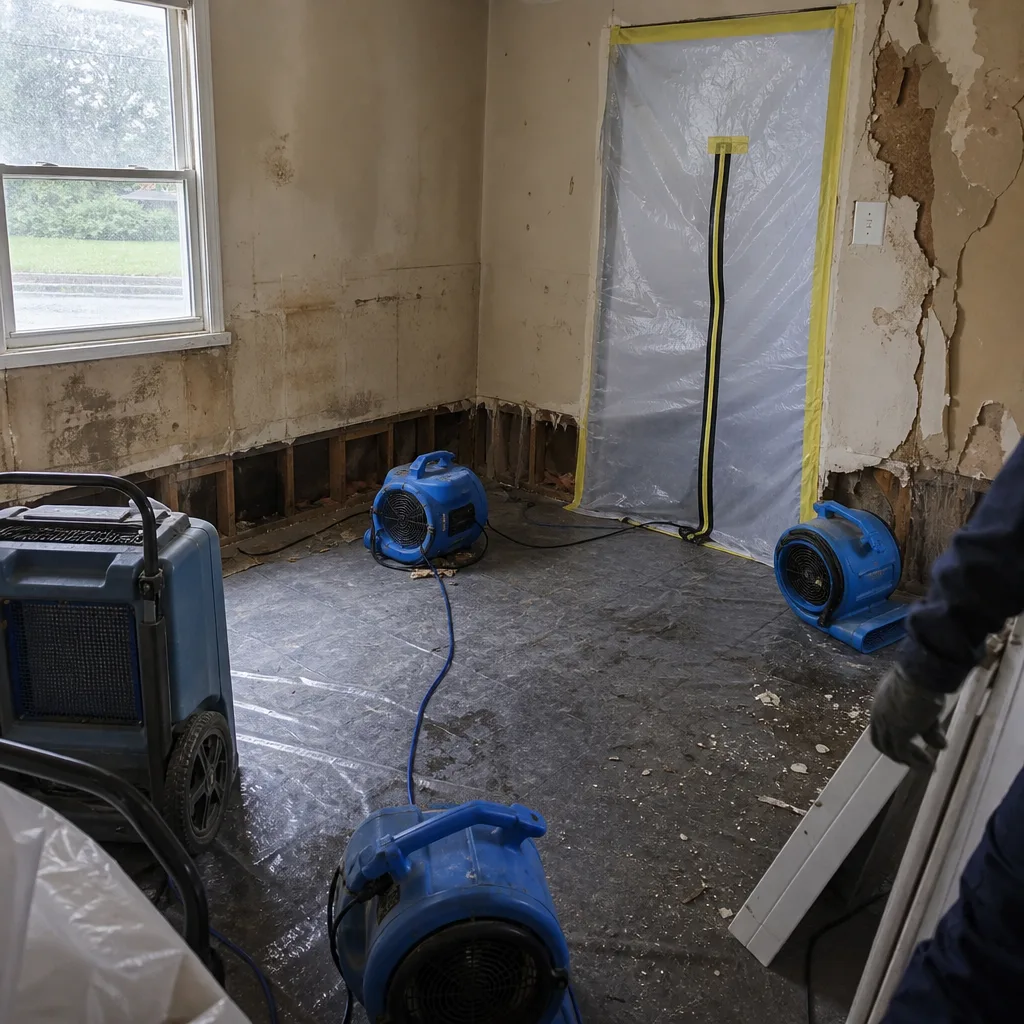 Before
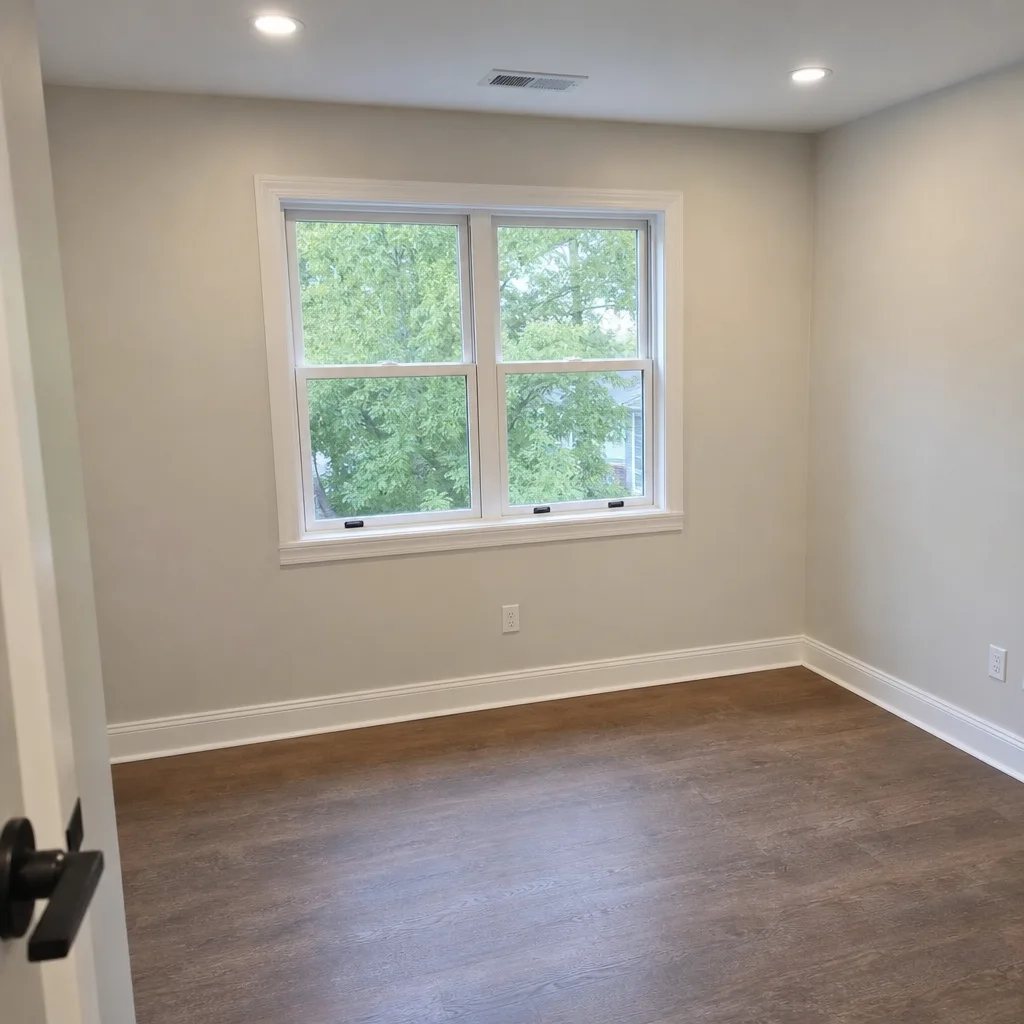 After
After24/7 Emergency Sewage Cleanup in Closter
Sewage cleanup in Closter typically runs $1,800 to $7,400 depending on how far Category 3 water has traveled through a finished basement, and our crews are dispatched to Closter addresses within 45 minutes of your call. A live dispatcher answers at (551) 348-3742 around the clock, every day, because a sewage backup never waits for business hours and neither do we. The first hour matters more than most homeowners realize. Raw sewage pushes bacteria, viruses, and endotoxins into porous materials quickly. Subflooring, baseboards, drywall, and any stored belongings that sit in contact with black water begin absorbing contamination immediately. The faster we extract and contain the affected area, the more of your home we can salvage rather than demolish. We’re the full-cycle restoration company that starts at the floodline, and we don’t hand the job off until your house is dry, sanitized, and rebuilt. Every job is backed by the 90-Day Done Right Promise, in writing.
Understanding Sewage Cleanup Severity in Closter Properties
Not all water in a basement is the same kind of problem. Restoration contractors classify water by contamination level. Category 1 is clean water from a supply line. Category 2 carries significant contamination from sources like washing machine discharge. Category 3 is what we deal with in sewage backups. That’s water containing fecal matter, pathogens, and other gross contaminants from toilet overflows, sewer line backups, and septic failures. Closter’s housing stock makes Category 3 events especially unforgiving. Most of the borough’s colonials and split-levels were built between the late 1940s and the 1970s, and a large share of them have full finished basements. That means sewage doesn’t just sit on concrete. It wicks into original hardwood, custom millwork, carpet pad, and layered wall assemblies. We regularly encounter plaster over lath under drywall in Closter homes. That construction is beautiful and durable, but it hides moisture. You can’t see saturation inside a plaster wall the way you can with drywall, which is why thermal imaging and moisture mapping matter more here than in newer construction or in neighboring towns with simpler building stock. Sewage cleanup in Closter demands a crew that understands what’s hiding behind the wall, not just what’s visible on the floor.
Why Closter Property Owners Choose Floodline Restoration Co.
- 45-minute response commitment. A certified crew is dispatched toward Closter the moment you hang up, with pumps, extractors, and containment loaded before the truck leaves.
- 24/7 live answer, never an automated system. A real person picks up at 2 a.m. and knows what questions to ask about a sewage event. No phone tree, no “leave a message.”
- IICRC-certified crews. Our technicians are trained to IICRC, RIA, and IFA standards, including WRT and AMRT certifications for water and microbial remediation.
- Free visual inspection. Before any work begins, we walk the property with you, map the damage, and explain exactly what needs to happen and why.
- Direct insurance billing. We coordinate with your carrier directly, handle adjuster communication, and provide the documentation they need without you playing messenger.
- One team from extraction to reconstruction. The same background-checked, uniformed crew that dries your basement rebuilds it. No mid-job handoff to a subcontractor you never met.
Our Sewage Cleanup Process
Inspection & Assessment
We locate the source of the backup, test the water classification, and map moisture levels with thermal imaging and hygrometers. In Closter’s older homes, this includes tracing contamination behind layered wall assemblies, not just surface saturation.
Extraction / Stabilization
Standing Category 3 water is removed using professional-grade Dri-Eaz extraction units. We establish containment with plastic sheeting around the affected area before structural materials are disturbed, keeping contaminants from spreading to clean zones.
Drying & Dehumidification
Air movers and dehumidifiers are placed based on a calculated drying plan, not guesswork. Daily moisture readings are logged until the dry standard is met, and that log goes to you and your insurance carrier.
Cleaning & Sanitization
All affected surfaces are cleaned with appropriate antimicrobial agents. Porous materials that cannot be fully sanitized, like carpet pad and some drywall, are removed and disposed of as contaminated waste under safe handling protocols.
Deodorization & Clearance
HEPA air scrubbers run throughout the affected area to capture airborne particulates. We verify the space meets drying and sanitation standards before any rebuild materials go in. No shortcuts here.
Repairs & Restoration
Because Floodline is a full-cycle restoration company, the same crew that extracted and dried your basement handles the rebuild. Baseboards, drywall, flooring, paint. We restore pre-loss condition, and we stand behind it with the 90-Day Done Right Promise.
Need Emergency Sewage Cleanup in Closter Now?
Crews minutes away, answering live 24 hours a day. The sooner we start, the less it costs.
Working With Your Insurance Company
Sewage backup coverage depends on your policy, and most Closter homeowners policies treat sudden backup events differently than gradual seepage. We’ve handled thousands of these claims, and we know what adjusters need. Documentation from the first hour makes the difference between a claim that gets paid and one that gets questioned. That’s why every job starts with photo documentation, moisture readings, and a line-item scope of work. We communicate directly with your adjuster, send them the drying logs as they progress, and bill your carrier directly. You get a square deal: no surprises on the bill, and no fighting with insurance paperwork while your basement sits wet.
What We Provide Your Insurer
- Thorough documentation of the loss
- Photos of all damage, room by room
- Moisture readings and drying logs
- A detailed, line-item scope of work
- Direct coordination with your carrier
Built for Closter’s Loss Calendar
Closter’s position within the local watershed shapes its sewage backup calendar more than most residents realize. Bergen County averages over 47 inches of precipitation a year, and Closter collects runoff from surrounding higher ground. Nor’easters in October through March push the Dwars Kill drainage system past capacity, which backs municipal storm and sewer lines into residential systems. We see a distinct spike in basement sewage backups within 24 to 48 hours after a heavy nor’easter, especially in homes along low-lying streets near the borough’s drainage corridors. Late-summer tropical remnants produce the same pattern on a shorter, more intense schedule. January and February bring frozen service lines, which can cause sewage to back up through floor drains when the primary exit path is blocked. Spring thaw adds ground saturation that raises hydrostatic pressure against older concrete-block and brick-mortar foundation walls. The pattern is consistent enough that we can predict heavy call volume before the weather service issues its alerts. Closter is not a flatter neighboring borough where stormwater disperses. The water finds its way downhill, and downhill here means basements.
Sewage Cleanup Across Closter’s Neighborhoods
Closter’s street layout follows the old borough’s development history, and different neighborhoods present different sewage cleanup challenges. Homes along Harrington Park Road and the surrounding streets in the lower-lying western section of the borough sit closer to the Dwars Kill drainage path. Those are the first basements to take on black water when storm and sewer lines overwhelm, and our crews know those routes well. The mid-century colonials off Durie Avenue and the streets rising toward the ridgeline tend to experience fewer street-level flooding events but more septic system failures and line collapses, because the soils shift differently on the grades. Finished basements on High Street and the older sections near the town center often hold original materials, hardwood, plaster, custom built-ins, that make sewage contamination a material-matching problem as much as a water removal problem. And down by the Harrington Park border, where the grade flattens out, we respond to more toilet overflow and floor-drain backup calls than anywhere else in the borough. Knowing which streets drain where, and which homes hold what kind of finishes, lets our Sewage Cleanup team arrive already prepared for what’s likely behind the door.
Specialized Sewage Cleanup Services We Offer in Closter
Sewage Backup Cleanup
When a municipal line or a private lateral backs up, raw sewage enters the home through the lowest point, usually a basement floor drain or a first-floor toilet. Our Closter crews extract the Category 3 water, remove contaminated porous materials, and sanitize every affected surface. We trace the contamination path fully, including behind baseboards and under finished flooring.
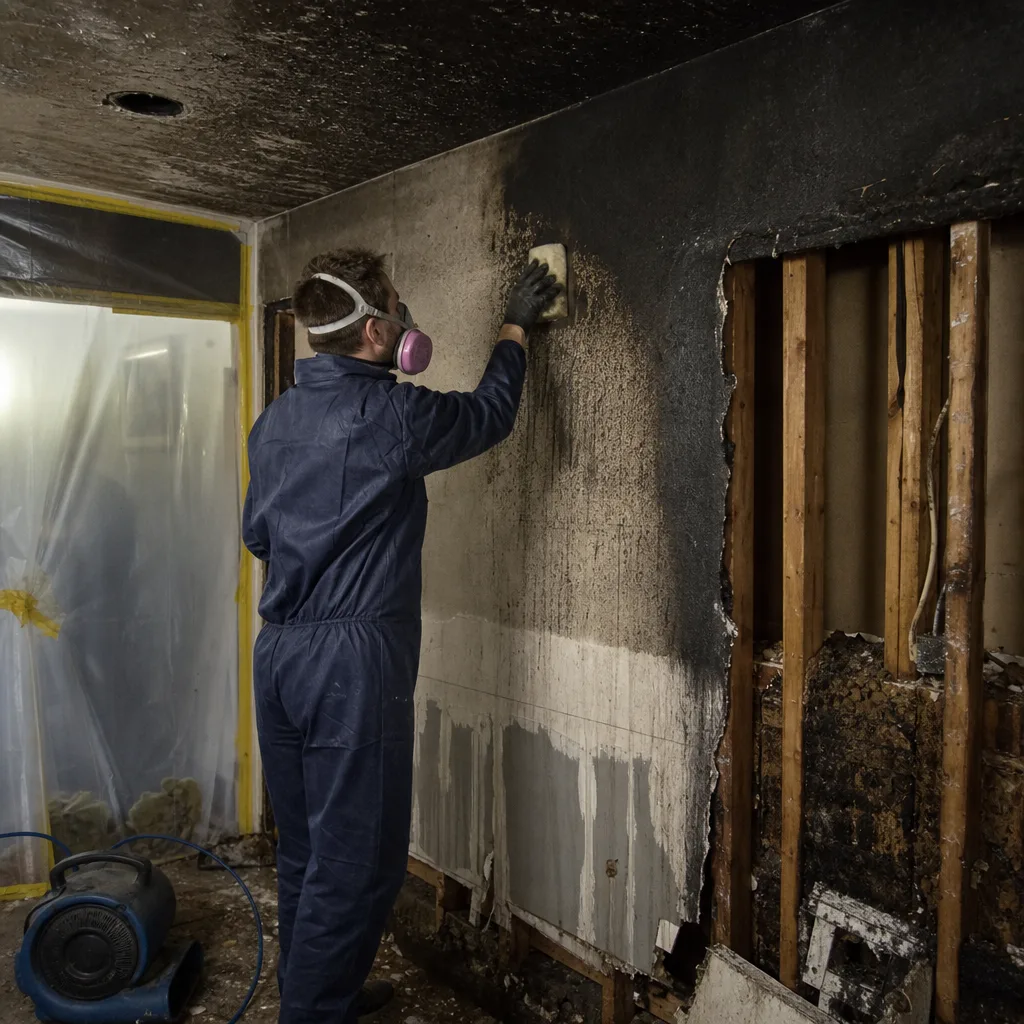
Toilet Overflow Cleanup
A blocked toilet overflowing sewage onto a bathroom floor and through ceiling joists is a containment problem first. We set up barriers around the affected area before any disturbance, then extract, dry, and sanitize. In Closter’s older homes where bathrooms sit above finished basements or formal dining rooms, we pay close attention to subfloor penetration.
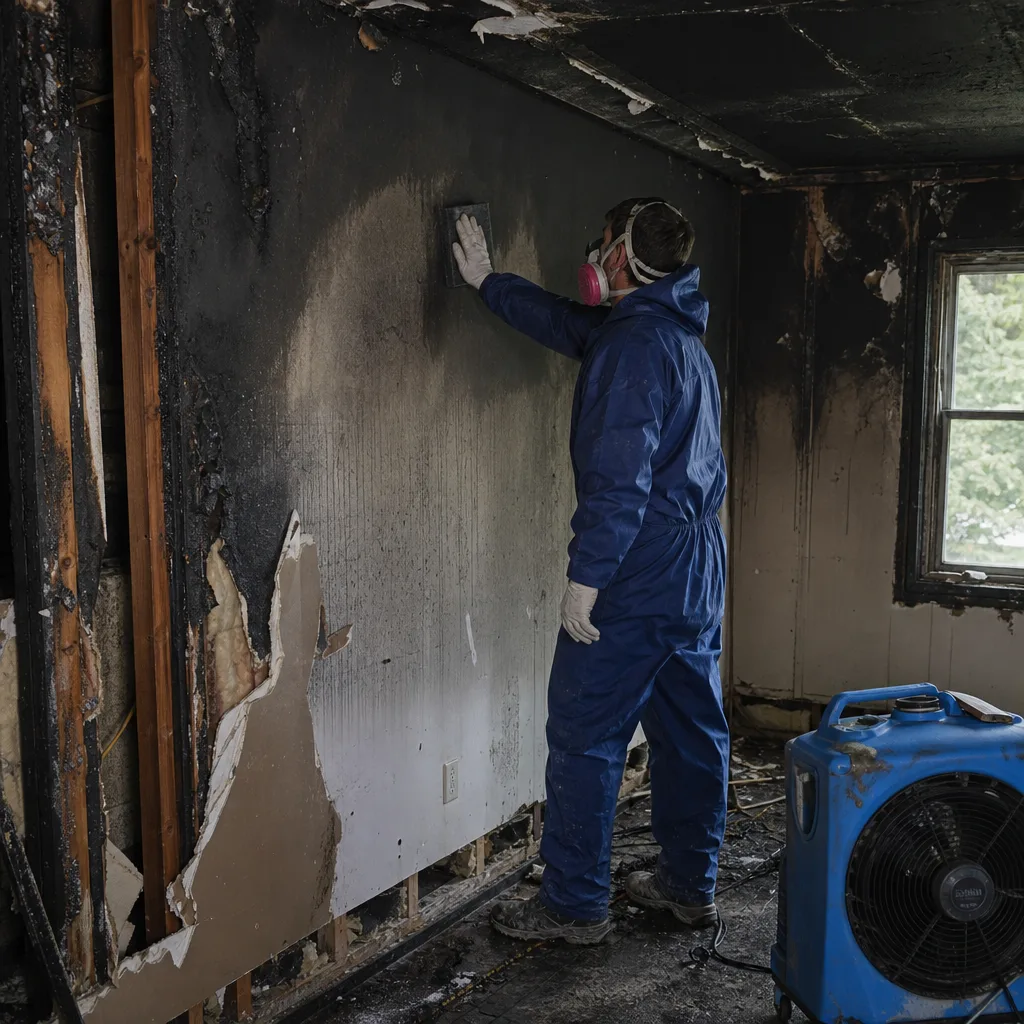
Septic Failure Cleanup
Closter has a significant number of homes on private septic systems, especially on the larger lots toward the borough’s eastern edge. A septic failure may not look dramatic at first, a slow drain, a gurgling toilet, a soft spot in the yard, but once effluent backs into the house, it’s Category 3 water. We locate the intrusion path, extract, sanitize, and coordinate with septic contractors on the system repair while we handle the indoor restoration.
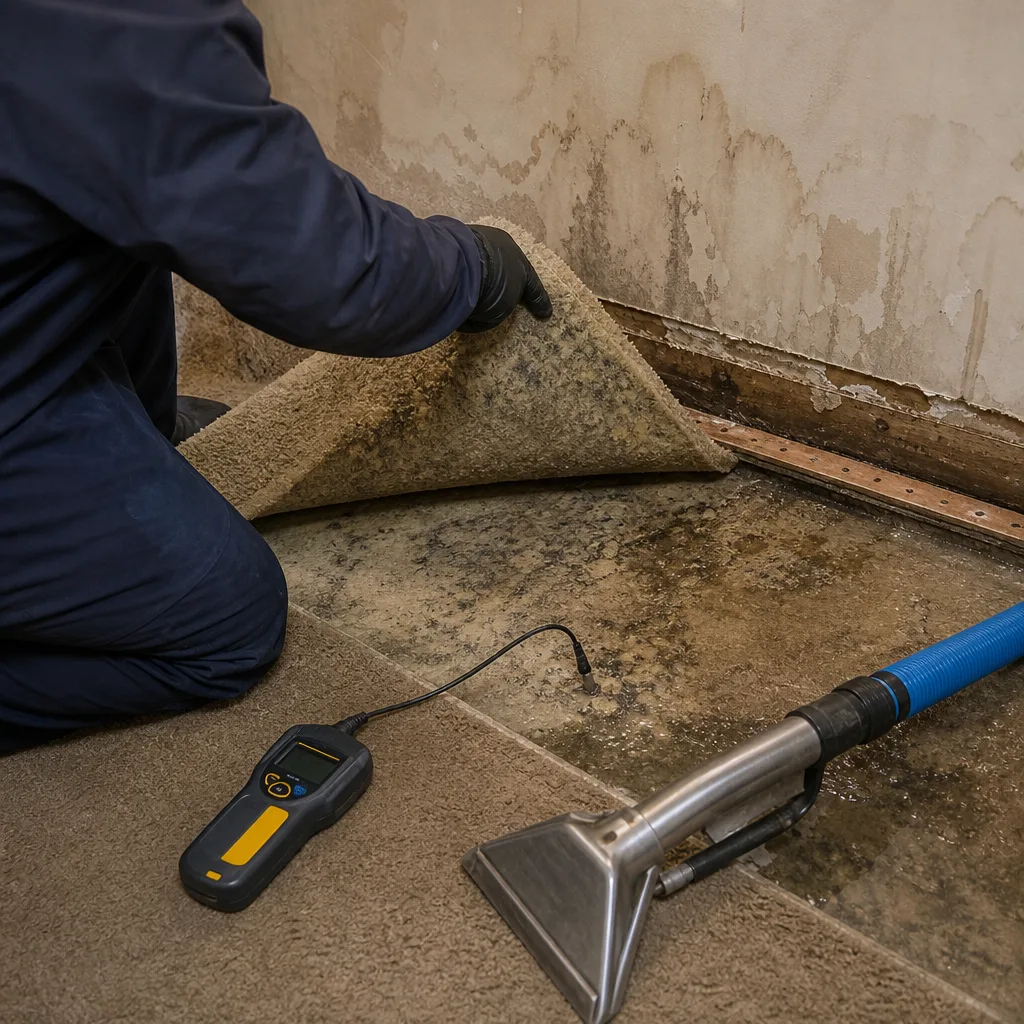
Black Water Extraction
This is the most urgent part of sewage cleanup. Standing black water must be removed with professional-grade extraction equipment, not a shop vacuum. Our crews run Dri-Eaz extraction units rated for contaminated water and follow IICRC protocols for Category 3 handling. Speed here directly determines how much of your finished basement survives.
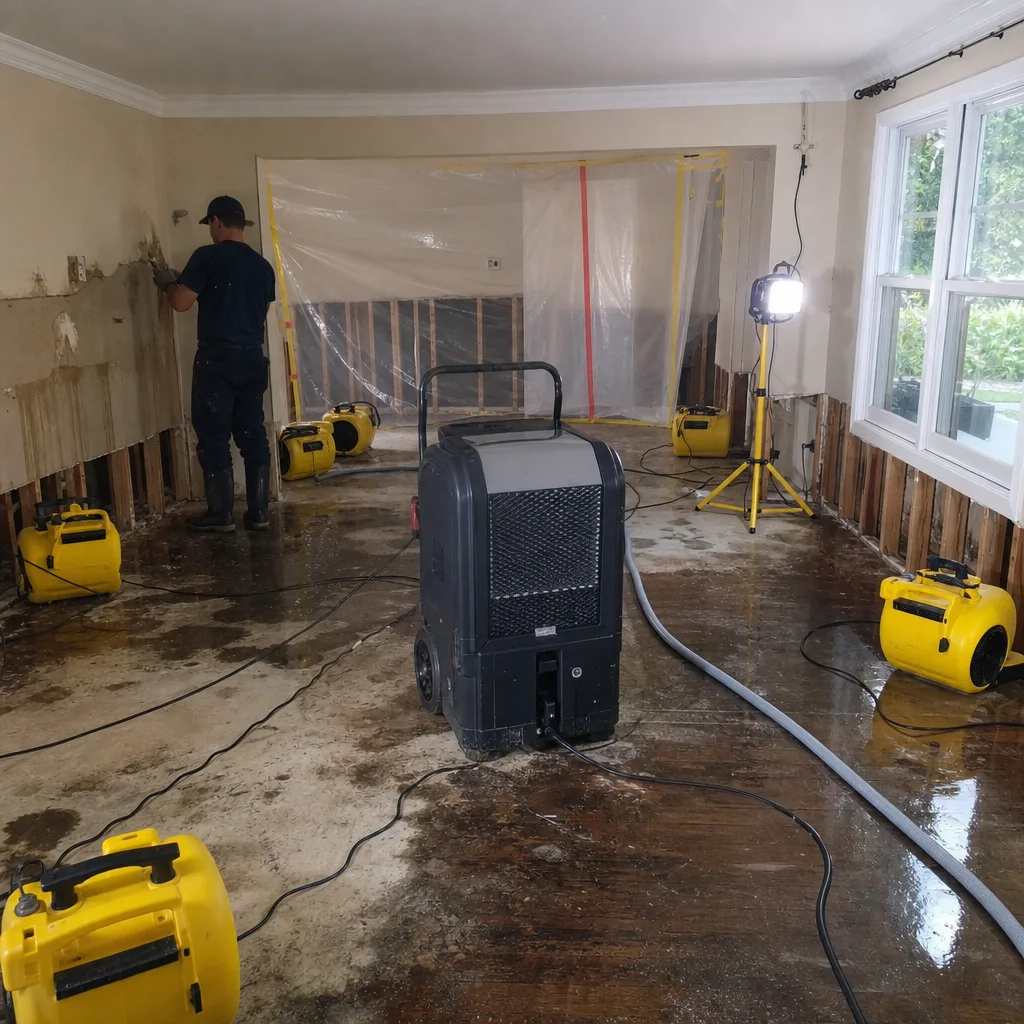
Sanitization & Disinfection
Removing the water isn’t enough. Surfaces that contacted sewage must be cleaned with appropriate antimicrobials, and materials that cannot be fully sanitized must be removed. We document every surface treated and every material disposed of, so your insurance carrier sees a complete chain of what was cleaned, what was removed, and why.
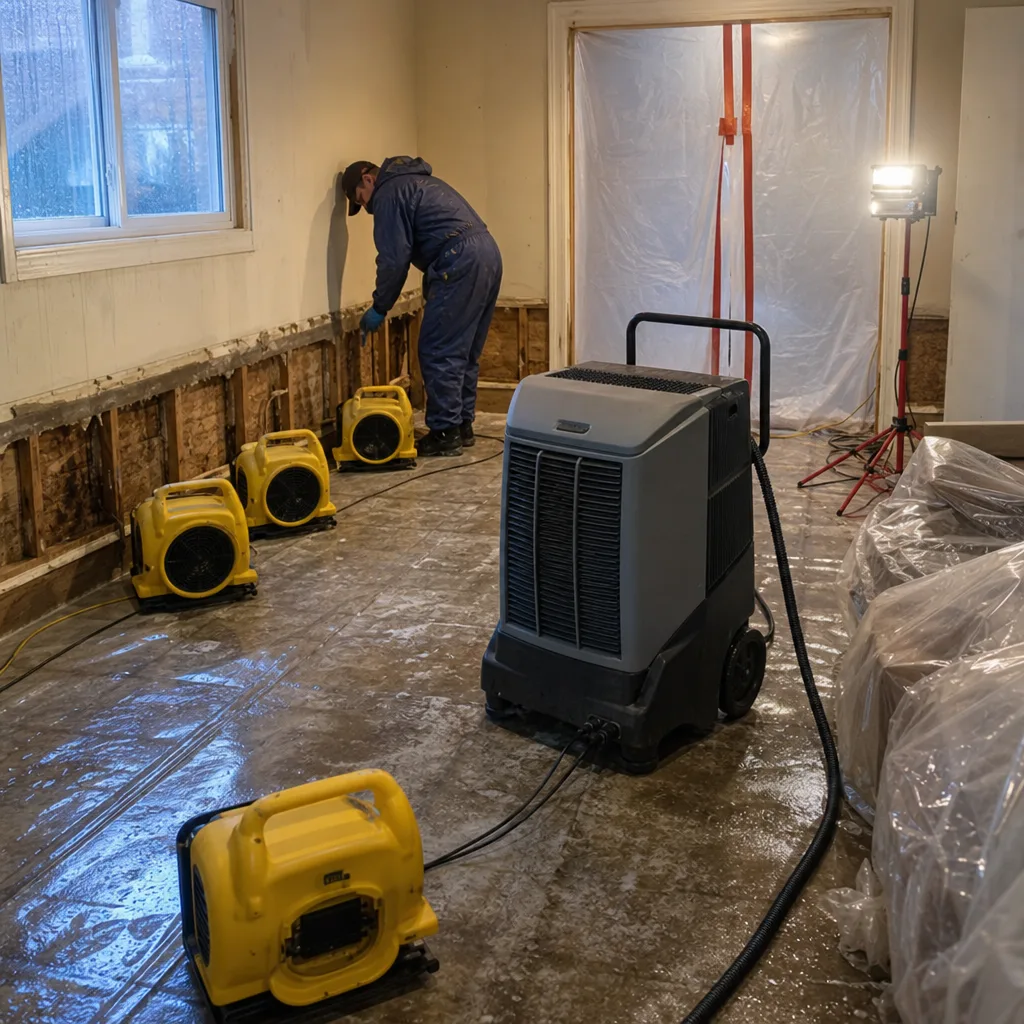
What happens when you call
- 1
A real person answersNo phone trees - you reach a local pro.
- 2
You get an upfront price rangeHonest numbers before anyone is dispatched.
- 3
A background-checked tech heads outLicensed & insured, dispatched right away.
- 4
You approve before work beginsNothing starts until you say go.
Sewage Cleanup Costs in Closter, NJ
A sewage cleanup job in Closter runs a wide range because a backup in an unfinished utility basement is a completely different job from a backup in a finished lower-level family room with hardwood, millwork, and drywall. A typical toilet overflow contained to a single bathroom floor runs $1,800 to $3,200. A basement-wide Category 3 backup requiring full extraction, containment, drying, sanitization, and rebuild of finished space runs $4,500 to $7,400 on average, and higher when original hardwood and custom finishes require material-matching replacement. What moves the price: how far the sewage traveled, how much finished material absorbed contamination, whether walls need to be opened for drying access, and whether the home has layered plaster-over-lath assemblies. Insurance covers most sudden and accidental sewage backup events, though policy limits and endorsements vary. The fastest way to a firm number is a free visual inspection. We write a line-item scope before any work starts, so you know exactly what’s being done and why.
We Also Serve Cities Near Closter
Our Closter crews also respond in Demarest, Norwood, Haworth, and Cresskill. Response times are comparable across the area, though Closter and Demarest addresses along the watershed corridor tend to see priority dispatch during storm events.
Serving Closter, NJ - Our Local Coverage Area
We’re based in the Closter area and know this community well. Use the map below to see our service coverage - if you’re nearby, we can almost certainly help.
Closter Sewage Cleanup Questions, Answered
Why is sewage backup in Closter basements more common after nor’easters than in neighboring towns?
Because Closter sits in a terrain pocket below the Bergen County ridgeline, and the Dwars Kill drainage system concentrates stormwater into residential streets and yards when nor’easters hit. Flatter neighboring boroughs like Norwood and Old Tappan disperse runoff differently; Closter collects it. That concentrated water overwhelms storm and sewer lines and pushes sewage back through the lowest openings in the home, usually basement floor drains. Call (551) 348-3742 if you’re seeing water at a drain after heavy rain.
How should I handle a sewage backup in a Closter home with original plaster walls?
Do not decide the wall is dry by touch. Plaster over lath holds moisture invisibly, and a plaster wall that feels dry on the surface can be saturated behind the lath. Proper sewage cleanup in these homes requires thermal imaging and moisture mapping to locate hidden contamination pockets before any drying plan is written, and before any rebuild begins. If you’ve had a backup and the wall was not mapped by a certified crew, get a second assessment.
Do Closter’s building codes require anything special for sewage cleanup or restoration after a black water event?
Closter requires permitted work for structural repairs and rebuilds, including electrical, plumbing, and finished surface restoration after a Category 3 loss. Our team handles permit-ready documentation and works with the borough on required inspections. The sanitation and drying work itself follows IICRC standards, which is what the borough expects to see referenced when a restoration contractor submits a scope.
What is the realistic timeline for sewage cleanup in a Closter split-level with a finished basement?
A finished split-level basement in Closter that takes on sewage requires three to seven days of active drying after extraction, depending on how far contamination traveled and how many wall cavities are involved. Rebuild of drywall, baseboards, and flooring adds another one to three weeks. Homes with original hardwood and custom millwork run longer because material matching and refinishing cannot be rushed. We give you a written timeline at the inspection.
Can a septic system failure in Closter cause sewage to back up into the house even without heavy rain?
Yes. A saturated drain field, a collapsed distribution line, or an overfull tank can force effluent back through the system and into the house on a clear, dry day. These events often start with slow drains and gurgling sounds before the backup is visible. We see a fair number of these in Closter’s larger-lot homes, and the indoor restoration is the same Category 3 cleanup process regardless of what caused it.
How fast can someone actually get to Closter for a sewage emergency?
Our commitment is 45 minutes to dispatch a crew toward Closter from the moment you call. We keep units staged across the metro area, so actual arrival time depends on where in the borough you are, but the wheels are moving within the hour. A live dispatcher answers 24/7 at (551) 348-3742.
Will my insurance cover a sewage backup in Closter, and who deals with the adjuster?
Sudden and accidental sewage backups are covered under many homeowners policies, though coverage limits and endorsements vary by carrier and policy. We photograph the loss from the first hour, produce line-item estimates in the format adjusters expect, send drying logs directly, and bill your carrier directly. You never have to play messenger between us and the insurance company.
What should I do in the first 30 minutes after discovering a sewage backup in my Closter home?
Shut off the water if the source is a fixture, do not flush toilets or run sinks, and keep people and pets out of the affected area. Turn off HVAC if air is moving through the contaminated space. Do not try to extract the water yourself with towels or a shop vacuum; Category 3 water requires professional PPE and equipment. Call (551) 348-3742 and a live person will start your dispatch immediately.
Written by Curt Bowman, Owner at Floodline Restoration Co., providing sewage cleanup and full-cycle restoration to Closter and surrounding Bergen County communities since 2010.