
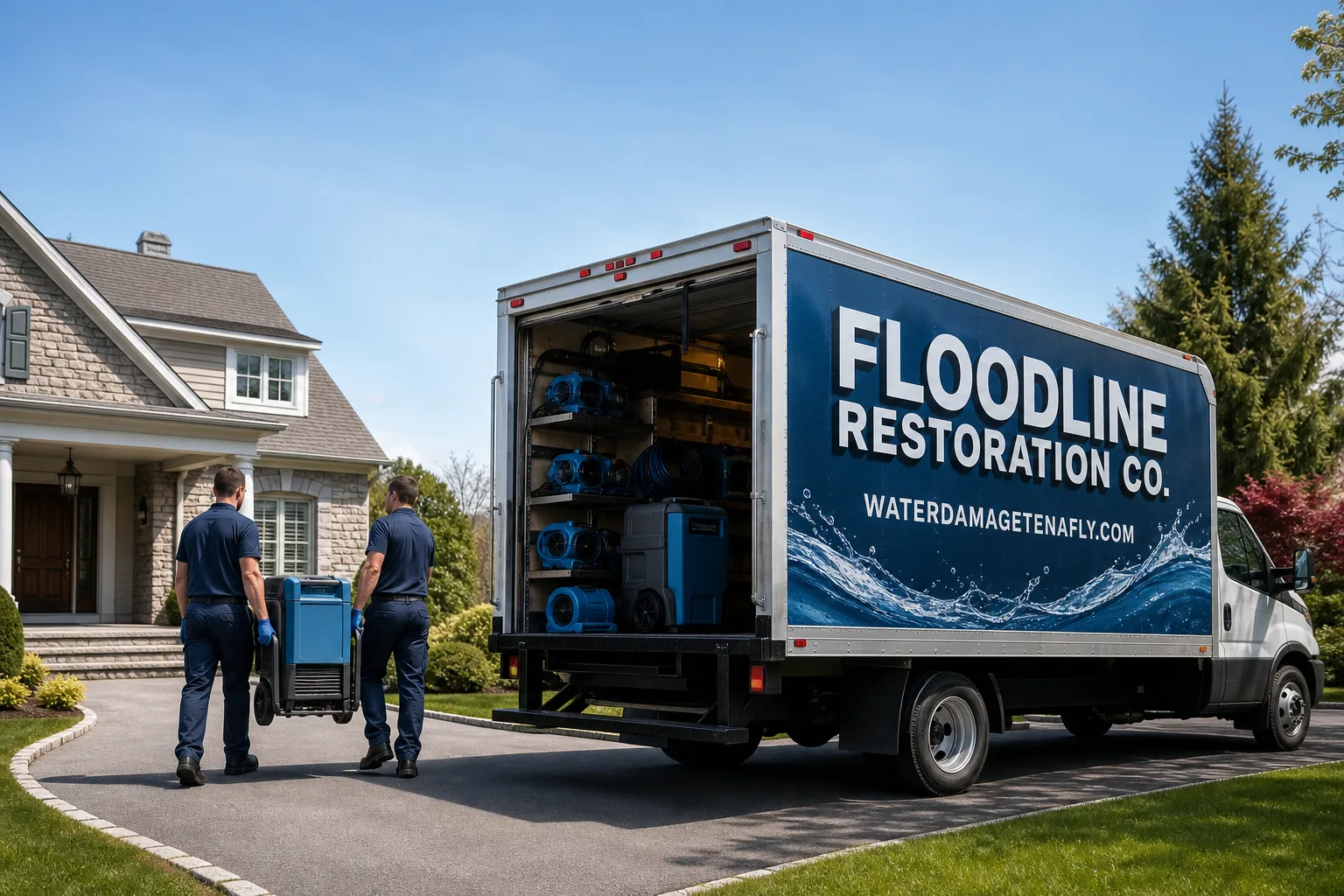
Free visual inspection and a written scope of work before any mitigation begins - photos, moisture readings, and drying logs go in your claim file
The scope we write is the scope we bill. Anything new gets shown to you, in writing, before we touch it.
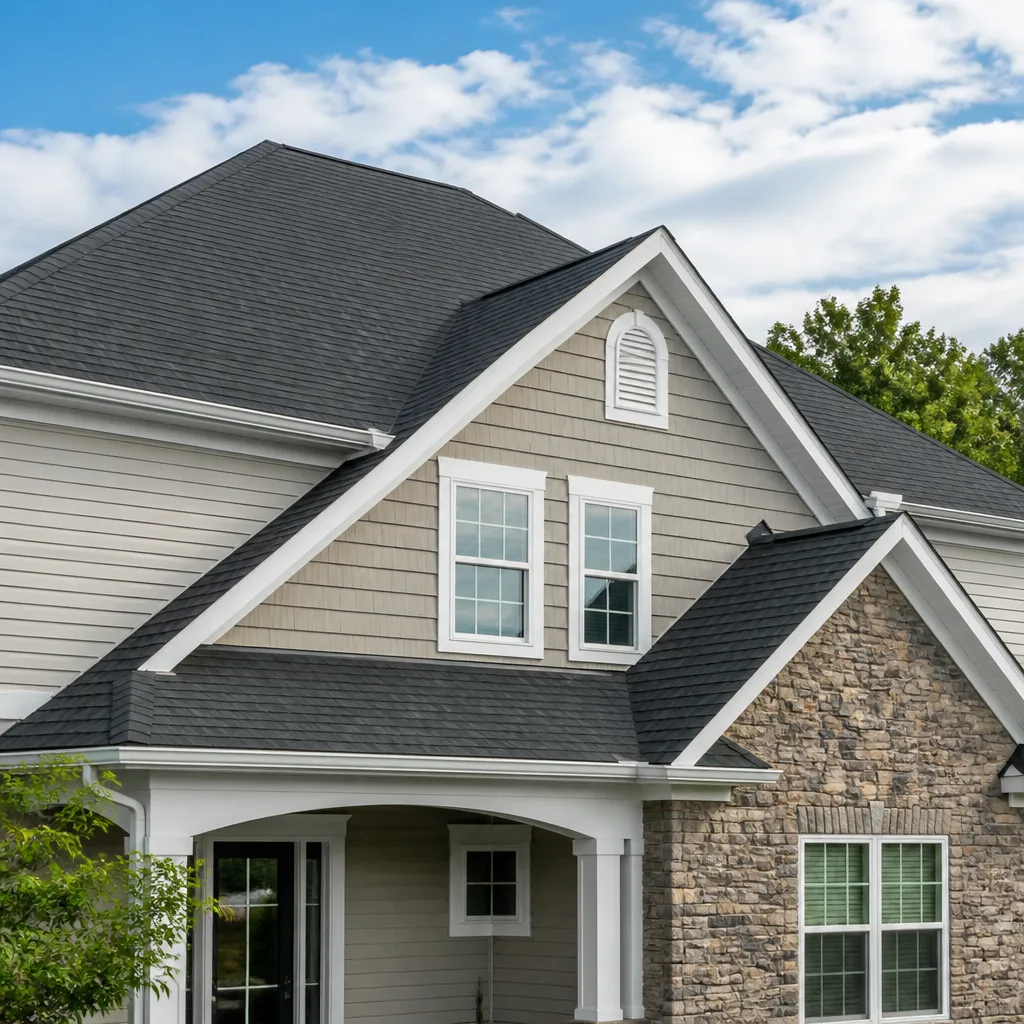
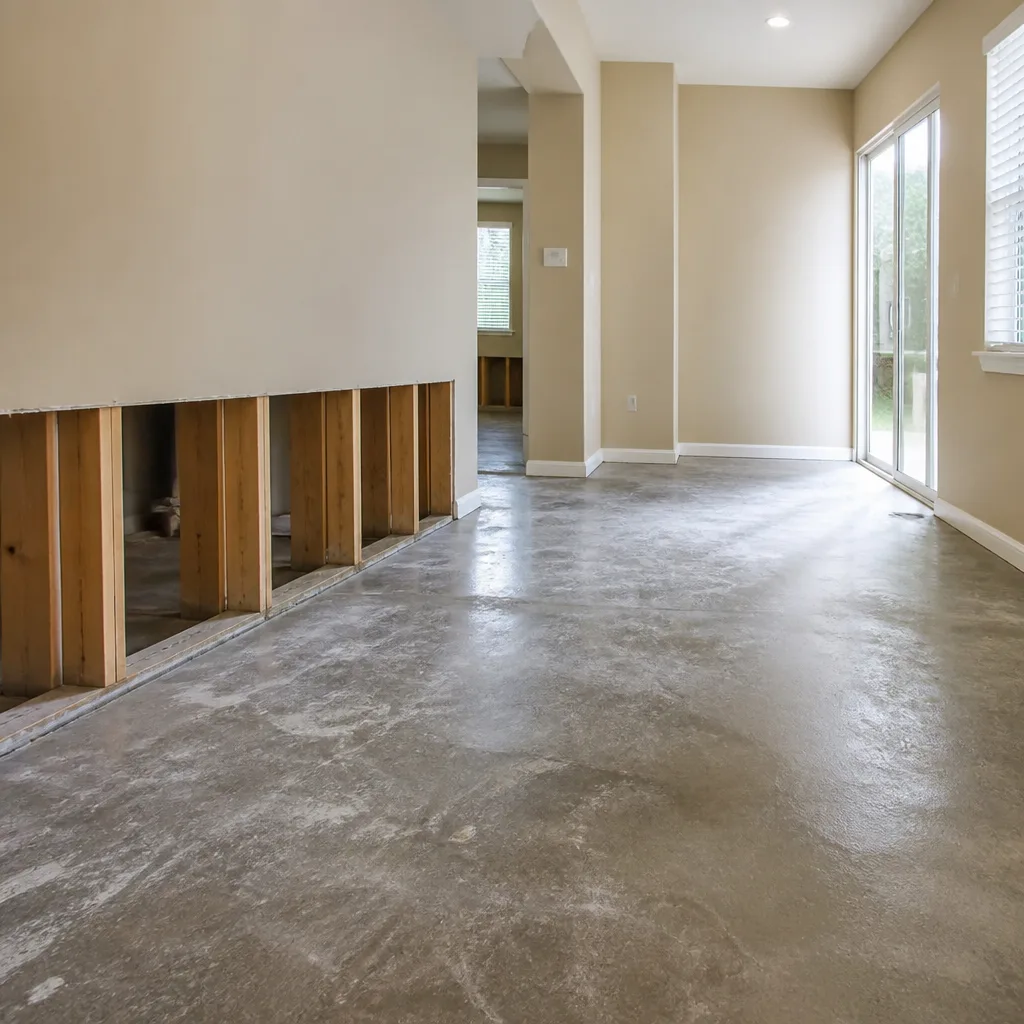
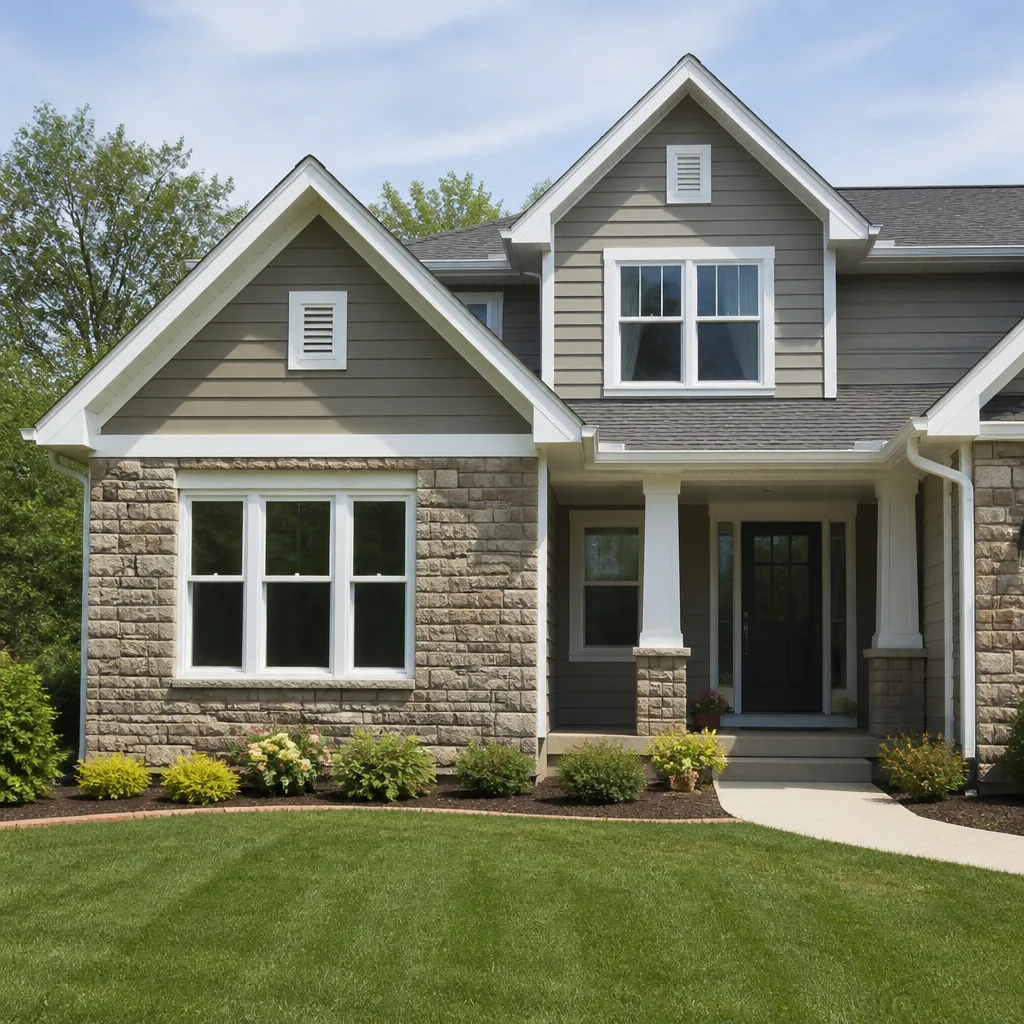
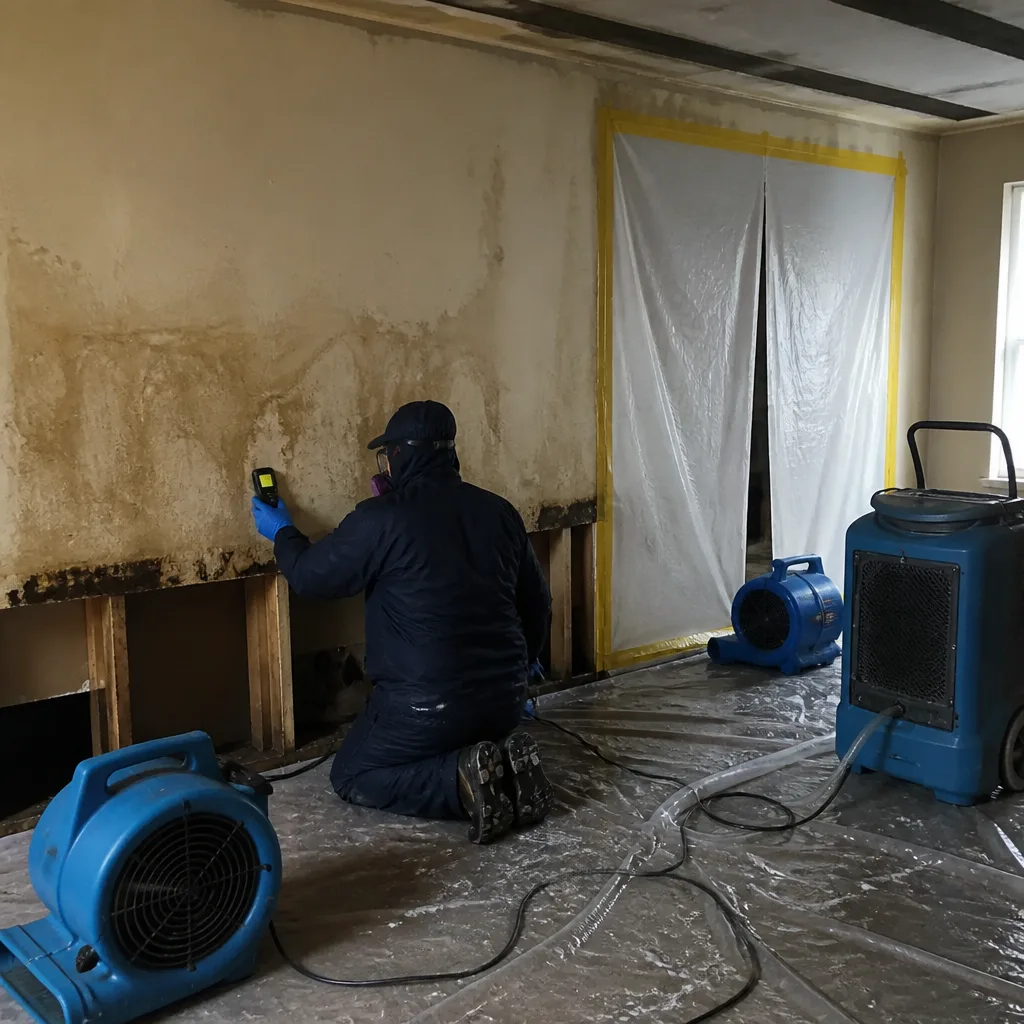 Before
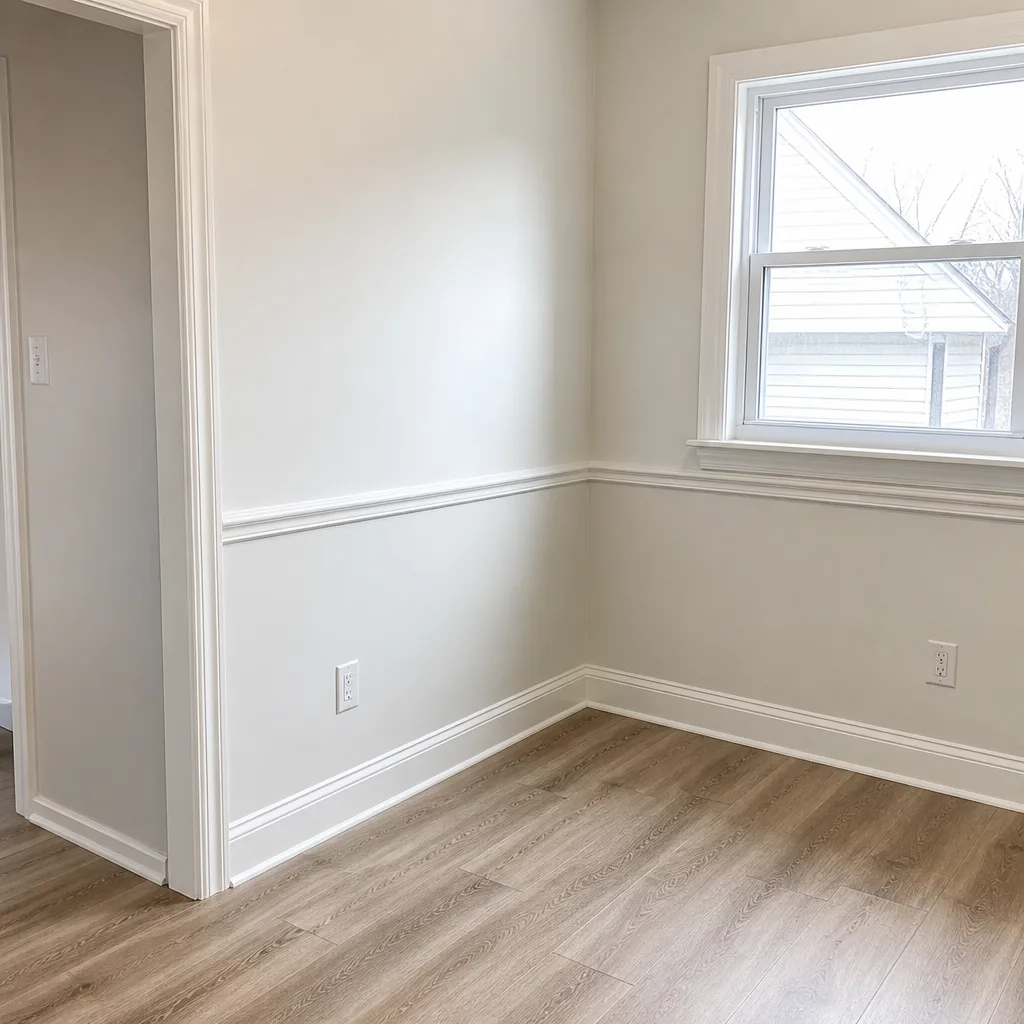 After
After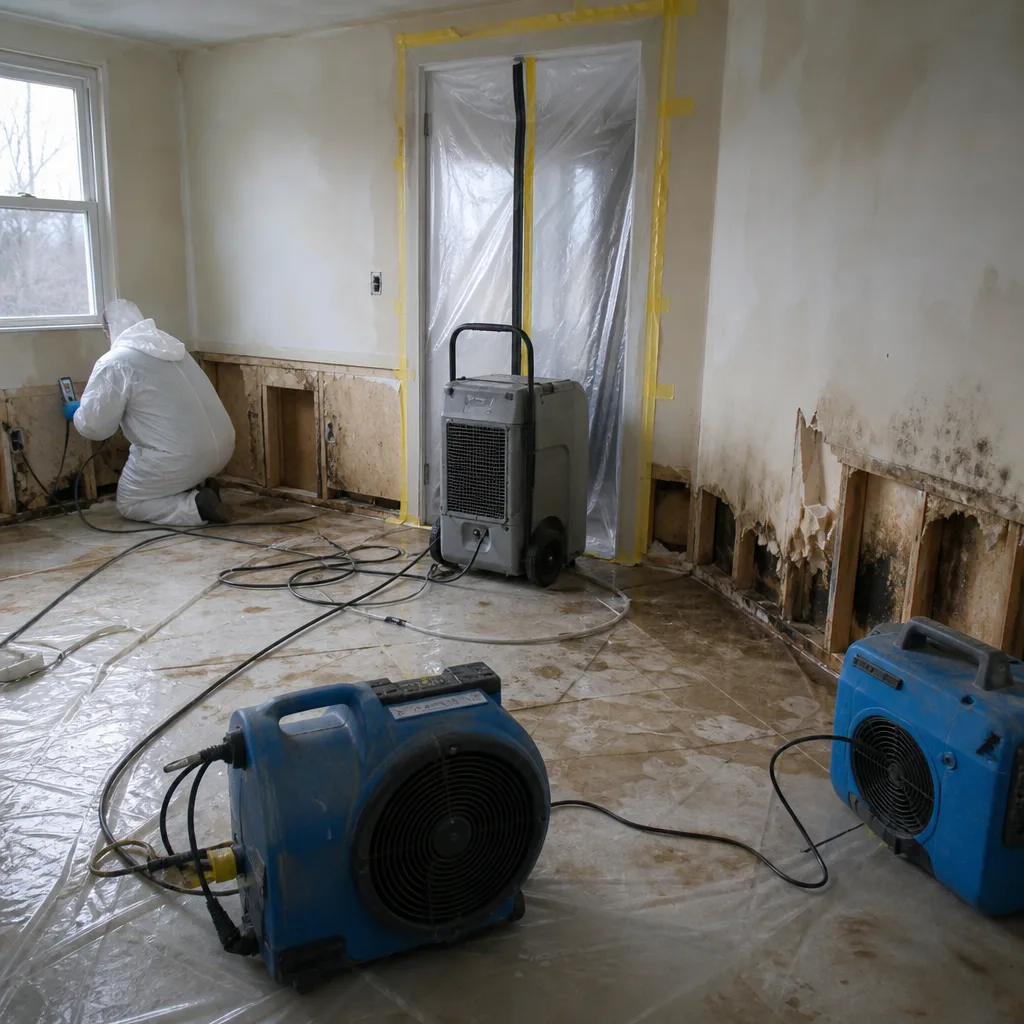 Before
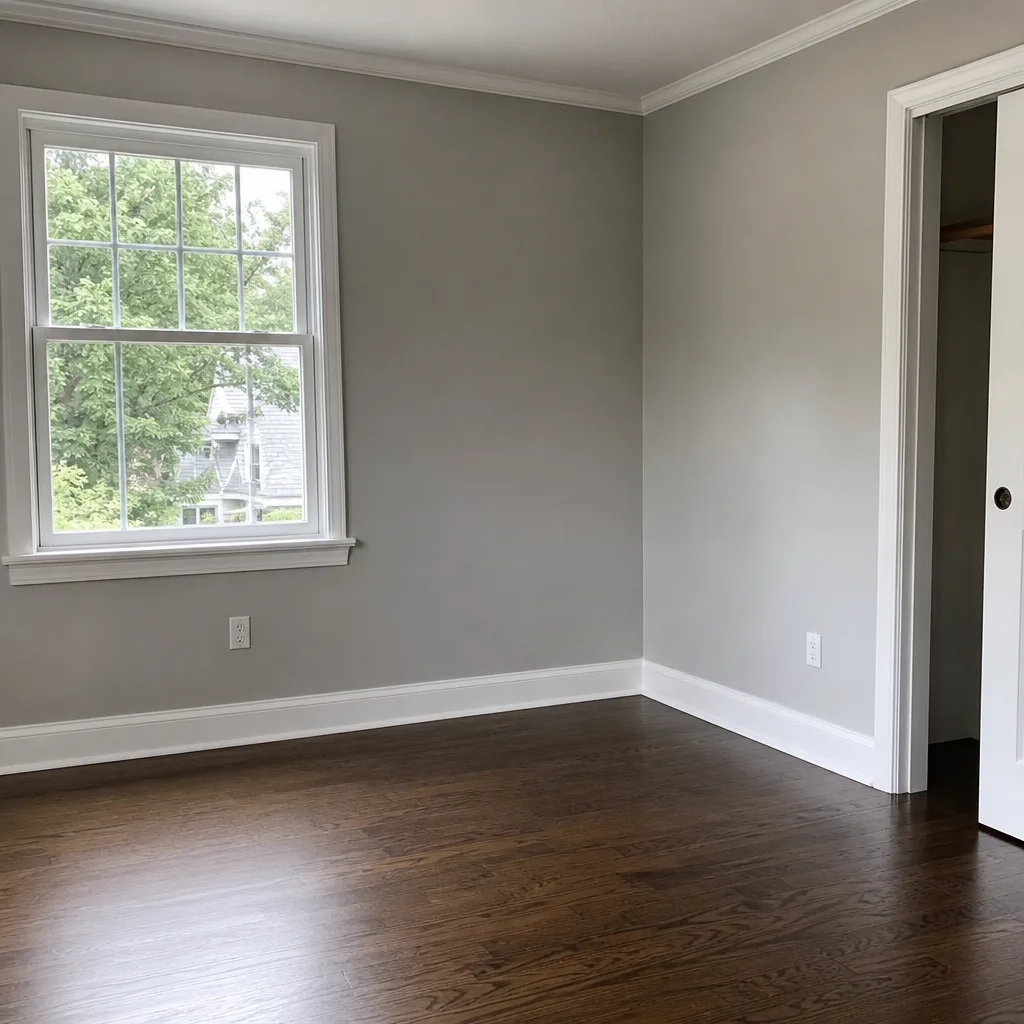 After
After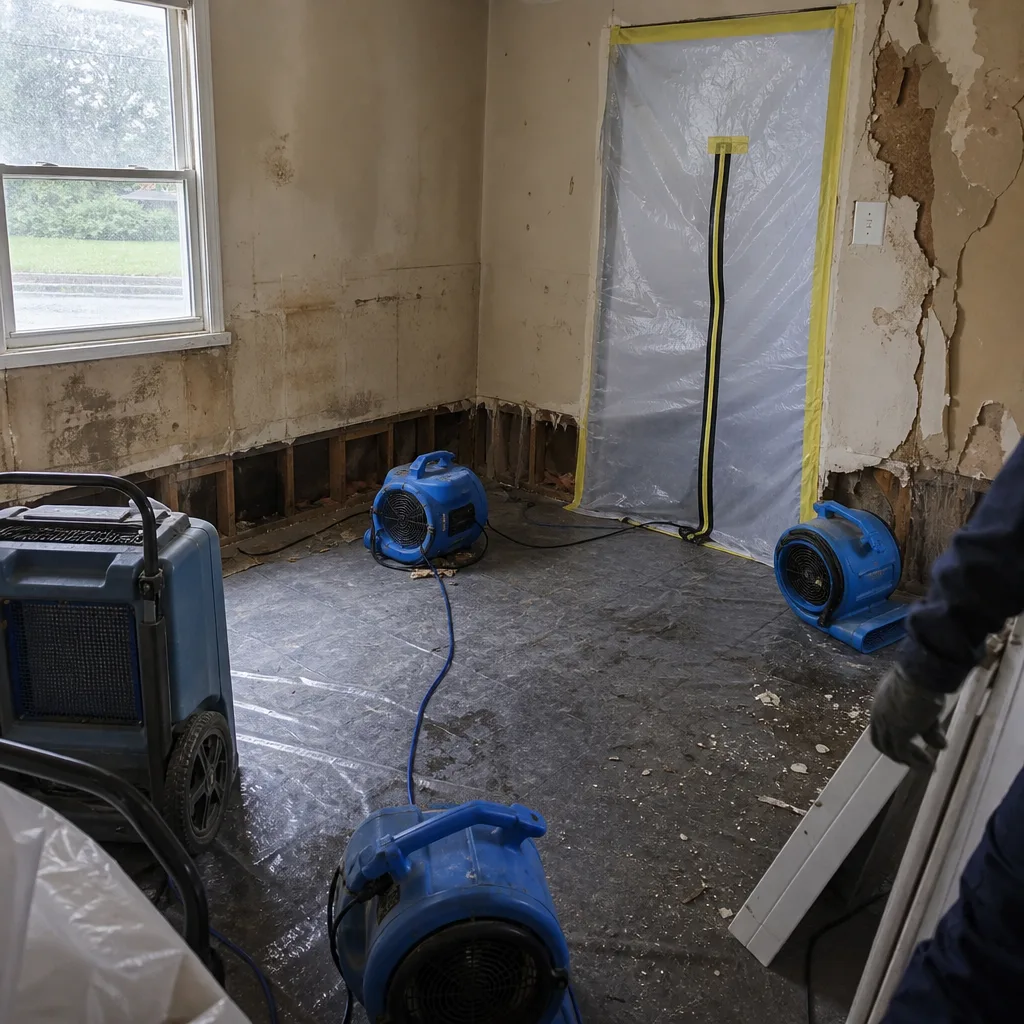 Before
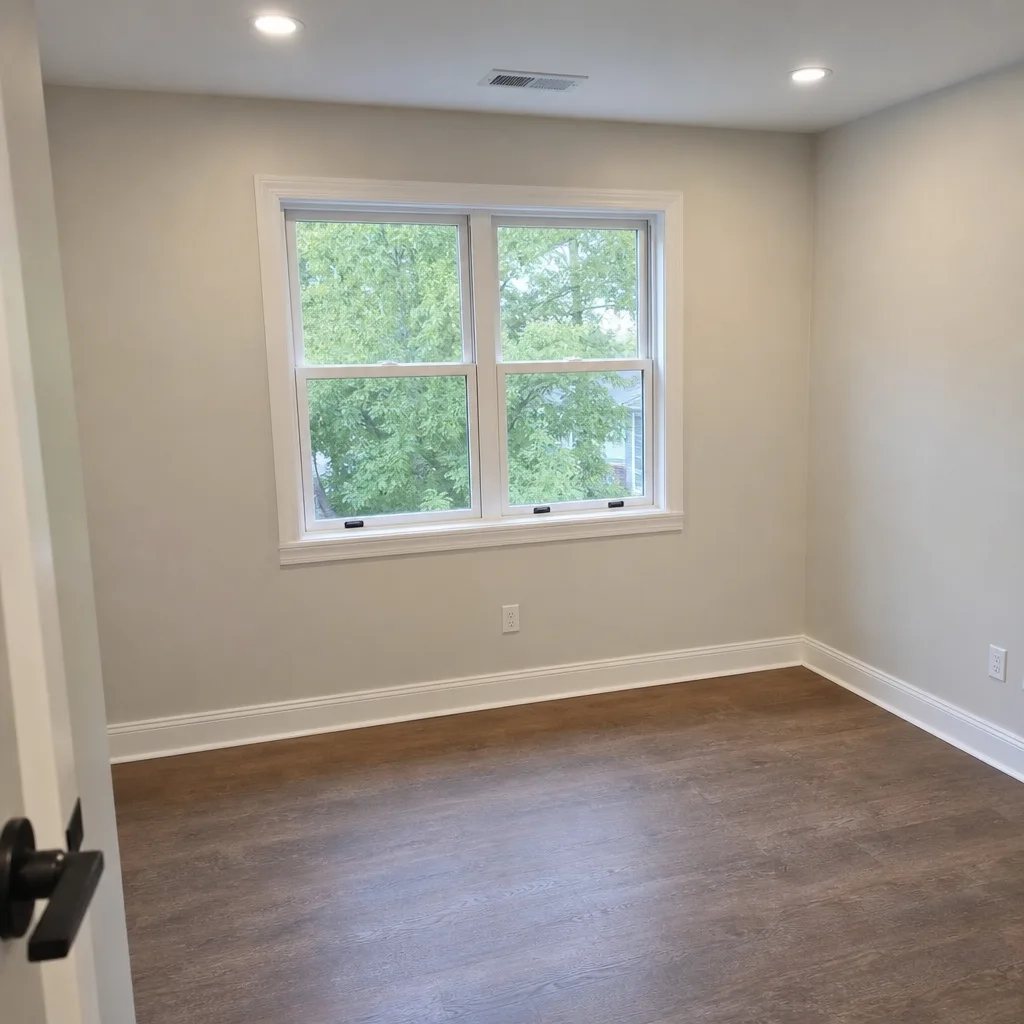 After
After24/7 Emergency Fire & Smoke Damage Restoration in Norwood
Fire and smoke damage in Norwood doesn’t wait for business hours, and neither do we. A kitchen fire off Broadway or an electrical short in a split-level on Summit Street can push soot through wall cavities and into finished basements within the first hour. Call (551) 348-3742 any time, day or night, and a live dispatcher answers. Not a recording, not a call center. A person who can have a certified crew rolling toward your neighborhood within 45 minutes. Our Fire & Smoke Damage Restoration team arrives with professional-grade Dri-Eaz air movers, Phoenix dehumidifiers, and HEPA air scrubbers ready to run the same visit. The first hour dictates whether smoke smell becomes permanent in drywall and carpet, or whether we stop it before it sets. Board-up and tarping are available immediately for any Norwood home left exposed after a fire. The fastest way to keep damage from spreading is a phone call.
Understanding Fire & Smoke Damage Restoration Severity in Norwood Properties
Fire restoration in Norwood rarely stops at the room where flames started. Smoke pressure drives soot into every crack, seam, and shared wall void in the house. We classify soot residue by type: dry protein soot from kitchen fires clings to painted surfaces but wipes away with the right chemistry; oily fuel soot from a furnace puff-back bonds to drywall and needs aggressive solvent cleaning; wet soot from burning synthetics leaves an acidic residue that etches metal fixtures and permanently yellows white trim within days if untreated. In Norwood’s 1950s and 1960s construction, that migration follows predictable paths: up through first-floor ceiling cavities, across shared attic spaces, and down into concrete-block basement foundations. Pre-1978 homes add a layer most restoration crews miss: asbestos-containing floor tiles, pipe insulation, and even old ceiling texture that must be tested before demolition or sanding can proceed under NJ DEP rules. Severity in this borough comes down to age, density, and how quickly someone called.
Why Norwood Property Owners Choose Floodline Restoration Co.
- 45-minute response commitment. We tell you when the crew will arrive, and we’re there when we say. Norwood’s compact two-square-mile grid means we’re never far from your street.
- 24/7 live answer from a real person. A dispatcher picks up at 2 a.m. on a Tuesday, not an automated system. You’ll talk to someone who can get trucks moving immediately.
- IICRC-certified crews. Our technicians train to FSRT (Fire & Smoke Restoration Technician) and WRT (Water Damage Restoration Technician) standards. Background-checked and uniformed on every job.
- Free visual inspection. Before any work begins, we walk the property with you, document what we find, and give you a straight answer about scope. No charge, no obligation.
- Direct insurance billing. We handle the carrier paperwork, estimates, and adjuster calls. You never play messenger between our crew and your insurance company.
- One team from board-up to rebuild. The same certified crew that sets containment handles the pack-out, the structural repair, and the final walkthrough. No mid-job handoff to strangers.
Our Fire & Smoke Damage Restoration Process
Inspection & Assessment
We start with thermal imaging and moisture mapping to find hidden smoke channels and water from fire suppression. On Norwood pre-1978 homes, we flag any materials that may require asbestos testing before work proceeds. You get a written scope before anything gets touched.
Emergency Board-Up & Tarping
Exposed windows, roof openings, and breached walls get sealed the same visit. In Norwood’s dense neighborhoods, that also means checking whether smoke spread to an adjacent home through a shared wall or attic cavity.
Water Extraction & Drying
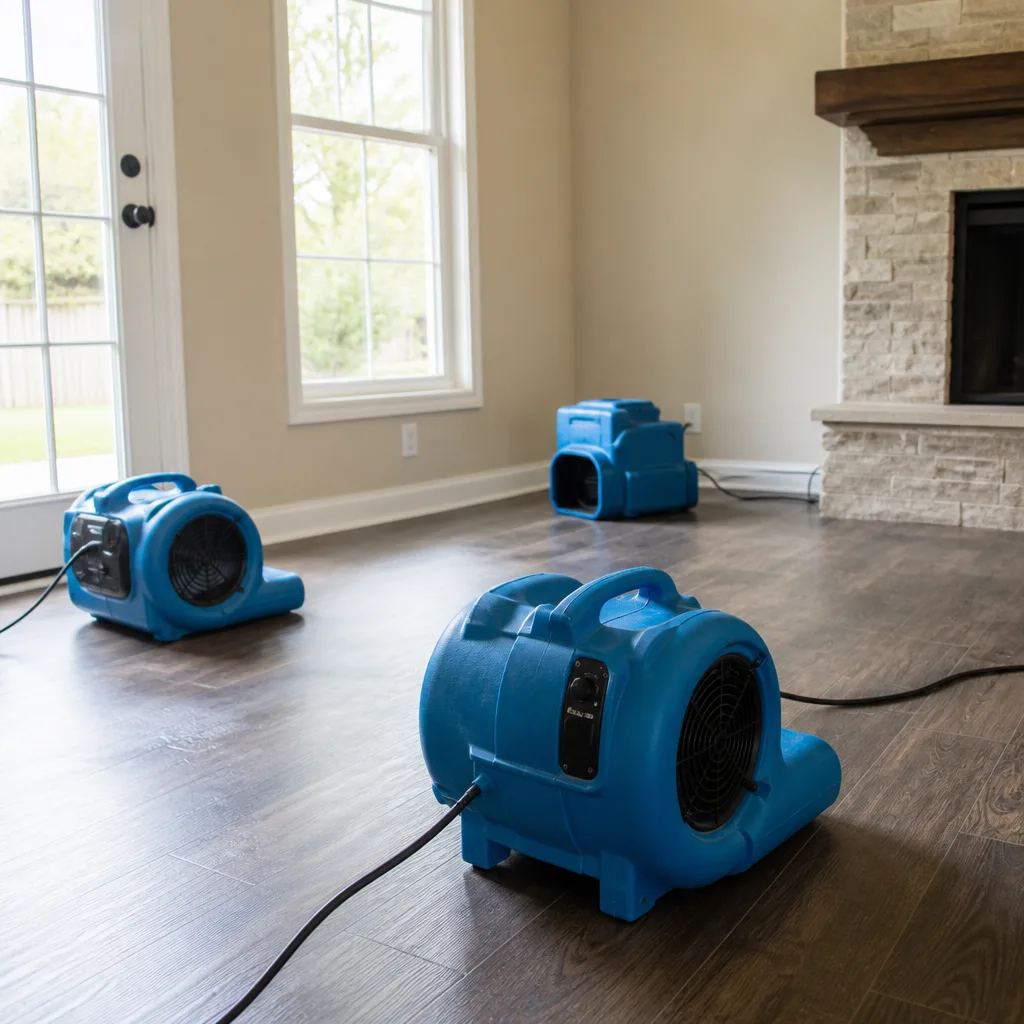
Fire suppression leaves behind water that soaks flooring, drywall, and framing. We run Phoenix dehumidifiers and Dri-Eaz air movers, logging daily readings until we hit the dry standard. That log goes to you and your insurer.
Smoke & Soot Removal
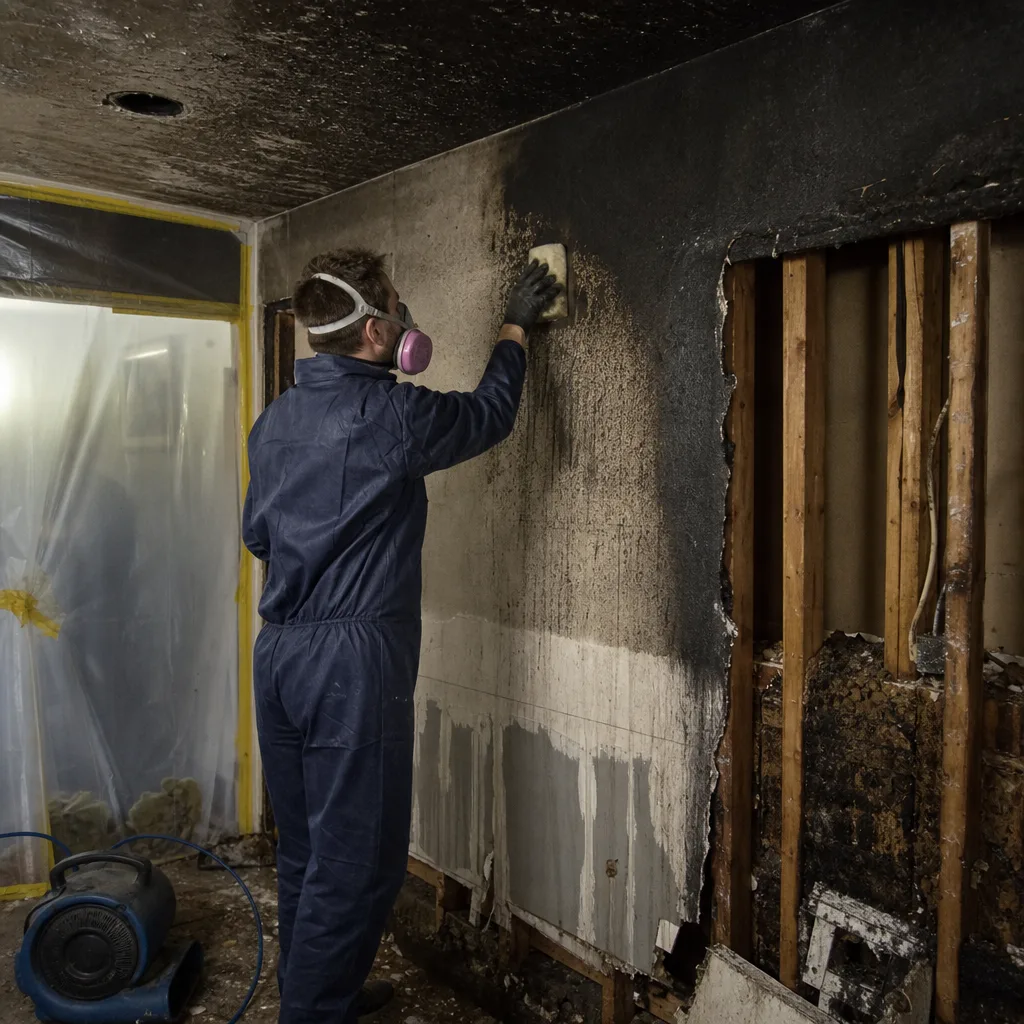
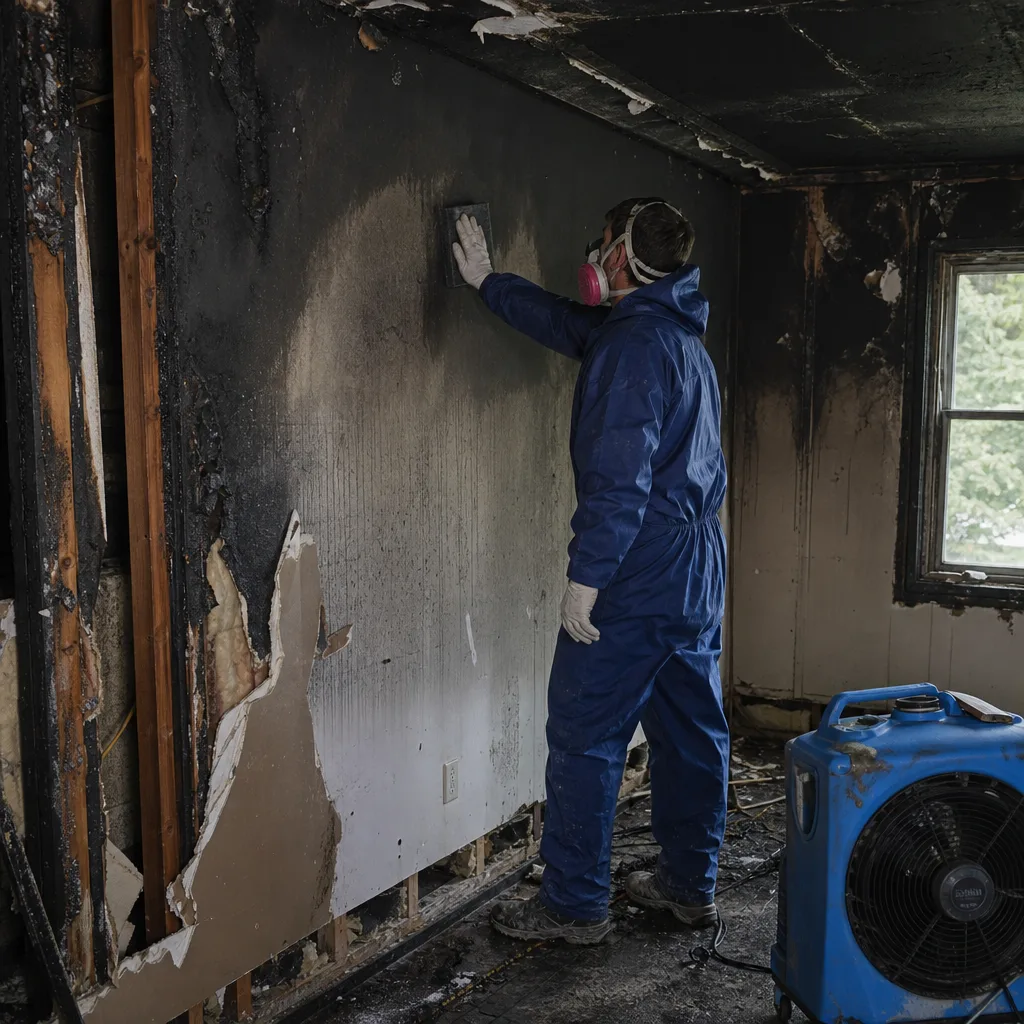
HEPA air scrubbers pull airborne particulate while our crews clean every exposed surface with residue-specific chemistry. Walls, ceilings, trim, fixtures, and ductwork all get treated. Skipping any surface means the smell returns in weeks.
Odor Removal & Deodorization
We treat what you can smell and what you can’t. Thermal fogging and hydroxyl generation neutralize smoke odor embedded in insulation, wall cavities, and subflooring. This stage is where half-treated Norwood jobs fail.
Contents Cleaning & Structural Repair
Salvageable contents get packed out, inventoried, and cleaned at our facility. Structural rebuild, from drywall to trim to flooring, is done by the same crew that started the job. One team, one standard, one written guarantee: the 90-Day Done Right Promise.
Need Emergency Fire & Smoke Damage Restoration in Norwood Now?
Crews minutes away, answering live 24 hours a day. The sooner we start, the less it costs.
Working With Your Insurance Company
Fire claims in Norwood generate a lot of paper. We’ve handled hundreds of them across Bergen County, and we know what carriers actually need to approve a full scope. Our documentation starts in the first hour: photos of every affected room, inventory of damaged contents, moisture readings with timestamps, and a line-item scope tied to industry-standard estimating software. We coordinate directly with your adjuster so you don’t spend your evenings on hold. The written scope you approve before work begins becomes the baseline for every negotiation. No surprises on the bill, because the bill was agreed to in writing before a single wall was opened. We don’t argue with carriers; we give them defensible documentation and let the facts close the claim.
What We Provide Your Insurer
- Thorough documentation of the loss
- Photos of all damage, room by room
- Moisture readings and drying logs
- A detailed, line-item scope of work
- Direct coordination with your carrier
Built for Norwood’s Loss Calendar
Norwood’s fire damage follows a seasonal rhythm, and the same homeowners who call us in February for ice dams often call again in July for lightning strikes. Northern Bergen County’s freeze-thaw cycle, with temperatures swinging across 32°F from November through March, creates recurring ice dams on the low-pitched ranch roofs that dominate Norwood’s housing stock. Meltwater backs up under shingles, soaks wall cavities, and can short out wiring that was installed when Eisenhower was in office. In summer, overheated attic wiring and old window air conditioners are the usual suspects. Fall brings nor’easter season, when wind-driven rain exposes gaps in 50-year-old flashing and drives moisture into breaker panels that have never been upgraded. Every season in Norwood has a specific failure mode tied to the age and architecture of its mid-century homes. Our crews know these patterns because we’ve worked through every one of them, year after year in this borough.
Fire & Smoke Damage Restoration Across Norwood’s Neighborhoods
Norwood’s fire restoration patterns map cleanly onto its housing stock, and within a two-square-mile borough, the differences from street to street can be stark. Along Broadway and the commercial corridor near the center of town, we respond to more restaurant and retail-adjacent fires, where smoke spreads sideways into adjacent storefronts and apartments through shared wall construction. The ranches and Cape Cods west of Livingston Street and around Summit Avenue tend to have full attics that carry smoke the entire length of the house, often leaving soot deposits in rooms that never saw a flame. Over by the northern edge along the Closter border, split-levels with attached garages show a specific failure mode: garage fires that climb into the living space above, then push smoke down into the lower level through the open stairwell. And in the blocks south of Blanch Avenue, where lots are tightest and homes sit closest, we regularly document smoke migration into neighboring properties through shared attic cavities or wall voids. Each part of Norwood has its own signature, and knowing the difference changes how we set containment on day one.
Specialized Fire & Smoke Damage Restoration Services We Offer in Norwood
Emergency Board-Up & Tarping
After a Norwood fire, your home is open to weather, animals, and anyone walking by. We board up and tarp the same visit, using plywood cut to fit Norwood’s standard window and door sizes, secured with tamper-resistant hardware. In a borough where homes sit arm’s-length apart, securing the property also protects neighbors from loose debris and secondary damage.
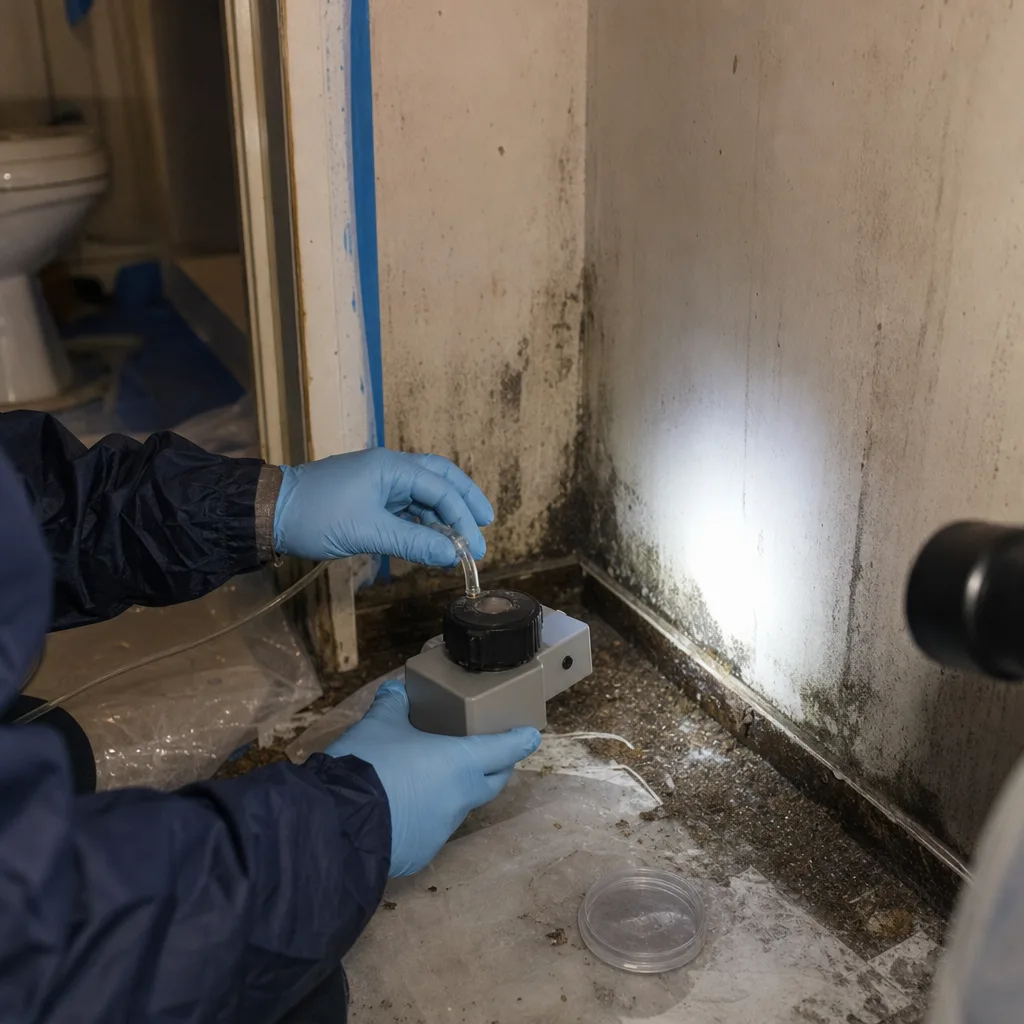
Smoke & Soot Removal
Smoke soot in Norwood’s 1950s and 1960s homes behaves differently than in newer construction. Plaster walls absorb smoke particles deeper than drywall; oil-based paints from that era react with soot to create a sticky residue that resists standard wiping. We use the right chemistry for the era of your house, not a one-size-fits-all degreaser. Every surface gets treated, from ceiling joists to baseboard heaters to the inside of light fixtures.
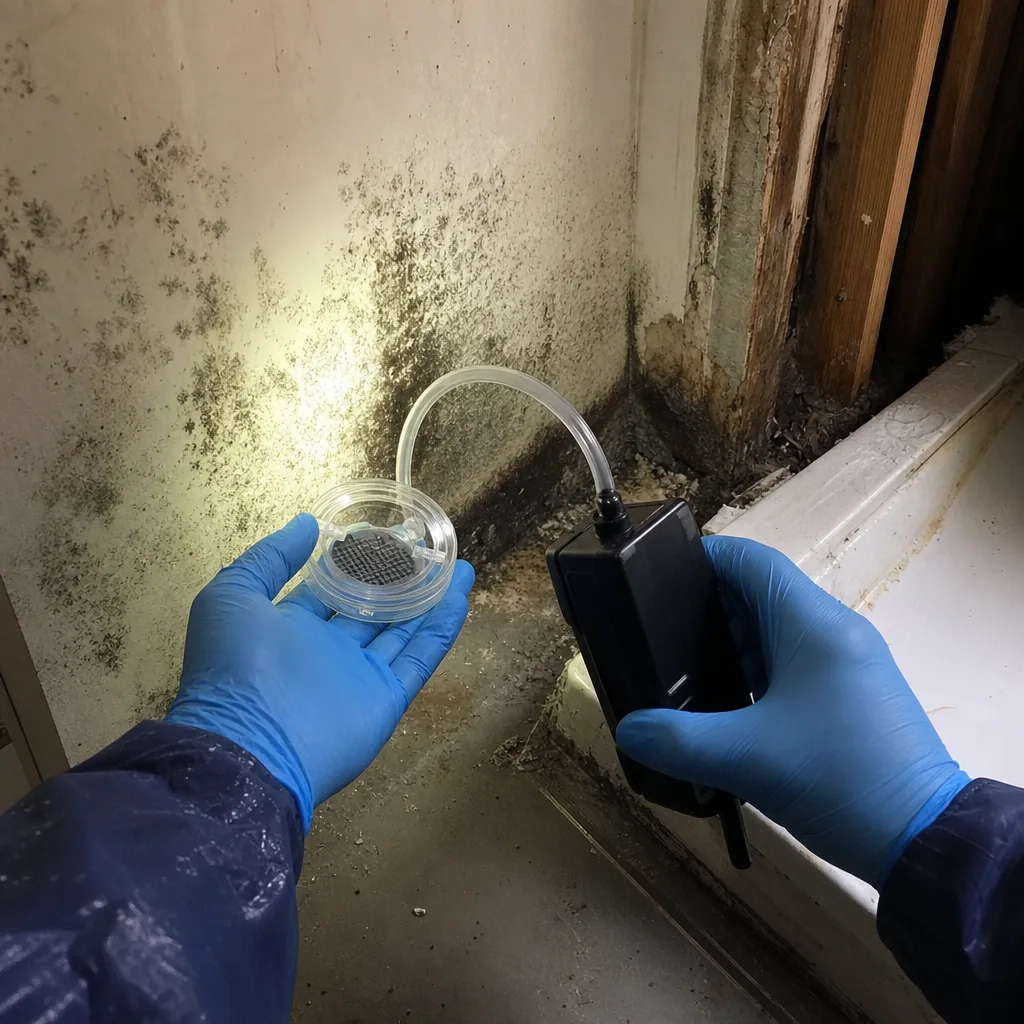
Odor Removal & Deodorization
Soot smells come back when the odor source wasn’t fully removed. In Norwood ranches and Cape Cods, that source is often the insulation in shared wall cavities or the dust in ductwork that has been running since the 1970s. We combine HEPA air scrubbing with thermal fogging and hydroxyl generation to reach what surface cleaning cannot. Then we verify with odor-panel testing, not a nose test.
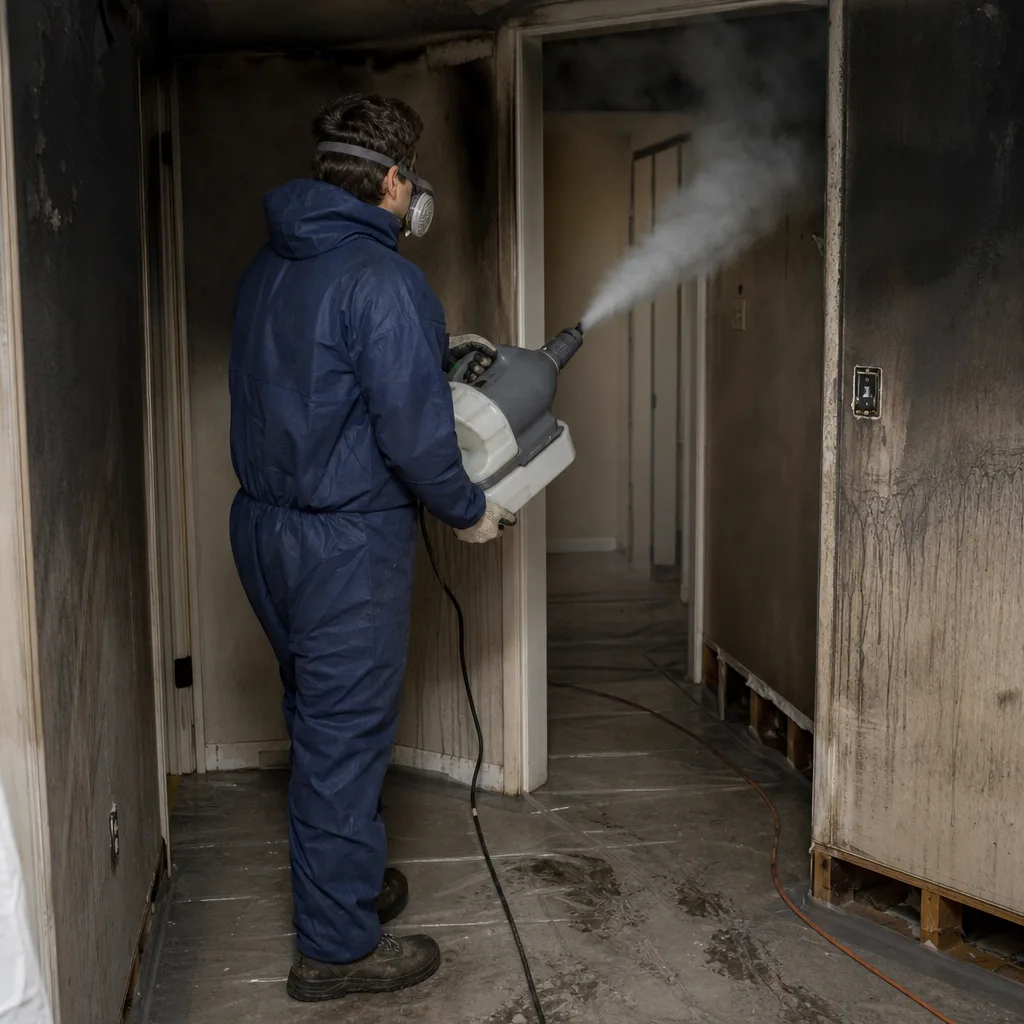
Contents Cleaning & Pack-Out
Pre-1978 Norwood homes contain things worth saving: mid-century furniture, original hardwood dressers, inherited china hutch sets. Our pack-out team inventories every item with photos, handles asbestos-containing materials with the required protocols before anything moves, and cleans contents at our facility. For heirloom and sentimental items, we offer restoration-priority cleaning rather than disposal-first triage.
Emergency Board-Up & Tarping
Norwood’s dense grid means a fire in one home can compromise a neighbor’s exterior. Board-up on shared walls or adjacent rooflines requires documentation and coordination across property lines. We handle that so you don’t have to knock on a neighbor’s door to explain why plywood is going up on their fence line.
What happens when you call
- 1
A real person answersNo phone trees - you reach a local pro.
- 2
You get an upfront price rangeHonest numbers before anyone is dispatched.
- 3
A background-checked tech heads outLicensed & insured, dispatched right away.
- 4
You approve before work beginsNothing starts until you say go.
Fire & Smoke Damage Restoration Costs in Norwood, NJ
Norwood fire restoration pricing tracks the age and density of the housing stock, and we give straight numbers because homeowners deserve to plan. A straightforward smoke and soot cleanup in a single room typically runs $1,800 to $4,200 in Norwood. Full odor removal with pack-out and contents cleaning across a 1,500-square-foot ranch generally falls between $6,500 and $14,000, depending on what survives and what gets rebuilt. Emergency board-up and tarping on the same visit runs $850 to $1,900. Structural fire repair, including drywall, framing, and trim, adds $30 to $65 per square foot in this borough’s market, with asbestos testing for pre-1978 materials adding $350 to $900 per area tested. Most Norwood fire claims are covered by homeowners insurance, and we bill your carrier directly. The free visual inspection gives you a firm, written scope before any money changes hands, so you know exactly where you stand.
We Also Serve Cities Near Norwood
Our crews work throughout northern Bergen County, including Norwood and the surrounding communities. We respond regularly in Closter, Demarest, Haworth, and Cresskill, covering the same mid-century housing stock and seasonal loss patterns we see in Norwood every day.
Norwood Fire & Smoke Damage Restoration Questions, Answered
Why do Norwood fire restoration jobs often require testing for asbestos before structural repair?
Most homes in Norwood were built between 1950 and 1975, which means floor tiles, pipe insulation, ceiling texture, and even some drywall compound may contain asbestos. When fire damages those materials, any cutting, sanding, or demolition can release fibers into the air. NJ DEP regulations require testing before that work proceeds, and doing structural repair without it can result in violations and a stop-work order. We test first, every time, and handle containment if results come back positive.
How does Norwood’s dense housing affect smoke and soot removal after a house fire?
In Norwood, homes sit close together and often share wall cavities or attic spaces. A kitchen fire in one ranch can push smoke through a shared wall void into the neighboring house, depositing soot in rooms the homeowner never thinks to check. We document and mitigate across property lines, photographing the neighbor’s affected areas and coordinating with their insurer so the damage doesn’t become a dispute later. This cross-property work is one reason our crews are familiar on Norwood streets after a fire.
What makes pack-out more complicated in pre-1978 Norwood homes?
The contents themselves are not the complication; the house is. Before we pack out furniture, clothing, and valuables from a pre-1978 Norwood home, we check the path they travel for asbestos-containing floor tiles, pipe insulation, or ceiling texture that may have been disturbed by the fire. Moving contents across a damaged asbestos tile floor requires containment and protocols that a 2005-built house would never need. We handle the testing, the containment, and the documentation so your contents get packed out safely and legally.
Can a Norwood basement fire also involve Category 3 water damage?
Yes, and it happens more often than you’d think. Fire suppression water flows to the lowest point, which in Norwood ranches and split-levels is the basement. If that basement has a failed 1960s clay sanitary lateral, which is common in this borough, the fire suppression water mixes with sewage backflow, creating a Category 3 biohazard situation. That means the job is no longer just fire restoration; it requires biohazard protocols, and in some cases Bergen County permits. We catch this during the initial assessment because our crews test the water, not just the soot.
Why do ice dams on Norwood ranch roofs sometimes show up as interior smoke-smell complaints?
Ice dams on Norwood’s low-pitched ranch roofs force meltwater into wall cavities and attic spaces where it can saturate insulation and short out older wiring in the wall. The resulting electrical overheating can smolder insulation and produce a persistent smoke smell with no visible fire. Homeowners call us for odor removal, and we find the real source: a heated wire inside a wet wall. This is exactly why our assessment includes thermal imaging before any deodorization work begins.
How fast can a crew actually get to my Norwood home after I call?
We commit to a 45-minute response time for Norwood addresses, and our dispatch board is built around that promise. A live person answers the phone, takes your address and the nature of the fire, and a crew local to the area rolls out. The speed matters because wet soot sets into paint and drywall within hours, and smoke odor becomes progressively harder to remove the longer it sits.
Will my insurance cover fire and smoke damage restoration in Norwood?
Standard homeowners policies in New Jersey cover fire damage, smoke damage, and the water damage from fire suppression. What varies is the completeness of your claim; carriers approve what gets documented. Our documentation starts in hour one and includes photos, moisture readings, and a line-item scope tied to industry-standard estimating software. We bill your carrier directly and coordinate with your adjuster, so coverage decisions are driven by defensible documentation, not negotiation.
Can we stay in our Norwood home during restoration, or do we need to leave?
It depends on the extent of the damage and whether the home’s air quality is compromised. After a small contained fire, you can often stay while we run HEPA air scrubbers and work in specific rooms. After a fire that spread smoke through the whole house, especially in Norwood’s older homes where plaster and insulation hold onto particulate, we recommend staying elsewhere until clearance testing confirms the air is safe. We’ll give you an honest answer on day one, after the assessment.
Serving Norwood, NJ - Our Local Coverage Area
We’re based in the Norwood area and know this community well. Use the map below to see our service coverage - if you’re nearby, we can almost certainly help.
One Trip, Done Right: Norwood’s Dense Housing and the Cross-Property Reality
Here’s what we have learned after working hundreds of fire jobs in Norwood: the fire never respects your property line. On a split-level off Blanch Avenue, a garage fire drove smoke through a shared attic space into two adjacent ranches. Our crew set up containment, ran air movers and Dri-Eaz dehumidifiers, and used moisture mapping to track Category 3 water from fire suppression before packing out smoke-damaged contents from all three homes in a single trip. That is the Norwood reality. One fire, three attached houses, three insurance claims, and one restoration crew that understood the building science well enough to handle all of it without a mid-job handoff. If we had documented only the primary address, the smoke migration into the neighboring homes would have gone untreated for weeks, and the smell would have spread through the block. We documented all three from the first visit because that is what the job actually required. This is not the work you learn from a national franchise training manual. It is the work you learn by doing it, over years, in a two-square-mile borough where every street has a different century of construction and every house sits close enough to hear the neighbor’s smoke detector.
That experience carries into every phase of the job. Pre-1978 asbestos testing before structural repair is not a box we check; it is a safety requirement that every responsible Norwood restoration includes. The failed 1960s clay sanitary lateral under a fire-damaged basement is not a discovery we make twice; it is one of the first things we check for in this housing stock. The homeowner who calls us at 11 p.m. with smoke in the walls does not need a sales pitch. They need a crew that knows what a 1965 split-level’s wall cavities look like when they are opened, and a company that stands behind the work in writing. We are that company. The 90-Day Done Right Promise is exactly what it sounds like: if it is not done right, we make it right. No paperwork battles, no arguing about who said what. In writing, on every job, from the first board-up to the final coat of paint.
Floodline Restoration Co. has been led by Curt Bowman since 2010, and our live dispatch board still works the way it did on day one. A real person answers the phone at any hour. A background-checked, uniformed technician shows up. The scope is written before the work begins. The bill goes to your carrier, not to a collection agency. And when the job is finished, you have a moisture log, a written guarantee, and a phone number that still rings through to a human being. That is the square deal Norwood homeowners have been looking for, and it is the only kind of work we do.
Call (551) 348-3742 for a free, no-obligation visual inspection and a straight, written estimate for Fire & Smoke Damage Restoration in Norwood. A live dispatcher answers now, and a crew can be at your door within 45 minutes.
Written by Curt Bowman, Owner at Floodline Restoration Co., serving Norwood, New Jersey and the surrounding Bergen County communities.