
Last updated August 25, 2026
Free visual inspection and a written scope of work before any mitigation begins - photos, moisture readings, and drying logs go in your claim file
The scope we write is the scope we bill. Anything new gets shown to you, in writing, before we touch it.
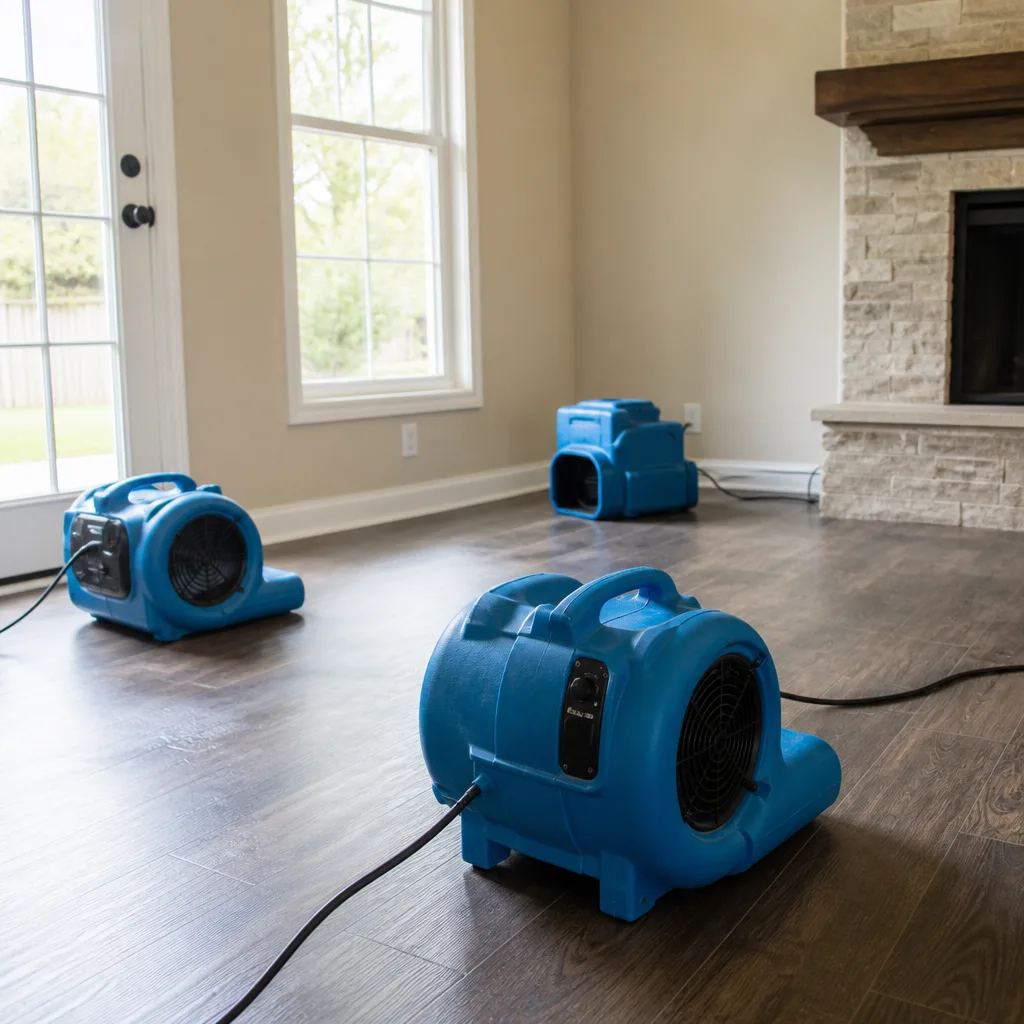

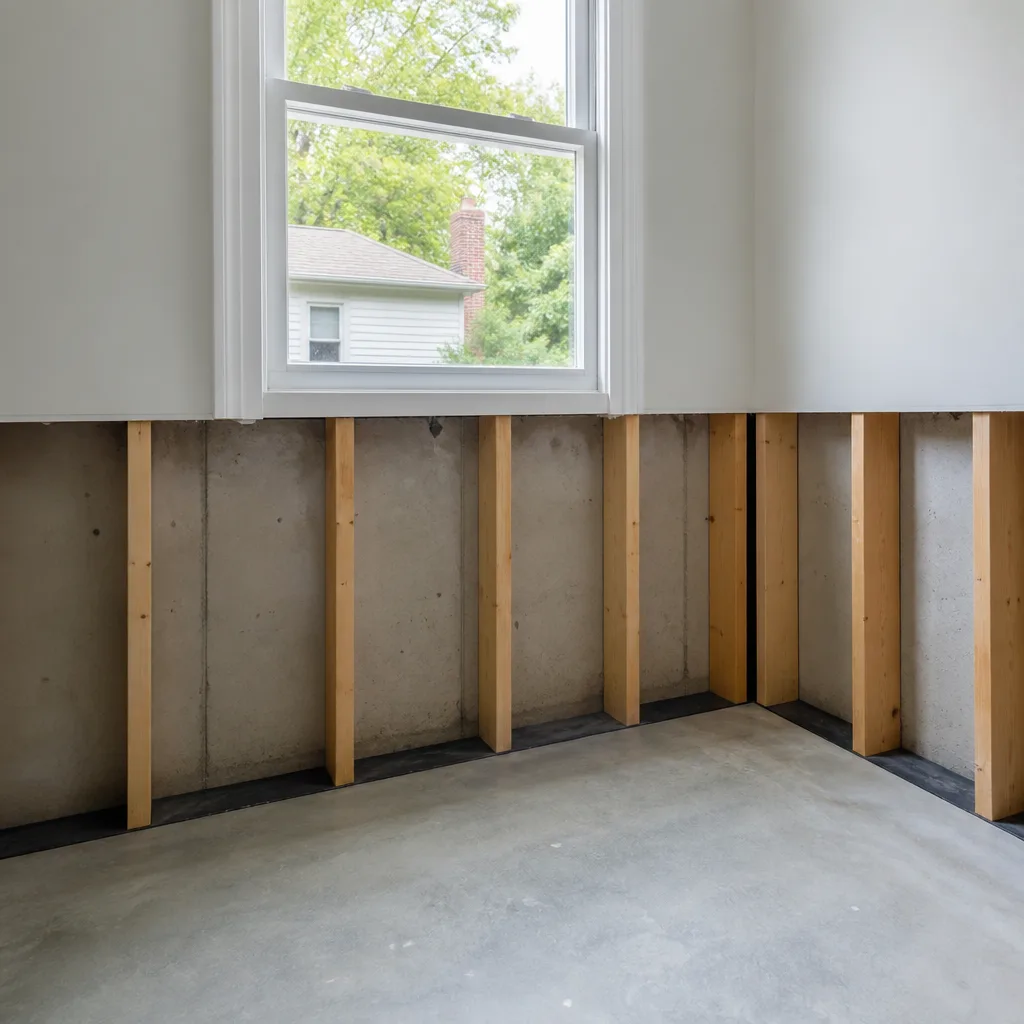

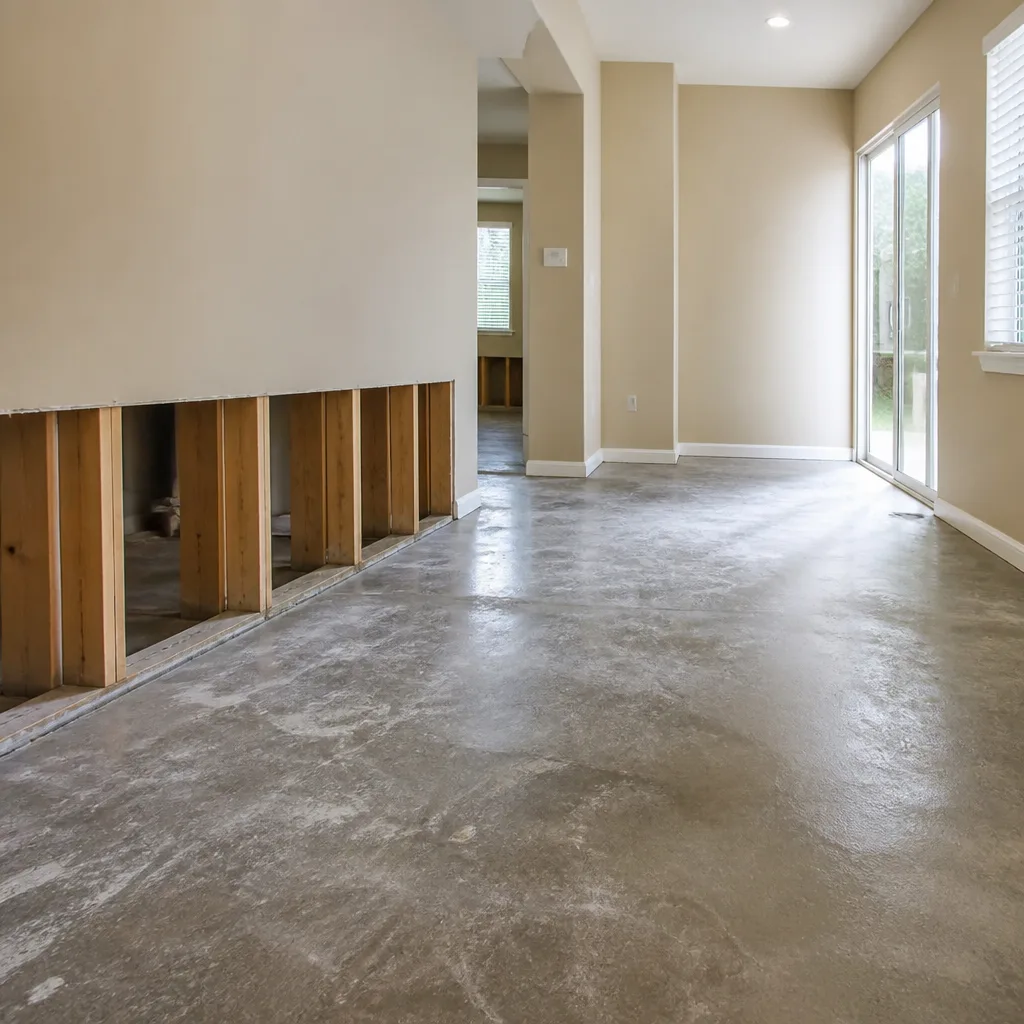

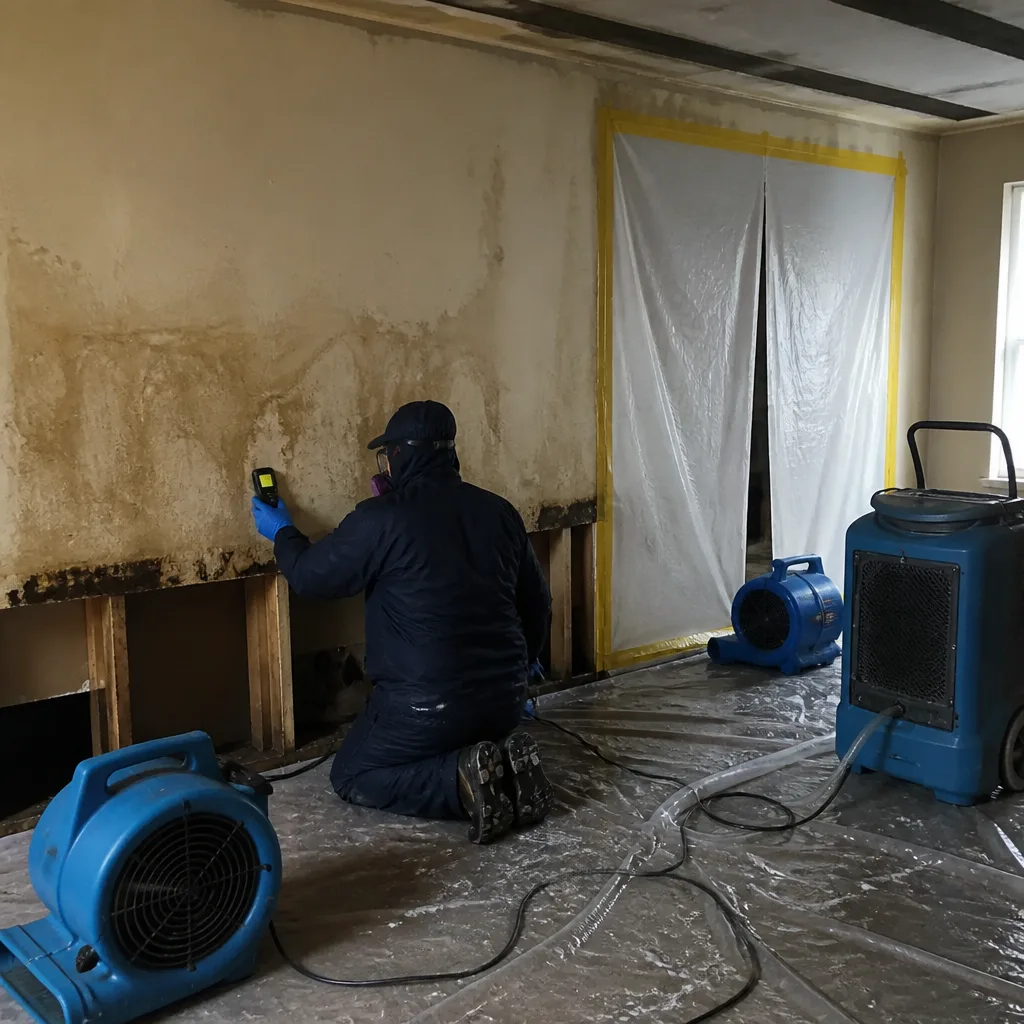 Before
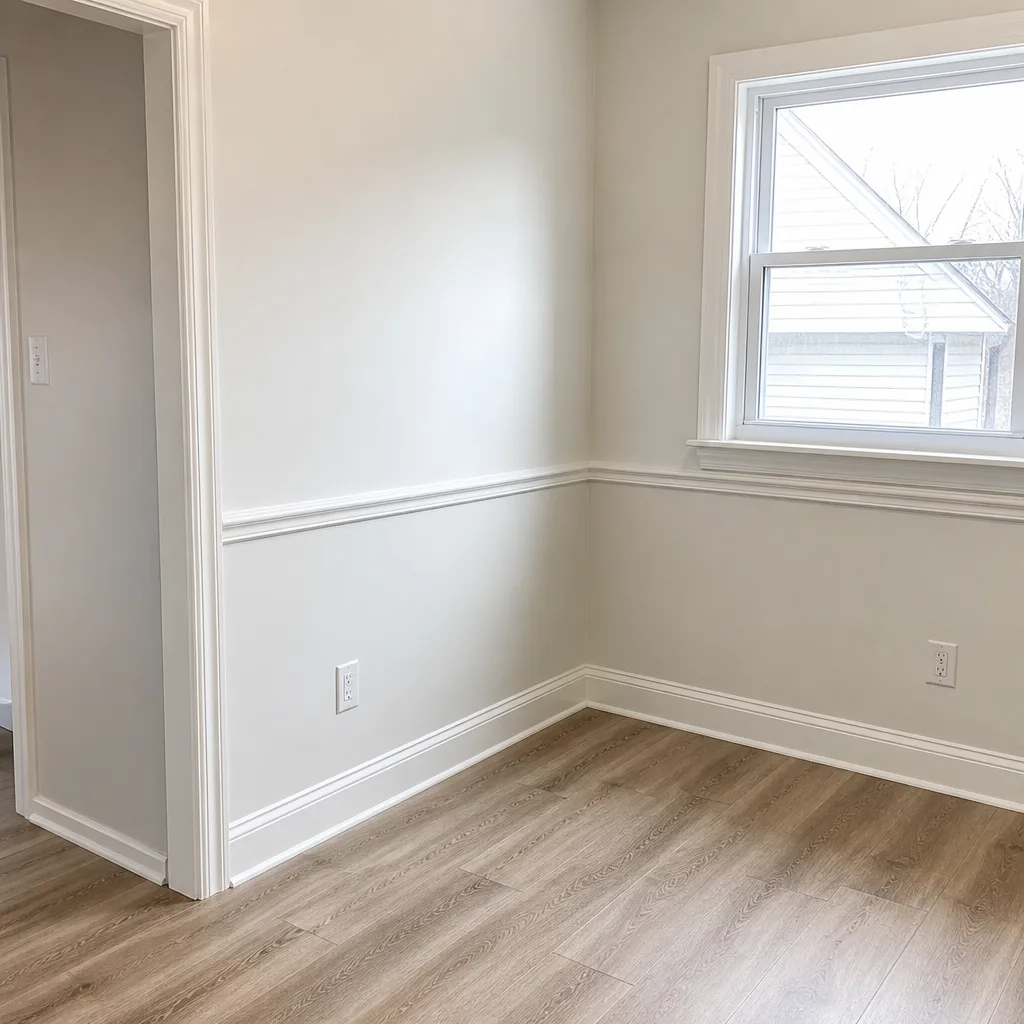 After
After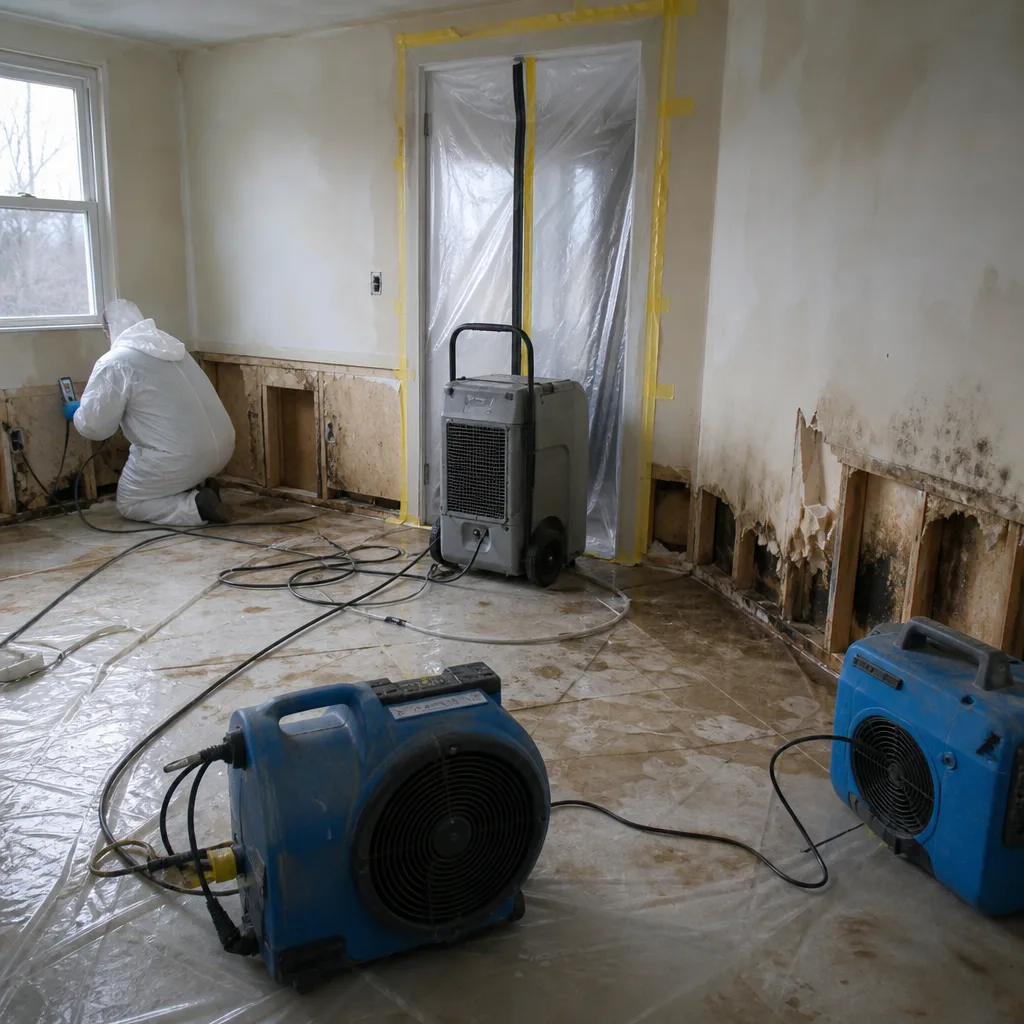 Before
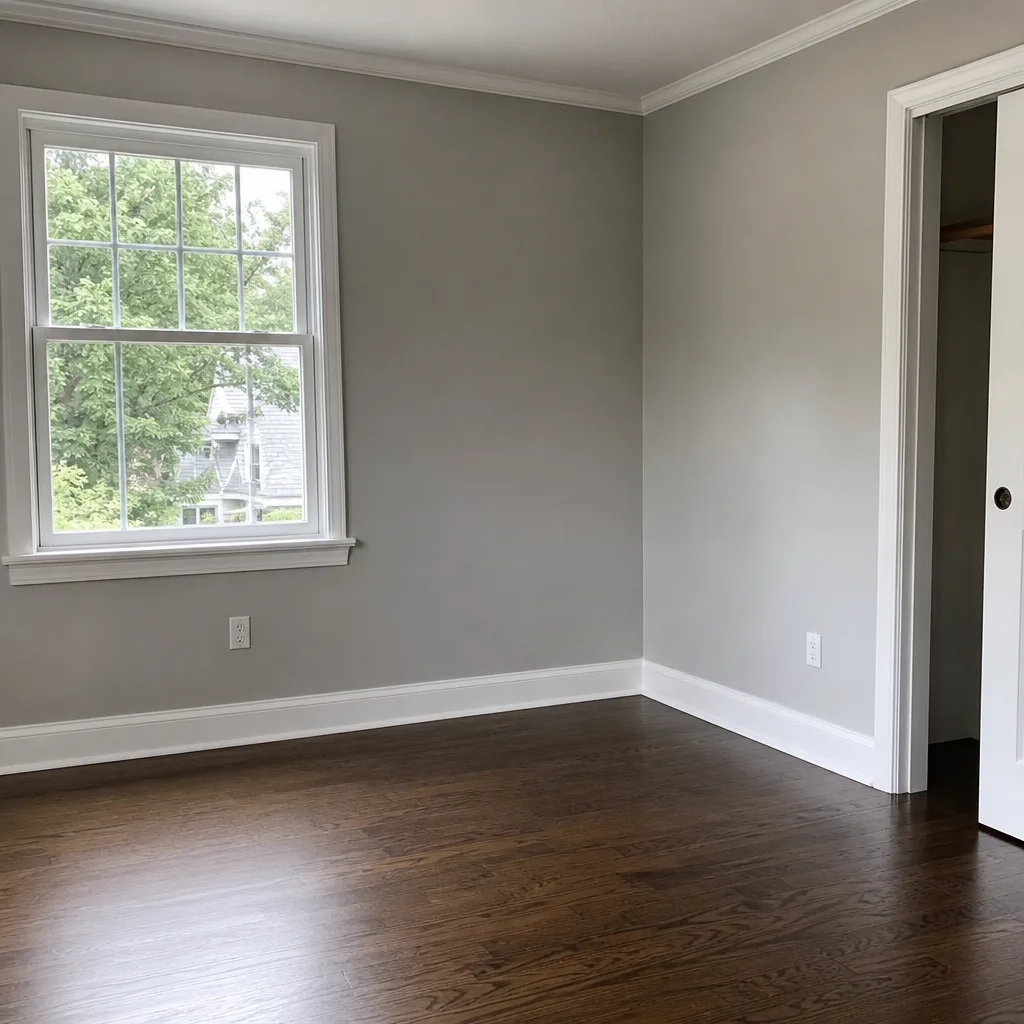 After
After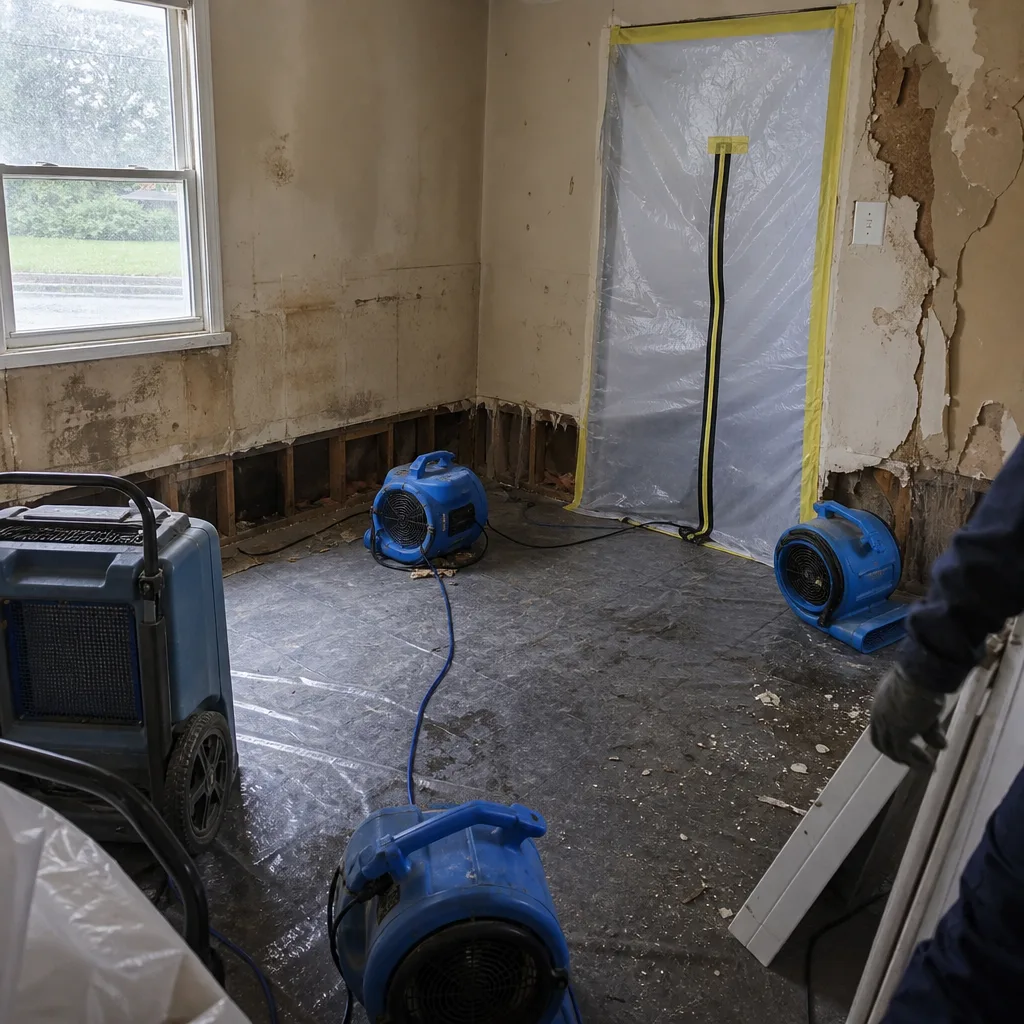 Before
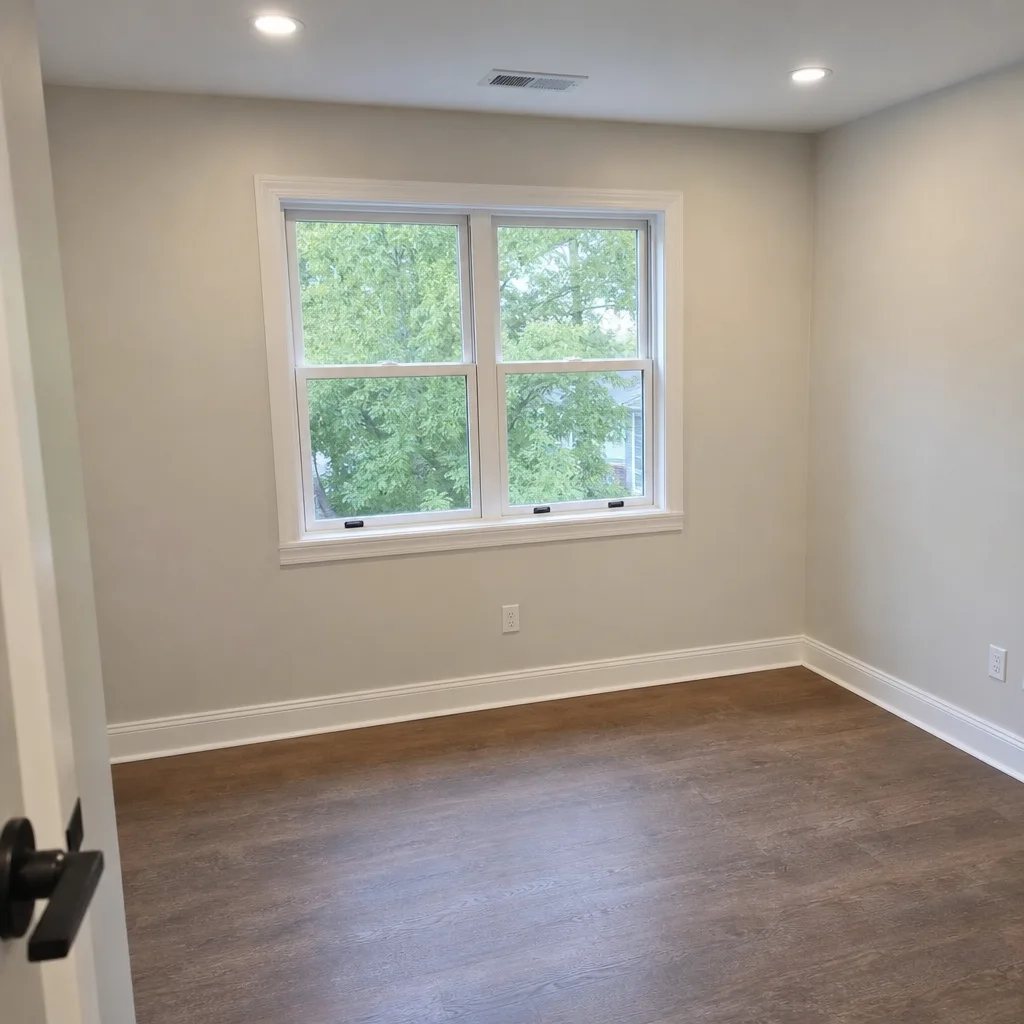 After
AfterWater Damage Restoration Maintenance Checklist for Tenafly Homeowners
Here’s a fact that surprises most Tenafly homeowners: the water damage that costs $15,000 to fix usually starts as a $15 problem. A supply line that’s been quietly weeping behind a vanity for six months. A downspout extension that got kicked out of place in October and never put back. A water heater in a Tenafly basement that’s been rusting at the base since the last presidential election. Water doesn’t announce itself. It accumulates. This guide is a working maintenance checklist, written from what our crews see when we walk into Tenafly basements, crawl spaces, and kitchens. You’ll learn what to check, when to check it, and which warning signs mean stop checking and start calling.
Quick Answer
Water damage prevention in Tenafly comes down to a seasonal inspection routine: check supply lines, appliance hoses, gutters, downspouts, sump pumps, and grade slope four times a year. The single highest-risk areas in Tenafly homes are basement perimeters (due to Bergen County’s high water table and heavy clay soil), attic penetrations around chimneys and vent stacks (due to ice damming from nor’easters), and under-sink cabinets. If you find active water intrusion, shut the water or power and call a certified restoration crew immediately. Catching a leak in the first 48 hours is the difference between a $400 dry-out and a $14,000 mold remediation plus rebuild.
Table of Contents
- The Seasonal Inspection Rhythm: Four Checks a Year
- Appliance and Supply Line Checks: The Silent Leakers
- Sump Pump and Perimeter Drainage: Tenafly’s Biggest Wildcard
- Attic and Roof Penetrations: Where Ice Dams Do Their Work
- Grading, Gutters, and the First Ten Feet
- Indoor Humidity and Condensation: The Slow-Motion Version
- Materials and Upgrades That Buy You Time
- Common Mistakes to Avoid
- When to Call a Professional
- Frequently Asked Questions
- The Bottom Line
The Seasonal Inspection Rhythm: Four Checks a Year
Most homeowners treat maintenance as a spring event. In Tenafly, that’s a mistake. The water table doesn’t care what month it is, and neither do the freeze-thaw cycles that push foundation walls inward every winter. We recommend four inspections tied to the calendar, not to when you remember.
- Mid-March: After the last hard freeze, walk the exterior. Check for mortar cracks in foundation walls, gaps where the soil has pulled away from the house, and any downspouts that shifted during winter. In Tenafly’s older neighborhoods near Highwood and the stately homes off Knickerbocker Road, foundations from the 1920s and 30s are especially prone to seasonal movement.
- Early July: Before summer thunderstorms, test the sump pump by pouring a five-gallon bucket of water into the pit. The float should activate the pump within seconds, and the discharge should flow at least ten feet from the foundation. Clear debris from the pit and check the check valve for silt buildup.
- Mid-October: Before leaf drop, clean gutters and downspouts one final time. Tenafly’s mature oak and maple canopy drops enough leaf mass to clog a downspout in two weeks. Confirm that all downspout extensions direct water at least six feet from the foundation and that the soil grade slopes away.
- Late December: After the first significant freeze, check attic insulation and ventilation. Tenafly’s nor’easters create ice dams when warm attic air melts roof snow unevenly. Look for condensation on the underside of the roof decking, frost on nail heads, and any daylight coming through soffit vents that should be insulated but not blocked.
Four checks a year. Each one takes less than an hour. And each one catches the kind of problem that would otherwise show up as a water line across your basement floor at 2 a.m.
Appliance and Supply Line Checks: The Silent Leakers
Here’s a number that shapes how our crews think about water damage: roughly 70% of the water losses we respond to in Tenafly come from failed supply lines or appliance connections, not from weather. A braided stainless steel supply line costs $12. A washing machine drain pan costs $25. The water damage from a burst line under a second-floor laundry costs, on average, between $8,000 and $25,000 after dry-out, flooring, ceiling repair below, and painting. The math isn’t complicated.
Check these items every March and October:
- Washing machine hoses: Replace rubber hoses with braided stainless steel. Rubber hoses fail catastrophically and without warning, typically at the crimped fitting. Braided lines last 10 to 15 years. Write the install date on the hose with a permanent marker.
- Dishwasher supply line: Pull the kick plate and inspect the connection under the unit. Tenafly’s hard water accelerates mineral buildup at brass fittings, and that buildup creates pinhole leaks that go unnoticed until the subfloor is saturated.
- Under-sink supply lines: Look for green or white corrosion at the shutoff valves and at the connection nuts. If a shutoff valve is stiff or won’t turn fully, replace it now; don’t wait for the day you need it to work fast.
- Ice maker line: The classic plastic saddle-valve line is a liability. If your refrigerator uses one, replace it with a braided quarter-turn supply. Saddle valves weep constantly and have a high rate of sudden failure.
- Water heater: In Tenafly basements, a standard 40-gallon tank water heater should be replaced at 8 to 10 years old, not 15. Rust streaks on the tank, a spongy burner area, or water pooling under the relief valve are all replacement signals. A ruptured tank releases 40 gallons in minutes, and when it happens in a finished basement, the repair bill starts with the word “insurance claim.”
One more Tenafly-specific note: many homes here were built with copper supply lines in concrete slabs. Copper against concrete corrodes over decades. If your home is slab-on-grade and was built before 1985, watch for unexplained warm spots on floors and unexplained water bill increases. Both are signs of an under-slab leak.
Sump Pump and Perimeter Drainage: Tenafly’s Biggest Wildcard
If your Tenafly home has a basement, you have a relationship with groundwater whether you know it or not. Bergen County sits on a high water table, and Tenafly’s position between the Palisades and the Hackensack River valley means most of the borough’s homes deal with hydrostatic pressure under the slab. That pressure pushes groundwater up through foundation cracks, floor-wall joints, and any penetration the original builder didn’t fully seal.
Your sump pump is the first line of defense. In our experience, most Tenafly homeowners have never tested theirs. Here’s the maintenance protocol:
- Test the pump quarterly. Pour water into the pit until the float rises and the pump activates. Listen for grinding (impeller damage), watch the discharge outside (should be a strong stream, not a trickle), and confirm the pump shuts off when the pit drains.
- Inspect the check valve. If the valve is failing, water drains back into the pit after each cycle, and the pump runs twice as often as it should. That’s how pumps die early.
- Clean the inlet screen. Silt from Tenafly’s clay-heavy soil will clog the pump intake. A clogged intake is the most common reason a pump runs but doesn’t discharge.
- Keep the discharge clear year-round. In winter, a frozen discharge pipe will burn out the pump motor inside the hour. Discharge lines should slope away from the house and be buried below frost depth or heat-traced if they can’t be.
- Have a battery backup or water-powered backup. Tenafly loses power during nor’easters and summer thunderstorms at least a few times a year. A sump pump with no backup is a sump pump waiting to fail. The storm that floods your basement is the same storm that knocks out your power.
Also inspect your exterior drain tiles and French drains each spring. The telltale sign of a clogged perimeter drain is a wet basement wall after heavy rain when the sump pump is running normally. That means water isn’t reaching the drain system. It’s finding the wall instead.
Attic and Roof Penetrations: Where Ice Dams Do Their Work
Tenafly gets hit by at least one significant nor’easter most winters, and the patterns are consistent. Snow accumulates, interior heat escapes through the attic, snow melts unevenly, and water pools behind an ice dam at the eave. When that happens, water backs up under the shingles and into the attic. The damage shows up as ceiling stains, usually in the second-floor bedrooms or the living room ceiling below a valley.
Ice dams are a ventilation and insulation problem, not a shingle problem. Tenafly homes built before 1990 often have insufficient attic insulation at the eaves and inadequate ridge venting. Here’s what to check:
- Attic insulation depth: For Zone 5 (which includes Tenafly), the recommended minimum is R-49, which is about 16 to 18 inches of fiberglass batt or blown-in cellulose. If you can see the tops of the ceiling joists, you have roughly R-13 and you’re losing heat into the attic every winter day.
- Bathroom and kitchen exhaust fans: These should vent through the roof or a gable wall, never into the attic. A bathroom fan pumping warm, humid air into an attic in January is a mold farm by March. We’ve seen this in dozens of Tenafly homes, including some with beautiful new kitchens and a wet, moldy attic above them.
- Roof penetrations: Chimney flashing, plumbing vent boots, and skylight seals should be checked every fall. Rubber vent boot gaskets last about a decade. When they crack, water runs down the outside of the vent pipe and into the attic insulation, where it sits unseen for years.
- Gutter and eave condition: Gutters full of leaves hold water at the exact spot where ice dams form. Keep gutters clean, and make sure downspout elbows are tight. On Tenafly’s colonial-style homes, the vulnerable spots are the inside corners of roof valleys and the eaves on the north-facing side, where snow melts last.
If you see a new water stain on a ceiling, mark its outline with a pencil and check it weekly. If the stain grows after rain, the leak is active. If it doesn’t grow but stays damp, the source may be condensation from a bath fan or roof leak that’s already sealed itself seasonally. Either way, schedule an inspection. Water that reached your ceiling has already passed through your insulation and possibly your framing.
Grading, Gutters, and the First Ten Feet
The most preventable basement water damage in Tenafly starts at the ground outside the foundation wall. The grading around a house (the slope of the soil at the foundation) controls where rain and snowmelt go. The rule is simple: the ground should slope away from the house at a minimum of six inches over the first ten feet. In practice, most Tenafly homes fail this test, especially on the uphill side where basements are deepest.
Walk the exterior of your home after a hard rain and look at these things:
- Soil contact with siding or brick: Mulch and soil should sit at least six inches below the top of the foundation wall or the bottom of the sill plate. When soil has built up over decades of landscaping, it creates a direct path for water into the wall cavity.
- Splash block position: Every downspout should terminate on a splash block or extension that carries water at least six feet from the house. In Tenafly’s older homes, downspouts often empty directly onto a concrete porch apron that pitches toward the foundation. Water running toward the house is worse than no downspout at all.
- Paver patios and walkways: If pavers have settled and now pitch toward the house, they direct water the wrong way. We see this regularly in Tenafly backyards where bluestone patios were installed decades ago without a proper base.
- Window wells: Basement window wells fill with leaves, silt, and snowmelt. If your window wells don’t have covers, install them. A window well full of water against a basement window is a guaranteed leak in a heavy storm and a guaranteed regret the morning after.
The first ten feet around your house is the difference between a dry basement and a recurring problem. Grading is easy to fix with topsoil and a tamper. Gutter extensions are $6 at any hardware store. The repairs we do in Tenafly basements that started as a grading problem average above $5,000. The ten feet outside is cheap insurance.
Indoor Humidity and Condensation: The Slow-Motion Version
Not every water damage problem in Tenafly comes from a pipe burst or a nor’easter. Some of it grows slowly, week by week, in the form of condensation. Condensation happens when warm, humid air meets a cold surface: a foundation wall, a cold water pipe, a basement window, the inside of an exterior wall cavity.
Tenafly’s summer humidity is relentless, and many of the borough’s older homes have basements that were never designed for finished living space. When homeowners finish those basements without addressing humidity, the drywall becomes a sponge. Here’s the persistent problem: moisture accumulates inside wall cavities, behind vapor barriers, and on the backside of drywall, where you can’t see it. By the time it shows up as a stain or a musty smell, mold is already established.
Your maintenance checklist for indoor humidity:
- Keep basement humidity below 55% in summer. A dehumidifier set to 50% is the single best preventive step for a finished or semi-finished Tenafly basement. Empty the reservoir daily or run a condensate pump line to a drain.
- Check condensation on cold water pipes. Pipe insulation is cheap. A sweating copper pipe inside a wall or above a ceiling drips for months before anyone notices. Wrap the cold water lines in any unconditioned space.
- Run exhaust fans for 20 minutes after showers and baths. The humidity from a hot shower doesn’t dissipate in a closed bathroom. It moves through the house, finds the cold attic or basement wall, and condenses. In Tenafly’s older colonials, the bathroom fans are often underpowered or vented incorrectly.
- Watch for condensation on basement windows in winter. If you see frost or water beads on the inside of basement windows, the basement is overcooled and under-ventilated. That moisture is migrating into the framing around the window.
Condensation damage is slow and quiet. It’s also completely preventable with a $150 dehumidifier and a weather eye on the basement windows. The homeowners who catch it early spend a few hundred dollars. The ones who don’t call us about mold remediation two years later.
Materials and Upgrades That Buy You Time
When we walk through a Tenafly basement that’s survived a flood, we look at what the room was built with. The materials matter as much as the maintenance. Some choices give you minutes to catch a leak. Others give you days. Here are the upgrades we’ve seen make the most difference in Tenafly homes:
- Replace rubber hoses with braided stainless steel everywhere. Washing machine, dishwasher, ice maker, any appliance with a supply line. Total cost for a typical home: under $100. Time to install: an afternoon. Failure rate compared to rubber: dramatically lower.
- Install a water leak detector in the basement and under every sink. A basic battery sensor alarm costs $25 and sits on the floor. Smarter versions connect to your phone and can shut the main water valve. In a town where many homeowners travel for weeks at a time, a phone alert is the difference between a puddle and a basement full of water.
- Upgrade the sump pump to a cast-iron or stainless unit with a battery backup. A quality sump pump with a maintenance-free backup runs $600 to $1,200 installed. The basement it protects holds five to ten times that in possessions and finishes.
- Use drywall alternatives in the basement. Paperless drywall, cement board, or closed-cell spray foam behind basement walls reduces the growth surface for mold if water does intrude. In Tenafly’s flood-prone, high-water-table neighborhoods, this is the kind of upgrade that pays for itself on the first claim.
- Grade and gutter extensions. A few hours of work with topsoil and tamper, and $40 in gutter pipes. This is the highest-return maintenance item in this entire guide.
None of these upgrades are glamorous. Our crews don’t get called to admire a new sump pump. They get called to extract water from a basement that didn’t have a working one. The upgrades are boring. The phone call you don’t make at 3 a.m. is the point.
Common Mistakes to Avoid
In 15 years of water damage restoration in Tenafly, we’ve seen the same mistakes repeated in house after house. These are the ones that cost the most money:
- Ignoring a small water stain because “it’s probably nothing.” It’s not nothing. It’s a moisture pathway. A stain on a ceiling or wall is the symptom; the wet framing and insulation behind it is the disease. Small stains turn into big claims because water keeps traveling until someone stops it.
- Turning off the sump pump in winter to save electricity. The water table doesn’t freeze. Groundwater moves year-round, and winter is exactly when basements flood in Tenafly. Leave the sump pump on and test it quarterly.
- Using a space heater or hairdryer to “dry out” a wet area instead of proper extraction. Drying visible surfaces doesn’t dry the wall cavity or subfloor. Moisture trapped behind drywall or under vinyl flooring needs air movement and dehumidification with professional-grade equipment. Surface drying just moves the moisture deeper.
- Assuming the homeowner’s insurance covers “gradual” damage. Most policies cover sudden and accidental discharge but exclude damage from slow leaks and deferred maintenance. A weathered supply line that drips for six months may be considered neglect. The insurer’s adjuster looks for the source and the timeline before they write anything.
- Skipping the post-repair moisture log. If you do have water damage repaired in Tenafly, insist on a written moisture log showing that the dry standard was reached. Without that documentation, a hidden moisture problem becomes a dispute over who’s responsible for the mold that appears later. A reputable restoration company in Tenafly provides daily moisture readings as standard practice.
- Finishing a basement without a moisture assessment. Before you frame, insulate, and drywall a basement, have the space assessed for moisture intrusion and humidity. A basement that’s damp but drywalled is a mold factory in progress. Tenafly’s older homes, in particular, have basements that were never meant to be finished.
- Waiting to call after a water event. Water in a basement doesn’t wait for Monday. Mold starts growing in 24 to 48 hours. The dry-out starts the day the water appears, and every hour of delay adds to the repair scope and the insurance exposure.
When to Call a Professional
Some water issues are maintenance problems. Some are restoration emergencies. Here’s the line: if water is actively entering your home, or if water has been sitting for more than 24 hours, or if you see mold growth of any size, call a professional. A wet floor with a small pile of soaked boxes can be handled with a shop vac and fans if you catch it immediately. A basement with two inches of water, or water that’s wicked up the drywall, or a ceiling that’s sagging from the weight of trapped water can’t. Those jobs need extraction equipment, moisture mapping, and structural drying. That’s not a DIY conversation. That’s a restoration call.
Tenafly homeowners should also call a professional for any water damage involving sewage, any leak that has been ongoing for more than a week, or any water event where the source is unknown. Floodline Restoration Co. offers free estimates in Tenafly. We’re a full-cycle water damage restoration company, so we handle extraction, drying, and rebuild with the same certified crew. Call (551) 348-3742, and a live dispatcher answers. That’s true at 9 a.m. and at 2 a.m. We’ve been doing it that way since Curt Bowman founded the company in 2010, and we’ll keep doing it that way because a water emergency never waits for business hours.
Frequently Asked Questions
Test your sump pump at least quarterly, and more often during periods of heavy rain or snowmelt. Tenafly’s high water table means the pump may run daily during wet seasons, and frequent cycles increase wear on the motor, impeller, and check valve. A quarterly five-gallon bucket test takes five minutes and catches most failures before they matter. If you’re unsure how to test it or want a backup system installed, give us a call at (551) 348-3742.
Supply line and appliance connection failures, not weather, cause most of the water damage we see in Tenafly. Washing machine hoses, water heater tanks, under-sink supply lines, and ice maker lines fail quietly and catastrophically. The second most common cause is basement groundwater intrusion through foundation cracks and the floor-wall joint, driven by Tenafly’s high water table and the freeze-thaw cycles that open those cracks wider each winter. In the attic, ice dams from nor’easters are the leading culprit.
For very small, contained spills caught within a few hours, a shop vac and fans may be adequate for surface water. But fans cannot dry water that has wicked into drywall, baseboards, subflooring, or wall cavities. That water requires professional-grade air movers and dehumidifiers, and the drying process must be verified with a moisture meter. If water has been present for more than 24 hours, or if it touched any finished surface, the safest path is professional drying. We use Dri-Eaz and Phoenix equipment with daily moisture logging, and the log goes to you and your insurer.
Most homeowner’s policies cover sudden and accidental water discharge: a burst pipe, a failed water heater connection, a storm that causes roof damage and water intrusion. They generally do not cover gradual damage from a long-term leak, deferred maintenance, or a sump pump failure unless you have a separate rider. Flood insurance is a separate policy and is required or advisable for certain Tenafly neighborhoods in flood zones. The best practice is to document everything, call your carrier immediately, and work with a restoration company that bills insurance directly so you don’t have to play messenger.
In a water emergency, same-day response matters. Floodline Restoration Co. maintains live 24/7 dispatch, so when you call (551) 348-3742, a real person answers, day or night, and schedules a certified crew. Our goal in Tenafly is to have extraction equipment running on the same visit. The first 48 hours are the critical window for preventing mold and limiting structural damage, so we prioritize emergency water events at all hours.
The dry standard is the moisture content reading at which building materials are considered dry enough to safely rebuild. It’s measured with a moisture meter and compared against a baseline of unaffected materials in the same room. Hitting the dry standard is what prevents hidden mold, warped flooring, and musty smells months after the visible water is gone. A professional restoration company in Tenafly should provide daily moisture readings and a final log that you and your insurance carrier can review. That documentation protects you if anything goes wrong later.
The Bottom Line
Water damage in Tenafly is rarely a single dramatic event. It’s usually a slow failure at a fitting, a seasonal clog at a gutter, or a hundred gallons finding a foundation crack during the one storm nobody expected. The maintenance checklist in this guide exists so the water never reaches your basement or your ceiling in the first place. Check your supply lines and sump pump quarterly. Keep gutters clean and downspouts extended. Watch the humidity in the basement. If water does get in, move fast, document everything, and get a moisture log with the repair. The line the water left is where we start. Call (551) 348-3742 for a free estimate in Tenafly, any hour, any day. Our crews are certified, uniformed, and background-checked, and we finish the job with the 90-Day Done Right Promise in writing. That’s the deal we’ve honored since 2010, and we don’t plan on changing it.
Written by Curt Bowman, Owner at Floodline Restoration Co., serving Tenafly since 2010.