
Last updated August 25, 2026
Free visual inspection and a written scope of work before any mitigation begins - photos, moisture readings, and drying logs go in your claim file
The scope we write is the scope we bill. Anything new gets shown to you, in writing, before we touch it.
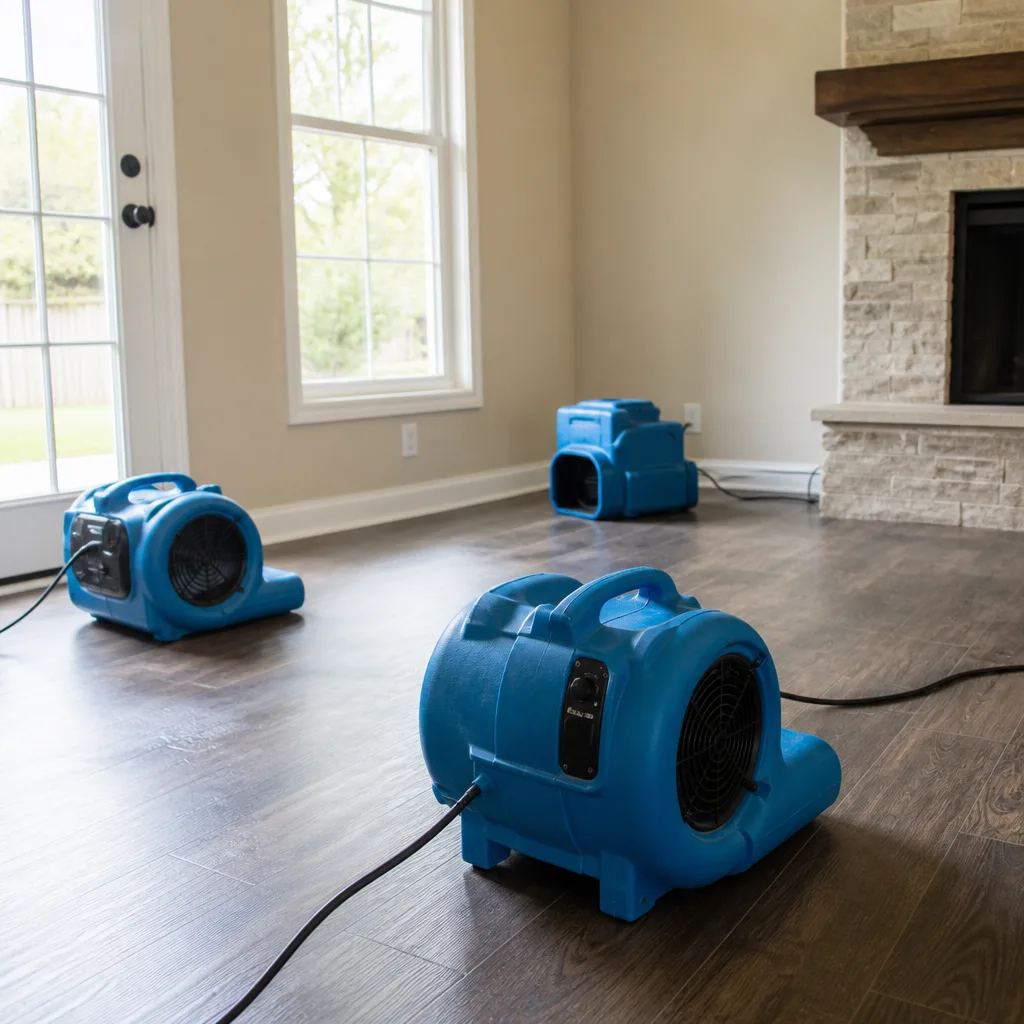



 Before
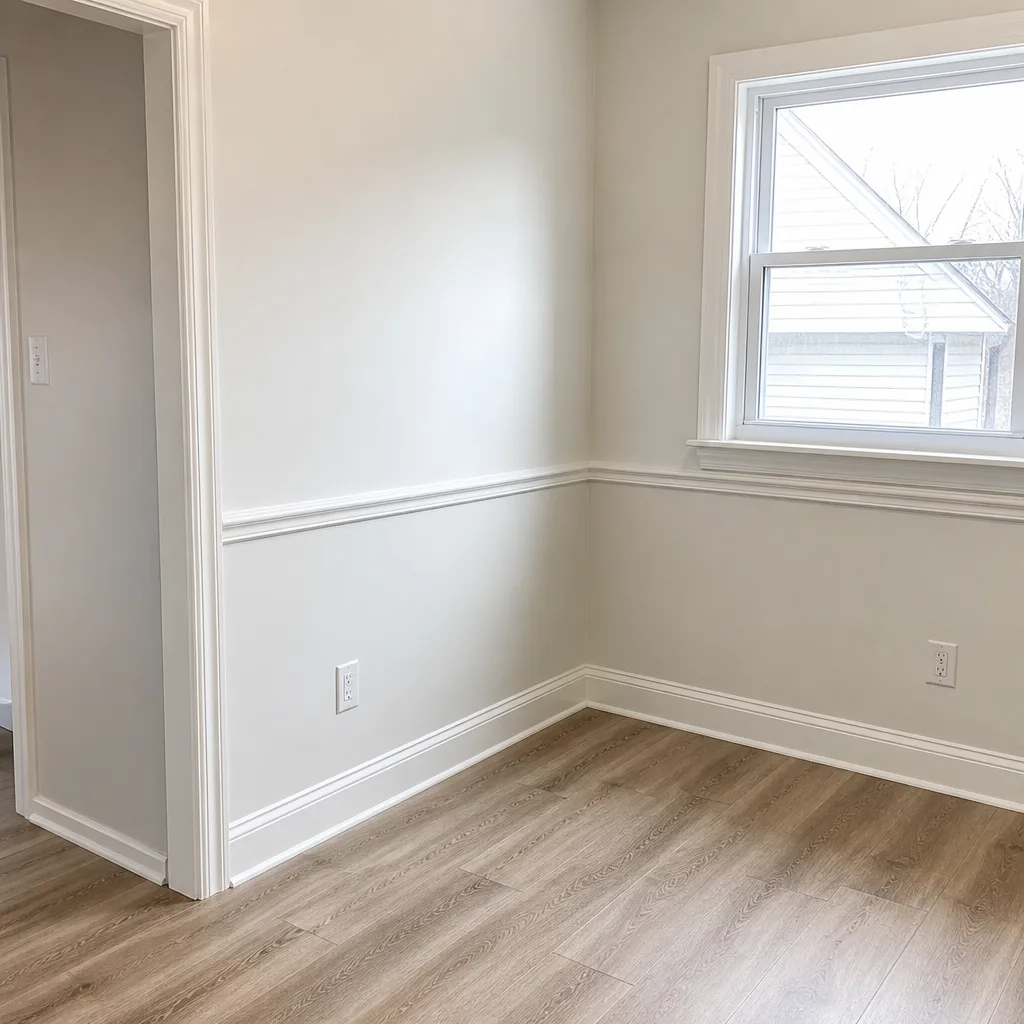 After
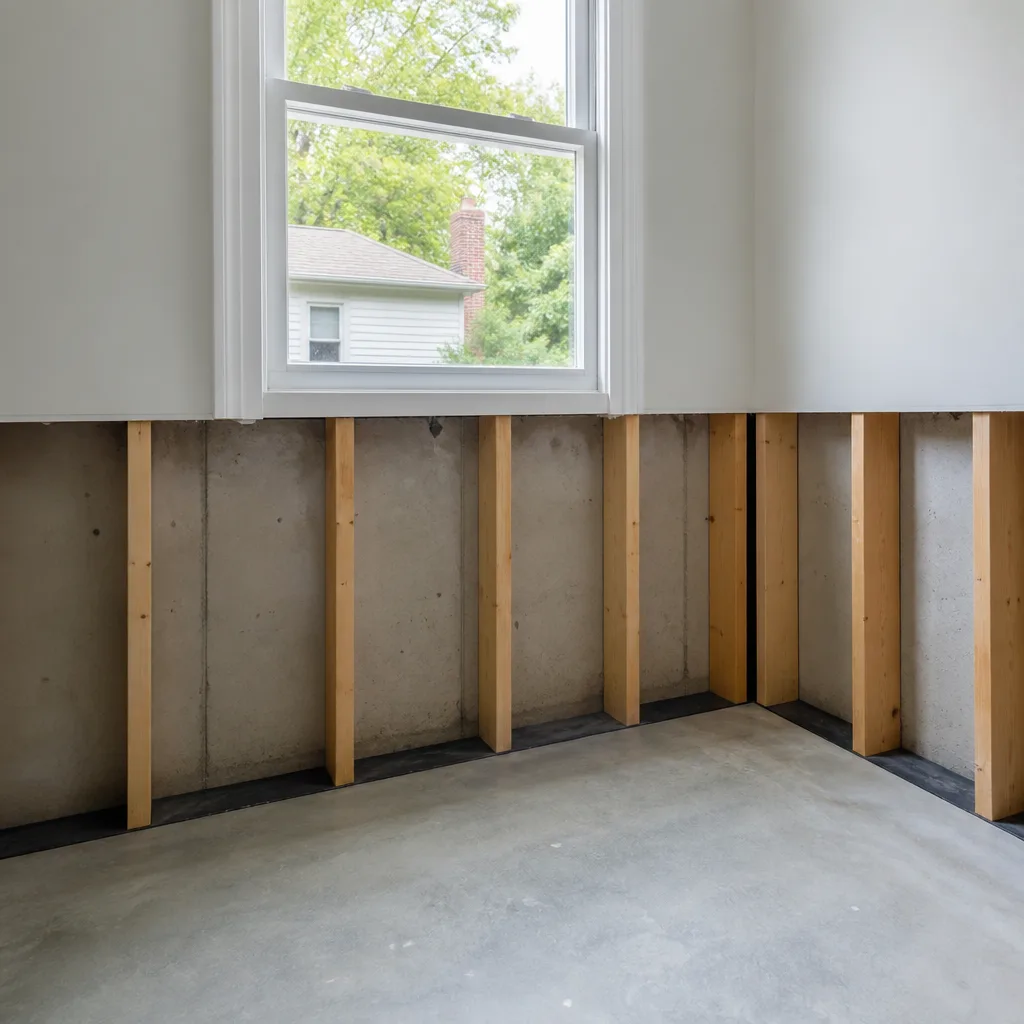
After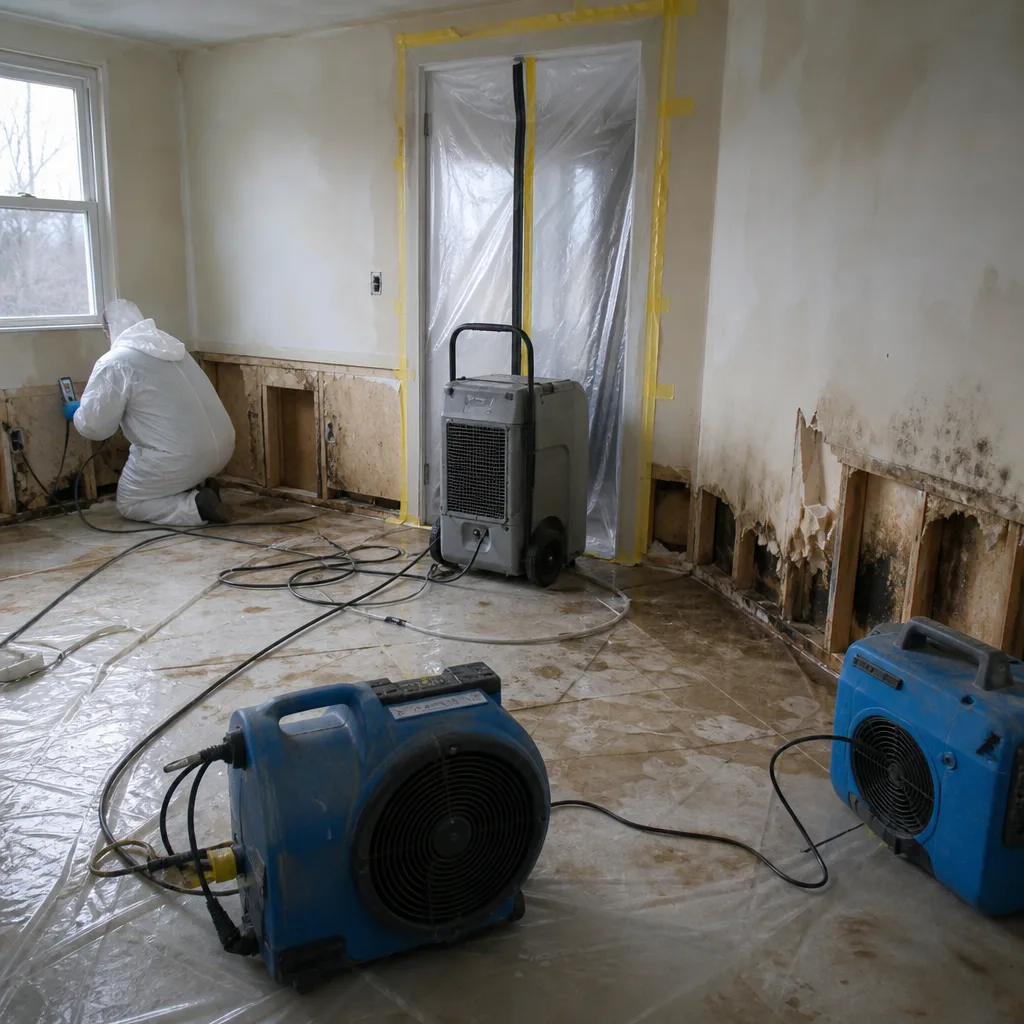 Before
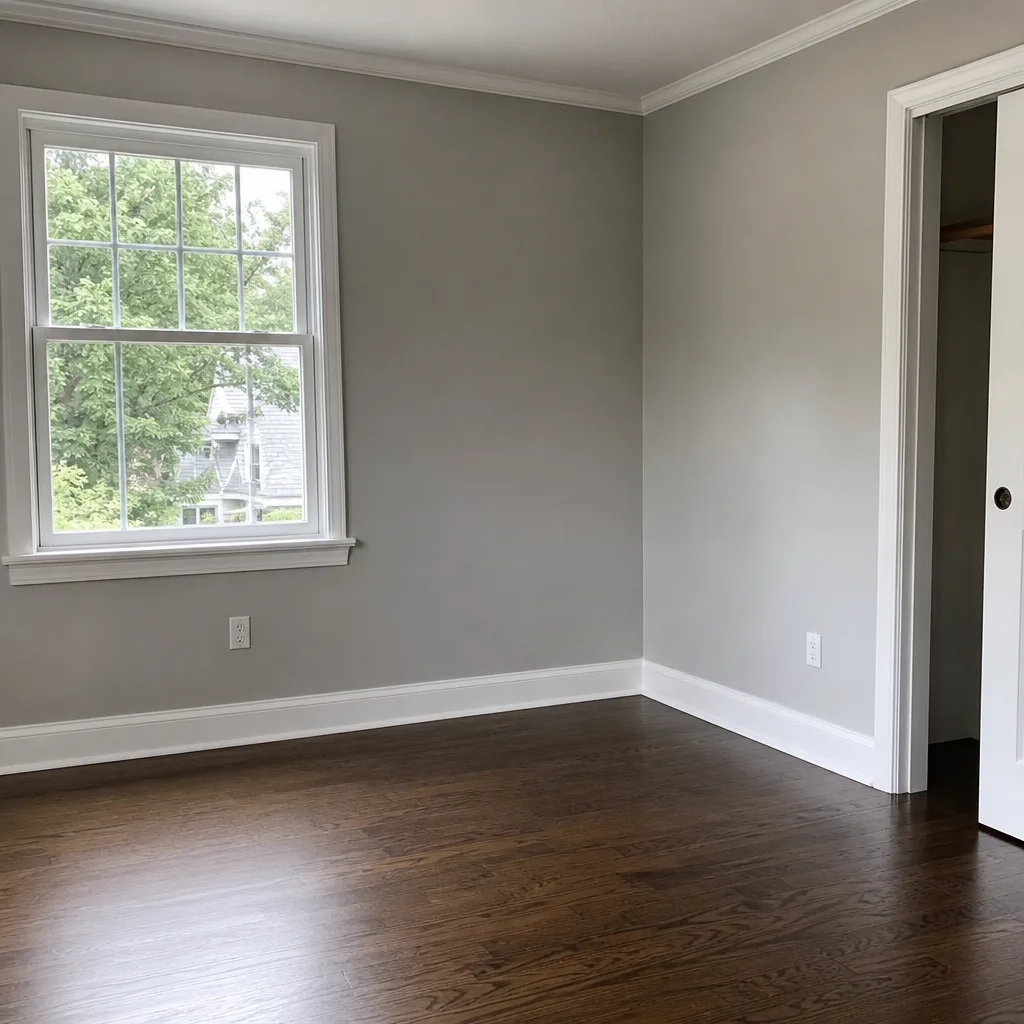 After
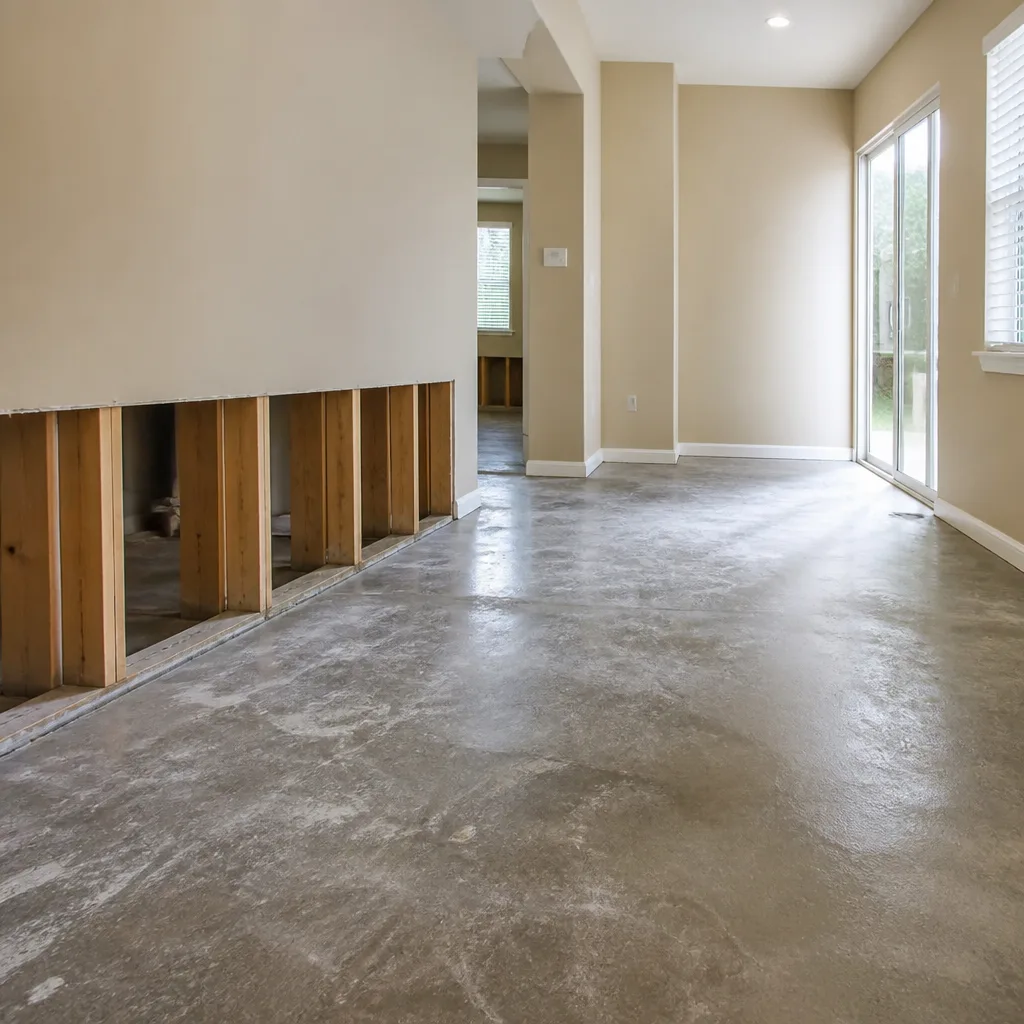
After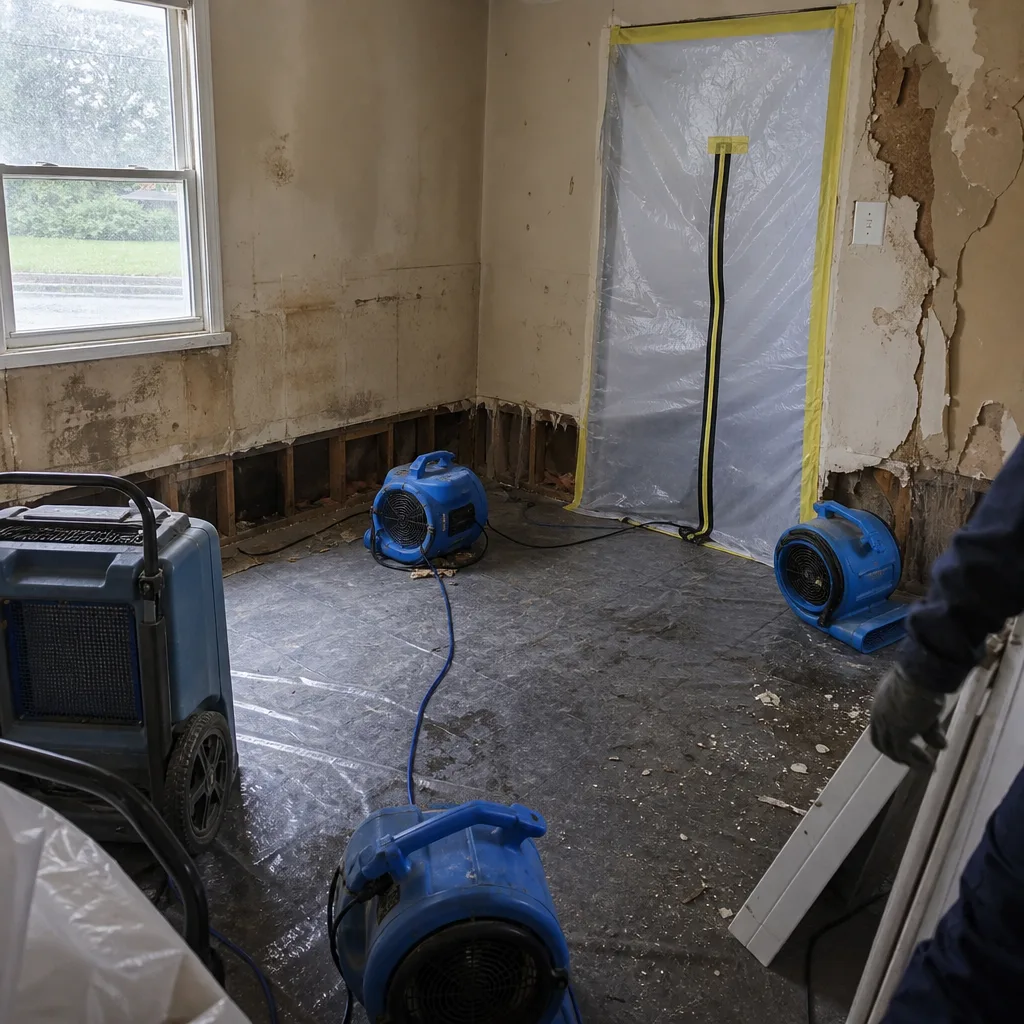 Before
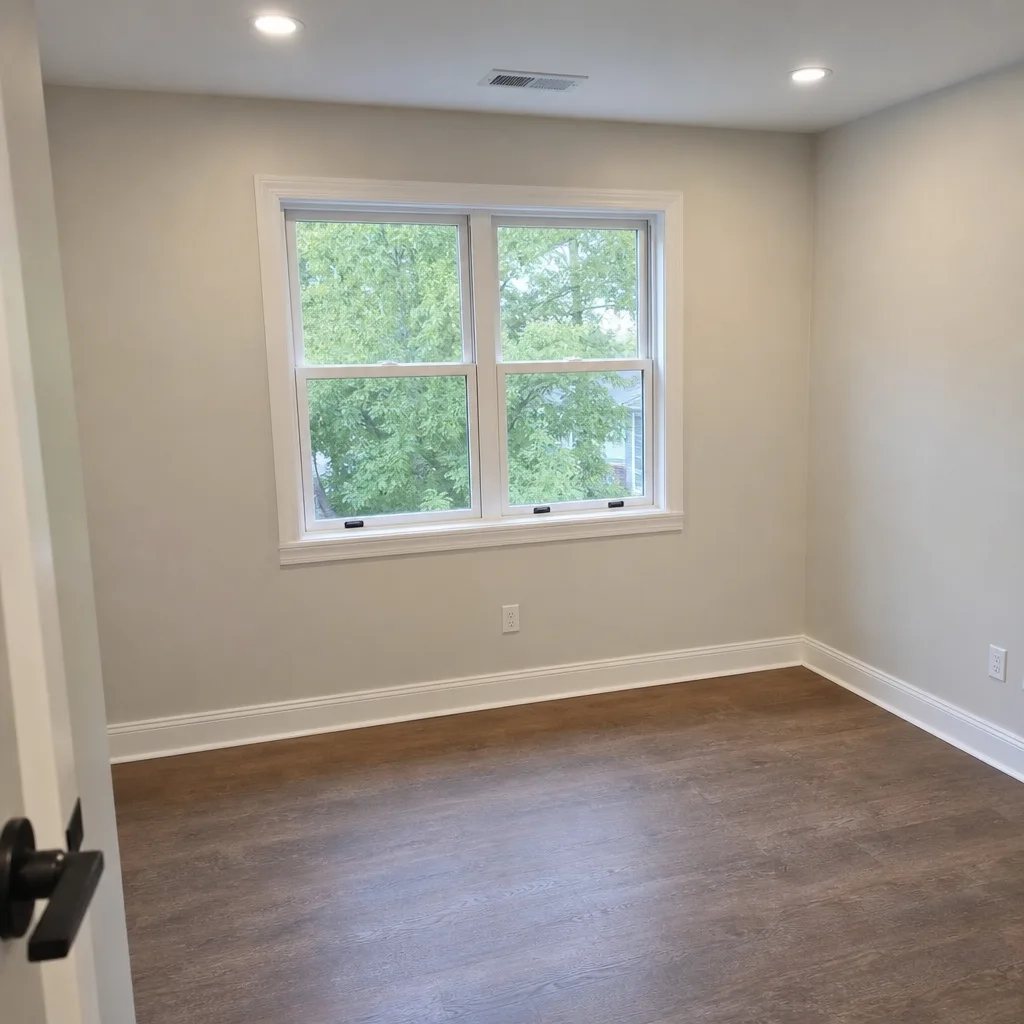 After
AfterDIY vs Professional Damage Restoration: The Tenafly Homeowner’s Decision Guide
Most Tenafly homeowners don’t realize that the first 48 hours after water damage determine whether a house dries clean or becomes a mold problem that costs three times more to fix. The real decision isn’t whether to act, it’s whether the person acting has a moisture meter and knows how to read it. This guide walks through what you can safely handle yourself, what you absolutely shouldn’t, and how to tell the difference before the damage spreads into framing, subfloor, and drywall cavities you can’t see. We’ve written this from our experience serving Tenafly and the surrounding Bergen County communities since 2010.
Quick Answer
DIY damage restoration works only for small, clean-water spills under about 20 square feet that you catch within minutes, dry within 24 hours, and can verify with a moisture meter. Everything else, meaning sewage, groundwater, anything that soaked drywall or flooring, any water sitting longer than a few hours, fire or smoke damage of any size, and any visible mold growth, belongs with a professional. The cost of getting it wrong in Tenafly’s humid summers is hidden mold behind baseboards and wall cavities, which insurance typically won’t cover if it’s traced back to unremediated water damage you attempted to dry yourself.
Table of Contents
- What DIY Can Honestly Handle
- The Hidden Costs of Drying It Wrong
- Understanding Water Categories: Clean, Gray, and Black
- Why Mold Is a Tenafly-Specific Concern
- Fire and Smoke Damage: Why DIY Stops at the Front Door
- The Equipment Gap: What Pros Use vs. What You Can Rent
- Insurance, Documentation, and Why DIY Can Cost You a Claim
- Common Mistakes to Avoid
- When to Call a Professional
- Frequently Asked Questions
- The Bottom Line
What DIY Can Honestly Handle
Let’s be straight about this: there is a legitimate role for the homeowner in damage restoration. It’s just much smaller than most people assume. The rule we use on every Tenafly job is simple: if the water is clean, the area is small, the material is non-porous, and you catch it within minutes, you can handle it yourself. That means a toilet supply line that burst while you were home and got a few gallons on tile before you shut the valve. A window left open during a quick summer storm that wet a hardwood floor surface without puddling. A dishwasher leak you caught the moment it started.
Here’s what a genuinely safe DIY response looks like:
- Stop the source first. Shut the valve, kill the appliance, or tarp the opening. Don’t start mopping while water still flows.
- Move furniture and rugs immediately. Lift wood furniture onto blocks so legs don’t wick water. Pull wet rugs and hang them to dry where air circulates.
- Extract standing water. A wet-dry vacuum works for small volumes. Renting an extraction machine for 15 gallons of water is a waste of money for something a professional does better and faster.
- Move air aggressively. Box fans at floor level, pointing across the wet area toward an exhaust point, do more than ceiling fans.
- Check with a moisture meter. This is the step that separates a real dry-out from a guess. Without a meter, you’re flying blind. A $40 meter from a hardware store beats nothing, but it won’t read deep enough to tell you whether the subfloor under vinyl is still wet.
Even within these limits, we’ve seen the same picture dozens of times in Tenafly and nearby towns: a homeowner dries the surface, the room smells fine for three weeks, then humidity shifts and the musty smell returns. That’s the subfloor. That’s the drywall wicking. That’s the point where the DIY approach stops being economical and starts being expensive.
The Hidden Costs of Drying It Wrong
Water damage is not what you see when the event happens. Water damage is what happens in the 72 hours after the event, in the spaces you can’t see, as moisture equalizes through building materials. Drywall acts like a sponge. A half inch of water on the floor wicks up drywall to 18 inches within hours. Laminate flooring traps water against the subfloor and holds it there, hidden, while the visible surface dries out. Vinyl plank does the same thing. Tile is waterproof, but the grout lines aren’t, and the underlayment beneath tile soaks up water and holds it against the subfloor.
In Tenafly, where much of the housing stock is older construction with plaster walls and true hardwood floors, the stakes are higher than in newer sheetrock-and-vinyl builds. Plaster wicks water differently than drywall, it holds moisture longer, and it hides biological growth behind surface layers that look fine. Hardwood floors, the original oak and maple that Tenafly homeowners have protected for decades, cup and warp on a timeline measured in days, not weeks. Once hardwood cups, it rarely returns fully even after professional drying. The cost of replacement floors across a living room and hallway easily runs $8,000 to $15,000 in this area, and insurance won’t replace floors you damaged by failing to dry them properly.
The less visible cost is structural. Water that reaches the subfloor sits against floor joists and sill plates. In Tenafly’s seasonal cycle, warm humid summers create the conditions wood-destroying fungi love. Once rot starts in a joist pocket, the repair is a carpenter’s job, not a restoration job, and it costs more than the original water damage ever would have. That’s the quiet math of DIY restoration gone wrong: the water event is an inconvenience, but the secondary damage is a renovation.
Understanding Water Categories: Clean, Gray, and Black
The restoration industry uses three water categories, and the category determines whether DIY is even on the table. This isn’t a technicality. It’s the difference between mopping a floor and throwing away everything the water touched.
- Category 1: Clean water. Comes from a supply line, a faucet, a tub overflow, or rainwater. This is the only category DIY can address, and only within the size and time limits described above.
- Category 2: Gray water. Has some contamination. Washing machine discharge, dishwasher overflow, sump pump failures, and water that sat for more than 24 hours all qualify. Gray water can’t be dried in place as-is; materials that absorbed it need professional cleaning and sanitizing, or removal. DIY here is a health risk no matter how small the spill.
- Category 3: Black water. Sewage, floodwater from rivers or storm surge, toilet backups from beyond the trap, and any water that contacted soil or pesticides. This is hazardous material. Everything porous it touches is garbage. Everything non-porous needs professional disinfection with appropriate agents and protocols. No amount of bleach and elbow grease makes black water DIY safe.
Here’s a local note worth knowing: Tenafly sits on a slope above the Hudson, with stormwater moving through combined infrastructure in parts of Bergen County. During heavy rain events, basement sumps can discharge water that backed up through floor drains, which means Category 1 rainwater became Category 2 or 3 by the time it entered your basement. If you’re not sure which category you have, treat it as the higher category. The cost of overreacting is some unnecessary demolition. The cost of underreacting is a home that smells like sewage every time the humidity rises.
Why Mold Is a Tenafly-Specific Concern
Mold is a water creature, and Tenafly’s climate gives it everything it needs. Bergen County sits in USDA hardiness zone 7a, with average summer humidity regularly above 70 percent. That means building materials that would dry on their own in Arizona will stay damp here long enough for mold to establish. Mold needs three things: organic material, which is everywhere in your home, moisture, which water damage provides, and time, which it gets in Tenafly’s humid air about 48 to 72 hours after a water event.
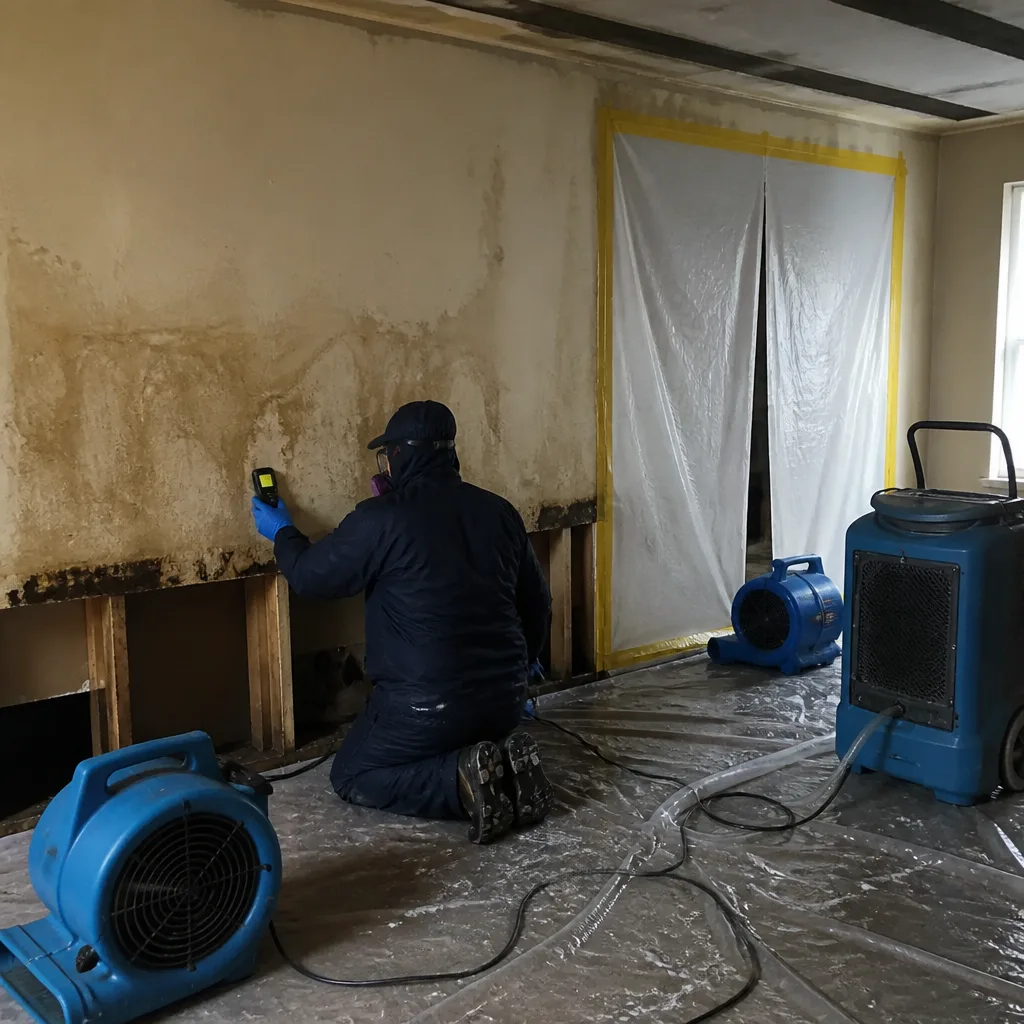
The mold section of this conversation deserves a hard line. If you see visible mold growth larger than about 10 square feet, it’s not a cleaning problem. It’s a containment and removal problem. Mold remediation professionals use negative air pressure units, HEPA filtration, and physical barriers to keep spores from spreading through your home during removal. The act of scrubbing mold releases spores by the millions. Without containment, you’re spreading the problem into your HVAC return ducts, your furniture, and every room in the house.
Small mold areas, like a patch under a bathroom sink from a slow drip, can be cleaned by a homeowner using the right approach: fix the leak, remove the affected drywall or material, vacuum the area with a HEPA vacuum, clean surfaces with an EPA-registered antimicrobial, and dry thoroughly while verifying with a moisture meter. But we’ll be honest: our mold remediation call volume in Tenafly and neighboring communities like Englewood, Cresskill, and Demarest comes mostly from homeowners who tried exactly this, saw the stains return, and then called us after the problem spread behind the wall. Mold doesn’t grow in clean lines. It follows moisture, and moisture travels.
Fire and Smoke Damage: Why DIY Stops at the Front Door
Fire and smoke damage is the category where DIY restoration is not just inadvisable, it’s actively dangerous to your health and your claim. Smoke is not one substance. It’s a mixture of soot particles, partially combusted chemicals from burned synthetics, and off-gassed residues that coat every surface in the home. That soot is acidic. It etches glass, corrodes metal fixtures, and embeds in porous surfaces like drywall and fabric. The longer it sits, the deeper the damage goes.
Cleaning smoke damage requires more than elbow grease:
- Surface-specific chemistry. The cleaner that lifts soot from a painted wall is not the cleaner you use on wood trim, and neither works on upholstery. Using the wrong agent sets the stain instead of lifting it.
- Ventilation and scrubbing of the HVAC system. Smoke enters ductwork. If the ducts aren’t addressed, the smoke smell returns every time the system cycles, and soot particles keep circulating through the living space.
- Ozone or hydroxyl generation for odor. Fire odor is stubborn because it’s embedded in paint, flooring, and cabinetry. Rentable ozone machines provide temporary relief but don’t address the source, and ozone is dangerous to humans and pets if used improperly.
- Content cleaning and pack-out. Affected belongings need evaluation, cleaning, and in many cases, offsite restoration. This is a logistical operation, not a weekend project.
If you’ve had a fire in Tenafly, the Fire Department has done its work and the Red Cross has likely been through. What remains is the restoration, and that should start with a professional assessment and a written scope before anyone touches a sponge. Smoke damage is invisible in the places where it does the most harm, behind electrical covers, inside light fixtures, within insulation. A professional assessment finds it. A DIY attempt doesn’t know where to look.
The Equipment Gap: What Pros Use vs. What You Can Rent
Here’s a practical question: can’t you just rent the same machines the restoration companies use? In our experience, the equipment gap isn’t about access, it’s about the decision-making attached to the equipment. Yes, you can rent a dehumidifier and an air mover from a tool rental counter in Bergen County. What you can’t rent is the judgment to know how many you need, where they go, when they come out, and what the moisture readings mean day over day.
Professional restoration drying uses specific equipment in specific quantities:
- Low-grain refrigerant dehumidifiers. These pull moisture from the air aggressively. We run Dri-Eaz and Phoenix units on Tenafly jobs because they’re built for restoration work, not comfort. A home dehumidifier from a big box store removes a few pints a day. A restoration dehumidifier removes gallons.
- High-velocity air movers. Positioned at specific angles to create a vortex of airflow across wet surfaces. Placement matters more than raw count. One fan in the wrong corner does less than nothing; it just burns electricity.
- Injected drying systems. For hardwood floors and wall cavities, companies use systems like Injectidry that push dry air under floors and behind baseboards under controlled pressure. This preserves floors that would otherwise be torn out.
- Moisture mapping and daily logging. Before we dry anything, we map the affected area and record baseline moisture readings. Every day after, we re-read and log those same points until the dry standard is met. The log becomes part of the insurance documentation. It’s not a guess; it’s a record.
The honest truth about rental equipment: for a small Category 1 spill, it might work. For anything that soaked drywall or flooring, a rental dehumidifier running for five days costs about $200 to $400, and if it doesn’t reach deep enough, you’ve spent that money to grow mold. A professional dry-out of a similar space costs more, but it includes the equipment, the expertise, the verification, and the written log for insurance. That last part is the one homeowners routinely undervalue.
Insurance, Documentation, and Why DIY Can Cost You a Claim
Insurance companies are not sentimental about water damage. They cover sudden and accidental events. They deny losses they can attribute to gradual seepage, neglect, or failed maintenance. When a homeowner attempts a DIY restoration and the results aren’t documented, the carrier’s adjuster can reasonably argue they have no proof the damage occurred as described, no proof it was dried to standard, and no proof it wasn’t a slow leak the homeowner ignored for months. The result is a reduced settlement or a denial.
A professional restoration company changes that conversation. The moisture log, the daily readings, the photographs, the written scope, and the equipment manifests become the documentation package the adjuster reviews. When a Tenafly homeowner has a Floodline Restoration Co. home job documented from first extraction to final reading, the carrier sees a complete record that matches their own standards. This is why direct insurance billing matters: the restoration company and the carrier speak the same language, produce the same paperwork, and reach the same conclusions. The homeowner stops being the messenger between two parties who each understand the technical details better than the person whose house it is.
We’ve seen insurance claims saved by good documentation and lost by the lack of it. The claim that matters to us is the one where the homeowner follows up with, “the adjuster said it was thorough.” That’s the response a completed moisture log produces. It’s also what allows us to bill the carrier directly and keep the homeowner out of the negotiation loop entirely.
We’re a company that started with a dispatch board and a promise: answer the phone, show up when we say, and don’t leave until the job is done right and proven dry. That approach translates directly to insurance outcomes, because the insurer is looking for the same thing the homeowner is looking for: a defensible record that the damage was addressed correctly and completely. It’s the difference between a claim that gets paid in full and a claim that gets adjusted down because the paperwork is thin.
Common Mistakes to Avoid
- Waiting to see if it dries on its own. In Tenafly’s summer humidity, nothing dries on its own. Waiting 48 hours is exactly the window mold needs to establish. The phrase we hear most on mold remediation calls: “I thought it would dry out.”
- Using household fans and opening windows. Open windows during humid weather add moisture to the space. Household fans move air but don’t extract it. Without dehumidification, you’re circulating wet air over wet materials and waiting for biology to do what biology does.
- Bleaching visible mold. Bleach kills surface mold but doesn’t penetrate porous materials, and it adds moisture to the material you’re treating. The mold behind the drywall survives, the surface looks cleaner, and the problem compounds out of sight.
- Pulling wet carpet and pad without drying the slab or subfloor. The carpet comes up, the floor looks fine for a week, then the musty smell appears. The subfloor never dried. The carpet was the symptom, not the problem.
- Ignoring the HVAC system. Water or smoke events that reach the return vents send contamination through the whole house. Running the blower during or after a damage event spreads whatever is in the air. Shut the system down, close the vents, and get an assessment.
- Assuming insurance won’t cover it. Tenafly homeowners sometimes talk themselves out of filing a claim for fear of a rate increase. Sudden water damage is exactly what homeowners insurance exists for. A quick call to your carrier or a restoration company that handles carrier communication directly costs nothing and may save you thousands.
- Trying to match insurance paperwork with a handwritten notebook. DIY documentation is better than nothing, but it rarely survives adjuster scrutiny. Professional documentation is built for adjuster scrutiny. That gap is real money.
When to Call a Professional
Call a professional the moment any of these conditions apply: the water is gray or black, the affected area is larger than a bathroom mat, water has touched drywall, flooring, or baseboards, the water sat for more than a few hours before you found it, you smell anything musty or sewage-like, there’s visible mold beyond a small surface patch, or you’ve had smoke or fire damage. Also call if you simply don’t have a moisture meter and can’t verify dryness to the standard your insurance policy expects. We’ll come out, assess the situation, map the moisture, and give you a written scope before any work begins. No pressure, no upsell, just a record of what we found and what we recommend. Floodline Restoration Co. offers free estimates in Tenafly, call (551) 348-3742.
Frequently Asked Questions
Professional water damage restoration in Tenafly typically runs $1,800 to $6,000 for a contained Category 1 event, with sewage and floodwater jobs running higher due to containment and debris removal requirements. The final number depends on square footage, water category, how many rooms flooded, and what materials need to come out. Call (551) 348-3742 for a free estimate with no obligation.
A restoration company with true 24/7 dispatch can have certified technicians at your Tenafly home within an hour to two hours of your call, with extraction equipment running on the first visit. That speed matters because every hour of standing water extends the dry-out timeline and increases material loss. Call the moment you find water; don’t wait for business hours.
Most homeowners policies in New Jersey cover sudden and accidental water damage, including burst pipes, appliance failures, and storm-related intrusion, subject to your deductible and policy limits. Sewage backup and groundwater flooding often require endorsements. The restoration company’s documentation is what proves the loss to the carrier. Ask about direct insurance billing when you call.
Visible mold larger than 10 square feet, or any mold with a recurring moisture source, requires professional remediation with containment, air filtration, and source removal. Small surface mold under 10 square feet from a fixed leak can be cleaned by a homeowner with the right products and moisture verification. The dividing line is whether you can see or smell mold beyond the surface stain.
Yes, a full-service restoration company in Tenafly can handle direct communication with your insurance carrier, provide the documentation the adjuster needs, and bill the carrier directly for covered work. That’s the point of hiring a company that does restoration as a complete service, not just extraction. The homeowner signs the authorization; we handle the rest, including the follow-up when the adjuster has questions.
A written 90-day guarantee means the restoration company will return and make it right at no charge if anything they did fails within 90 days of completion. For Floodline Restoration Co., that promise is called the Keystone Standard, given in writing on every job with no arguing and no paperwork battles. It covers the work we did, including the drying, the remediation, and the rebuild. If it’s not done right in 90 days, we make it right. Call (551) 348-3742 for a free estimate, and ask about the guarantee when you call.
The Bottom Line
The decision between DIY and professional damage restoration comes down to three questions: What category is the water, how much surface area is involved, and can you verify dryness with a meter? Answer those honestly and the choice makes itself. Small clean-water spills you catch immediately are manageable with a shop vac, fans, and thorough drying. Anything beyond that, whether it’s Category 2 or 3 water, soaked building materials, fire residue, or visible mold growth, deserves a professional with the equipment, training, and documentation to do it right the first time and prove it. In Tenafly’s humid climate and older housing stock, the margin for error is thinner than most homeowners realize. A square deal means knowing where the line is before you step over it. We’ll be there when you call.
Written by Curt Bowman, Owner at Floodline Restoration Co., serving Tenafly since 2010.