
Last updated August 25, 2026
Free visual inspection and a written scope of work before any mitigation begins - photos, moisture readings, and drying logs go in your claim file
The scope we write is the scope we bill. Anything new gets shown to you, in writing, before we touch it.



 Before
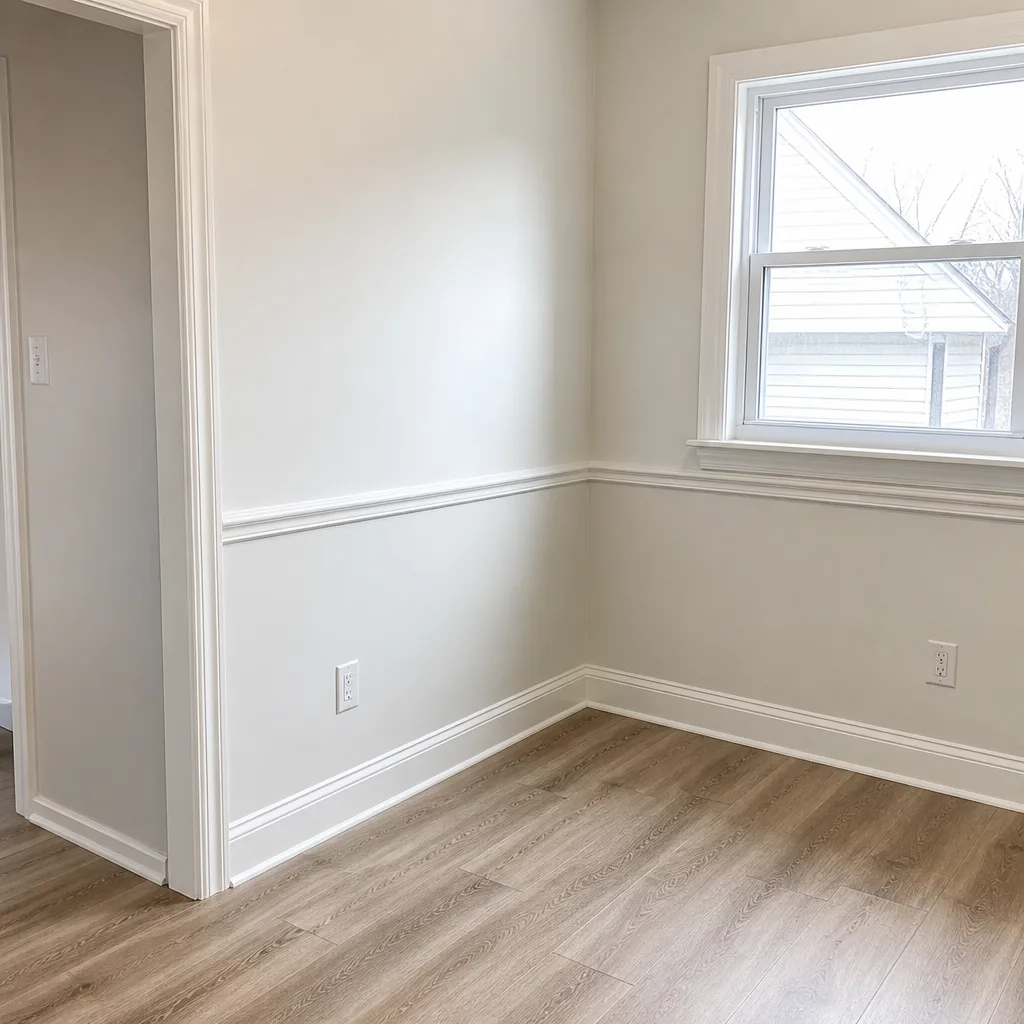 After
After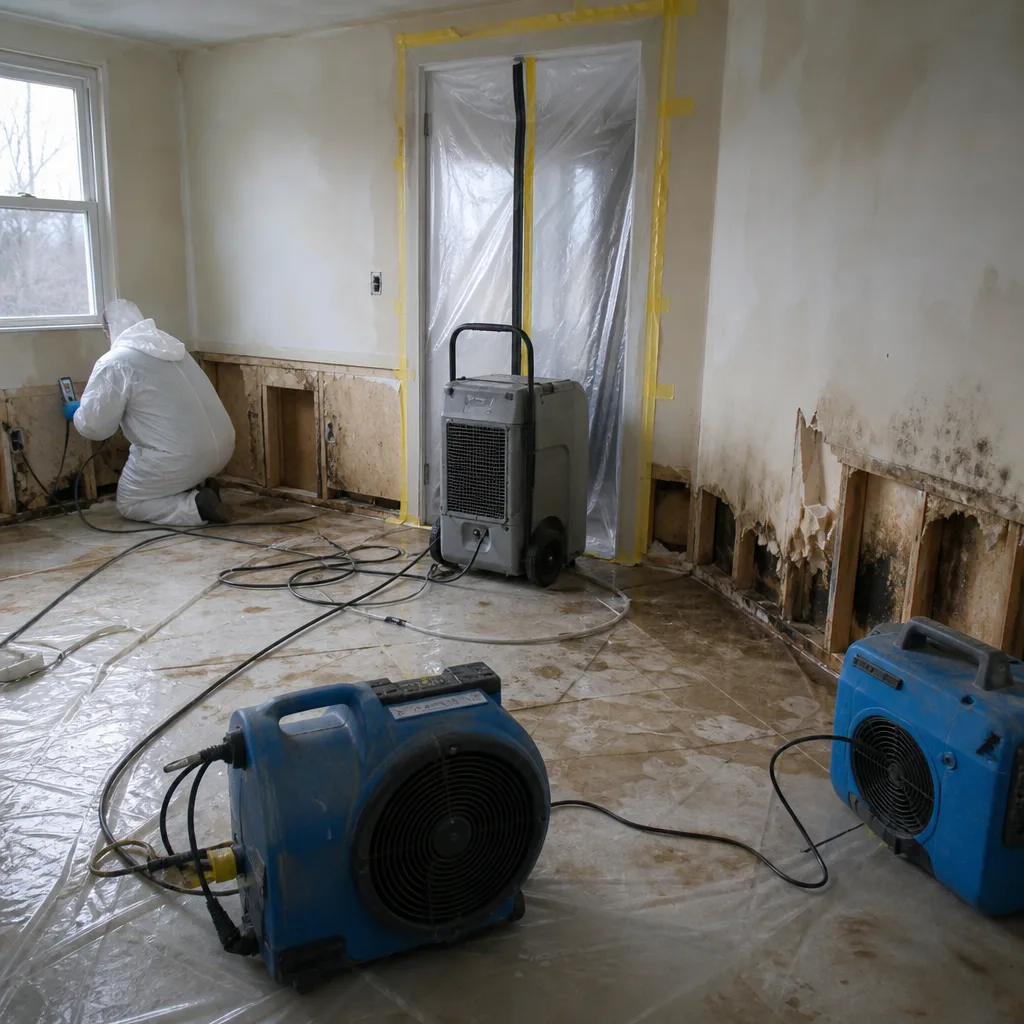 Before
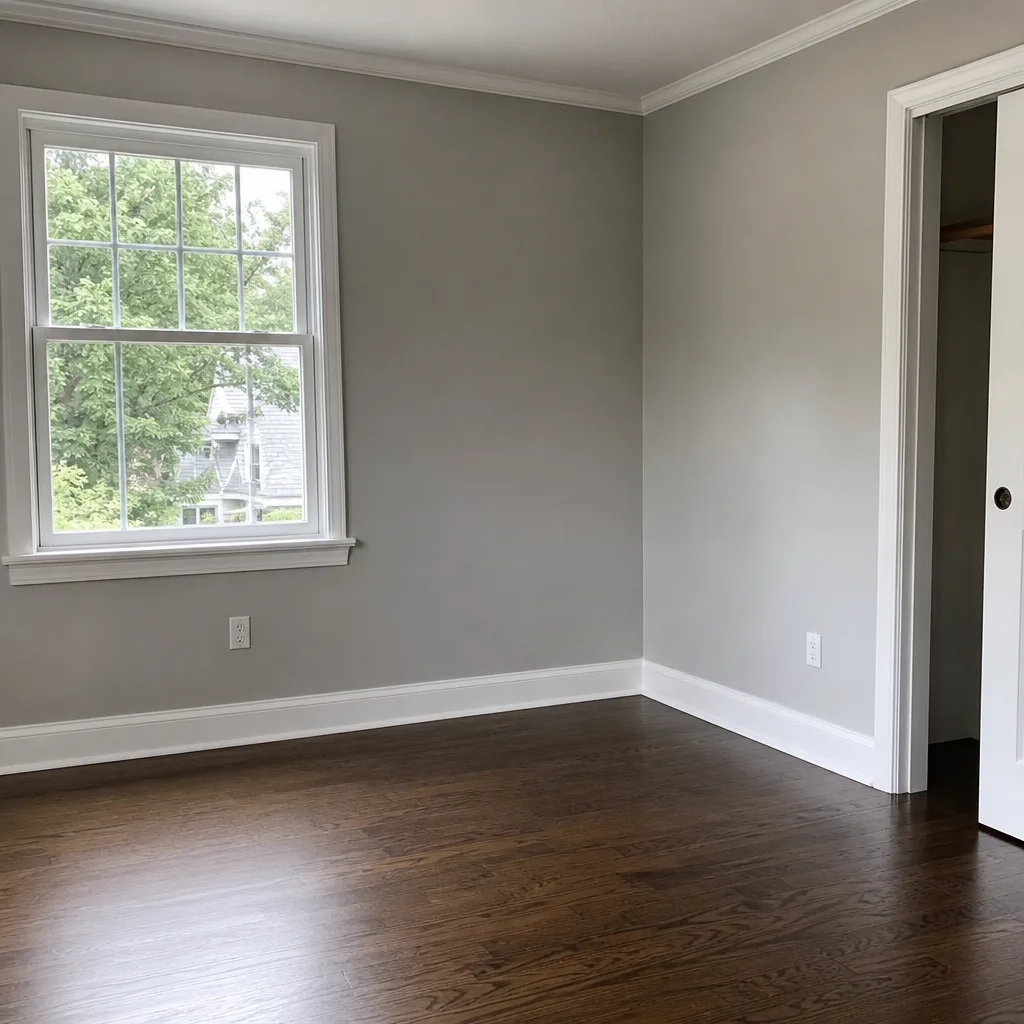 After
After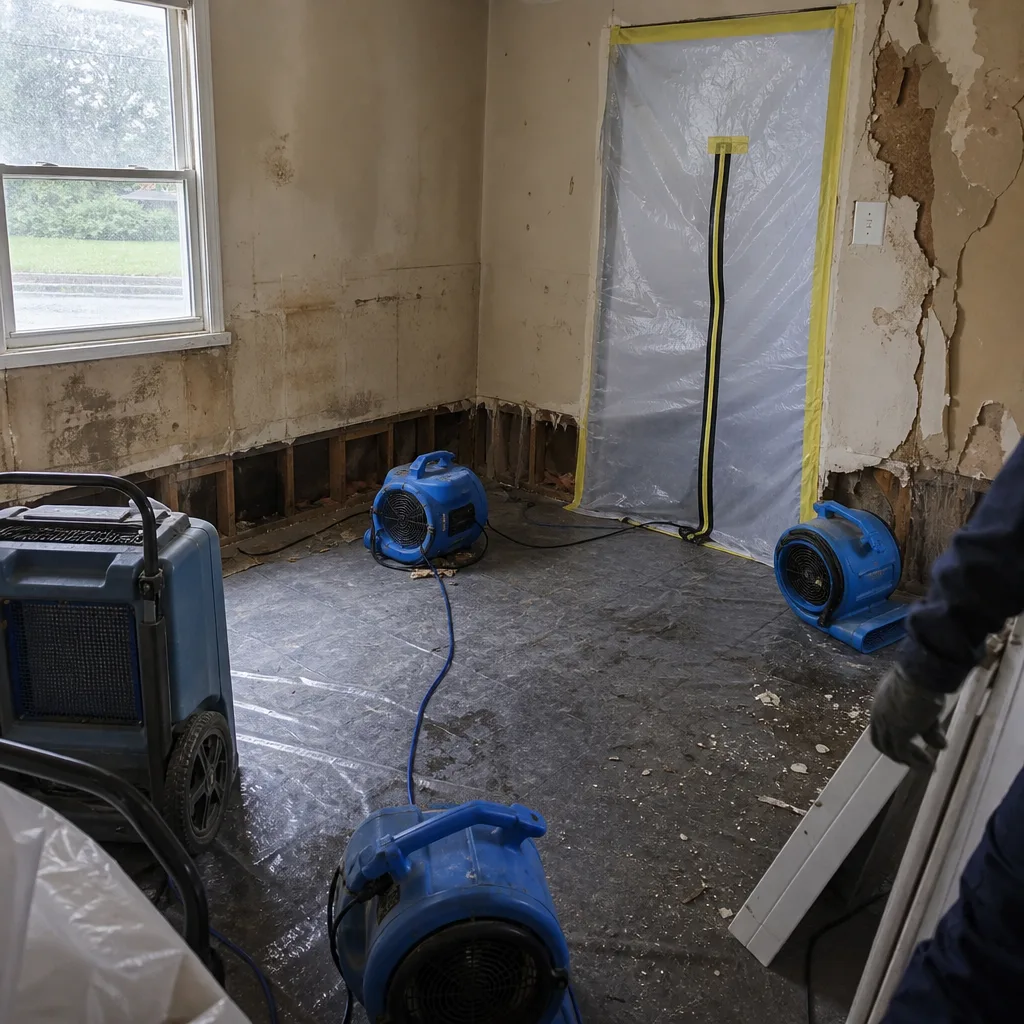 Before
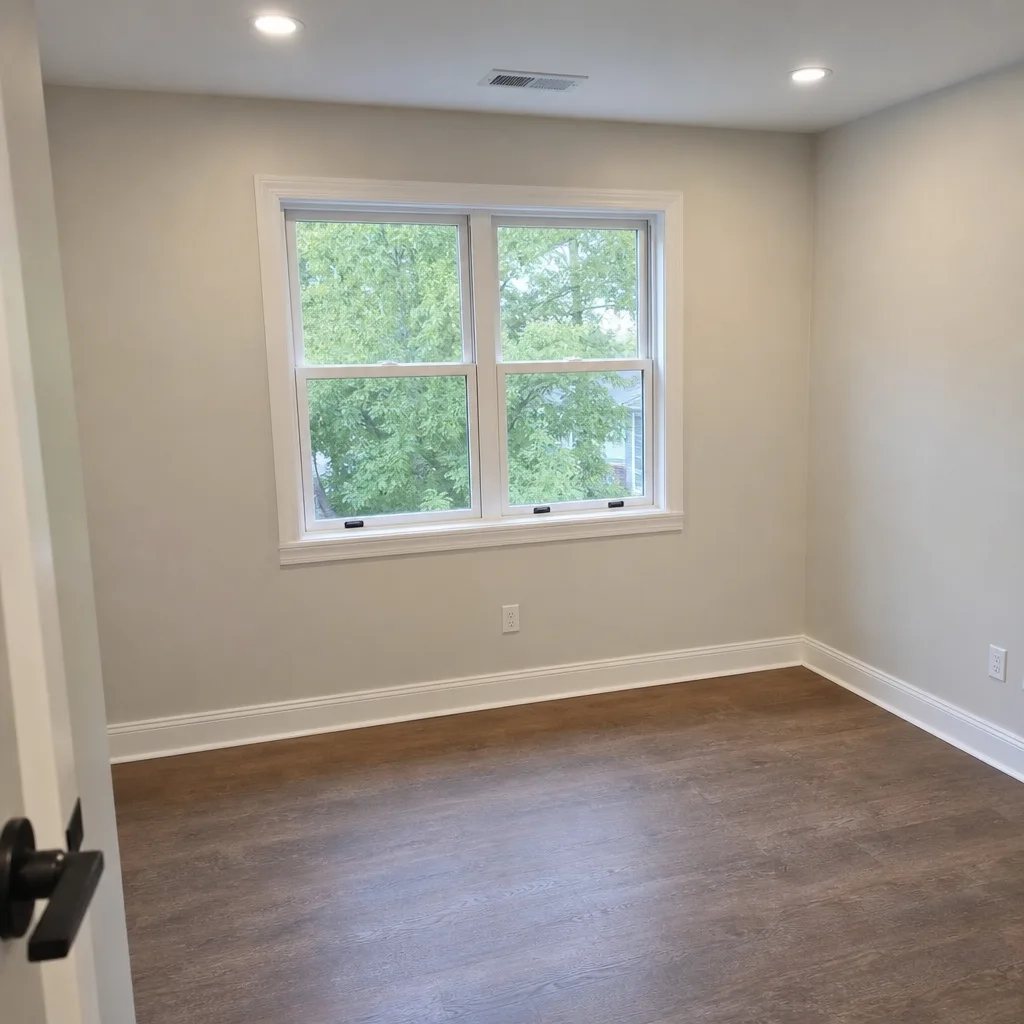 After
AfterDamage Restoration Cost Breakdown: The Tenafly Homeowner’s Reference for 2026
Most Tenafly homeowners discover what restoration actually costs only after the water is already ankle-deep in the basement. The surprise isn’t just the number on the invoice. It’s the gap between what the insurance adjuster’s estimate says and what three different contractors tell you on the phone. This guide closes that gap. We repair and rebuild homes along County Road, through the East Hill, and down toward the Hudson River shoreline, and we’ve put every price range, every hidden cost, and every decision point in writing below. By the end, you’ll know what drives water, mold, fire, and sewage restoration pricing in Bergen County, what a fair number looks like for your situation, and where contractors quietly pad the bill.
Quick Answer
Most water damage restoration jobs in Tenafly run between $2,800 and $7,500, with average basement cleanups landing near $4,200. Mold remediation typically costs $2,200 to $6,500 depending on the square footage affected and whether the colony sits inside wall cavities. Fire and smoke restoration starts around $3,800 and can reach $25,000 or more when structural rebuild enters the picture. These numbers assume a licensed, insured Bergen County restoration company with professional-grade drying equipment, not a handyman with shop fans.
Table of Contents
- Water Damage Restoration: Real Costs by Category
- Mold Remediation: What Drives the Price in Tenafly
- Fire & Smoke Damage: The Numbers Behind Rebuild Work
- Sewage Cleanup: Why This Costs More Than Clean Water
- Insurance and Restoration: How Billing Actually Works
- Equipment, Labor, and the Drying Standard: What You’re Paying For
- How Long Each Phase Takes in a Tenafly Home
- Common Mistakes to Avoid
- When to Call a Professional
- Frequently Asked Questions
- The Bottom Line
Water Damage Restoration: Real Costs by Category
A burst supply line in a Tenafly colonial on a January morning costs a different amount than a slow seep that has sat behind drywall on Buckingham Road since March. Pricing in Bergen County breaks down into three tiers based on the water source and how long it has sat.
Category 1 clean water from a supply line or faucet runs $2,800 to $4,500 in a typical 800-square-foot basement. That covers extraction, equipment placement, three to five days of drying, and daily moisture readings. Category 2 gray water, the kind from a washing machine overflow or dishwasher drain, adds sanitization and runs $3,500 to $6,000. Category 3 black water, which includes sewage backup and storm surge, starts at $5,000 and often reaches $10,000 or more because affected materials get cut out and hauled away rather than dried.
Here is the line-item breakdown we give every Tenafly homeowner before work begins:
- Emergency extraction: $400 to $900 depending on standing water volume and whether a truck-mounted extractor is needed.
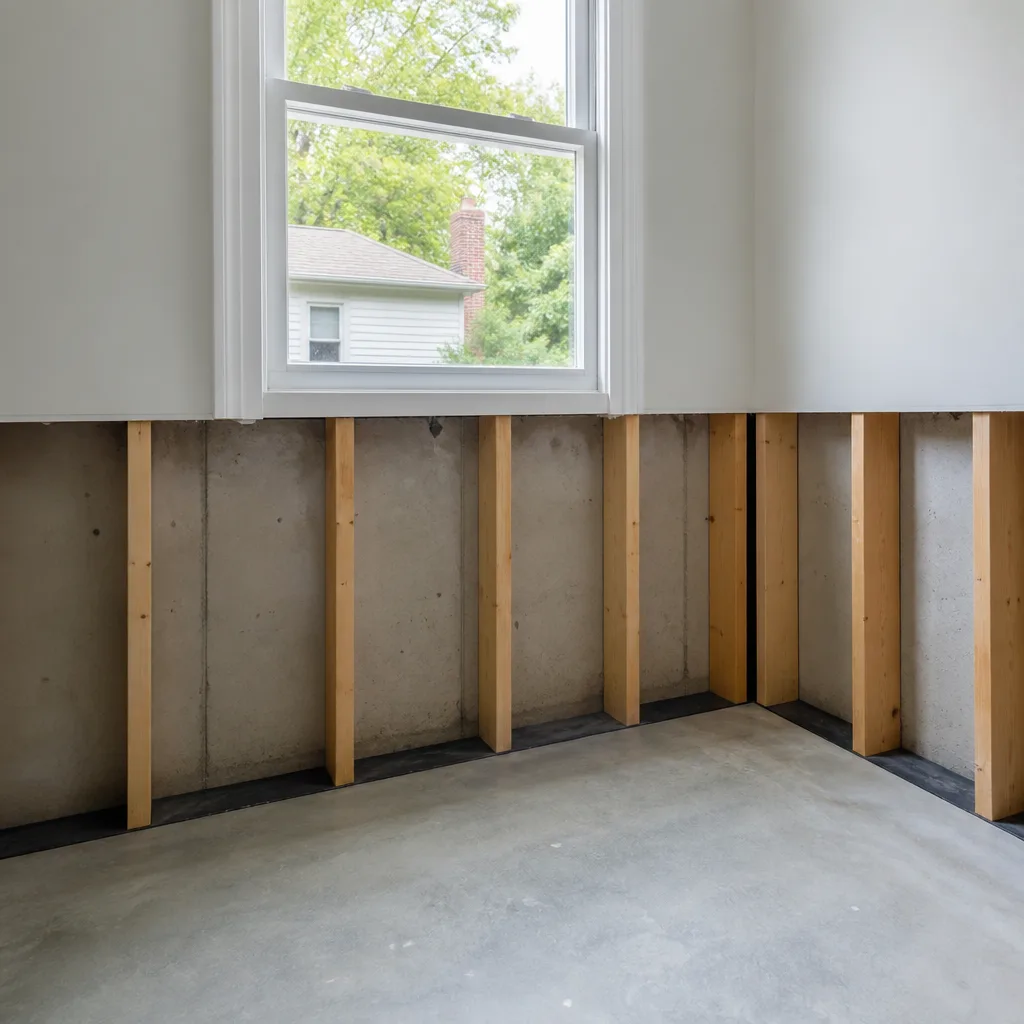
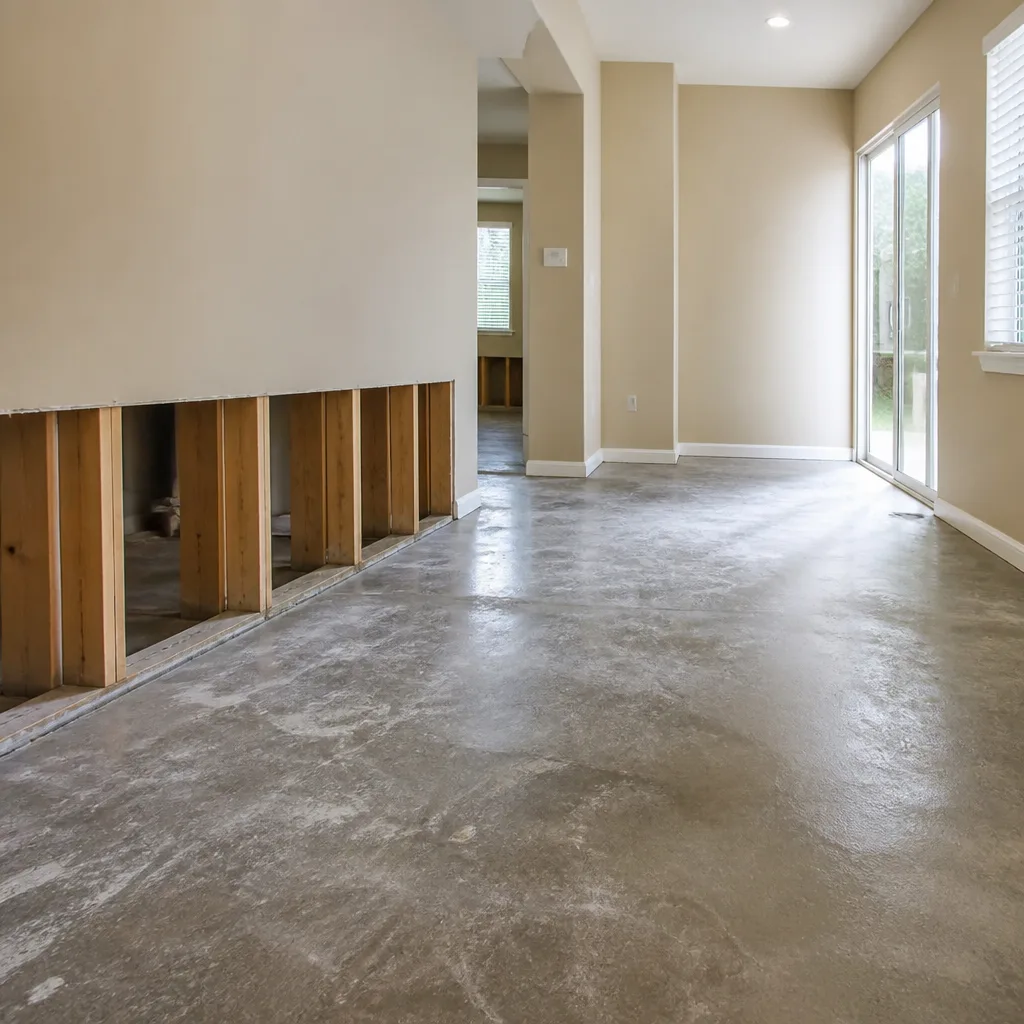
- Water removal and demolition of wet materials: $1,200 to $3,000 for carpet, pad, baseboards, and affected drywall removed to the flood line.
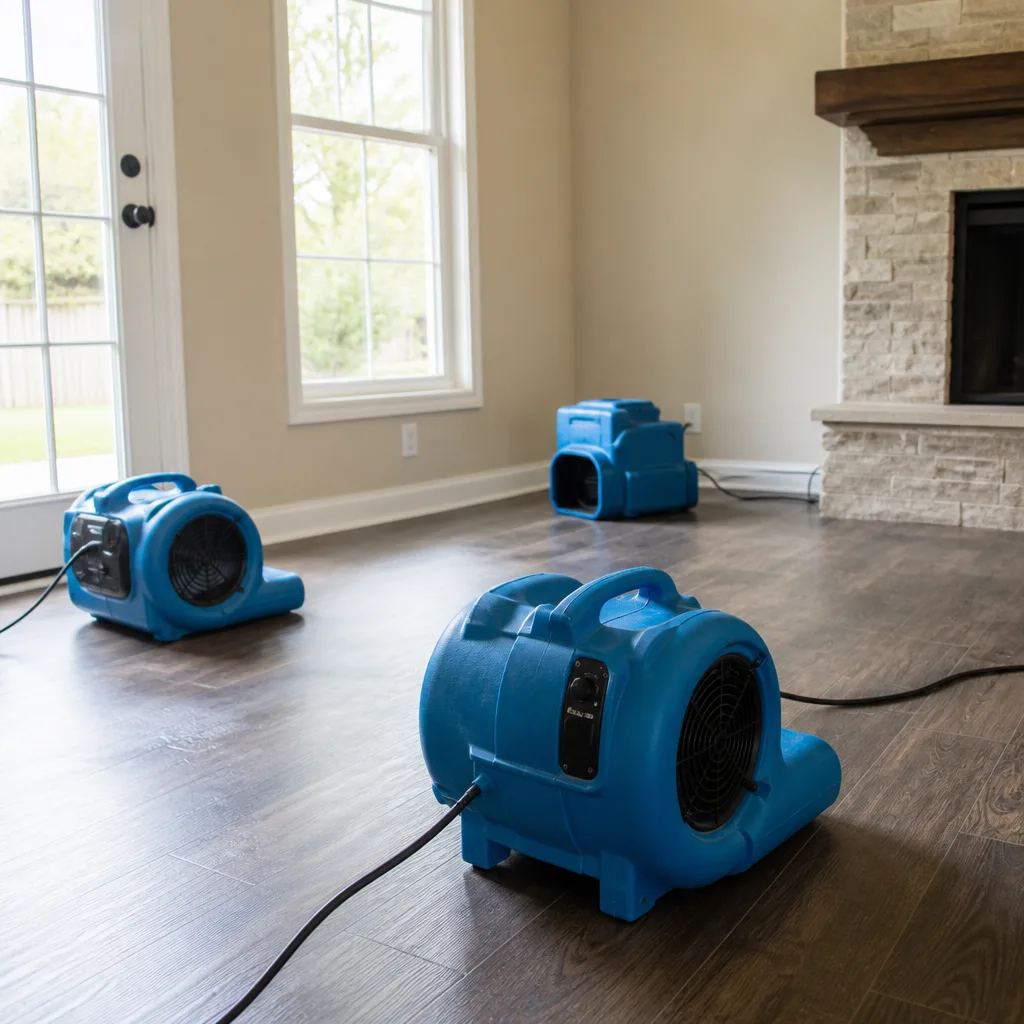
- Drying equipment rental: $40 to $90 per day per air mover, $100 to $180 per day per dehumidifier. A properly dried 800-square-foot basement needs four to eight air movers and one or two dehumidifiers.
- Daily monitoring: $75 to $150 per visit for moisture mapping and log updates, included in most full-service agreements.
- Antimicrobial application: $300 to $700 for broad-spectrum treatment before rebuild begins.
- Rebuild of removed materials: $1,500 to $5,000 for baseboard, drywall, paint, and flooring in a standard basement.
The homeowner who gets only a bottom-line number without a line-item scope is the homeowner who pays for work that never happened. Demand the breakdown in writing. It is the single most effective protection against oversold restoration work in northern New Jersey.
Mold Remediation: What Drives the Price in Tenafly
Tenafly’s summer humidity, coupled with the age of many homes built before modern vapor barriers existed, makes basement and attic mold a recurring issue in this borough. The cost of remediation depends on three factors: how many square feet are colonized, whether the mold sits on visible surfaces or inside wall cavities, and how far the spores have spread through the HVAC system.
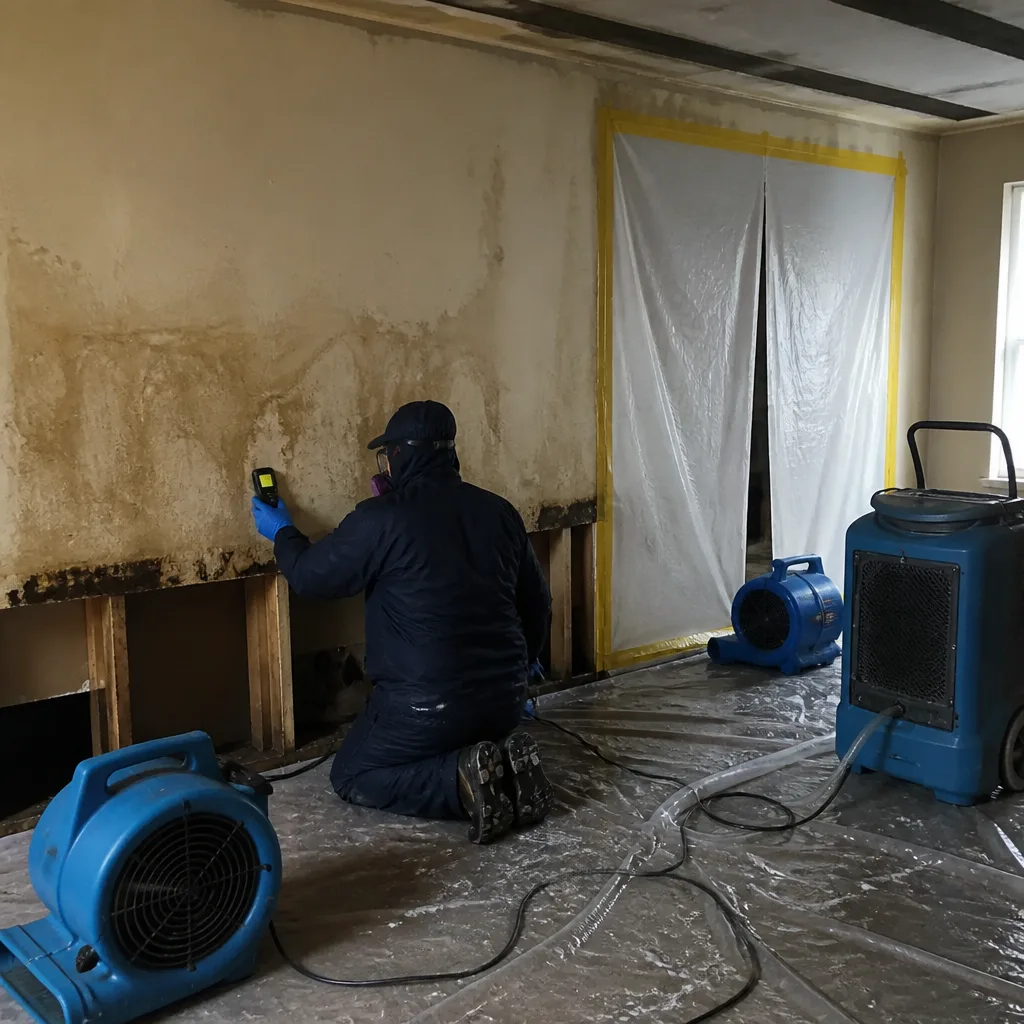
A visible mold patch under 10 square feet in a Tenafly basement, typically on drywall or a joist near a leaky rim joist, costs $2,200 to $3,800 to remediate. The work includes containment barriers, HEPA air scrubbing, removal of affected drywall or insulation, wire brushing and antimicrobial treatment of remaining framing, and clearance testing. When mold sits inside wall cavities or under flooring, costs climb to $4,000 to $6,500 because more demolition is required and the containment protocol expands.
We have seen homes in the Tenafly area where a $400 leak ignored for two seasons became a $7,000 mold job because the moisture fed growth behind a finished basement wall. The water line on the drywall was barely visible. The colony behind it was not. Moisture mapping with a penetrating meter is how a certified technician finds what a visual inspection misses.
Remediation in this climate also means controlling humidity, not just killing existing mold. A remediation that does not address the moisture source, whether that is a grading issue against the foundation or a missing bathroom exhaust fan, is a temporary fix. Tenafly basements need relative humidity held at or below 55 percent year-round, and in July and August that often means a dedicated dehumidifier running continuously.
Fire & Smoke Damage: The Numbers Behind Rebuild Work
Fire restoration pricing in Bergen County spans a wider range than any other category because the damage crosses multiple trades: board-up, demolition, structural framing, electrical, plumbing, drywall, paint, and finish work. A small kitchen fire contained to the stove and upper cabinets typically runs $3,800 to $8,000. A room-and-contents fire reaches $15,000 to $30,000. A house-wide event with structural framing replacement routinely clears $50,000.
The costs break into two phases. Mitigation work, which starts the day of the fire, includes board-up, tarping, water extraction from fire suppression, smoke and soot cleaning, and contents pack-out. Expect $3,000 to $7,000 for this phase on a moderate fire. Reconstruction follows after the insurance scope is approved, and this is where the real money sits. Framing, drywall, trim, paint, flooring, and fixture replacement in a 12-by-15-foot room runs $12,000 to $22,000 with Bergen County labor rates.
One cost homeowners consistently underestimate is smoke odor removal on contents. A room of clothes, books, and upholstery that absorbed smoke requires professional cleaning, ozone or hydroxyl treatment, and repacking. That line item alone can reach $2,500 to $5,000. The same applies to HVAC duct cleaning after a fire, which runs $400 to $1,000 for a typical single-zone system.
We have rebuilt fire-damaged kitchens and living spaces across Tenafly, and the homeowners who fare best are the ones who keep the mitigation and reconstruction under one roof. When one company handles the board-up and the rebuild, a single set of moisture readings and a single scope of work carry the job from charred framing to painted trim. When the job splits between two companies, the homeowner becomes the project manager and the adjuster’s point of contact, and that is a second job nobody asked for.
Sewage Cleanup: Why This Costs More Than Clean Water
Sewage backup is the most expensive common restoration scenario in Tenafly because the protocol requires removal, not drying. When a municipal line backs up into a basement near West Clinton Avenue or a septic issue floods a lower level on the east side of town, the contents of that water mean every porous material it touched comes out.
Expect $5,000 to $12,000 for a typical sewage cleanup in a finished Tenafly basement. The work includes:
- Pumping and removal of standing contaminated water, typically $800 to $1,500.
- Cutting and hauling affected drywall, carpet, pad, baseboard, and any wet insulation to the flood line, at $1,500 to $3,500.
- HEPA vacuuming and antimicrobial treatment of the exposed cavity, at $600 to $1,200.
- Drying with professional-grade equipment after contamination is removed, at $800 to $1,800 over three to five days.
- Rebuild of walls, flooring, and trim to pre-loss condition, at $2,000 to $6,000 depending on finishes.
Any contractor who proposes drying sewage-contaminated carpet in place is proposing a health hazard. Carpet pad acts as a sponge for pathogens, and no amount of dehumidification removes that. The material comes out. Period. In Tenafly homes with finished basements, the cost difference between a proper sewage cleanup and a shortcut cleanup is about $2,500, and the shortcut version leaves a biological load that will outgas for months.
Insurance and Restoration: How Billing Actually Works
The Tenafly homeowner’s path through an insurance claim looks different depending on whether the restoration company bills the carrier directly or leaves the homeowner to float the bill and chase reimbursement. Direct billing changes the entire experience. The restoration company submits the scope, coordinates with the adjuster, and gets paid by the carrier according to the approved estimate. The homeowner pays only the deductible.
This matters in Bergen County because adjuster estimates routinely miss line items. A good restoration company knows how to submit a supplement for additional drying days, hidden damage, and code upgrades the adjuster’s software did not account for. Homeowners who choose a company that does not bill directly end up negotiating those supplements themselves, usually with less documentation and less leverage.
Photo documentation is the foundation of every successful supplement. We photograph the flood line before demolition, the moisture readings before and after drying, and every cut and removal as it happens. Those photos go to the adjuster with the moisture log. The claim moves forward. In our experience serving Tenafly and the surrounding boroughs, claims backed by a daily moisture log and photo records get approved faster and at higher amounts than claims built on a technician’s memory.
Ask your restoration company three questions before signing anything. Does your company bill the carrier directly? Do you provide a written scope before work begins? Do you handle supplements and coordinate with the adjuster throughout the job? If the answer to any of those is no, the homeowner becomes the messenger, and that role costs time and money.
Equipment, Labor, and the Drying Standard: What You’re Paying For
The difference between a $2,800 water job and a $5,500 water job in the same Tenafly basement is usually equipment and monitoring. A contractor who sets three box fans and a rented dehumidifier and walks away is charging for a result he cannot prove. A certified restoration company using Dri-Eaz or Phoenix drying systems, with a penetrative moisture meter and a written dry standard, is charging for a result he will stand behind.
Professional-grade drying equipment moves four to six times the air of a retail fan. Dri-Eaz dehumidifiers pull as much water from the air in a day as a rental unit does in three. The equipment cost on a standard basement job runs $700 to $1,500. The labor cost for a certified technician trained to IICRC standards runs $75 to $125 per hour in the Bergen County market. When you pay $4,200 for a water job, you are paying for about a day of extraction and demolition labor, three days of equipment, and daily monitoring visits that prove the structure hit the dry standard.
The dry standard is the number that matters more than any invoice line. A structure is dry when the moisture content of affected materials returns to within a few percentage points of the unaffected materials in the same home. In Tenafly, where winter means heating systems pulling moisture out of framing and summer means humidity pushing it back in, that standard is easier to miss than hit. The moisture log documents it. We hand that log to the homeowner and the carrier at the end of every job. If the numbers do not support the claim that the structure is dry, the drying is not finished, no matter what the calendar says.
How Long Each Phase Takes in a Tenafly Home
Homeowners in Tenafly want two things from a restoration company in the first hour after discovering damage: someone on the phone, and a real answer about how long the disruption lasts. Here are realistic timetables for each phase, based on the work we have completed in borough homes over the past decade and a half.
- Emergency response and extraction: A live dispatcher answers the call at any hour. A certified crew reaches a Tenafly address, on average, within 90 minutes of that call. Extraction starts the same visit and runs two to four hours for a standard basement.
- Demolition and preparation: Cutting wet materials to the flood line, removing pad and baseboard, and setting containment takes one to two days, including setup on day one.
- Drying: Three to five days for clean water, four to seven days for contaminated water after thorough cleaning. Daily readings log the moisture drop. This phase ends only when the dry standard is met and logged.
- Mold remediation: Three to seven days for a standard containment, removal, treatment, and clearance, depending on colony size. Larger jobs with HVAC involvement run longer.
- Reconstruction: One week to three months. Small drywall patches and baseboard replacement finish in days. Full basement rebuilds, kitchen re-fits, or structural work run weeks to months because each trade works in sequence with inspections between.
- Final walkthrough and closeout: One to two hours to review the completed work, hand over the moisture log and scope documentation, and close the file.
Our crews complete most clean-water extraction and drying jobs in a single visit for extraction plus a few return trips for monitoring, rather than a week of full crew time. The equipment does the drying. The technician does the reporting. When rebuild starts, that becomes a scheduled, sequenced process, priced in writing before the first stud goes in.
Common Mistakes to Avoid
- Waiting to call because the water “doesn’t look that bad.” In a Tenafly basement, water that sits for 48 hours has already begun wicking up drywall and into insulation. The $3,000 extraction you needed on day one becomes a $6,000 cut-out and rebuild on day four.
- Signing an authorization form without a written scope. A bottom-line number without line items is an invitation for the contractor to define the work later, and that definition will favor the contractor. Get the scope of work in writing before anyone cuts anything.
- Letting a contractor skip the moisture log. If a restoration company cannot show you daily moisture readings proving the structure hit the dry standard, you have no evidence the job is finished. Drying claims without data are just opinions.
- Choosing a mitigation company that does not rebuild. Homeowners in Tenafly who split mitigation and reconstruction between two companies spend hours coordinating between the two, often while the claim stalls. One company handling the whole job keeps the scope consistent and the bill straightforward.
- Assuming the insurance adjuster’s first number is final. Bergen County adjusters routinely miss drying days, hidden damage, and code upgrades. A restoration company that bills the carrier directly and knows how to submit supplements recovers those line items without the homeowner fighting for them.
- Paying the full balance before the final walkthrough. Legitimate restoration companies do not demand full payment before the work is complete and documented. A deposit, yes. Full payment, only after the walkthrough and the moisture log are in your hands.
- Ignoring a musty smell because it is “just an old house.” Tenafly homes built in the 1920s through the 1960s have framing that hides slow leaks for years. That smell is usually a biological colony announcing itself. An inspection costs a few hundred dollars. Waiting costs thousands.
When to Call a Professional
Call a restoration professional the day you discover standing water that covers more than a few square feet, water that has touched drywall or flooring edges, or any water from a sewage line or exterior flood. Call the same day you smell mold in a basement or attic, see staining on ceiling drywall below a bathroom, or return to a house where a fire in any room produced visible soot on walls beyond the burn area. These scenarios mean moisture, contamination, or particulate is already moving through building materials, and the clock started before you noticed.
Floodline Restoration Co. offers free estimates in Tenafly. Call (551) 348-3742 and a live person answers, day or night. We cover the whole job from first extraction to final trim, we bill your carrier directly, and we hand you a written scope before the first cut. The Floodline Restoration Co. home page has the full breakdown of our services and the 90-Day Done Right Promise behind every job.
Frequently Asked Questions
Most water damage restoration jobs in Tenafly cost between $2,800 and $7,500, with the average falling near $4,200 for a standard basement cleanup. Clean water from a supply line sits at the low end, while contaminated water requiring material removal and rebuild sits at the high end. Call (551) 348-3742 for a written estimate specific to your home.
Standard homeowner policies in Bergen County cover sudden and accidental water damage, fire, wind, and most sewage backups when a specific endorsement exists. Gradual leaks, long-term seepage, and mold from neglected maintenance are typically excluded. A restoration company that bills the carrier directly and provides photo documentation gives your claim its best chance at full approval.
A certified flood response crew typically reaches a Tenafly address within 90 minutes of your call to a company with 24/7 live dispatch. Floodline Restoration Co. answers every call with a live person at any hour, and extraction begins the same visit. The speed of that first response is the single largest factor in containing the total cost.
If the visible mold covers more than 10 square feet, sits inside wall cavities, or followed a water event that reached building materials, professional remediation is the correct call. Surface cleaning removes what you can see but leaves the colony behind drywall and the moisture source feeding it. In Tenafly’s humid climate, that colony returns as fast as it grew.
A full-service restoration company deals directly with the adjuster, submits the initial scope, files supplements for missed line items, and bills the carrier directly. The homeowner avoids playing messenger. If your restoration company leaves adjuster communication to you, you are managing the claim without the documentation leverage a certified firm brings.
The 90-Day Done Right Promise is our written guarantee that the work we complete meets the standard we agreed to before starting. If it is not done right, we make it right within 90 days of completion, with no paperwork battles and no arguing. It is the Keystone Standard on every Floodline Restoration Co. job in Tenafly, and it comes in writing.
The Bottom Line
Damage restoration in Tenafly costs what it costs because moisture moves fast through old framing, contaminated water requires removal rather than drying, and Bergen County labor commands skilled tradesman wages. The homeowner’s protection is not the lowest bid. It is a written scope before work starts, a daily moisture log that proves the dry standard, direct carrier billing that keeps the homeowner out of the claims process, and a company that stands behind the result in writing. Get the line-item breakdown. Ask the hard questions before signing. And call early, because every hour of standing water rewrites the invoice upward.
Written by Curt Bowman, Owner at Floodline Restoration Co., serving Tenafly since 2010.