
Last updated August 25, 2026
Free visual inspection and a written scope of work before any mitigation begins - photos, moisture readings, and drying logs go in your claim file
The scope we write is the scope we bill. Anything new gets shown to you, in writing, before we touch it.
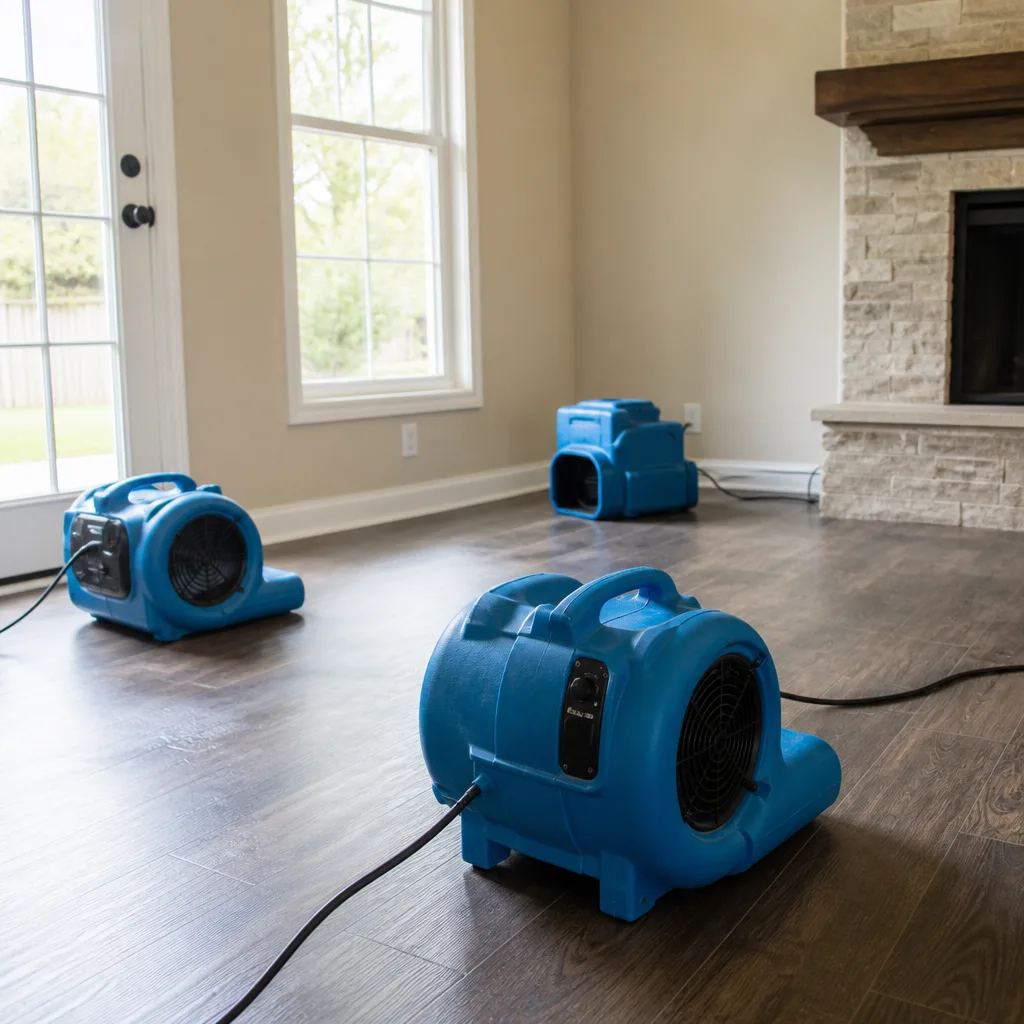

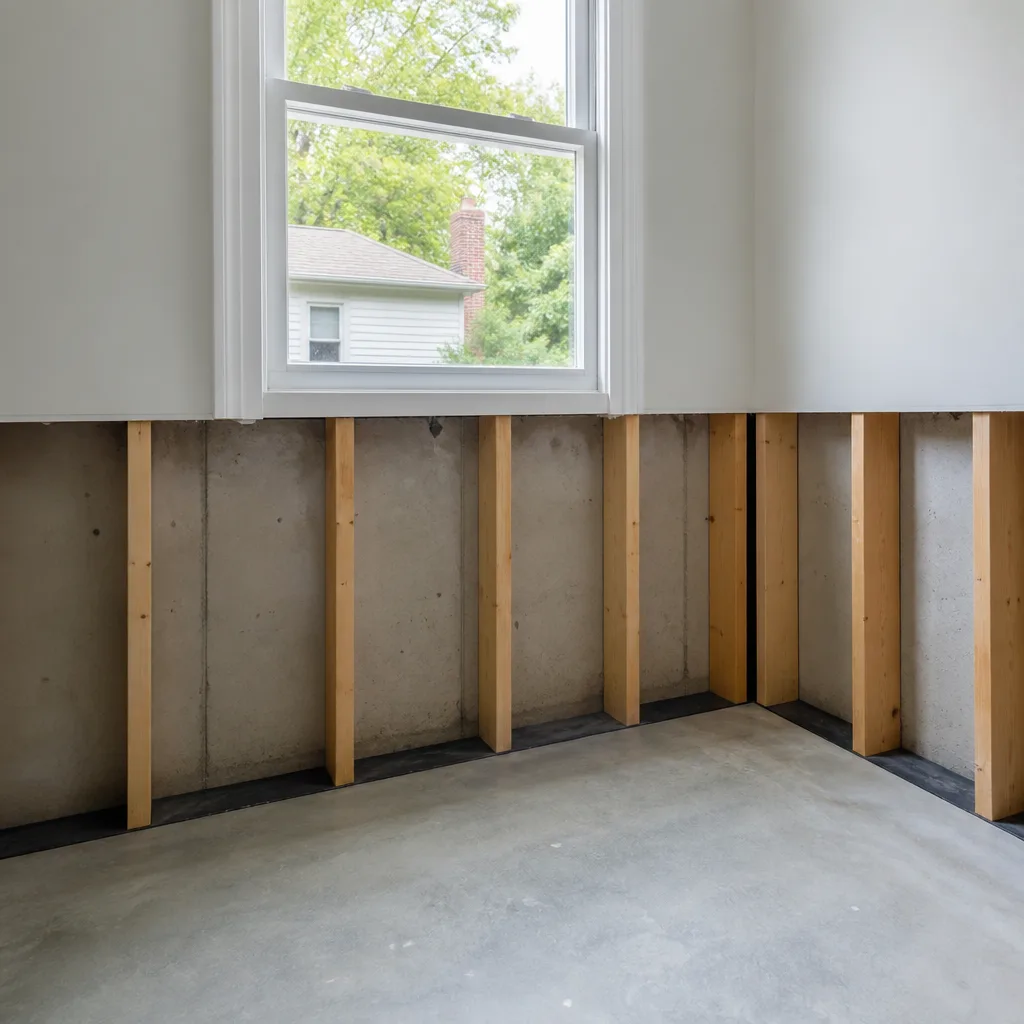

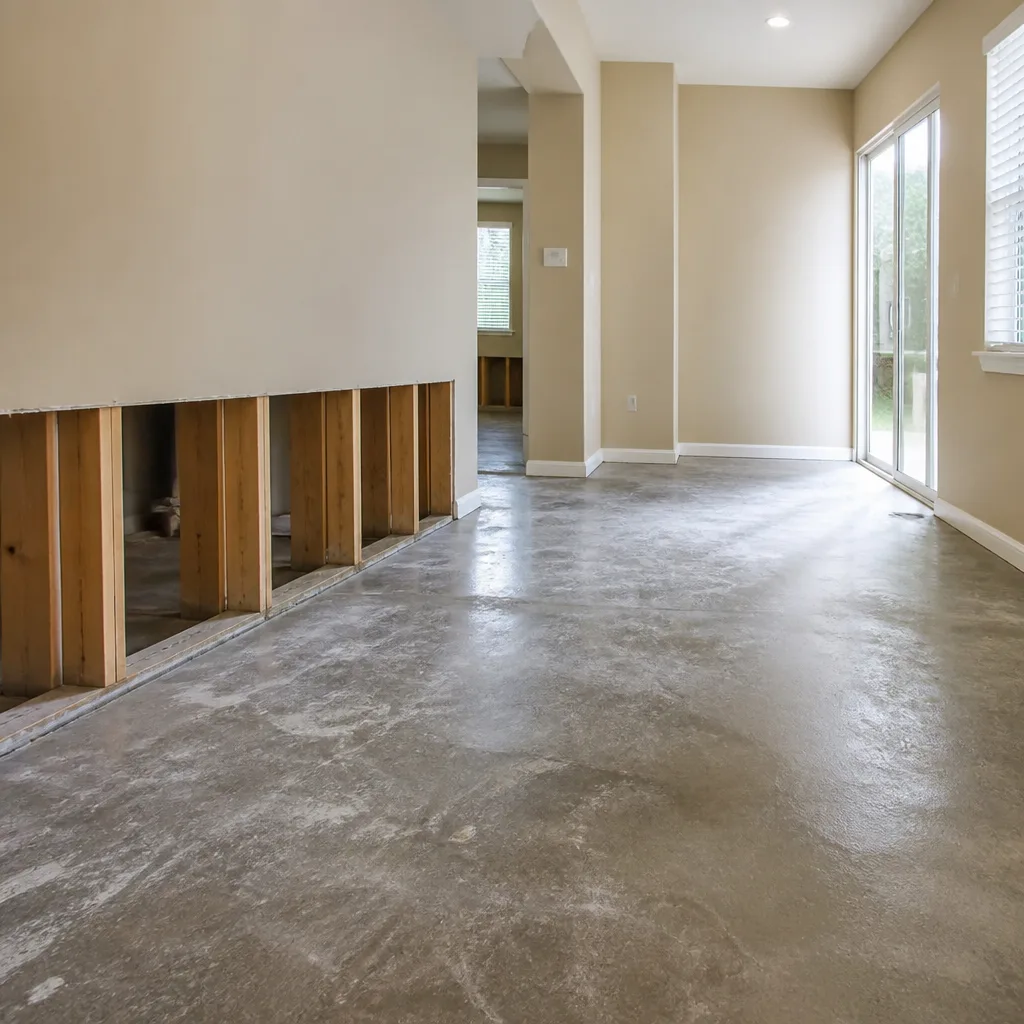

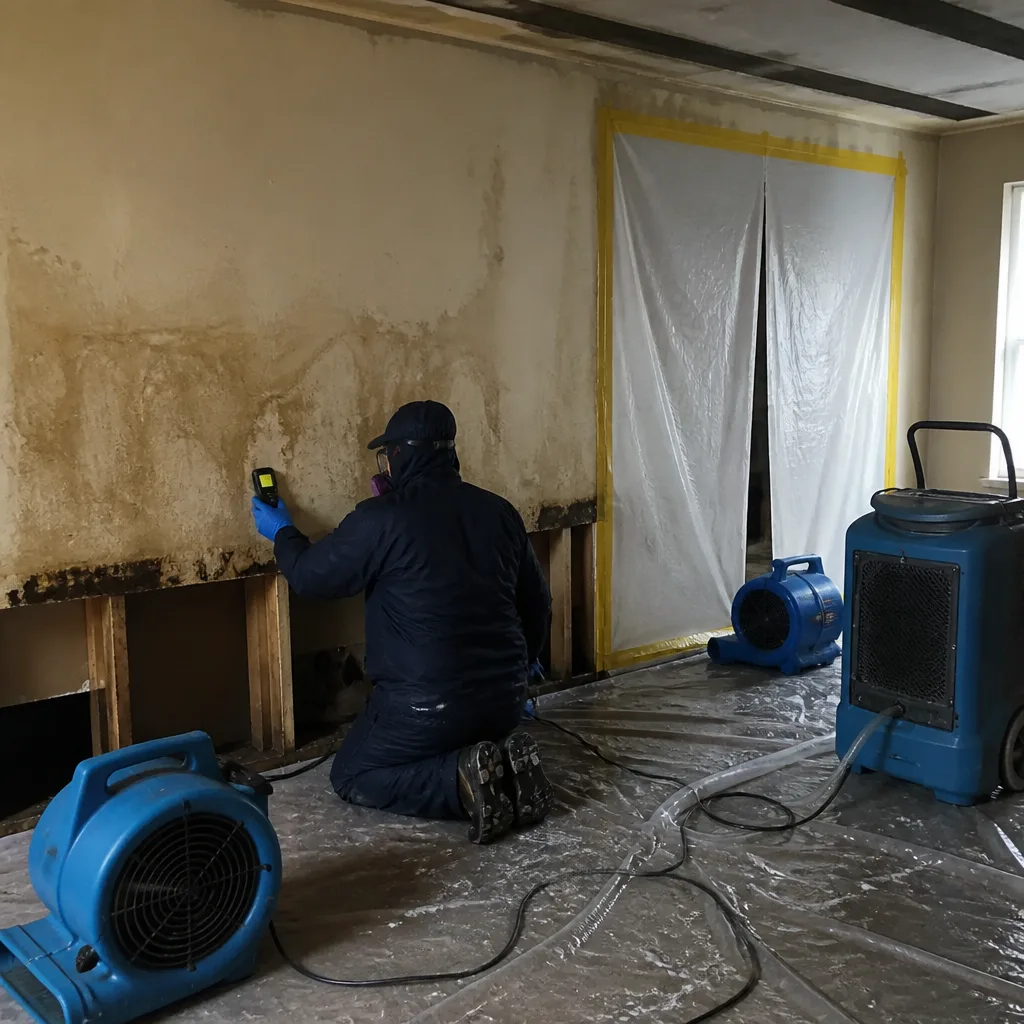 Before
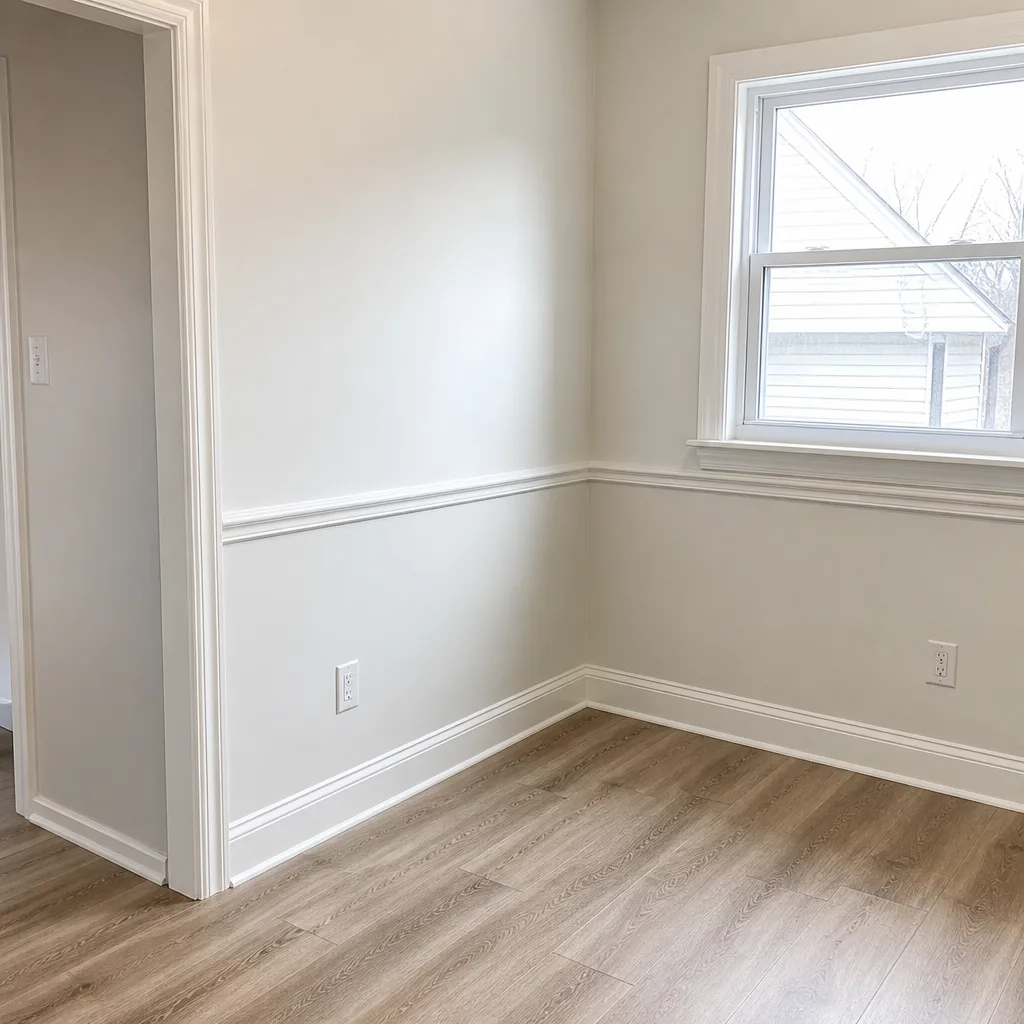 After
After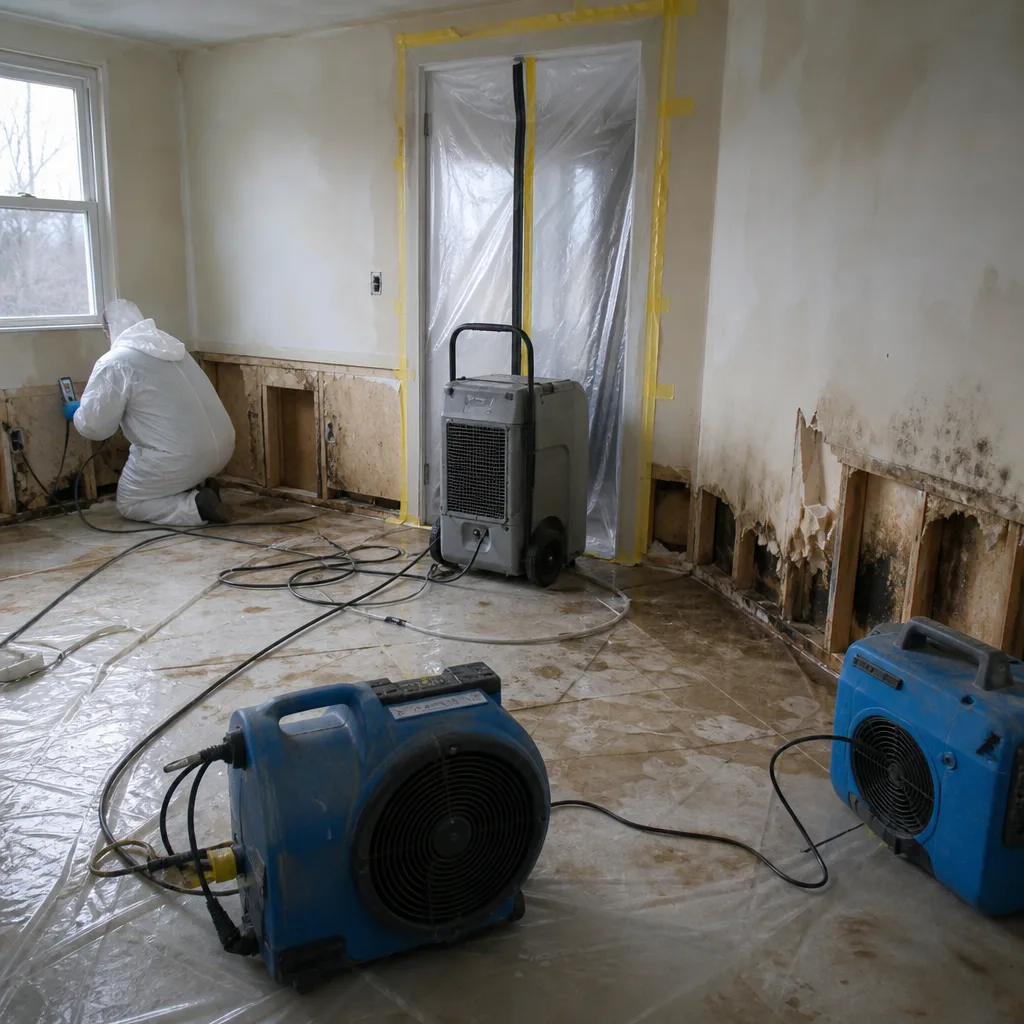 Before
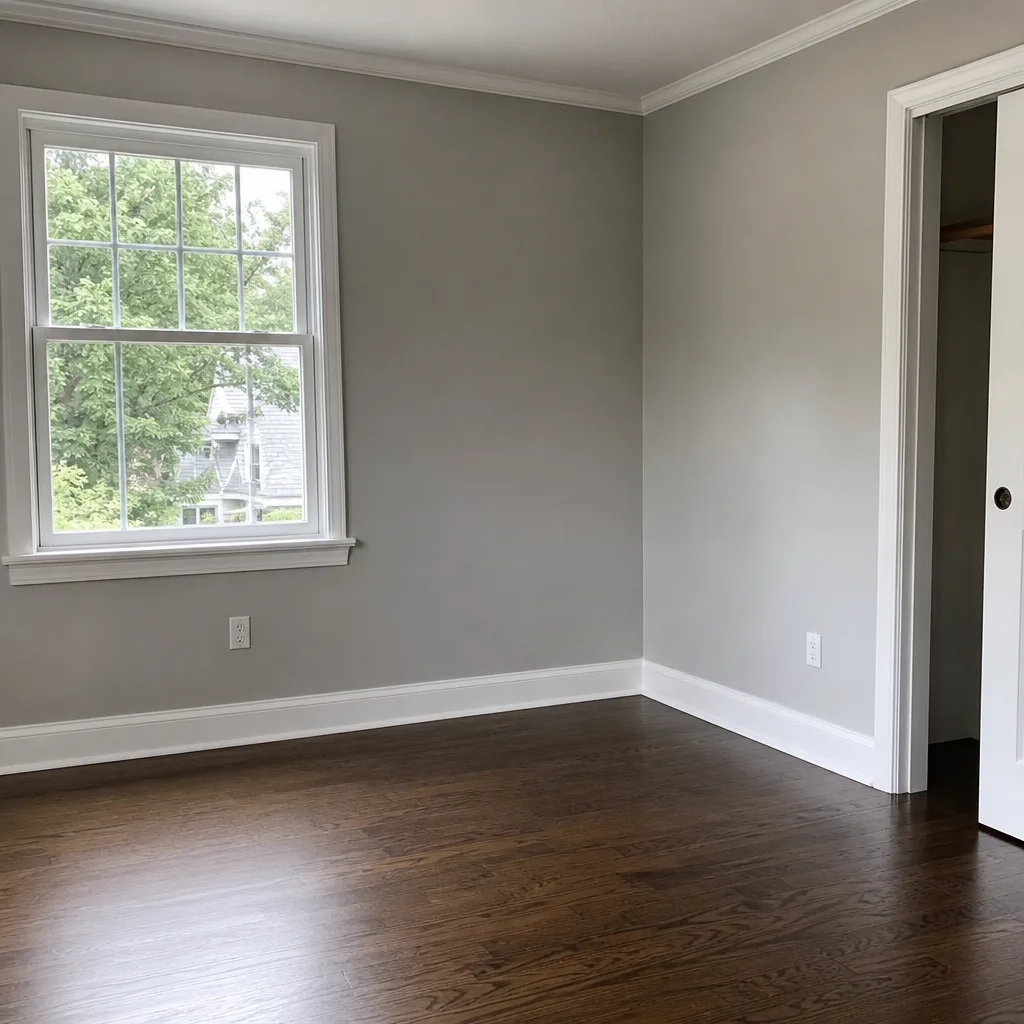 After
After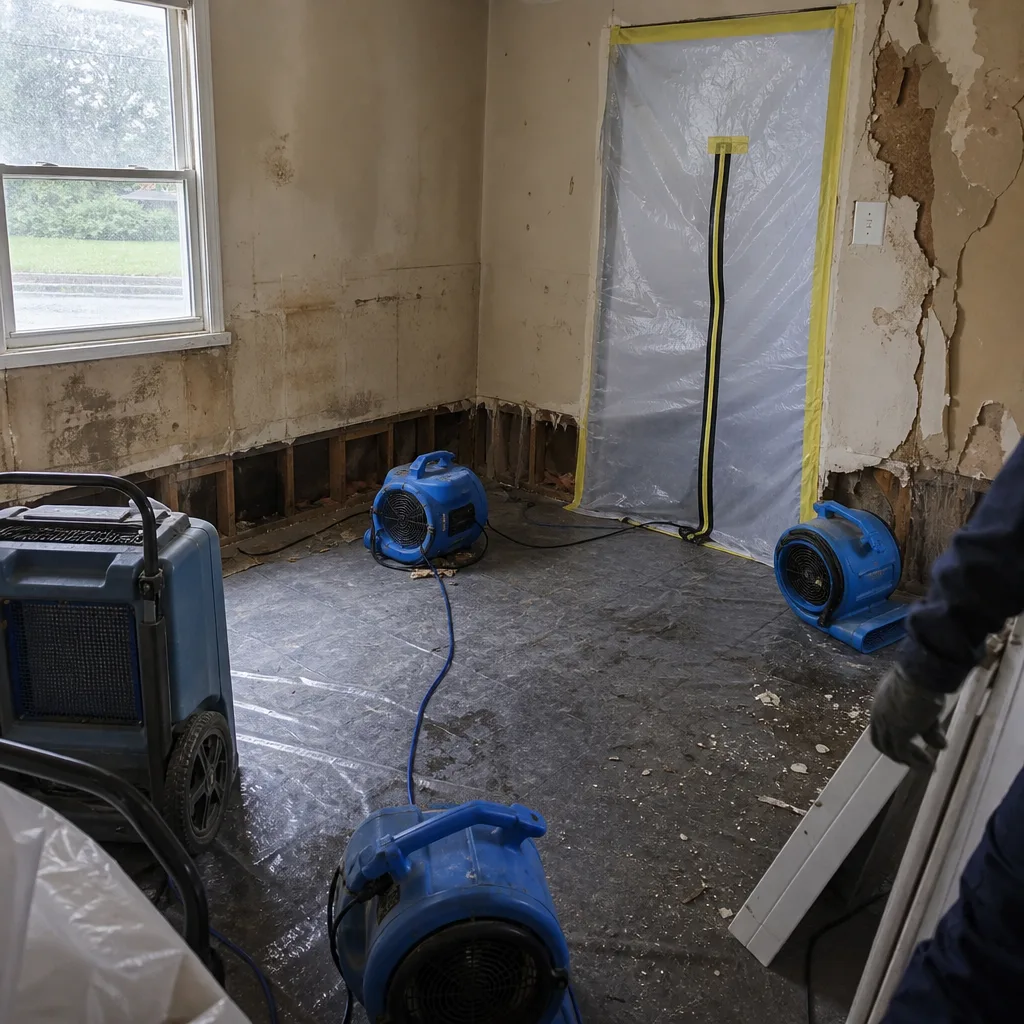 Before
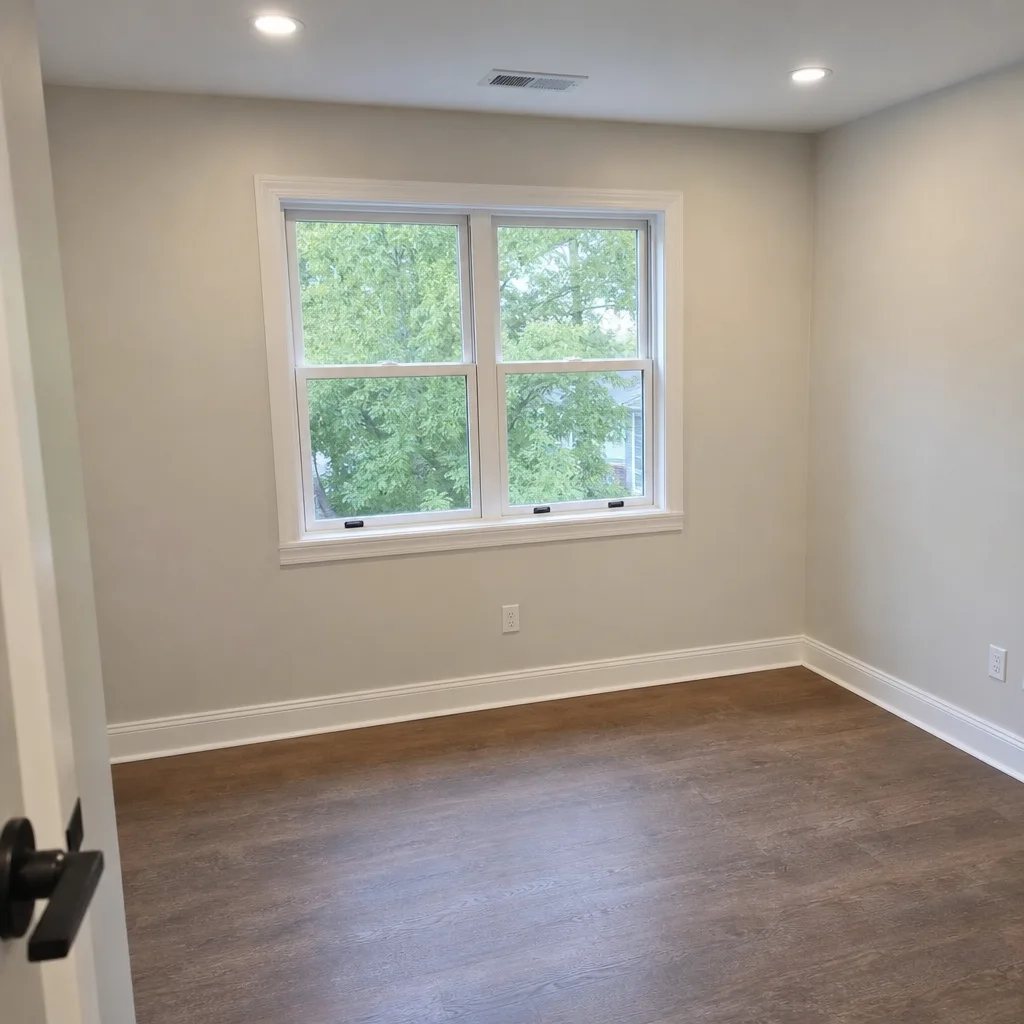 After
AfterDamage Restoration Warning Signs: A Tenafly Homeowner’s Reference Guide
Most homeowners in Tenafly don’t discover a restoration problem the day it starts. They discover it the day it becomes impossible to ignore: the water heater lets go at 11 p.m., the ceiling sags over the dining table, or a musty smell in the basement turns out to be mold behind the drywall. By the time damage is visible, it has usually been spreading quietly for weeks or months. The difference between a $500 fix and a $15,000 rebuild often comes down to whether someone recognized the early warning signs. This guide walks through what those signs look like in a Tenafly house, what they mean, and when to act. In our experience, the homeowners who catch problems early are the ones who never meet us at all. The ones who call us at 2 a.m. are the ones who wish they had. We’d rather you be the first kind.
Quick Answer
The most common early warning signs of hidden damage in a Tenafly home are: water stains or discoloration on ceilings and walls, warping or buckling floors, peeling paint or bubbling wallpaper, a persistent musty or earthy smell, a sudden unexplained spike in your water bill, visible mold growth in corners or behind furniture, and doors or windows that suddenly stick. Any of these, alone or in combination, means moisture is present where it shouldn’t be, and moisture left alone becomes structural damage, mold, or both. The sooner it’s addressed, the smaller the repair, and the more likely your insurance claim stays straightforward.
Table of Contents
- Water Stains and Discoloration: What They Actually Mean
- The Musty Smell That Won’t Go Away
- Warped Floors, Buckling Hardwood, and Lifting Tile
- Peeling Paint, Bubbling Wallpaper, and Soft Drywall
- Mold Growth: What’s Behind the Wall vs. What’s on It
- The Sudden Water Bill Spike Nobody Can Explain
- Sticking Doors, Cracks in Corners, and Other Structural Tells
- How Tenafly’s Climate and Housing Stock Make Damage Worse
- Common Mistakes to Avoid
- When to Call a Professional
- Frequently Asked Questions
- The Bottom Line
Water Stains and Discoloration: What They Actually Mean
A brown or copper-colored ring on a ceiling is one of the most common calls we get from Tenafly homeowners, and it’s also one of the most misunderstood. People see a stain and assume it’s old, dried out, and harmless. That’s rarely the case. A water stain means water has already saturated the material beneath the paint. It may be dry to the touch today, but the source may still be active, and the stain itself tells you moisture has been accumulating.
Here’s what different stain patterns typically indicate in a Tenafly house:
- Single brown ring on a ceiling directly below a bathroom: Usually a leaking supply line, tub overflow, or failed wax ring on a toilet. The water travelled straight down through the floor assembly.
- Long, narrow stain running along a ceiling seam or wall corner: Often roof flashing failure or an ice dam from a winter freeze-thaw cycle. Tenafly’s winters produce exactly the conditions that cause ice dams on older rooflines.
- Multiple small stains in a random pattern: Can indicate a slow pipe leak in an attic or between floors, or condensation from an uninsulated duct in a humid summer.
- Yellowing or browning around a chimney or skylight: Flashing has separated, and water is finding a path down alongside the penetration.
- Stains that reappear after painting: The water source was never fixed. Paint covers the symptom, not the cause, and the stain will bleed through again within weeks or months.
What we stress to every homeowner: a visible stain is the last stop for water that may have passed through insulation, subfloor, or framing on its way there. What’s hidden behind that stain is almost always worse than the stain itself. In older Tenafly homes, a stained ceiling can conceal rotted lath, deteriorated plaster keys, or a mold colony that started growing the first week the leak began. If you’ve painted over a stain once and it’s come back, the next step is cutting into the drywall or plaster to see what’s actually behind it. That’s standard practice for our crews, and it’s the only way to know whether you’re dealing with a stain or a structural problem wearing a stain’s clothes.
The Musty Smell That Won’t Go Away
That earthy, damp-basement smell isn’t just unpleasant. It’s a chemical signal. Mold and mildew release microbial volatile organic compounds, or mVOCs, as they grow and digest organic material. When you smell must, you’re inhaling the metabolic byproducts of an active or recently active mold colony. The human nose is actually remarkably sensitive to these compounds, which is why you can smell mold long before you can see it.
In our experience working across Tenafly, a persistent musty smell usually traces back to one of a few specific sources:
- Foundation seepage. Many Tenafly homes sit on lots with a high water table, particularly in lower-lying areas near the Overpeck Creek watershed. Water against the foundation wicks through concrete and evaporates into the basement air. The smell gets worse after heavy rain.
- A slow plumbing leak inside a wall or under a cabinet. The leak is small enough that water never pools visibly, but it keeps a section of wood, drywall, or insulation permanently damp. Mold grows inside the cavity, and the smell seeps out through outlets, trim gaps, and baseboards.
- Condensation on cold surfaces. Humid summer air meeting a cold concrete basement wall or an uninsulated duct creates condensation. Over a season, that moisture supports mold growth on the surface.
- A previous water event that was never properly dried. If carpet was steam-cleaned and left damp, or a washing machine overflowed and the pad was never pulled, mold can grow and the smell can linger for months or years afterward.
The most useful thing a homeowner can do is track the smell. Note when it’s strongest: after rain, in the morning, on humid days, or year-round. Note where it’s strongest: along one wall, in one closet, near the sump pit. That information is worth its weight to a restoration crew, because mold inside a wall cavity often leaves no visible trace except the smell itself. We use moisture meters and thermal imaging to find the source before we open any walls, but a homeowner’s observations get us there faster. If the smell is strong enough that you notice it whenever you come downstairs, the colony is already established and growing. Mold doesn’t self-limit. It spreads until the moisture is gone.
Warped Floors, Buckling Hardwood, and Lifting Tile
Wood is a hygroscopic material. It absorbs moisture from the air and from direct contact with water, and it swells when it does. Hardwood flooring that’s been properly installed with proper acclimation can tolerate normal seasonal humidity swings. What it cannot tolerate is sustained moisture from a leak, seepage, or a failed vapor barrier. When flooring moves visibly, water is involved, and it’s not a small amount.
Here’s what specific floor behavior tells us in a Tenafly home:
- Cupping: Individual boards develop raised edges and a concave center. This is the classic signature of moisture entering from below: a damp crawlspace, a slab with no vapor barrier, or a slow leak in a subfloor. In Tenafly, older homes with pier-and-beam foundations are particularly prone to cupping when crawlspace ventilation is poor.
- Crowning: Boards are raised in the center and lower at the edges. This often happens after cupped boards are sanded too early, but it can also indicate moisture from above: a spill, a leaky radiator, or a pet accident that soaked through seams.
- Buckling: The floor literally lifts off the subfloor in a ridge or tent. This is an emergency. Buckling means the wood has expanded past the space the installer left for it. The water volume is substantial, and the floor will not go back down on its own even after drying.
- Lifting or loose tile: When tile lifts from the substrate, the bond has failed. The usual cause is moisture breaking down the thinset or mastic, often from a slab leak or a failed waterproofing membrane. Popping or crackling sounds underfoot are a reliable early warning.
- Soft spots or sponginess: A section of floor that gives underfoot means the subfloor has started to rot. In a bathroom or kitchen, this is usually a long-running leak around a toilet, tub, or sink. By the time the floor feels soft, the structural plywood or plank beneath has been wet for a long time.
Here’s the thing we tell Tenafly homeowners: flooring doesn’t lie. You can paint over a stain, but you can’t talk a warped floor back into shape. The moment a floor changes shape, the water has been there long enough to matter, and the fix requires removing the flooring to dry the subfloor properly. If you catch cupping early, before the finish cracks and before mold sets into the subfloor, restoration is often possible. If you wait until the floor is springy or buckled, you’re looking at a tear-out and rebuild. We’d rather save the floor. Most of the time, that comes down to calling in the first month rather than the sixth.
Peeling Paint, Bubbling Wallpaper, and Soft Drywall
Paint and wallpaper are the cheapest moisture detectors in your house. Long before you see a water stain or a mold spot, the surface finish will often change. Paint peels, bubbles, or blisters. Wallpaper lifts at the seams. Drywall softens, then sags, then crumbles. Each stage marks a progression, and each stage narrows the window for an inexpensive fix.
Here’s the progression we see in Tenafly homes, from earliest to latest warning:
- Paint blistering or bubbling: Tiny raised areas, sometimes with water trapped underneath. The drywall behind the paint is already damp. If you press a blister and it’s soft, the moisture is active, not historical.
- Peeling along edges and seams: Moisture is travelling, usually from a leak above a window, along a roofline, or behind a sink. The paint bond fails where moisture is highest.
- Wallpaper lifting or darkening at the seams: The paste was water-based, and it’s re-activating. This is common in powder rooms and kitchens in older Tenafly homes where ventilation is poor.
- Drywall that feels soft to the touch or leaves a dent when pressed: The gypsum core is saturating. The paper face is still holding it together, but the structural integrity is already compromised.
- Sagging or visible deformation: The drywall has lost cohesion and is pulling away from the studs. At this stage, the ceiling or wall section will need to be cut out and replaced, and whatever is above it will need to be opened for drying.
We run into a lot of situations where a homeowner has been “watching” a soft spot for six months, waiting to see if it gets worse. By the time drywall is soft, it’s already wet enough to support mold growth, and the moisture may have wicked into the framing or insulation behind it. Drywall is a sponge. It holds water against the wood studs, and that’s where rot starts. The repair after six months is not a patch. At a minimum, it’s a cut-out, a drying period, and a patch-and-paint cycle. At worst, it includes stud repair and insulation replacement. The sooner a soft spot is opened up, the less gets cut out.
Mold Growth: What’s Behind the Wall vs. What’s on It
The mold you can see is rarely the whole problem. When we’re called to a Tenafly home for visible mold, the colony on the surface is usually the tip of the iceberg. Mold spreads through microscopic spores, and it colonizes wherever there’s moisture, a food source, and still air. The visible patch on a baseboard usually traces back to a larger colony inside the wall cavity, under the floor, or above the ceiling.
Here are the distinctions that matter for a homeowner:
- Surface mold on tile or fiberglass: Often caused by condensation and poor ventilation in bathrooms. This is the least alarming category. Cleaning with appropriate antimicrobial products and improving airflow usually resolves it, provided there’s no hidden moisture source feeding it.
- Mold on drywall, wood, or insulation: These are porous, organic materials. Mold grows into them, not just on them. Surface cleaning does not remove the colony. The material typically needs to be removed and replaced once moisture is controlled.
- Mold in the corner of a room or behind furniture: Cold corners and trapped air create microclimates where humidity condenses and mold flourishes. In Tenafly’s older homes, exterior wall corners without adequate insulation are prime spots.
- Mold on the underside of a ceiling or along the top of a wall: Almost always means a leak from above: roof, plumbing, or an overflowing bathroom. The mold is following the water path.
- Black mold: what it is and isn’t: Not all black mold is Stachybotrys, the species that grabs headlines. Many common molds appear black or dark green. The species matters less than the fact of the colony. Any significant mold growth in a living space should be professionally assessed, tested if needed, and removed under containment to prevent cross-contamination.
We see a recurring situation in Tenafly houses with finished basements. A homeowner notices a small dark patch behind a couch. They spray it with bleach. The visible spot lightens. A month later, it’s back, and now there are two more spots. What actually happened: the bleach killed surface spores but did not remove the moisture feeding the colony, and the disturbance released spores that found other damp surfaces to colonize. The correct sequence is: find and stop the moisture source, remove contaminated material under containment, dry the area to standard, and verify with post-remediation testing. We hold our crews to IICRC standards on every mold job, which means containment, HEPA filtration, and verification. The do-it-yourself approach just moves spores around the house.
The Sudden Water Bill Spike Nobody Can Explain
A water bill that jumps 30%, 50%, or more with no change in household habits is one of the clearest early warning signs available, and it’s the one most people overlook because the bill isn’t in front of them until the end of the quarter. In Tenafly, where municipal water is billed quarterly through United Water (now Suez), a spike shows up months after the leak started. By the time the bill arrives, the water may have been running somewhere in the house the entire time.
Here’s how to use the water bill as a diagnostic tool:
- Compare year-over-year, not quarter-to-quarter. Seasonal irrigation, pool filling, and summer watering all create quarterly variation. Compare the same quarter against last year. A jump of more than 20% is worth investigating.
- Turn off every water-using fixture and appliance, then watch the meter. If the small leak indicator (a tiny triangle or dial on most meters) is moving, water is flowing somewhere. In our experience, a toilet flapper that runs silently can waste hundreds of gallons a month, and a slab leak can waste thousands.
- Check the least-visited fixtures first. Guest bathroom toilets, utility sinks, outdoor hose bibs, and irrigation lines. A running toilet in a rarely used bathroom is the most common hidden leak in Tenafly homes.
- Rule out the meter itself. If the meter is old, it may be misreading. The utility company can test it, but this is the last thing to check, not the first.
- Call in professional leak detection if the source isn’t obvious. We work with acoustic leak detection and thermal imaging to find slab leaks and in-wall leaks without exploratory demolition.
Homes in Tenafly range from new construction to pre-war houses with original plumbing. In older homes, galvanized pipes corrode from the inside out, developing pinhole leaks that drip slowly behind walls or under floors for months before they’re visible. In newer homes, a nail driven through a pipe during construction or a failed fitting can produce the same slow leak. Neither shows up as a puddle. Both show up on the bill first. If the current bill is the most you’ve ever paid, start looking now. The leak that’s costing you money is also costing you structure, and the water is going somewhere it shouldn’t.
Sticking Doors, Cracks in Corners, and Other Structural Tells
Houses move. They expand and contract with temperature and humidity. Some seasonal movement is normal, especially in a climate like Tenafly’s, where summers are humid and winters are cold and dry. But there’s a difference between normal seasonal movement and movement driven by water damage. Learning to tell the two apart can save a homeowner from a major structural surprise.
Here are the patterns we look for when we walk a Tenafly home:
- A door that suddenly sticks in the frame: If a door that latched cleanly in July won’t close in January, and the problem is limited to one door in one room, that’s a red flag. Water has likely swelled the framing or subfloor in that specific area. This is particularly telling in bathrooms, kitchens, and laundry rooms, where plumbing failures are most common.
- Cracks in drywall corners, especially at 45-degree angles from door or window frames: This indicates localized movement. The wall is pulling away from the opening, which often happens when the framing around the opening has absorbed moisture and expanded.
- A crack that changes seasonally, getting wider in one season and closing in another: In older Tenafly homes, some seasonal cracking is normal as the ground swells and shrinks with freeze-thaw cycles. The concern is a crack that only opens, or one that appears suddenly and keeps growing.
- Gaps between baseboards and the floor, or between crown molding and the ceiling: Moisture can cause materials to shrink as they dry, or the framing beneath them to shift. A gap that opens and closes over a season is less alarming than one that opens and stays open.
- A floor that feels bouncy or springy in one spot: As described earlier, this is subfloor rot, and it’s a structural issue, not a cosmetic one. Springy floors do not self-correct.
The key lesson: one isolated symptom in one room usually points to a localized water problem. Diffuse symptoms across the whole house points to normal seasonal movement or a foundation issue. When the symptom is isolated and the room is a bathroom, kitchen, laundry, or anywhere plumbing runs, the probability of a water leak is high. We’d rather come out and find a sticky door caused by normal humidity than have a homeowner wait six months and find a rotted floor system. The inspection costs less than the wait.
How Tenafly’s Climate and Housing Stock Make Damage Worse
Tenafly is a town of approximately 15,000 people in Bergen County, New Jersey, with a housing stock that runs from colonials and Tudors built in the 1920s and 30s to split-levels and ranches from the 1950s and 60s to newer construction. That diversity means no single restoration rule applies everywhere, but the climate imposes common stresses on all of them.
Here’s what we know from more than a decade of restoration work in Tenafly specifically:
- Freeze-thaw cycles put pressure on every exterior wall and roofline. Tenafly winters routinely include periods where the daytime temperature crosses above freezing and drops below it at night. Water that seeps into small cracks expands when it freezes, widening the crack. The next thaw lets more water in. Over a single winter, a small roof leak can become a large one.
- Ice dams are a recurring problem on older homes. Homes with inadequate attic insulation and ventilation lose heat through the roof, which melts the bottom layer of snow. The meltwater runs down to the cold eaves and refreezes, building a dam. Water behind the dam backs up under the shingles and into the house. This is one of the most common winter water-intrusion sources we respond to in Tenafly, and it affects the ceilings of upstairs bedrooms and finished attic spaces first.
- Clay soils expand and contract with moisture. The soils in much of Bergen County are glacial till and clay-rich. When wet, they swell. When dry, they shrink. This seasonal movement puts pressure on foundations, and over decades it can open small cracks that let groundwater in during wet periods. Homes with basements are particularly vulnerable, and many Tenafly basements are finished, which means seepage hits finished space rather than an empty cellar.
- Older homes were built before modern vapor barriers and waterproofing. A 1930s Tudor in Tenafly was built to keep the weather out, not to manage moisture the way modern building science does. The stone and brick foundations on these homes are porous, and they wick groundwater into the basement year-round. This is why older basements smell musty and why dehumidifiers are a permanent fixture in them.
- High humidity in summer creates condensation problems. July and August humidity in Ben Bergen is consistently high. When humid air meets the cool surfaces in a basement or crawlspace, it condenses. Over a summer, that can be gallons of water accumulating on surfaces that never see it. Tenafly homeowners with finished basements often report mold in corners and behind furniture at the end of every summer for exactly this reason.
We work in this climate every day, and it shapes how we approach every job. When we dry a basement in Tenafly, we’re drying against high ambient humidity and clay soil moisture at the same time. That means our drying protocols account for the local conditions, not just the water event. The same job in Arizona would dry faster with less equipment. Here, it takes what it takes, and our moisture readings tell us when the job is actually done, not when the equipment has run long enough. That’s the difference between a dry standard that holds and a moisture problem that comes back in three months.
Common Mistakes to Avoid
- Painting over a water stain without fixing the source. The stain will bleed through, and the moisture that caused it will keep doing damage behind the fresh paint. In our experience, a painted-over stain that reappears is the most common “second visit” call in Tenafly.
- Bleaching visible mold and calling it done. Bleach kills surface spores but doesn’t remove the moisture feeding the colony, and it doesn’t reach mold inside porous materials like drywall. Disturbing a mold colony without containment spreads spores to new areas of the house.
- Waiting to see if a soft spot gets worse. Soft drywall means the gypsum core is already saturated. The framing behind it is wet. The problem doesn’t get better with time; it just gets more expensive to fix.
- Assuming a small leak is a small problem. A pinhole leak behind a wall can soak insulation, rot a stud, and grow mold in the time it takes a homeowner to notice the water bill spike. Small leaks do big damage because they run for so long.
- Using a dehumidifier as a substitute for drying. A dehumidifier pulls moisture from the air, but it can’t remove water trapped inside walls, under flooring, or in insulation. Professional drying uses air movers, heat, and targeted extraction to remove water where it’s actually sitting. We use Dri-Eaz and Phoenix equipment for exactly this reason: it’s built to dry structures, not just rooms.
- Delaying the insurance claim. Most policies require the homeowner to take reasonable steps to prevent further damage. The longer a leak runs, the more the carrier may question whether the damage was properly mitigated. We document every job with photos and moisture readings from day one, which makes the adjuster’s job simpler and the claim process less contentious.
- Opening up a wall or floor without knowing what’s behind it. Cutting into a wet wall without checking for electrical wiring, plumbing lines, or asbestos in older materials can turn a restoration job into a safety incident. This is why we train our technicians to IICRC, RIA, and IFA standards: the work requires more than a saw and a fan, especially in older Tenafly homes.
When to Call a Professional
Some warning signs are worth watching. Others are worth a phone call. Here’s the line we draw. Call a restoration professional when: you see visible mold growth larger than a dinner plate; a floor is buckling, lifting, or feels soft underfoot; a ceiling is sagging or showing a brown stain that’s growing; you smell must and can’t find the source; your water bill jumped more than 20% with no explanation; a door suddenly sticks in a bathroom, kitchen, or laundry room; or you’ve had any water event - a toilet overflow, a washing machine leak, a sump pump failure - that soaked carpet, pad, or drywall. These are not wait-and-see situations. In Tenafly’s climate, wet building materials support mold growth within 48 to 72 hours. The clock starts the moment the water stops, not the moment you notice the stain. Floodline Restoration Co. offers free estimates in Tenafly - call (551) 348-3742 and a live dispatcher will answer, any hour, any day.
Frequently Asked Questions
Act the same week you notice it. A water stain means moisture has already saturated the material, and in Tenafly’s climate, mold can begin growing within 48 to 72 hours of the initial wetting. The stain may look dry, but the source may still be active. Every week that passes allows more water to accumulate and more damage to spread. Call (551) 348-3742 for a free assessment.
Most homeowners policies cover sudden and accidental water damage, such as a burst pipe or an overflowing appliance, and they typically cover mold remediation when it results from a covered water event. Gradual damage, like a slow leak that ran for months, is often excluded because the policyholder is expected to maintain the home. We document every job with photos and moisture readings from the first visit, which gives your adjuster clear evidence of what happened and when. Our team works with carriers directly, so you don’t have to play messenger.
Our dispatch is live 24/7, which means a real person answers the phone at 2 a.m. and a certified crew reaches the job the same visit. For water events, extraction starts on that first visit. We don’t use answering services or call centers. When you call, you’re talking to someone who can put a crew on the road immediately. In Tenafly, we typically reach most addresses within an hour, often sooner.
If the mold covers a small area on a non-porous surface, such as tile or fiberglass, cleaning with an appropriate antimicrobial product may be sufficient. If the mold is on drywall, wood, or insulation, or if the affected area is larger than about ten square feet, professional remediation is the correct approach. Visible mold on porous materials means the colony has grown into the material itself, and surface cleaning won’t remove it. We’ll tell you honestly whether you need full remediation or a targeted cleaning. If it’s the latter, we’ll say so.
We do. Direct insurance billing means we handle the paperwork, the documentation, and the adjuster communication as part of the job. The homeowner’s role is to file the initial claim and provide the policy details. After that, we present the scope of work, the photos, the moisture logs, and the invoices to the adjuster directly. The homeowner never has to negotiate line items or explain restoration protocol. That’s part of the square deal we’ve offered since 2010.
The most common hidden problem we find in older Tenafly homes is slow, long-running leaks in houses with finished basements and original plumbing. A pinhole leak in an old galvanized supply line, or seepage through a stone foundation, can run for months behind a finished wall before anyone notices. By the time we’re called, the leak has often saturated insulation, rotted a section of framing, and produced a mold colony behind the drywall. The repair is always more involved than it would have been if the leak had been caught in month one. This is why we recommend an annual moisture check of basements, bathrooms, and utility areas, especially in pre-war homes. The check is cheap. The rebuild is not.
The Bottom Line
Homes in Tenafly face real, recurring moisture threats from the climate, the soils, and the age of the housing stock. The good news is that almost every major damage scenario announces itself early, in ways that are easy to spot once you know what to look for: stains, smells, warping floors, peeling finishes, sticking doors, and water bills that don’t add up. Catch these signs early, and the fix is often small. Ignore them, and they compound. The three questions every homeowner should ask at the first sign: Is water still getting in? Has it been wet long enough to grow mold? Has the structure been compromised? If the answer to any of those is “I don’t know,” the next call should be to someone who can tell you. We’ve been doing this work in Tenafly since 2010, and the calls we like best are the early ones.
Let’s talk about what you’re seeing. Call (551) 348-3742 for a free estimate, day or night. The line the water left is where we start.
Written by Curt Bowman, Owner at Floodline Restoration Co., serving Tenafly since 2010.