
Last updated August 25, 2026
Free visual inspection and a written scope of work before any mitigation begins - photos, moisture readings, and drying logs go in your claim file
The scope we write is the scope we bill. Anything new gets shown to you, in writing, before we touch it.
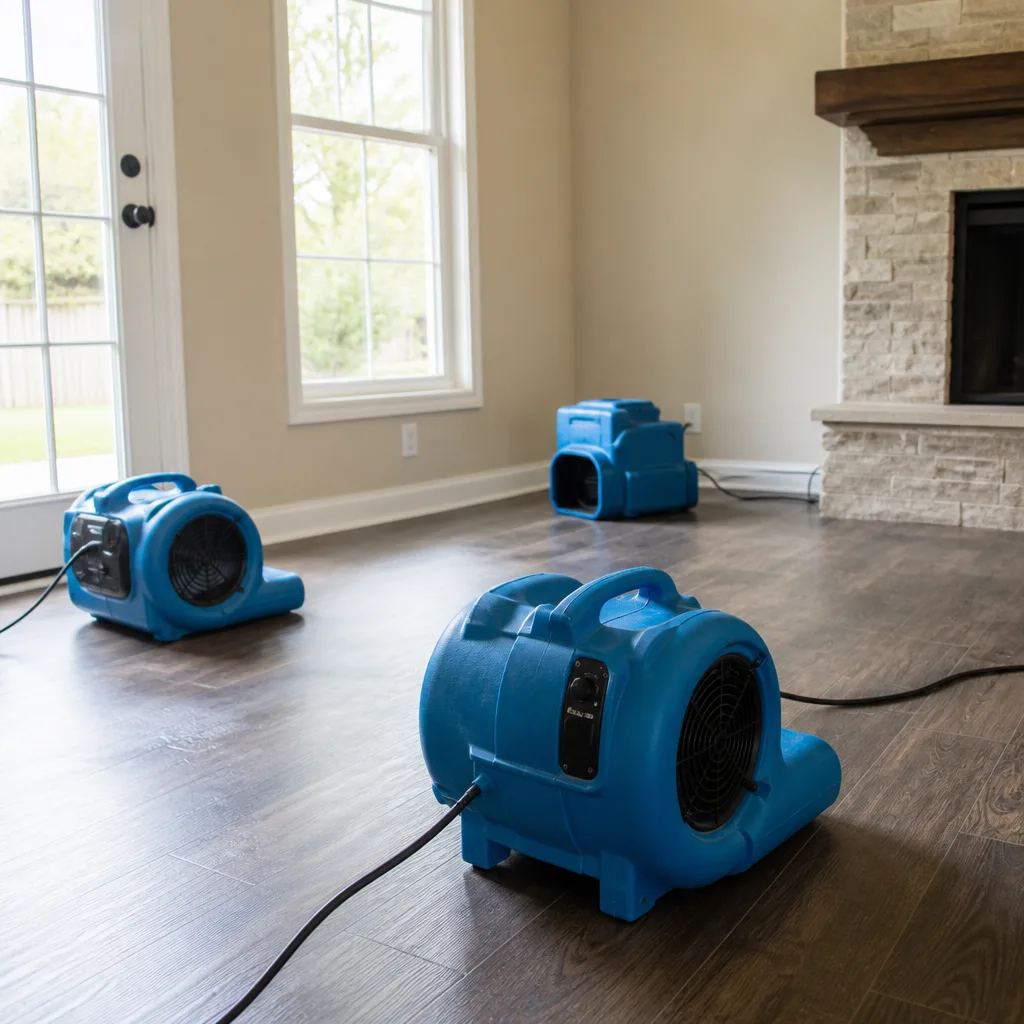

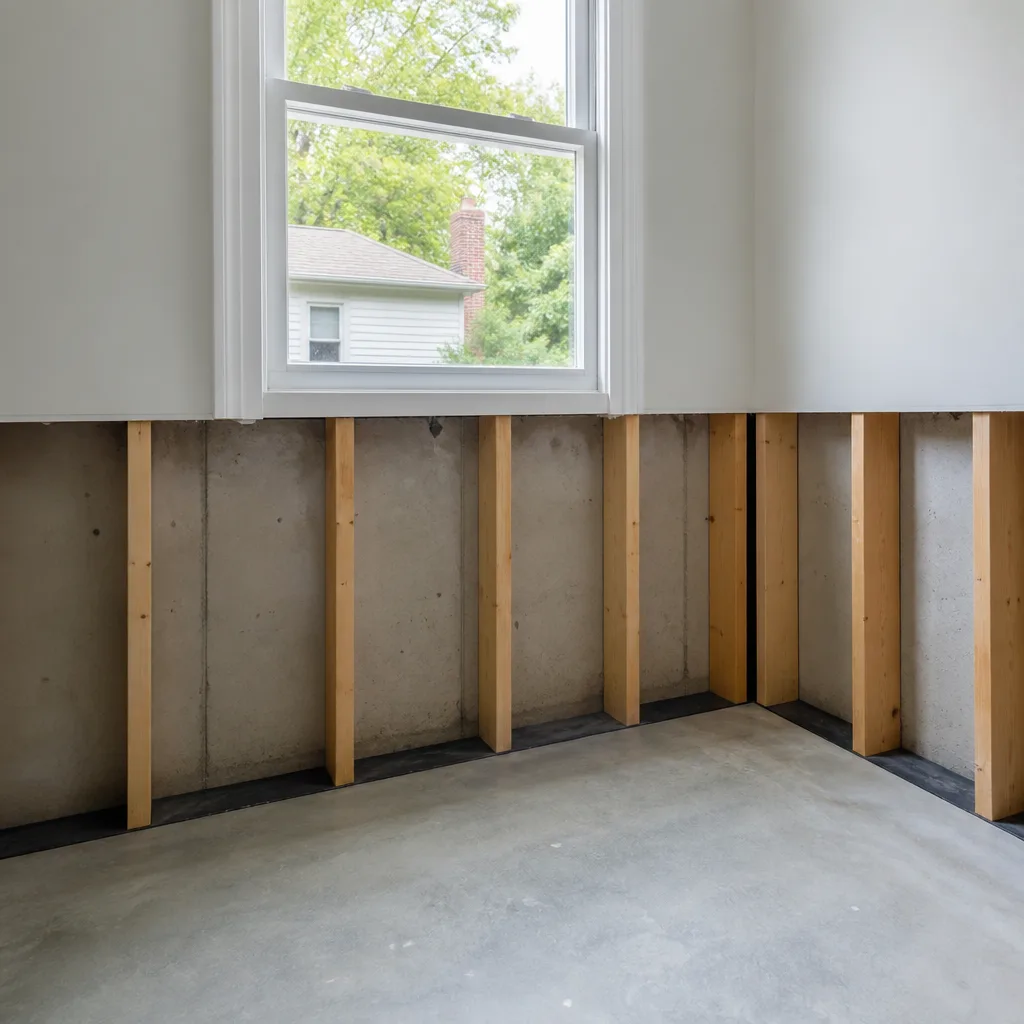

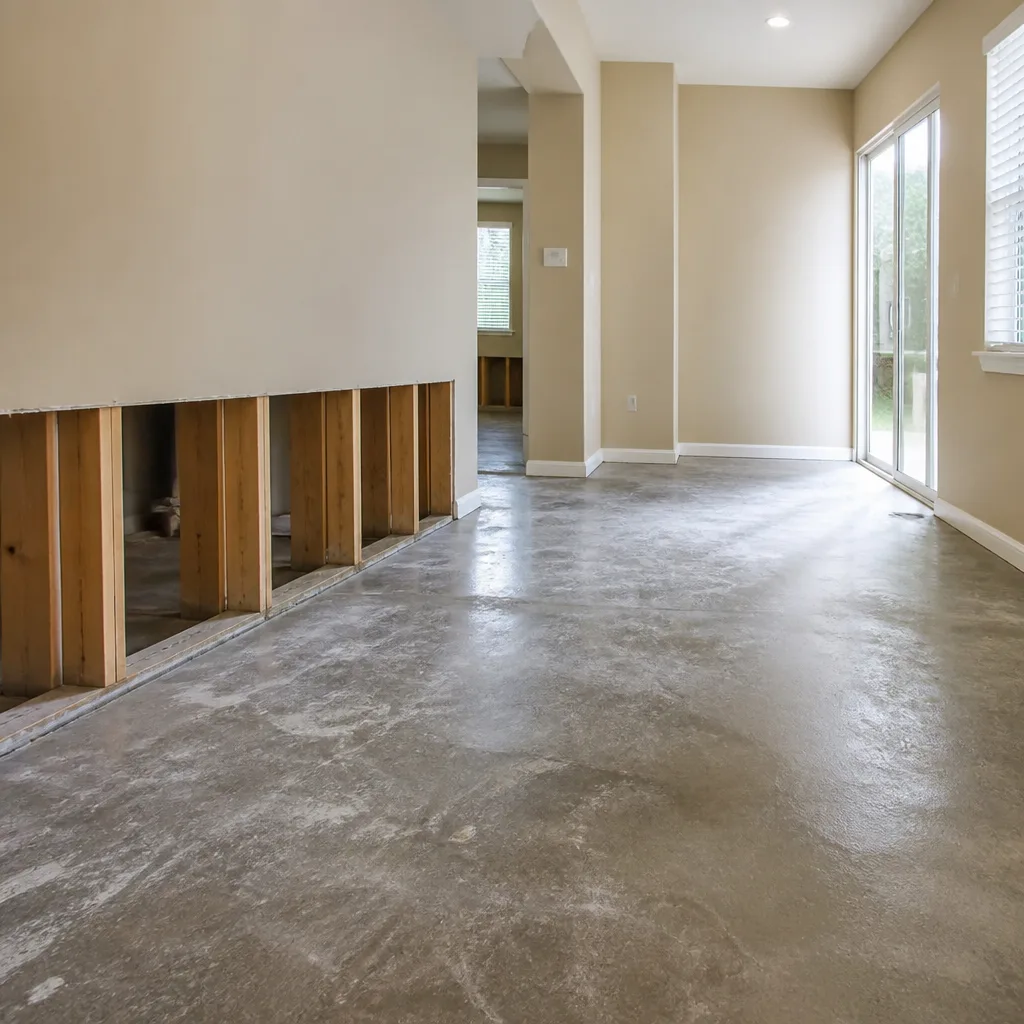

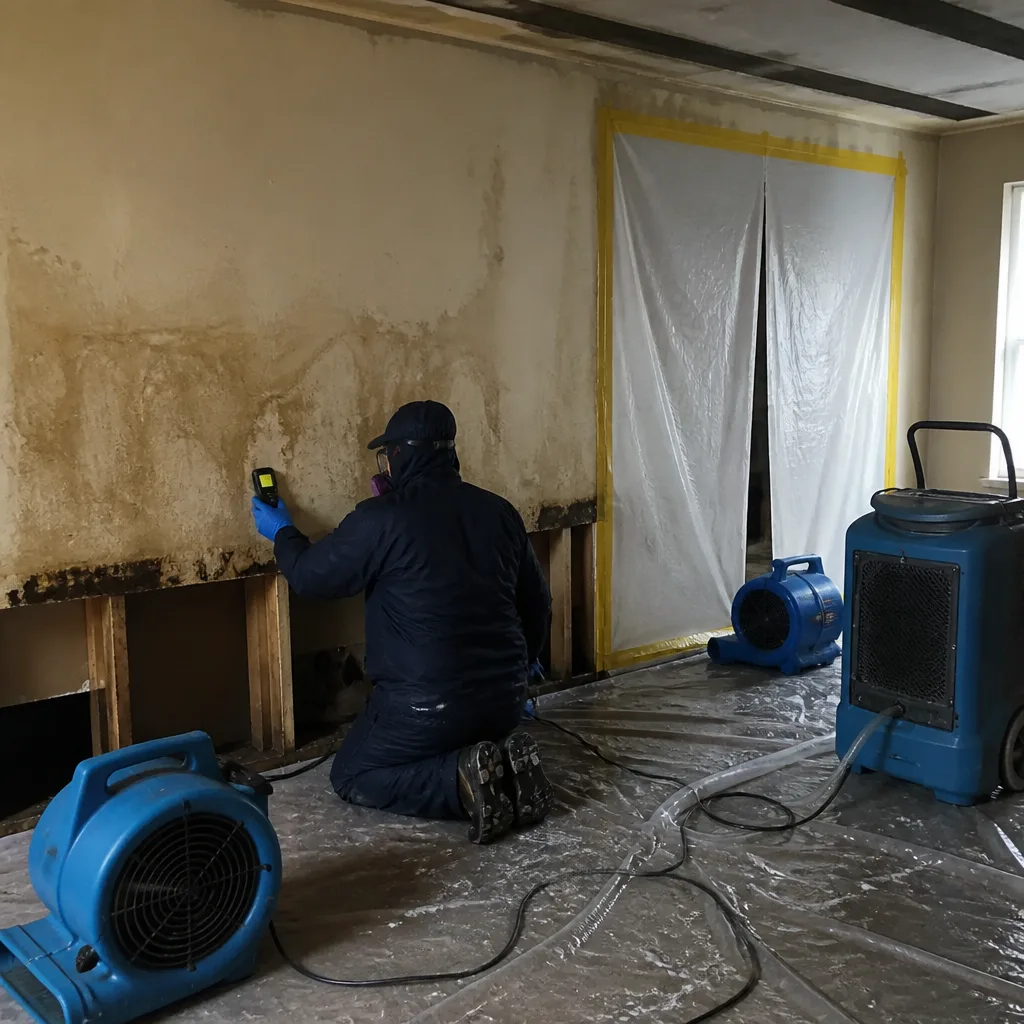 Before
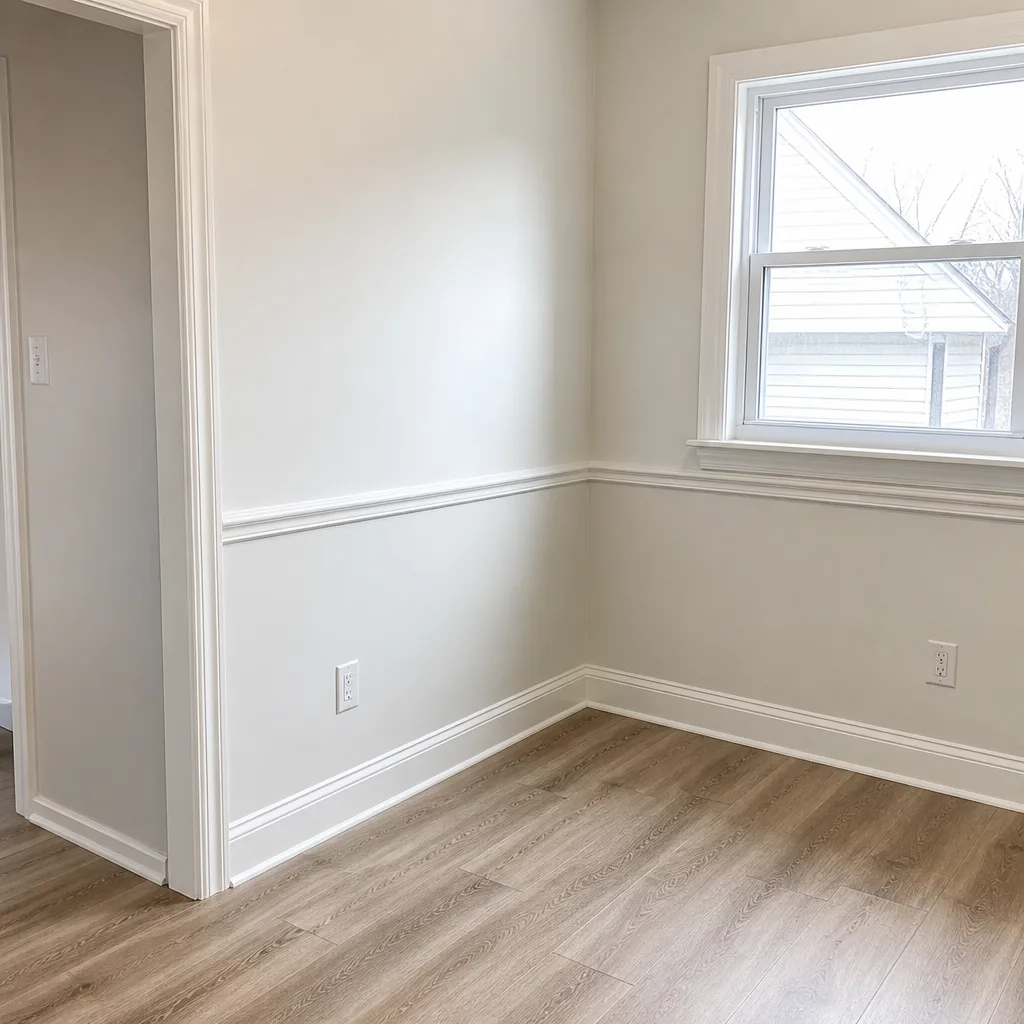 After
After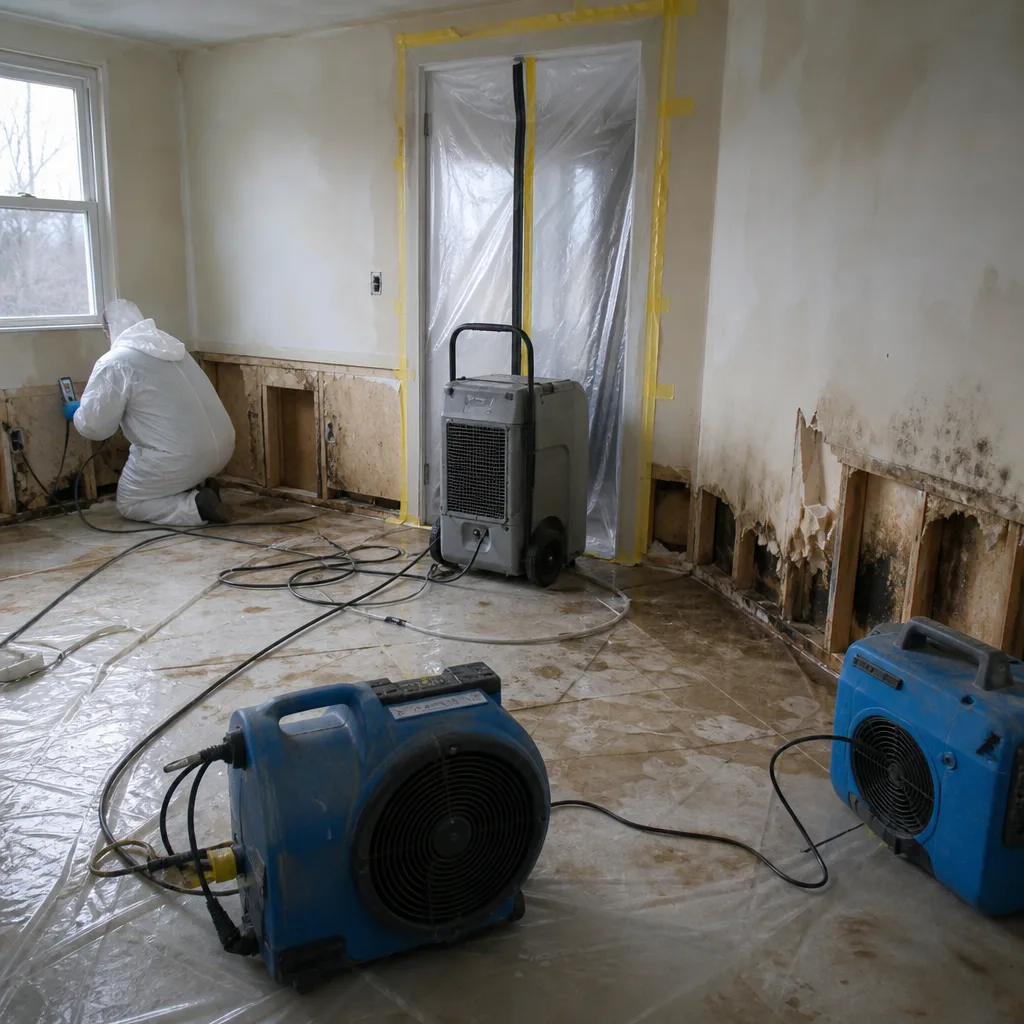 Before
 After
After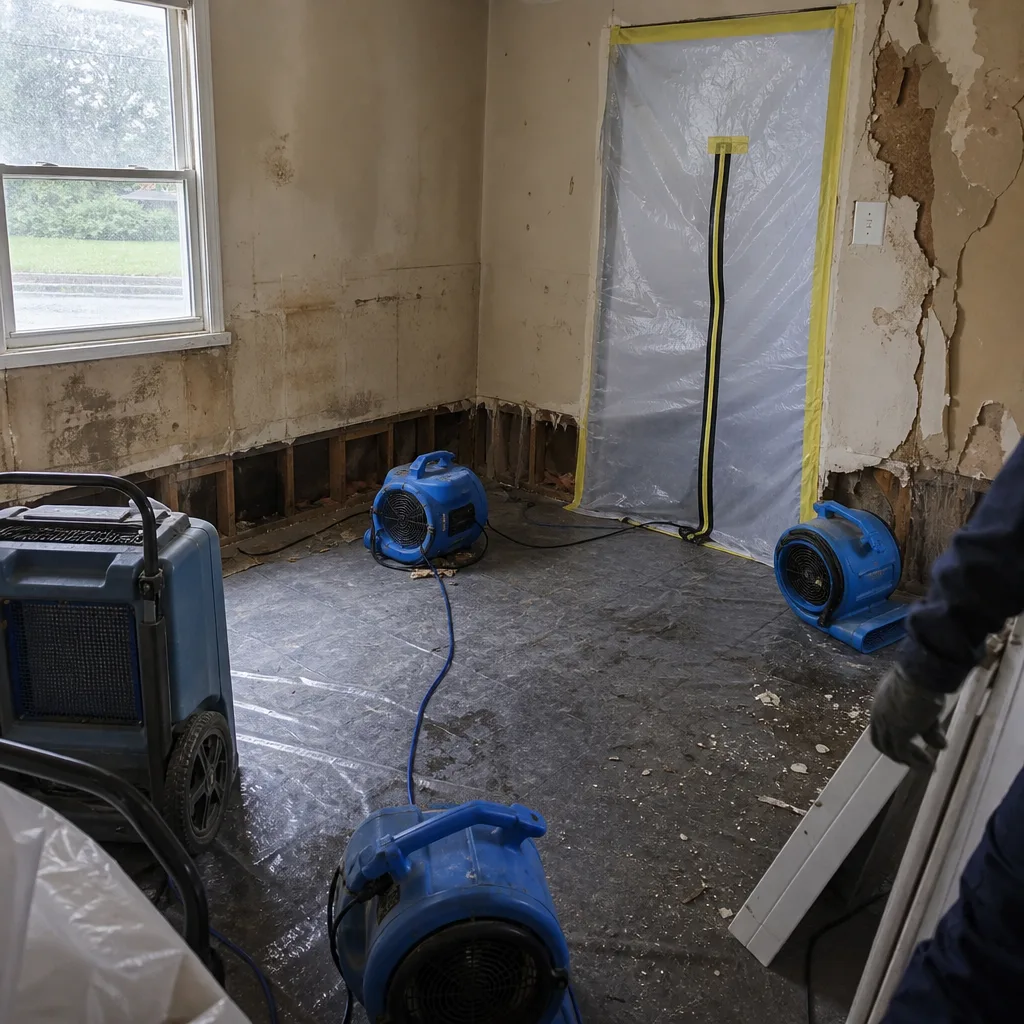 Before
 After
AfterSeasonal Damage Restoration Care for Tenafly: Year-Round Homeowner’s Guide
Here’s a counterintuitive fact most Tenafly homeowners learn the hard way: the most expensive water damage in this town rarely comes from a dramatic storm. It comes from slow, seasonal shifts - a gutter that froze solid in January, a dehumidifier that stopped working during a humid July, a sump pump that quietly failed in March when the snowpack melted into the foundation. This guide walks through what actually happens to Tenafly homes across all four seasons, season by season, and what a homeowner can do before a small seasonal problem becomes a restoration project.
Quick Answer
Seasonal damage restoration care in Tenafly means adjusting your home’s moisture defenses four times a year: clearing drainage before spring thaw, managing indoor humidity through the humid Jersey summer, preparing sump pumps and gutters before fall storm season, and preventing frozen-pipe and ice-dam damage in winter. Most seasonal damage can be prevented with a $89 seasonal tune-up and basic drainage maintenance; when water, mold, or fire damage does occur, restoration in Tenafly typically runs $1,800-$8,500 depending on scope, and insurance often covers the bulk of it.
Table of Contents
- Spring Thaw in Tenafly: When the Snow Finally Lets Go
- Summer Humidity and Basement Dampness in Tenafly
- Fall Storm Season: Leaf Clog, Gutter Overflow, and Sump Pump Duty
- Winter Freeze: Burst Pipes and Ice Dams in Tenafly
- A Year-Round Seasonal Maintenance Checklist for Tenafly Homes
- How Insurance Handles Seasonal Damage in Tenafly
- The Seasonal Mold Cycle in Tenafly Basements and Crawlspaces
- Common Mistakes to Avoid
- When to Call a Professional
- Frequently Asked Questions
- The Bottom Line
Spring Thaw in Tenafly: When the Snow Finally Lets Go
Tenafly sits on a ridge above the Hudson with older housing stock and basements that were dug before modern waterproofing was standard. Every March, the snowpack that accumulated along Tenafly Road and in the hillside neighborhoods east of Knickerbocker Road begins to melt. The ground outside is still partially frozen, so the meltwater cannot soak in. It runs along the surface, against the foundation, and into any crack or seam it can find.
In our experience, the first 72 hours of spring thaw produce more basement water calls in Tenafly than any summer thunderstorm. The water table rises fast, and homes with older fieldstone or cinderblock foundations feel it first.
What to do before and during the thaw:
- Walk the perimeter in late February. Look for snow piled against the foundation. Shovel it back at least three feet if possible. The goal is to keep meltwater from pooling right where the basement wall meets the frozen ground.
- Clear the downspouts. If the downspout is still frozen or clogged with leaves from November, the water coming off the roof will dump straight down the foundation wall.
- Test the sump pump early. Pour a bucket of water into the pit and confirm the float switch triggers the pump. If it hums but does not pump, the impeller is probably seized. Do not wait until the pit is full to find out.
- Check the basement floor and walls for a waterline. A new water stain or a tide mark that appears during thaw is the first sign of seepage. The line the water left is where we start.
Spring in Tenafly is also the season for ground-level flooding in the lower-lying streets near the Overpeck Creek corridor. Homes there deal with hydrostatic pressure pushing up through the slab, not just water coming through the walls. A moisture reading taken in March, before the thaw peaks, gives you a baseline. If the reading jumps in April, you know you have active seepage, not just old dampness.
Summer Humidity and Basement Dampness in Tenafly
Tenafly summers are humid. July and August regularly push outdoor relative humidity above 70 percent, and that air finds its way into basements, crawlspaces, and attics. The problem is not just condensation on pipes. It is the slow absorption of moisture into drywall, floor joists, and stored belongings.
Here is the number to know: mold begins to colonize on paper-faced drywall and wood at around 60 percent relative humidity sustained over several days. A Tenafly basement in July without a dehumidifier can easily sit at 70 to 80 percent. That is not a minor comfort issue. That is a mold incubation environment.
What we recommend for summer:
- Run a dehumidifier in the basement from June through September. Set it to 50 percent. Empty it or, better, run a hose to a floor drain or sump pit.
- Keep basement air moving. A small fan on low helps prevent dead-air pockets where humidity concentrates, especially in the corners and behind stored boxes.
- Check the attic. Summer heat pushes moisture up. If bathroom exhaust fans vent into the attic instead of outside, the attic becomes a sauna. That moisture condenses on the underside of the roof sheathing at night. We have seen Tenafly attics with enough condensation to drip onto the ceiling below.
- Do not ignore a musty smell in July. That smell is usually the first sign of a mold colony that started in May. By August it will be visible. By September it will have spread behind the baseboard.
The $89 seasonal tune-up includes a humidity and moisture check in the basement, crawlspace, and attic, with readings logged so you can see the change from one visit to the next. For a home in Tenafly with an older basement, this once-a-summer check is the cheapest mold insurance there is.
Fall Storm Season: Leaf Clog, Gutter Overflow, and Sump Pump Duty
Tenafly is a heavily treed borough. Oaks, maples, and sweetgums drop a serious volume of leaves from late October through November, and those leaves have one destination: the gutters. A clogged gutter in a fall nor’easter sends water cascading over the fascia, down the siding, and straight into the foundation perimeter.
Fall is also when the remnants of Atlantic hurricanes reach Bergen County. The ground is already saturated by October, so even a moderate storm produces runoff that has nowhere to go. Sump pumps run continuously. The ones that were marginal in July fail in October at 2 a.m.
Fall preparation in Tenafly should include:
- Clean gutters and downspouts in late October, then again after the last leaves fall. If you cannot safely reach the gutters, hire it out. A fall from a ladder is a life-changing injury, and it is not worth it.
- Extend downspout discharge at least six feet from the foundation. The most common fix we recommend in Tenafly is a simple downspout extension. It costs a few dollars and prevents thousands in basement water damage.
- Install or check a battery backup on the sump pump. Fall storms knock out power. A sump pump without backup is just a metal can in a hole when the power goes.
- Grade the soil around the foundation. Over the years, soil settles toward the house. Add soil so the ground slopes away at least six inches over the first ten feet.
One more fall-specific note for Tenafly: the borough’s storm drains back up in heavy rain, especially in the older sections near the downtown. If your basement drain has ever gurgled during a storm, have a backwater valve considered before the next one. It is a real fix, not a gadget.
Winter Freeze: Burst Pipes and Ice Dams in Tenafly
Tenafly winter temperatures regularly drop into the teens in January and February. The homes most at risk are the ones with unheated crawlspaces, pipes in exterior walls, or garden hoses still attached to frost-free spigots.
A burst pipe is not a leak. A burst pipe can release four to eight gallons per minute. In an hour, that is 240 to 480 gallons inside a Tenafly home. The damage is not limited to the room where the pipe froze. It travels down through the floors, into the basement, and into the drywall and insulation.
The other winter threat is ice dams. Tenafly homes with older roof insulation lose enough heat through the attic to melt the snow on the roof. That meltwater runs down to the cold eaves, refreezes, and forms a dam. Water then backs up under the shingles and into the house. The telltale signs are icicles at the eaves and water stains on the ceiling near exterior walls.
What actually works to prevent winter damage:
- Disconnect garden hoses before the first hard freeze. A frost-free spigot works only if the hose is removed. Leave the hose on and the pipe inside the wall freezes and splits.
- Insulate pipes in unheated spaces. Pipe insulation sleeves cost about a dollar per foot. The pipe that bursts is rarely the one you can see; it is the one inside the wall or the crawlspace.
- Keep the house at 55 degrees or warmer even when you are away. The money saved by turning the heat down is a rounding error compared to a burst-pipe restoration.
- On nights below 10 degrees, open cabinet doors under sinks. This lets warm room air reach the pipes. It is simple and it works.
- If a pipe freezes but has not burst, turn off the main and call a plumber. Do not use a torch or open flame to thaw it. The fire risk is real and the pipe damage is often worse than the freeze.
If a pipe does burst, shut the main water valve immediately. That single action - knowing where the main is and turning it off in the first five minutes - can be the difference between a $3,000 drying job and an $80,000 rebuild. Every Tenafly homeowner should know exactly where that valve is before winter starts.
A Year-Round Seasonal Maintenance Checklist for Tenafly Homes
Here is the full calendar, consolidated for the fridge door. This is the same list we walk through with homeowners during the $89 seasonal tune-up, and it covers the failure points that cause 90 percent of the seasonal damage we see in Tenafly.
Spring (March-April)
- Shovel snow away from the foundation perimeter.
- Test the sump pump with a bucket of water.
- Check downspouts and extend them at least six feet.
- Inspect basement walls for new water stains or tide marks.
- Check the washing machine hoses and water heater for seeps.
Summer (June-August)
- Run a basement dehumidifier at 50 percent.
- Make sure bathroom fans vent outside, not into the attic.
- Inspect the attic for condensation or dark staining on the sheathing.
- Check around window air conditioners for water leaks into the wall.
- Trim back shrubs and vines from the foundation and exterior walls.
Fall (September-November)
- Clean gutters after leaf drop and again after the final drop.
- Check the battery backup on the sump pump.
- Regrade any soil that has settled toward the foundation.
- Have the heating system checked before the first freeze.
- Disconnect and drain garden hoses.
Winter (December-February)
- Insulate exposed pipes in the crawlspace and garage.
- Keep thermostats at 55 degrees minimum during any absence.
- Open cabinet doors under sinks on nights below 10 degrees.
- Watch for icicles at the eaves - they signal an ice dam forming.
- Know where the main water shutoff is and how to turn it.
This is not a complete list for every home; older Tenafly houses with stone foundations, converted attics, or below-grade garages may need more. But if you do these five checkpoints per season, you have addressed the failures that keep a restoration company like ours busy in Tenafly all year.
How Insurance Handles Seasonal Damage in Tenafly
Most seasonal water damage in Tenafly is covered by homeowner’s insurance, but the details matter more than the coverage. Sudden and accidental events - a burst pipe, a storm-driven leak, a sump pump failure after a power outage - are typically covered. Gradual damage - a slow seep that has been staining the basement wall for three years, or mold that grew from a leak nobody addressed - is often excluded or only partially covered.
Here is how to protect yourself before the adjuster ever shows up:
- Photograph everything. Before any cleanup starts, take wide shots and close-ups of the damage, the waterline, and the affected rooms. Date-stamp them. The adjuster will ask.
- Keep the damaged materials until the adjuster rules. Do not throw away wet carpet, drywall, or baseboard before the insurance company says you can. We have seen valid claims complicated because the evidence went to the curb on day one.
- Document the cause, not just the effect. If a pipe burst, photograph the split pipe. If a sump pump failed, note whether the power was out and whether a backup existed. The cause determines coverage.
- Report the claim within 24 to 48 hours. Delays give the carrier reason to question whether the damage was gradual or ignored.
Floodline Restoration Co. bills the insurance carrier directly on covered losses. You are not playing messenger between us and your adjuster. We document the moisture readings, photograph the damage, and hand the carrier a complete file. The 90-Day Done Right Promise applies to the work whether the carrier pays us or you do. That is the Keystone Standard, in writing.
The Seasonal Mold Cycle in Tenafly Basements and Crawlspaces
Mold in Tenafly is not random. It follows a seasonal rhythm, and if you know the rhythm, you can usually stop it before it starts.
Spring: Meltwater raises humidity and dampens foundation walls. Colonies often start behind baseboards in finished basements, where the damp drywall is hidden. By April, a musty smell is present.
Summer: Warm, humid air feeds whatever started in spring. This is when mold becomes visible - black or green spotting on walls, ceiling tiles, and the back of stored furniture. Basement air smells earthy even with windows open.
Fall: Leaf litter and standing water around the foundation create organic material that supports mold growth just outside the house. Spores enter through windows, doorways, and the HVAC system. Inside, closed windows trap humidity.
Winter: Condensation on cold surfaces - especially rim joists, windows, and uninsulated walls - provides moisture for mold in the dead of winter. This is the season for hidden mold in closets and behind furniture against exterior walls.
The threshold that matters is 60 percent relative humidity. Below that, mold cannot reproduce actively. Above that, given organic material, colonies grow. If your Tenafly basement regularly sits above 60 percent, the mold is not an if. It is a when.
Real mold remediation is not spraying bleach on a wall. It is finding the moisture source, drying the area to standard, removing affected material, treating the surfaces, and then verifying the moisture is gone. Our technicians are certified to IICRC standards and use Dri-Eaz and Phoenix equipment for drying and moisture mapping. Every remediation ends with a moisture log in your hands and the carrier’s. Done right, and backed in writing.
For more on this, see our full guide to mold remediation in Bergen County.
Common Mistakes to Avoid
- Waiting a week to call about a water stain. A stain that appears in March and is still there in April has become a mold problem. Water damage compounds hourly, not weekly. If the stain is new and growing, call a restoration company same-day.
- Using a household fan to dry a flooded basement. A box fan moves air around but does not extract the moisture from drywall and framing. The moisture stays in the materials. Professional drying requires air movers, dehumidifiers, and moisture meters, not a fan from the garage.
- Piling snow against the foundation all winter. Every shovelful against the house is meltwater waiting to enter the basement in March. Shovel snow away from the house, not toward it.
- Skipping the sump pump test until the pit is full. Sump pumps fail silently. The time to learn it is seized is during a dry week in September, not during a nor’easter in October.
- Painting over a water stain without drying the wall first. Paint traps moisture behind it. The stain disappears for a month, then the mold grows behind the paint, and the repair becomes a tear-out.
- Assuming insurance covers everything. Gradual damage, long-standing leaks, and some sump pump failures fall outside standard coverage or require a specific endorsement. Read your policy before you need it, and ask your agent the hard questions in September.
- Ignoring the first musty smell in July. That smell is the canary in the coal mine. By August the colony is established. By September it has spread behind walls. The cheapest day to deal with mold is the first day you smell it.
When to Call a Professional
Call a restoration professional when water is standing in the basement, when drywall or baseboards are saturated, when the musty smell persists for more than a day, when a pipe has burst, when the ceiling is stained from an ice dam or roof leak, or when sewage has backed up into the home. Also call after any fire, no matter how small, because smoke residue and soot are chemically active and continue damaging surfaces for weeks. If you are unsure, call and describe what you see. Floodline Restoration Co. offers free estimates in Tenafly - call (551) 348-3742. A live dispatcher answers, any hour, every day. See also our emergency water damage restoration page for what to do in the first hour.
Frequently Asked Questions
Water damage restoration in Tenafly typically costs between $1,800 and $8,500 depending on the affected square footage, how long the water sat, and whether reconstruction is needed. A small single-room drying job might run $1,800 to $3,200, while a finished basement flood with full tear-out and rebuild can exceed $8,500. Your insurance carrier often covers the majority. Call (551) 348-3742 for a free on-site estimate.
Our dispatch line is answered by a live person 24/7, and a certified crew typically reaches Tenafly homes within the same visit on emergency calls. The faster extraction starts, the less demolition is needed. Call (551) 348-3742 when the water is standing, not after it has soaked for a weekend.
Coverage depends on the cause. Sudden events like burst pipes or storm-driven leaks are usually covered, while gradual seepage or long-standing mold is often excluded or limited. We document everything, bill your carrier directly, and work with your adjuster so you do not have to. Our insurance claims assistance page explains the process.
If mold is visible on drywall, baseboards, or insulation, the affected materials usually need removal, not just surface cleaning. Mold penetrates porous materials; spraying kills the surface spores but the colony remains in the substrate. A professional assessment with moisture mapping tells you whether you are dealing with surface mold or a deeper problem.
Shut the main water valve, kill power to affected areas at the breaker panel, and call a restoration company immediately. Do not use electrical appliances in standing water, do not try to dry the area with a household fan, and do not move soaked items out of the affected room yet - photographs and the physical evidence matter for the claim. After you call us, we walk you through the next steps on the phone while the crew is en route.
Spring thaw combines snowmelt, frozen ground that cannot absorb water, and a rising water table. The water runs along the frozen surface and enters the foundation at any weak point. Summer storms dump rain fast, but the ground can usually absorb some of it. Spring thaw puts sustained hydrostatic pressure on the entire foundation, and older Tenafly homes were not built for that.
The Bottom Line
Seasonal damage in Tenafly follows a predictable pattern: thaw in spring, humidity in summer, storms in fall, freeze in winter. The failures are predictable too - clogged gutters, silent sump pumps, frozen pipes, unmanaged crawlspace humidity. A homeowner who follows the seasonal checklist and gets an annual moisture check will avoid most of what we see. When water, mold, or fire damage does happen, speed and documentation determine the final cost. The Floodline Restoration Co. home is where you start. Call (551) 348-3742 for a free estimate in Tenafly. We answer the phone. We do the work. And we stand behind it, in writing, for 90 days.
Written by Curt Bowman, Owner at Floodline Restoration Co., serving Tenafly since 2010.