
Last updated August 25, 2026
Free visual inspection and a written scope of work before any mitigation begins - photos, moisture readings, and drying logs go in your claim file
The scope we write is the scope we bill. Anything new gets shown to you, in writing, before we touch it.



 Before
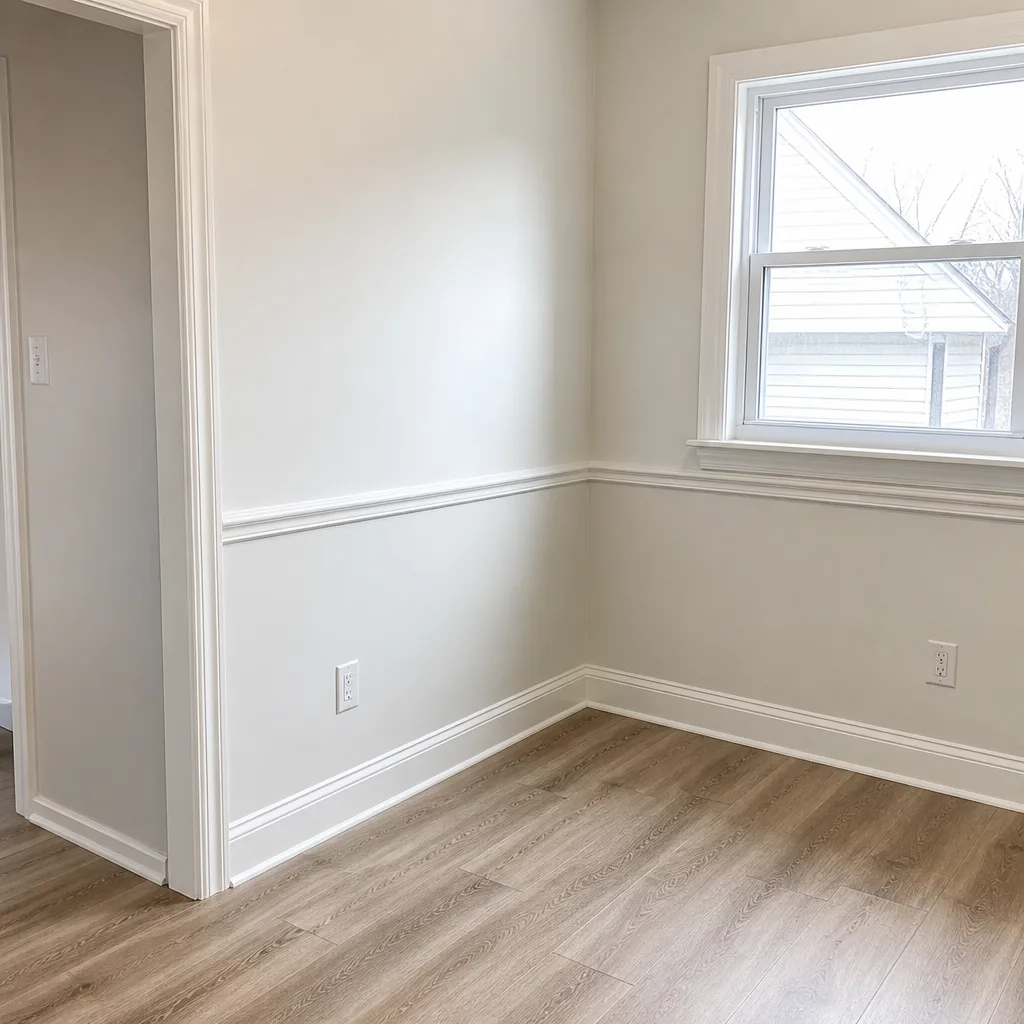 After
After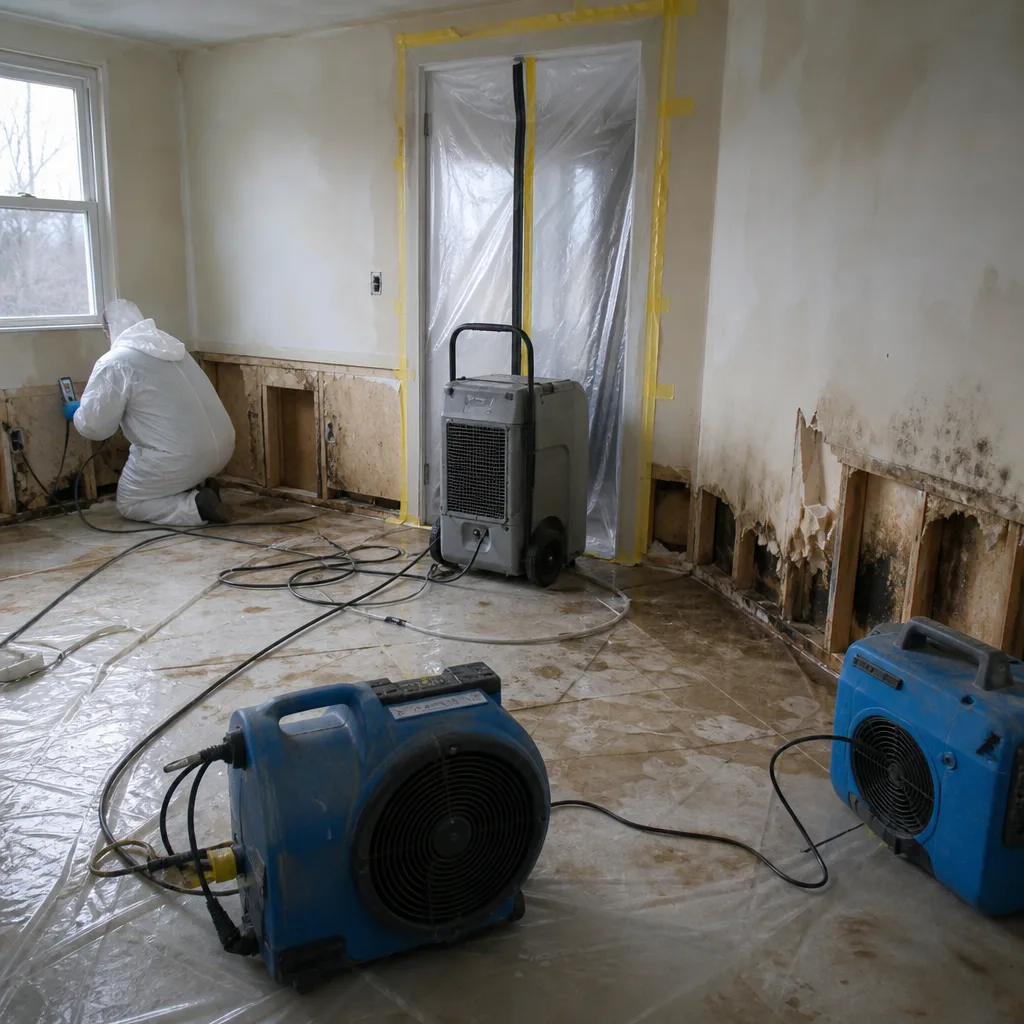 Before
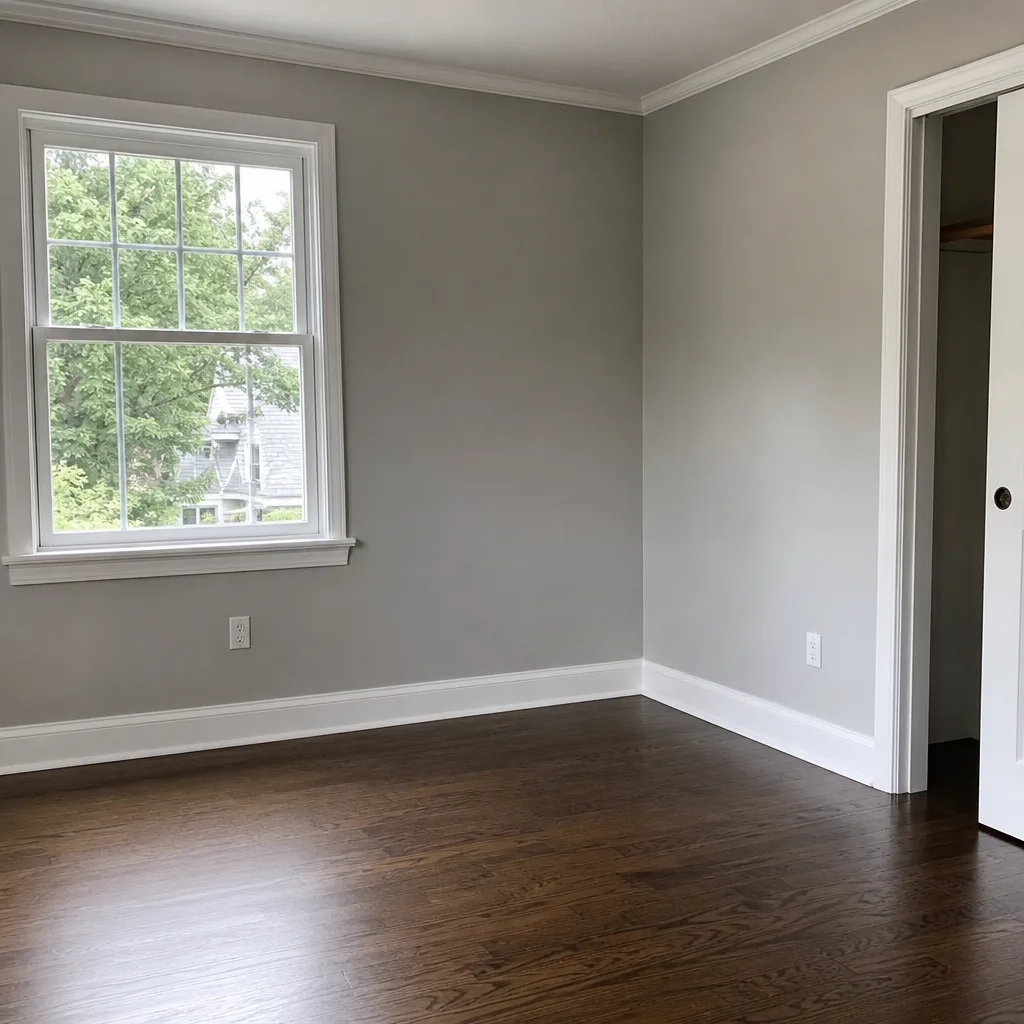 After
After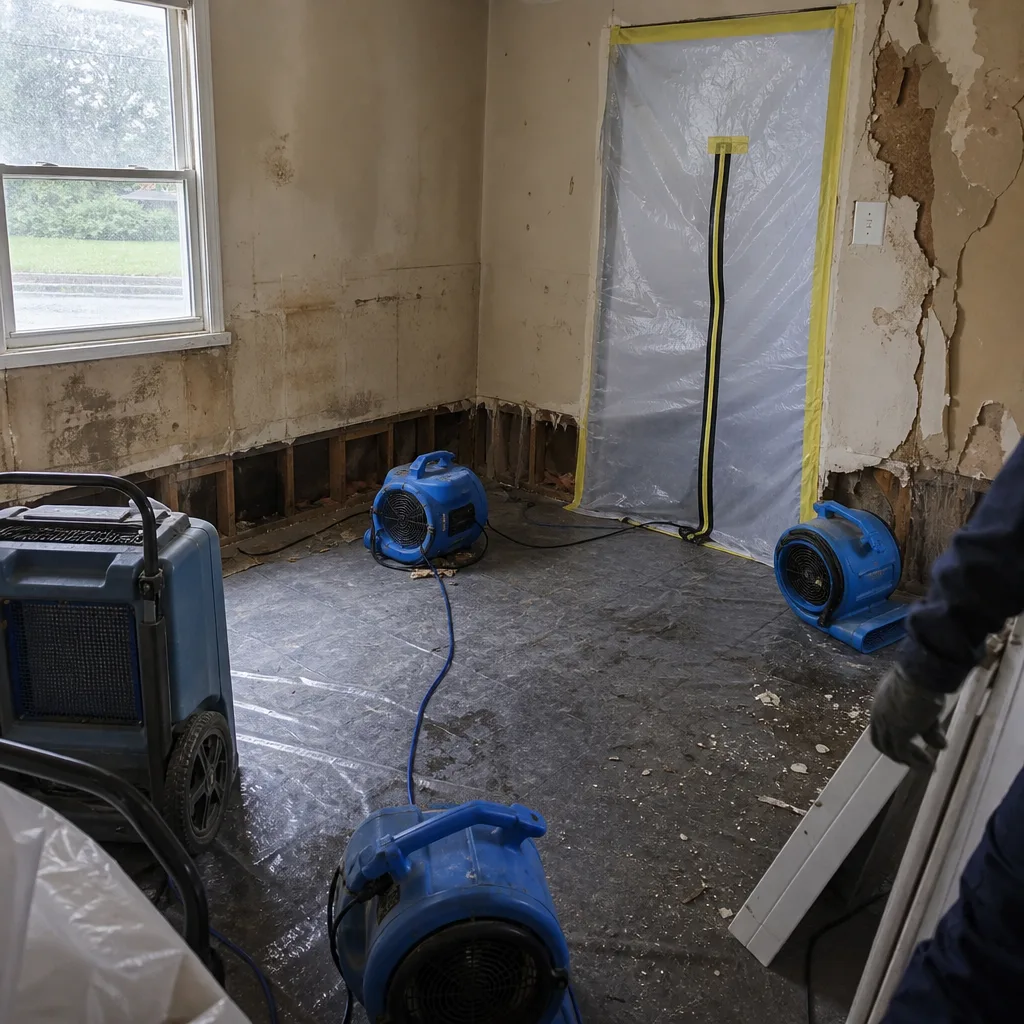 Before
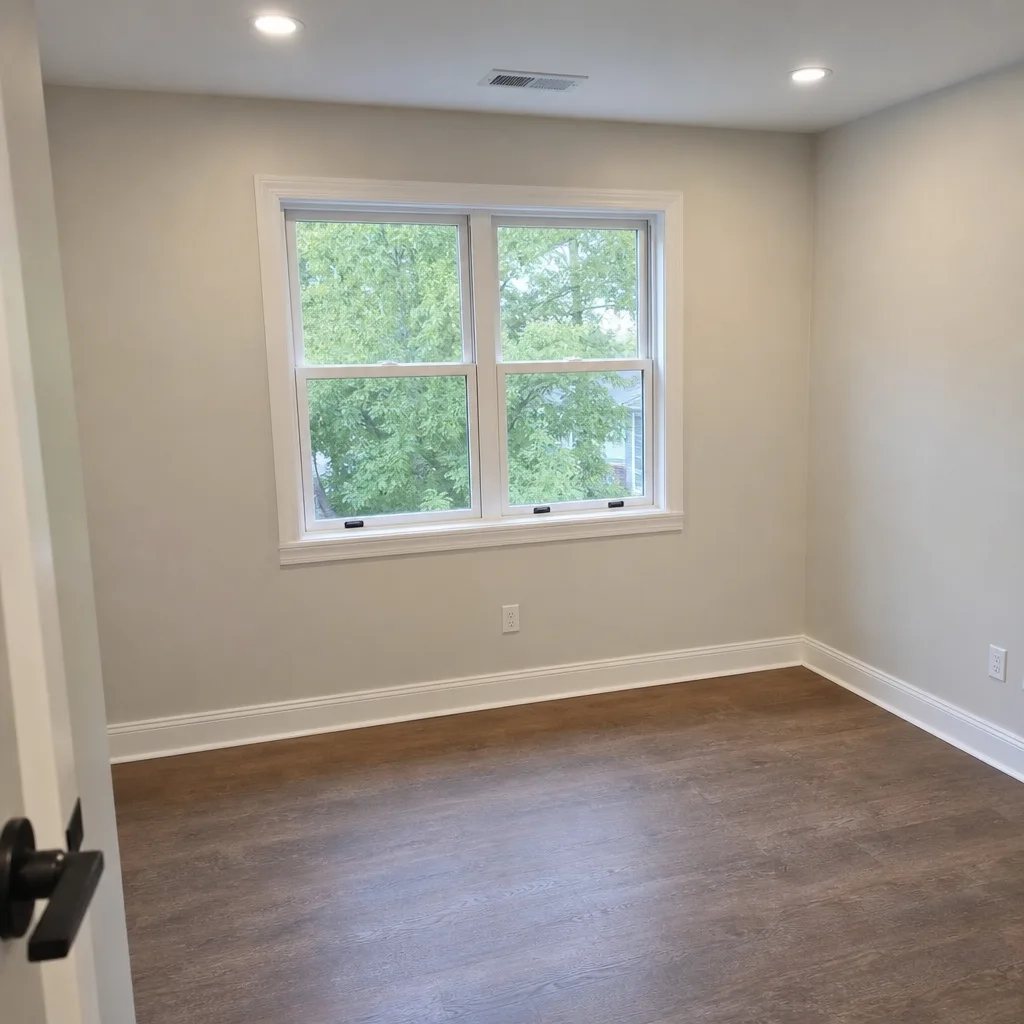 After
AfterDamage Restoration Permits, Codes & Inspections in NJ: What You Need to Know
Here’s the counterintuitive reality most Bergen County homeowners learn only after the water is already out: the restoration work itself almost never triggers a permit, but the repairs that follow it almost always do. In Tenafly, a borough with its own construction official and a code enforcement office that knows every house on every street, the line between “emergency mitigation” and “regulated construction” is drawn in a specific place. This guide explains exactly where that line sits under New Jersey’s Uniform Construction Code, how local inspection schedules actually work, and what happens when a repair is done without the right paperwork. You’ll learn which permits you’ll likely need, which ones you won’t, and how a finished job gets signed off so it never comes back to haunt a future sale.
Quick Answer
In New Jersey, emergency water extraction, drying, and demolition of damaged materials do not require permits. However, any structural repair, electrical replacement, plumbing alteration, or rebuild work does, and in Tenafly that means submitting plans to the borough’s construction department for review before the work begins. Floodline Restoration Co. has been navigating Tenafly’s permitting process since 2010, so if you call us at (551) 348-3742, we can tell you over the phone whether your specific situation needs a permit before anyone picks up a hammer.
Table of Contents
- Why Permits Matter After Damage Restoration
- Which Restoration Work Requires a Permit in NJ
- Which Work Never Requires a Permit
- How the Tenafly Permit Process Works, Step by Step
- Inspections: What Gets Checked and When
- The NJ Codes That Most Affect Restoration Work
- How Permits Interact With Insurance Claims
- Common Mistakes to Avoid
- When to Call a Professional
- Frequently Asked Questions
- The Bottom Line
Why Permits Matter After Damage Restoration
A permit is not a tax on your bad luck. It is the borough’s record that the work inside your walls was done to the standard that keeps the house standing, the wiring from arcing, and the plumbing from leaking into the framing where you can’t see it. In Tenafly, where much of the housing stock dates to the 1920s through the 1950s, the stakes are higher than in a new development. Old balloon framing, cloth-wrapped wiring, and cast-iron drain lines all behave differently after a flood than modern materials do.
The reason this matters to you, the homeowner, comes down to three things. First, your insurance company may deny a claim for damage caused by unpermitted work done after the original loss. Second, when you sell the house, the buyer’s attorney will pull the permit history from the Tenafly construction office, and any unpermitted repair becomes a negotiation point or a deal breaker. Third, unpermitted work that fails can put you in a position where your homeowner’s insurance refuses to cover the resulting damage. The permit is the paper trail that protects you.
We’ve walked through this with hundreds of Tenafly homeowners over 15 years. The ones who had the hardest time were never the ones who asked too many questions. They were the ones who let a contractor talk them out of pulling a permit to “save time.” It never saves time. It only delays the reckoning.
Which Restoration Work Requires a Permit in NJ
New Jersey uses the Uniform Construction Code, which is adopted by every municipality including Tenafly. Under the UCC, the trigger for a permit is not “damage.” It is “work.” Specifically, work that alters, reconstructs, or replaces a building system. Here is what that means in practical terms after a flood, fire, or storm event.
Work That Requires a Construction Permit
- Structural repairs: Replacing load-bearing framing, sill plates, rim joists, or any member that holds weight. If water wicked up into the studs and they need to come out, and those studs are load-bearing, that’s a permit.
- Electrical replacement beyond devices: Swapping an outlet is one thing. Replacing a run of wire that got wet, or a panel that took on water, or relocating a circuit, is a permit-level electrical job.
- Plumbing alterations: Replacing a section of supply piping, moving a drain line, or installing a new water heater all require a plumbing permit and inspection.
- HVAC work: Replacing a furnace or boiler that was flooded requires a mechanical permit and a final inspection by the borough’s sub-code official.
- Insulation and drywall as part of a rebuild: In New Jersey, insulation and sheetrock installed as part of a permitted repair fall under the same permit as the work that required it. You don’t file a separate one.
- Fire-rated assemblies: If a fire damaged a wall that was rated as a fire separation, the repair must restore that rating, and the borough will want to see how you did it.
This is not an exhaustive list. When we walk a job in Tenafly, we identify every system that was compromised and compare it against the UCC and the borough’s local amendments. We’ve had jobs where the visible damage was a two-foot section of baseboard, but the framing behind it was soft to the knee. That’s the difference between a cleanup and a construction project, and it’s the difference between needing nothing and needing a full permit package.
Which Work Never Requires a Permit
This section matters because it is where homeowners get the most misleading advice. A water mitigation company that tells you “everything needs a permit” is padding the bill. A contractor who tells you “nothing needs a permit” is cutting corners. The truth sits in the middle, and it is specific.
Under the UCC and Tenafly’s implementation of it, the following work does not require a construction permit:
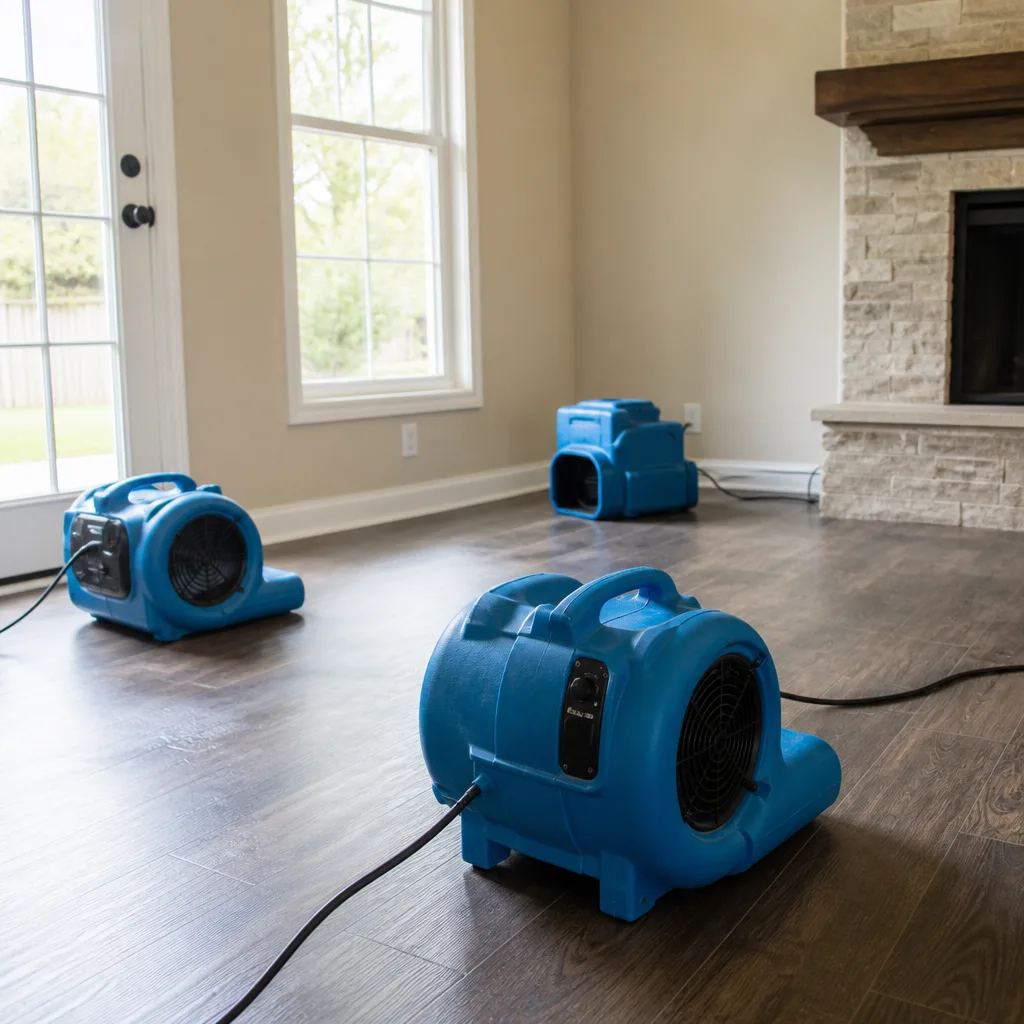
- Water extraction and drying: Running pumps, setting up air movers and dehumidifiers, and monitoring moisture levels. This is mitigation, not construction. It is regulated by the IICRC’s S500 standard, not by the building code.
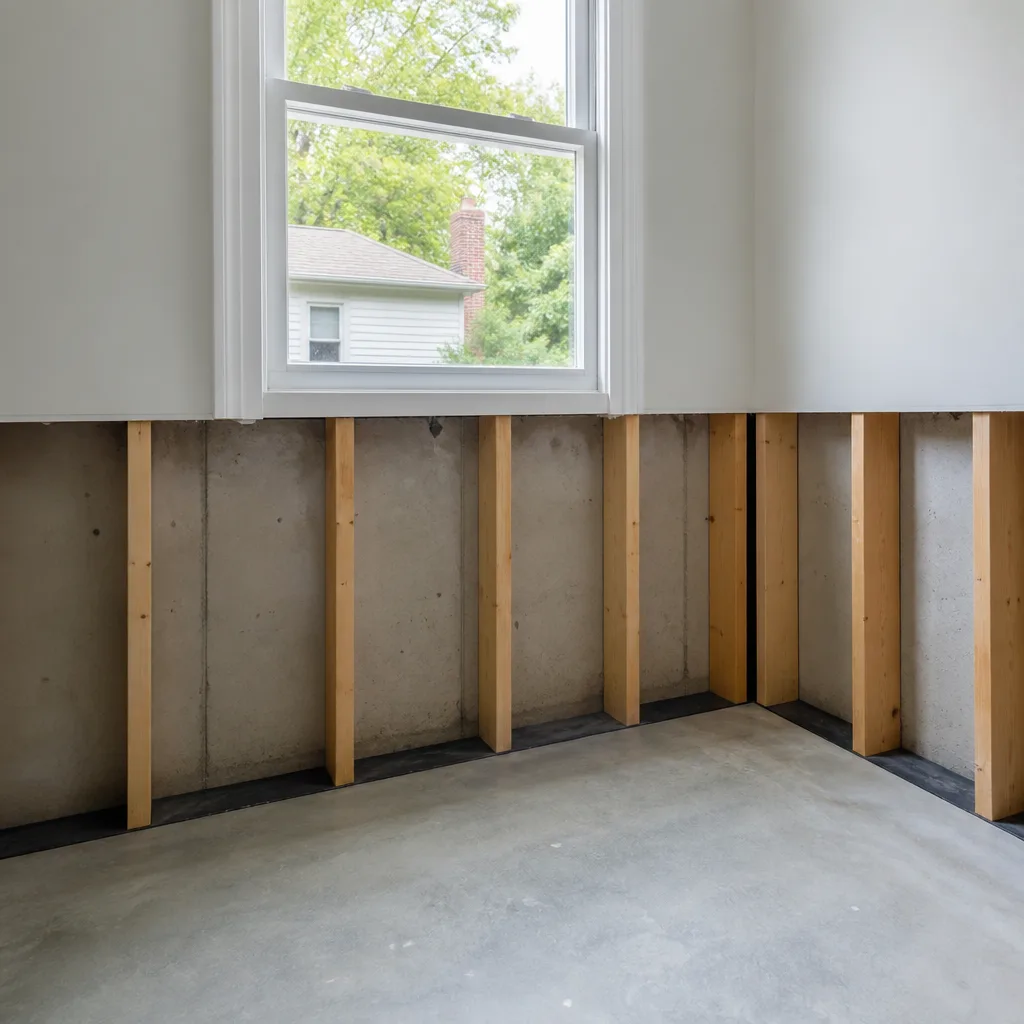
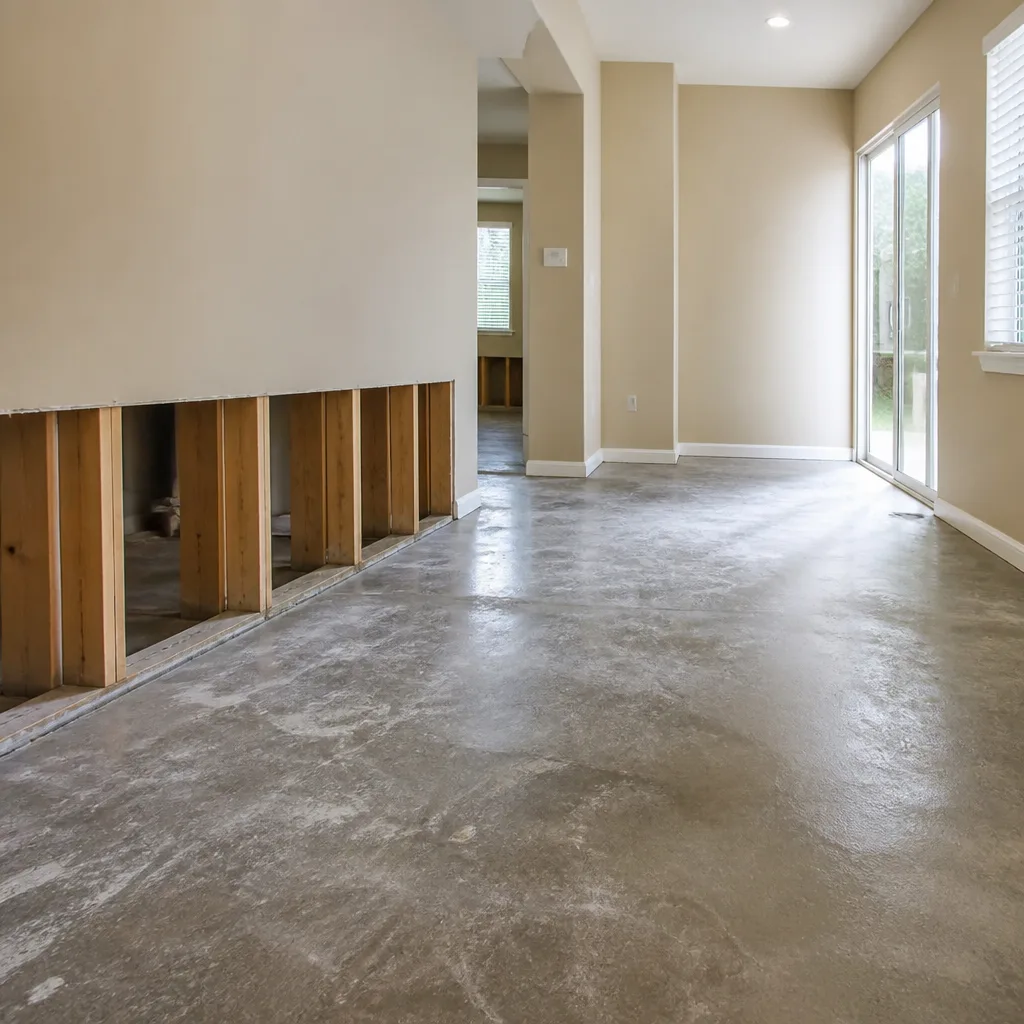
- Demolition of damaged materials: Cutting out wet drywall, pulling wet insulation, and removing damaged flooring are all considered “demolition,” which is not permit-triggered, provided you are not disturbing load-bearing structure or hazardous materials like asbestos.
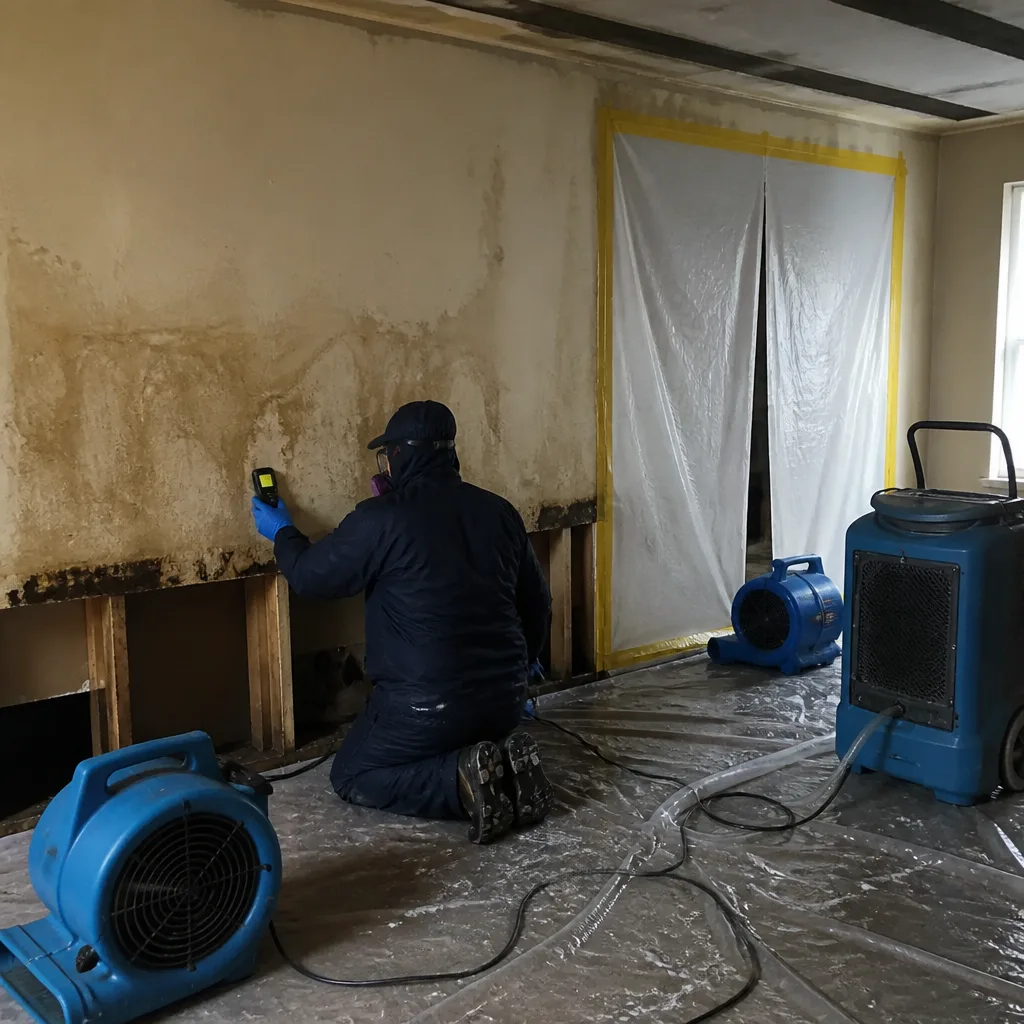
- Mold remediation that doesn’t involve reconstruction: HEPA vacuuming, antimicrobial application, and containment of an affected area are not permit work. The rebuild after the mold is gone is a different story.
- Finish replacement that doesn’t touch systems: Replacing baseboard, painting, replacing carpet with carpet, or swapping cabinet doors is cosmetic and unregulated.
- Roof repairs under 25% of the roof area: New Jersey allows minor roof repair without a permit as long as no structural members are replaced.
Here’s the key concept: mitigation is not construction. The permit requirement activates when you cross from removing damaged material to installing new material that is part of the building’s permanent structure or systems. In our experience in Tenafly, the single most common scenario is a basement flood where the mitigation is unpermitted, but the electrical panel, water heater, and finished walls all need permits, and the work has to be sequenced so the inspector can see the framing before it’s covered.
How the Tenafly Permit Process Works, Step by Step
Tenafly is not Newark, and it is not a township with a shared construction department. The borough has its own building department, its own construction official, and its own pace. If you have never pulled a permit in Tenafly, the process can feel slow the first time. Here is the exact sequence, based on the jobs we’ve done in the borough over the last 15 years.
- Determine the scope of work. Before anything gets submitted, someone has to identify every system that was damaged. This means opening walls to see framing, checking the panel for water exposure, and pressure-testing the plumbing. A scope that is too narrow means the inspector finds unpermitted work later.
- Prepare the permit application. Tenafly requires a completed construction permit application, a detailed description of the work, and in most cases, a drawing or plan. For structural repairs, the borough wants to see a framing plan. For insulation, it wants to see the R-value. For electrical, it wants a panel schedule.
- Submit to the construction office. The application goes to the Tenafly building department, which routes it to the appropriate sub-code officials: building, electrical, plumbing, and fire, depending on the scope.
- Pay the permit fee. New Jersey uses a DCA fee schedule, but municipalities add their own surcharges. Tenafly’s fees are published at the construction office. On a typical basement flood rebuild, the permit fee is a few hundred dollars against a five-figure repair.
- Wait for plan review. For simple repairs, the review can be same-day or next-day. For anything involving structural changes or fire-rated assemblies, expect a few days to a few weeks, depending on the queue.
- Begin work once the permit is issued. You cannot legally begin construction work before the permit is in hand. Mitigation, as explained above, can and should proceed immediately; that’s how you prevent mold from setting in while the paperwork moves.
- Call for inspections at the right phases. This is the part that separates professionals from amateurs. You can’t cover framing until the building inspector has seen it. You can’t close the wall until the electrical and plumbing rough-in inspections are done. Then there is a final inspection for each trade.
- Receive the Certificate of Approval. When every inspection passes, the borough issues a Certificate of Approval. That certificate is the document you and your insurance company want filed away forever.
One thing we tell every homeowner in Tenafly: the inspections are not optional because the permit is not optional. If you file the permit, you have to close it out. An open permit shows up on the property record and can stall a refinance or sale just as surely as an unpermitted repair.
Inspections: What Gets Checked and When
New Jersey’s inspection process is built around phases. You cannot call for an inspection on work the inspector cannot see, and you cannot cover work that has not been inspected. Here is what each trade’s inspector looks for on a typical damage restoration job.
Building Inspection
The building inspector verifies that structural repairs match the approved plan. If you replaced sill plates after a flood, the inspector checks the anchor bolts, the lumber grade, and the connection details. If you rebuilt a fire-damaged wall, the inspector checks the fire-rated assembly. In Tenafly’s older homes, the building inspector also looks for unapproved modifications made decades ago that now intersect with the repair, and those have to be addressed before the inspection passes.
Electrical Inspection
The electrical sub-code official checks that all replaced wiring is the correct gauge, the panel is properly bonded and grounded, arc-fault breakers are installed where the code requires, and everything is accessible for future service. After a flood, the main question is whether the panel itself is safe. If water reached the bus bar, the panel has to be replaced; an inspector will not sign off on a dried-out panel that was submerged.
Plumbing Inspection
Plumbing inspectors in New Jersey verify pipe materials, slope on drain lines, venting, and that supply lines hold pressure. After a freeze-and-thaw loss in a Tenafly attic, the inspector will want to see the entire repaired section, not just the joint that failed.
Fire Sub-Code
For fire and smoke damage, the fire sub-code official checks smoke detector placement, carbon monoxide detector placement, and any fire-stopping that was disturbed. New Jersey requires interconnected smoke detectors in all new work, and the borough enforces it.
The inspection phase is where the quality of the original scope matters most. If we open a wall and find additional damage that was not in the original permit, we file an amendment. It adds a few days, but it keeps the final inspection from failing and the project from stalling.
The NJ Codes That Most Affect Restoration Work
New Jersey operates under the International Building Code, the International Residential Code, the National Electrical Code, and the International Plumbing and Mechanical Codes, all adopted by the state with New Jersey-specific amendments. For damage restoration, a handful of code provisions come up again and again.
IRC Section R105 – Permits
This is the section that defines what requires a permit and what is exempt. It is the first thing we check on every job, because the exemptions matter. Minor repairs, as defined by the code, don’t need a permit. The state leaves some interpretation to the local jurisdiction, which is why the relationship with the Tenafly construction office matters.
IRC Section R302 – Fire-Resistant Construction
If a fire damaged a wall between a garage and living space, or between townhome units, that wall is a fire-rated assembly. You cannot rebuild it with standard drywall and call it done. The code requires specific gypsum board thickness, specific fastening, and specific penetration sealing. Every inspector in Bergen County checks this closely.
IRC Section R408 – Under-Floor Space
After a flood, the crawlspace or basement becomes a focus. The code requires ventilation, vapor barriers, and access that meets specific standards. When we dry a crawlspace in a Tenafly colonial, the rebuild has to include the right vapor barrier installation, not just a sheet of plastic thrown on the ground.
NEC Article 110 – Electrical Installations
The National Electrical Code requires that equipment that has been exposed to water be replaced, not just dried. This is non-negotiable in New Jersey. A flooded panel, a flooded receptacle circuit, a flooded water heater: these are replaced, not re-energized. We follow the IICRC S500 standard for drying and the NEC for anything with current running through it.
NJ’s Lead-Safe Renovation Rules
Tenafly has a significant stock of pre-1978 homes. If a restoration project disturbs painted surfaces in one of those homes, New Jersey requires lead-safe work practices and, in some cases, certified lead renovation firms. This is a state-level requirement that goes beyond federal EPA rules and catches a lot of homeowners off guard.
These are not the only codes that apply, but they are the ones we see most often in Tenafly restoration work. The borough’s construction office is the authority on local amendments, and we check in before every permitted project because interpretations do shift over time.
How Permits Interact With Insurance Claims
Your insurance policy covers the cost of restoring your home to its pre-loss condition. It does not cover upgrades, and it does not cover the cost of bringing the entire house up to current code unless you have “law and ordinance” coverage, which is a separate line item you can check on your declarations page.
Here is how the permit conversation typically goes with a carrier. The adjuster writes an estimate for the repair. That estimate includes line items for mitigation, tear-out, rebuild, and in most cases, a permit fee. The carrier expects the contractor to pull the permit because the carrier’s own documentation requires it. If the work is done without a permit, and something fails, the carrier’s position is that the failure was caused by the unpermitted work, not by the covered loss.
We work directly with carriers on every project. Our documentation includes the permit application, the permit itself, the inspection schedule, and the final Certificate of Approval. We provide photos at every phase, and we log daily moisture readings using Dri-Eaz and Injectidry equipment until the dry standard is met. This paper trail is what lets the adjuster close the file quickly and lets the homeowner sleep at night.
A specific scenario we see often in Tenafly: a homeowner’s finished basement floods, the carrier covers the remediation and rebuild, but the existing finished basement was never permitted in the first place. The carrier covers what was there, but the rebuild now has to be permitted, which means the borough sees the unpermitted basement for the first time. This creates a tax assessment question and a permit question that the homeowner has to answer. We walk homeowners through this conversation honestly, because hiding it never works. The line the water left is where we start, and that includes the paperwork trail.
Common Mistakes to Avoid
- Skipping the permit because the job “isn’t that big.” The size of the repair doesn’t determine the permit requirement; the system that was touched does. A small repair to a load-bearing structural member is still a structural repair, and the Tenafly inspector will want to see it.
- Letting the mitigation crew handle the rebuild. Many water mitigation companies in Bergen County are excellent at drying, but they are not licensed builders. When they “help” with the rebuild without a permit, the homeowner becomes the general contractor, and the liability shifts to the homeowner.
- Covering the electrical rough-in before the inspector sees it. This is the single most common inspection failure we see from other companies’ work. The inspector arrives, the drywall is up, and the wiring is hidden. The answer is always the same: open the wall back up.
- Not checking for asbestos before demolition. Tenafly has many homes built before 1980. Asbestos in old flooring, pipe insulation, and drywall compound is common. If you demo it without testing, you have a much larger and more expensive problem.
- Assuming the insurance company handles permitting. The carrier pays for the permit, but the contractor pulls it. If no one pulls it, the carrier’s payment for the permit fee just sits in the estimate, and the exposure is on the homeowner.
- Using unlicensed contractors for system work. In New Jersey, electrical, plumbing, and HVAC licenses are issued by the state. A handyman who “knows electric” cannot legally perform electrical work. If the work is unpermitted and unlicensed, the homeowner’s insurance position gets very thin very fast.
- Rushing the drying process because the walls look dry. A wall can feel dry to the touch and still be reading 30% moisture content behind the baseboard. We use Phoenix and B-Air dehumidifiers with daily moisture logs precisely because invisible moisture is what feeds mold, and mold is what turns a three-day restoration into a three-week permit headache.
When to Call a Professional
Call a professional when the damage touches anything inside a wall, under a floor, or behind a panel. If the water rose above the baseboard, it is in the wall cavity. If the fire reached the ceiling joists, the structure has to be evaluated by someone who knows what charred lumber can and cannot do. If the sewage backed up into a finished basement, the contaminated materials have to come out under controlled conditions before anyone rebuilds. These are not DIY questions, and they are not questions for a faceless call center; they are questions for a set of eyes that has seen a thousand flooded basements in Bergen County. Floodline Restoration Co. offers free estimates in Tenafly and the surrounding towns. Call (551) 348-3742, and a live dispatcher answers, day or night.
Frequently Asked Questions
No, not for the extraction and drying phase. Water removal, dehumidification, and demolition of damaged drywall and insulation are mitigation work and do not require a permit under New Jersey’s Uniform Construction Code or Tenafly’s local enforcement of it. The rebuild that follows, if it involves structure, electrical, plumbing, or mechanical work, does require a permit. Call (551) 348-3742 and we’ll tell you where your specific job falls.
In most standard homeowner’s policies, yes. The permit fee is a legitimate cost of the covered repair, and carriers include it in the estimate when the scope of work requires a permit. If you have law and ordinance coverage, the policy may also cover the cost of bringing the existing system up to current code, not just the cost of the permit itself.
For a straightforward basement rebuild after a flood, the plan review is typically a few days to two weeks. For structural work or fire-damaged assemblies, it can take longer. The mitigation work runs concurrently, so the drying is happening while the permit moves through the borough’s office. That’s the sequence we recommend, not a delay it causes.
The borough can issue a stop-work order, and that’s the mild version. The harder version is a failed sale when the buyer’s attorney finds the unpermitted work, or a denied insurance claim when the unpermitted repair fails and causes new damage. The fix for unpermitted work is always more expensive than the permit would have been.
Yes, and in our view, that’s the only way to run the job. Floodline Restoration Co. bills carriers directly, provides photo documentation and moisture logs, and handles the permit paperwork through every inspection, including final sign-off. The homeowner should never be the one routing documents between the contractor and the carrier.
Tenafly follows the state’s standard inspection matrix: building, electrical, plumbing, and fire sub-code inspections as the scope dictates. The borough does require a construction permit for any structural alteration and enforces lead-safe practices on pre-1978 homes, which we handle through certified procedures as part of the job.
The 90-Day Done Right Promise from Floodline Restoration Co. home, known internally as the Keystone Standard, is our written guarantee that the work is done right. Permitting and inspection are part of “right.” We don’t promise work that can’t pass inspection, and we don’t consider a job done until the borough’s Certificate of Approval is in your hands. That’s the standard Curt Bowman built the company on in 2010, and it still stands.
The Bottom Line
Permits, codes, and inspections are not bureaucratic friction; they are the only independent verification that the work inside your walls was done to the standard the state of New Jersey requires. The mitigation phase moves fast and needs no permit. The rebuild phase moves carefully and needs the right ones. In Tenafly, the construction office is a partner, not an obstacle, if you know the process and respect the phases. The honest approach is to say up front what needs a permit, pull it, build to code, and close the file with a Certificate of Approval. That’s the approach we have used on every job in Tenafly since 2010. Done right, and backed in writing.
Written by Curt Bowman, Owner at Floodline Restoration Co., serving Tenafly since 2010.