
Last updated August 25, 2026
Free visual inspection and a written scope of work before any mitigation begins - photos, moisture readings, and drying logs go in your claim file
The scope we write is the scope we bill. Anything new gets shown to you, in writing, before we touch it.



 Before
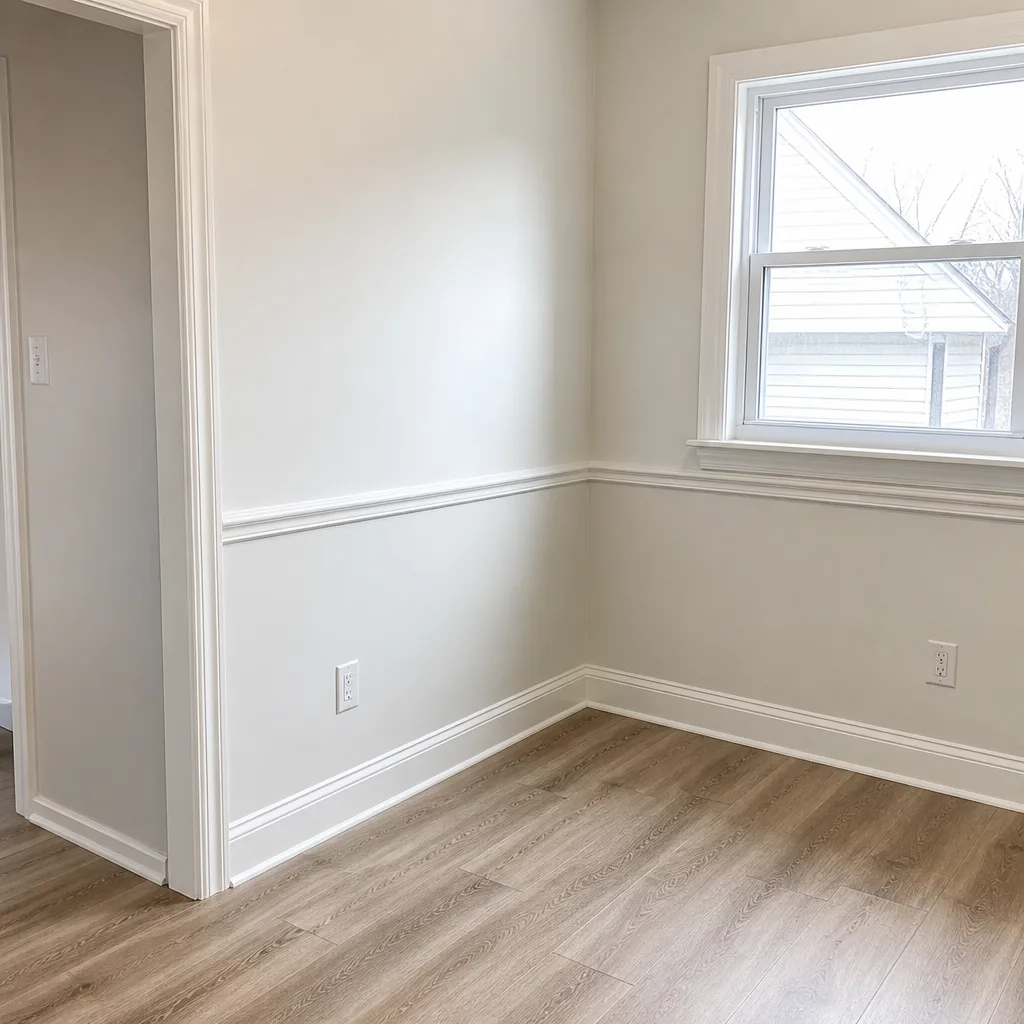 After
After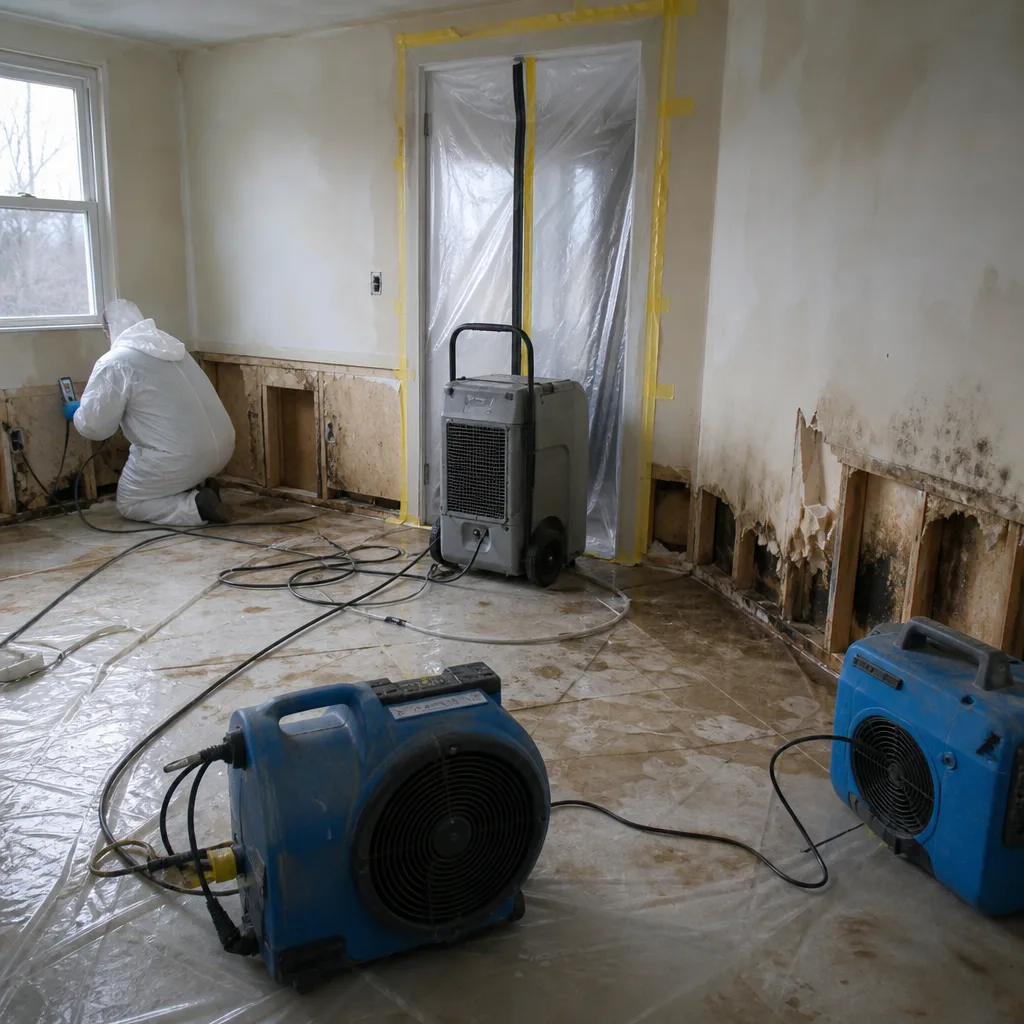 Before
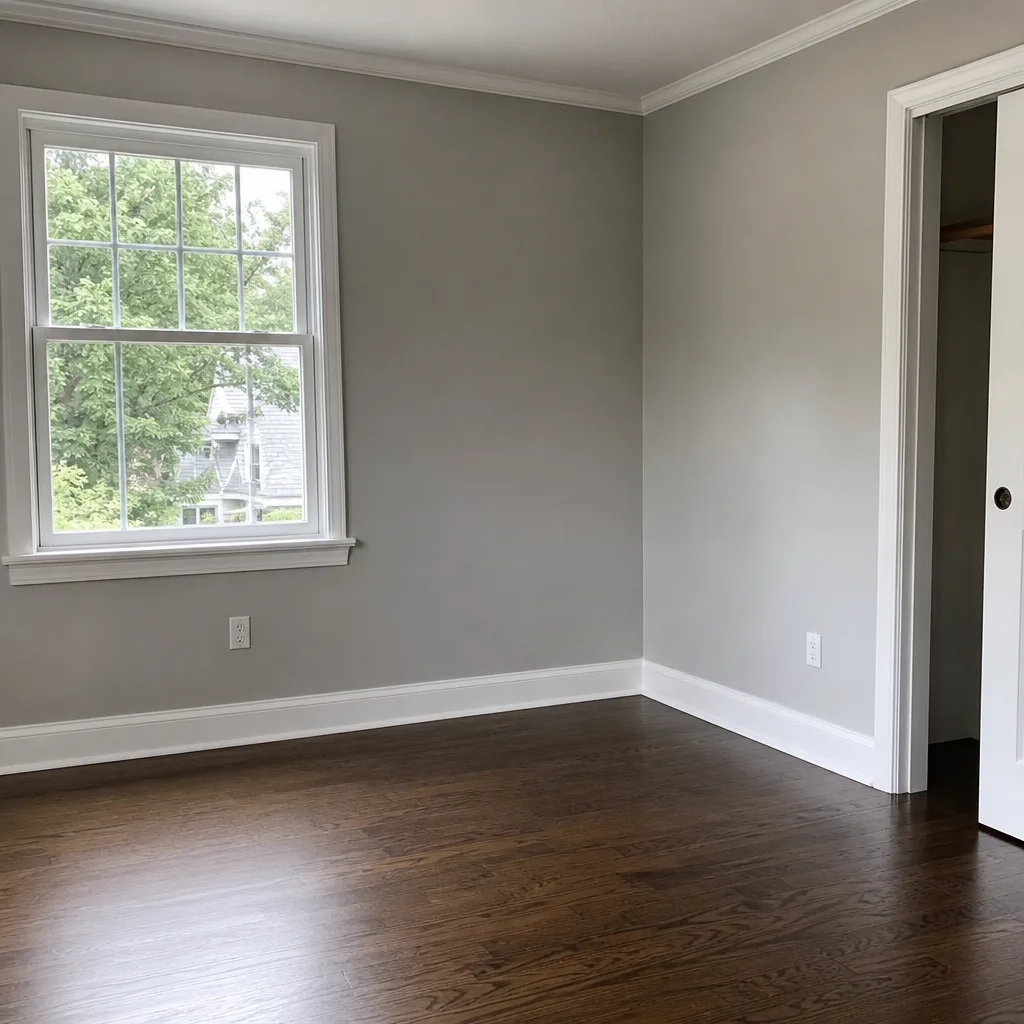 After
After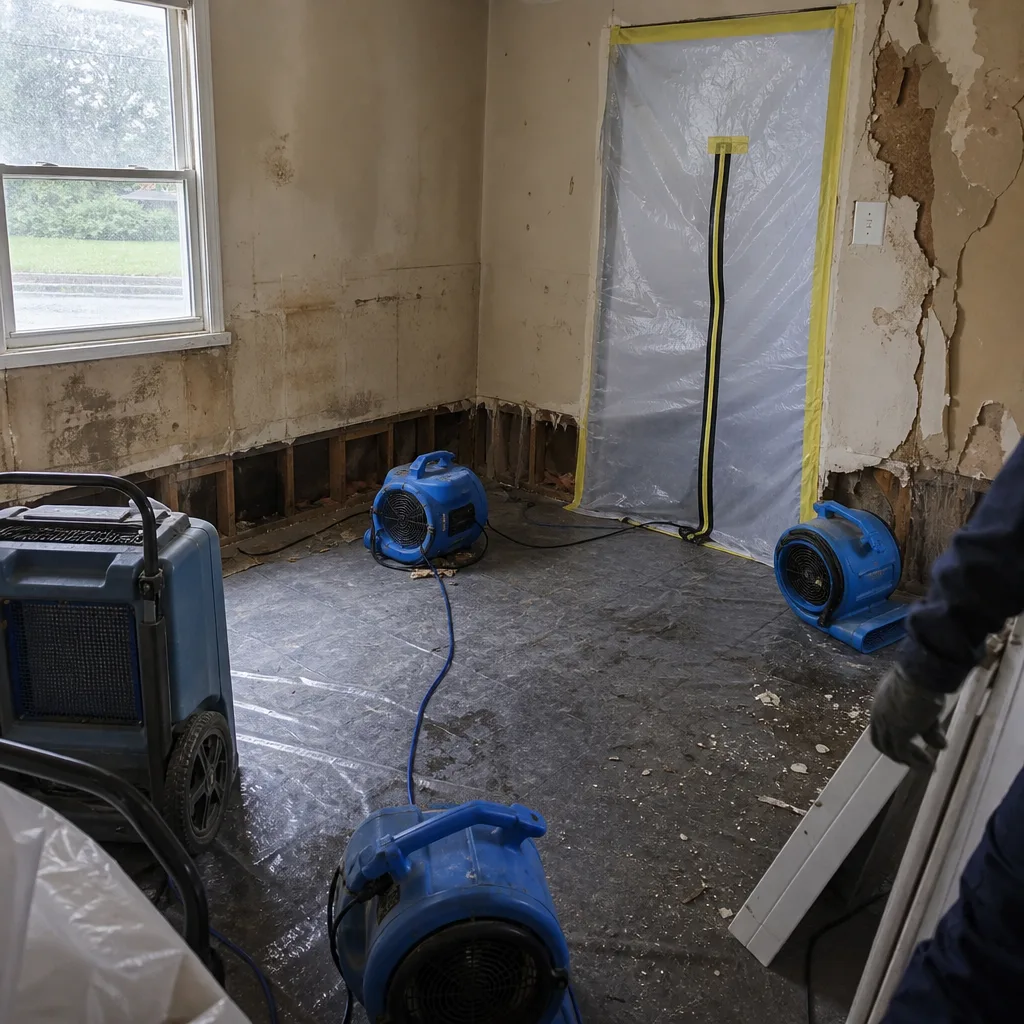 Before
 After
AfterHow to Hire a Damage Restoration Contractor in Tenafly: A Step-by-Step Guide
Most homeowners make one critical mistake when hiring a damage restoration contractor: they call the first number that shows up in a panic search, agree to work without a written scope, and spend the next three months arguing about what was supposed to be included. In Tenafly, where homes range from 1920s colonials near the high school to newer construction off East Clinton Avenue, the damage patterns vary widely, but the hiring mistakes repeat predictably. This guide walks through exactly how to vet a restoration contractor in Tenafly, what questions to ask before signing anything, and how to protect yourself from the two most common problems: slow response that lets damage spread, and vague pricing that balloons after work begins.
Quick Answer
The right way to hire a damage restoration contractor in Tenafly is to verify three things before work starts: that the company answers the phone with a live person around the clock, that technicians carry IICRC or RIA certifications, and that every cost is documented in a written scope before tools come off the truck. A contractor who can’t produce those three things, or who hesitates to put the price in writing, is one you should walk away from. A trustworthy company will also bill your insurance carrier directly and give you a written guarantee on the workmanship.
Table of Contents
- Know What You’re Dealing With Before You Call
- Step 1: Call a Live Dispatch, Not a Voicemail
- Step 2: Verify Certifications and Background Checks
- Step 3: Get a Written Scope Before Work Begins
- Step 4: Understand What Equipment Should Be Used
- Step 5: Handle the Insurance Conversation
- Step 6: Read the Guarantee Before You Sign
- Common Mistakes to Avoid
- When to Call a Professional
- Frequently Asked Questions
- The Bottom Line
Know What You’re Dealing With Before You Call
Before you pick up the phone, you should understand the category of damage you’re looking at, because it changes what you ask the contractor. Water damage from a burst supply line in a Tenafly kitchen is different from water damage from a backed-up sewer line. Smoke damage from a small appliance fire behaves differently than smoke damage from a furnace malfunction that pushed soot through the whole duct system. Knowing the category helps you recognize whether a contractor is asking the right questions or just trying to get a crew in the door.
Here’s what matters in practice:
- Clean water comes from supply lines, water heaters that failed cleanly, or rainwater that entered through a roof breach. It dries predictably when extraction starts fast.
- Gray water comes from washing machines, dishwashers, or sump pump failures. It contains some contaminants and needs antimicrobial treatment during drying.
- Black water comes from sewage backups or flooding that mixed with ground runoff. It requires full containment, disposal of affected porous materials, and professional sanitation.
- Smoke and soot damage needs odor sealing and sometimes duct cleaning, not just surface wiping. Soot is acidic and will etch surfaces if left too long.
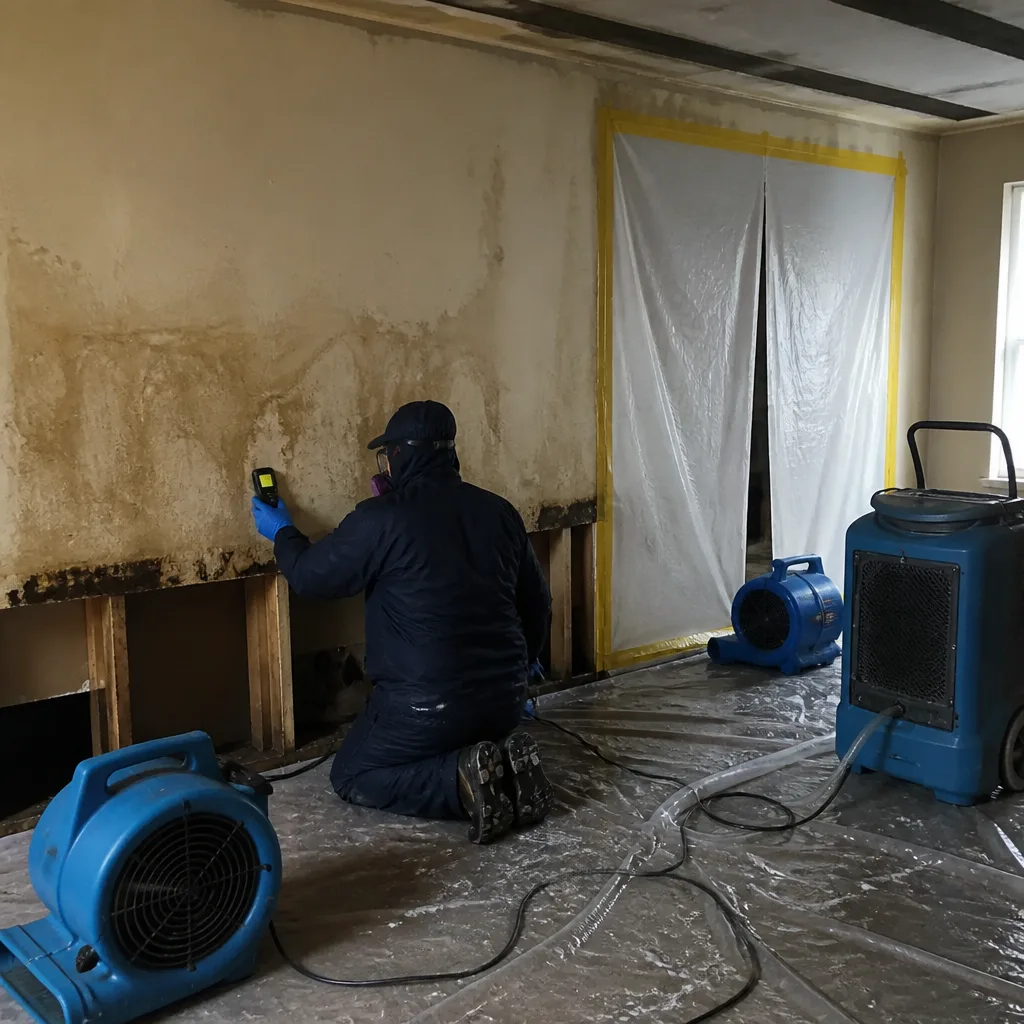
- Mold that appears after water damage usually means moisture was trapped in cavities or drying was incomplete. The moisture source must be found and corrected before any remediation makes sense.
In Tenafly, we see the full range because the housing stock is so varied. Homes near the Palisades deal with basement moisture and occasional hillside runoff. Older homes with original plumbing on streets like Englewood Avenue and Westervelt Avenue see supply line failures. Newer homes are not immune; they often have finished basements that hide leaks until drywall stains appear. Knowing your damage category lets you ask specific questions about drying standards and containment, which immediately separates competent contractors from those who plan to show up, rip out wet material, and disappear.
Step 1: Call a Live Dispatch, Not a Voicemail
Water does not wait for business hours, and neither does soot settling into drywall or sewage soaking through subfloor. The first test of a restoration contractor is simple: call their number at an inconvenient time and see who picks up. If you reach a recording that tells you to leave a message and someone will get back to you, you’ve already learned something important about how that company handles emergencies.
In our experience, the first two hours after a water event determine how much material can be saved. Extract the water quickly and set up drying equipment, and hardwood floors, cabinetry, and drywall often survive. Wait until the next morning because nobody answered the phone, and the water wicks up drywall, seeps under flooring, and moves into wall cavities. The damage spreads, and the scope of work doubles. That is not sales language. That is what we see every week in Tenafly homes where someone waited.
Here is a simple checklist for your first call:
- Call the number. You want a live person, not a recording. Ask “Are you dispatching crews from your own company right now?”
- Ask whether the technician will arrive with extraction equipment on the first visit. The answer should be yes.
- Ask how quickly a certified crew can reach Tenafly. A specific answer like “within the hour” is better than “as soon as we can.”
- Ask whether the company will document the initial conditions with photos and moisture readings before any demolition starts.
- Ask who you’ll be dealing with for the next week: the same crew, or a rotating set of subcontractors.
Floodline Restoration Co. has answered the phone with a live dispatcher at 2 a.m. since the day Curt Bowman founded the company in 2010. That is not a claim; it is a staffing decision. The dispatch board exists so a certified crew gets to a Tenafly home and starts extraction the same visit.
Step 2: Verify Certifications and Background Checks
Anyone can rent a fan and call themselves a restoration company. The barrier to entry in this industry is low, which is precisely why homeowners need to check credentials before letting a crew into their home. You are not being difficult. You are protecting a property you have lived in for twenty years and plan to stay in for twenty more.
The relevant certifications in our industry come from three organizations: the IICRC, the RIA, and the IFA. Here is what each one actually means:
- IICRC (Institute of Inspection, Cleaning and Restoration Certification) sets the standards for water damage restoration, applied structural drying, mold remediation, and fire and smoke restoration. A technician certified through IICRC has demonstrated knowledge of drying science, containment protocols, and industry best practices.
- RIA (Restoration Industry Association) focuses on advanced restoration practices and business standards. RIA membership signals a company invests in ongoing training beyond the baseline.
- IFA (Institute of Inspection, Cleaning and Restoration Certification’s Flooring Division) covers flooring-specific restoration, which matters when you’re deciding whether hardwood floors can be saved or need replacement.
Ask the company which certifications its technicians hold, and ask whether the crew arriving at your home is background-checked and uniformed. You have the right to know who is walking through your front door. In Tenafly, where neighbors talk and reputations follow a company for years, established firms protect their name by screening their people. Our technicians are background-checked, uniformed, and trained to IICRC and RIA standards, because a company that plans to be in town in thirty years hires people worth keeping.
Step 3: Get a Written Scope Before Work Begins
This is the step that separates trustworthy contractors from the ones who cause nightmares. A written scope of work is a document that lists, line by line, what the contractor will do, what materials they will use, what equipment they will run, and what it all costs. If a contractor resists putting this in writing before starting, that resistance is information. Use it.
The second fear every homeowner has after “will the damage spread” is “will the price balloon once the crew is inside my house.” That fear exists because the industry earned it. Companies quote low to get the job, then discover “unforeseen conditions” that triple the bill. A written scope does not eliminate the possibility of discovering new damage; it establishes a process for handling it: the contractor documents what they found, shows you the evidence, and gets your approval before expanding the work. That is a square deal. No surprises on the bill, because surprises were never part of the agreement.
Here is what a legitimate written scope should include:
- A line-by-line list of work to be performed, room by room
- Equipment types and quantities (how many air movers, how many dehumidifiers, what brand)
- Drying goals: the moisture content levels that define when drying is complete
- A schedule of daily moisture readings and who will perform them
- Total cost with a clear statement about how additional work gets approved
- Any exclusions: what is not included in the price
- Timeline for completion, with the understanding that drying time depends on conditions
At Floodline Restoration Co., no work starts in a Tenafly home without a written scope agreed in advance. It is one of the K.E.Y.S. values that Curt Bowman built the company around: Krafted right, Every time, Your home first, Standing behind it. The scope protects you, and it keeps us honest.
Step 4: Understand What Equipment Should Be Used
The difference between a restoration job done right and a job that looks done is often invisible for the first few weeks. That is when trapped moisture in wall cavities, under cabinets, and behind baseboards starts feeding mold growth. The equipment a contractor uses, and the way they monitor drying, determines whether that hidden moisture gets removed or gets left behind to cause problems later.
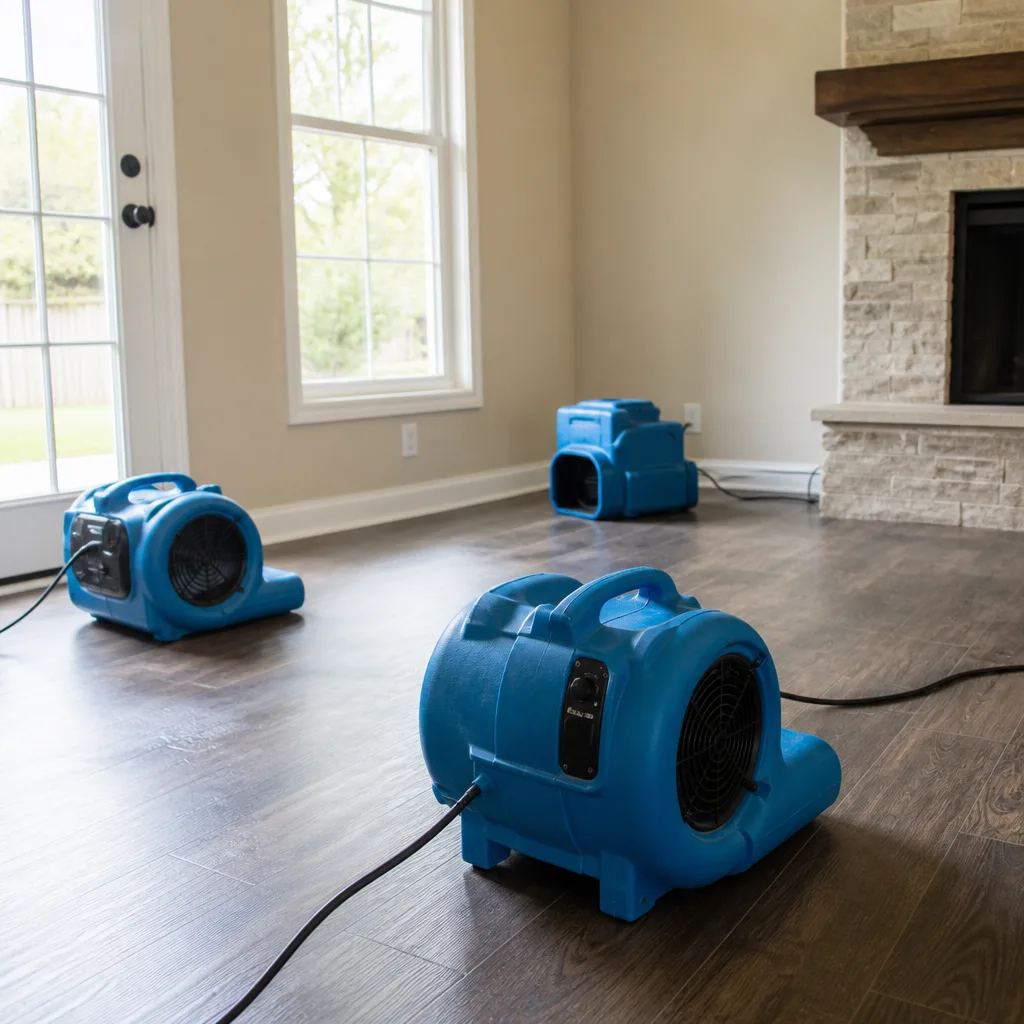
Professional restoration companies use commercial-grade equipment from manufacturers like Dri-Eaz, Phoenix, and XPOWER. These are not the fans you buy at a hardware store. Commercial air movers move significantly more air across wet surfaces. Commercial dehumidifiers pull gallons of water out of the air per day, not pints. The difference matters because drying is a science: you are trying to move moisture from building materials into the air, and then remove it from the air before it reabsorbs. Inadequate equipment means the process stalls.
Here is what you should expect on a properly equipped water damage job in a Tenafly home:
- Moisture mapping on day one: the technician uses moisture meters and thermal imaging to find the full extent of water migration, including areas that look dry.
- A drying plan based on the moisture map: equipment placed strategically to create airflow patterns across wet surfaces, not just scattered around the room.
- Daily readings logged: the same crew returns to measure moisture content in the same spots, tracking the drying curve until the dry standard is met.
- A written moisture log handed to you and your insurance carrier: proof that drying was completed to an objective standard, not just until the surfaces felt dry.
- Equipment left in place until the numbers say the job is done: removing fans too early is the most common cause of recurring mold in restored basements.
Each of these things is verifiable. Ask whether the company uses professional-grade equipment, whether they map moisture before placing equipment, and whether they document daily readings. The answers will tell you whether you’re hiring a restoration professional or a cleaning crew with fans.
Step 5: Handle the Insurance Conversation
Most damage restoration work in Tenafly involves an insurance claim. Wind-driven rain through a roof breach, a burst pipe in a second-floor bathroom, a kitchen fire that left smoke damage throughout the first floor, these are covered perils under standard homeowners policies. The question is not whether insurance is involved; it’s who handles the communication with the adjuster.
Homeowners get stuck in the middle when the restoration company they hired will not talk directly to the insurance carrier. The homeowner ends up relaying information: what the adjuster said, what the contractor said, what the policy covers, what the estimate says. It is exhausting, and it is unnecessary. A restoration company that works with insurance carriers directly will document the damage, photograph everything, write the estimate in the language adjusters expect, and communicate with the carrier throughout the claim.
Here is how the conversation should go when you hire a restoration contractor:
- Ask: “Will you bill my insurance carrier directly?” The answer should be yes, with an explanation of how the process works.
- Ask: “Who talks to my adjuster, me or you?” The answer should be that the company handles adjuster communication, with you copied on everything.
- Ask: “Do you document for the claim?” The answer should be yes: photos of initial damage, moisture readings, drying logs, and photos of the completed work.
- Ask: “What do I owe if the insurance payment is delayed?” The answer should reassure you that the company deals with carriers and you will not be chasing anyone for payment.
- Ask: “Do you handle the full scope from extraction through rebuild?” This matters because a carrier will push back on handoffs. One company handling everything means one point of accountability.
We handle direct insurance billing at Floodline Restoration Co. because it serves the homeowner. You are not a messenger between us and your carrier. We document every stage, coordinate with your adjuster, and hand you a complete record of the job when it is finished.
Step 6: Read the Guarantee Before You Sign
Most contractors offer a warranty. Most warranties are worth the paper they are written on, which is to say, not much, because they contain enough exclusions and conditions to render them meaningless. A guarantee that matters is specific, written, and tied to a process the company can actually control.
Here is what to look for in a restoration contractor’s guarantee:
- Is it in writing? A verbal promise is not a guarantee. It is a conversation. Get it on paper.
- What exactly is covered? Workmanship only? Materials? The drying process? The rebuild? The broader the language, the better for you.
- How long does it last? Thirty days is not enough time to know whether drying was complete. Look for at least ninety days.
- How do you make a claim? If the guarantee requires three rounds of arbitration and a notarized demand letter, it is designed to be unusable. The best guarantees are simple: call us, and we make it right.
- Who stands behind it? A company that has been in Tenafly for years has its reputation tied to the guarantee. A company that re-brands every few years does not.
Floodline Restoration Co. gives every homeowner a 90-Day Done Right Promise in writing. If the work is not done right within that window, we make it right. No paperwork battles, no arguing about who was responsible. The promise is tied to the Keystone Standard, and it has been part of how we operate in Tenafly since Curt Bowman founded the company. A guarantee that simple cannot survive unless the company actually fixes its mistakes, which is precisely the point.
Common Mistakes to Avoid
Every contractor in this industry has seen the same mistakes repeated by smart, careful homeowners. These are not failures of intelligence; they are failures of information under pressure. Here are the seven most common mistakes we see in Tenafly and how to avoid them:
- Waiting to call because “it’s late” or “it’s the weekend.” Water damage does not pause at 5 p.m. on Friday. By Monday morning, what could have been a one-day extraction is a two-week remediation and rebuild. Call the moment you discover the damage, at whatever hour that is.
- Hiring based on the lowest quote without comparing scopes. A lower price that includes less work is not a bargain. Compare line items, not totals. A quote that omits daily monitoring, containment, or rebuild will cost more when those items get added later.
- Accepting a verbal estimate as a binding price. If it is not written, it did not happen. Verbal estimates are worth nothing when the invoice shows up. Demand a written scope before any work begins in your Tenafly home.
- Using a contractor who does not handle insurance directly. When the company will not talk to your adjuster, you become the project manager and the claims specialist. You did not sign up for either job. Hire a company that bills carriers directly.
- Skipping the certification check. Not all restoration technicians are trained to the same standard. Verify IICRC, RIA, or IFA credentials before you let a crew touch your home. Background checks matter too; you are letting strangers into your house.
- Assuming the damage is “not that bad.” Water that looks like a small spill has often already traveled under flooring, behind baseboards, and into wall cavities. What you can see is usually a fraction of what is there. A professional moisture map tells the whole story.
- Signing a work authorization without reading the guarantee. The time to learn what happens if the work fails is before the work starts, not after. A written guarantee with clear terms is the single best protection you have.
When to Call a Professional
Some situations are obviously professional territory: a sewage backup, a flooded basement, a kitchen fire that left soot on every surface. Other situations are less obvious, and homeowners hesitate. Here is a simple rule: if you can see standing water, smell smoke, or spot visible mold, the damage is already beyond what household tools can handle. Standing water means moisture has already begun wicking into porous materials. Smoke odor means soot particles have penetrated surfaces and need professional odor sealing. Visible mold means the moisture source has been active for at least several days, and the visible growth is usually a fraction of what exists behind the walls.
Curt Bowman started Floodline Restoration Co. in 2010 because he saw too many Tenafly homeowners left with partial fixes and no one to call. The company has grown since then, but the principle has not changed: you call, a live person answers, and a certified crew arrives with the right equipment. Floodline Restoration Co. offers free estimates in Tenafly: call (551) 348-3742.
Frequently Asked Questions
Water damage restoration in Tenafly typically ranges from $1,200 to $4,500 depending on the affected square footage, the water category, and whether structural drying is required. Fire and smoke restoration tends to run higher, often $5,000 to $25,000, because it involves odor sealing, surface cleaning, and frequently some rebuild. Mold remediation typically falls between $1,000 and $6,000 depending on containment requirements and affected area. These are ranges, not quotes; the only way to get an accurate price is a free on-site assessment, which Floodline Restoration Co. provides. Call (551) 348-3742 to schedule one.
Most standard homeowners policies in New Jersey cover water damage from sudden and accidental events like burst pipes, roof leaks from covered perils, and fire damage. Coverage for mold remediation is typically limited and may depend on whether the mold resulted from a covered water loss. Sewage backups usually require a separate endorsement or rider. Flooding from external sources is generally excluded from standard policies and requires separate flood insurance. The best way to know is to have your restoration company document the damage and coordinate directly with your adjuster, which we do as standard practice.
A restoration crew should be at your Tenafly home within the hour or two after you call, not the next day. Speed is the single biggest factor in how much material gets saved. Floodline Restoration Co. answers the phone with a live dispatcher 24/7, and crews are dispatched immediately, with extraction running the same visit. The longer water or soot sits, the more invasive and expensive the restoration becomes.
If you can see standing water or smell smoke, full restoration is needed. Household fans and a wet vacuum cannot remove moisture from wall cavities, under flooring, or behind baseboards, and those are exactly the places mold grows. Smoke odor that seems mild often means soot has penetrated porous surfaces and requires professional sealing. The cost of a proper restoration is almost always less than the cost of the recurring problems: mold, structural rot, persistent odor, and the eventual need to open walls and fix what was hidden the first time.
The restoration company should deal with your adjuster directly. You should be copied on communications and kept informed, but you should not be relaying information between two parties. Floodline Restoration Co. bills your insurance carrier directly, documents every stage of the job for the claim, and coordinates with your adjuster throughout. You hired a restoration company to solve a problem, not to become a project manager.
Turn off the water source if you can do so safely, move valuables out of the affected area, take photos of everything before anyone touches it, and call a restoration company with live 24/7 dispatch. Do not wait for business hours, and do not start tearing out wet material yourself. The moisture has already begun moving into materials you cannot see, and every hour of delay expands the affected area. Call (551) 348-3742 and a live dispatcher will get a crew moving toward Tenafly right away.
The Bottom Line
Hiring a damage restoration contractor in Tenafly comes down to three verifiable things: a live person answering the phone around the clock, certifications and background checks you can confirm, and a written scope with a written guarantee. The company that offers all three is the one you hire. The company that stumbles on any of the three is the one that causes problems later. Damage spreads fast, but hiring decisions do not have to be made in ignorance. You now know exactly what to ask, what to verify, and what to walk away from. The rest is just a phone call.
Floodline Restoration Co. has served Tenafly and surrounding communities for over 42 years, with Curt Bowman at the helm since 2010. We answer the phone with a live dispatcher every hour of every day, send certified, background-checked, uniformed technicians with professional-grade Dri-Eaz, Phoenix, XPOWER, B-Air, and Injectidry equipment, and back every job with the 90-Day Done Right Promise in writing. We offer $50 off any repair over $250, an $89 seasonal tune-up, and a 5% senior and veteran discount, always. Call (551) 348-3742 for a free estimate.
Written by Curt Bowman, Owner at Floodline Restoration Co., serving Tenafly since 2010.