
Last updated August 25, 2026
Free visual inspection and a written scope of work before any mitigation begins - photos, moisture readings, and drying logs go in your claim file
The scope we write is the scope we bill. Anything new gets shown to you, in writing, before we touch it.
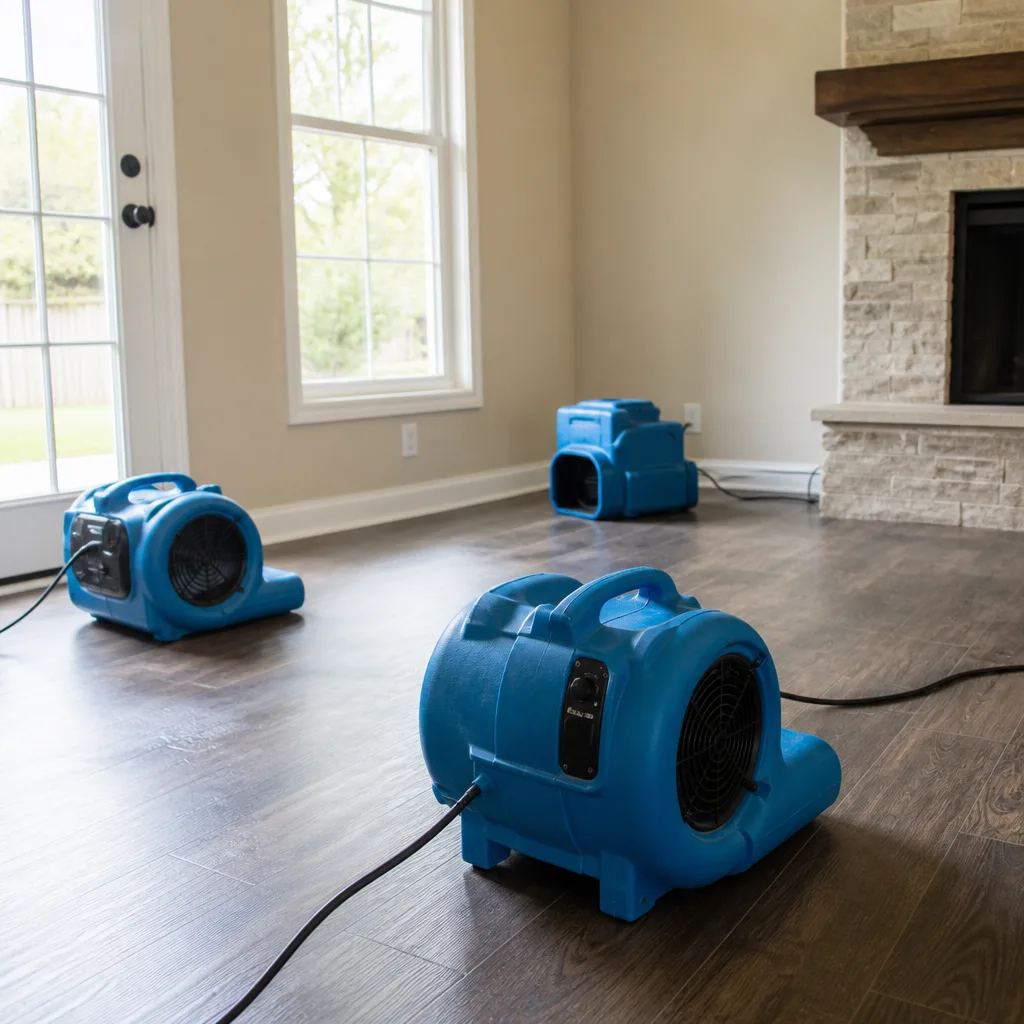

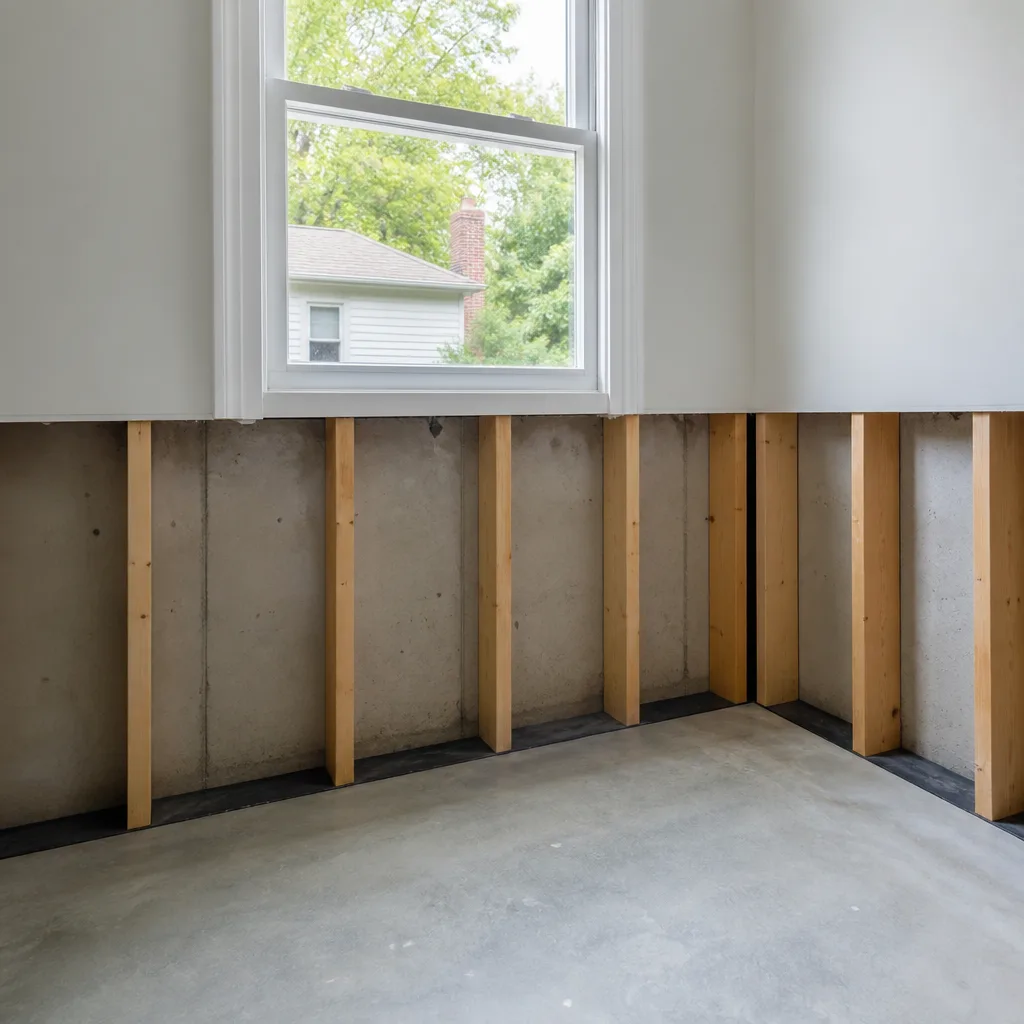

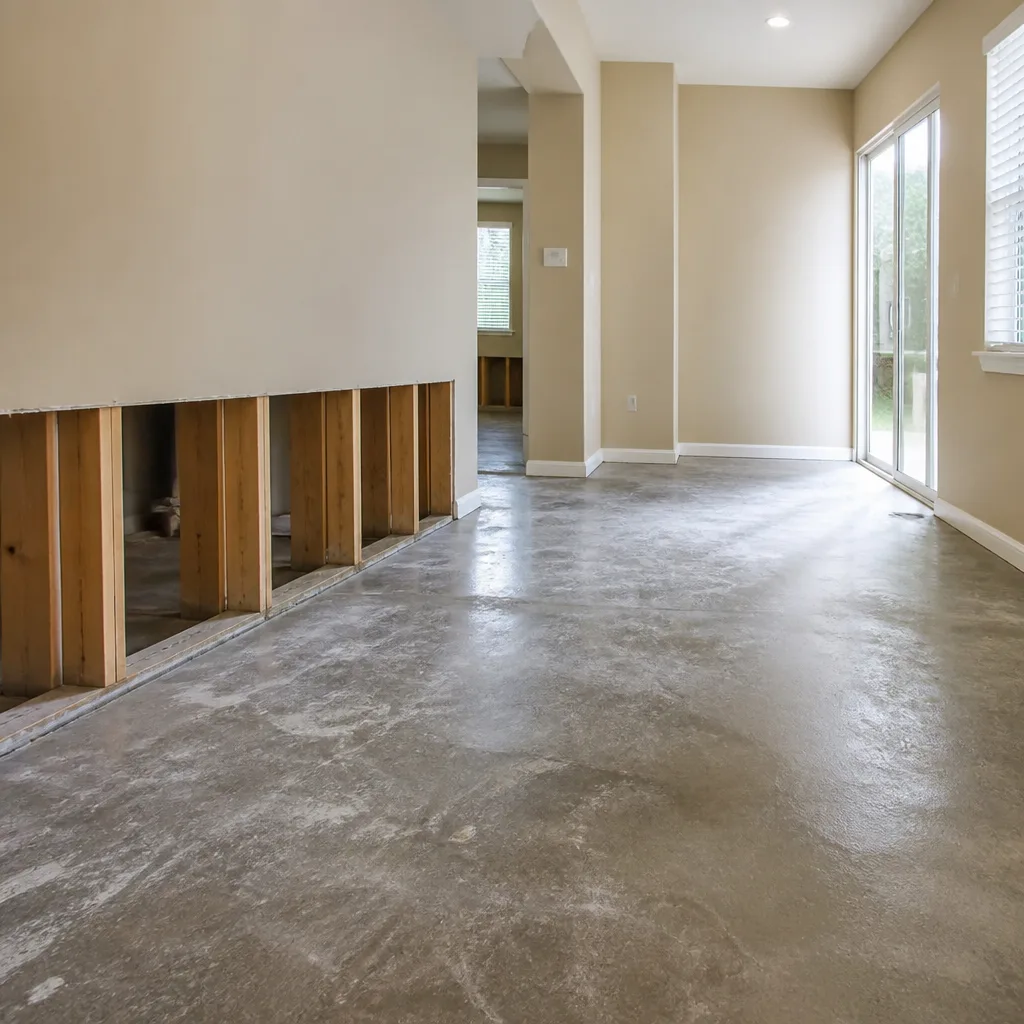

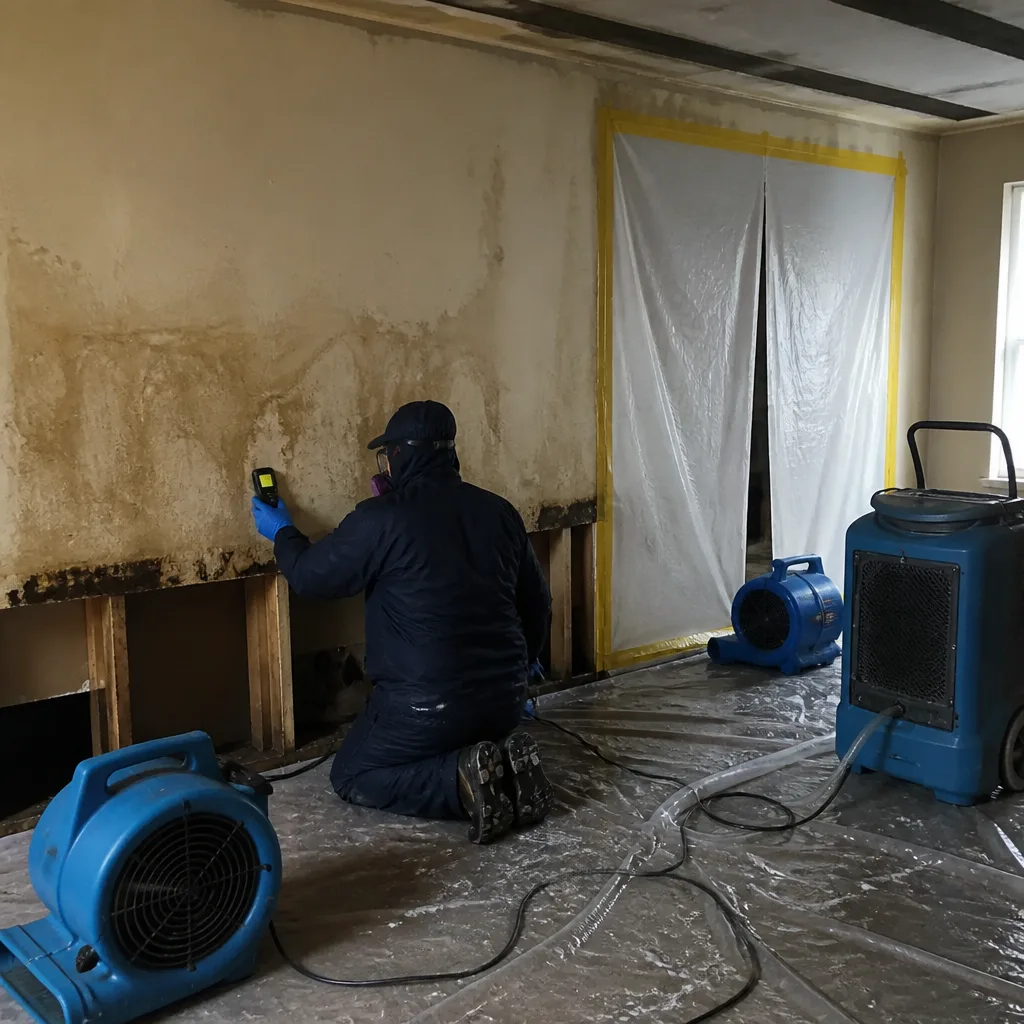 Before
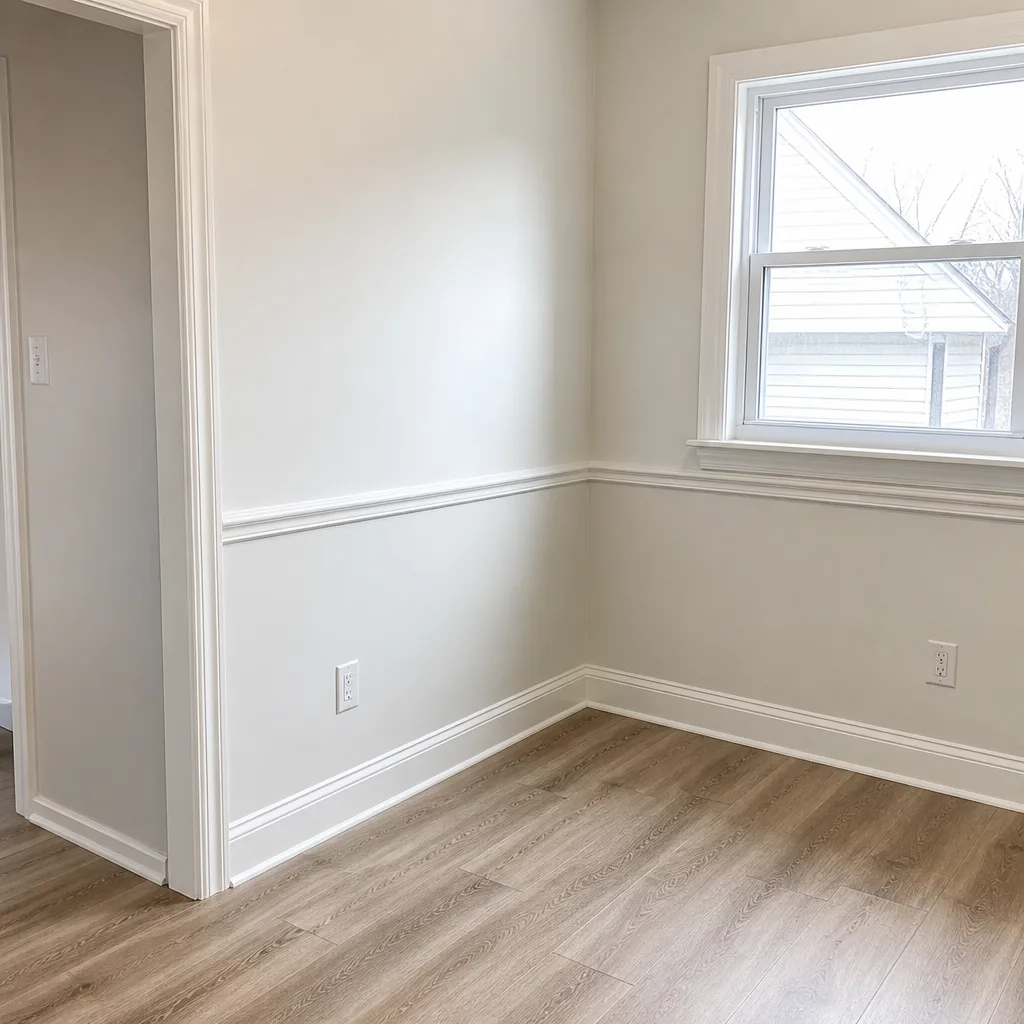 After
After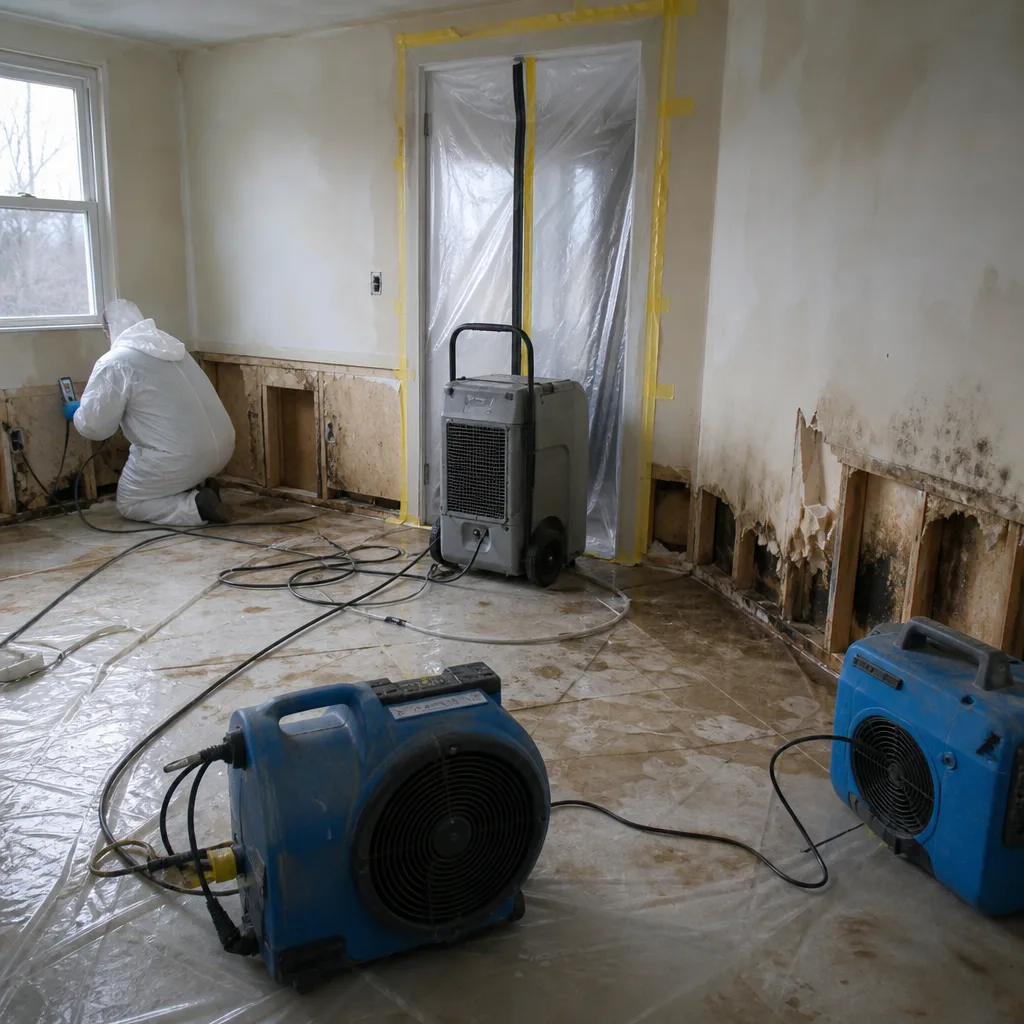 Before
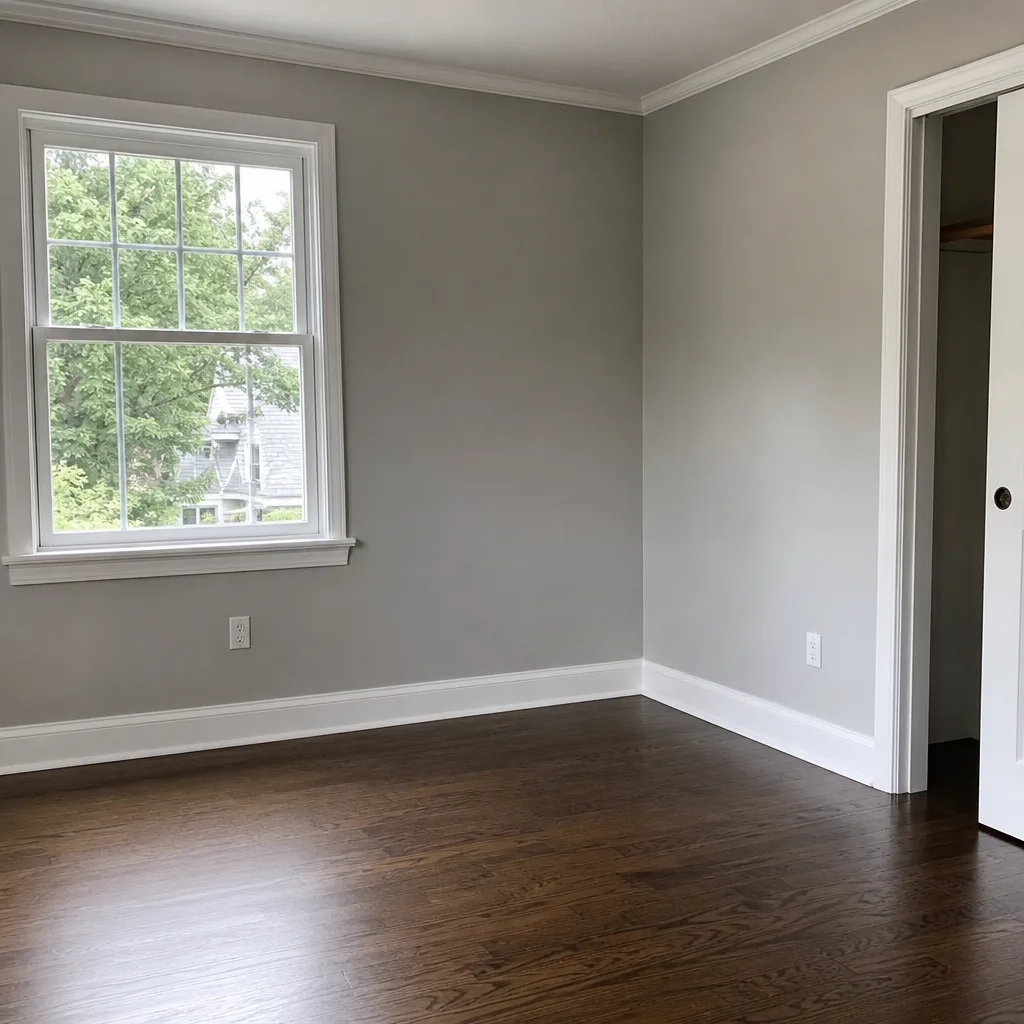 After
After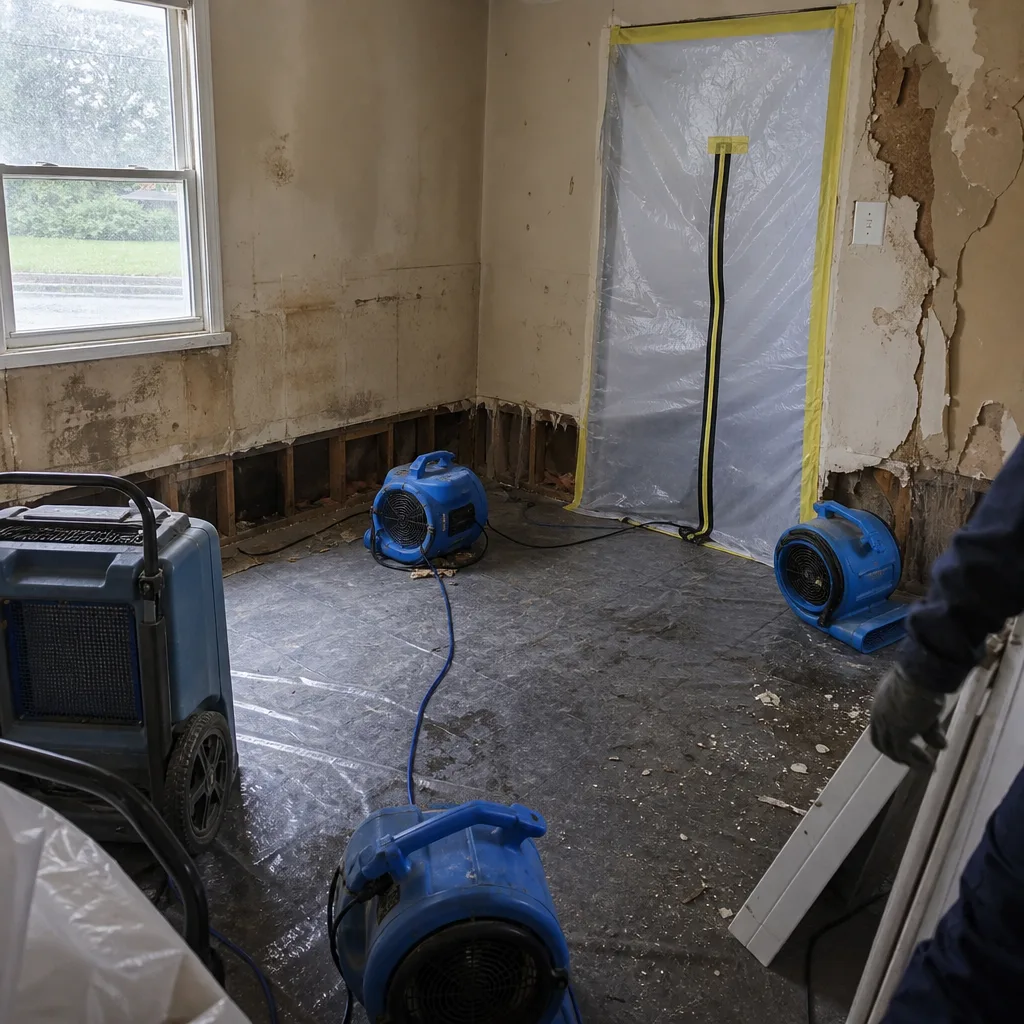 Before
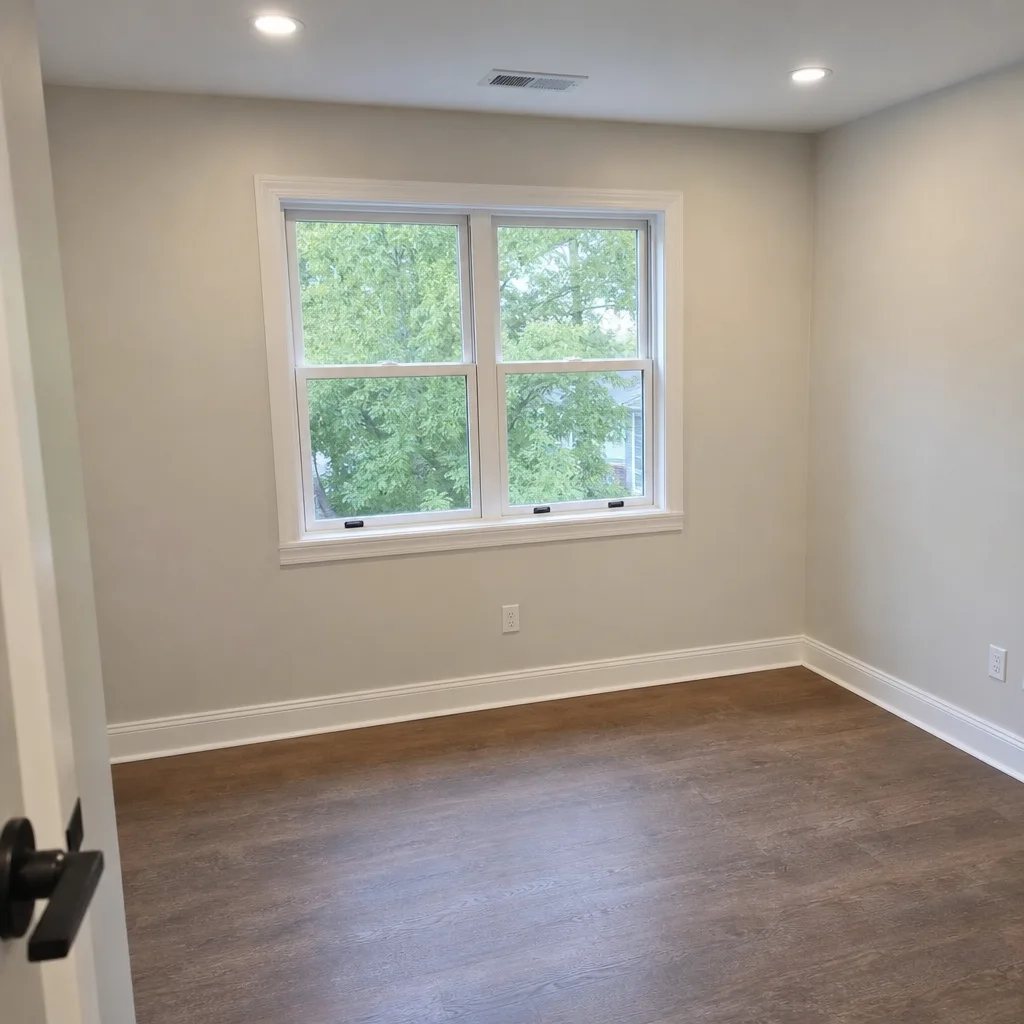 After
AfterThe Complete Guide to Damage Restoration in Tenafly
Here’s a number most homeowners in Bergen County never think about until it’s too late: a single inch of water inside a finished basement costs roughly three times more to restore than the same damage caught in the first hour. In Tenafly, where many homes sit on sloping lots with basements carved into hillside, water finds its way in through foundation seams, window wells, and French drains that quietly failed years ago. This guide explains what damage restoration actually involves, what it costs in our market, how insurance handles it, and how to spot a contractor who will do the job right rather than the one who’ll be gone before the drywall is back up. We’ll cover water, fire, mold, and storm damage with the specific detail that matters when your house is the one under water.
Quick Answer
Damage restoration in Tenafly means removing the immediate threat (water, soot, mold), drying the structure to a measurable standard, then rebuilding what was torn out. A full-cycle restoration company handles all three phases with the same crew, documents moisture readings daily, bills your insurance carrier directly, and puts a written guarantee on the finished work. In Tenafly, most water damage jobs run $2,800 to $7,500, and the single most important call you make is the first one, because every hour of delay adds real cost.
Table of Contents
- What Is Damage Restoration, Exactly?
- Water Damage in Tenafly: How It Happens and What It Costs
- Fire and Smoke Restoration: More Than Board-Up and Cleanup
- Mold Remediation: When Cleaning Isn’t Enough
- Storm Damage and Sewage Cleanup in Tenafly
- How Insurance Claims Work, Step by Step
- How to Choose a Restoration Company You Won’t Regret
- Common Mistakes to Avoid
- When to Call a Professional
- Frequently Asked Questions
- The Bottom Line
What Is Damage Restoration, Exactly?
Damage restoration is the process of returning a home to safe, livable condition after water, fire, mold, or storm damage. It runs in three phases that should never be split between companies if you can avoid it: mitigation (stopping the active damage), drying and cleaning (returning the structure to a measurable dry standard), and reconstruction (rebuilding what had to be removed). When one company handles all three, the person who read the moisture map on day one is the same person who signs off on the finished trim work. When the job gets handed off mid-stream, details get lost and homeowners end up playing telephone between a mitigation crew and a general contractor, often while the insurance adjuster waits on paperwork nobody wants to own.
The Floodline Restoration Co. home page explains our full-cycle approach in more detail, but the key distinction is simple: we don’t hand the job off. The same certified crew that pulls the baseboards also dries the studs, logs the daily moisture readings, and rebuilds the wall. That continuity matters more than most people realize until they’ve lived through a split job once.
Restoration work is governed by industry standards set by organizations like the IICRC, which publishes the S500 water damage standard and the S520 mold remediation standard. A company that trains its technicians to IICRC standards is working from a defined playbook, not improvising. That training shows up in small ways: knowing to cut drywall four inches above the water line instead of two, knowing when antimicrobial treatment is warranted and when it’s overkill, knowing how to read a moisture map so you don’t trap water behind a finished wall.
Water Damage in Tenafly: How It Happens and What It Costs
Water damage in Tenafly typically costs $2,800 to $7,500 for a typical basement or single-room loss, and most jobs can be mitigated the same day you call. The range depends on three things: how much water, how long it sat, and what it touched. Clean water from a supply line that gets extracted within hours is the cheapest scenario. Gray water from a washing machine overflow costs more because it carries detergent and bacteria. Black water from a sewage backup is the most expensive because everything it touches has to be removed and the remaining structure professionally disinfected.
We see the same handful of causes across Tenafly homes, and most of them are preventable. Sump pump failures are the number one culprit, especially in the lower-lying streets near the Tenafly Nature Center where the water table sits high in spring. Frozen supply lines burst most often in houses with crawl spaces and exterior-wall plumbing, which describes a good portion of the older housing stock near the Highwood and East Hill sections. Water heaters fail on a schedule, usually between year eight and year twelve, and almost always at night. Washing machine hoses burst without warning, and the rubber ones fail far more often than the braided stainless replacements.
Here’s what a typical water damage job in Tenafly looks like, step by step:
- Inspection and scoping. A certified technician locates the source, maps the affected area, and documents everything with photos before anything is moved. This documentation is what your insurance carrier needs, and it’s what our crews do from the first hour.
- Extraction. Standing water comes out with truck-mounted or portable extraction units. The goal is to remove every gallon that can physically be removed before drying equipment goes in.
- Containment and demolition. Wet carpet pad comes out, saturated drywall gets cut back, and baseboards are removed from affected walls. Anything porous that can’t be dried to the dry standard gets removed at this stage.
- Drying. Professional-grade air movers and dehumidifiers (Dri-Eaz and Phoenix units, in our case) run continuously, with daily moisture readings logged until the structure hits the dry standard, typically 6% to 12% moisture content for wood depending on the material.
- Cleaning and antimicrobial treatment. Affected surfaces are cleaned, and where warranted, treated to prevent mold growth.
- Rebuild. The removed drywall, baseboard, and flooring go back in, finished to match the surrounding space.
One thing to know about Tenafly specifically: many homes here were built before modern waterproofing practices, which means foundation seepage is a running issue after heavy rain. A home on a hillside off Knickerbocker Road will behave differently than a home on a flat lot near the downtown. We’ve worked in both, and the moisture maps look different too.
Fire and Smoke Restoration: More Than Board-Up and Cleanup
Fire damage restoration is not a cleaning job. It’s a sequence that starts with securing the structure, then moves to removing soot and smoke residue from every surface it touched, and ends with reconstruction of the burned areas. In Tenafly, where many homes are older with plaster walls and real wood trim, the restoration work often becomes a careful negotiation between what can be saved and what has to be replaced. Plaster can often be cleaned and refinished, but smoke gets into every crack, and soot is acidic enough to etch glass and corrode metal if it sits for more than a few days.
The restoration sequence matters. First comes board-up and tarping, because a house with a hole in the roof or a boarded window is a liability and a target. Then comes the soot and odor removal, which is the longest phase. Thermal fogging, ozone treatment, and hydroxyl generators each have their place depending on what burned and how long the smoke sat. Then comes content cleaning, where salvageable belongings get cleaned, deodorized, and stored until the structure is ready. Finally, the reconstruction phase rebuilds what the fire destroyed and what the firefighting water damaged, because the water from the hoses often does as much harm as the fire itself.
Our crews are trained to IICRC and RIA standards, which means the odor treatment plan is based on what actually burned: synthetic materials produce different residues than natural materials, and wood smoke behaves differently than protein smoke from a kitchen fire. The wrong treatment can set the odor into the structure permanently, and a homeowner won’t know until the first humid day of summer brings it back.
One detail most people don’t know: smoke from a small kitchen fire can travel through the HVAC system and coat every wall surface on the second floor even when the fire never left the kitchen. We routinely clean whole-house soot residue from fires that were contained to a single room, because the blower spread it everywhere. If you’ve had a fire more serious than a stovetop flare, assume the smoke went further than you can see.
Mold Remediation: When Cleaning Isn’t Enough
Mold remediation in Tenafly typically runs between $1,800 and $6,000 for a contained area, and the honest answer about mold is this: if you can see it on drywall, it’s probably behind the drywall too. The visible portion is often a fraction of the total. Mold sends out microscopic roots into porous materials, which is why surface cleaning alone doesn’t solve a real problem. The remediation standard, codified by the IICRC S520, calls for containment, removal of affected porous materials, HEPA-vacuuming of surfaces, and treatment of the remaining structure, followed by a clearance verification that the spore counts are back to normal background levels for the area.
The most common mold sources in Tenafly homes are the slow, quiet ones: a pinhole leak in a supply line inside a wall, a bathroom exhaust fan that vents into the attic instead of outside, a foundation crack that lets moisture wick up into a finished basement wall. We’ve removed mold from behind kitchen cabinets where a dishwasher connection dripped for two years without anyone noticing. The homeowner called because of a musty smell, and by the time we opened the wall, the mold covered a six-foot span of studs.
Here’s the thing about mold that every homeowner in Tenafly should know: you can’t permanently solve a moisture problem with chemicals alone. Kill the mold and keep the leak, and the mold comes back. That’s why real remediation always starts with finding and fixing the moisture source, then removing the mold that grew because of it. A company that just sprays and walks away hasn’t fixed anything. A company that finds the leak, fixes it, removes the affected material, treats the cavity, and then verifies the air is clean has done the job.
Storm Damage and Sewage Cleanup in Tenafly
Storm damage in Tenafly takes a few predictable forms: wind damage to roofs and siding, water intrusion through failed flashing or overwhelmed gutters, and basement flooding when the storm drainage system backs up during heavy rain. The town’s stormwater infrastructure handles normal weather well, but a true downpour, the kind we get in late summer, can overwhelm the system and send water into basements that have stayed dry for twenty years. Hudson Avenue, Tenafly Road, and the lower sections near the railroad tracks are where we see the most storm-related basement flooding, but no street is immune.
Sewage cleanup is a different category entirely, and it’s one where DIY attempts go wrong in ways that matter for your family’s health. Sewage is black water. It carries bacteria, viruses, and parasites that can cause serious illness, and it requires full personal protective equipment, containment, removal of all affected porous materials, and professional disinfection of everything left behind. We’ve been called to homes where a homeowner spent two days “cleaning up” a sewer backup with bleach and a shop vac, then called us because the smell wouldn’t leave. The real problem was that the sewage had wicked up into the drywall, and no amount of surface cleaning was going to fix that.
Safety note on storm and sewage work: standing water in a basement can be electrically live if outlets or appliances are submerged. Do not enter standing water in a flooded basement until the power to that area is confirmed off at the panel. This is not a theoretical risk; it happens every storm season somewhere in Bergen County. A trained professional checks for electrical hazards before stepping into the water, and that check happens before anything else.
How Insurance Claims Work, Step by Step
Insurance is almost always in the room during a restoration, even if the homeowner doesn’t think about it that way. Your policy covers sudden and accidental water damage, fire and smoke damage, and most storm-related damage. It typically does not cover long-term seepage, gradual leaks that went unrepaired, or flood damage from rising groundwater unless you carry a separate flood policy. In Tenafly, where the town sits above the flood plain for the most part, most water damage claims involve sudden events: burst pipes, supply line failures, sump pump failures when there’s a specific rider for it.
Here’s how the claims process works when you work with a restoration company, step by step:
- Documentation. The restoration crew photographs everything before work begins: the water line, the affected materials, the source of the damage. This documentation becomes the basis of your claim.
- Mitigation begins. Your policy requires you to mitigate further damage, which means extraction and drying start immediately. You don’t wait for an adjuster to show up before stopping active water damage.
- Scope agreement. The restoration company writes a detailed scope of work: what gets removed, what gets replaced, what it costs. This written scope is your protection against surprise bills and scope creep.
- Adjuster review. Your insurance adjuster reviews the scope, compares it to the documentation, and approves the work. This is where having a restoration company that bills the carrier directly saves you weeks of back-and-forth. We coordinate directly with your adjuster, including the documentation and the scope review.
- Completion and sign-off. The work gets done, the moisture log shows the dry standard was met, and the bill goes to the carrier. You pay your deductible, and that’s the end of it.
One piece of advice from years of dealing with adjusters in the Tenafly area: keep your own file of photos and documentation, even if the restoration company has one too. The homeowner who can produce their own before-and-after photos is in a stronger position during any disputed scope review. We provide photo documentation on every job, and we encourage our customers to take their own photos too.
How to Choose a Restoration Company You Won’t Regret
The restoration industry has a reputation problem, and it’s earned. The worst operators show up after a storm, take deposits, do partial work, and disappear. They know that a homeowner in crisis is not comparison shopping. They count on it. The best defense is knowing what to look for before you need the service.
First, look at how long the company has been operating under its current name in the same town. A company that plans to be in Tenafly in thirty years hires local, trains apprentices into journeymen, and answers the phone with a person. A company that’s a cell phone number and a rented van might be gone by next spring. We’ve been serving local communities for over 42 years, and our crews live in the region. We answer the phone at 2 a.m. with a live dispatcher, not a recording.
Second, ask about certifications. IICRC, RIA, and IFA are the three main standards bodies in this industry, and they mean the technicians have been through formal training, not just on-the-job learning. Our technicians are background-checked, uniformed, and certified to IICRC, RIA, and IFA standards.
Third, ask about the equipment. A serious restoration company owns professional-grade drying equipment, not a couple of rental fans from the hardware store. We run Dri-Eaz, Phoenix, XPOWER, B-Air, and Injectidry units: the same equipment the insurance industry’s preferred vendors use, because it’s the equipment that gets a structure dry in days, not weeks.
Fourth, and this is the one that matters most: get the guarantee in writing. A verbal promise means nothing. Ours is called the 90-Day Done Right Promise, and it’s given in writing on every job. If it’s not done right, we make it right. No paperwork battles, no arguing. We call it the Keystone Standard internally, backed by a simple code: Krafted right, Every time, Your home first, Standing behind it. That’s the deal. Done right, and backed in writing.
Common Mistakes to Avoid
- Waiting to call. Water damage compounds hourly. What costs $3,000 on day one can cost $9,000 on day four, once mold has set in and drywall has wicked water up to the ceiling. Call first, ask questions while the crew is on the way.
- Using a shop vac and a fan and calling it dry. Surface drying is not structural drying. The moisture behind the baseboard and inside the wall cavity is where the mold grows. Without a moisture meter and professional dehumidification, you’re not drying; you’re postponing.
- Hiring the first contractor who shows up. After a storm, out-of-town contractors canvas neighborhoods looking for easy deposits. A real restoration company in Tenafly has an address, a phone number answered by a person, and a history in the town. Check all three.
- Not documenting before cleanup begins. Your insurance claim depends on photos of the damage before anything was moved or removed. Take your own photos even if the restoration crew is documenting too. Tenafly adjusters see a lot of claims, and documentation wins disputes.
- Treating mold with bleach. Bleach kills surface mold but doesn’t penetrate porous materials, and it doesn’t address the moisture source. IICRC standards don’t call for bleach as a primary mold treatment, and for good reason. The mold behind the drywall survives, and you’ve just added moisture to the problem.
- Accepting a verbal scope of work. If the scope isn’t in writing, you don’t have a scope. Every legitimate restoration job in Tenafly should come with a written, itemized scope before work starts. Ours does, on every job, no exceptions.
- Letting the mitigation company and the rebuild company fight it out. This is the split-job trap. The mitigation crew says the rebuild company damaged their drying setup. The rebuild company says the mitigation crew over-dried the framing. You’re in the middle. A full-cycle restoration company eliminates the fight because the same crew owns the whole job.
When to Call a Professional
Call a professional restoration company the moment you discover standing water, a sewage backup, a fire, or visible mold larger than a dinner plate. The hour you spend deciding is not free; water is still wicking, soot is still etching, mold is still growing. Call a professional when the water came from a sewage line or a toilet overflow, when the water has touched drywall or flooring, when a fire left smoke residue beyond the room of origin, when you smell mold but can’t find it, and any time a storm has put water where it hasn’t been before. Floodline Restoration Co. offers free estimates in Tenafly, call (551) 348-3742 and a live person will answer.
Frequently Asked Questions
Water damage restoration in Tenafly typically costs $2,800 to $7,500 for a contained single-room or basement loss, with extraction and drying most often completed the same day. The final cost depends on the water category (clean, gray, or black), how long the water sat, and what materials were affected. Call (551) 348-3742 for a written, no-surprises estimate on your specific situation.
We dispatch crews to Tenafly the same day you call, with extraction running the same visit. A live dispatcher answers the phone 24/7, every day of the year, and our crews carry professional-grade Dri-Eaz, Phoenix, and Injectidry equipment on every truck, so drying equipment goes in with the first visit, not the second. Call (551) 348-3742 and a person will answer, day or night.
Insurance covers sudden and accidental damage, including burst pipes, supply line failures, fire, smoke, and most storm-related water intrusion, minus your deductible. It does not typically cover long-term seepage, gradual leaks, or groundwater flooding without a separate flood policy. We coordinate directly with your adjuster, bill your carrier directly, and provide photo documentation from the first hour, so you’re not playing messenger between us and the insurance company.
If you can see mold on drywall, the growth behind the wall is almost always larger than the visible portion, and surface cleaning won’t solve it. If you’ve had sewage or toilet overflow water, there is no cleaning that makes affected porous materials safe; they need removal and professional disinfection. If you’ve had clean water extracted within hours, you may only need drying and antimicrobial treatment. The honest way to know is a professional assessment with a moisture meter, and our assessments are free in Tenafly at (551) 348-3742.
We do. Floodline Restoration Co. coordinates directly with your insurance adjuster, from initial documentation through final billing. We provide photo documentation, the daily moisture log, and the written scope of work in the format adjusters expect, and we bill the carrier directly so you’re not fronting thousands of dollars and waiting for reimbursement.
In New Jersey, restoration companies should hold IICRC, RIA, or IFA certifications for their technicians, plus appropriate state licensing and insurance coverage. Our technicians are background-checked, uniformed, and certified to IICRC, RIA, and IFA standards, and we’re a local Tenafly restoration company with over 42 years in the communities we serve. Call (551) 348-3742 with any question, and a person will answer.
The Bottom Line
Damage restoration in Tenafly comes down to three things: speed on the front end, thoroughness in the middle, and a written guarantee at the end. Hire a company that answers the phone with a live person at any hour, that runs professional-grade drying equipment and logs daily moisture readings, that coordinates directly with your insurance carrier, and that puts the guarantee in writing. Avoid the split-job trap where a mitigation crew hands you off to a builder you’ve never met. A square deal means no surprises on the bill, a written scope before work starts, and the same crew from the first extraction to the final coat of paint. That’s what we do at Floodline Restoration Co., and we’ve been doing it in Tenafly since 2010.
Current offers for Tenafly homeowners: $50 off any repair over $250, the $89 seasonal tune-up, and a senior and veteran 5% discount, always. Call (551) 348-3742 for a free estimate, answered by a live person, 24 hours a day, 7 days a week.
Written by Curt Bowman, Owner at Floodline Restoration Co., serving Tenafly since 2010.