
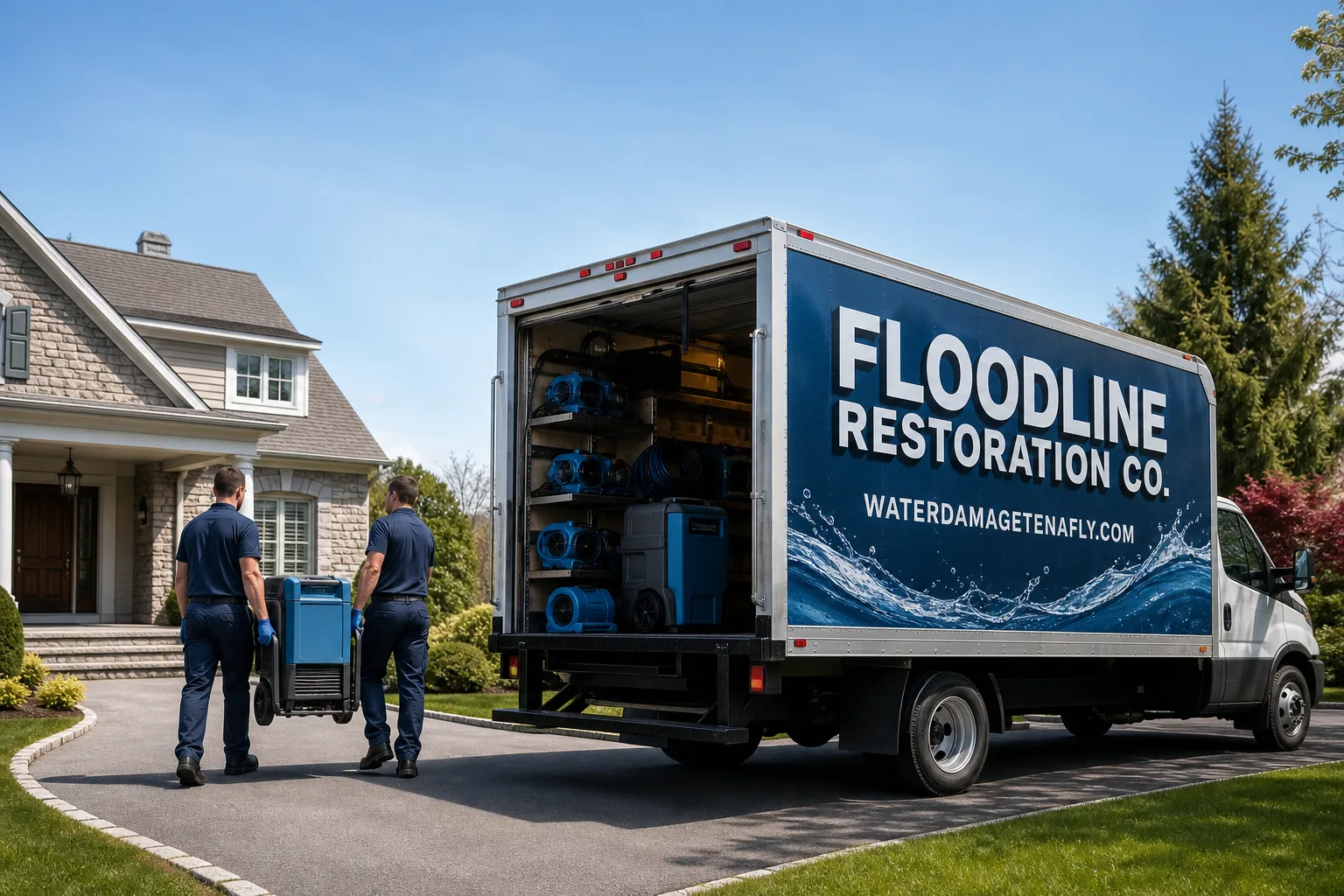
Free visual inspection and a written scope of work before any mitigation begins - photos, moisture readings, and drying logs go in your claim file
The scope we write is the scope we bill. Anything new gets shown to you, in writing, before we touch it.
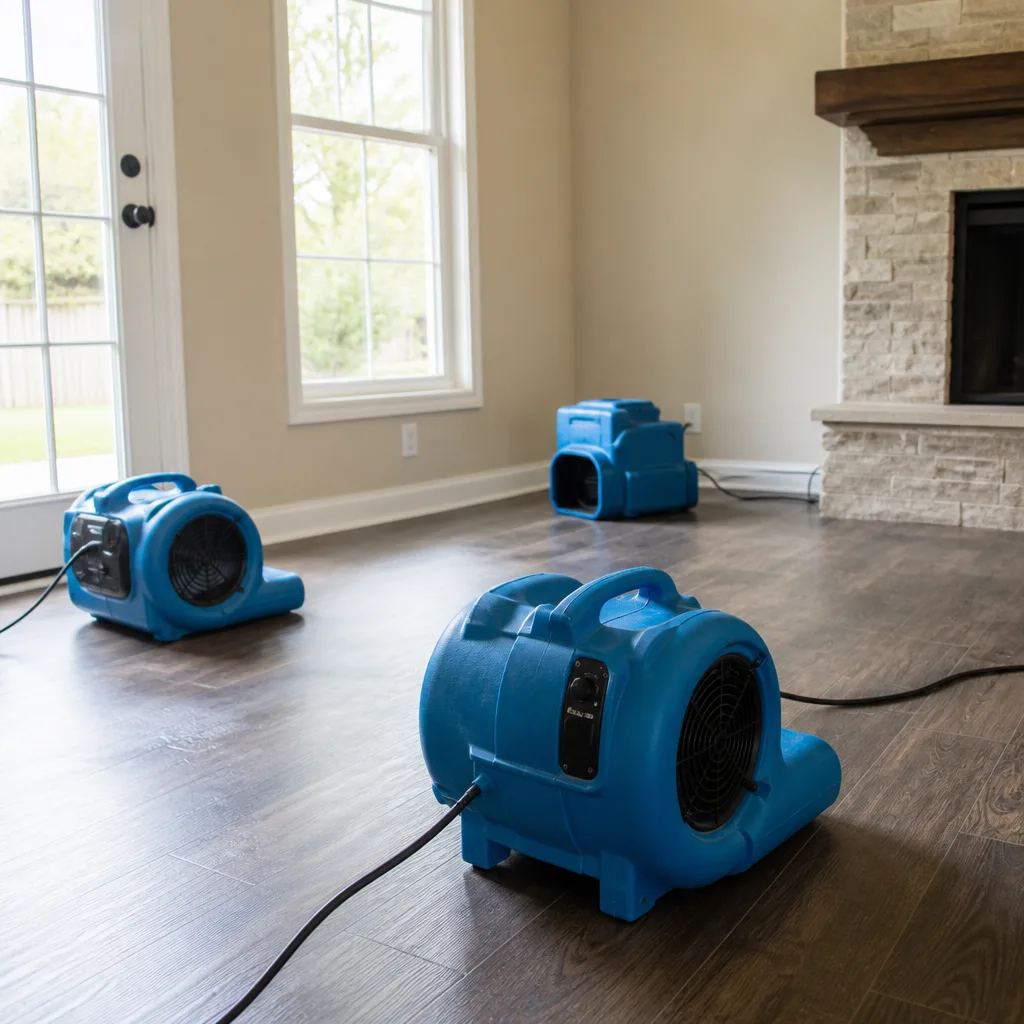

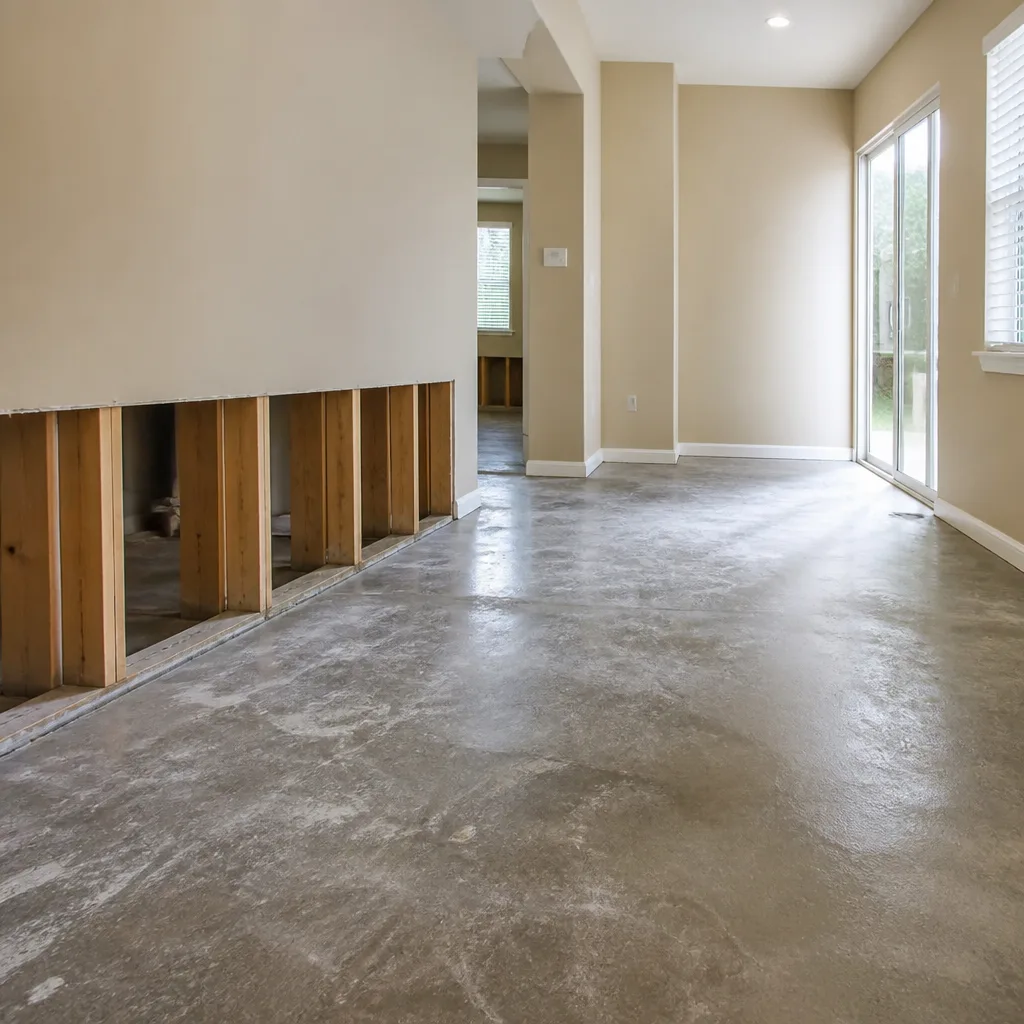

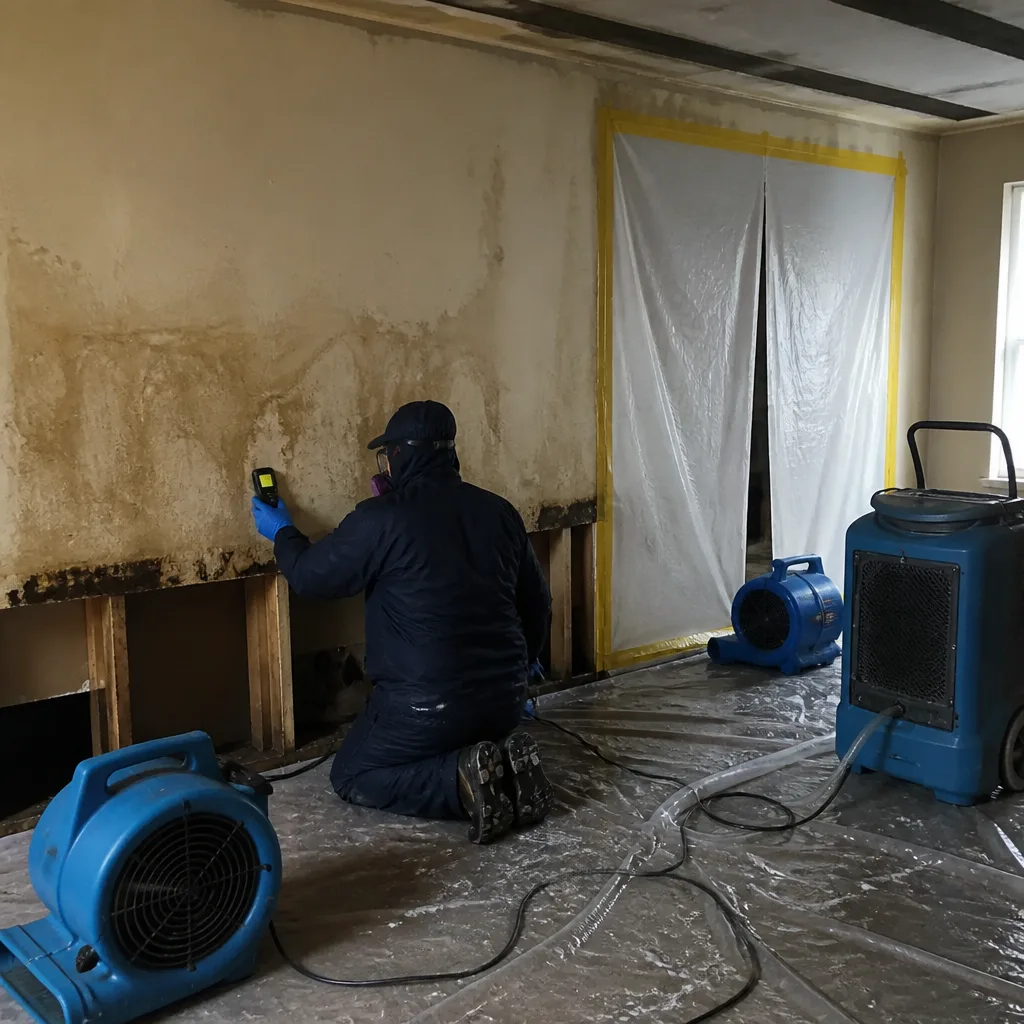 Before
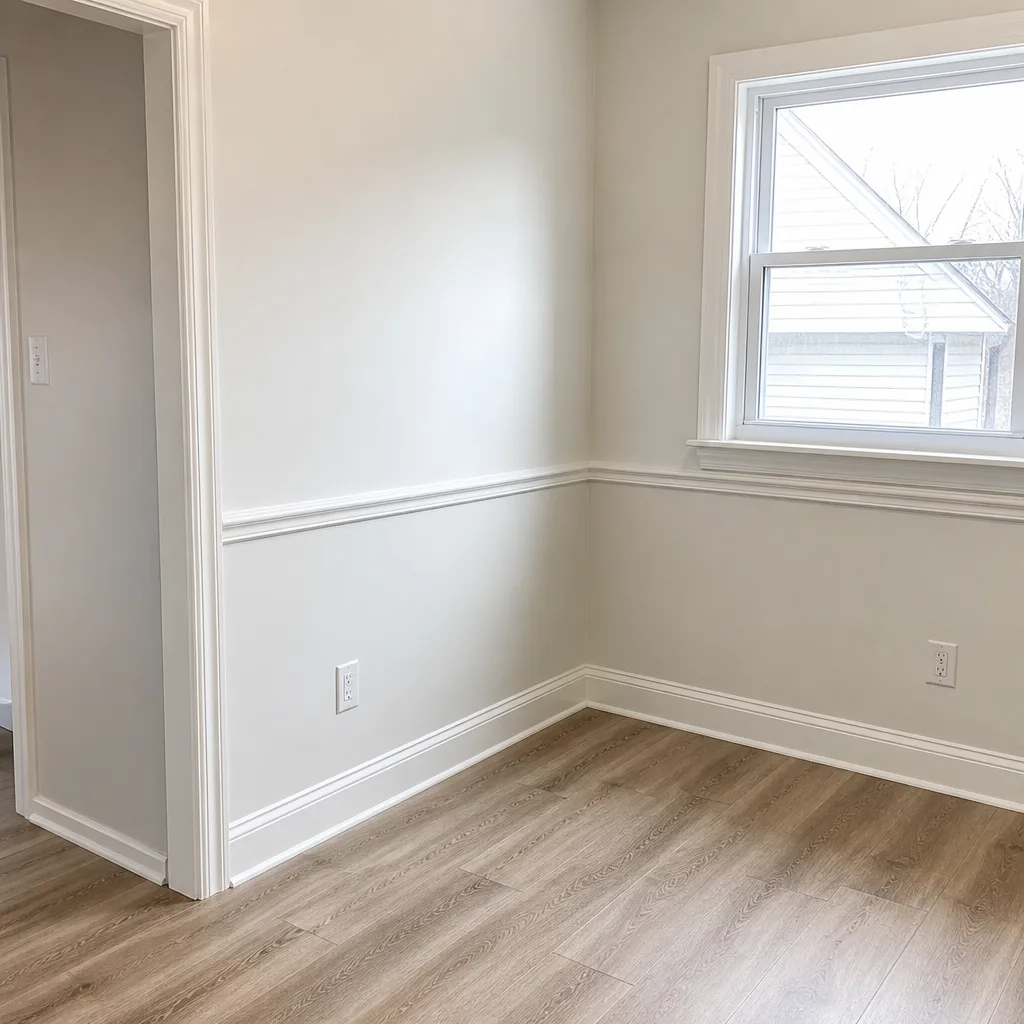 After
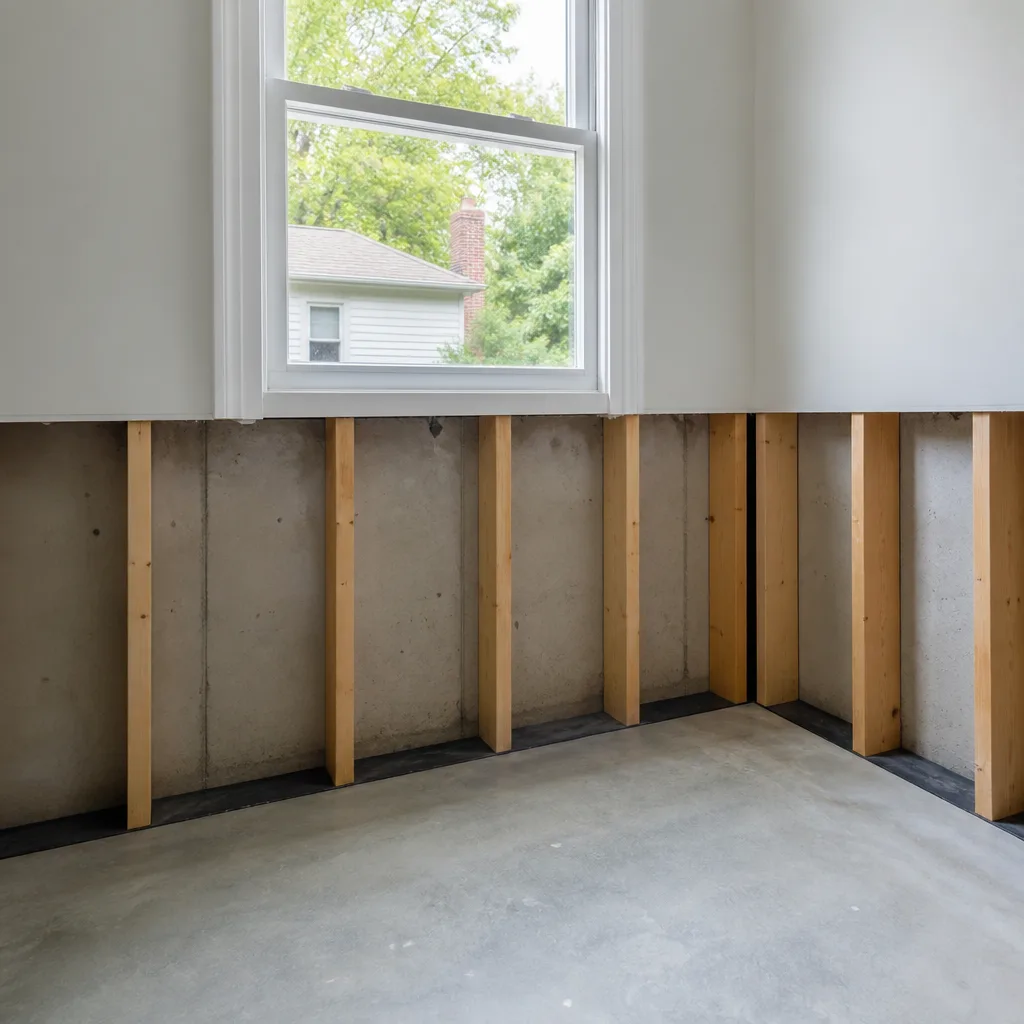
After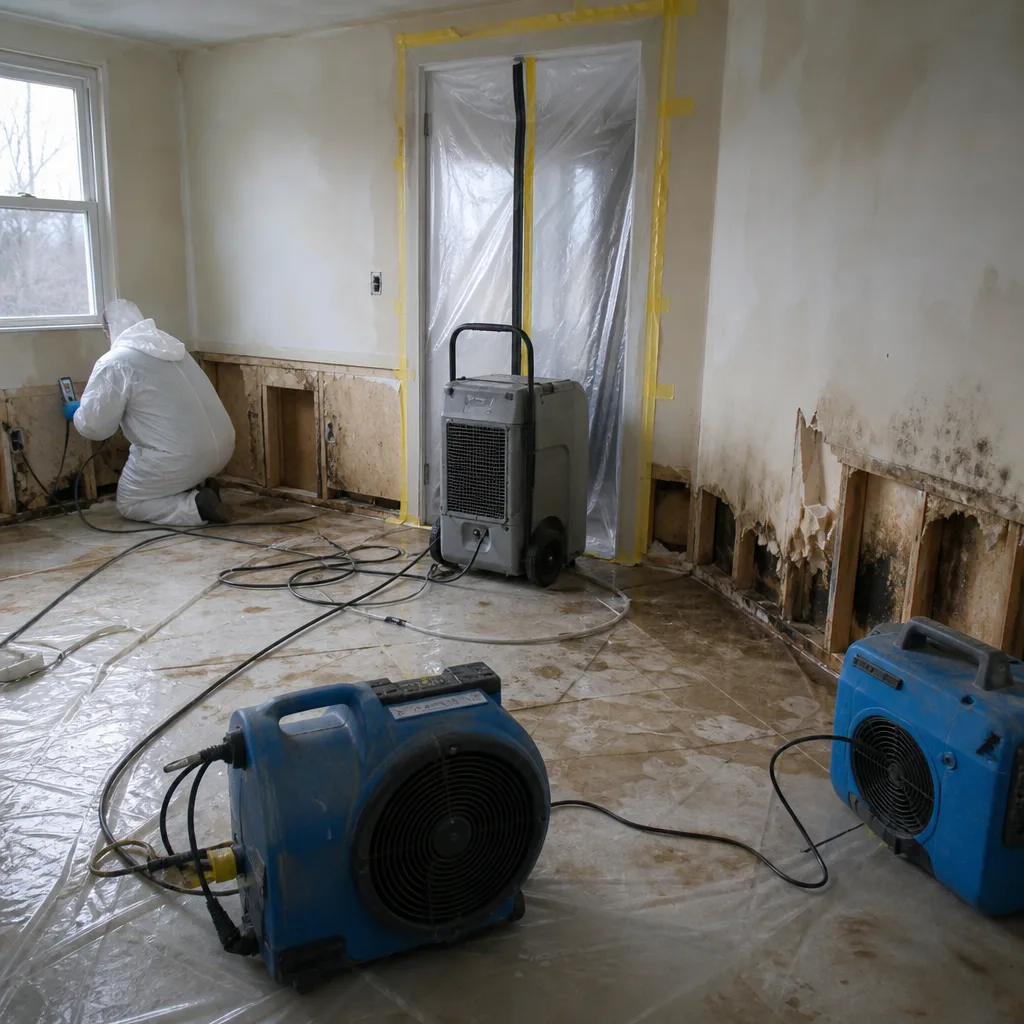 Before
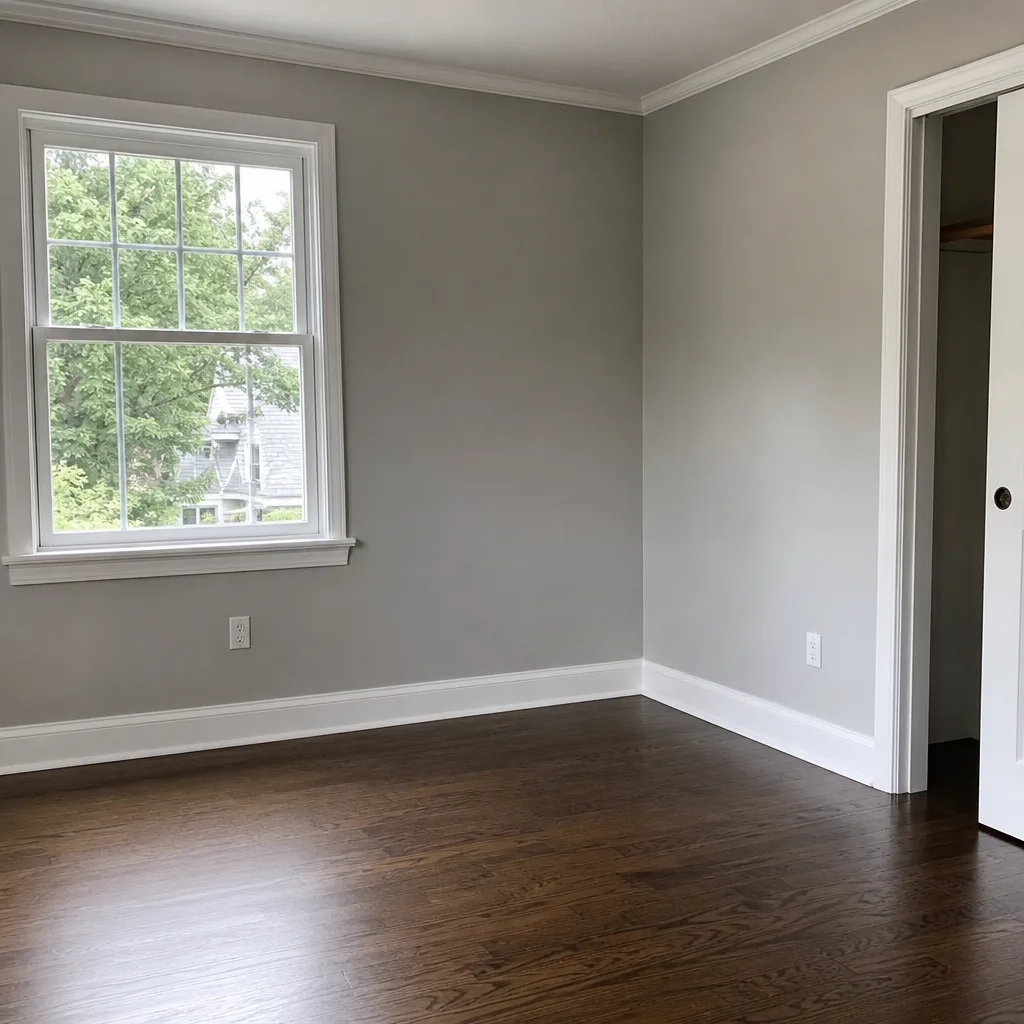 After
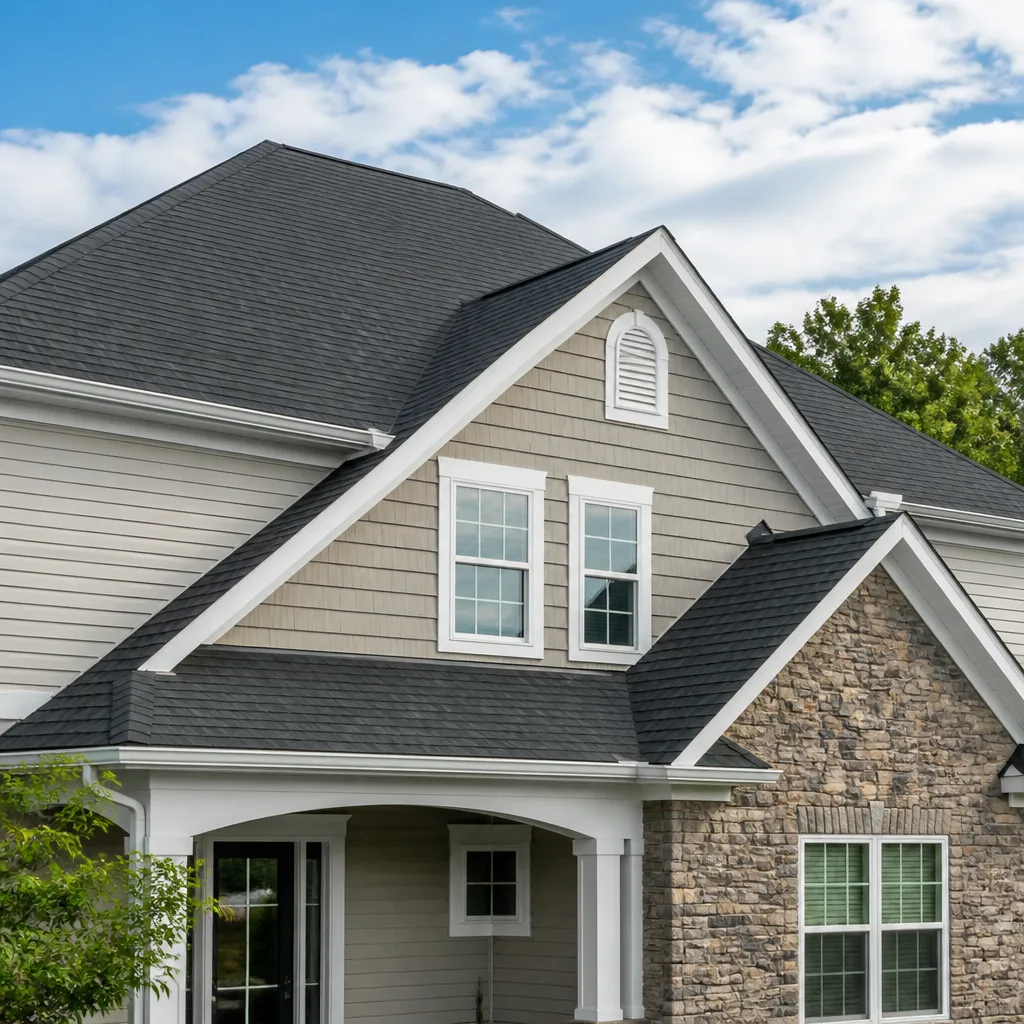
After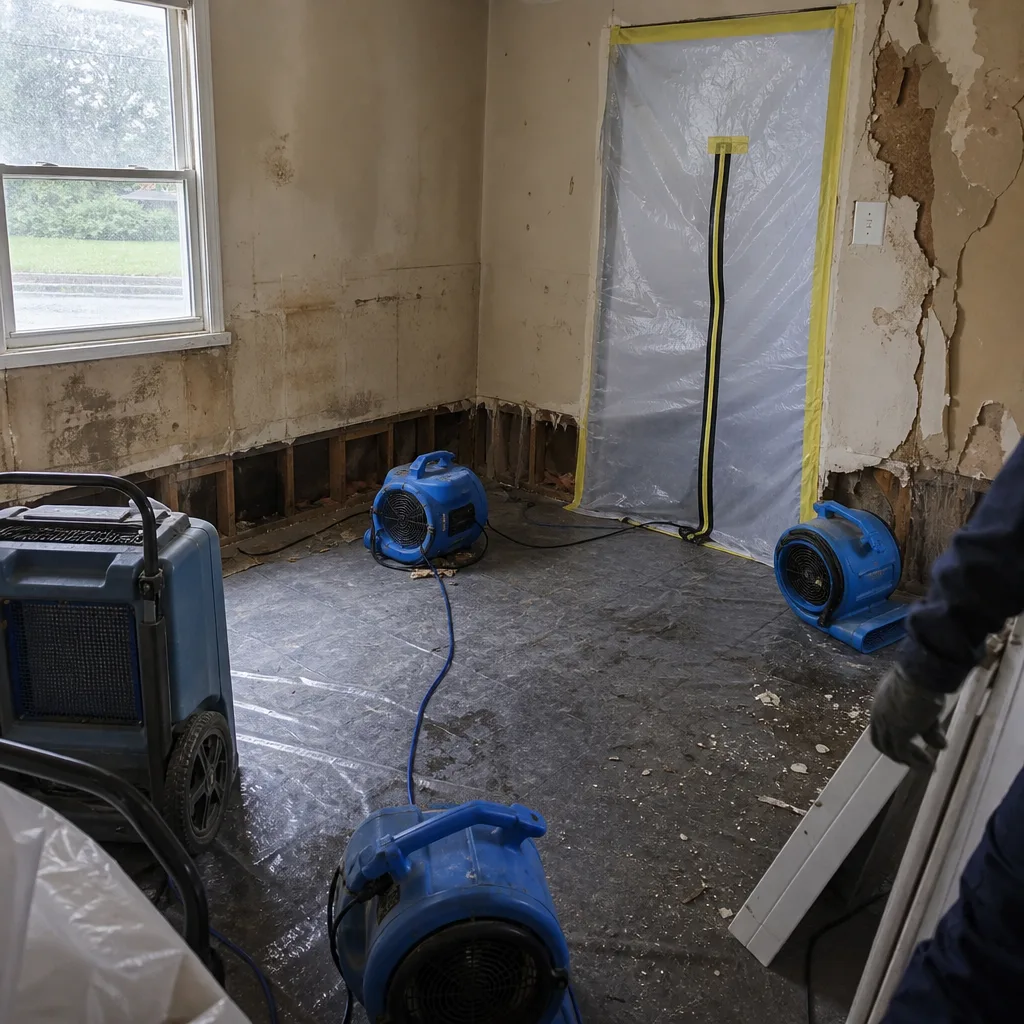 Before
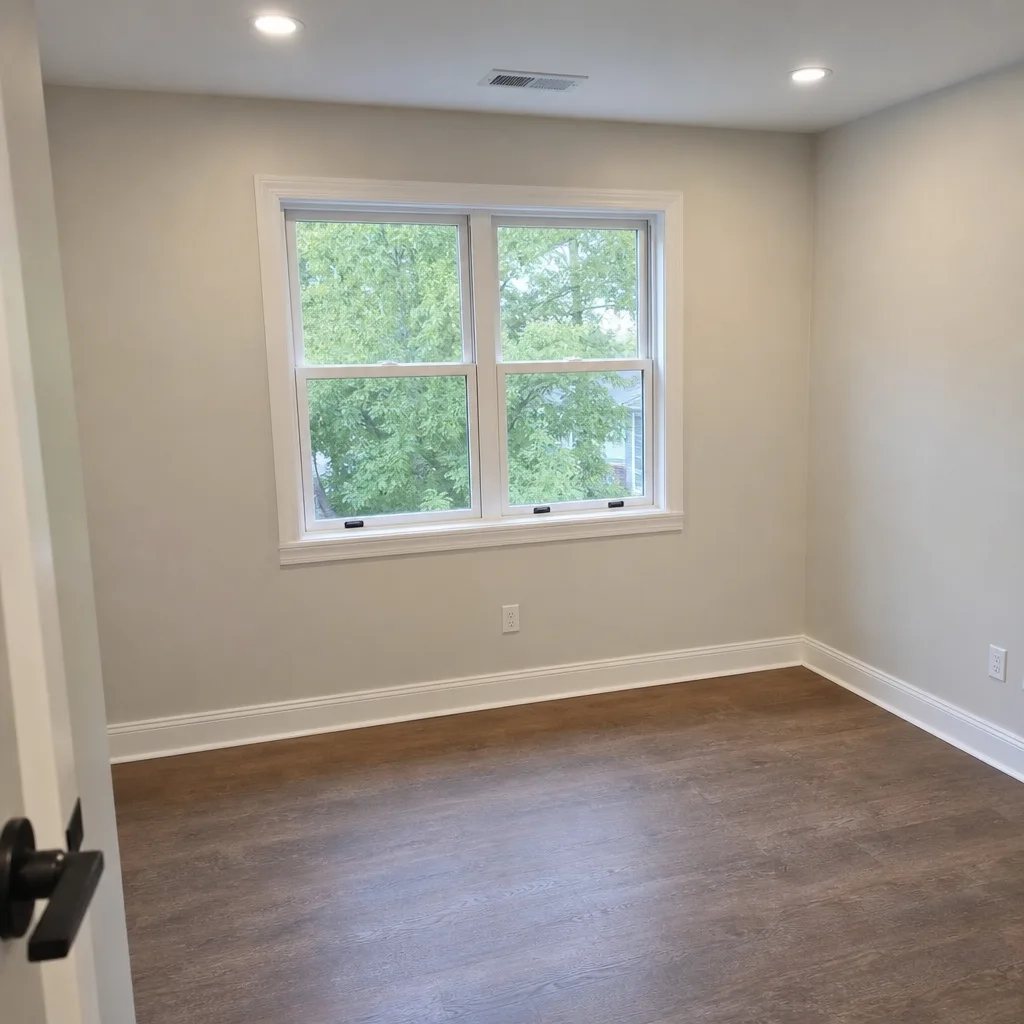 After
After24/7 Emergency Water Damage Restoration in Riverdale
Water damage restoration in Riverdale typically costs $1,800-$6,400 for a standard Category 1 or 2 loss in a co-op apartment, and $8,000-$25,000+ when a cast-iron riser fails across multiple floors of a pre-war tower. Our crews reach most Riverdale buildings within 45 minutes of your call, because we run local dispatch, not a national call center. The first hour determines whether you are drying plaster or gutting it: water moves through 1920s plaster walls and oak flooring faster than most homeowners expect, and every hour of standing water pushes a Category 1 incident toward Category 3 contamination. Call (551) 348-3742 now. A live person answers, day or night, and we will have extraction equipment running the same visit.
Understanding Water Damage Restoration Severity in Riverdale Properties
Water losses fall into three categories, and the category determines everything downstream. Category 1 is clean water, usually from a supply line or burst copper riser. Category 2 carries contaminants from appliances, drain backups, or cast-iron stack failures. Category 3, the one nobody wants, is sewage or floodwater with bacteria and pathogens. In Riverdale’s pre-war co-op buildings, a Category 1 leak from a riser can degrade to Category 2 within 48 hours when the water saturates original plaster and lathe, because those materials hold moisture against framing far longer than drywall. Moisture mapping, using thermal imaging and penetrating meters like Dri-Eaz’s hydrosensors, tells us where the water actually travelled, not just where it pooled. That matters in a 1930s Art Deco tower on Netherland Avenue, where water follows the slope of a concrete slab into the unit below. Structural drying means bringing wood floor subfloors, plaster cavities, and masonry walls to a stable moisture content, typically below 16% wood moisture equivalent for framing, before any rebuild work begins.
Why Riverdale Property Owners Choose Floodline Restoration Co.
- 45-minute response commitment to Riverdale addresses. We dispatch from the metro New York City office with crews already staged for Northwest Bronx and Hudson River corridor calls. When a riser lets go at 9 p.m., you are not waiting on a truck from Long Island.
- A live person answers every call, 24/7. No automated phone tree, no “leave a message and we will get back to you.” Two in the morning, you get a dispatcher who knows Riverdale’s buildings and can start triage over the phone.
- IICRC-certified crews trained to WRT and ASD standards. Every technician is background-checked, uniformed, and certified to IICRC, RIA, and IFA standards. We do not send subcontractors we just met.
- Free visual inspection with moisture readings. We tell you what is actually wet before any money is discussed. You get numbers, not a sales pitch.
- Direct insurance billing. Floodline Restoration Co. works directly with your carrier. You never play messenger between us and an adjuster, and the bill reflects the agreed scope, not a surprise after the fact.
- One crew from extraction to reconstruction. The same team that maps moisture on day one handles daily drying logs, patches the chase, and rebuilds what needs rebuilding. No mid-job handoff to a crew that never saw the original damage.
Our Water Damage Restoration Process
Inspection & Assessment
We arrive, read the moisture map with thermal imaging and penetrating meters, and identify the water category. In a Riverdale co-op, this step often includes contacting the building super and confirming access to riser chases or common-area shutoffs before we open anything.
Extraction / Stabilization
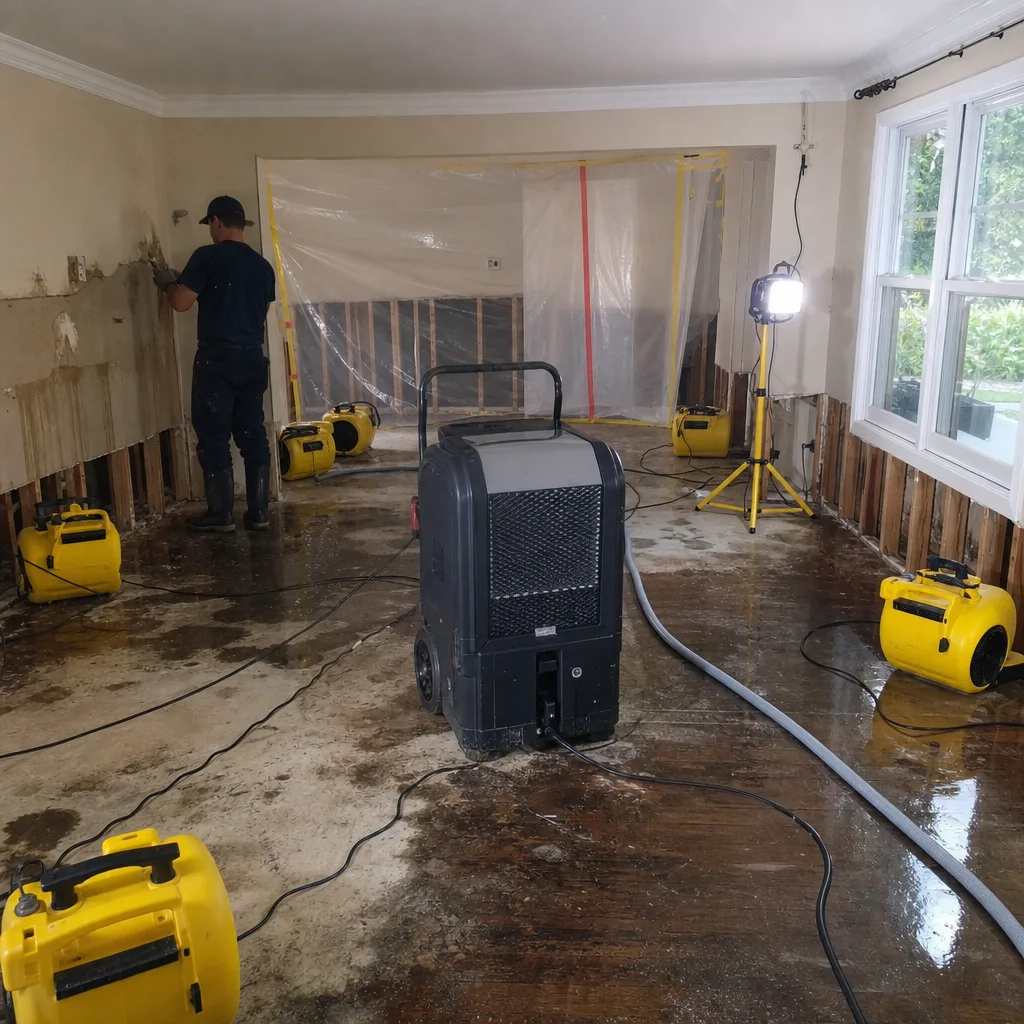
Truck-mounted and portable extraction units pull standing water from floors, crawl spaces, and wall cavities. We stop the source first: a burst riser needs the building’s main shutoff, while a slab leak may need a plumber’s patch before drying begins.
Drying & Dehumidification
Dri-Eaz dehumidifiers and Phoenix air movers are positioned based on the moisture map, not a guess. In plaster-and-lathe walls, we often use Injectidry systems to pull air through wall cavities without gutting period plasterwork.
Cleaning & Sanitization
Category 2 and 3 water requires antimicrobial treatment and potentially HEPA air scrubbing, especially in occupied co-op units where residents are still living in adjacent rooms. We contain the affected area before disturbing contaminated materials.
Board Coordination & Access Sign-off
In Riverdale co-ops, we document what we need to open, take photos, and provide written rationale to the board or managing agent. This keeps the job moving without a dispute later about who authorized what.
Repairs & Restoration
Once drying logs show stable readings for three consecutive days, we rebuild. Plaster patchwork, hardwood floor refinishing, baseboard replacement, and painting happen with the same crew that started the job.
Need Emergency Water Damage Restoration in Riverdale Now?
Crews minutes away, answering live 24 hours a day. The sooner we start, the less it costs.
Working With Your Insurance Company
Water damage claims in Riverdale co-ops are complicated by the building’s own master policy, which typically covers common areas and the structure behind your walls, while your individual policy covers your unit’s finishes and contents. We have handled hundreds of these stacked-liability claims, and we know what documentation each carrier expects. From the first hour, we photograph every affected room, log moisture readings daily, and write a line-item scope in industry-standard format. When your adjuster asks a question, we answer it directly. You should not have to translate between a co-op board, a building super, and an insurance carrier while your walls are wet.
What We Provide Your Insurer
- Thorough documentation of the loss
- Photos of all damage, room by room
- Moisture readings and drying logs
- A detailed, line-item scope of work
- Direct coordination with your carrier
Built for Riverdale’s Loss Calendar
Riverdale’s geography puts it in the crosshairs of four distinct loss seasons. January and February bring deep freezes that split copper supply lines in unheated basement garages and burst risers in pre-war co-op towers, where original cast-iron pipes have decades of scale and corrosion. March’s thaw saturates the ground around foundation walls, and the Hudson River’s elevated humidity on north- and west-facing building elevations feeds condensation inside plaster walls, which many owners mistake for a roof leak. Summer thunderstorms roll down the Hudson valley and dump inches of rain in an hour, overwhelming roof drains on flat-roofed mid-century towers and sending water through curtain-wall window frames. October and November bring nor’easter winds that drive rain horizontally against masonry facades, exposing failed mortar joints and failing caulk around window frames. Each season creates a different damage profile, and our drying strategy adapts accordingly. A January freeze loss is a single line break with clean water; a July downpour through a failed roof membrane is a multi-unit event.
Water Damage Restoration Across Riverdale’s Neighborhoods
Riverdale’s three residential cores each present distinct challenges. Along Netherland Avenue and up toward Wave Hill, the pre-war co-op towers demand board authorization before we touch common-area walls, and our techs know the building managers by name. In the Fieldston historic district, estate-scale Arts and Crafts and Colonial Revival homes require a different approach entirely: original plaster walls, wide-board oak floors, and basements with stone foundations that seep hydrostatically after heavy rain. Pushing too much heat into a Fieldston living room can crack century-old plaster; drying those walls takes patience and daily moisture readings, not maximum equipment. Over by the mid-century high-rises along Henry Hudson Parkway, flat roofs and curtain-wall window systems fail at the transitions, and water travels down inside wall cavities until it pools on a dropped ceiling somewhere five floors below the actual leak. Kingsbridge and Spuyten Duyvil add their own mix of smaller co-ops and single-family homes where tight driveways and narrow stairwells make equipment haul-in an exercise in planning, not brute force. Our Water Damage Restoration team routes equipment and crews differently for each area, because a truck that blocks a one-way street in Fieldston is a different problem than one parked at a loading dock on Netherland Avenue.
Specialized Water Damage Restoration Services We Offer in Riverdale
Emergency Water Extraction
Standing water in a Riverdale co-op unit does not stay put. It finds the slab slope, the chase penetration, the seam in the original oak flooring. We arrive with truck-mounted extraction units and portable extractors, pulling water out of floors and wall cavities before it reaches the unit below. In occupied towers, extraction often has to happen quietly and efficiently, working around residents who are still in the building and elevators that cannot be tied up for hours.
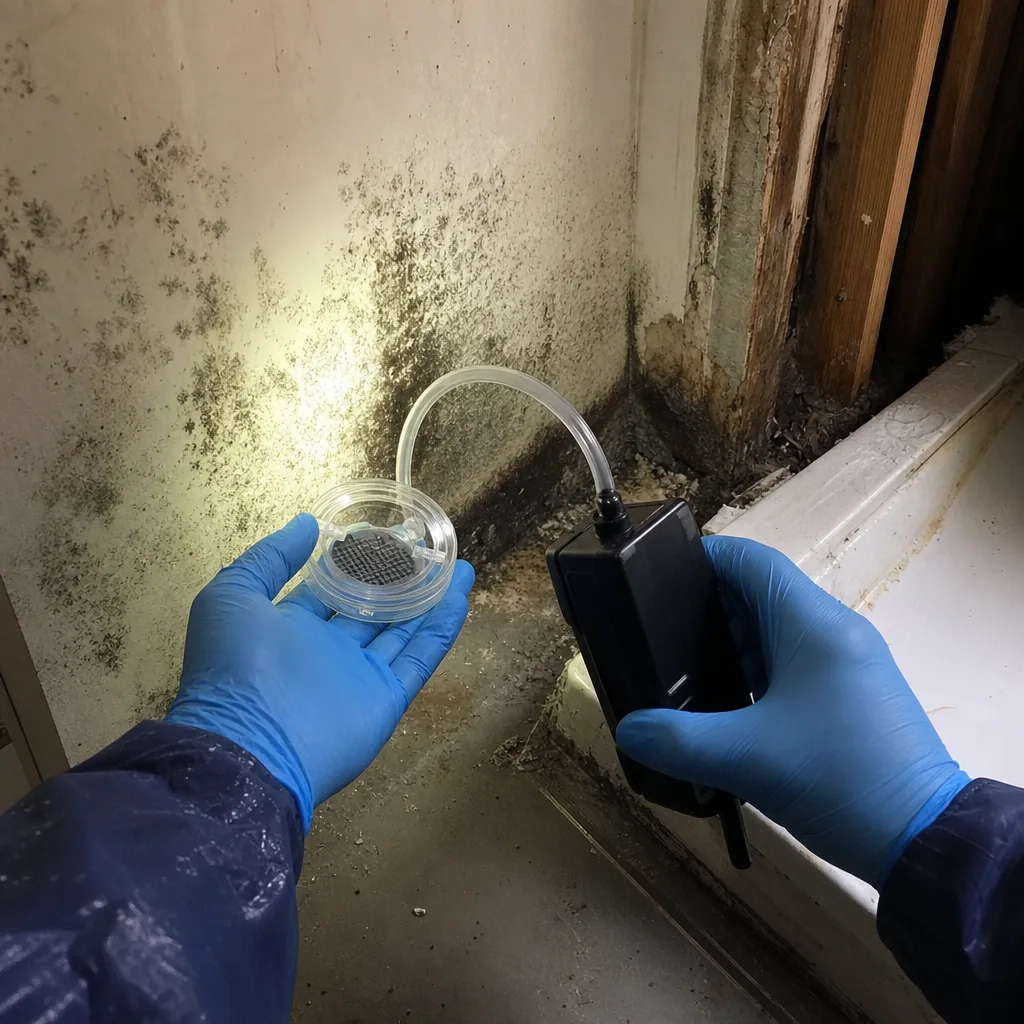
Structural Drying & Dehumidification
Moisture mapping, not guesswork, drives our drying plans. In Riverdale’s 1920s and 1940s co-op buildings, plaster walls hide water against framing and masonry, and standard air movers pointed at the baseboard will not dry inside the wall cavity. We use Injectidry systems and Dri-Eaz dehumidifiers sized to the cubic footage, then log readings daily until every affected material is below the dry standard. In historic Fieldston homes, drying is slowed deliberately to protect original plaster and millwork.
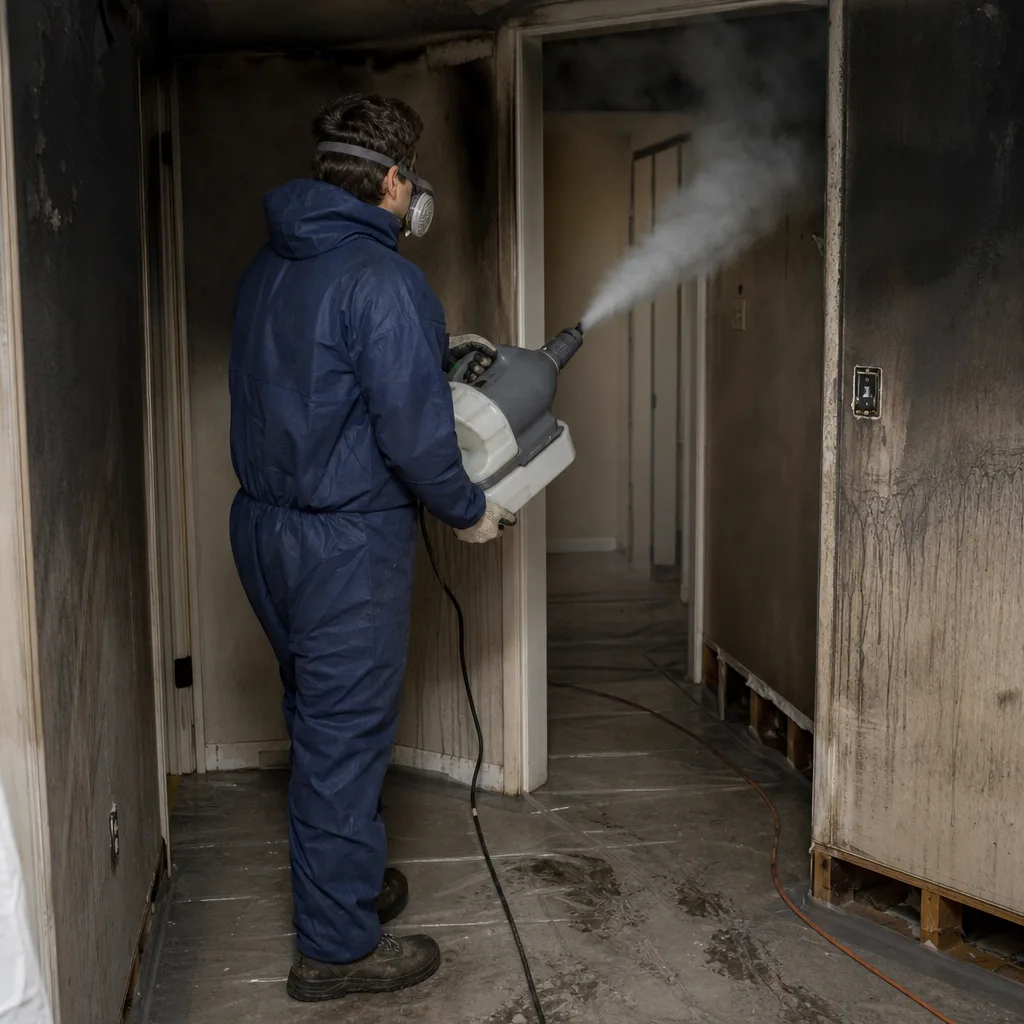
Flood Cleanup
When the Hudson River valley funnels a summer storm over Riverdale, roof drains back up, window frames leak, and basement sump pumps fail. Flood cleanup means removing contaminated water and silt, treating affected surfaces with antimicrobial agents, and drying the structure thoroughly. It also means knowing which materials are salvageable and which are not. Original oak flooring in a Fieldston home might be saved with careful drying; saturated drywall in a mid-century tower ceiling usually comes out.
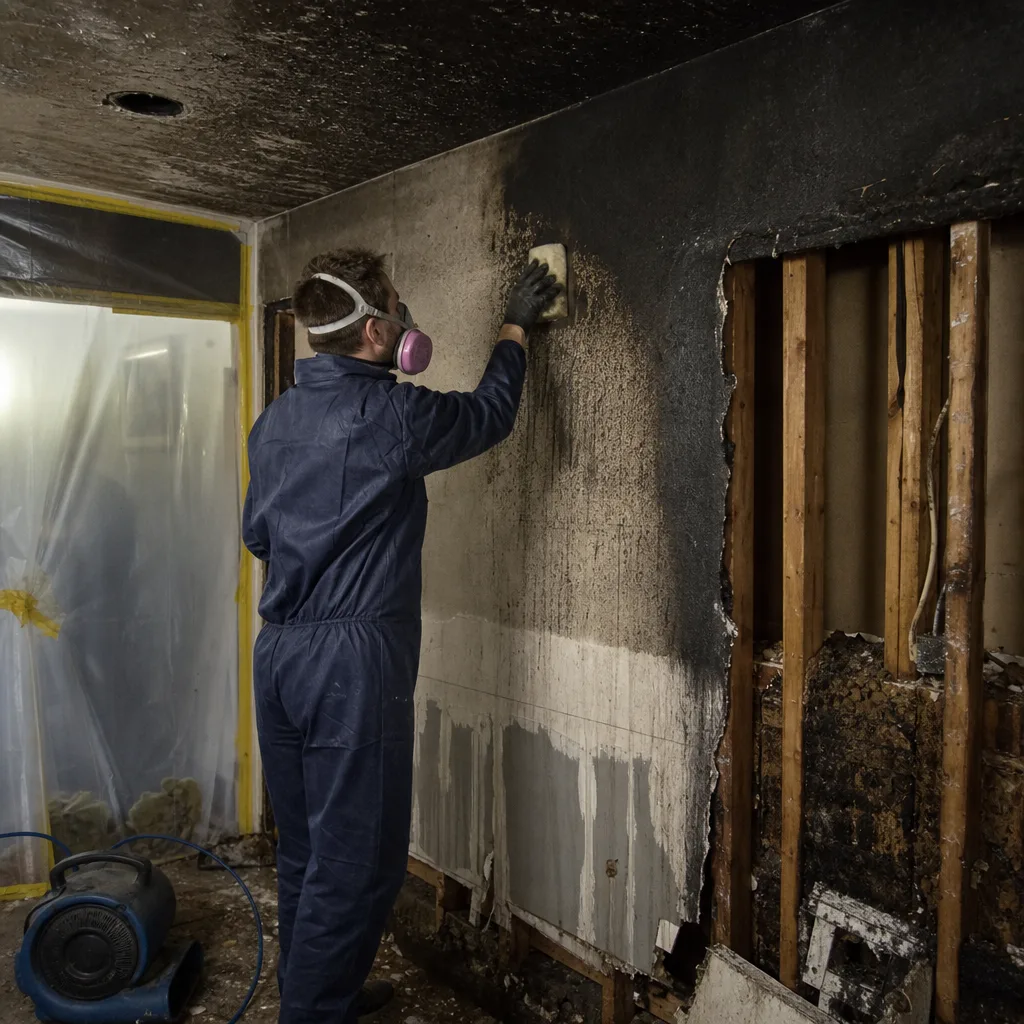
Burst Pipe Restoration
A burst riser in a pre-war Riverdale tower is not a one-unit problem. Water pours down through multiple floors, and the first call usually comes from the resident who sees water running down their kitchen wall, not from the unit where the pipe actually failed. We coordinate with the building super and co-op board, shut off the riser, extract from every affected floor, and dry every cavity. Then we patch the chase, restore the plaster, and refinish the floors. One crew handles the entire sequence.
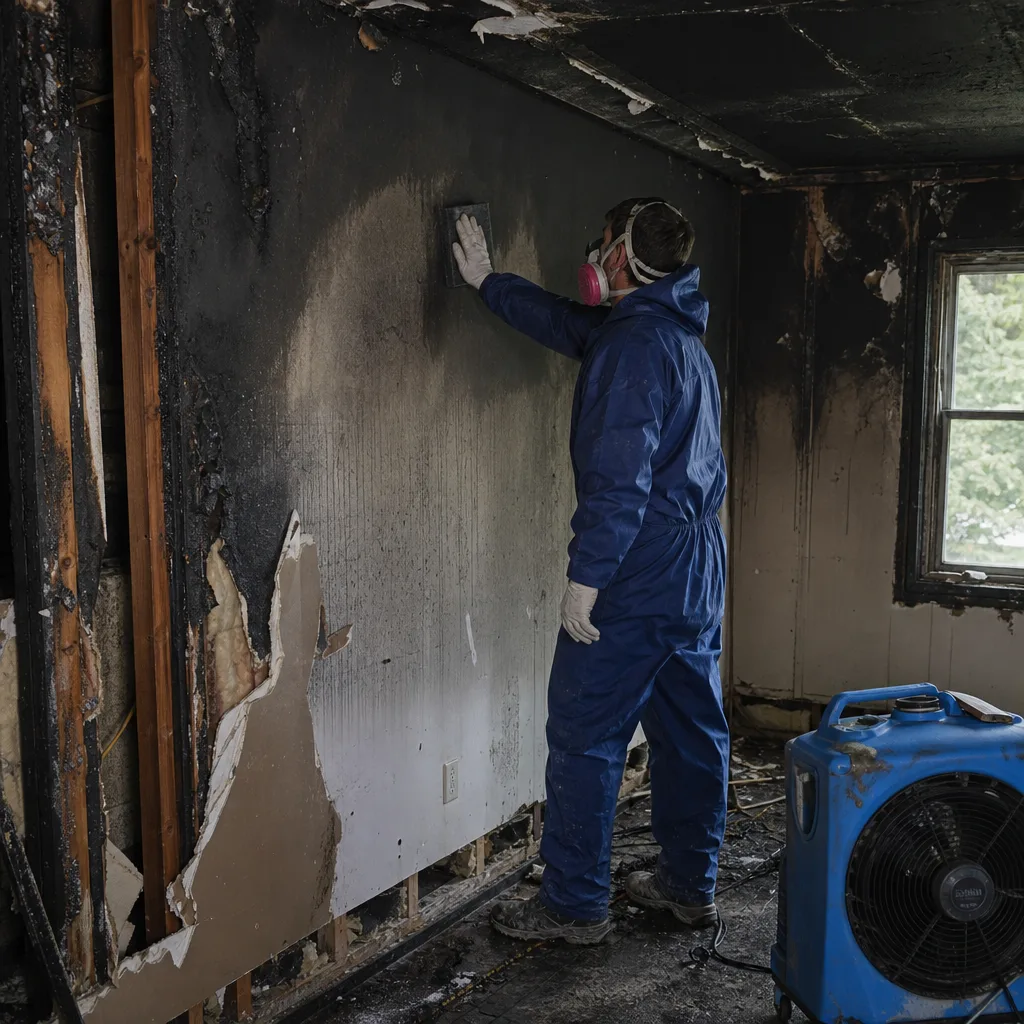
Basement Water Removal
Basement water removal in Riverdale ranges from a simple sump pump replacement in a Fieldston home to a fully finished basement in a co-op tower that floods during a spring thaw. The difference is in the details: a finished basement with drywall and carpet needs extraction, controlled demolition of saturated materials, drying, and rebuild. A stone-foundation basement in an older home can often be dried with air movement and dehumidification alone, if the water is caught early.
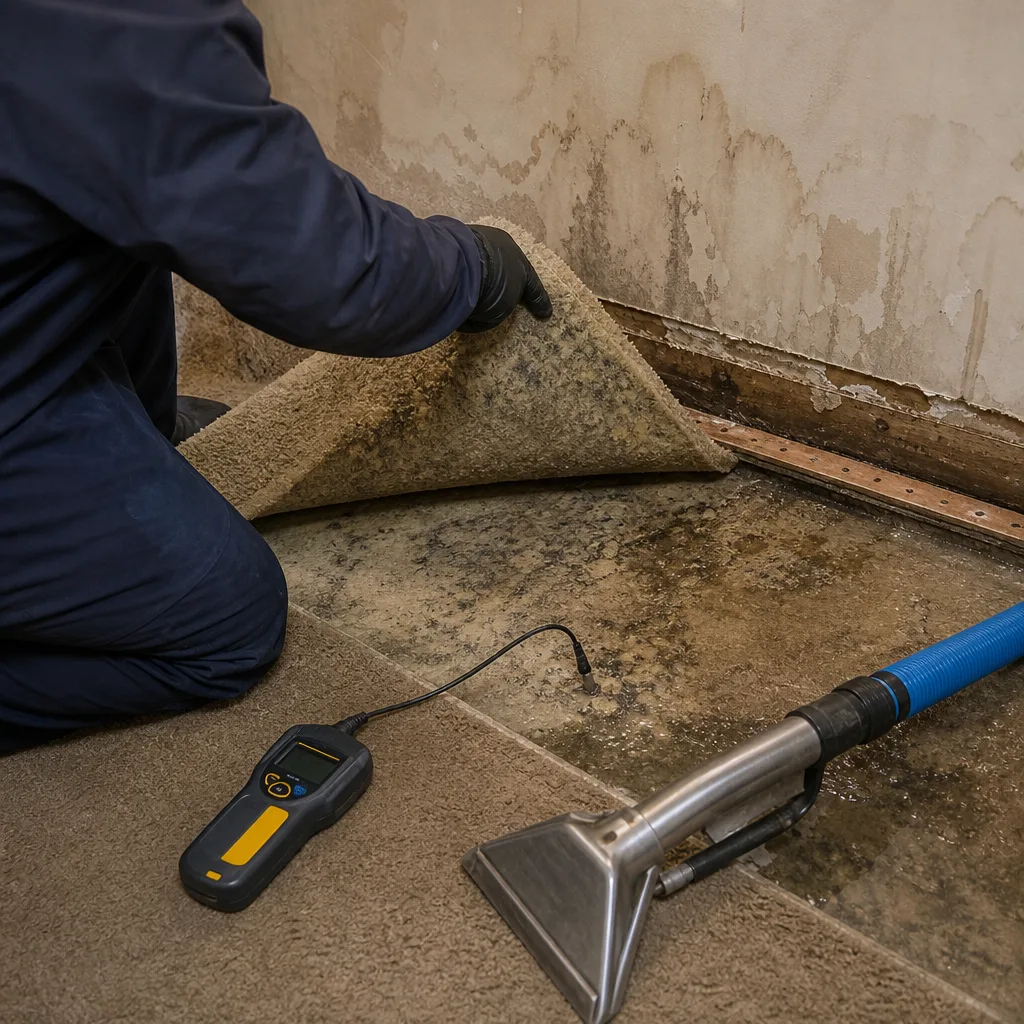
Ceiling & Roof Leak Water Damage
Flat-roof mid-century towers along Henry Hudson Parkway leak at the transitions, and water travels laterally through the curtain-wall cavity before it drips through a ceiling five floors down. We trace the water path, not just the visible stain, then dry the ceiling cavity and surrounding materials. In co-op buildings, roof repairs are usually the building’s responsibility, but the water damage inside your unit is yours to claim. We document the full path so your carrier sees exactly what happened and why.
What happens when you call
- 1
A real person answersNo phone trees - you reach a local pro.
- 2
You get an upfront price rangeHonest numbers before anyone is dispatched.
- 3
A background-checked tech heads outLicensed & insured, dispatched right away.
- 4
You approve before work beginsNothing starts until you say go.
Water Damage Restoration Costs in Riverdale, NY
Honest numbers for the Riverdale market: a Category 1 burst pipe cleanup in a single co-op unit runs $1,800-$4,500, including extraction, drying, and basic patchwork. A Category 2 cast-iron riser failure affecting three units typically lands between $6,000 and $18,000 per unit, depending on how much plaster and flooring must come out. A full-scale Category 3 flood in a finished basement space, with sewage backup, runs $10,000-$25,000 or more, because affected drywall, insulation, and flooring all get removed and replaced. What moves the price: the age of the plaster, the size of the affected chase, whether the building’s master policy covers structural drying, and how quickly the board authorizes access. Every job starts with a free visual inspection and moisture readings. We write a line-item scope and agree on it in writing before any money is spent. No surprises on the bill, and no work begins without your approval. Call (551) 348-3742 for a firm quote, usually within the same visit.
We Also Serve Cities Near Riverdale
Floodline Restoration Co. also runs crews to Riverdale‘s neighboring communities: Getty Square in Yonkers, Northwest Yonkers, and Kingsbridge in the Bronx. Same 45-minute response commitment, same local dispatchers, same written guarantee.
Serving Riverdale, NY - Our Local Coverage Area
We’re based in the Riverdale area and know this community well. Use the map below to see our service coverage - if you’re nearby, we can almost certainly help.
Riverdale Water Damage Restoration Questions, Answered
How does co-op board authorization affect emergency water extraction in a Riverdale tower?
Board authorization can delay emergency water extraction in a Riverdale co-op tower by hours, because common-area walls and riser chases belong to the building, not the unit owner. We handle it by contacting the building manager or board representative immediately upon dispatch, explaining what we need to access and why, and documenting the request in writing. In many cases, we have existing relationships with Riverdale building supers, which speeds the process.
Do you need special access arrangements for burst riser repairs in Fieldston estate homes?
Fieldston estate homes often have finished basements with plaster ceilings that conceal riser pipes, so we plan access routes before bringing in equipment. Wide-board oak floors and original millwork require floor protection and careful equipment placement, not maximum airflow. We lay protective sheeting, use low-profile air movers, and run extraction hoses through windows or bulkhead doors instead of hauling contaminated water through the formal entry.
What category of water is typical for a slab leak in a Riverdale mid-century high-rise?
A slab leak in a Riverdale mid-century high-rise is usually Category 1 or Category 2, depending on whether the leak is from a supply line (Category 1) or from a drain line that carries wastewater (Category 2). The longer the water sits in the slab and wicks into wall cavities, the higher the contamination risk. We test the water and map the moisture before classifying, and we treat every slab leak as a drying challenge because slab moisture can migrate far from the visible point.
Why is moisture mapping more critical in Riverdale’s masonry co-op buildings than in newer construction?
Riverdale’s pre-war masonry co-op buildings have plaster walls, cast-iron riser chases, and concrete slab floors that move water differently than a modern drywall-and-wood-frame building. Water travels laterally through masonry, wicks up through plaster, and hides inside chase walls where you cannot see it. Moisture mapping with thermal imaging and penetrating meters tells us where the water actually is, not just where the stain appeared, and prevents us from declaring the job dry while moisture still sits inside a plaster cavity.
Can you prevent roof membrane leaks from turning into mold in a curtain-wall high-rise in Riverdale?
Yes, if the leak is caught and dried within 48 hours. Roof membrane leaks in curtain-wall high-rises let water travel inside the wall cavity, where it soaks insulation and framing without any visible sign on the interior until it drips through a ceiling. We dry the cavity using targeted air movement and dehumidification, and we document the moisture path. If mold has already started, we recommend a full containment and remediation scope, not just drying.
How fast can someone actually get to my Riverdale address?
We commit to a 45-minute response for Riverdale addresses, and in practice our crews are often on scene in 30 minutes or less. We dispatch locally, not from a national call center, and we keep crews staged for Northwest Bronx and Hudson corridor calls. Call (551) 348-3742 and a live person will tell you exactly when the truck rolls.
Will my insurance cover water damage restoration in a co-op?
In most cases, yes. The building’s master policy typically covers common areas and the structure behind your walls, while your individual policy covers your unit’s finishes and contents. The split matters: a failed riser is usually a common-area claim, while damage to your flooring and cabinetry falls under your own policy. We coordinate with both carriers and provide the documentation each one needs.
What should I do in the first 30 minutes after I notice water damage?
Shut off the water source if you know where the shutoff is, and do not touch standing water if it may be contaminated. Move furniture and small items out of the wet area if you can do so safely. Take photos of the damage. Then call (551) 348-3742. Do not use a wet-dry vac on gray or black water, and do not wait until morning. The clock is running on how much we can save.
Written by Curt Bowman, Owner at Floodline Restoration Co., serving Riverdale since our founding in 2010.