
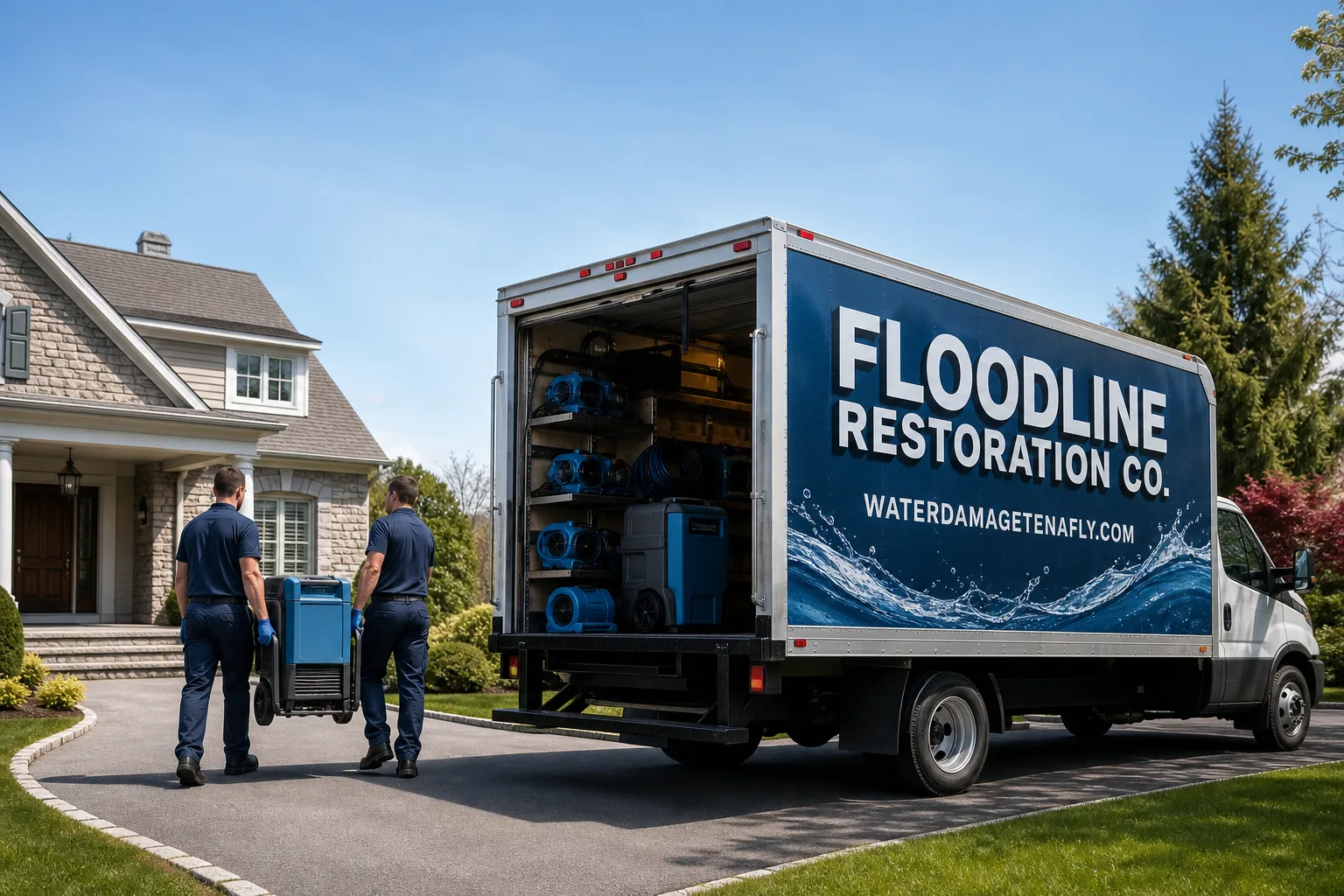
Free visual inspection and a written scope of work before any mitigation begins - photos, moisture readings, and drying logs go in your claim file
The scope we write is the scope we bill. Anything new gets shown to you, in writing, before we touch it.
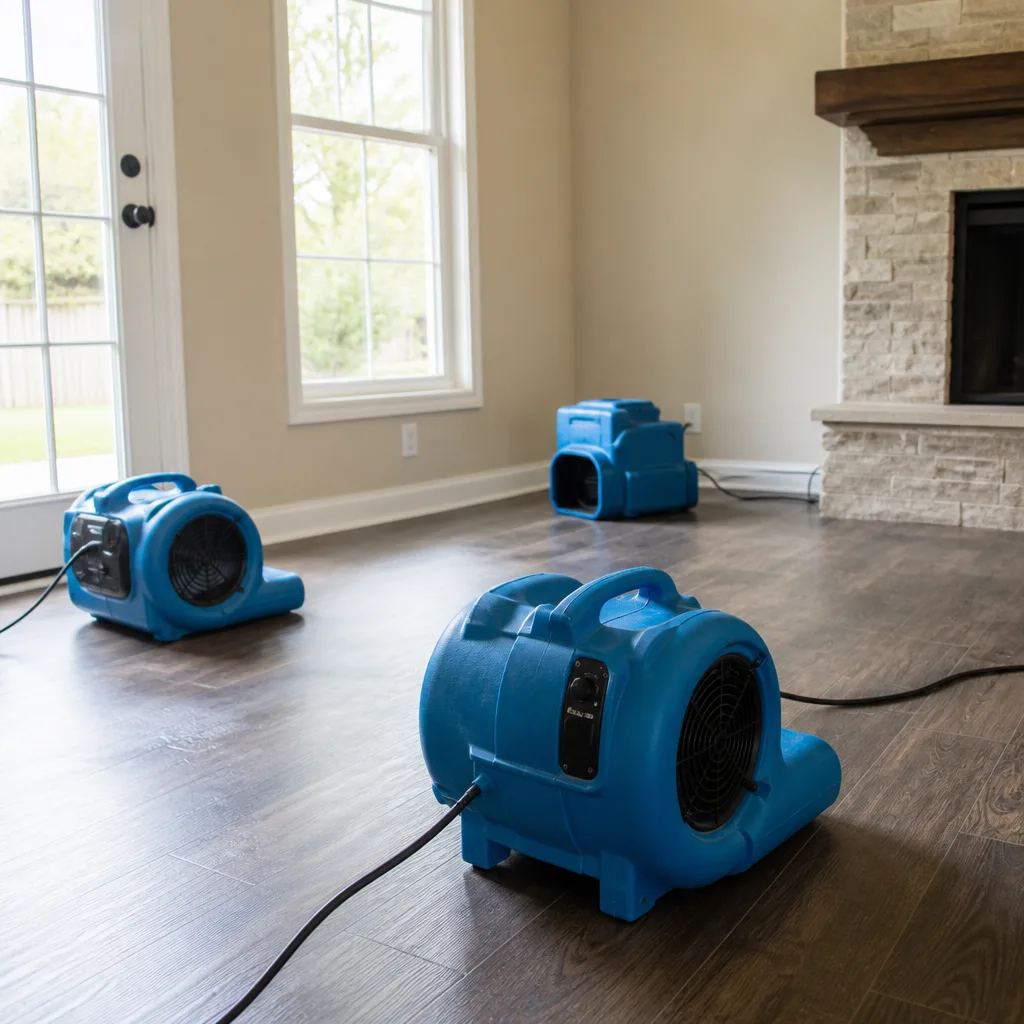

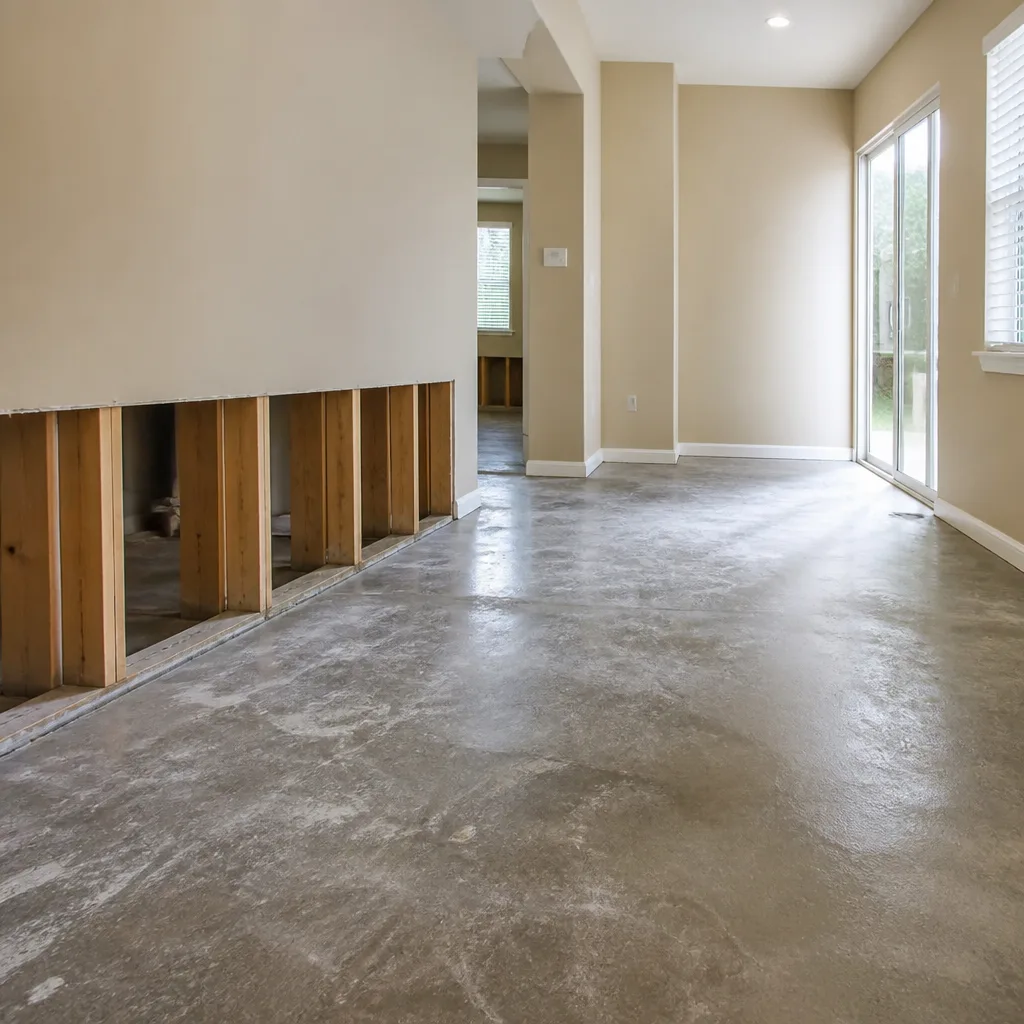

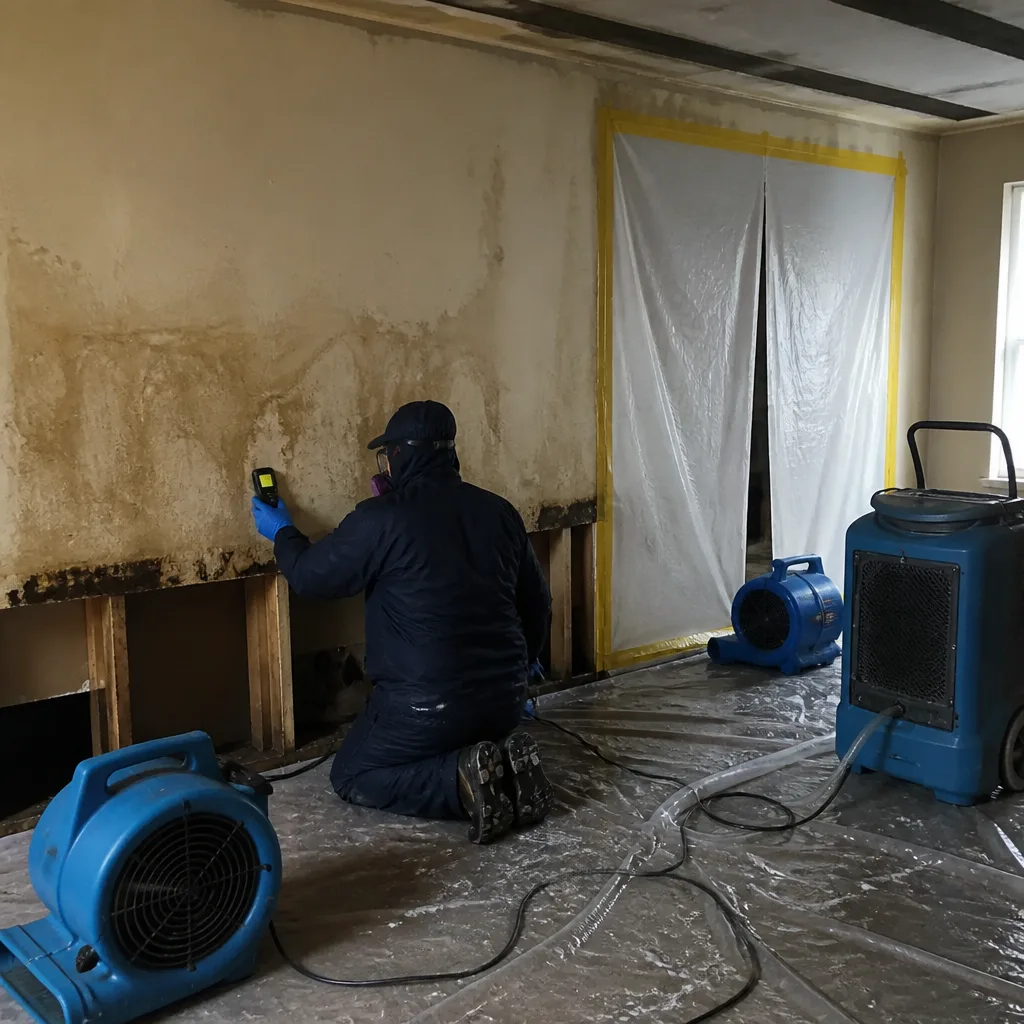 Before
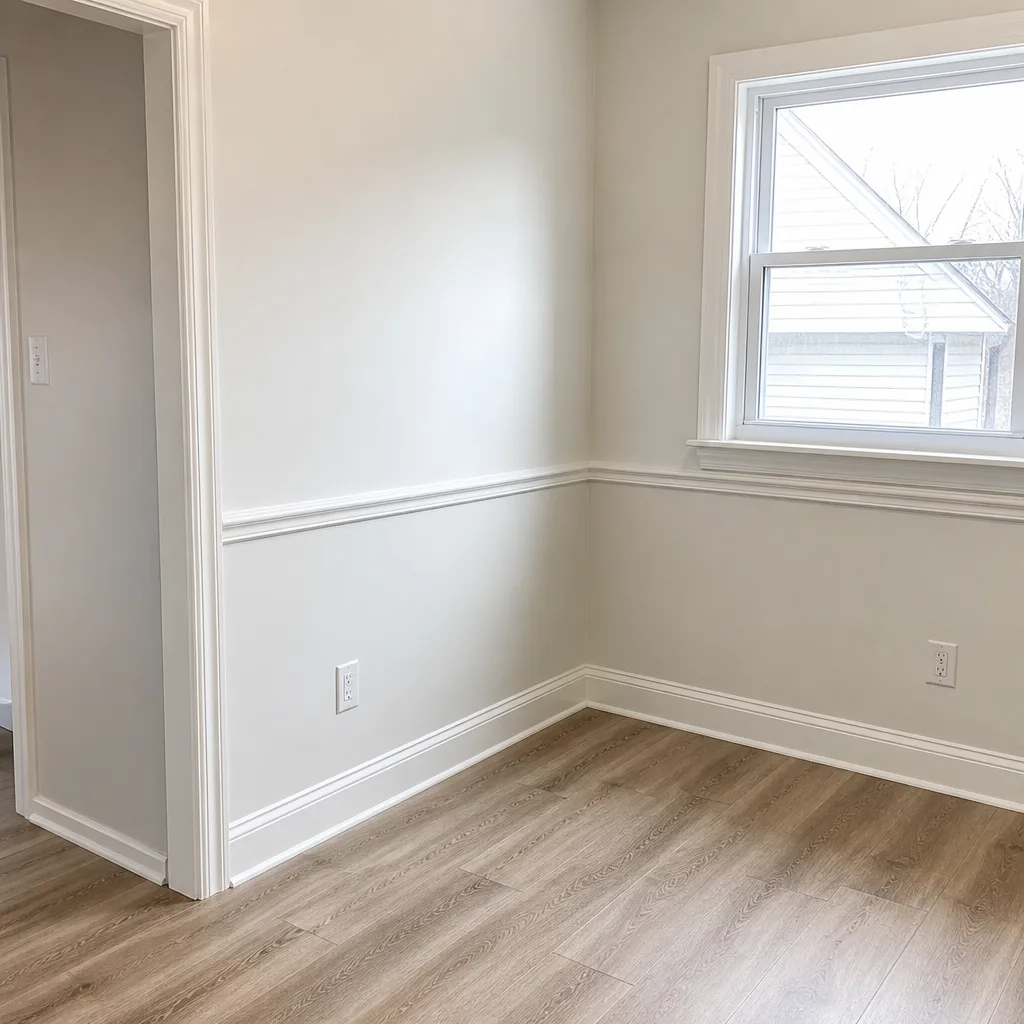 After
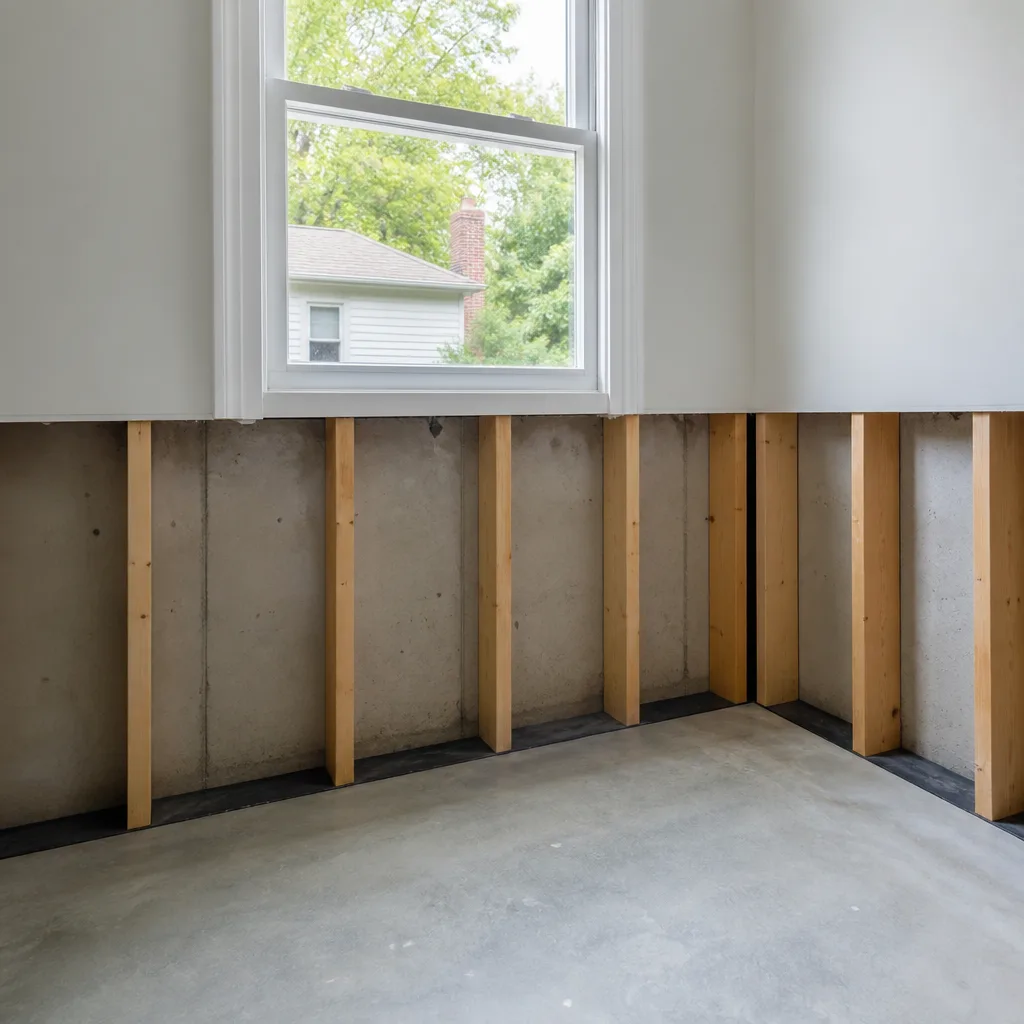
After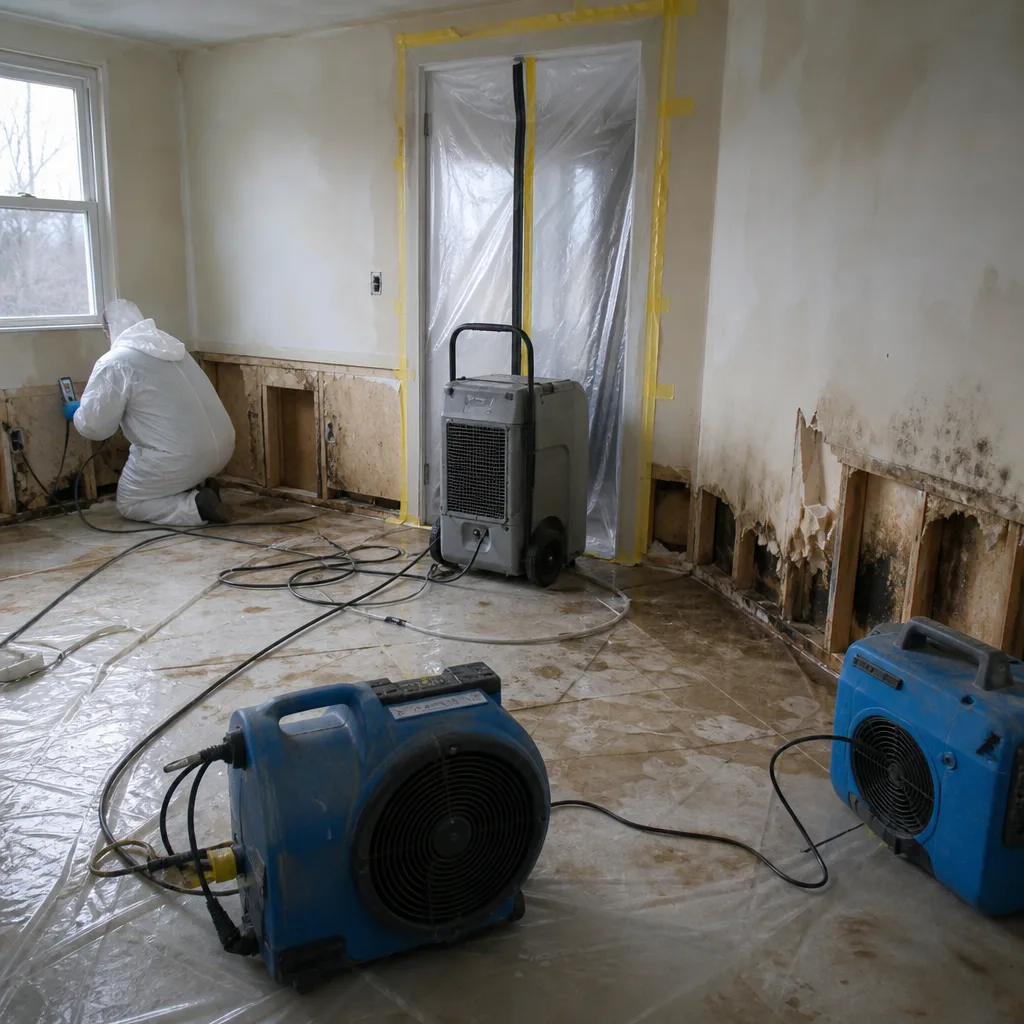 Before
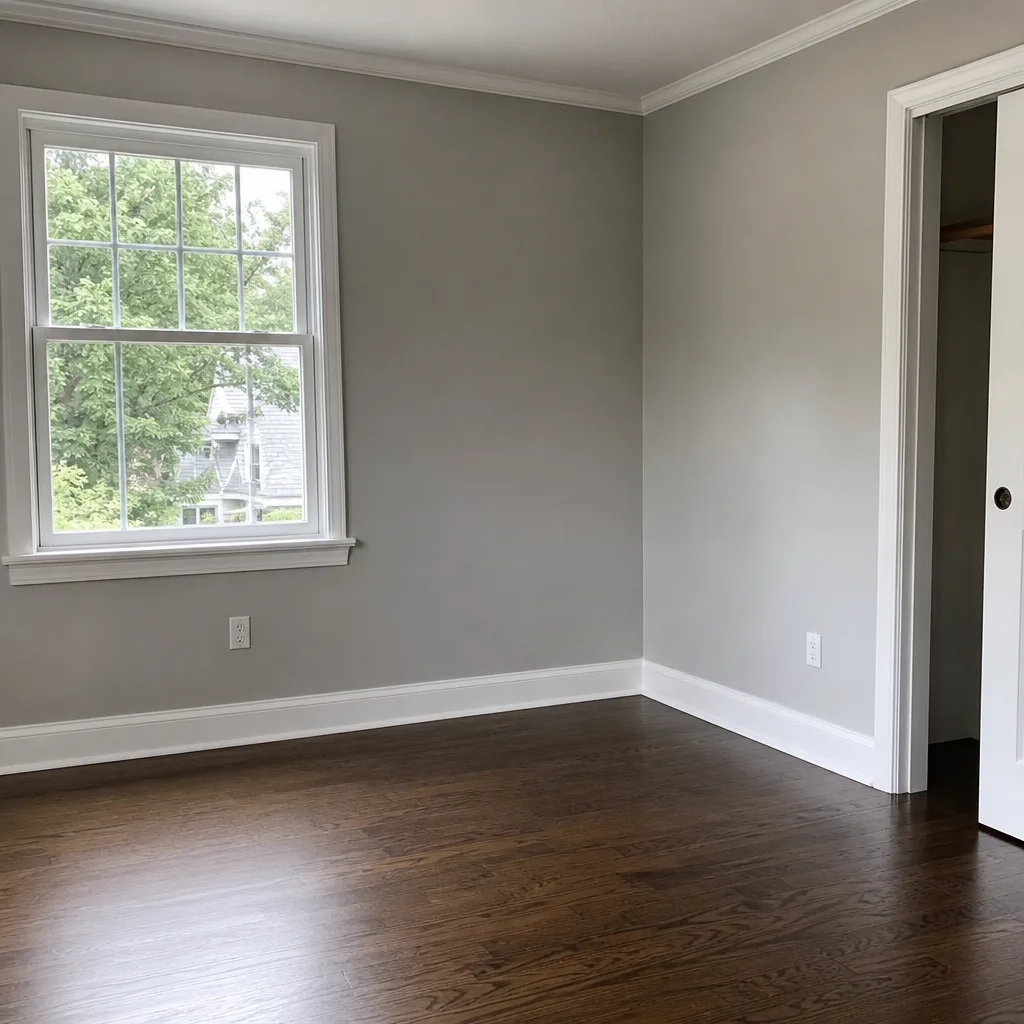 After
After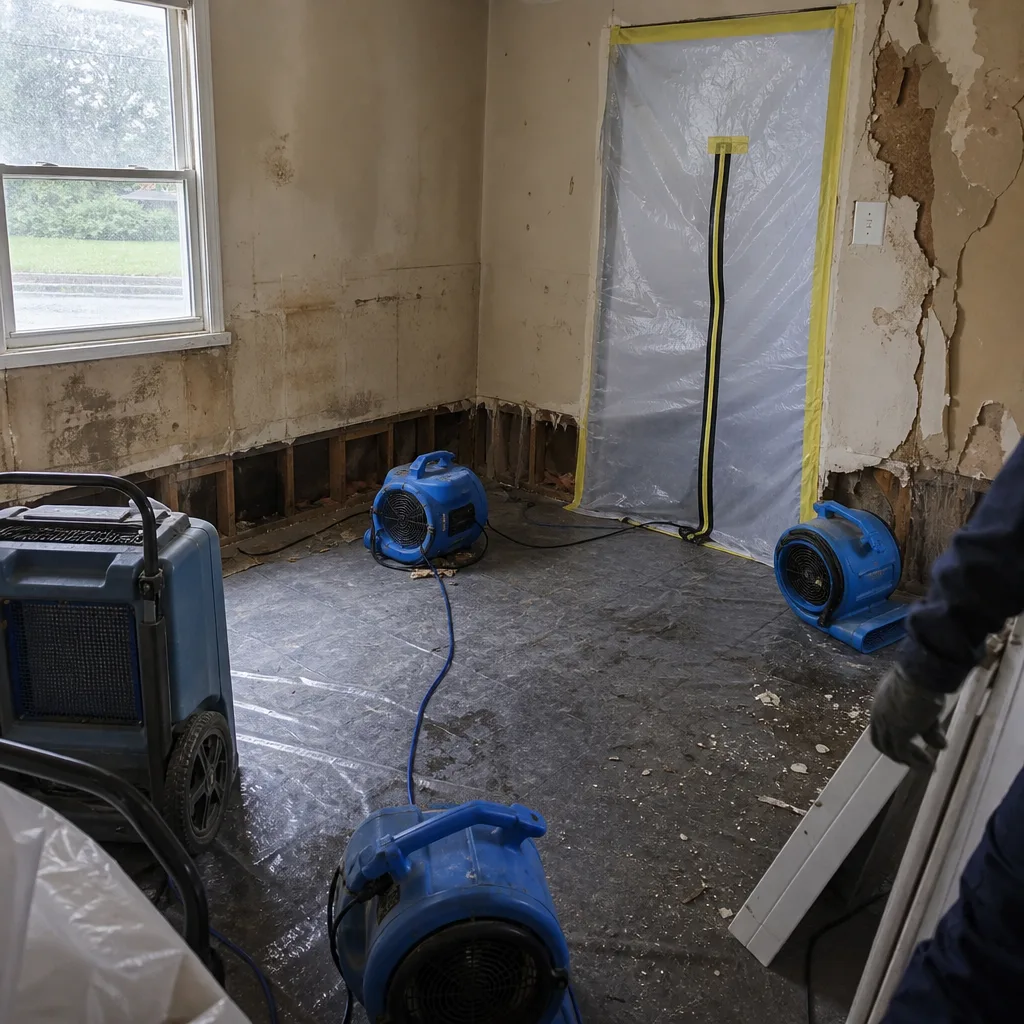 Before
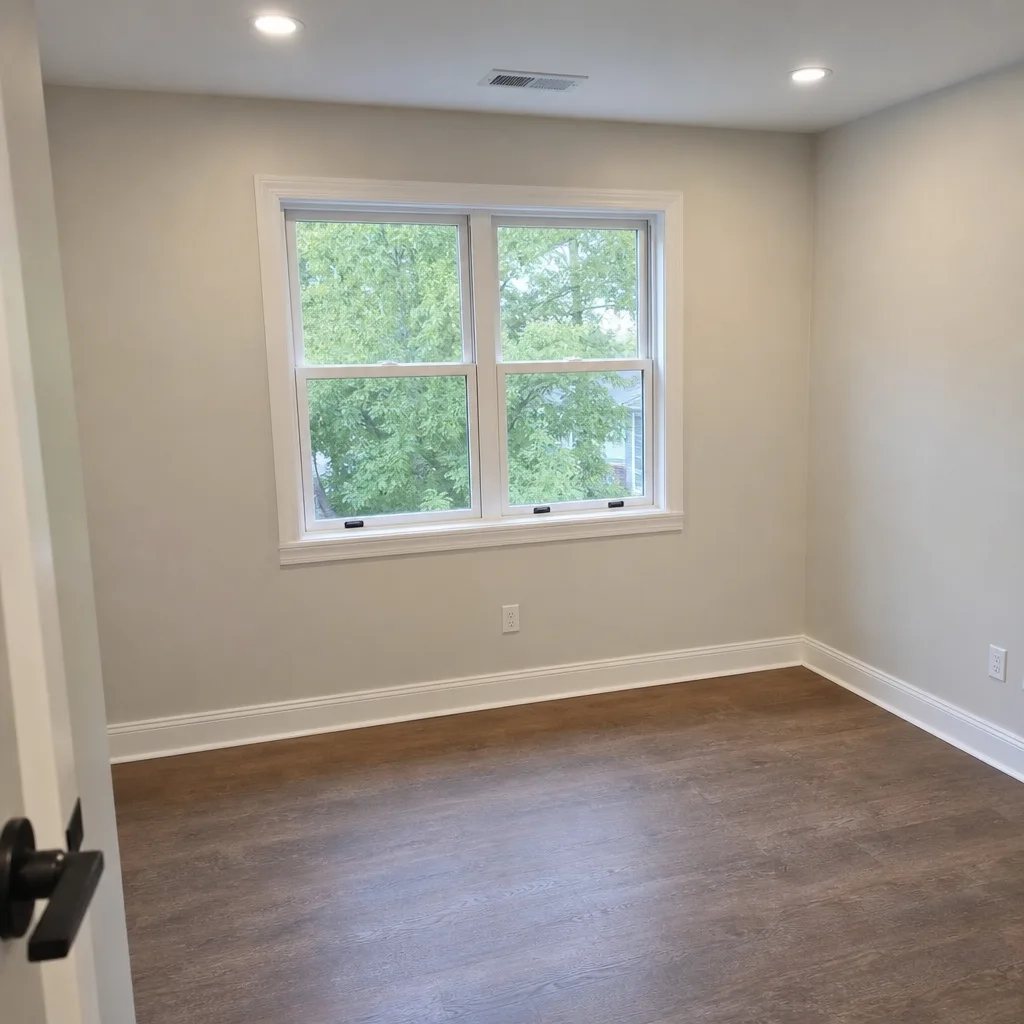 After
After24/7 Emergency Sewage Cleanup in Englewood
Sewage cleanup in Englewood typically costs between $2,800 and $7,500 for a Category 3 black water extraction with sanitization, depending on how far contamination has traveled into wall cavities and flooring. A crew can reach most Englewood addresses within 45 minutes, any hour, any day. Call (551) 348-3742 now if you have sewage backing up through a floor drain, toilet, or tub - the first hour determines whether we’re cleaning surfaces or cutting out plaster-and-lath and subfloor.
When a sewer lateral backs up into a finished basement east of Engle Street, the clock starts the moment water appears. Black water carries pathogens. It wicks into drywall, plaster, hardwood, and carpet pad. In Englewood’s pre-WWII homes, that contamination travels vertically through balloon framing before you ever see a stain upstairs. We answer the phone live at 2 a.m., and we start extraction on the first visit. Floodline Restoration Co. has done this work in Englewood’s older Colonials and Tudors for years. The line the water left is where we start.
Understanding Sewage Cleanup Severity in Englewood Properties
Not every sewage call is the same job. The restoration industry classifies water into three categories, and sewage is always Category 3 - grossly contaminated, carrying bacteria, viruses, and parasites. What changes between jobs is how far that contamination has migrated. In a newer slab-on-grade home with vinyl plank over concrete, the path is contained. In Englewood’s early-20th-century Colonials with balloon framing, a basement backup can travel through uninsulated wall cavities all the way to the first floor before moisture mapping catches it.
We use thermal imaging and penetrating moisture meters to find contaminated material that looks dry on the surface. Plaster-and-lath holds water differently than drywall: it wicks slowly, deeply, and hides microbial growth for days or weeks. Cast-iron and galvanized waste lines under pre-WWII homes add another layer - root intrusion, bellied sections, and rust-through cause repeat backups that homeowners mistake for new floods. The structure matters as much as the spill. In Englewood specifically, we treat every east-side backup as a potential vertical migration problem until the moisture map says otherwise.
Why Englewood Property Owners Choose Floodline Restoration Co.
- 45-minute response commitment to Englewood. We dispatch locally, and a live person confirms arrival time on the phone - not an algorithm, not a voicemail.
- Live answer, 24/7. A dispatcher picks up at any hour. You will never hear “leave a message” during a sewage emergency.
- IICRC-certified crews, WRT and ASD trained. Our technicians carry certification for water damage restoration and applied structural drying, plus RIA and IFA standards training.
- Free visual inspection and written scope. Before any work begins, you get a line-item scope in writing. No surprises on the bill, ever.
- Direct insurance billing. We document from the first hour and communicate with your adjuster so you never play messenger.
- One crew, extraction to reconstruction. The same team that extracts the sewage is certified to handle containment, remediation, and full rebuild. No mid-job handoff, no inherited crew.
Our Sewage Cleanup Process
1. Inspection & Assessment
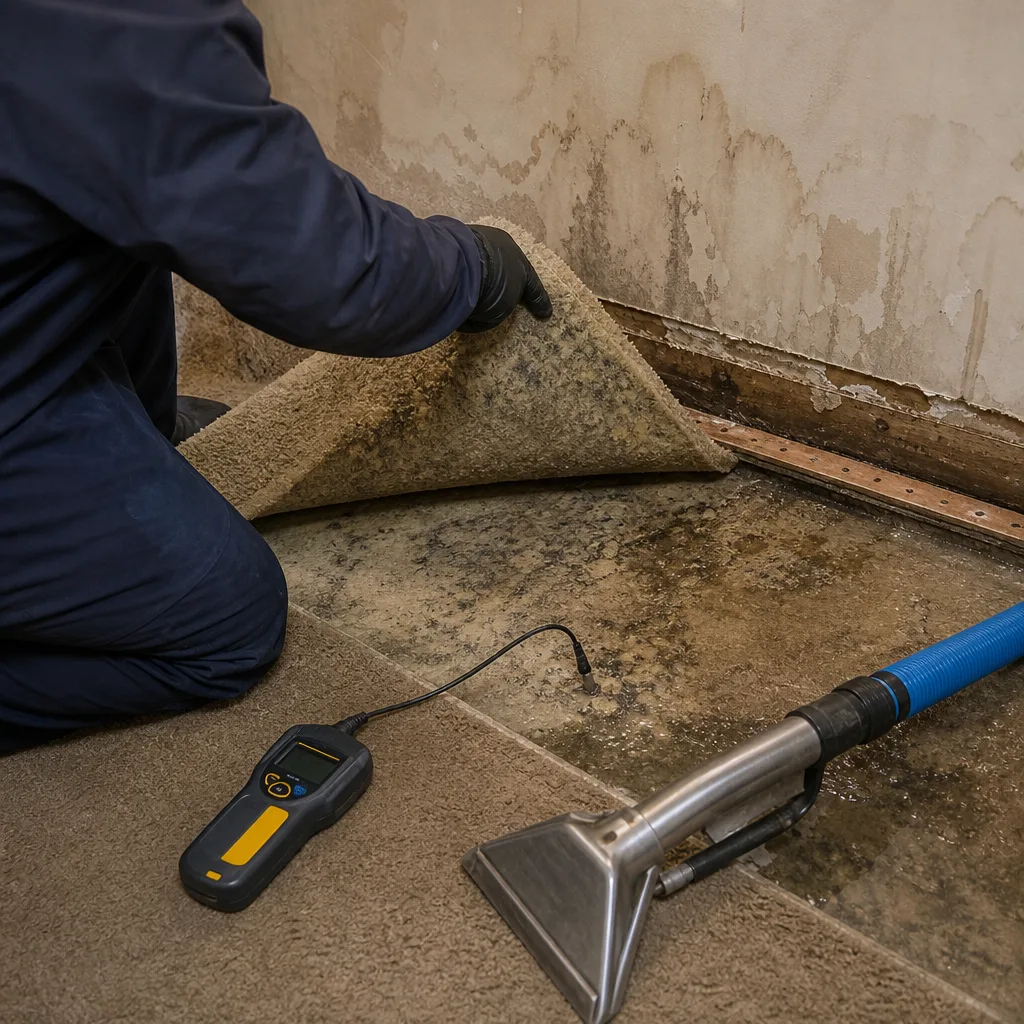
We arrive, map the affected area with thermal imaging and moisture meters, and locate the sewage source. For Englewood’s older homes, that means checking wall cavities above the backup point, not just the floor.
2. Extraction & Stabilization
Category 3 water is extracted with truck-mounted and portable extractors. Contaminated porous materials - carpet, pad, soaked drywall - are cut out and bagged for disposal under containment.
3. Drying & Dehumidification
Dri-Eaz dehumidifiers and Phoenix air movers run continuously, with daily moisture readings logged until the structure reaches the dry standard. In plaster-and-lath homes, this step takes patience - forced drying too fast cracks original plaster.
4. Cleaning & Sanitization
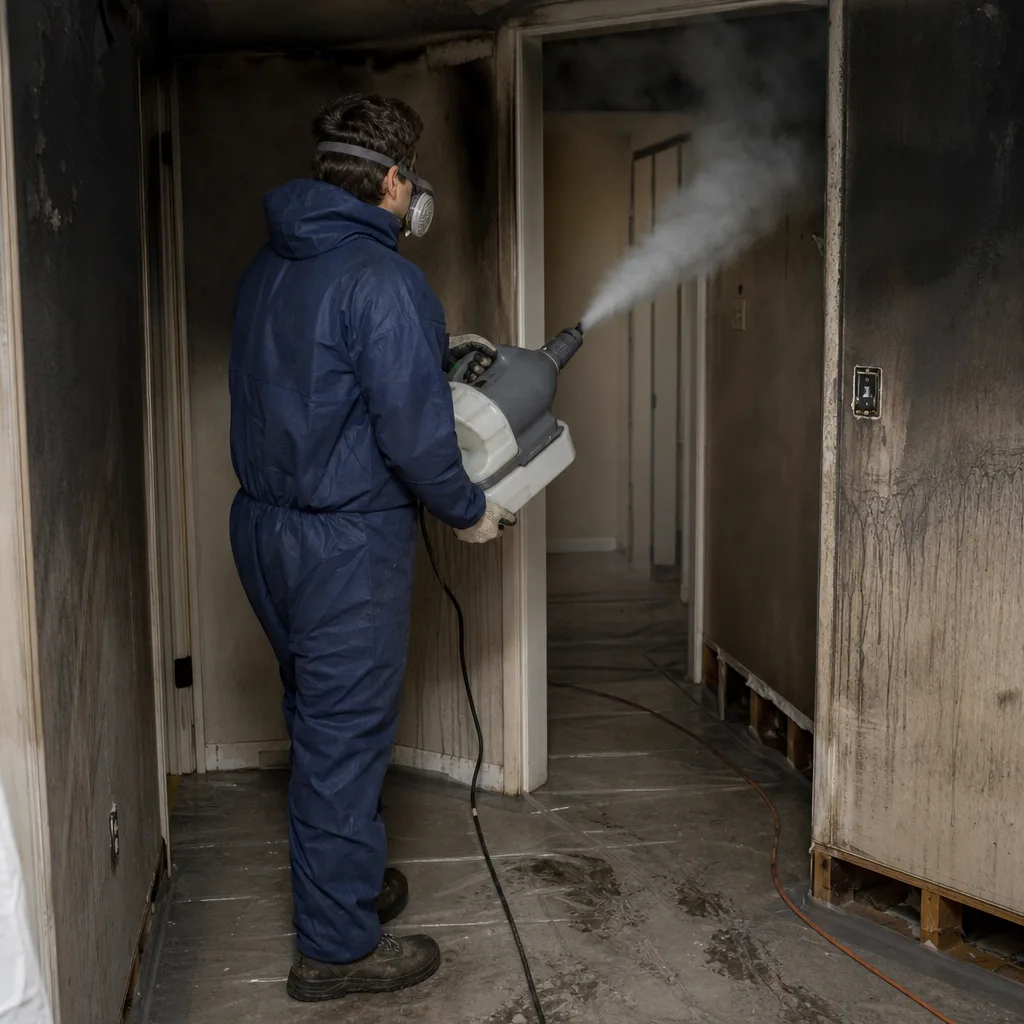
All affected surfaces are cleaned with EPA-registered disinfectants and antimicrobial treatments. We fog wall cavities and exposed framing to reach contamination that isn’t visible.
5. Crawl Space & Hidden Cavity Treatment
Where sewage has seeped into crawl spaces or traveled through balloon framing, we remove contaminated insulation, treat exposed soil and joists, and run HEPA air scrubbers to clear airborne contaminants.
6. Repairs & Restoration
We rebuild what was removed - flooring, drywall, trim, whatever the scope requires. The job is not done until the property is back to pre-loss condition and the moisture log is in your hands.
Need Emergency Sewage Cleanup in Englewood Now?
Crews minutes away, answering live 24 hours a day. The sooner we start, the less it costs.
Working With Your Insurance Company
Most Englewood homeowners’ policies cover sudden sewage backup damage, but the claim has to be documented properly from the first hour. We photograph every affected surface before demolition begins, log moisture readings daily, and write a line-item scope that matches industry-standard estimating software. The evidence trail is what gets a claim approved. Our team’s Sewage Cleanup documentation process is built around exactly that: clear photos, precise measurements, and a scope the adjuster can verify. We talk to your carrier directly, send them the drying logs, and answer their questions so you don’t have to.
What We Provide Your Insurer
- Thorough documentation of the loss
- Photos of all damage, room by room
- Moisture readings and drying logs
- A detailed, line-item scope of work
- Direct coordination with your carrier
Built for Englewood’s Loss Calendar
Englewood’s sewage problems follow a pattern. Nor’easters in fall and early spring push stormwater into combined sewer laterals on the east side, backing black water through floor drains in finished basements. Ida and Sandy showed how fast the Palisades runoff funnel overwhelms those lines. January and February bring freeze-thaw cycles that stress the original cast-iron waste lines under pre-WWII Colonials - bellied sections crack, roots find the gaps, and sewage backs up with no rain in sight. Summer thunderstorms overwhelm the same east-side drains, filling basements that have already been wet two or three times before.
We see the seasonal rhythm because we work it every year. A call from a Tudor near the Palisades in January is usually a cracked cast-iron lateral. A call from a Colonial east of Engle Street in April is usually stormwater pushing back through a floor drain. Knowing which failure mode you’re facing changes how we scope the job - and how fast we can stop the contamination from spreading.
Sewage Cleanup Across Englewood’s Neighborhoods
The homes along Booth Avenue and the streets running toward the eastern flatlands east of Van Brunt Street deal with the worst of the Palisades runoff funnel. These are Englewood’s combined-sewer streets - the same pipes carry stormwater and sewage, and when one backs up, so does the other. Basements in this area flood repeatedly across storm seasons, and we regularly find prior dry-out work hidden behind re-finished walls near Walton Avenue. Sometimes the mold has been there for years before the current sewage backup calls attention to it.
In the older neighborhoods west of Engle Street, up toward the Palisades, homes sit on the original cast-iron laterals installed when those Colonials and Tudors were built. Here, sewage backups are less about stormwater and more about aging infrastructure - rust-through, root intrusion, bellied pipe sections. These houses have the same plaster-and-lath walls, the same balloon framing, and the same original hardwood floors as the east side, but the failure mode is different. Near the smaller post-war homes off West Palisade Avenue, crawl spaces are the hidden risk. Sewage from a failed line seeps under the house, contaminates insulation and soil, and does not show itself until odor rises through the floorboards.
When sewage backs up near the commercial buildings along Palisade Avenue, response speed matters even more - those older mixed-use structures share sanitary lines, and a backup in one tenant space can spread quickly. We serve all of it, from East Palisade to the neighborhoods just off Route 4.
Specialized Sewage Cleanup Services We Offer in Englewood
Sewage Backup Cleanup
When black water comes up through a floor drain or basement toilet in Englewood, we handle the full scope: extraction, contaminated material removal, sanitization, and rebuild. Our team treats every east-side backup as a potential vertical migration through balloon framing until proven otherwise.
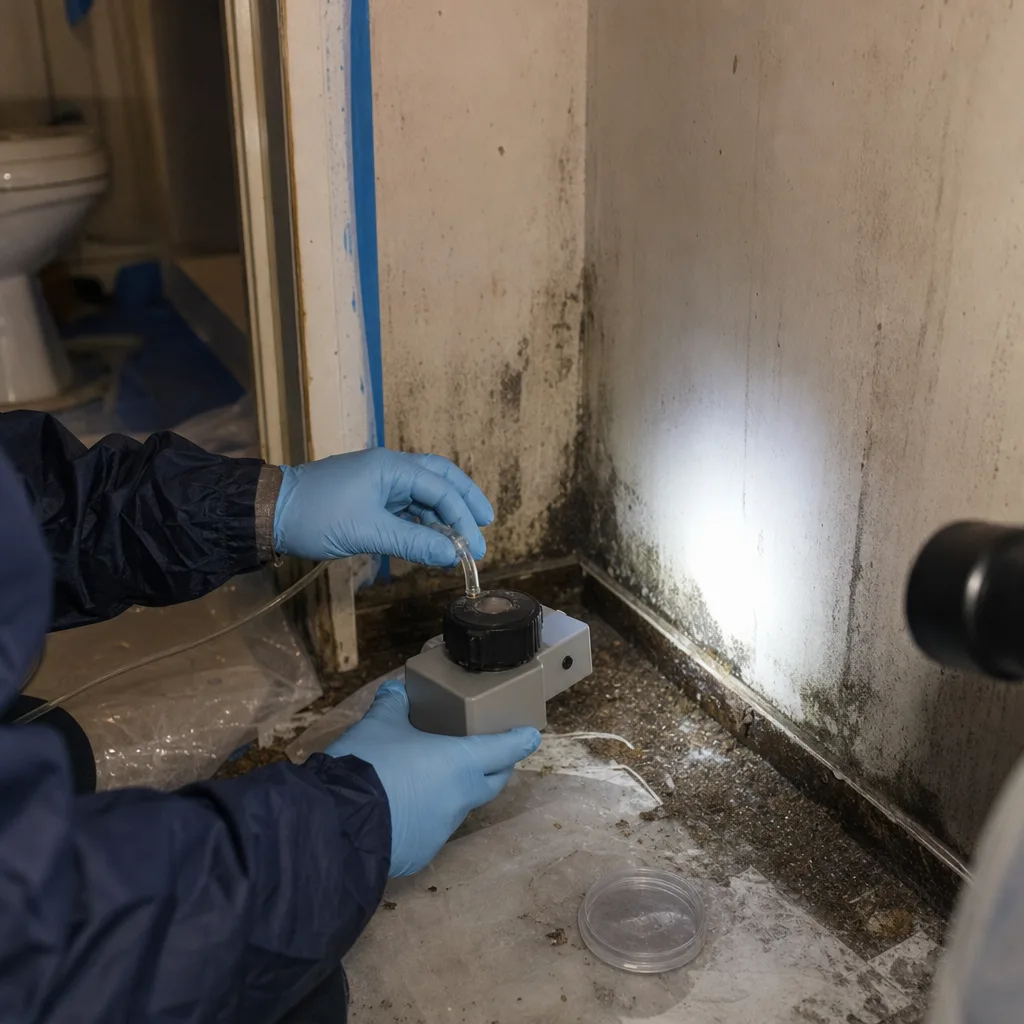
Toilet Overflow Cleanup
A toilet overflow is Category 3 water, even if it looks clean. In Englewood’s older homes with original hardwood on the first floor, overflow that sat for even a few hours can wick into the subfloor. We cut out saturated material, dry the cavity, and replace what was removed.
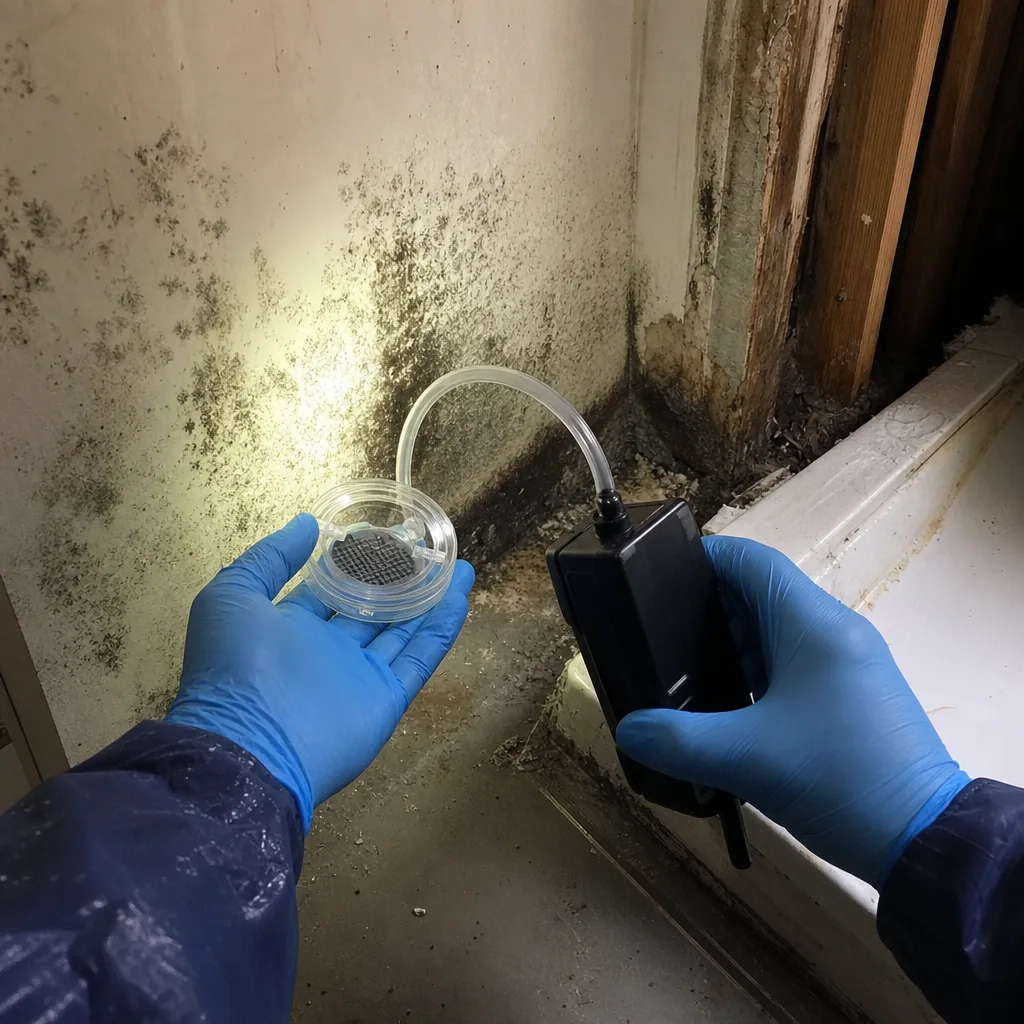
Septic Failure Cleanup
Some Englewood properties still run on septic systems, particularly larger lots in the northern sections of the city. A failed septic field or backed-up line pushes raw sewage into the yard and often the basement. We coordinate pumping with the work of extracting and sanitizing the home.
Black Water Extraction
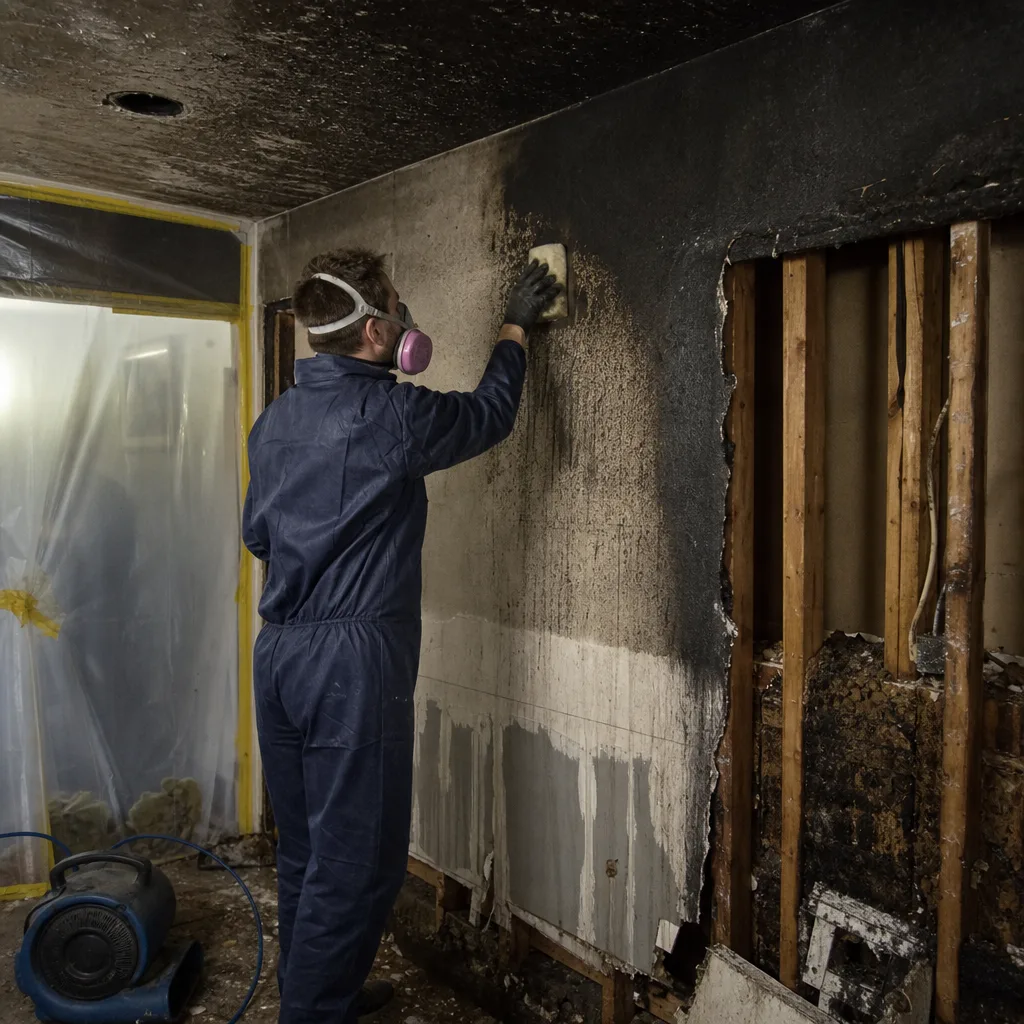
Sewage is Category 3 black water. We extract it with professional-grade equipment, not a shop vac. In finished basements east of Engle Street, that means removing carpet, pad, and often the bottom few feet of drywall or plaster - because in those homes, contamination has already wicked upward.
Sanitization & Disinfection
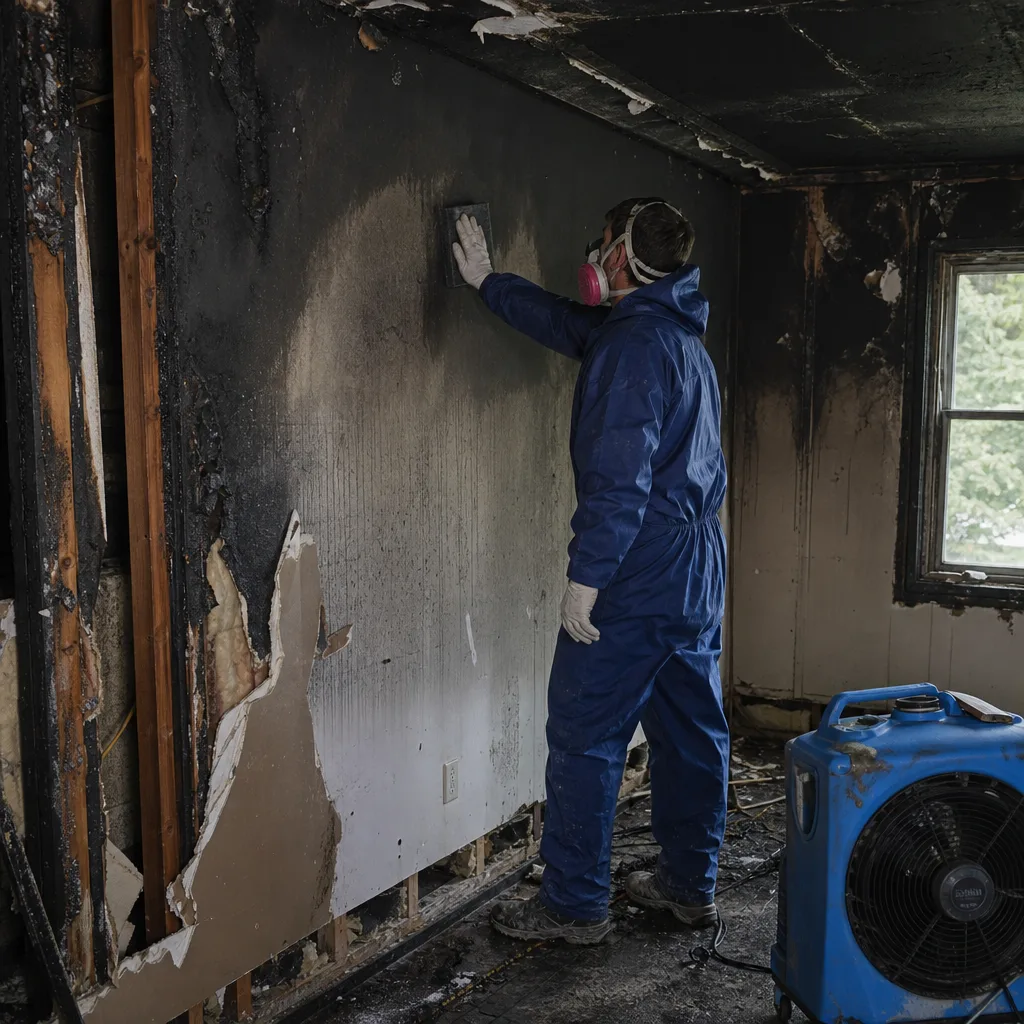
Extraction is not enough. Every surface the sewage touched gets EPA-registered antimicrobial treatment, and wall cavities are fogged to kill pathogens hiding behind plaster. This is the step that prevents illness and long-term odor. In pre-WWII homes with original millwork, we prioritize sanitizing what can be saved before cutting anything out.
Crawl Space Sewage Removal
Sewage that reaches a crawl space is a different problem than a basement floor. Contaminated insulation must be pulled, soil treated, and joists cleaned and fogged. In Englewood’s smaller post-war homes near the eastern flatlands, this is the most common hidden contamination path - odor in the living room, sewage under the house.
What happens when you call
- 1
A real person answersNo phone trees - you reach a local pro.
- 2
You get an upfront price rangeHonest numbers before anyone is dispatched.
- 3
A background-checked tech heads outLicensed & insured, dispatched right away.
- 4
You approve before work beginsNothing starts until you say go.
Sewage Cleanup Costs in Englewood, NJ
A typical sewage backup cleanup in Englewood runs between $2,800 and $7,500. Smaller toilet overflows with quick response land on the low end. A backup that sat overnight in a finished basement with plaster-and-lath walls, traveled into wall cavities, and requires containment, demolition, drying, and rebuild can push toward $12,000 or beyond. Crawl space sewage removal usually lands between $3,500 and $6,500 depending on insulation replacement and soil treatment.
What moves the price: how long the contamination sat before we arrived, whether walls or flooring are porous, whether the framing is balloon construction, and how much rebuilding is required. A free visual inspection gets you a written scope with a firm number before any work starts. Most homeowner policies cover sudden sewage backup, and we bill your carrier directly. Call (551) 348-3742 for an estimate - the inspection itself costs nothing.
We Also Serve Cities Near Englewood
Floodline Restoration Co. provides sewage cleanup in Englewood and surrounding Bergen County communities, including Englewood Cliffs, Teaneck, Tenafly, and Bergenfield. If you’re just outside Englewood, call (551) 348-3742 and we’ll confirm response time for your address.
Serving Englewood, NJ - Our Local Coverage Area
We’re based in the Englewood area and know this community well. Use the map below to see our service coverage - if you’re nearby, we can almost certainly help.
Englewood Sewage Cleanup Questions, Answered
Why does sewage backup happen in east Englewood during heavy rain but not in neighboring Bergen County towns?
Englewood sits at the foot of the Palisades, and the ridge acts as a natural drainage funnel that concentrates stormwater runoff onto the low-lying eastern neighborhoods. Many east-side streets still run on combined sewer laterals - one pipe carrying stormwater and sewage. During nor’easters or tropical remnants, the surge overwhelms those lines and pushes black water back through floor drains and basement toilets. Neighboring towns on flatter ground or with separated sewers don’t face the same pressure. Call (551) 348-3742 for a free inspection if your basement has backed up more than once.
Can you save the plaster-and-lath walls in my Englewood Colonial after a sewage backup, or do they always need to be demolished?
Not always. Plaster-and-lath wicks sewage moisture slowly and deeply, but the walls can often be saved if we respond before contamination saturates fully through. We use moisture mapping to find how far the water has traveled, then remove only the bottom sections that are truly contaminated and dry the rest under controlled conditions. Forced drying is a risk here - too fast and original plaster cracks. Curt Bowman’s crews know that balance from working Englewood’s older Colonials for years. Call (551) 348-3742 and we’ll tell you honestly what can be saved.
How do you handle sewage that has seeped into the crawl space of a small post-war home near the eastern flatlands?
We remove all contaminated insulation, extract standing sewage, treat the exposed soil with antimicrobial agents, and clean and fog the floor joists. Then we run HEPA air scrubbers to clear airborne contaminants and dry the space thoroughly before new insulation goes in. Englewood’s post-war homes often show no visible damage above the floor - the first sign is odor. If you smell sewage in a room with no visible backup, call (551) 348-3742 and we’ll inspect the crawl space free.
Is it safe to stay in my Englewood Tudor during sewage cleanup, or do you set up containment?
For a sewage backup, we set up containment around the affected area and run negative air pressure with HEPA filtration. In a larger home - a Tudor or Colonial with the bedroom floors separate from the basement - you can usually stay while we work, as long as the contaminated zone is sealed off and you avoid sharing air space with it. In smaller post-war homes, especially with elderly residents or anyone immunocompromised, we recommend staying elsewhere for a day or two. We’ll give you a straight answer when we see the layout.
Why do I keep getting sewage backups in my pre-WWII home every winter, even without rain?
That’s usually an aging cast-iron waste line under the house, not stormwater. Bergen County’s freeze-thaw cycles stress those old pipes until they crack or belly. Root intrusion follows the moisture, and the line narrows until normal household flow backs up. Englewood’s older homes were built with these lines, and many are at end of life. We trace the problem with a camera scope, document the failure, and coordinate the repair so you stop paying for cleanup calls every winter. Call (551) 348-3742 for a free inspection.
How fast can someone actually get to my Englewood home right now?
Our response commitment to Englewood is 45 minutes. Dispatch and scheduling are coordinated from the brand’s New York City office, and local crews are stationed to reach Bergen County quickly, including the 07631 ZIP. A live human answers the phone 24/7, so you’ll know your exact arrival window before you hang up. Call (551) 348-3742 now.
Do I really need full sewage remediation, or just a cleaning?
If the backup is Category 3 black water, it is not a cleaning call. Sewage carries pathogens that sanitization alone cannot address when porous materials are saturated. Anything the water touched that can hold moisture - carpet, pad, drywall, plaster, insulation - must be extracted and either sanitized fully with antimicrobial treatment or removed. In Englewood’s older homes, moisture mapping often finds contamination in wall cavities that invisible to the eye. We’ll show you the readings before we recommend removal.
Who deals with my insurance adjuster?
We do. Floodline Restoration Co. documents the loss from the first hour, prepares the line-item scope, sends photos and moisture logs, and speaks directly with your adjuster. You never have to play messenger between us and the carrier. Most Englewood sewage backup claims are covered as sudden and accidental - we’ll help confirm that on your policy.
In Englewood’s pre-WWII homes, sewage backups during nor’easters are aggravated by the city’s Palisades runoff funnel: stormwater overwhelms the combined sewer laterals that still serve many older east-side streets, pushing Category 3 black water back through floor drains and basement toilets in finished basements where plaster-and-lath walls hide contamination for days. We responded to a sewage backup on a tree-lined street east of Engle Street after a tropical remnant storm: our techs performed black water extraction from the finished basement’s carpet and pad, then used moisture mapping to trace contamination wicking into the plaster-and-lath wall cavity. Because the home had original hardwood on the first floor above, we set containment and ran Phoenix air movers with Dri-Eaz dehumidifiers to prevent vapor intrusion, documenting moisture readings every day until the structure returned to pre-loss condition.
Balloon framing allows sewage water to travel vertically from a basement backup into wall cavities above, missing hidden contamination without thermal imaging. Original cast-iron waste lines under pre-WWII Colonials are prone to root intrusion and bellied sections, causing repeat sewage backups that homeowners mistake for new floods. Finished basements with vinyl plank over concrete trap sewage-laden moisture beneath the flooring, creating odor and mold that isn’t detected until the next storm. These are the failure modes we see most often in Englewood, and they are why a generic cleanup approach doesn’t work here.
Floodline Restoration Co. backs every Englewood sewage cleanup with the 90-Day Done Right Promise - the Keystone Standard - in writing, no arguing. If it’s not done right, we make it right. That’s the deal, for every job from first extraction to finished rebuild. Call (551) 348-3742 for a free estimate. A live person answers, day or night.
Written by Curt Bowman, Owner at Floodline Restoration Co., serving Englewood and Bergen County with sewage cleanup and full restoration since 2010.